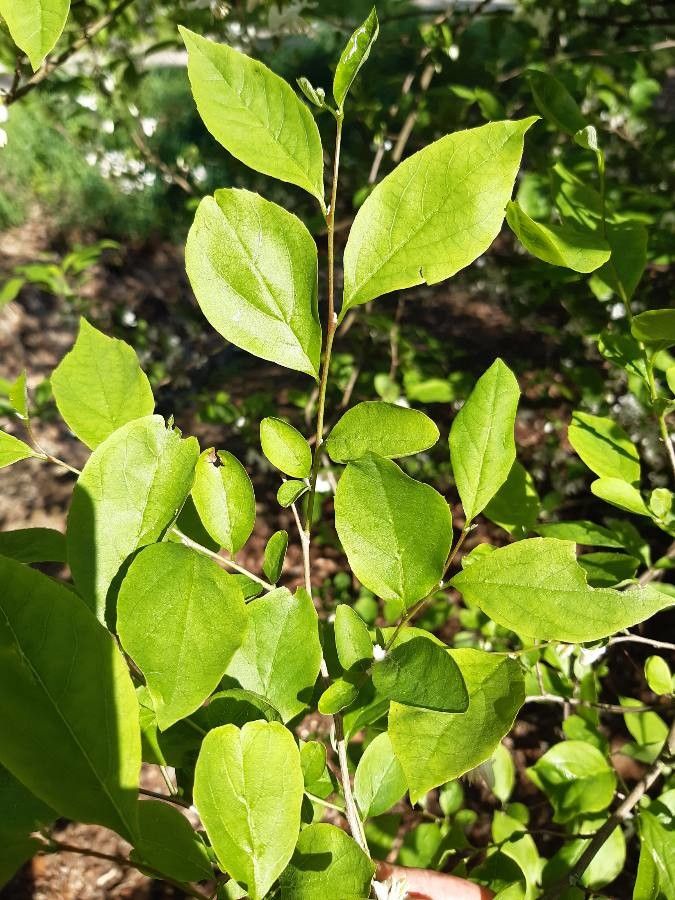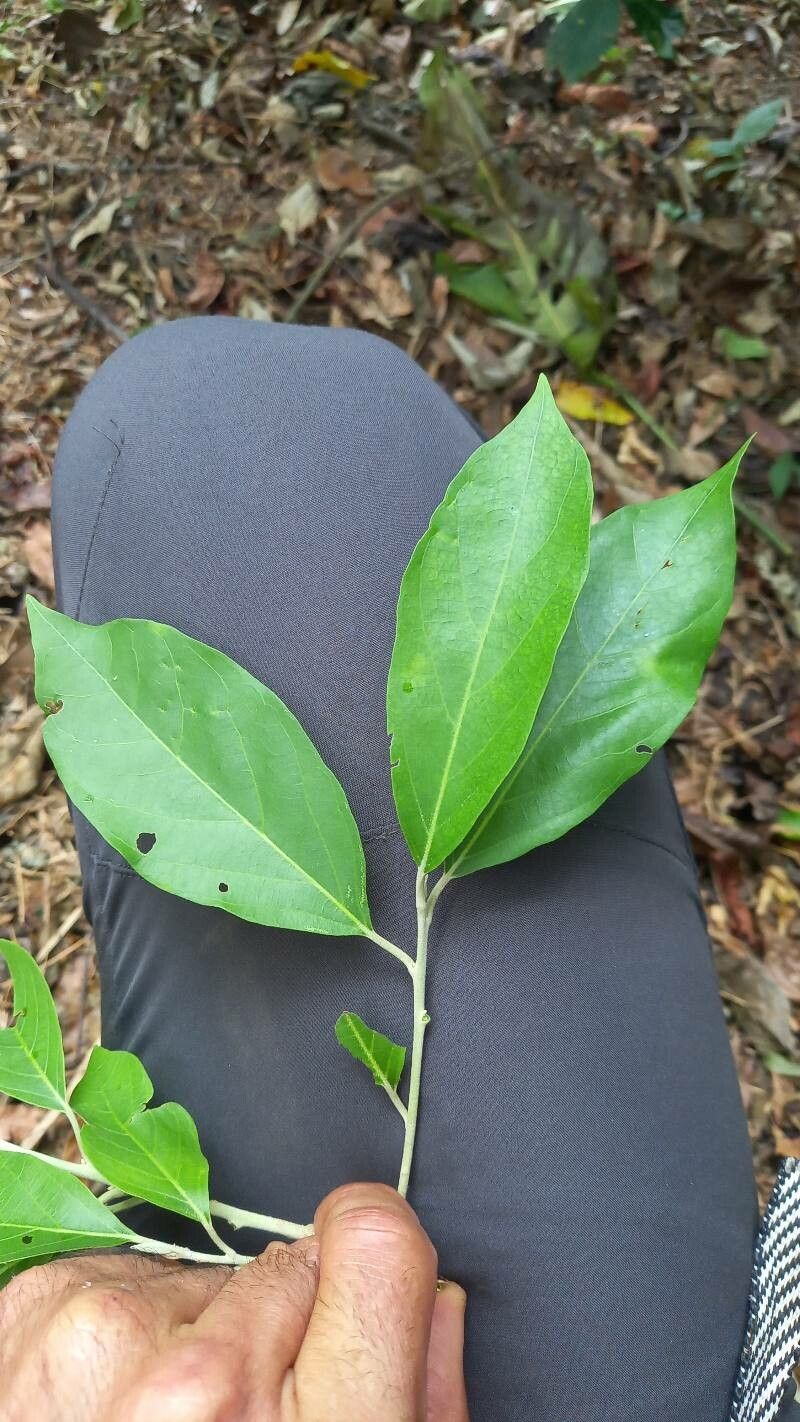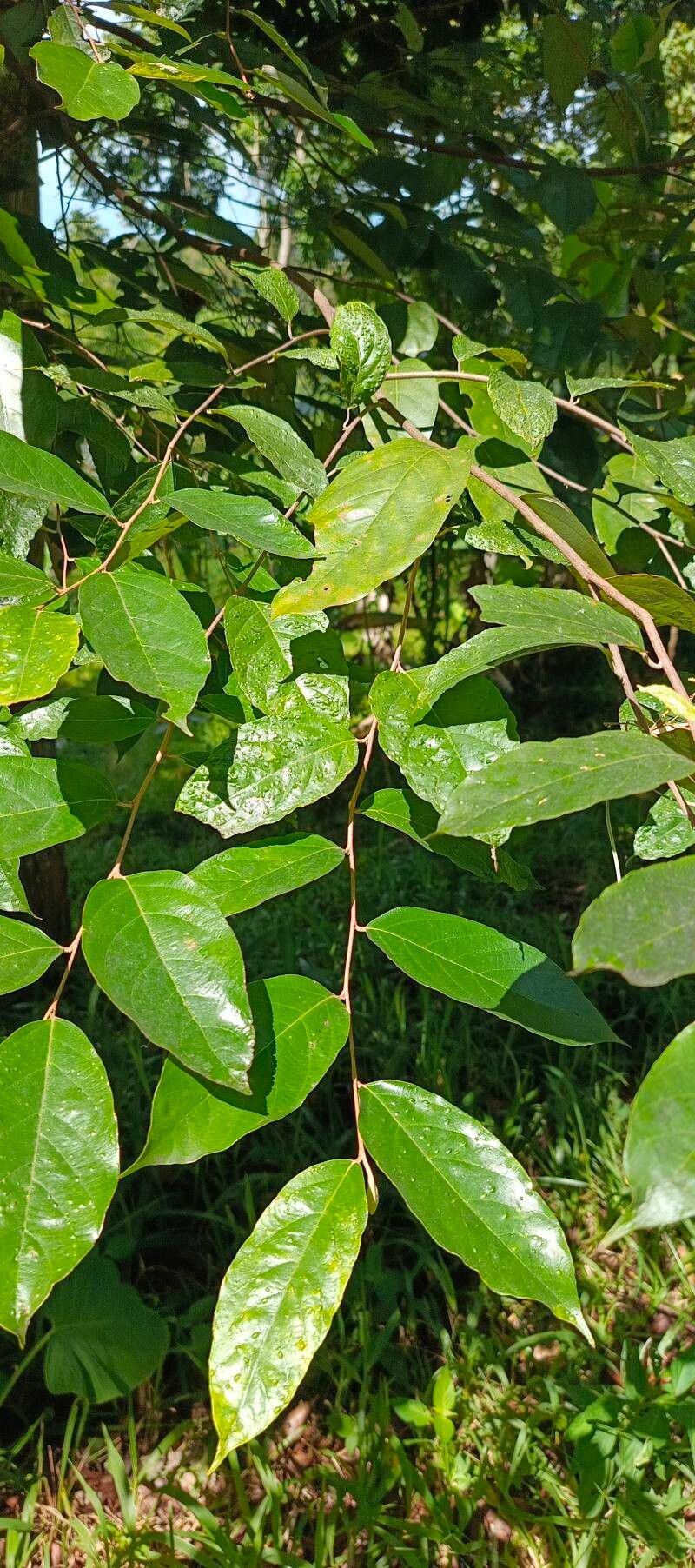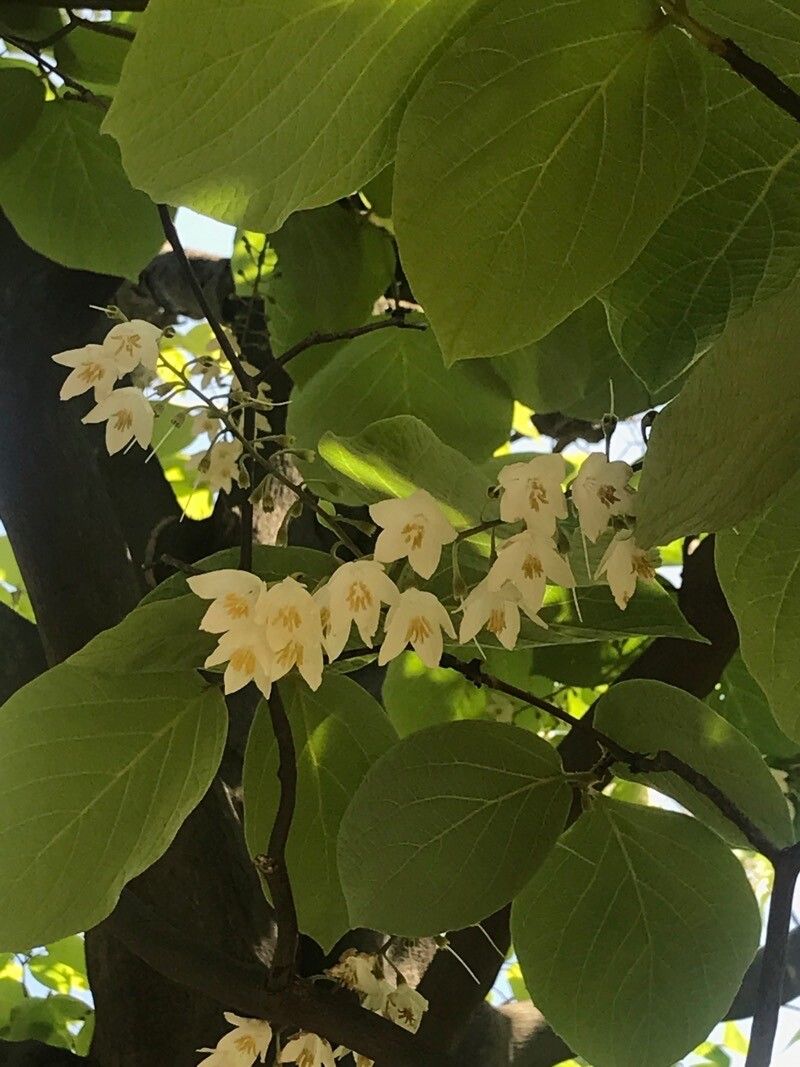
Styrax obassia is a species of flowering plant in the family Styracaceae. It is native to Hokkaido Island in Japan, and to China.
Fragrant snowbell is resistant to disease and is generally not susceptible to illnesses. In terms of care, this plant is fairly low-maintenance. When grown outdoors it needs minimal watering, and larger specimens typically do not require pruning. Smaller plants, however, should be pruned after they finish flowering. Fragrant snowbell is suitable for anyone with an outdoor area, such as a garden or deck, and does not require extensive plant-care experience.
How to keep Styrax Obassia.
Light
Fragrant snowbell does well with abundant but not excessive sunlight, so it can endure sunny periods yet thrives most when it receives occasional shade. Its native habitat features these light conditions. Too much sun can cause leaf scorch, while too little light may lead to stunted growth.
Water
Fragrant snowbell thrives in moderately moist soil and needs watering every three weeks. It can tolerate moderate drought and benefits from seasonal rainfall. Being a deciduous plant, its water requirements decrease during the cooler months of dormancy, which aligns with the conditions of its natural habitat.
Temperature
Native to temperate regions, fragrant snowbell performs best in temperatures between 41 and 89.6 °F (5 to 32 ℃). If temperatures fall well below this range, growing it indoors or providing protection is recommended.
Fertilizer
The timing is important when fertilizing Fragrant snowbell. Apply fertilizer in early spring and continue once a month until early summer. Fertilizer promotes attractive blooms and supplies energy both during dormant periods and active growth.
Pruning
The fragrant snowbell is known for its attractive white flowers and broad leaves. To encourage healthy growth and proper air circulation, it's best to prune in early spring, focusing on removing any dead or crossing branches. Avoid heavy pruning while the plant is in bloom to preserve its flowers. Regular maintenance not only enhances flowering but also prevents disease, complementing the natural growth cycle of the fragrant snowbell.
Botanical profile.
- Plant Type
- Tree, Shrub
- Life Cycle
- Perennial
- Genus
- Styrax
- Family
- Styracaceae
- Hardiness Zone
- 5-8
- Mature Height
- 6.1 m to 9.14 m
- Mature Spread
- 4.57 m to 7.62 m
- Leaf Color
- Green, Yellow
- Leaf Type
- Deciduous
- Flower Color
- White
- Flower Size
- 1.52 cm to 2.03 cm
- Bloom Time
- Mid spring, Late spring
- Planting Time
- Spring, Autumn, Winter
- Harvest Time
- Late summer, Early fall, Mid fall
- Native Area
- Koppen, Japan, South Korea, China
Other names.
Reader questions.
What are the sunlight requirements for Fragrant Snowbell?
The Fragrant Snowbell thrives in conditions of partial to full sun. Partial sun is defined as about 3-6 hours of sunlight per day, while full sun refers to more than 6 hours of sunlight daily. It's crucial to observe the movement of sunlight through your garden to find the best spots that offer a balance of light and shade, ensuring your plants' well-being. In its natural habitat, the Fragrant Snowbell enjoys substantial but not overpowering sun exposure, doing best when it receives sunny spells interspersed with occasional shade. Too much sun can cause leaf scorch, and insufficient light can lead to stunted growth.
What is the native climate for Fragrant Snowbell and what are its temperature requirements?
Fragrant Snowbell (Styrax obassia) is native to temperate climates and thrives in a temperature range of 41 to 89.6 °F (5 to 32 °C). It has strong cold resistance, allowing it to withstand winter temperatures without special frost protection measures. However, if temperatures are anticipated to fall below -25°C, protection is advised. This could involve wrapping the trunk and branches with materials like non-woven fabric or cloth. To prepare for winter, it's recommended to water the plant abundantly before the first freeze in autumn to keep the soil moist, hence preventing drought and water scarcity during the colder months.
How do artificial lighting solutions support plant growth indoors?
Indoor plants, including the Fragrant Snowbell, require adequate lighting for optimal growth, especially when natural sunlight is insufficient. This can happen during winter or in less sunny spaces. Artificial lights such as LED lights are a viable solution as they can be customized to provide specific wavelengths necessary for your plants. For full sun plants, 30-50W/sq ft of artificial light is recommended, partial sun plants require 20-30W/sq ft, and full shade plants need 10-20W/sq ft. Artificial lights should be placed 12-36 inches above the plant to mimic natural sunlight, and most plants will thrive with 8-12 hours of light per day.
What should I do if my Fragrant Snowbell experiences temperatures below its ideal range?
If the Fragrant Snowbell is exposed to extremely low temperatures, specifically below -25°C, there may not be immediate noticeable damage during the winter. However, come spring, the branches might become brittle and dry, and fail to sprout new shoots. In this scenario, you should prune away the dead branches that haven't produced new leaves. This plant is cold-tolerant and generally thrives when temperatures are above 5°C, but it should be kept above -20°C during the winter for optimal health.
What symptoms indicate a Fragrant Snowbell is receiving insufficient light?
When a Fragrant Snowbell is grown indoors and does not receive enough light, several symptoms may appear. These include smaller leaves than previous ones, longer spaces between leaves or stems resulting in a leggy or sparse appearance, faster leaf drop, and slower or halted growth. Additionally, new leaves may show lighter coloration, indicating a deficiency in chlorophyll and essential nutrients. Proper understanding and addressing these symptoms are crucial for the plant's health.
How should I care for my Fragrant Snowbell during high temperatures?
During the summer, it's important to ensure that the Fragrant Snowbell's surroundings do not exceed 32°C. If temperatures rise above 35°C, the plant's leaves may begin to lighten in color, and the tips might dry out and wither, increasing susceptibility to sunburn. To mitigate these effects, trim away any sunburned or dried-up areas, relocate the plant to a shaded spot or use a shade cloth to protect it from the midday and afternoon sun. Maintaining soil moisture is crucial, so water the plant in the morning and evening.
What signs show that a Fragrant Snowbell is getting too much sunlight?
Excessive sunlight can lead to various signs of stress in a Fragrant Snowbell. These include chlorosis, where leaves lose their green color and turn yellow; sunscald, which appears as pale or necrotic areas on plant tissue; leaf curling, as a defense mechanism to minimize water loss; wilting from increased transpiration and hydration difficulty; and leaf scorching, characterized by brown, crispy edges on leaves. Observing for these signs can help in managing and mitigating sun exposure to the plant.
How can you adjust the light exposure for your Fragrant Snowbell to optimize its health?
For indoor Fragrant Snowbells, gradually shifting them to sunnier spots each week until they receive 3-6 hours of direct sunlight daily is recommended for adaptation to changing light conditions. If moving the plant isn't feasible, providing additional light through artificial sources like desk or ceiling lamps for at least 8 hours daily, or investing in professional plant grow lights, can be beneficial. Outdoors, plants should be moved to increasingly sunnier locations weekly to prevent sunburn. Also, for ground plants, reducing obstructions like pruning trees or transplanting smaller plants during their dormant period to sunnier areas can enhance light exposure. Though parts of the plant damaged by insufficient light might not recover, new growth should be healthy with improved light conditions.