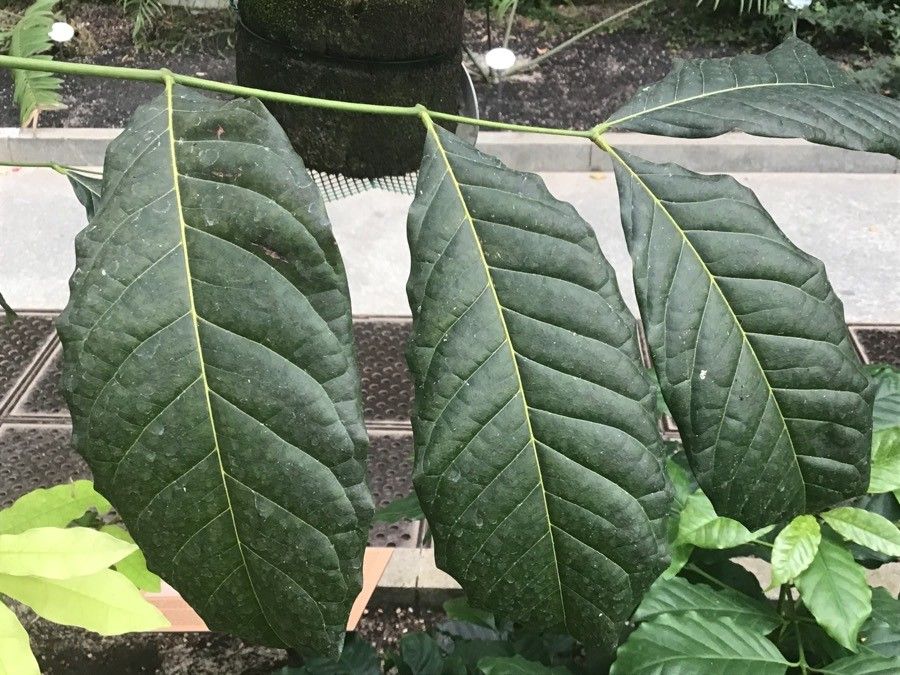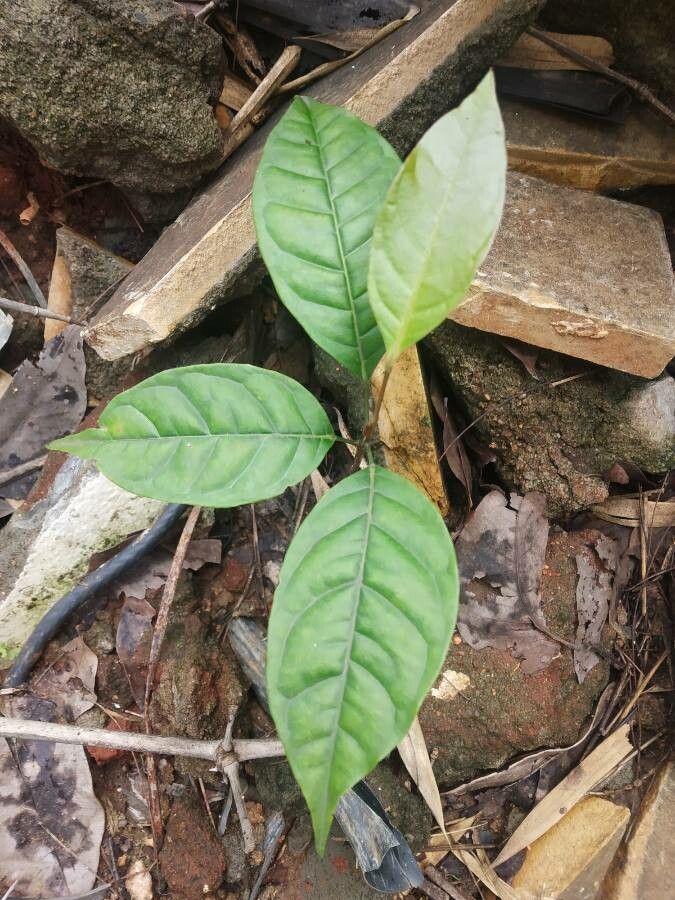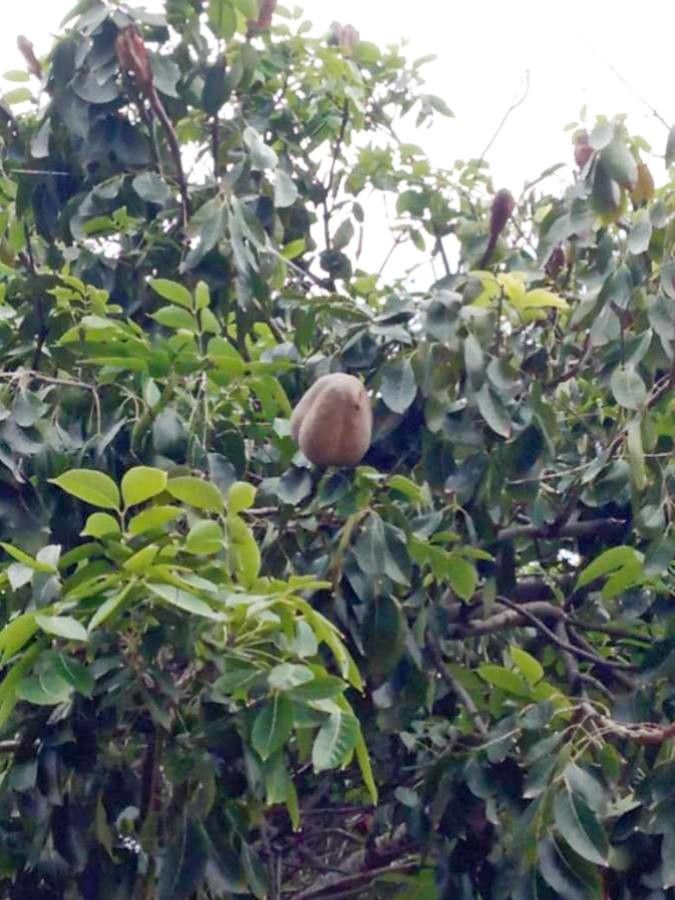
Swietenia humilis, commonly known as West Indian mahogany or Honduras mahogany, is a tree species in the Meliaceae family. Native to Central America and Mexico, this tree can grow up to 30 meters tall. It features a straight trunk, with a diameter of up to 1 meter, and produces large, compound leaves that can reach up to 50 cm in length. The flowers are small and white or yellowish-green, while the fruit is a large capsule containing numerous winged seeds.
The wood of Swietenia humilis is highly valued for its durability, strength, and attractive reddish-brown color. For centuries, it has been used in furniture making and boat building due to its resistance to water-induced rot.
The plant also has medicinal properties and has been traditionally used by indigenous communities to treat various ailments, including fever, diarrhea, and dysentery.
Swietenia humilis faces threats from deforestation, primarily due to logging activities. This has led to its listing as "Vulnerable" on the IUCN Red List of Threatened Species since 1998. Conservation efforts, including reforestation programs, are being undertaken by various organizations to restore degraded habitats where this plant naturally grows.
Pacific coast mahogany is resistant to disease and is generally not prone to illnesses. Care-wise, the plant is fairly low maintenance. When grown outdoors it needs minimal watering, and larger specimens usually don't require pruning; smaller plants, however, should be pruned after they have finished blooming. Pacific coast mahogany is suitable for anyone with outdoor space, such as a garden or deck, and does not demand extensive plant-care experience.
How to keep Swietenia Humilis.
Light
Pacific coast mahogany comes from open habitats, like sunlit meadows and forest margins, that provide plenty of light. It does best in Full Sun but can also tolerate Partial Sun, adjusting well to different light levels.
Temperature
Pacific coast mahogany shows good heat adaptability, tolerating higher temperatures and wide temperature fluctuations. In hot conditions, attention should be paid to watering and providing suitable shade to prevent sunburn. Conversely, Pacific coast mahogany is relatively sensitive to low temperatures. While it can tolerate some cold, very low temperatures can cause frost damage.
Fertilizer
Fertilize your Pacific coast mahogany in early spring to encourage healthy growth. Regular feeding improves its overall health, producing vigorous growth, greater tolerance of harsh conditions, and stronger resistance to pests and diseases. Keep a regular fertilization schedule for your Pacific coast mahogany to maintain foliage that is vibrant, richly colored, and lush in appearance.
Pruning
To help Pacific Coast mahogany thrive, it is important to prune the trees in early spring. This involves removing dead branches and improving air circulation. Concentrate on maintaining strong leading branches and keep cutting to a minimum to reduce stress on the tree. Using clean, sharp tools will ensure precise cuts, enhancing the tree's health and visual appearance.
Botanical profile.
- Plant Type
- Tree
- Life Cycle
- Perennial
- Genus
- Swietenia
- Family
- Meliaceae
- Hardiness Zone
- 10-12
- Mature Height
- 14.94 m to 20.12 m
- Mature Spread
- 10.06 m to 14.94 m
- Leaf Color
- Dark Green, Forest Green
- Leaf Type
- Deciduous
- Flower Color
- White
- Flower Size
- 0.51 cm to 0.76 cm
- Bloom Time
- Late spring, Early summer, Mid summer
- Planting Time
- Spring, Summer, Autumn
- Harvest Time
- Late summer, Early fall, Mid fall
- Native Area
- Honduras, Mexico, Guatemala, El Salvador, Nicaragua, Costa Rica