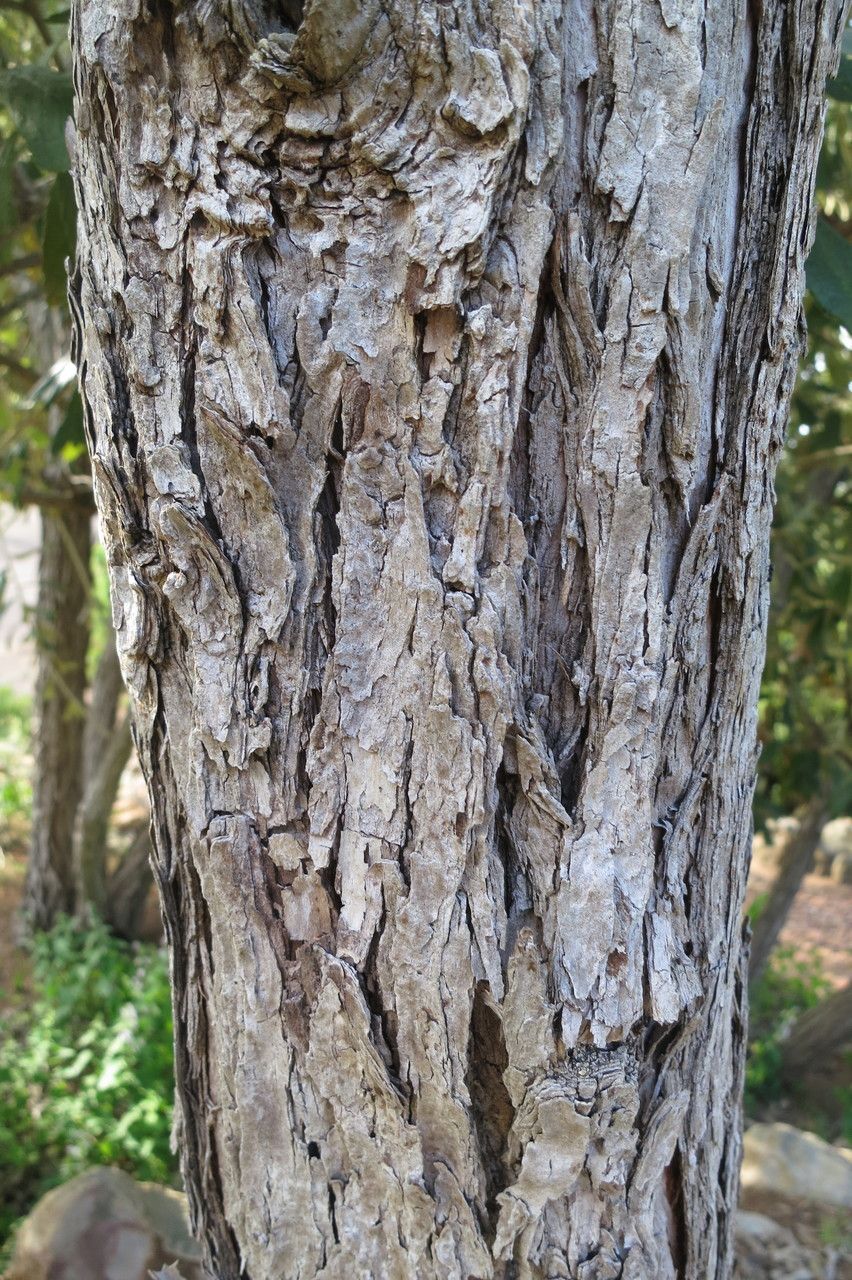
Tarchonanthus camphoratus, commonly known as the camphor bush, is a shrub native to southern Africa that belongs to the Asteraceae family. It can grow up to 5 meters tall and is characterized by its distinctive camphor-like scent, which comes from the essential oils in its leaves and stems.
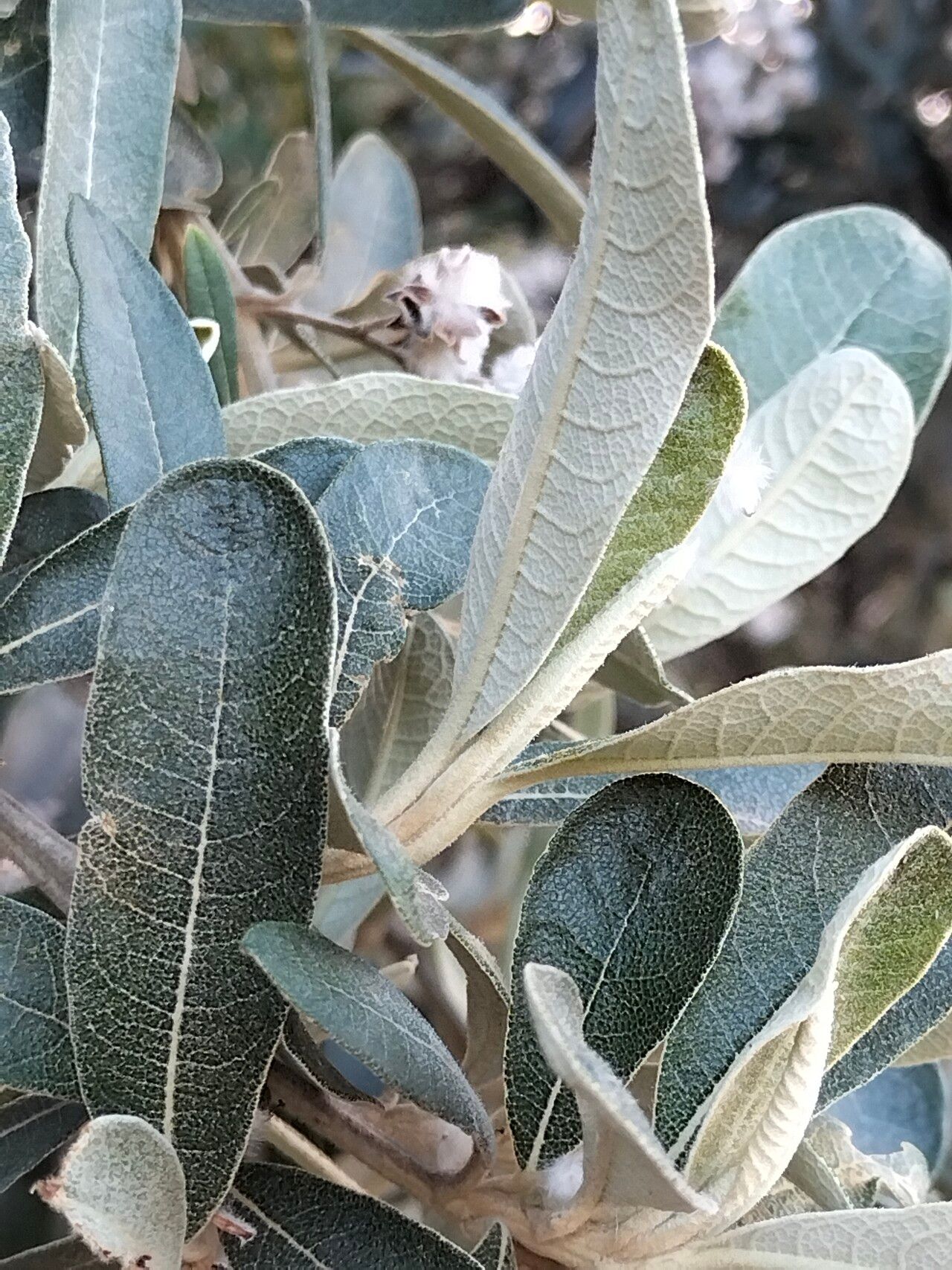
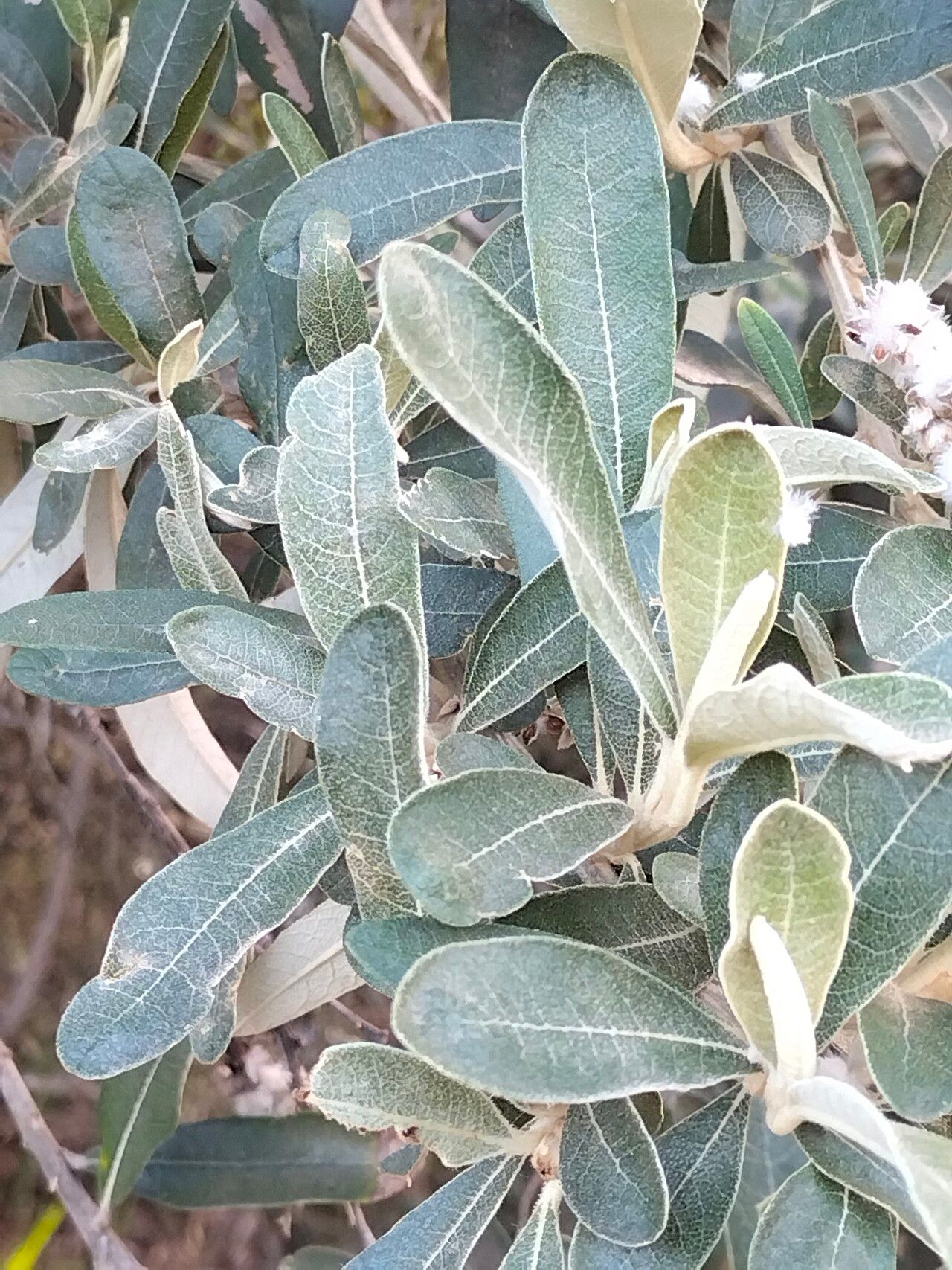
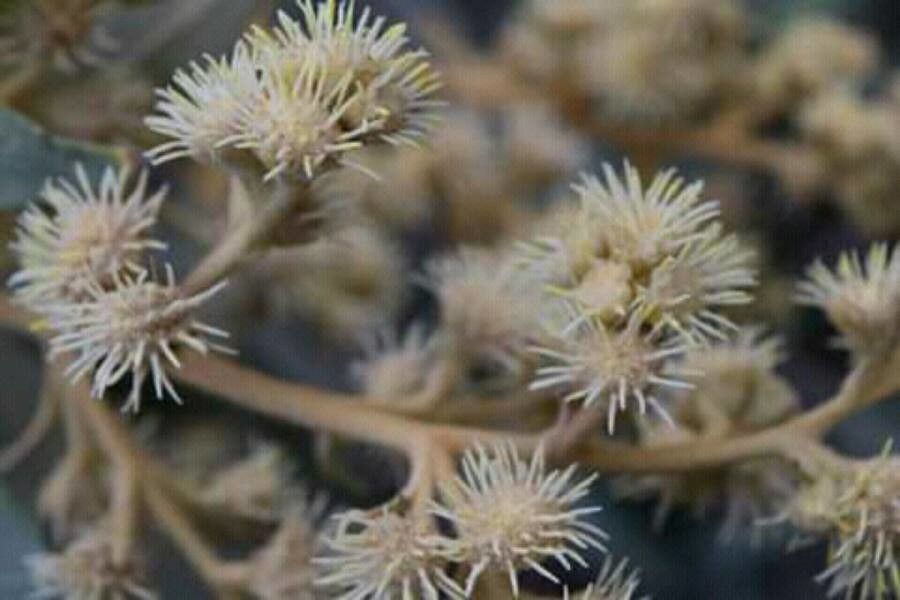
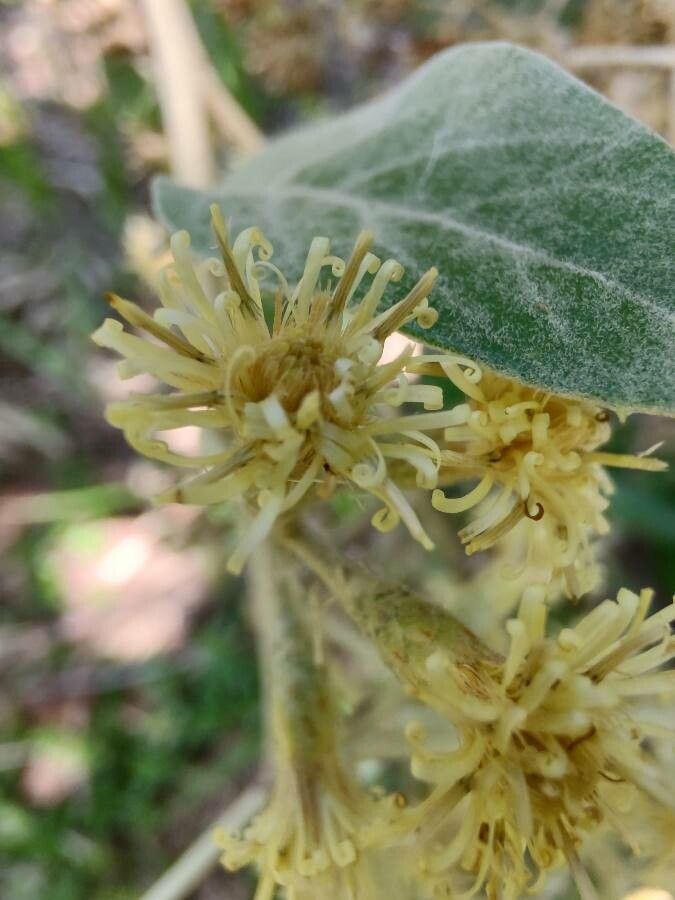
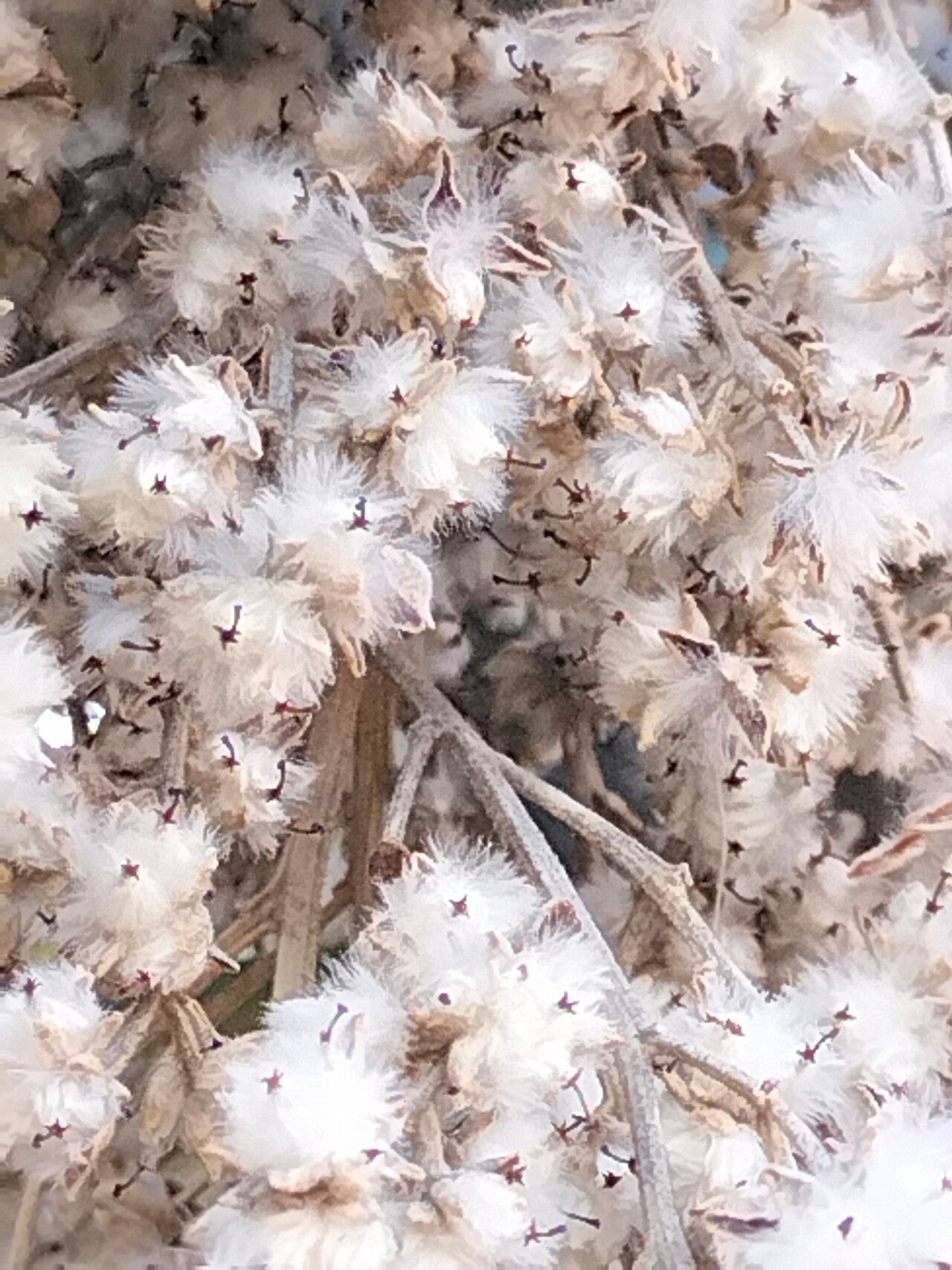
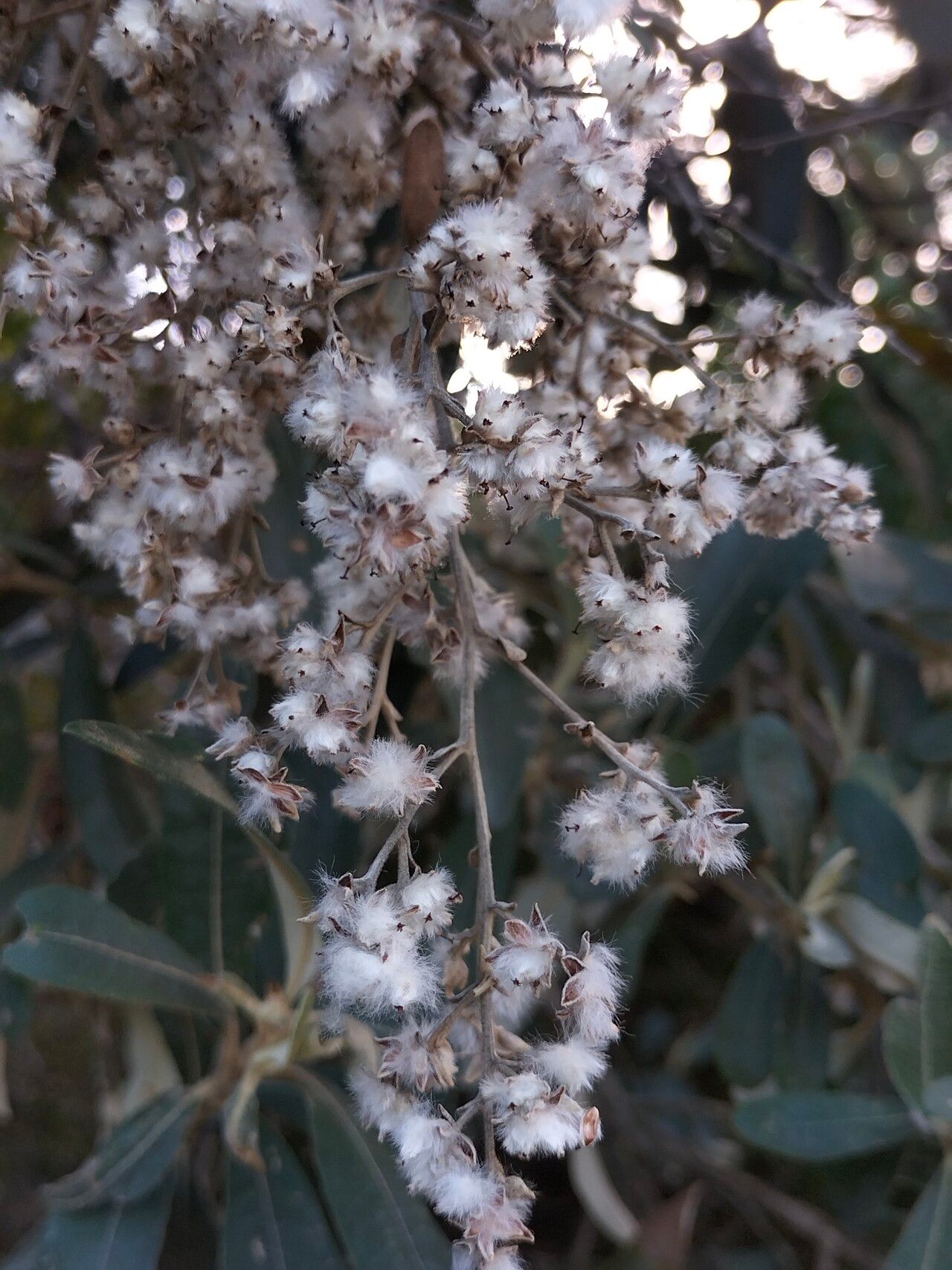
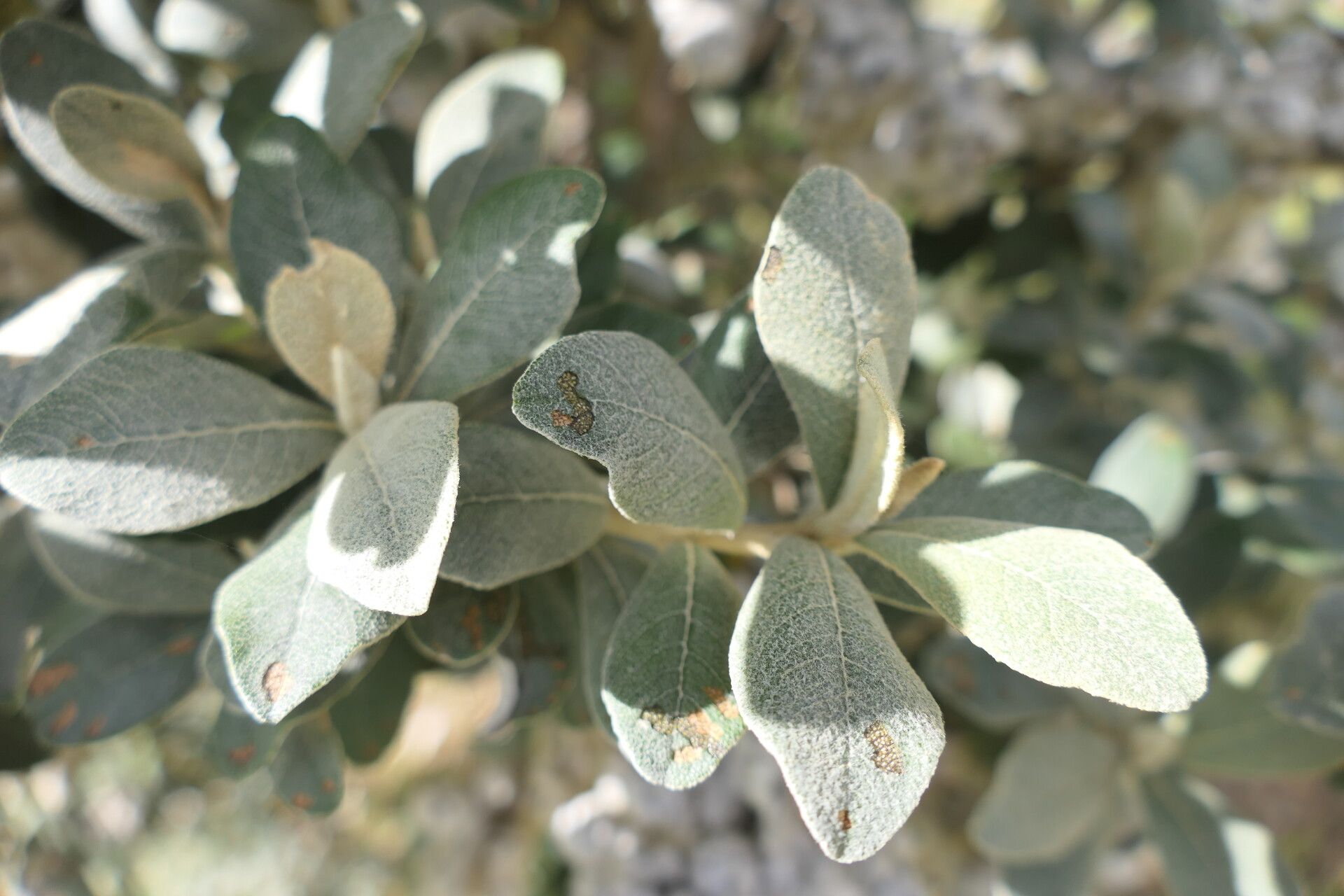
The leaves of Tarchonanthus camphoratus are grey-green and have a rough texture. The plant produces small yellow flowers that bloom from late summer through autumn, followed by small, fluffy seeds that are dispersed by the wind.
This plant has been used for centuries in traditional medicine due to its various medicinal properties, including anti-inflammatory, antifungal, antibacterial, and antiviral effects. It also serves as an effective insect repellent because of its strong scent.
Beyond its medicinal uses, Tarchonanthus camphoratus is valued in landscaping for its attractive foliage and drought tolerance. It can be grown in full sun or partial shade and prefers well-drained soil.
Overall, Tarchonanthus camphoratus is a versatile plant with both medicinal and aesthetic applications, making it an important component of southern Africa's biodiversity conservation efforts.
Camphor bush has strong disease resistance and rarely develops illnesses. In terms of care, this plant is fairly low-maintenance. Planted outdoors it needs little watering, and larger specimens usually do not require pruning. Smaller plants, however, should be trimmed after they have flowered. Camphor bush is suitable for anyone with an outdoor area, such as a garden or deck, and does not need extensive experience to care for.
How to keep Tarchonanthus Camphoratus.
Light
The camphor bush comes from open habitats, like sunlit meadows and forest margins, where plenty of light is present. It does best in full sun but can also tolerate partial sun, adapting well to different light conditions.
Water
The camphor bush thrives in arid environments due to its exceptional drought resistance. It only needs watering every 2 to 3 weeks, making it a great choice for different climate zones. This plant is perfect for water-conscious gardeners who want an evergreen option for their outdoor gardens.
Temperature
Camphor bush is quite adaptable to temperature, able to withstand high heat and wide temperature fluctuations. In hot conditions, attention should be paid to watering and providing some shade to prevent sunburn. However, camphor bush has comparatively poor tolerance of low temperatures. Although it can endure a certain amount of cold, excessively low temperatures can result in frost damage.
Fertilizer
Fertilize your Camphor bush in early spring to encourage healthy growth. Regular feeding improves overall health, producing vigorous growth, increased resilience to tough conditions, and better resistance to disease and pests. Maintain a specific, consistent fertilization schedule for your Camphor bush to ensure foliage that is vibrant, deeply colored, and lush.
Pruning
The camphor bush is a fragrant shrub with grayish-white leaves. To shape the plant and encourage new growth, prune it in early spring by removing any dead or crossing branches. Light trimming can improve airflow, reduce pest problems, and help promote denser foliage. For more detailed advice, consult reputable horticultural sources.
Botanical profile.
- Plant Type
- Tree, Shrub
- Life Cycle
- Perennial
- Genus
- Tarchonanthus
- Family
- Asteraceae
- Hardiness Zone
- 9-11
- Mature Height
- 6.1 m
- Mature Spread
- 2.13 m to 3.96 m
- Leaf Color
- Green
- Leaf Type
- Semi-evergreen
- Flower Color
- White
- Flower Size
- 1.02 cm to 1.27 cm
- Bloom Time
- Late summer, Early fall, Mid fall
- Planting Time
- Spring, Summer, Autumn
- Harvest Time
- Late fall, Early winter, Mid winter
- Native Area
- Malawi, Saudi Arabia, Angola, Mozambique, Tanzania, South Africa, Zambia, Namibia, Ethiopia, Eritrea, Yemen, Kenya, Botswana, Zimbabwe
Other names.
Reader questions.
What are the sunlight requirements for a Camphor bush?
A Camphor bush thrives in 'Full Sun,' which means it requires above 6 hours of sunlight daily, but it can also tolerate 'Partial Sun,' about 3-6 hours of sunlight. It's important to observe the movement of sunlight in your garden to select the optimal location that provides a balance of light and shade, ensuring the plant's health and happiness.
What type of environments does the Camphor bush originate from?
The Camphor bush originates from open environments such as sunny meadows and forest edges. These locations provide ample light, making the plant well-suited for areas that receive full sun. However, the Camphor bush can also adapt to partial sun conditions, showing its versatility in accommodating various sunlight conditions.
How can artificial lighting be used for indoor Camphor bush plants?
Indoor Camphor bush plants require adequate lighting for optimal growth. When natural sunlight is insufficient, artificial lighting provides a vital solution. LED lights, which can offer specific wavelengths needed by plants, are a popular choice. For full sun plants, 30-50W/sq ft of light is recommended, partial sun plants need 20-30W/sq ft, and full shade plants require 10-20W/sq ft. The light source should be placed 12-36 inches above the plant to mimic natural sunlight, and most plants benefit from 8-12 hours of light per day.
What symptoms indicate a Camphor bush is not receiving enough light?
When a Camphor bush doesn't receive enough light, it may display symptoms such as new leaves growing smaller than previous ones, leggy or sparse growth, faster leaf drop, slower or no new growth, lighter-colored new leaves, and symptoms of chlorosis. These symptoms signal the plant is in survival mode due to poor light conditions, leading to reduced energy for growth and photosynthesis.
What are the common symptoms of excessive light exposure in Camphor bush?
Excessive light can cause symptoms like sunscald, leaf curling, wilting, and leaf scorching in a Camphor bush. These issues arise when the plant is exposed to intense sunlight, leading to damaged tissues, increased water loss, and reduced photosynthetic capacity. It's a sign that the plant is struggling to maintain hydration and nutrient levels under harsh light conditions.
How can the light exposure of a Camphor bush be optimized?
Optimizing light exposure for a Camphor bush involves several strategies. Indoors, gradually move the plant to a sunnier location, aiming for at least 6 hours of direct sunlight daily, and consider using artificial light if necessary. Outdoors, transition plants gradually to sunnier spots to avoid sunburn. Reducing obstructions, such as pruning trees, can also help increase sunlight access. If relocating smaller plants, do so during their dormant period to a well-lit location with good drainage.