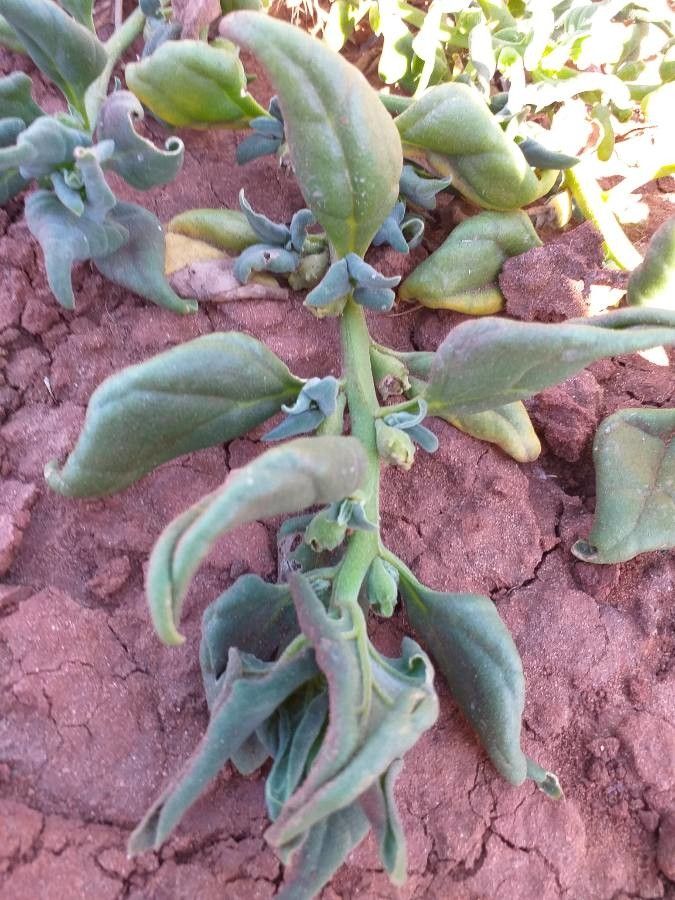
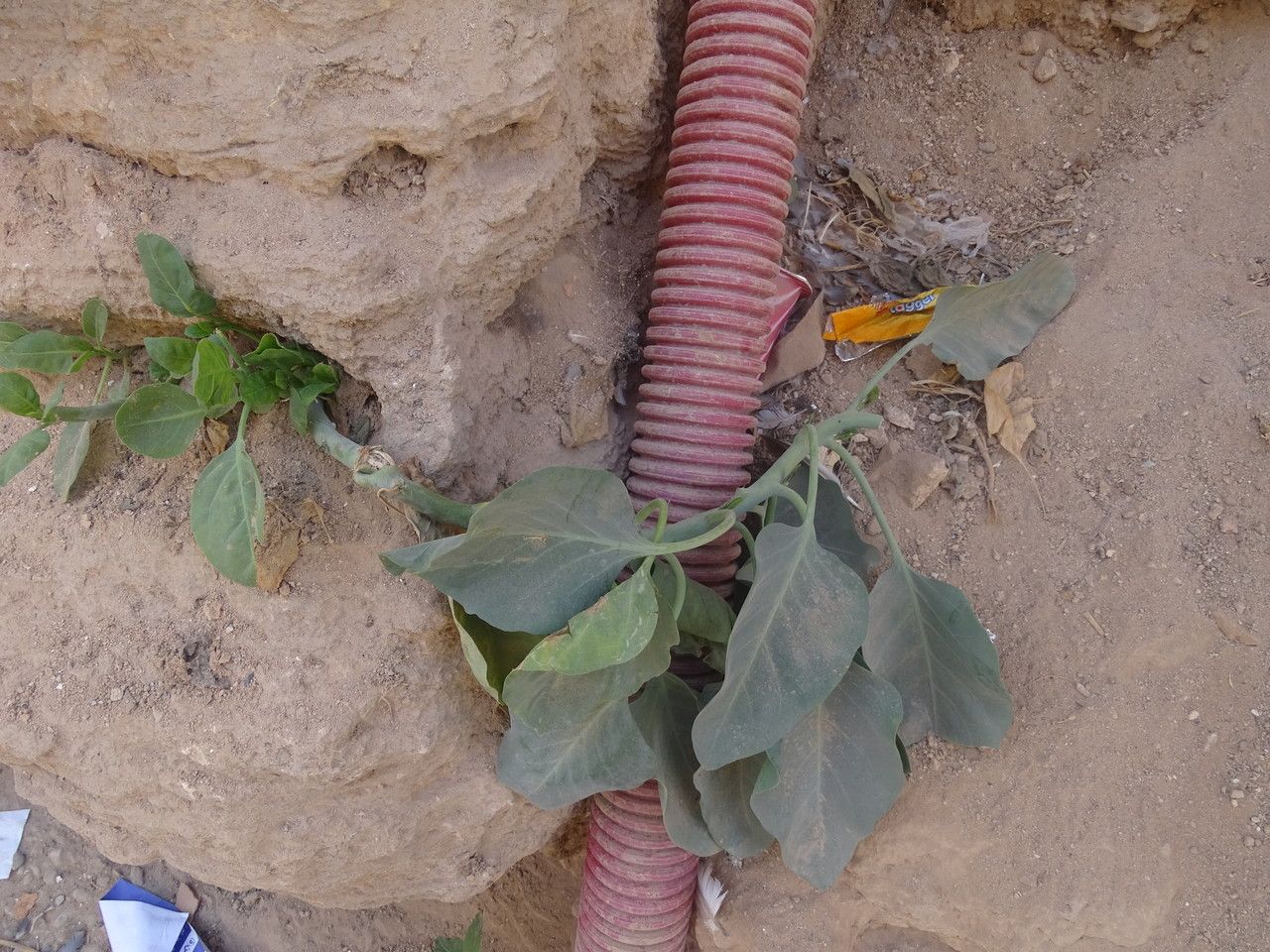
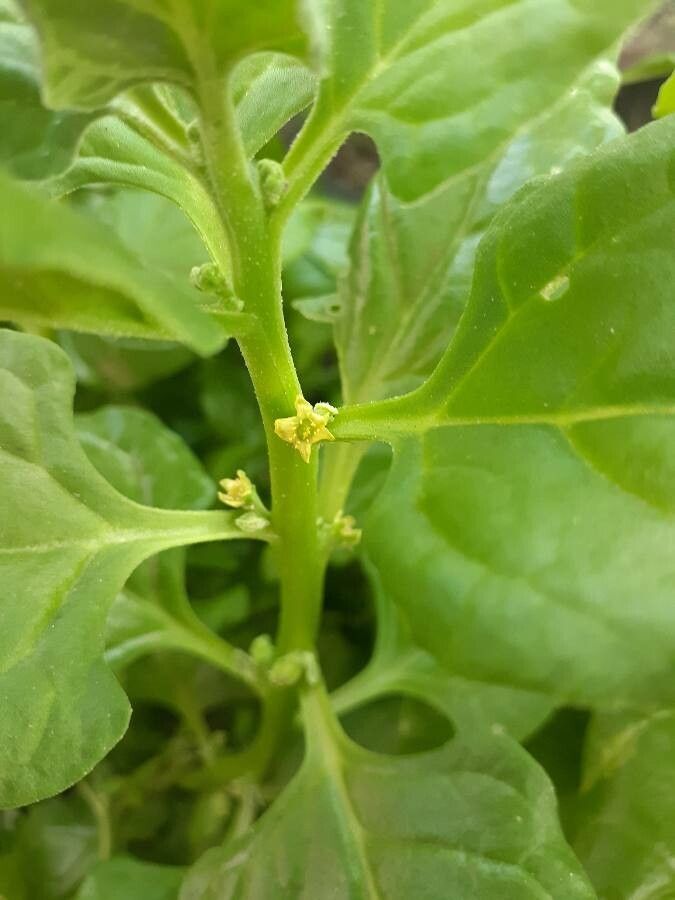
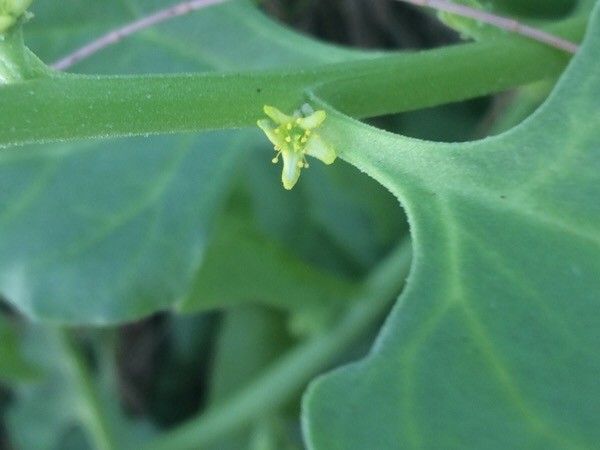
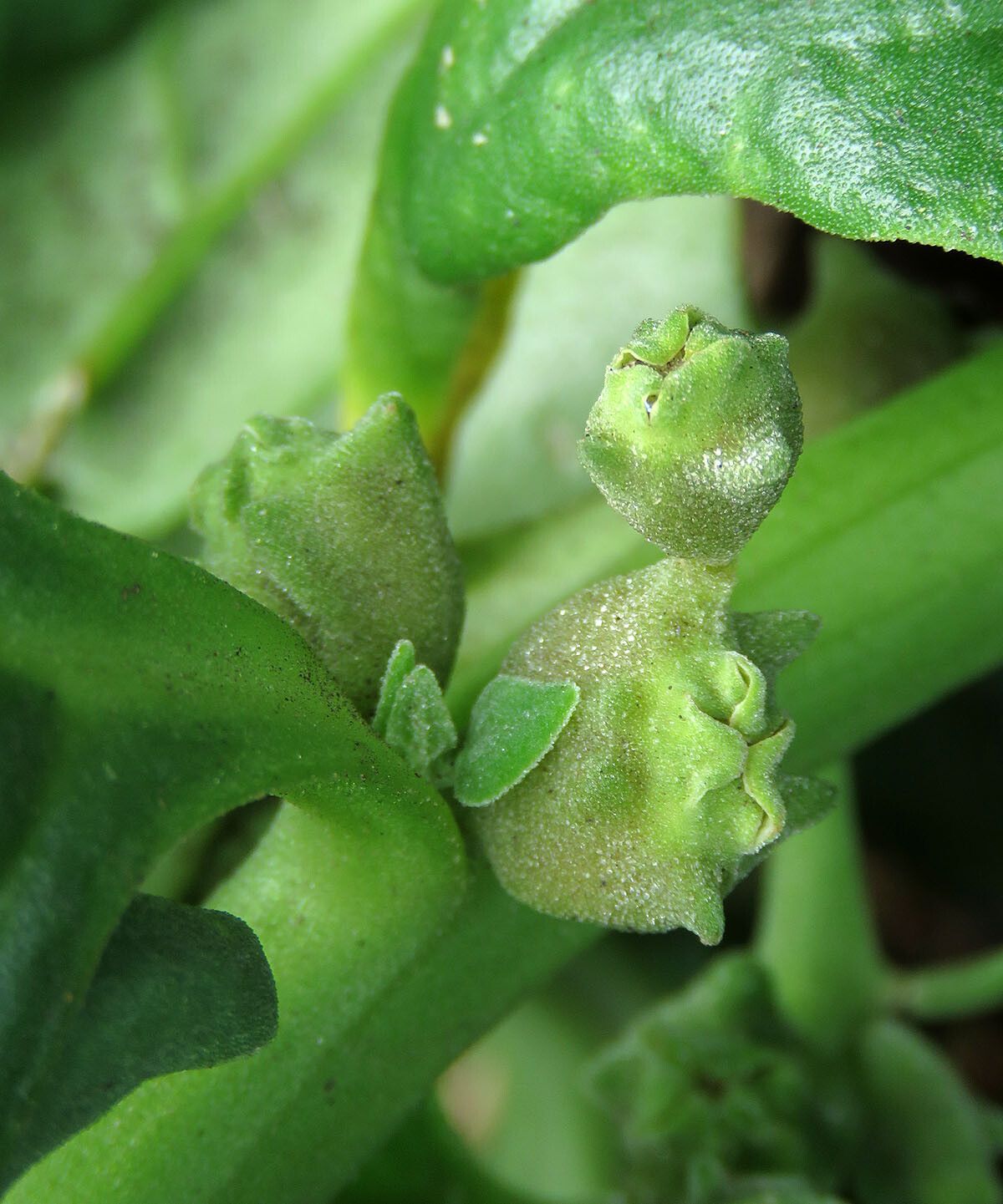
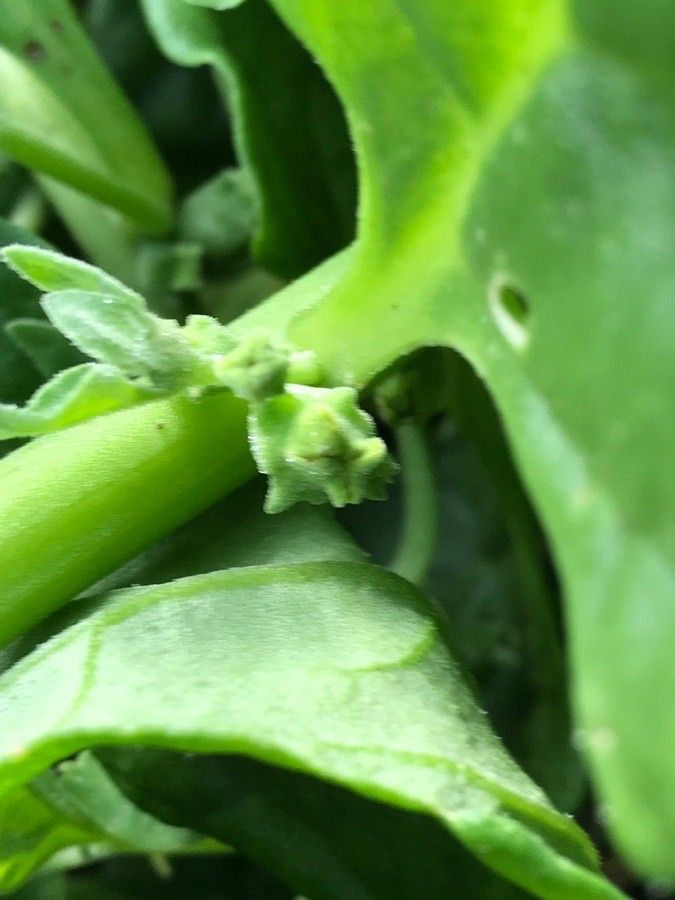
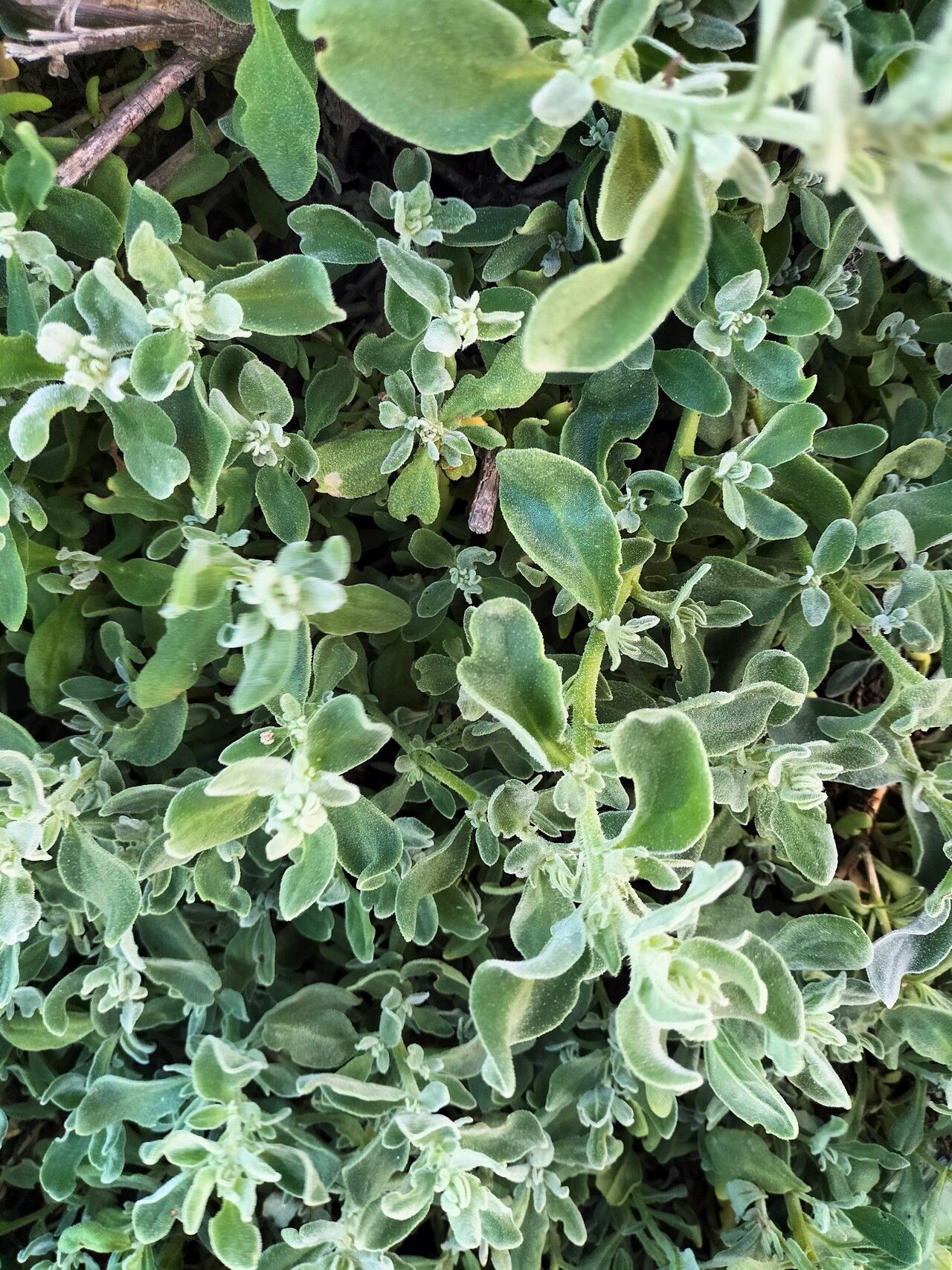
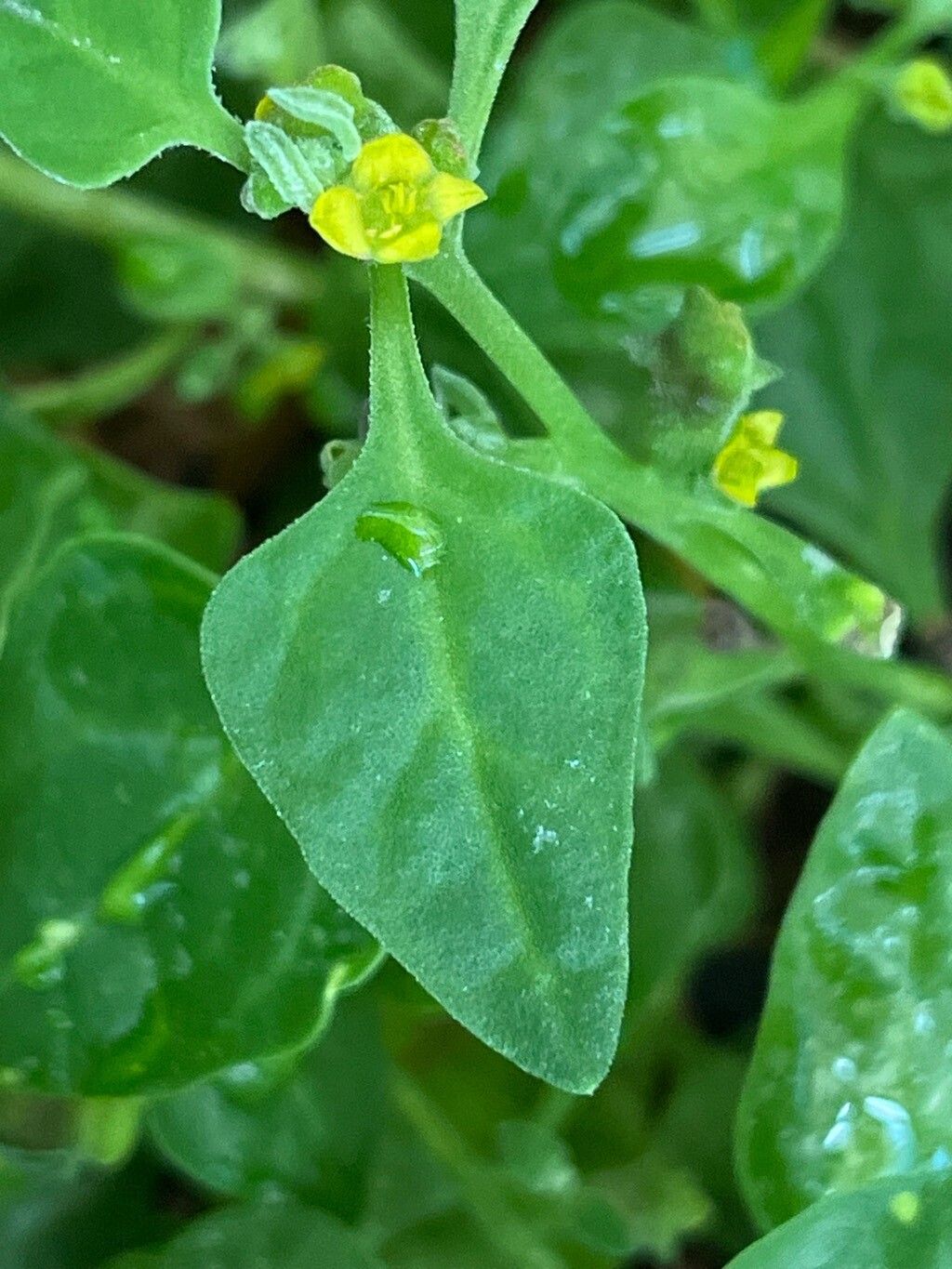
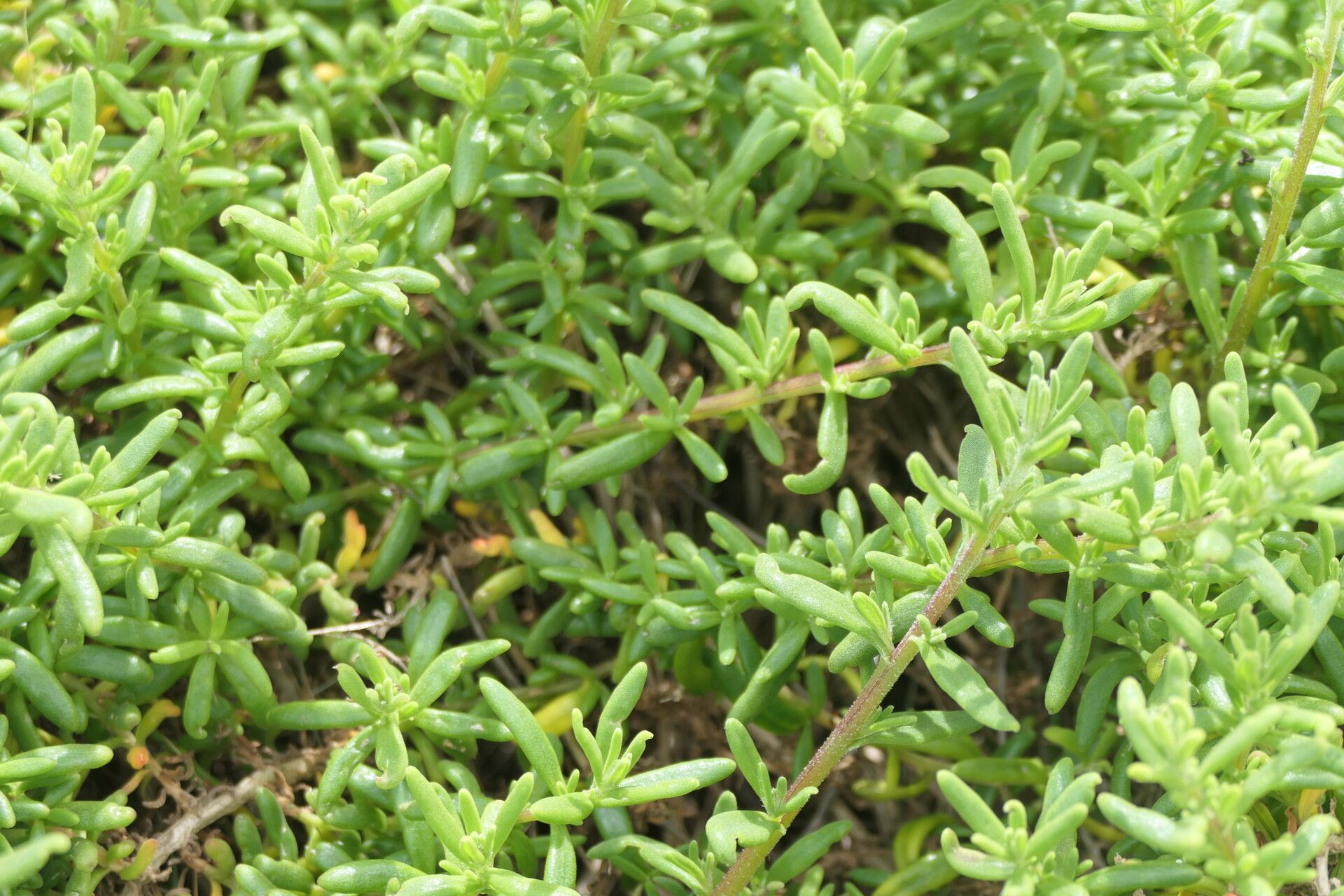
Tetragonia tetragonoides, commonly known as New Zealand spinach or Warrigal greens, is a leafy green vegetable native to New Zealand and Australia. It belongs to the Aizoaceae family and is a low-growing plant that can reach up to 30 cm in height. The leaves are thick, fleshy, and triangular, making them ideal for salads or as a cooked vegetable.
New Zealand spinach has been utilized for centuries by indigenous peoples as both food and medicine. It is rich in vitamins A, C, E, and K, as well as minerals like calcium and iron. The plant also possesses antioxidant properties, which help protect against free radicals.
One of the unique features of this plant is its ability to thrive in salty soils or coastal areas where other plants struggle. This makes it an excellent crop for regions with poor soil quality or limited water resources.
In terms of cultivation, New Zealand spinach can be grown from seeds sown directly into the soil during spring when temperatures are warm enough for germination (around 20°C). The plants prefer full sun exposure but can also tolerate partial shade.
Overall, Tetragonia tetragonoides is a valuable addition to any garden due to its nutritional value and its ability to grow well under harsh conditions. This makes it particularly suitable for coastal regions where other crops may not thrive easily due to the high salt content in the soil.
New zealand spinach has moderate resistance to disease but can be prone to problems such as leaf spot. Its susceptibility to insect pests varies with the variety, although most varieties are not very resistant to pests. In terms of care, New zealand spinach requires regular watering and fertilizing, and yellow leaves should be pruned frequently. It is important to control pests and diseases when they occur and to harvest the plant promptly. New zealand spinach is suitable for those who can spare some time and energy for regular care.
How to keep Tetragonia Tetragonoides.
Light
New Zealand spinach does best with plenty of sunlight, which promotes its ideal growth. It can also tolerate areas that receive less light. Its native habitat is a sunny region, which indicates a preference for well-lit conditions. Excessive sun can scorch the leaves, while too little light prevents proper growth.
Water
New Zealand spinach, which is native to coastal areas, thrives in moderate humidity and requires consistent soil moisture without becoming waterlogged. To mimic its natural environment, use well-draining soil and water the plant every 2-3 weeks. This will ensure that there is ample drainage to prevent root rot while allowing the plant to flourish outdoors.
Temperature
New Zealand spinach originates in temperate regions and generally performs best at temperatures of 68 to 100 °F (20 to 38 °C). In very hot weather, give it shade so it can adjust, and in cooler periods make sure it stays warm for optimal growth.
Fertilizer
For maximum yield, New zealand spinach does best with regular applications of a balanced fertilizer, especially one high in nitrogen. Apply fertilizer before planting, at planting, and when seedlings are 2 inches tall. Adding compost or manure also gives a steady nutrient supply. If the soil lacks sufficient nutrients, leaves and stems will be underdeveloped, flavors poor, stems thin, and the taste may become bitter.
Pruning
To help New Zealand spinach keep its shape, consider pruning large plants in the spring and autumn. Remove any unnecessary or overly dense branches. For propagation, cut stems with 5 to 6 leaves each. Apply sulfur powder to the cut areas to promote healing, then let the cuts heal before planting. Ensure the soil is slightly moist when planting.
Botanical profile.
- Plant Type
- Herb
- Life Cycle
- Annual, Perennial
- Genus
- Tetragonia
- Family
- Aizoaceae
- Hardiness Zone
- 2-11
- Mature Height
- 30 cm to 49 cm
- Mature Spread
- 0.49 m to 2.13 m
- Leaf Color
- Dark Green, Forest Green
- Leaf Type
- Evergreen
- Flower Color
- Yellow
- Flower Size
- 2.54 cm
- Bloom Time
- Late spring, Summer
- Planting Time
- Spring, Summer, Autumn
- Harvest Time
- Mid summer, Late summer
- Native Area
- Vietnam, Japan, South Korea, New Zealand, China
Other names.
Reader questions.
How should I water my New Zealand spinach?
The New Zealand spinach has specific preferences for watering. It not only cares about how much water it receives, but also how that water is provided. Using the wrong watering technique can harm your tomatoes. The best way to water New Zealand spinach is by applying the water directly to the soil in a slow and gentle manner. Avoid pouring all the water at once and avoid overhead watering. Water slowly, but make sure to water deeply to ensure the soil is adequately moist for the New Zealand spinach to grow.
Why do I have to use fertilizer on my New Zealand spinach?
In order for New Zealand spinach to have a great flavor and yield a large harvest, it requires sufficient nutrients. If it is grown in soil lacking in nutrients, its leaves and stems will not develop properly and the taste will be inferior compared to plants grown in better conditions. The stems may be thin and the taste could be bitter. If you are growing New Zealand spinach in a container, fertilization becomes even more important as container plants have less access to organic matter than those planted in the ground. To supplement the nutrients of your New Zealand spinach in a pot, use a balanced liquid fertilizer.
What are the sunlight requirements for New Zealand Spinach?
New Zealand Spinach thrives best when exposed to abundant sunlight, ideally above 6 hours of direct sunlight, termed as full sun exposure. It can also grow under partial sun conditions, requiring about 3-6 hours of sunlight. Ensuring the right balance of sunlight is crucial, as too much sun can lead to leaf scorching, whereas inadequate sunlight impedes growth. This plant originates from sun-soaked areas, indicating its preference for well-lit habitats. Observing the movement of sunlight through your garden helps in choosing the optimum spots for planting.
What are the essential growing conditions for New Zealand spinach?
New Zealand spinach, botanically known as Tetragonia tetragonoides, thrives in temperate areas with optimal temperatures ranging from 68 to 100 °F (20 to 38 °C). It's crucial to provide shade during extreme heat to help the plant adjust and to ensure it has warmth during colder seasons for optimum growth. The plant prefers warm temperatures, particularly above 20°C, and it's beneficial to maintain these conditions during winter cultivation. To protect New Zealand spinach from freezing damage, keep the temperature above freezing point. In locations where outdoor temperatures drop to around -5°C (25°F) in winter, consider bringing the plant indoors or providing protection with a temporary greenhouse or by wrapping it in plastic film or fabric.
What should I do if I give my New Zealand spinach too much or too little water?
If you've overwatered your New Zealand spinach and are worried about disease, take immediate action. The best approach is usually to remove the plant from its current location and let the roots dry before replanting in a spot with good soil drainage. If you're growing in pots, consider using a pot with better drainage. On the other hand, if you're underwatering, simply water your plant more frequently.
When should I fertilize my New Zealand spinach for best results?
To benefit your New Zealand spinach during the growing season, there are several points when you should apply fertilizer. The first application should be done when preparing the ground for planting, at least 2 to 8 weeks before actually planting. Thoroughly amend the soil with nutrient-rich organic material like compost or manure. At planting time, amend the soil again using the same method. Once your seedlings emerge and are around 2 inches tall, you can apply the next dose of fertilizer. From then on, you should regularly feed your New Zealand spinach with either rich organic matter or a commercial fertilizer until harvest. A good schedule to follow would be fertilizing every two to three weeks. Additionally, it is recommended to add a layer of compost or manure around the plant to ensure a continuous supply of nutrients.
How can artificial lighting be used for indoor plants?
For indoor plants, especially when natural sunlight is insufficient, artificial lighting becomes essential. LED lights are commonly recommended due to their customization capabilities to match specific light wavelengths needed by plants. The required intensity differs based on the plant's sunlight needs - full sun plants need 30-50W/sq ft, partial sun plants 20-30W/sq ft, and full shade plants 10-20W/sq ft. The light source should be placed 12-36 inches above the plant, mimicking natural sunlight distance, and kept on for 8-12 hours a day to simulate natural daylight hours.
How does low temperature affect New Zealand spinach and what are the solutions?
New Zealand spinach has a moderate tolerance to low temperatures, flourishing best between 20°C and 38°C, and should be kept above 0°C to avoid damage. Exposure to temperatures below -40°C can darken the leaves, and in severe cases, cause water-soaked necrosis, wilting, drooping, or a gradual brown discoloration of the leaves. The solution involves trimming away frost-damaged parts and moving the plant to a warm indoor setting or creating a makeshift greenhouse for protection. If indoors, placing the plant near a south-facing window will ensure it gets enough sunlight, or you can use supplemental lighting if natural light is insufficient.
How frequently should I water my New Zealand spinach?
New Zealand spinach requires a lot of water throughout the growing season. To satisfy this need, it's important to water it consistently and frequently from spring to summer. In the beginning of the season, watering once or twice a week is sufficient. As the season progresses, increasing the watering frequency is necessary, potentially up to twice a day or more during the summer, depending on the weather. Once the New Zealand spinach has completed its main growth phases, you can reduce watering to about once a week until the end of the growing season.
When is it not a good idea to add fertilizer to my New Zealand spinach?
To ensure proper nutrient absorption, it is best to avoid fertilizing New Zealand spinach when the soil is dry. This particular plant needs abundant water, and if there isn't enough moisture in the soil, it won't be able to effectively absorb nutrients. Additionally, it is important to refrain from using chemical fertilizers on this plant outside of the growing season. This is because using too much fertilizer can introduce excess chemicals to the groundwater and contaminate the soil. Therefore, it is advisable to only apply fertilizer during the active growing periods.
What are the symptoms of light deficiency in New Zealand Spinach?
When New Zealand Spinach is grown indoors or under insufficient light conditions, several symptoms may appear, including small leaves, leggy or sparse growth, faster leaf drop, slower or halted new growth, lighter-colored new leaves, and conditions such as chlorosis, sunscald, leaf curling, wilting, and leaf scorching. These symptoms indicate either a lack of adequate sunlight, leading to poor photosynthesis and nutrient deficiencies, or overexposure, which can damage the plant's tissues.
What effects do high temperatures have on New Zealand spinach and how can these be mitigated?
During summer, it's essential to keep New Zealand spinach below 38°C, as temperatures above 43°C can slow down its growth, lighten the color of its leaves, and increase susceptibility to sunburn. Mitigating these effects involves trimming away the sunburned and dried parts, moving the plant to a shaded location during the intense afternoon sun, and watering it in the morning and evening to maintain soil moisture.