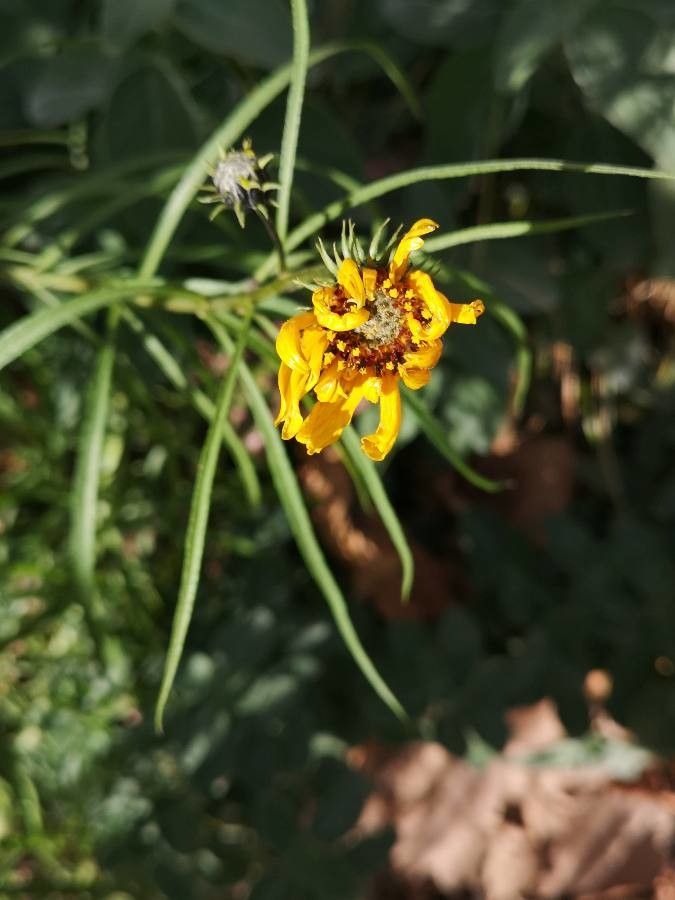
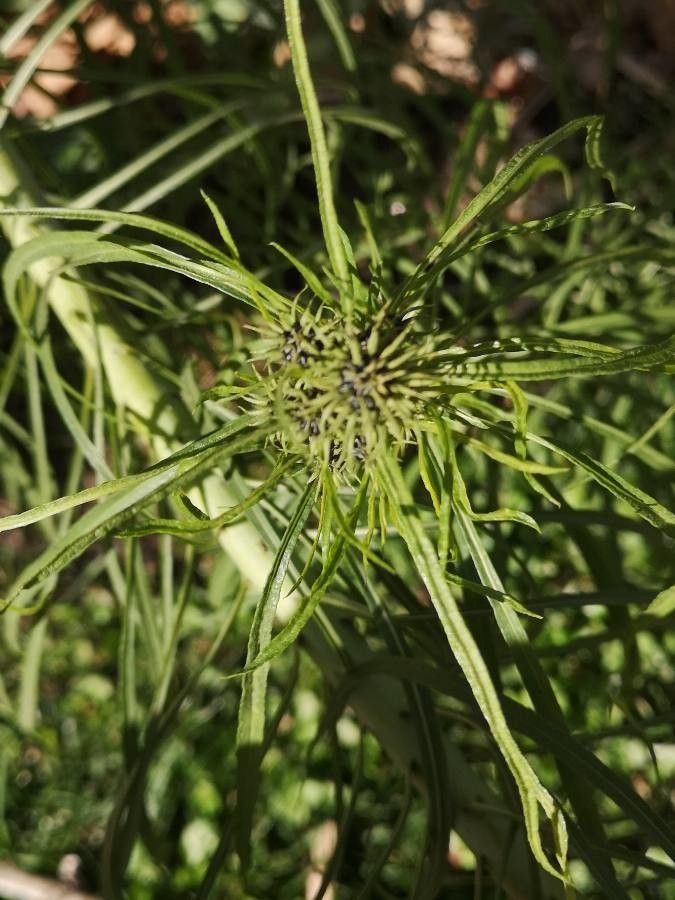
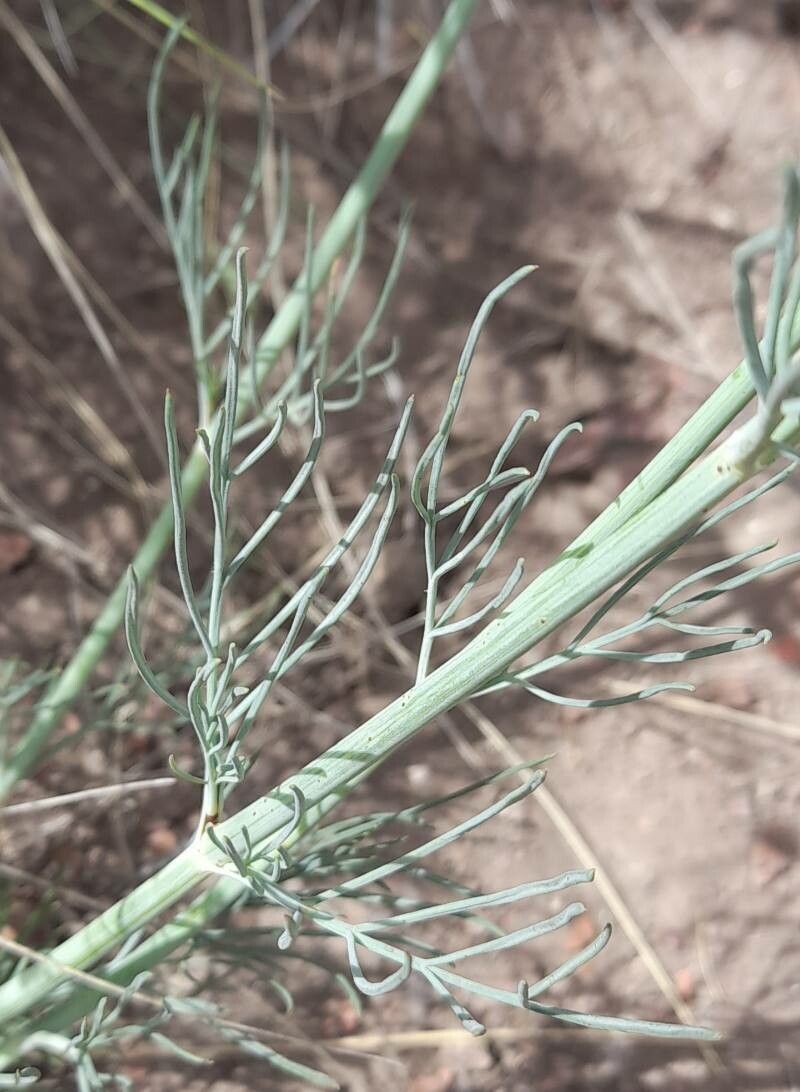
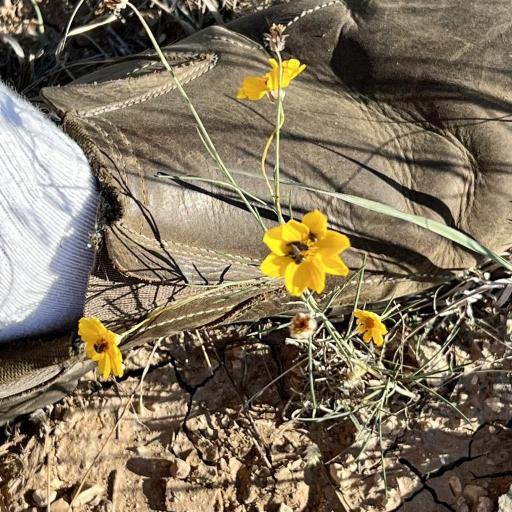
Thelesperma filifolium, commonly known as stiff greenthread, or plains greenthread, is a species of flowering plant in the aster family, Asteraceae. It is often found growing in shallow soils. It prefers disturbed sites in dry, sandy or gravelly soil with a neutral to basic pH. Stiff greenthread adapts to various soil conditions, including loam, clay, caliche, and roadsides. It blooms between March and June and often into the fall.
Stiff Greenthread has strong resistance to diseases and is generally not prone to them. However, it can be vulnerable to pests and diseases present in its environment. Such infections are typically mild. Regarding care, this plant needs moderate maintenance. It should be pruned on a regular basis to preserve an attractive appearance and healthy growth. Fertilizing can also encourage flowering. Stiff Greenthread is appropriate for anyone with outdoor space, like a garden or patio, and does not demand extensive gardening experience. It may need extra attention when kept indoors.
How to keep Thelesperma Filifolium.
Light
Stiff Greenthread thrives with abundant sunlight and can also tolerate a moderate amount of sun. It originates from habitats with plentiful sun exposure. Too much or too little light can interfere with its healthy growth. Different stages of growth may require varying amounts of sunlight.
Water
Stiff Greenthread is well-suited to dry environments, displaying remarkable drought tolerance and requiring only minimal moisture to grow. It benefits from weekly watering to avoid over-saturation. Thanks to its deep root system, stiff Greenthread efficiently uses water, making it an excellent choice for xeriscaping and gardens that prioritize water conservation.
Temperature
Stiff Greenthread is native to habitats where temperatures range from 68 to 95 °F (20 to 35 ℃). This plant favors those moderate climates. Seasonal adjustments are generally unnecessary, but if temperatures become extreme, consider providing some shading or insulation.
Fertilizer
When most of Stiff Greenthread’s blooms have opened to full size, resume fertilizing. At the peak of bloom production, apply fertilizer every three to four weeks, weather permitting. Once Stiff Greenthread begins producing fewer new blooms, stop fertilizing; there’s no need to feed the plant when it can’t produce additional flowers.
Pruning
The Stiff Greenthread boasts delicate foliage and vibrant yellow flowers. To encourage growth, prune it from early to late spring by removing dead stems and lightly trimming for shape control. Avoid heavy pruning to ensure the plant continues to flower. Regular pruning enhances air circulation, reduces the risk of disease, and promotes a healthy appearance.
Botanical profile.
- Plant Type
- Herb
- Life Cycle
- Annual, Perennial
- Genus
- Thelesperma
- Family
- Asteraceae
- Hardiness Zone
- 5
- Mature Height
- 30 cm to 61 cm
- Mature Spread
- 30 cm to 61 cm
- Leaf Color
- Green
- Leaf Type
- Deciduous
- Flower Color
- Yellow, Gold
- Flower Size
- 2.54 cm to 5.08 cm
- Bloom Time
- Late spring, Early summer, Mid summer
- Planting Time
- Spring, Autumn
- Harvest Time
- Summer
- Native Area
- Mexico
Other names.
Reader questions.
What are the sunlight requirements for Stiff Greenthread?
Stiff Greenthread requires a generous amount of sun exposure to thrive, flourishing best in environments where it can enjoy full sun for more than 6 hours daily or manage with partial sun, receiving about 3-6 hours of sunlight. This plant originates from habitats with ample sunlight, and both excessive or insufficient light can hinder its healthy growth. It's vital to observe how sunlight moves through your garden, selecting locations that offer an ideal balance of light and shade to ensure your plants' well-being.
What is the native climate for Stiff Greenthread?
Stiff Greenthread is native to environments where temperatures range from 68 to 95 °F (20 to 35 °C), preferring these moderate climates. It is highly cold-tolerant and does not typically require seasonal adjustments. However, in extreme temperatures, measures such as providing shading or insulation may be necessary. Before the first freeze in autumn, it's recommended to water the plant generously to keep the soil moist and prevent drought and water scarcity during winter and early spring.
How can artificial lighting be used for Stiff Greenthread grown indoors?
For indoor Stiff Greenthread plants that can't receive natural sunlight, artificial lighting is crucial for promoting optimal growth. LED lights are preferable due to their ability to provide specific light wavelengths needed by plants. Full sun plants should receive 30-50W/sq ft of artificial light, partial sun plants 20-30W/sq ft, and full shade plants 10-20W/sq ft. Lights should be placed 12-36 inches above the plants and kept on for 8-12 hours per day to mimic natural daylight conditions.
How does Stiff Greenthread react to low temperatures?
Stiff Greenthread exhibits extreme cold tolerance, withstanding winter temperatures down to -25°C. Despite this tolerance, if temperatures fall below this threshold, there might not be noticeable changes during the winter. However, a decrease in sprouting or a complete lack of sprouting can occur in spring. To mitigate this, it is advised to remove any parts of the plant that have failed to sprout once spring arrives.
What are the signs of inadequate lighting for Stiff Greenthread?
Inadequate lighting can cause multiple symptoms in Stiff Greenthread, including smaller new leaves, leggy or sparse growth, faster leaf drop, halted growth, paler new leaves, and overall weak appearance. Additionally, excessive sunlight can lead to chlorosis, sunscald, leaf curling, wilting, and leaf scorching. These signs indicate the plant's struggle with its current light conditions, necessitating adjustments to its environment.
What should I do if Stiff Greenthread is exposed to high temperatures?
Stiff Greenthread struggles in high temperatures, particularly when they exceed 35°C. Under such conditions, the plant's growth halts, and it becomes more susceptible to rot. To help the plant cope, trim away any sunburned and dried-up parts, move it to a shaded area or use a shade cloth to protect it from the midday and afternoon sun. Additionally, ensure the soil remains moist by watering the plant in the morning and evening.
What solutions can help Stiff Greenthread adjust to proper light conditions?
To adapt Stiff Greenthread to appropriate light conditions, gradually move the plants to sunnier locations. For indoor plants, augment sunlight exposure through south-facing windows or use artificial lighting like desk lamps or professional grow lights for at least 8 hours daily. Outdoors, transition your plants to better-lit areas progressively to avoid sunburn. For ground plants, pruning obstructive branches and relocating smaller plants during their dormant period can significantly improve sunlight accessibility. It’s important to remember that parts of the plant already affected by poor light may not recover, but new growth will be healthy with improved light exposure.
What is the botanical name of Stiff Greenthread?
The botanical name of Stiff Greenthread is Thelesperma filifolium.