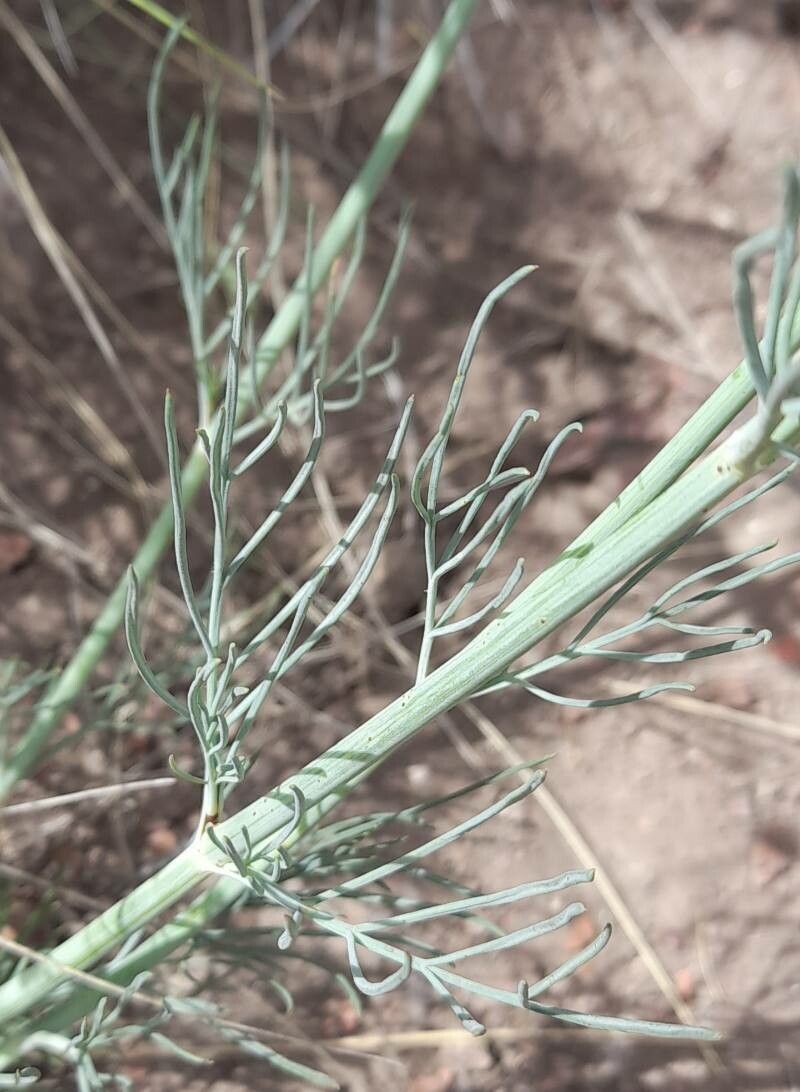
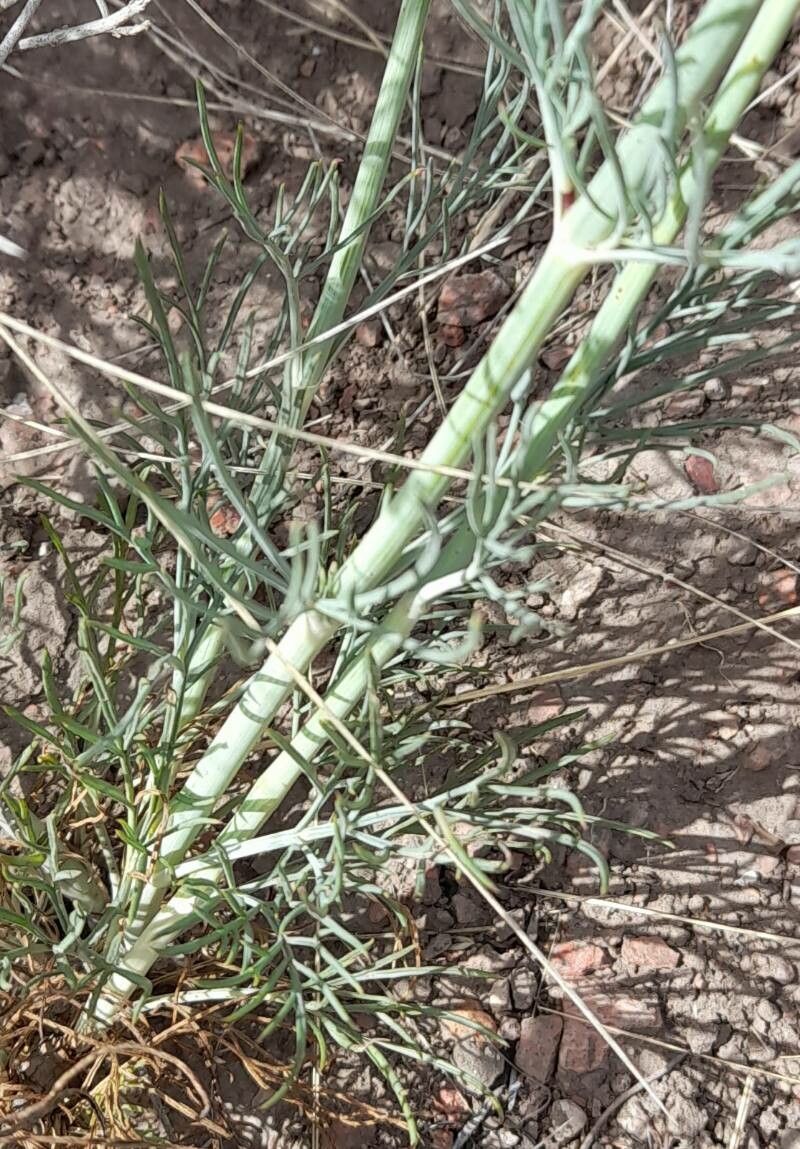
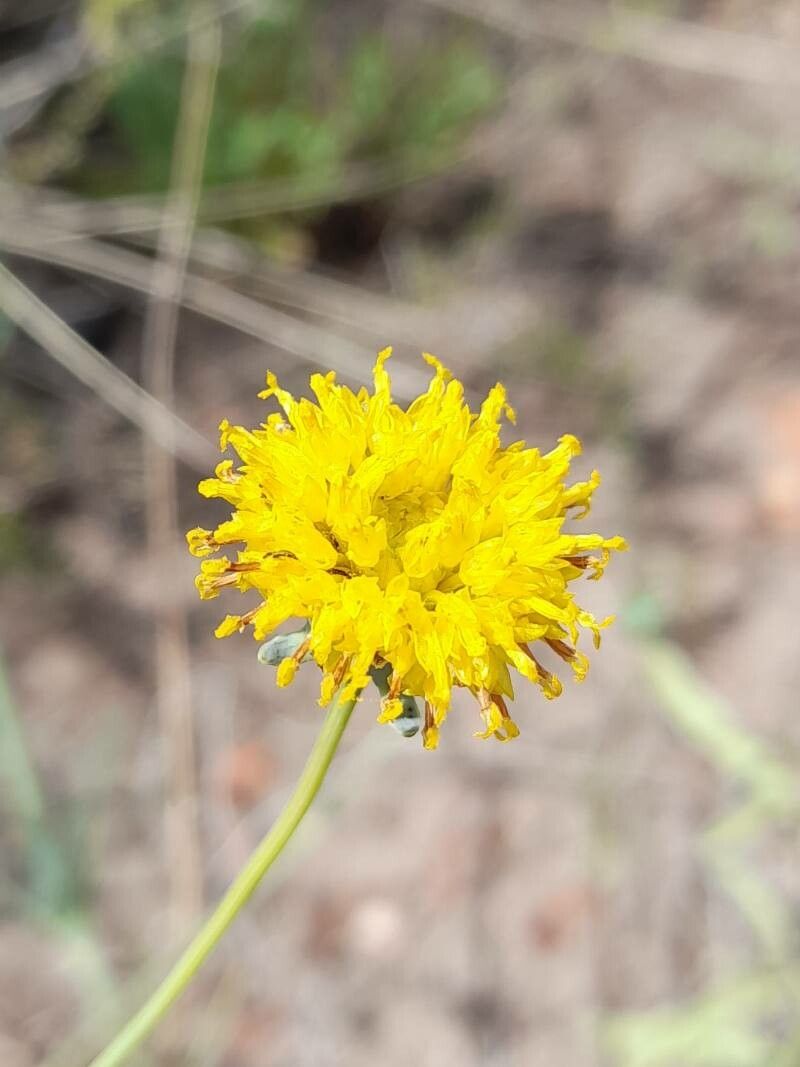
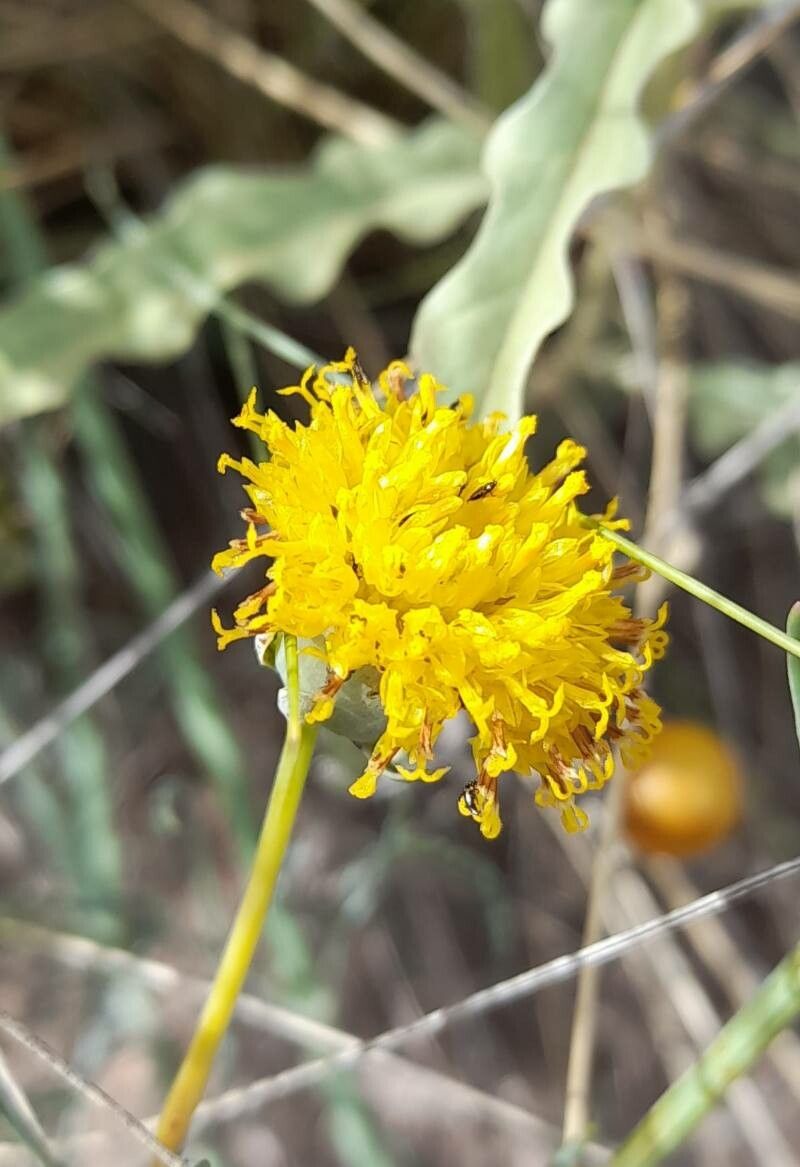
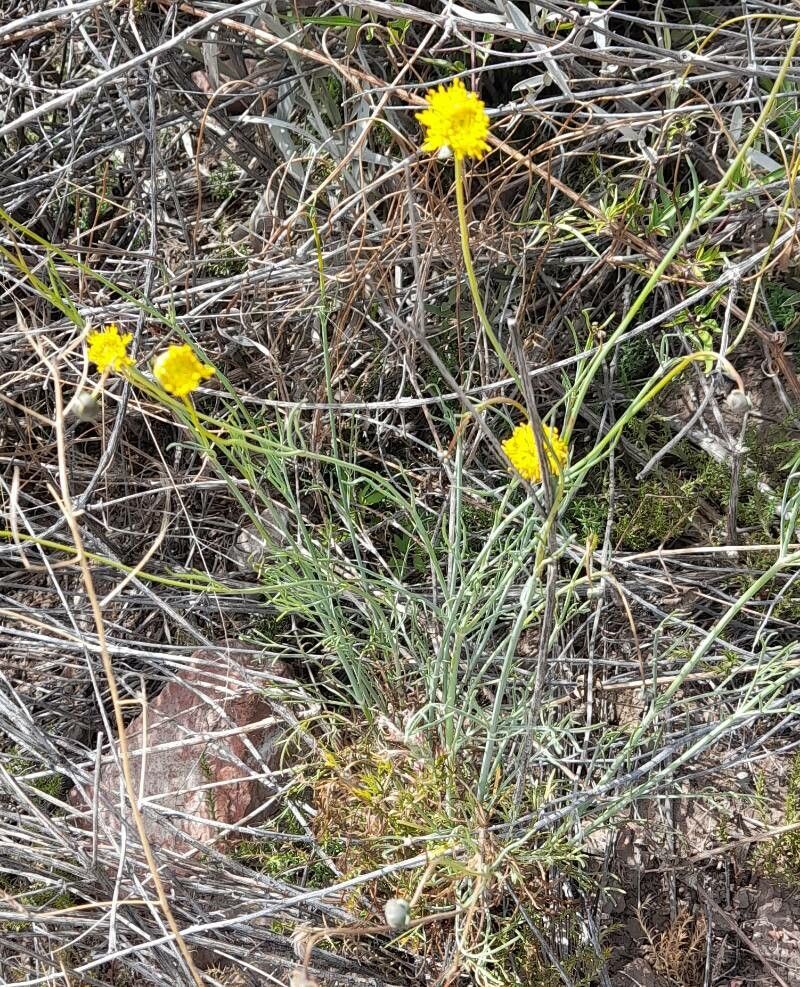
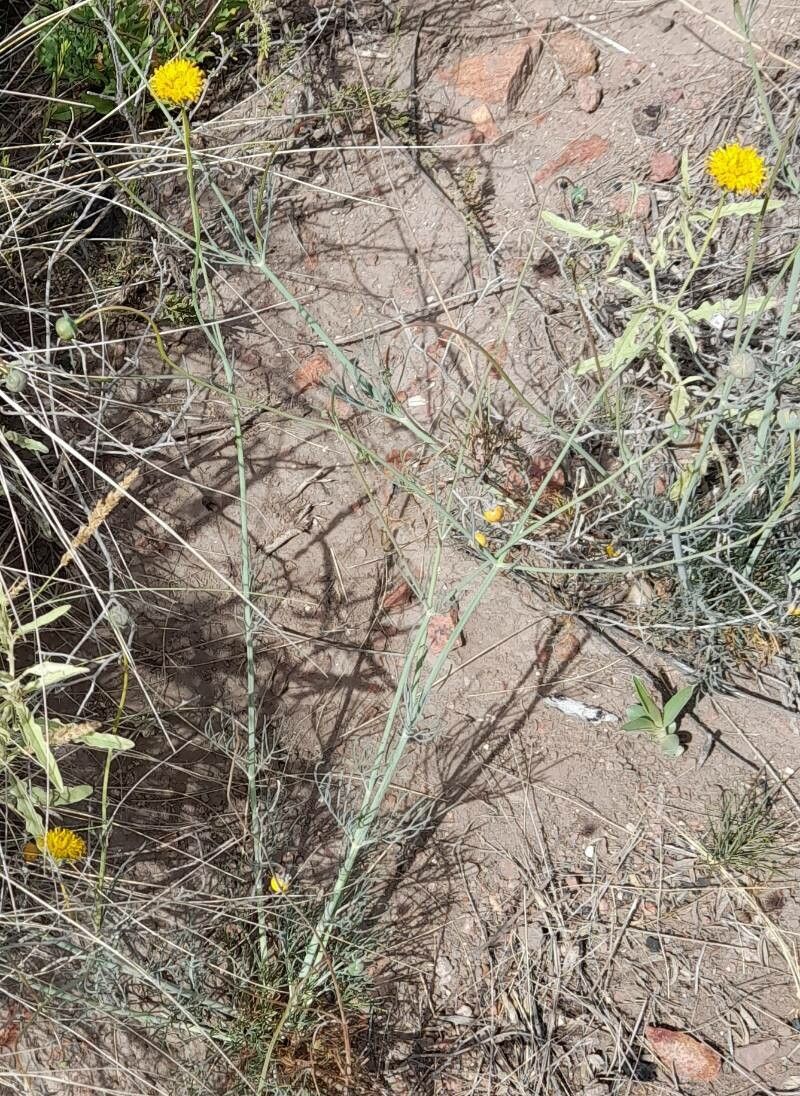
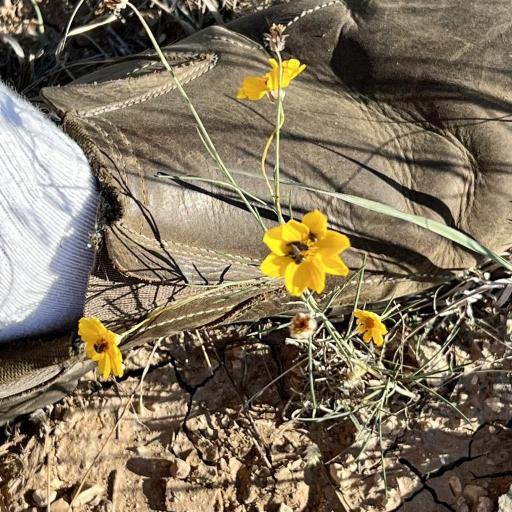
Thelesperma megapotamicum is a perennial species of flowering plant in the aster family known by the common name wild tea and rayless greenthread. It is native to sections of the Americas, including the central United States, where it grows in many types of habitat.
Hopi tea greenthread has strong resistance to disease and is generally not prone to illnesses. Still, it can be vulnerable to pests and diseases present in its environment. These problems are typically mild. As for care, the plant needs a moderate level of maintenance. It should be pruned regularly to preserve its appearance and encourage healthy growth. Fertilizing can also encourage flowering. Hopi tea greenthread is appropriate for anyone who has outdoor space, such as a garden or patio, and does not demand extensive gardening experience. It may require more attention when cultivated indoors.
How to keep Thelesperma Megapotamicum.
Light
Hopi tea greenthread is a sun-loving, herbaceous perennial that comes from open habitats and is often found growing in meadows and grasslands. It prefers full sun but can also tolerate partial sun.
Water
Hopi tea greenthread, native to arid regions, is highly drought-tolerant and requires minimal moisture to thrive. Watering once a week is sufficient, taking care not to oversaturate the soil. Ideally grown outdoors, this plant benefits from natural rainfall and prospers in well-draining soil that mimics the drainage conditions of its natural habitat.
Temperature
Hopi tea greenthread is a hardy plant native to temperate regions. It prefers temperatures between 41 and 90 °F (5 to 32 ℃). For best growth, keep temperatures within this range, particularly during colder seasons.
Fertilizer
The best time to fertilize Hopi tea greenthread is in early spring, as it breaks dormancy and starts active growth. Fertilizing supplies essential nutrients needed for healthy development. Although this plant has fairly low fertilizer requirements, an annual application can boost its survival and encourage fuller, longer-lasting flowers.
Pruning
Hopi tea greenthread is a plant known for its bright yellow flowers and delicate foliage. To encourage healthy growth and more blooms, it's beneficial to prune the plant in both early and late spring. Throughout the blooming season, removing spent flowers, a process known as deadheading, will promote additional flowering. Pruning also helps improve air circulation and prevents the plant from becoming leggy, ensuring a more robust and vigorous appearance.
Botanical profile.
- Plant Type
- Herb
- Life Cycle
- Perennial
- Genus
- Thelesperma
- Family
- Asteraceae
- Hardiness Zone
- 5-8
- Mature Height
- 76 cm
- Mature Spread
- 20 cm to 40 cm
- Leaf Color
- Green, Dark Green
- Leaf Type
- Deciduous
- Flower Color
- Yellow
- Flower Size
- 1.27 cm to 2.03 cm
- Bloom Time
- Summer, Early fall
- Planting Time
- Spring, Summer
- Harvest Time
- Late summer, Fall
- Native Area
- Mexico
Other names.
Reader questions.
What are the sunlight requirements for Hopi tea greenthread?
Hopi tea greenthread, or Thelesperma megapotamicum, is a perennial herbaceous plant that flourishes in full sun conditions, enjoying more than 6 hours of sunlight daily. It can also tolerate partial sun, which means about 3-6 hours of sunlight per day. It's important to observe the movement of sunlight through your garden to find spots that provide a balanced environment of light and shade, ensuring the plant's well-being.
What is Hopi tea greenthread and what are its ideal growing conditions?
Hopi tea greenthread, botanically known as Thelesperma megapotamicum, is a robust plant best suited for temperate climate regions. It thrives in temperatures ranging from 41 to 90 °F (5 to 32 °C). To ensure optimal growth, maintaining this temperature range, especially during the colder seasons, is crucial. Although it has strong cold resistance and usually does not require special frost protection measures, it's important to offer cold protection if winter temperatures are expected to drop below -25°C. This can involve covering the plant with soil or straw. Additionally, it's recommended to water the plant abundantly before the first freeze in autumn, ensuring the soil is moist as it freezes. This preparation helps prevent drought and water scarcity for the plant during the winter and early spring.
Can Hopi tea greenthread be grown indoors, and how can I provide adequate lighting?
Yes, Hopi tea greenthread can be grown indoors, but it requires adequate lighting to thrive. In conditions where natural sunlight is insufficient, especially during winter or in less sunny spaces, artificial lights such as LED lights can be a vital solution. They offer the possibility to mimic the natural light conditions, with full sun plants needing 30-50W/sq ft of artificial light, partial sun plants 20-30W/sq ft, and full shade plants 10-20W/sq ft. The artificial light source should be placed 12-36 inches above the plant, mimicking the length of natural daylight hours, which most plants need for about 8-12 hours per day.
How does Hopi tea greenthread react to low temperatures?
Hopi tea greenthread is cold-tolerant and can best flourish with temperatures above 5°C. It should ideally be kept above -20°C during winter. When temperatures drop below -25°C, the plant might not show immediate changes, but there could be a decrease in sprouting or even no sprouting at all during springtime. To mitigate this, any parts that have failed to sprout by spring should be removed.
What are the symptoms of inadequate lighting for Hopi tea greenthread?
When Hopi tea greenthread is grown in rooms with inadequate lighting, it may exhibit symptoms such as smaller leaves, leggy or sparse growth, faster leaf drop, slower or no new growth, lighter-colored new leaves, chlorosis, sunscald, leaf curling, wilting, and leaf scorching. These symptoms indicate that the plant is not receiving enough light, which is essential for its photosynthesis process and overall health.
What should be done if Hopi tea greenthread experiences high temperatures?
During the summer, it's crucial to ensure that Hopi tea greenthread's temperature does not exceed 32°C. Exposure to temperatures above 35°C can result in the plant's leaves becoming lighter, prone to curling, susceptible to sunburn, and in severe cases, the entire plant may wilt and become dry. To care for the plant under these conditions, trim away the sunburned and dried-up parts. Consider moving the plant to a shaded area, especially from the midday and afternoon sun, or use a shade cloth. Additionally, watering the plant in the morning and evening helps keep the soil adequately moist.
How can I ensure my Hopi tea greenthread gets enough light?
To ensure your Hopi tea greenthread receives enough light, gradually move it to a location with at least 6 hours of direct sunlight daily. For indoor plants, use a south-facing window and keep curtains open during the day or consider using artificial light sources such as desk or ceiling lamps for at least 8 hours daily. For outdoor plants, avoid sudden changes in light intensity to prevent sunburn. Reduce obstructions by pruning trees or moving plants to sunnier locations. If necessary, transplant smaller plants during their dormant period to areas with ample sunlight and good drainage.