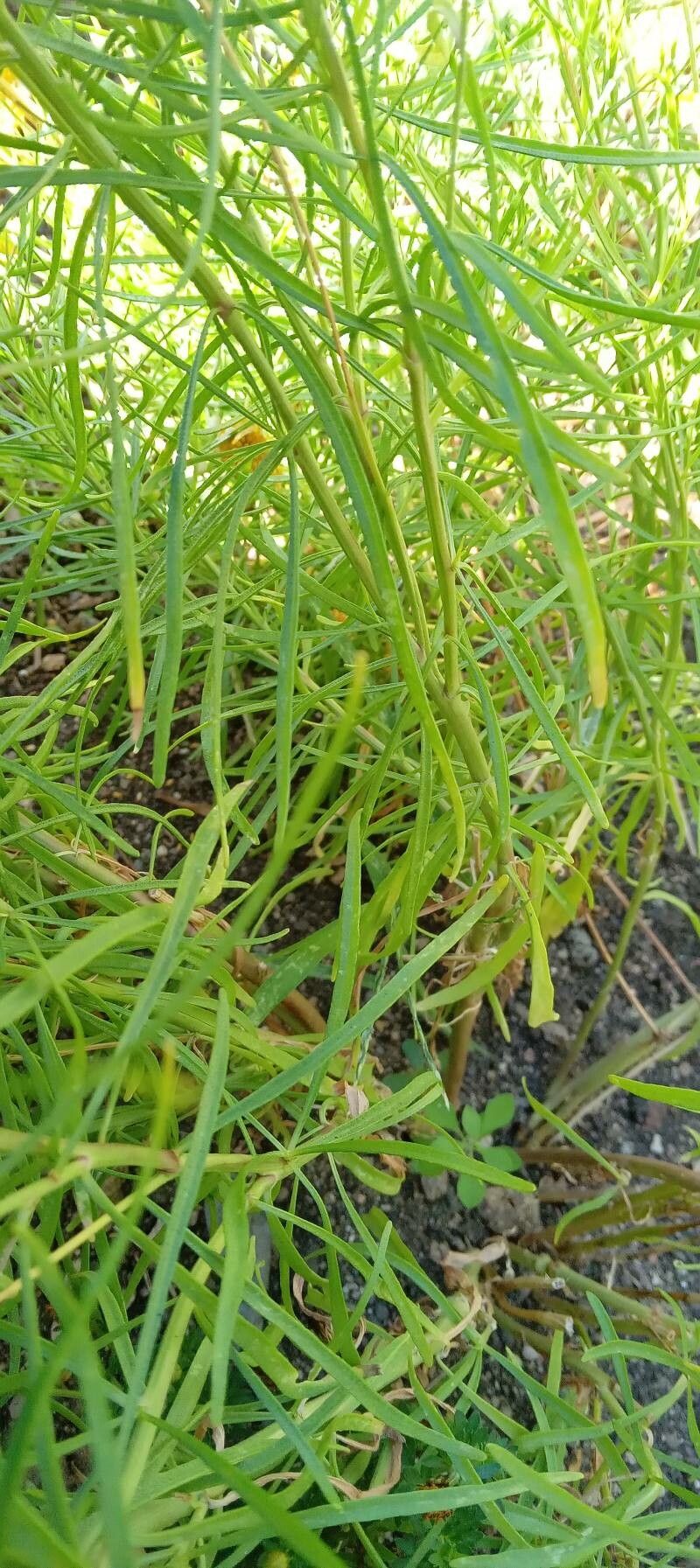
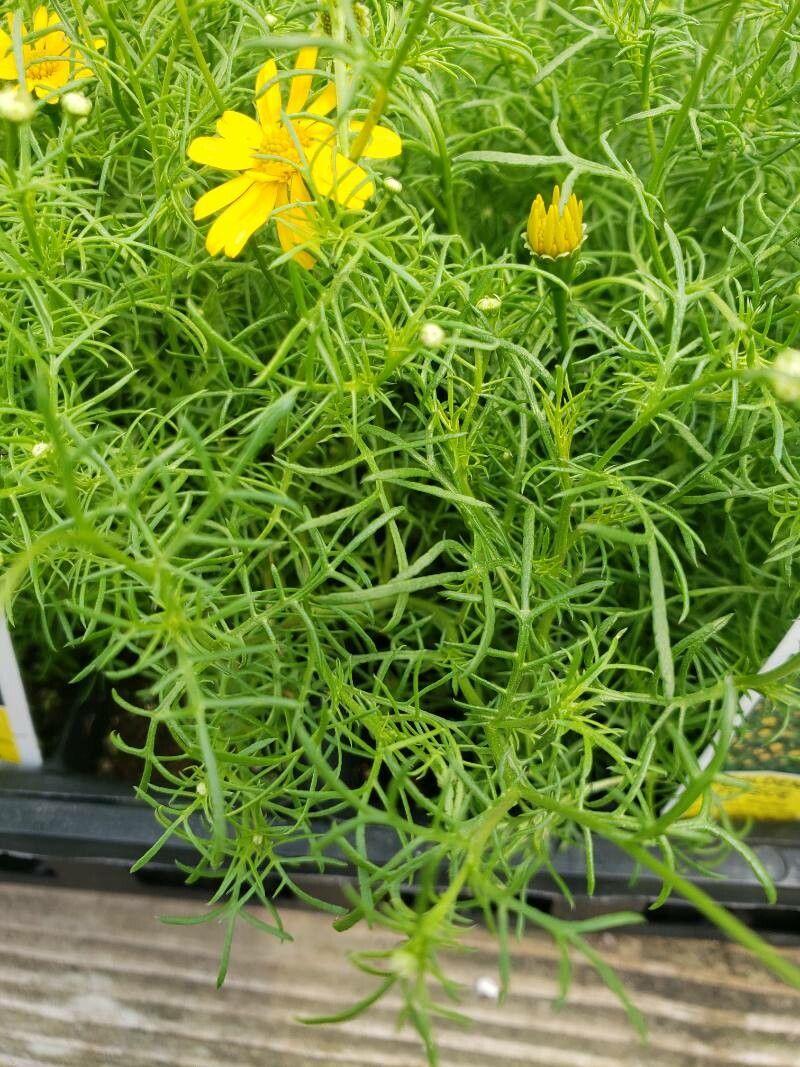
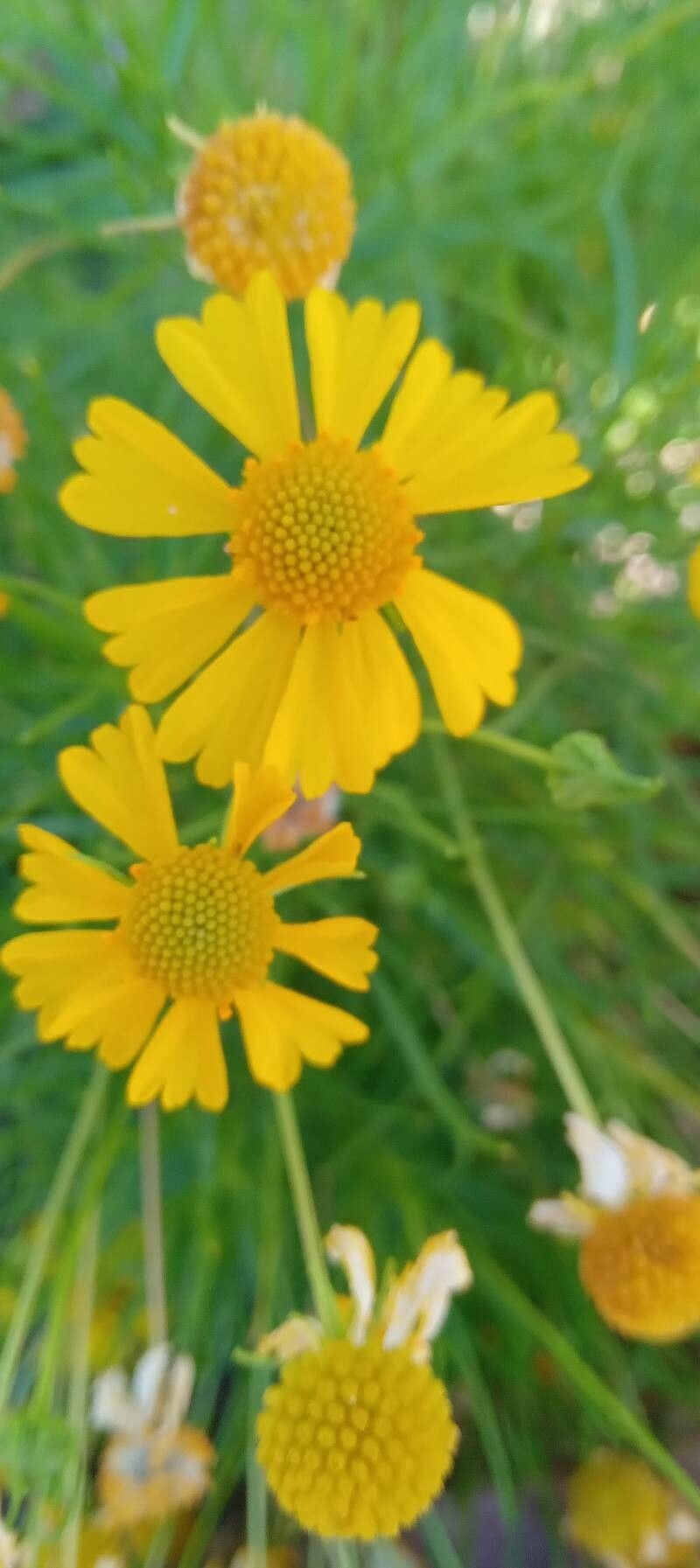
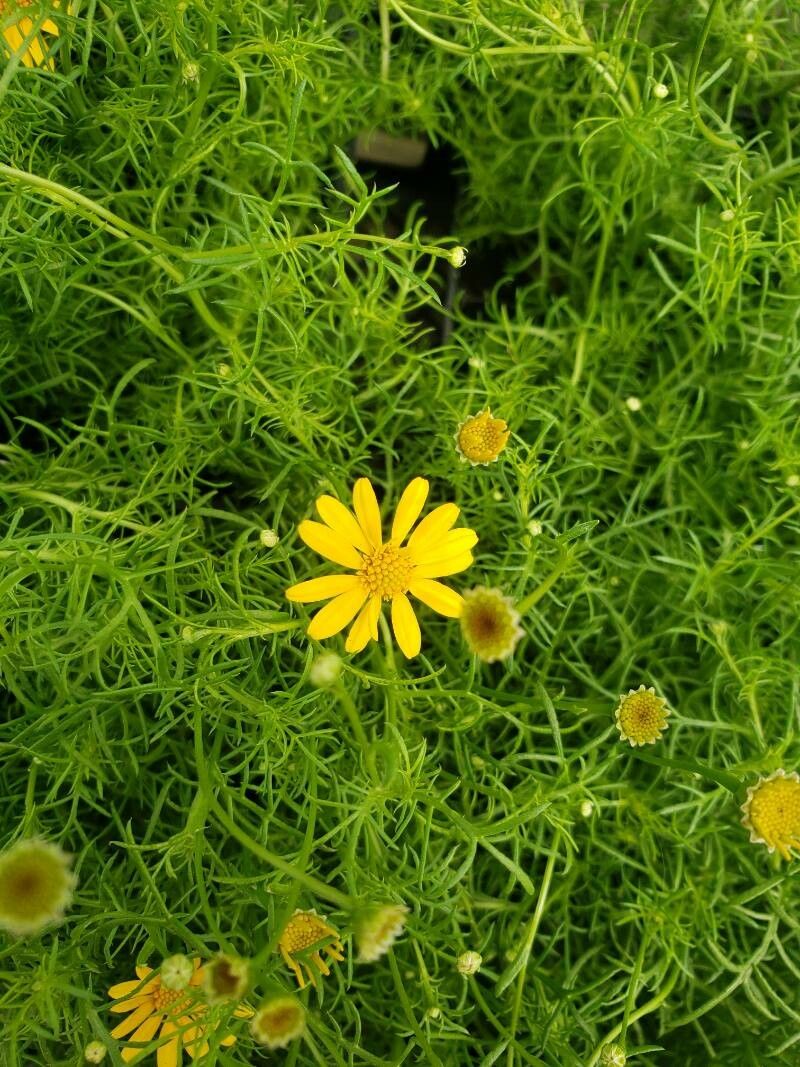
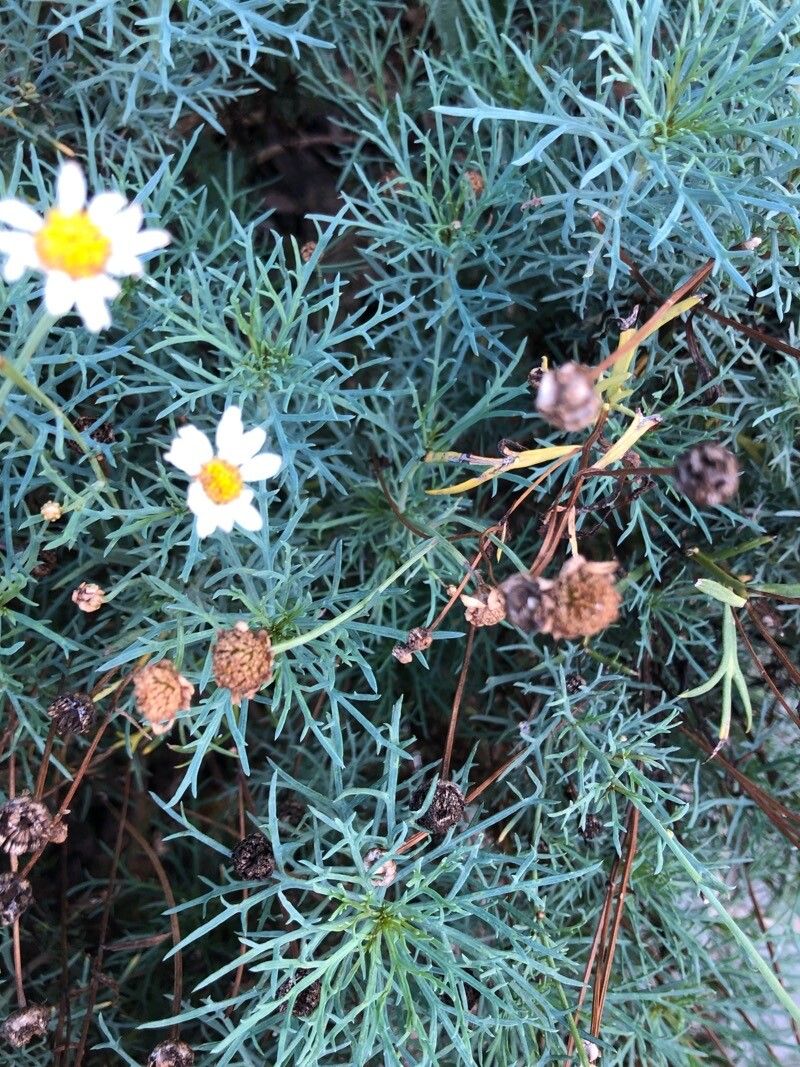
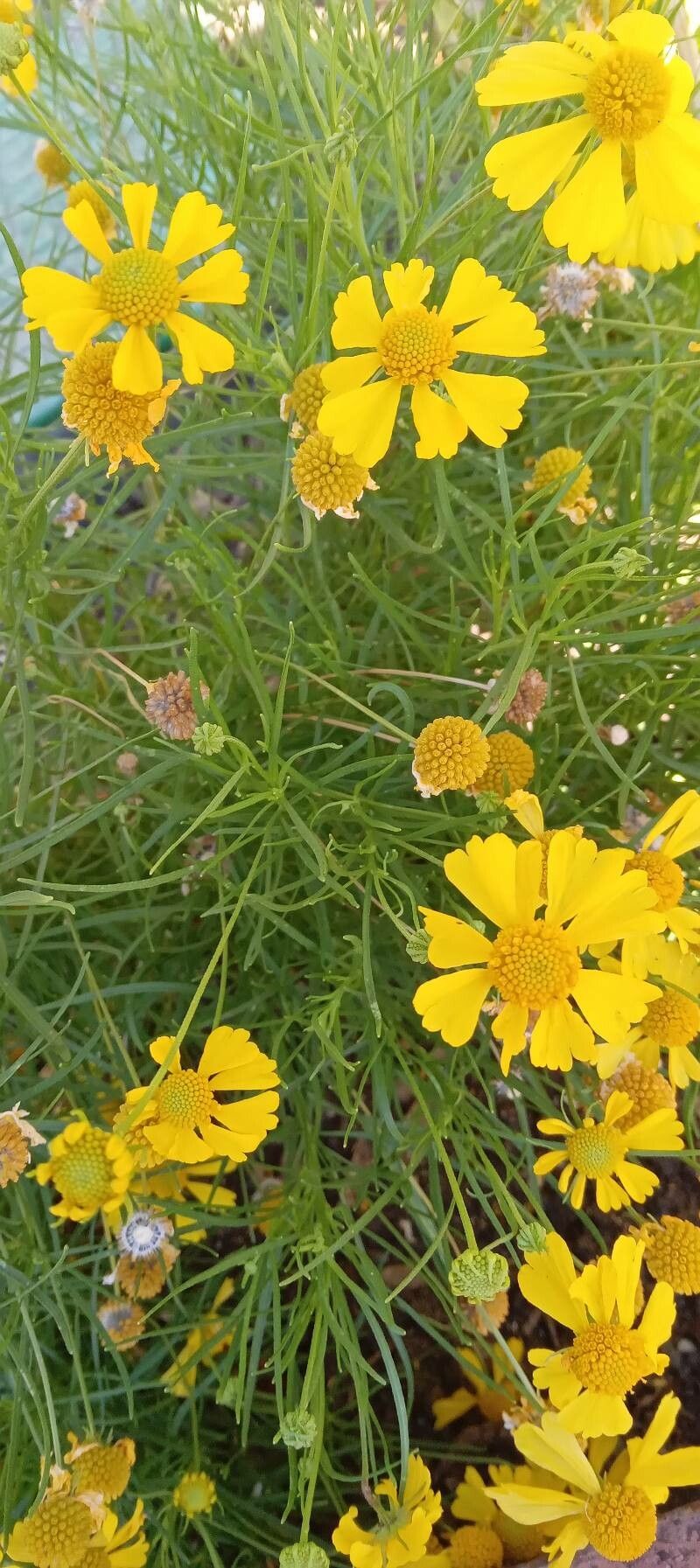
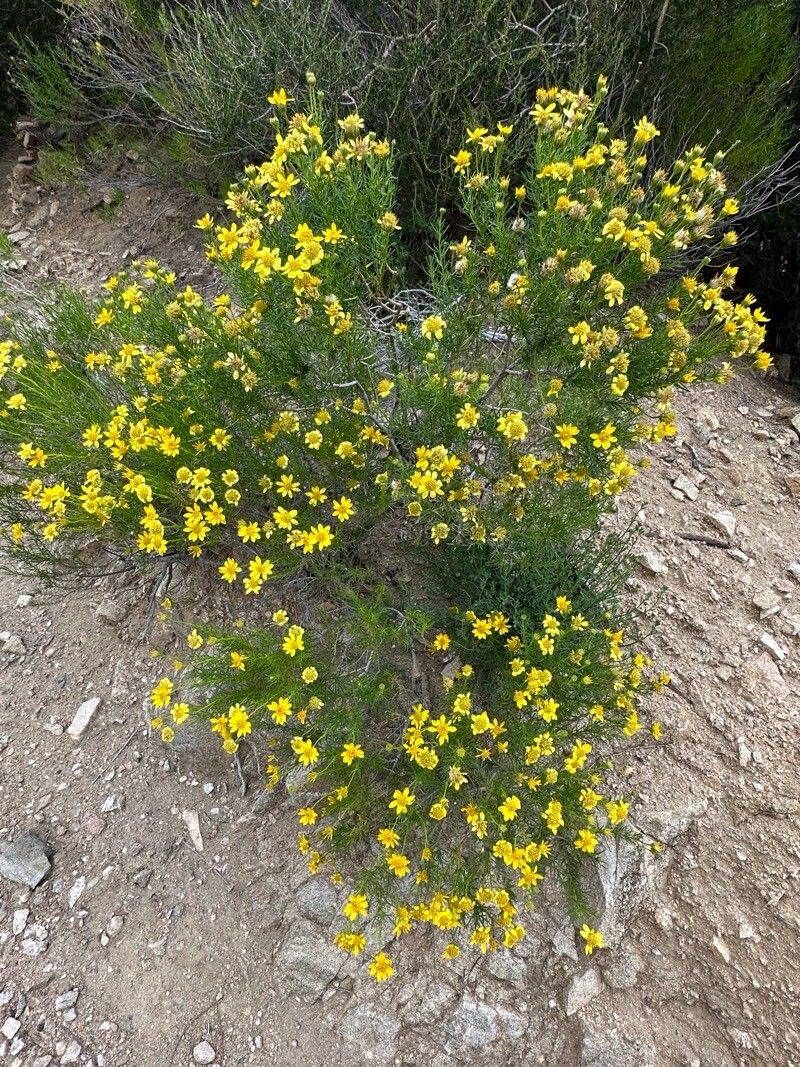
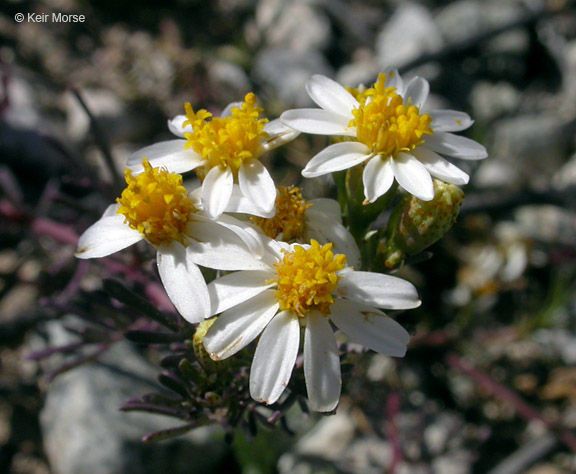
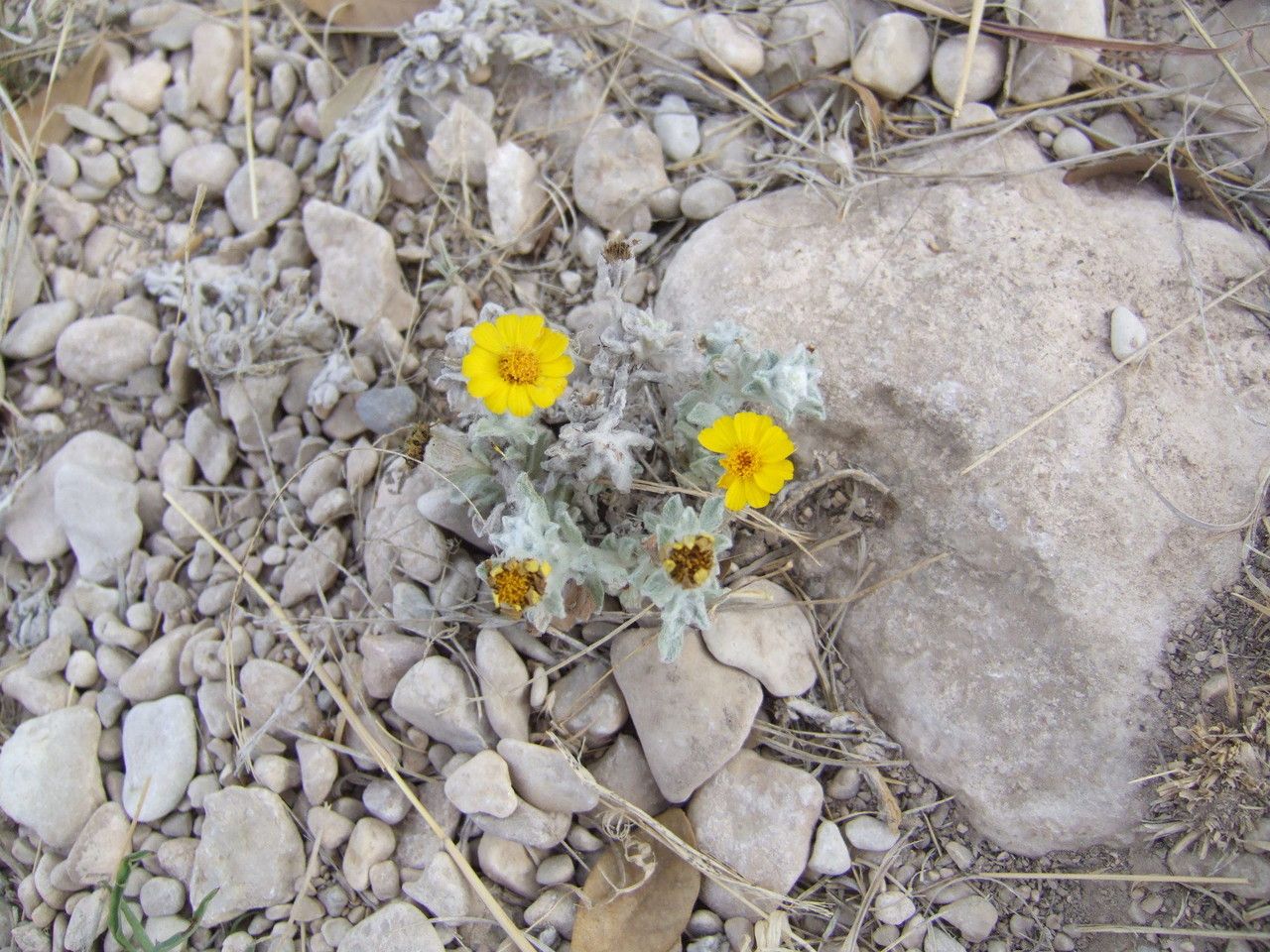
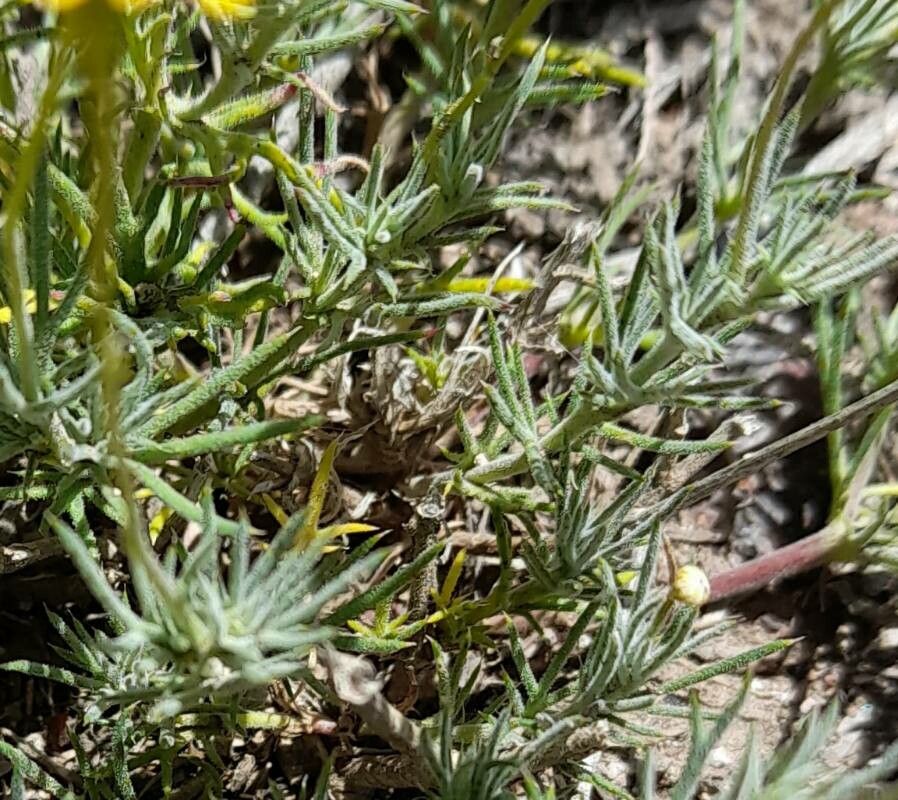
Thymophylla tenuiloba, commonly known as Dahlberg daisy, is a small flowering plant belonging to the Asteraceae family. Native to the southwestern United States and northern Mexico, this plant reaches up to 12 inches in height and features small yellow flowers that bloom from spring through fall. Its leaves are finely divided, giving them a fern-like appearance.
Dahlberg daisy is a popular ornamental plant known for its attractive flowers and foliage. It can be grown in containers or used as ground cover in rock gardens or borders. The plant thrives in well-drained soil and full sun exposure, although it can also tolerate partial shade.
Besides its ornamental appeal, Thymophylla tenuiloba also possesses medicinal properties. Native Americans have used it for centuries to treat various ailments, including fever, coughs, colds, headaches, stomachaches, and wounds.
Overall, Thymophylla tenuiloba is an appealing flowering plant that offers both ornamental value and medicinal properties. Whether you're a gardener interested in aesthetics or natural remedies, this plant makes for an intriguing addition to your garden or container.
Bristleleaf pricklyleaf is fairly disease-resistant and generally not prone to illnesses. However, it can be affected by pests and diseases present in its environment. These problems are typically not serious. For care, the plant needs moderate maintenance. It should be pruned regularly to maintain a good appearance and healthy growth. Fertilizing can also help encourage flowering. Bristleleaf pricklyleaf is suitable for anyone with outdoor space, such as a garden or patio, and does not require much gardening experience. It may need more attention when grown indoors.
How to keep Thymophylla Tenuiloba.
Light
Bristleleaf pricklyleaf requires plentiful light to reach its best growth. Its native conditions are typically areas dominated by sun. The plant does well in strong sunlight; however, it can tolerate locations with somewhat reduced light. Both excessive shade and overexposure to light can hinder its growth and overall health.
Water
Bristleleaf pricklyleaf is well-suited to arid landscapes due to its exceptional drought tolerance. While it requires weekly watering, it thrives in well-draining soil to prevent root rot. This adaptation to dry conditions highlights the plant's resilience, making it an excellent choice for outdoor environments.
Temperature
Bristleleaf pricklyleaf is native to tropical areas, where the climate is generally warm and humid. Therefore, it is well suited to high temperatures and humidity. It does not tolerate sudden temperature changes and prefers a consistent temperature, so it's important to avoid fluctuations indoors. It generally cannot endure cold and needs higher temperatures to grow. If the ambient temperature falls too low, the plant may stop growing or even die.
Fertilizer
Proper fertilization is essential for the health and appearance of Bristleleaf pricklyleaf. Fertilize Bristleleaf pricklyleaf in the summer, repeating the application monthly throughout the season. Nutrients drive growth and sustain the plant's components. Fertilization improves Bristleleaf pricklyleaf's flower display, ensuring the finest blooms.
Pruning
The Bristleleaf pricklyleaf plant has finely divided leaves and vibrant yellow flowers. To encourage bushier growth and more blooms, it is best to prune the plant regularly from early to late spring. When pruning, focus on removing leggy stems and any damaged foliage. Avoid heavy pruning in mid-summer to minimize stress on the plant.
Pot & Repot
Repot bristleleaf pricklyleaf every 2-3 years, ideally in early spring. Use a slightly larger container that provides good drainage. This helps maintain the plant's compact shape and extends its lifespan. After repotting, place the plant in bright light and water it occasionally to support its recovery and growth.
Botanical profile.
- Plant Type
- Herb
- Life Cycle
- Perennial, Annual, Biennial
- Genus
- Thymophylla
- Family
- Asteraceae
- Hardiness Zone
- 8-11
- Mature Height
- 15 cm to 30 cm
- Mature Spread
- 15 cm to 20 cm
- Leaf Color
- Green
- Leaf Type
- Evergreen
- Flower Color
- Yellow
- Flower Size
- 2.54 cm
- Bloom Time
- All year round
- Planting Time
- Spring, Autumn
- Harvest Time
- All year round
- Native Area
- Mexico
Other names.
Reader questions.
How should I water my Bristleleaf pricklyleaf plant in the best way?
To take care of the Bristleleaf pricklyleaf, it's best to use filtered water at room temperature or slightly warmer. Tap water may have harmful particles, so filtering it is important. The plant is used to warm conditions, so cold water can be a shock. Avoid watering from above as it can cause problems with the leaves. Instead, completely saturate the soil with the filtered room temperature water. This helps the roots get the moisture they need and spread throughout the soil to gather nutrients.
Why do I have to put fertilizer on my Bristleleaf pricklyleaf plant?
The Bristleleaf pricklyleaf relies on its leaves for structure, making fertilization crucial for their appearance and function. Proper fertilization ensures consistent color and a healthy texture in the leaves. Fertilization also benefits the plant beneath the soil, promoting the growth of new roots and maintaining existing ones. By fertilizing, you not only keep your plant healthy in the present but also enhance its ability to absorb nutrients from the soil in the long run.
What are the sunlight requirements for Bristleleaf pricklyleaf?
Bristleleaf pricklyleaf, known botanically as Thymophylla tenuiloba, requires abundant light exposure for optimal growth, thriving best under conditions of intense solar exposure. It needs more than 6 hours of sunlight daily, classified as full sun, but can also grow in partial sun, receiving about 3-6 hours of sunlight. However, both excessive shade or overexposure to light may inhibit its growth and overall health. It's important to observe your garden's light conditions throughout the day to ensure your plant receives the perfect balance of light and shade.
What should I do if I give my Bristleleaf pricklyleaf plant too much water or too little water?
Overwatering is a common problem for the Bristleleaf pricklyleaf. When it receives too much water, the stems and leaves may wilt and turn yellow. This can lead to diseases like root rot, mold, and mildew, which can kill the plant. Underwatering is less common, but it can still happen. In this case, the leaves will become brittle and brown. It's important to notice the signs of overwatering early and reduce watering immediately. You should also check the soil and replace it if it doesn't drain well. If you notice signs of underwatering, simply water more regularly until the signs go away.
When should I put fertilizer on my Bristleleaf pricklyleaf?
If you choose to grow your Bristleleaf pricklyleaf outdoors each year, you can expect the plant to start sending out new growth in early spring. This is a sign that it's time to start fertilizing for the year. Generally, a single application of fertilizer in the spring is sufficient for the plant to thrive. However, if you want to maximize the growth of your Bristleleaf pricklyleaf, you have the option to fertilize multiple times throughout the spring and early summer. In this case, you can feed the plant roughly once every month to a month and a half.
How do I manage lighting for indoor Bristleleaf pricklyleaf plants?
For Bristleleaf pricklyleaf plants grown indoors, adequate lighting is essential, especially when natural sunlight is insufficient. Artificial lighting can offer a vital solution, mimicking natural sunlight to promote healthy growth. LED lights are a popular choice for indoor plants as they can provide specific wavelengths needed by the plants. Full sun plants require 30-50W/sq ft, partial sun plants need 20-30W/sq ft, and full shade plants need 10-20W/sq ft of artificial light. The light source should be placed 12-36 inches above the plant and be kept on for 8-12 hours per day to mimic natural daylight hours.
How frequently should I water my Bristleleaf pricklyleaf plant?
To determine if your Bristleleaf pricklyleaf in a pot needs water, simply stick your finger into the soil. If the top two to three inches are dry, it's time to water. The same method applies if you have planted the Bristleleaf pricklyleaf outdoors. When the top few inches of soil have dried out, it's time to water. Typically, this plant needs watering once a week in spring and early fall. However, during extremely hot weather, you may need to increase watering to twice a week or more. It's worth noting that mature and well-established Bristleleaf pricklyleaf can tolerate drought well.
When is the best time to not use fertilizer on my Bristleleaf pricklyleaf plant?
During the late fall and winter, your Bristleleaf pricklyleaf goes into a dormant phase where it stops producing new growth. It's important to not fertilize it during this time. In the spring and summer, if you choose to fertilize, start decreasing the amount of fertilizer as summer approaches because the plant's growth rate will also slow down. It's never a good idea to fertilize your Bristleleaf pricklyleaf when the weather is unusually hot or when the soil is very dry, as this can stress the plant and lead to premature death.
What are the signs of inadequate lighting in Bristleleaf pricklyleaf?
Signs of inadequate lighting in Bristleleaf pricklyleaf include smaller new leaves, leggy or sparse growth, faster leaf drop, slower or no new growth, lighter-colored new leaves, and symptoms of chlorosis, where leaves lose their green color. Excessive sunlight can cause sunscald, leaf curling, wilting, and leaf scorching. It's crucial to recognize these symptoms early to adjust your plant's exposure to light appropriately.
How much water does my Bristleleaf pricklyleaf plant need?
To properly water your Bristleleaf pricklyleaf plant, don't be afraid to give it a good amount of water. Make sure that the first two to three inches of soil are dry before watering. It's important to thoroughly soak the soil, allowing the water to flow through the drainage holes at the bottom of the pot. If you don't see any excess water draining, you may not have watered enough, which can be harmful to the plant. However, be cautious not to let water accumulate in the soil, as this can also be dangerous. If you notice that there is no water draining through the pot, it may be due to poorly draining soil, which is not good for the plant's health. For outdoor plants, about 1 inch of rain per week should be enough.
What kind of fertilizer should I use for my Bristleleaf pricklyleaf plant?
Choosing the best fertilizer for a Bristleleaf pricklyleaf is actually quite simple. These plants do well with a general-purpose garden fertilizer that has equal amounts of nitrogen, phosphorus, and potassium. Look for a fertilizer with a ratio of 10-10-10 or something similar, as this will be very effective. It's also good to avoid fertilizers with high nitrogen content if you're unsure. The majority of suitable fertilizers for a Bristleleaf pricklyleaf are in granular form, which makes them easy to apply to the soil. Opt for slow-release varieties for best results. Additionally, feeding your Bristleleaf pricklyleaf with organic soil amendments like compost can be beneficial.
What solutions can I pursue for light-related issues in Bristleleaf pricklyleaf?
To address light-related issues in Bristleleaf pricklyleaf, for indoor plants, gradually move them to sunnier locations or use artificial light, ensuring at least 6 hours of direct sunlight daily. For outdoor plants, adapt placement for optimal sunlight and avoid sudden light intensity changes. Minimize obstructions like trees by pruning branches and consider transplanting smaller plants to sunnier locations during their dormant period for better light exposure and health.