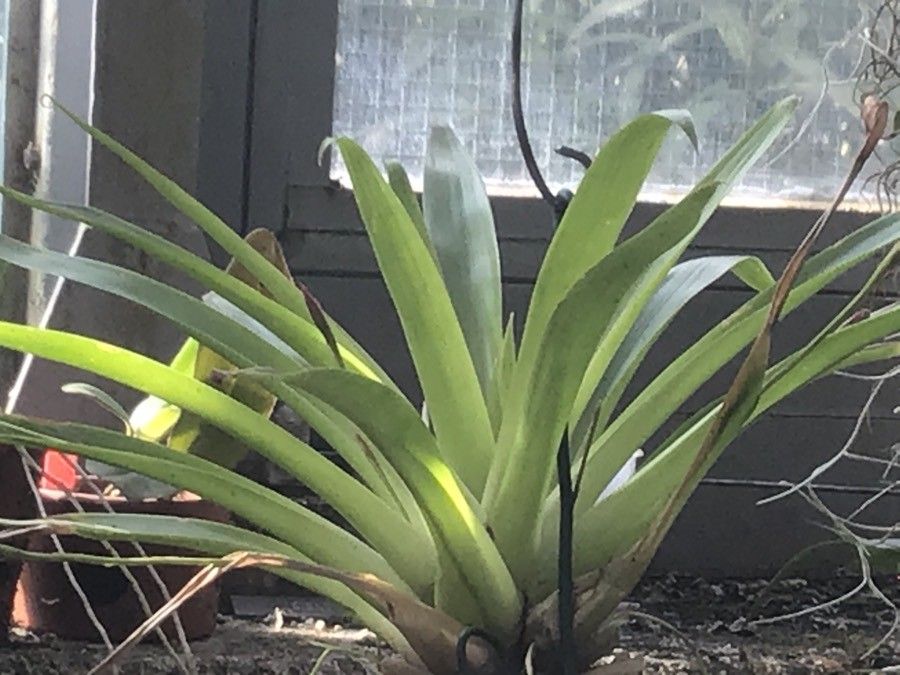
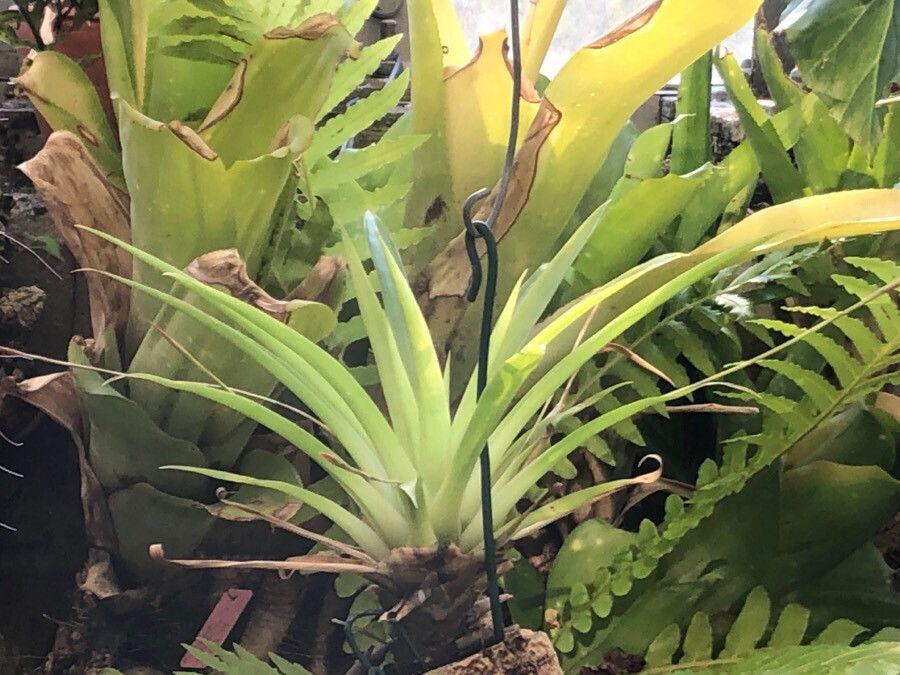
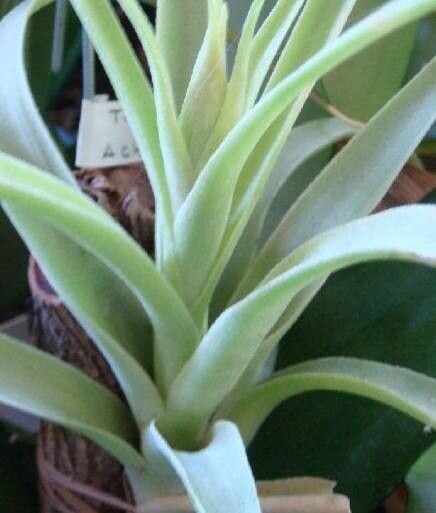
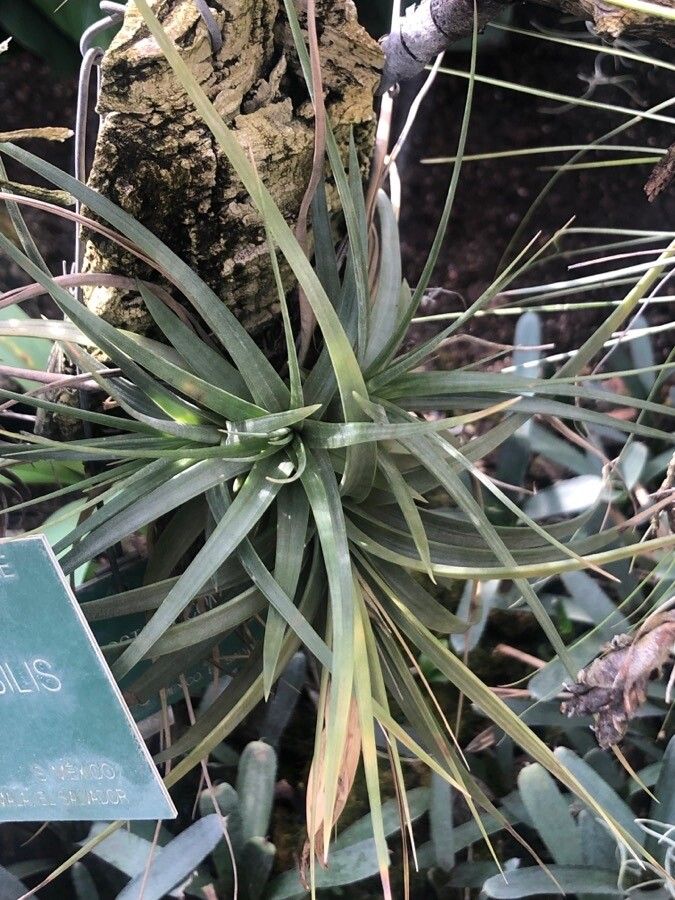
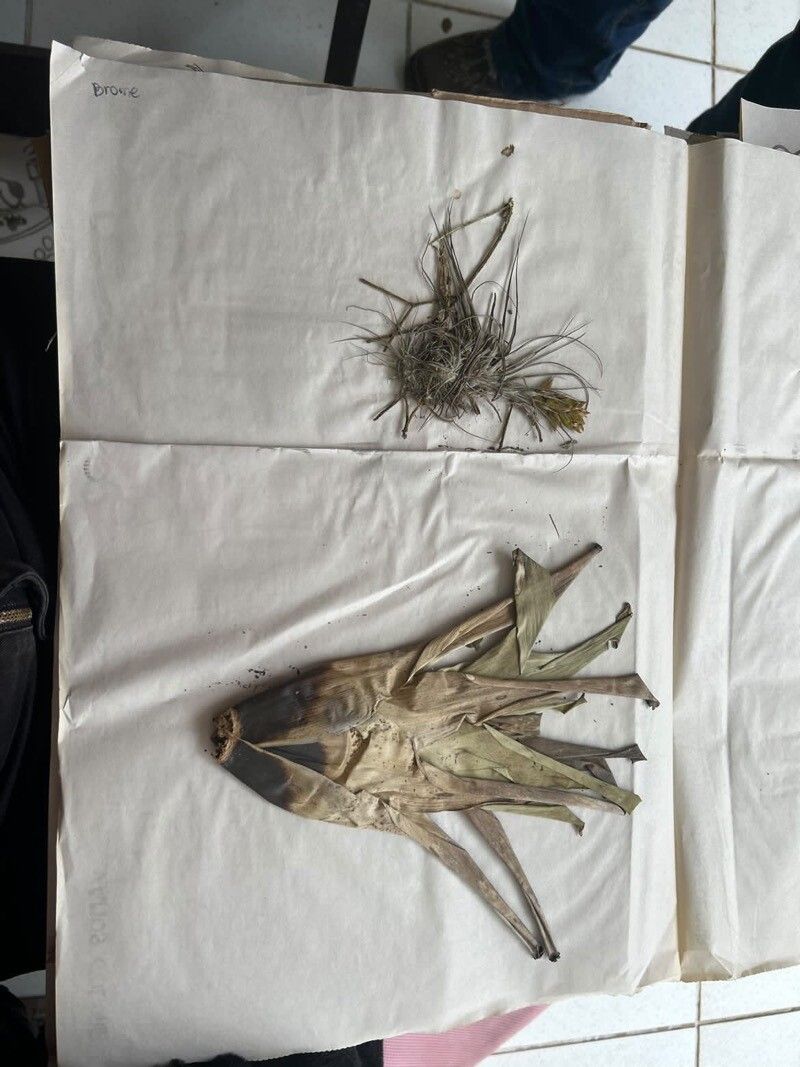
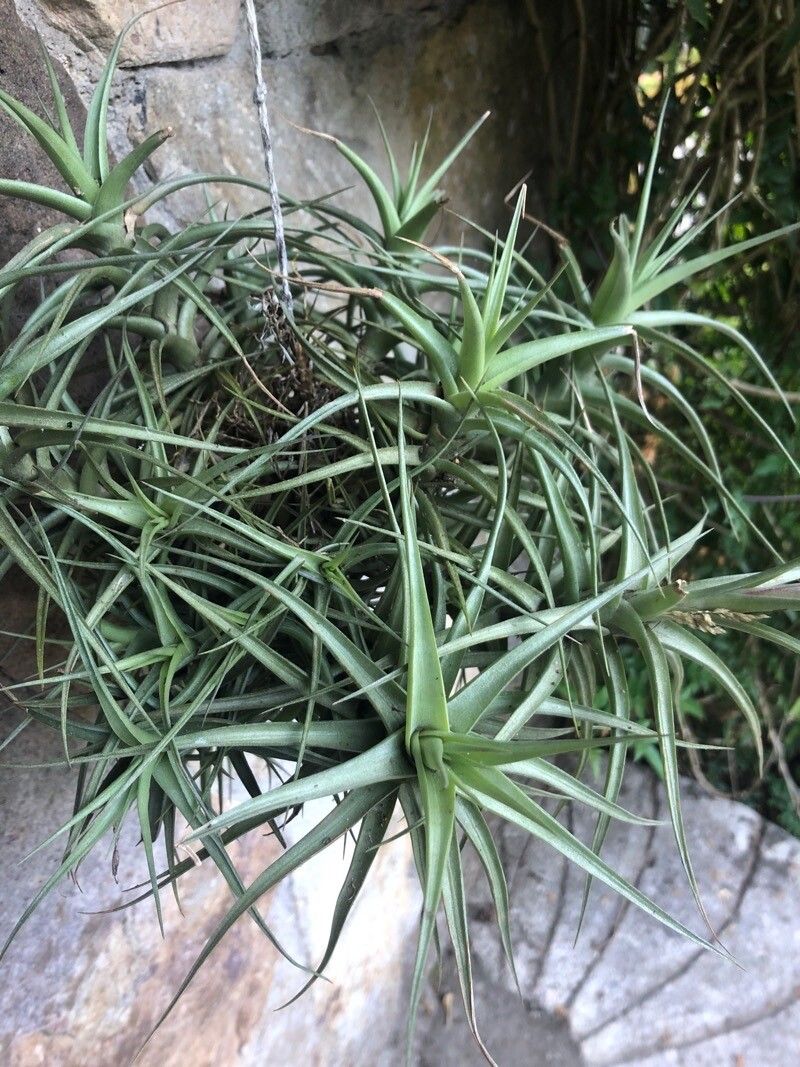
Tillandsia complanata is a species in the genus Tillandsia. This species is native to Bolivia, Peru, northern Brazil, Colombia, Guyana, Costa Rica, Panama, Cuba, Jamaica, Trinidad, Venezuela and Ecuador.
Tillandsia complanata has moderate resistance to disease but is more sensitive to humidity and overwatering. It is also likelier to develop disease when it receives insufficient light and is overwatered. Regarding care, Tillandsia complanata is drought-tolerant and can withstand extended periods without watering. It needs little fertilizer and only occasional pruning. For these reasons it is suitable for people at any experience level, especially those who prefer to spend less time on plant care or who may be away from home for long stretches. It is a good option for someone who doesn’t want to devote much time to maintenance yet still wants an easy-to-care-for plant.
How to keep Tillandsia Complanata.
Light
Tillandsia complanata comes from habitats with dappled light, such as forest understories or rocky sites that offer natural shade. It prefers partial sun but can also tolerate full sun.
Water
To provide moisture for Tillandsia complanata, you can either soak or mist the plant. Be sure to avoid water accumulation in the leaves to prevent rot. After watering, tilt or gently shake the plant to remove excess water. If you notice the leaves curling, it indicates a shortage of water, and a timely soaking is essential for recovery.
Temperature
Tillandsia complanata grows best in warm conditions. If the temperature falls too low, growth may halt or the plant can incur frost damage. It tolerates high temperatures and humidity well and needs a steady level of moisture in its environment. Still, overly high heat and humidity can make it prone to fungal infections. In dry settings, regular watering and misting are needed to keep air humidity adequate. The plant is sensitive to abrupt temperature changes, so maintaining a fairly stable temperature is important.
Pruning
Tillandsia complanata is an epiphytic bromeliad recognized for its rosette formation and striking foliage. To encourage new growth, prune it in early spring. Make sure to use sterilized tools to prevent disease. Avoid heavy pruning to maintain the plant's natural shape. Regular pruning enhances air circulation, which helps reduce the risk of fungal infections.
Botanical profile.
- Plant Type
- Herb
- Life Cycle
- Perennial
- Genus
- Tillandsia
- Family
- Bromeliaceae
- Hardiness Zone
- 10-12
- Mature Height
- 15 cm to 30 cm
- Mature Spread
- 20 cm to 40 cm
- Leaf Color
- Light Green, Silver
- Leaf Type
- Evergreen
- Flower Color
- Violet, Purple
- Flower Size
- 2.03 cm to 3.05 cm
- Bloom Time
- Summer
- Planting Time
- Summer, Winter
- Harvest Time
- Late summer, Early fall, Mid fall
Reader questions.
What are the sunlight requirements for Tillandsia complanata?
Tillandsia complanata, also known by its botanical name Tillandsia complanata, thrives under specific sunlight conditions. It requires 'Partial sun,' which translates to about 3-6 hours of sunlight per day, ideal for ensuring its growth and health. For those areas that are predominantly shady, 'Full shade' conditions, meaning less than 3 hours of sunlight a day, can also support this plant. It's important to observe the way sunlight moves through your garden throughout the day. By doing so, you can identify spots that offer a harmonious balance of light and shade, fostering an environment where your Tillandsia complanata can flourish. This careful consideration will significantly contribute to the well-being and happiness of your plant.