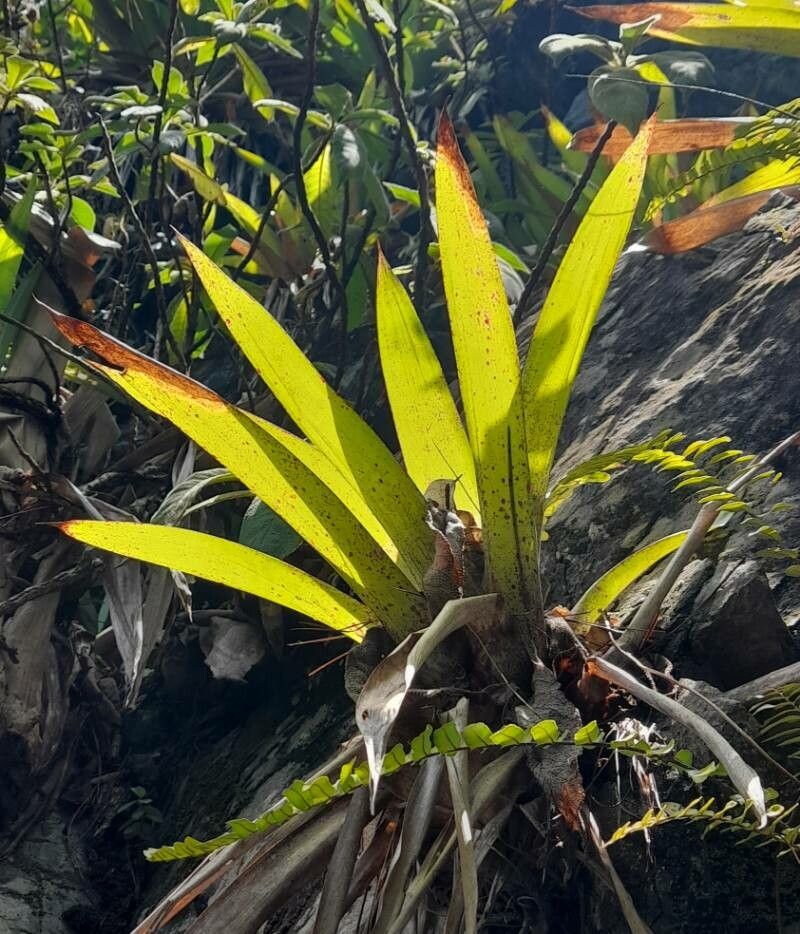
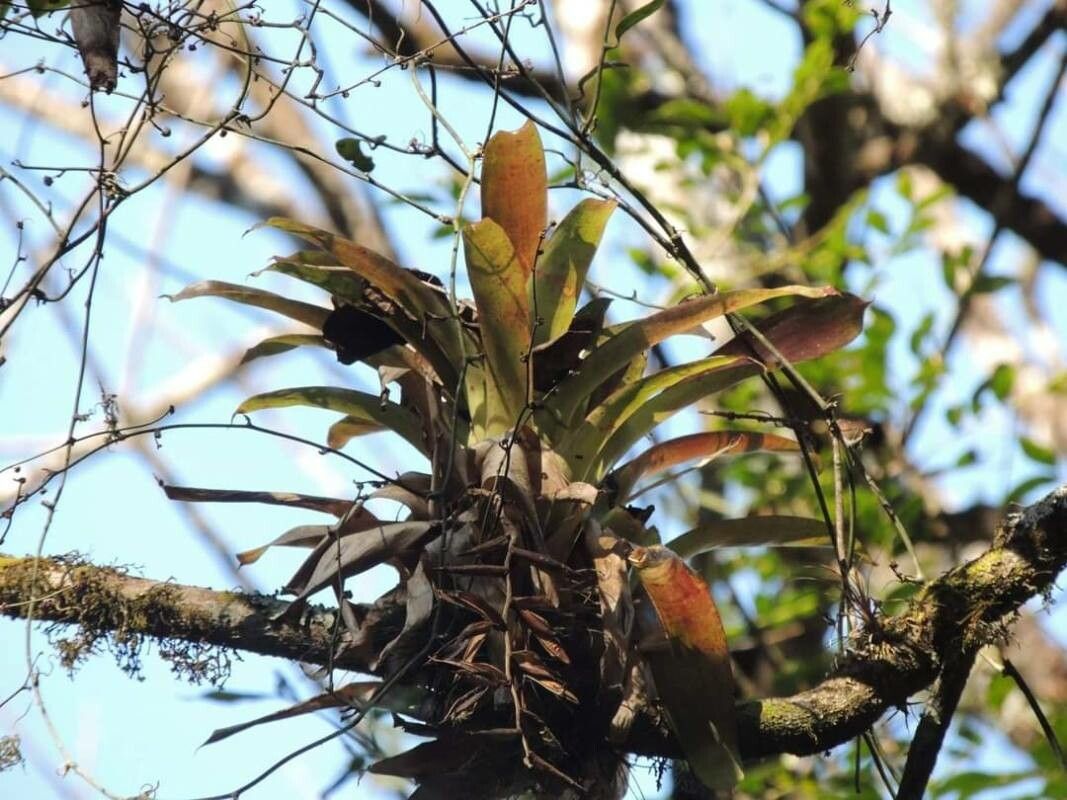
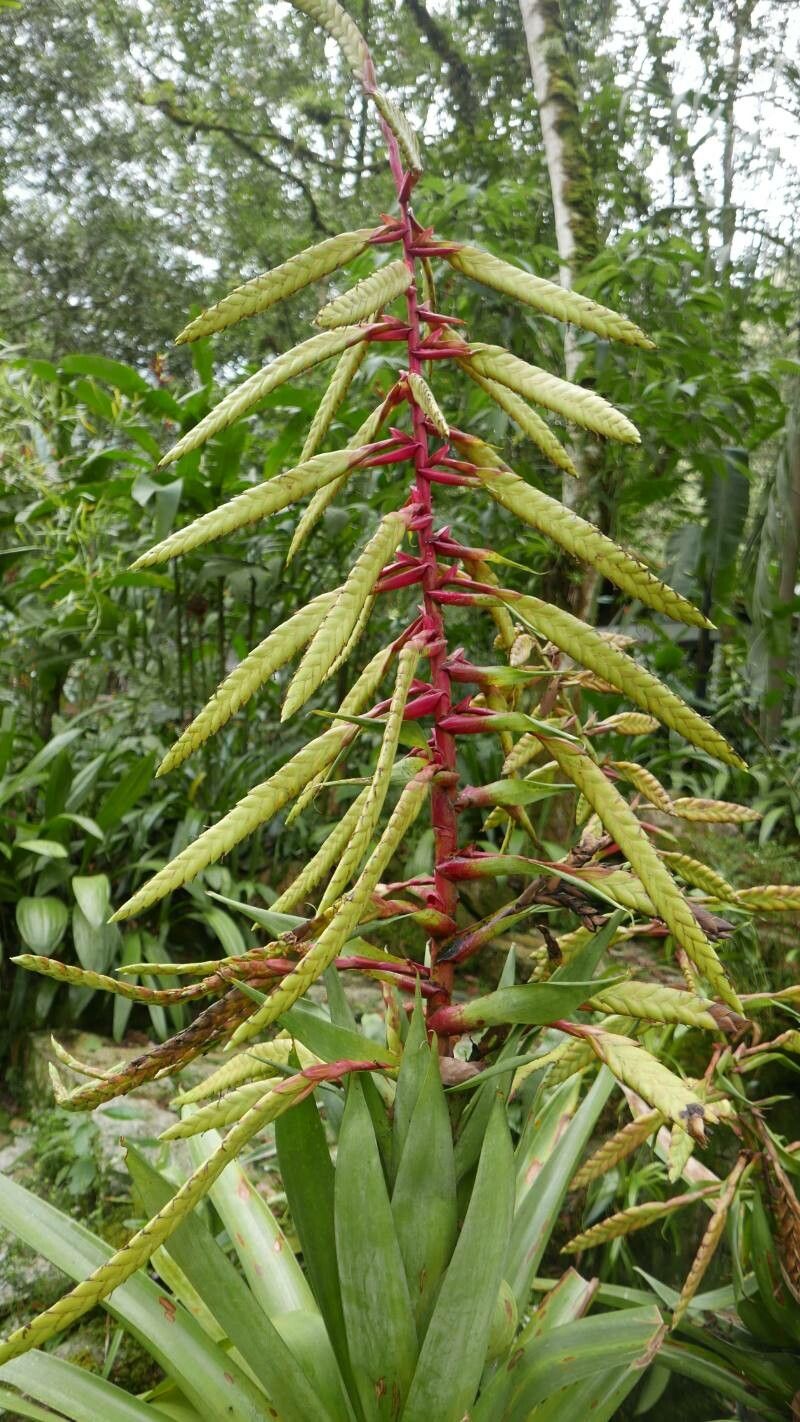
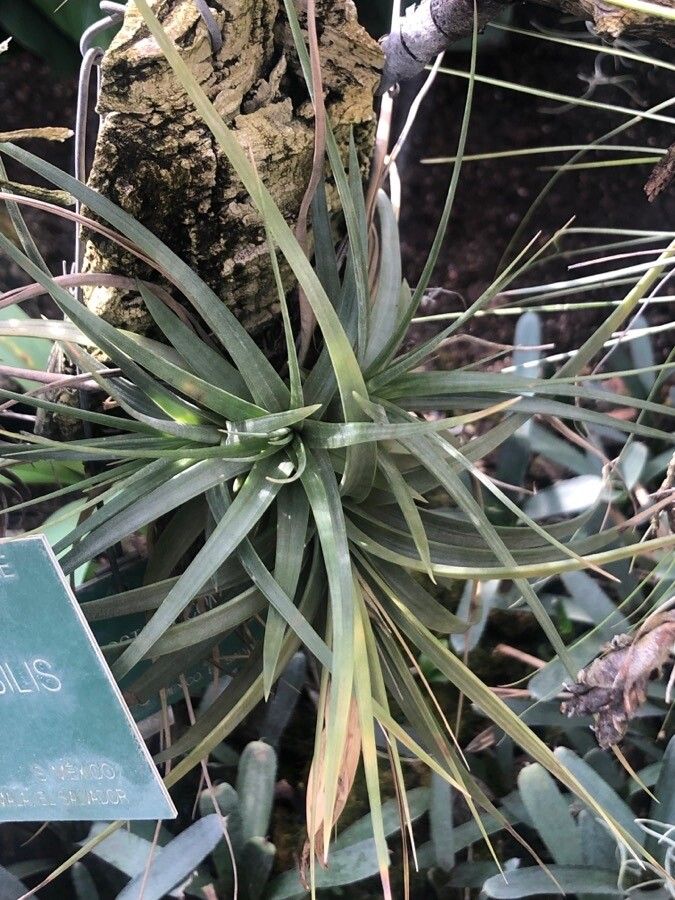
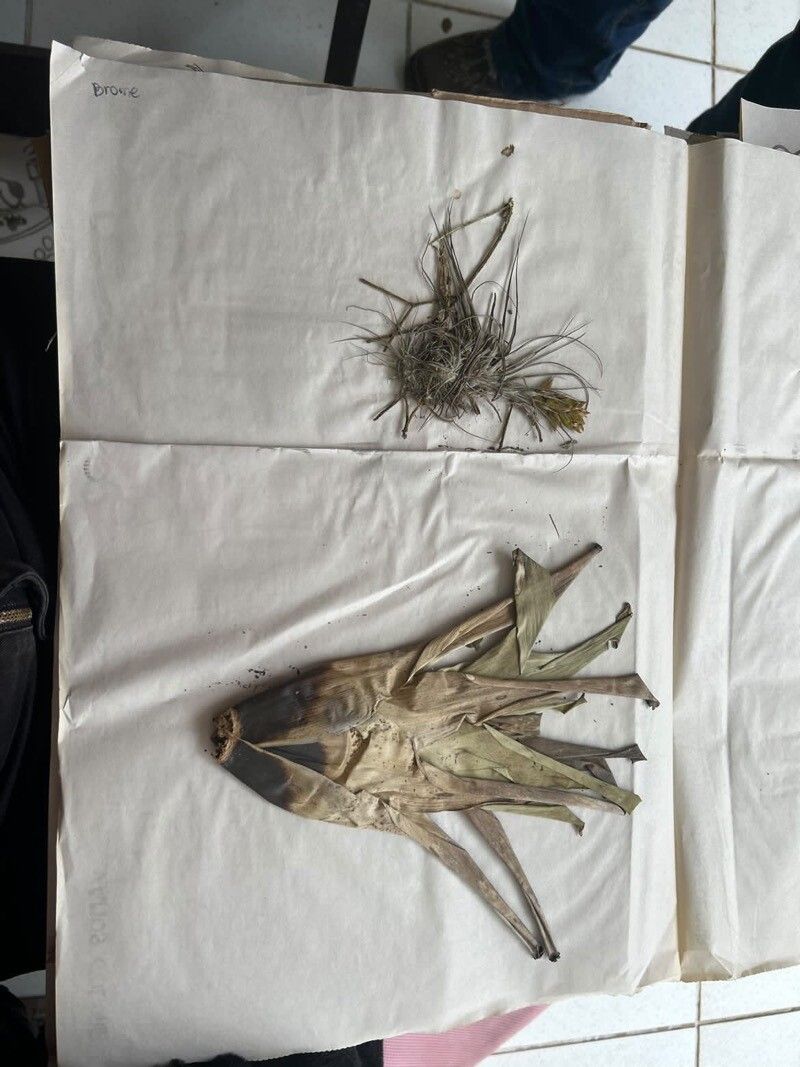
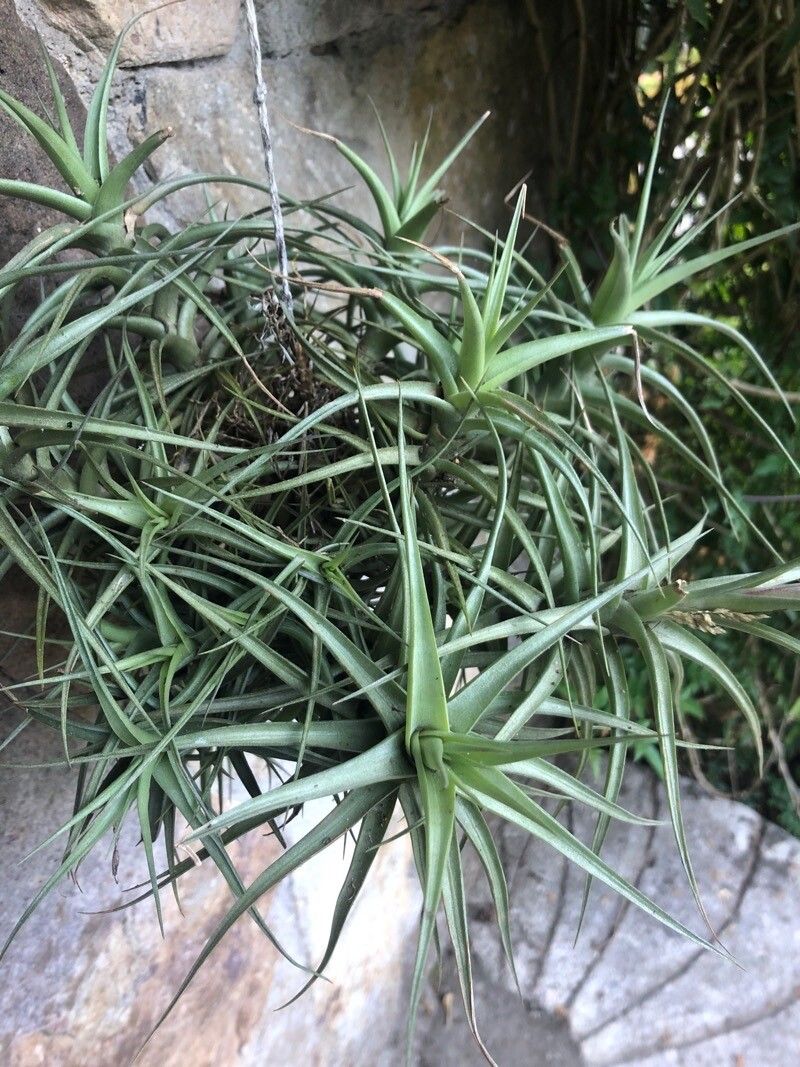
Tillandsia fendleri is a species of flowering plant in the genus Tillandsia. This species is native to the West Indies (Cuba, Hispaniola, Jamaica, Trinidad) and South America (Bolivia, Guyana, Colombia, Peru, northern Brazil, Venezuela and Ecuador).Two varieties are recognized:
Tillandsia fendleri var. fendleri - most of species range Tillandsia fendleri var. reducta (L.B.Sm.) L.B.Sm. - Venezuela, Colombia, Ecuador, Peru
How to keep Tillandsia Fendleri.
Water
To provide moisture for Tillandsia fendleri, you can either soak or mist the plant. It's important to avoid letting water accumulate between the leaves, as this can lead to rot. After watering, tilt the plant to help remove excess water. If you notice the leaves curling, it may indicate a water shortage, in which case soaking is recommended. However, be cautious not to overwater; limit both soaking and misting to prevent this.
Pruning
To ensure the optimal health of Tillandsia fendleri, prune it in early spring. Remove any dead leaves and spent flower spikes to encourage new growth. Regularly clean the base to prevent rot. Pruning helps improve airflow and light penetration, allowing Tillandsia fendleri to remain compact and thrive in its environment.
Botanical profile.
- Plant Type
- Herb, Succulent
- Genus
- Tillandsia
- Family
- Bromeliaceae
Reader questions.
What are the sunlight requirements for Tillandsia fendleri?
Tillandsia fendleri, also known as Tillandsia fendleri, requires specific sunlight conditions to thrive. It needs partial sun, meaning about 3-6 hours of sunlight per day. However, it can also tolerate full shade conditions, where it receives less than 3 hours of sunlight daily. It's important to observe the way sunlight moves through your garden throughout the day. Selecting the ideal spots that offer a balance of light and shade will help ensure your Tillandsia fendleri remains healthy and happy.
What is Tillandsia fendleri?
Tillandsia fendleri, also known by its botanical name as Tillandsia fendleri, is a species within the Tillandsia genus. This entry currently does not include specific information about its essentials, symptoms, or additional notes. Further details might be needed to fully understand the characteristics, care, and handling of Tillandsia fendleri.