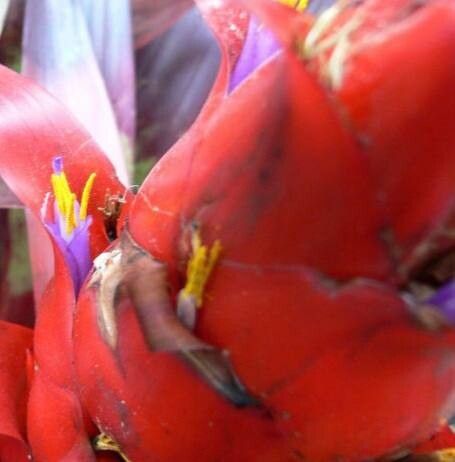
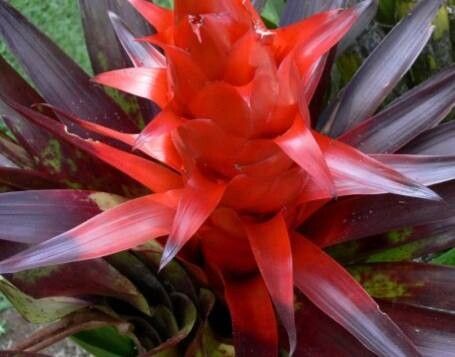
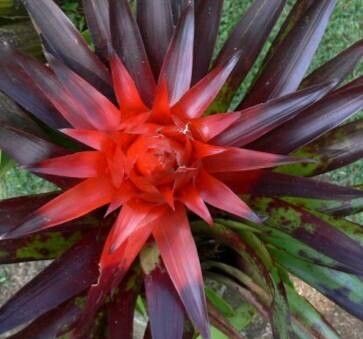
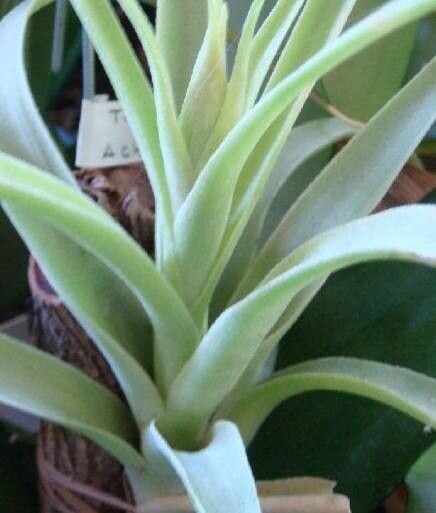
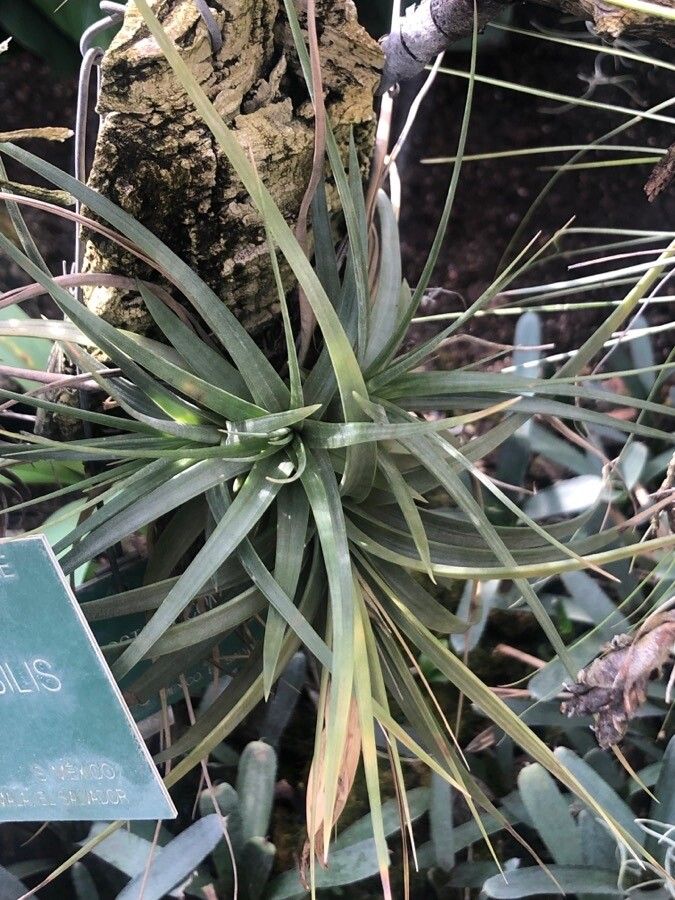
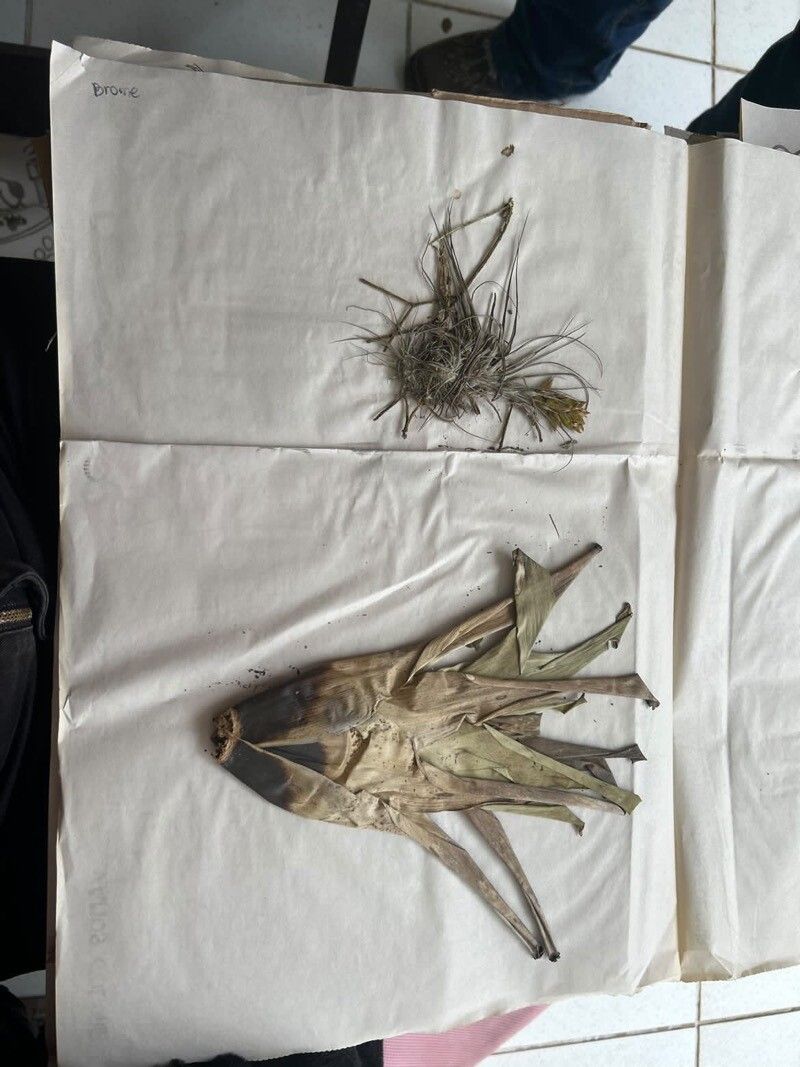
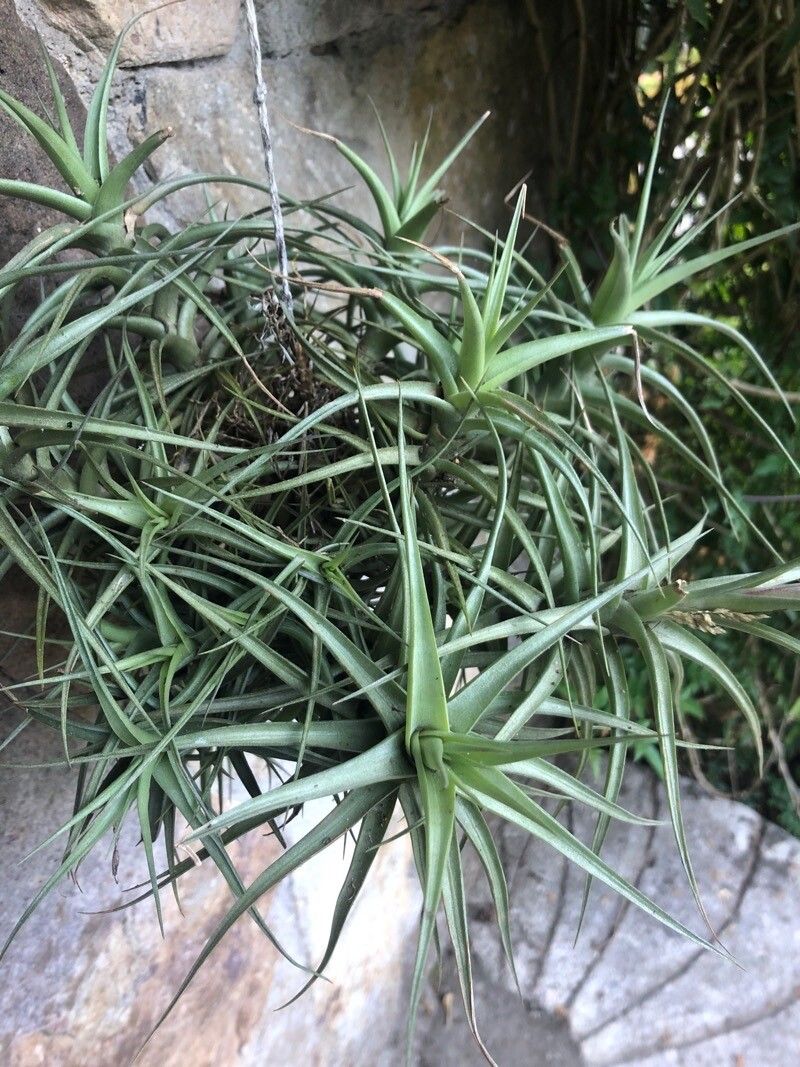
Tillandsia imperialis is an epiphytic species of flowering plant in the genus Tillandsia. This species is endemic to Mexico, specifically the states Hidalgo, Oaxaca, Puebla, Querétaro, and Veracruz, at elevations ranging from 800 to 2,600 meters. Its distribution is generally on the eastern portion of the eastern Sierra Madre Mountains and the eastern portion of the Trans-Mexican Volcanic Belt. This species is primarily epiphytic to the branches and holes of the tree species Pinus patula and Quercus laurina, or on lianas of the same trees, in moist cloud forests. This bromeliad prefers moist conditions and does not tolerate extended periods of drought or low humidity.
Tillandsia imperialis has moderate disease resistance and is more vulnerable to humidity and excessive watering. It becomes even more prone to illness if it receives little light and is overwatered. Regarding care needs, Tillandsia imperialis is drought-tolerant and can withstand extended periods without water. It requires little fertilizer and only occasional pruning. This makes it suitable for people at any experience level, particularly those who prefer to spend less time on plant care and who might be away from home for long stretches. It is an appropriate choice for anyone who does not want to invest much time in maintenance but still wants a plant that is easy to keep.
How to keep Tillandsia Imperialis.
Light
Tillandsia imperialis comes from habitats with dappled light, such as forest understories or rocky sites that offer natural shade. It prefers partial sun but is also capable of tolerating full sun.
Water
Tillandsia imperialis, native to the high-altitude regions of Central America, thrives in environments with good air circulation and humidity. It does best with moderate moisture levels and should be watered once a week. To mimic the conditions of its natural habitat, regular misting is crucial, especially during the growing season.
Temperature
Tillandsia imperialis does best in warm conditions. If the temperature falls too low, the plant may stop growing or suffer frost damage. It has a high tolerance for heat and humidity and needs a consistent level of moisture in its surroundings. However, overly high temperatures and humidity can make it prone to fungal infections. In dry conditions, regular watering and misting are needed to keep the air adequately humid. The plant is sensitive to sudden temperature changes, so maintaining a relatively stable temperature is important.
Pruning
Tillandsia imperialis is known for its vibrant red bracts and green leaves. It thrives with minimal care, including pruning. It's best to prune in early spring before new growth begins. Remove any dead leaves and damaged parts to improve air circulation and light penetration. This promotes healthy growth and helps maintain the plant's aesthetic appeal. Regular check-ups are also important to ensure its continued health and beauty.
Botanical profile.
- Plant Type
- Herb, Succulent
- Life Cycle
- Perennial
- Genus
- Tillandsia
- Family
- Bromeliaceae
- Hardiness Zone
- 10-12
- Mature Height
- 61 cm to 91 cm
- Mature Spread
- 49 cm to 61 cm
- Leaf Color
- Green, Silver
- Leaf Type
- Evergreen
- Flower Size
- 5.08 cm to 6.35 cm
- Bloom Time
- Spring
- Planting Time
- Spring, Summer
- Harvest Time
- Late spring, Early summer, Mid summer
- Native Area
- Honduras, Mexico