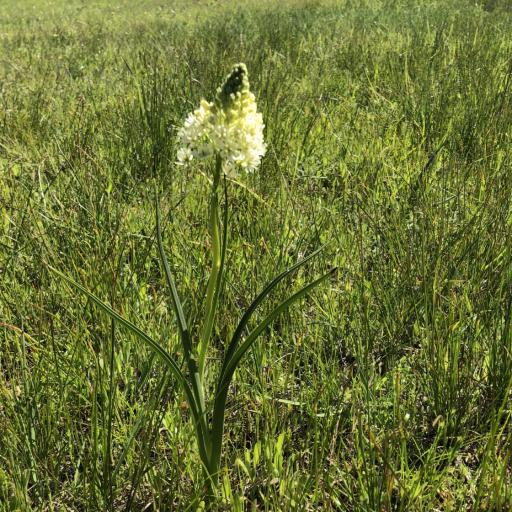
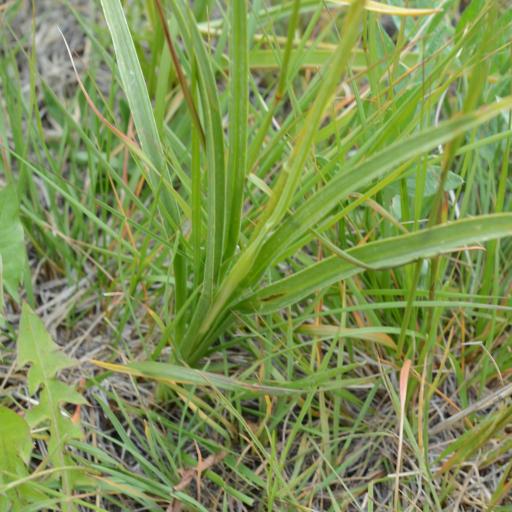
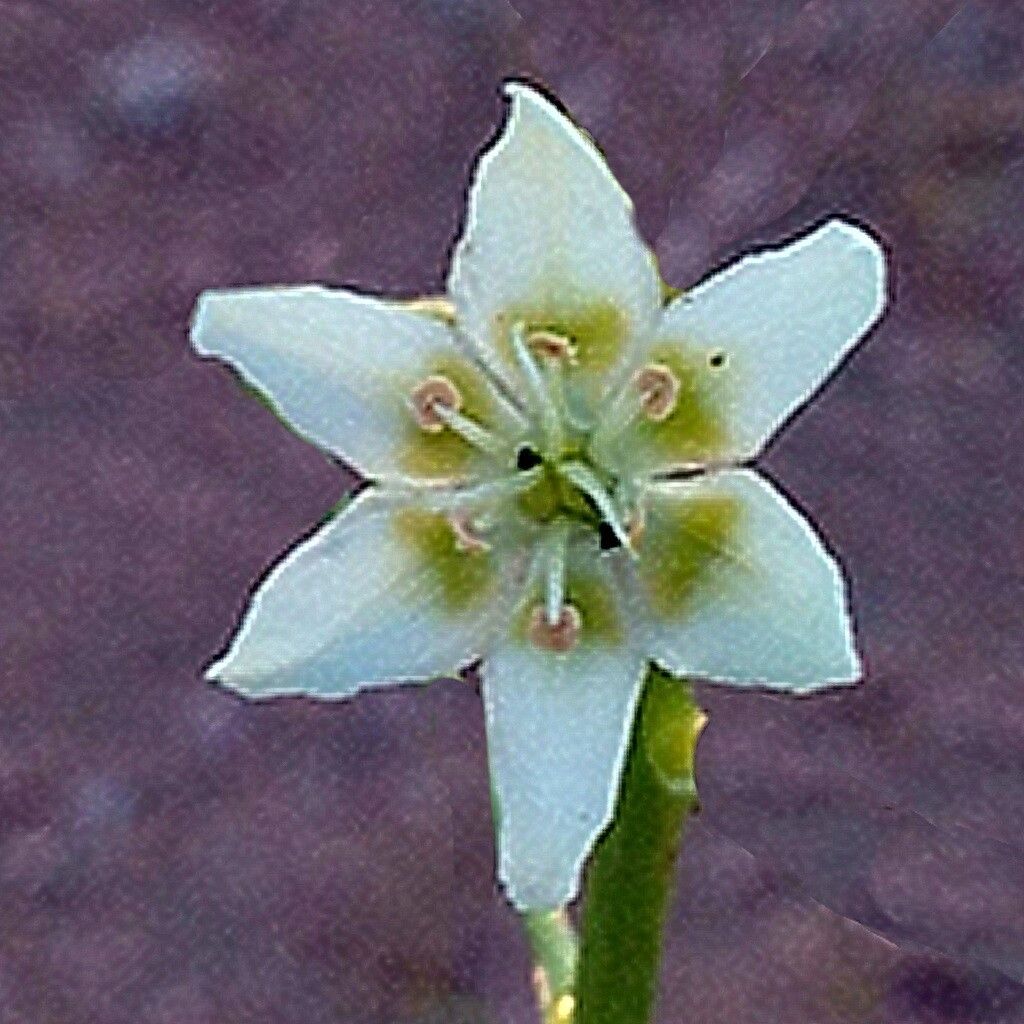
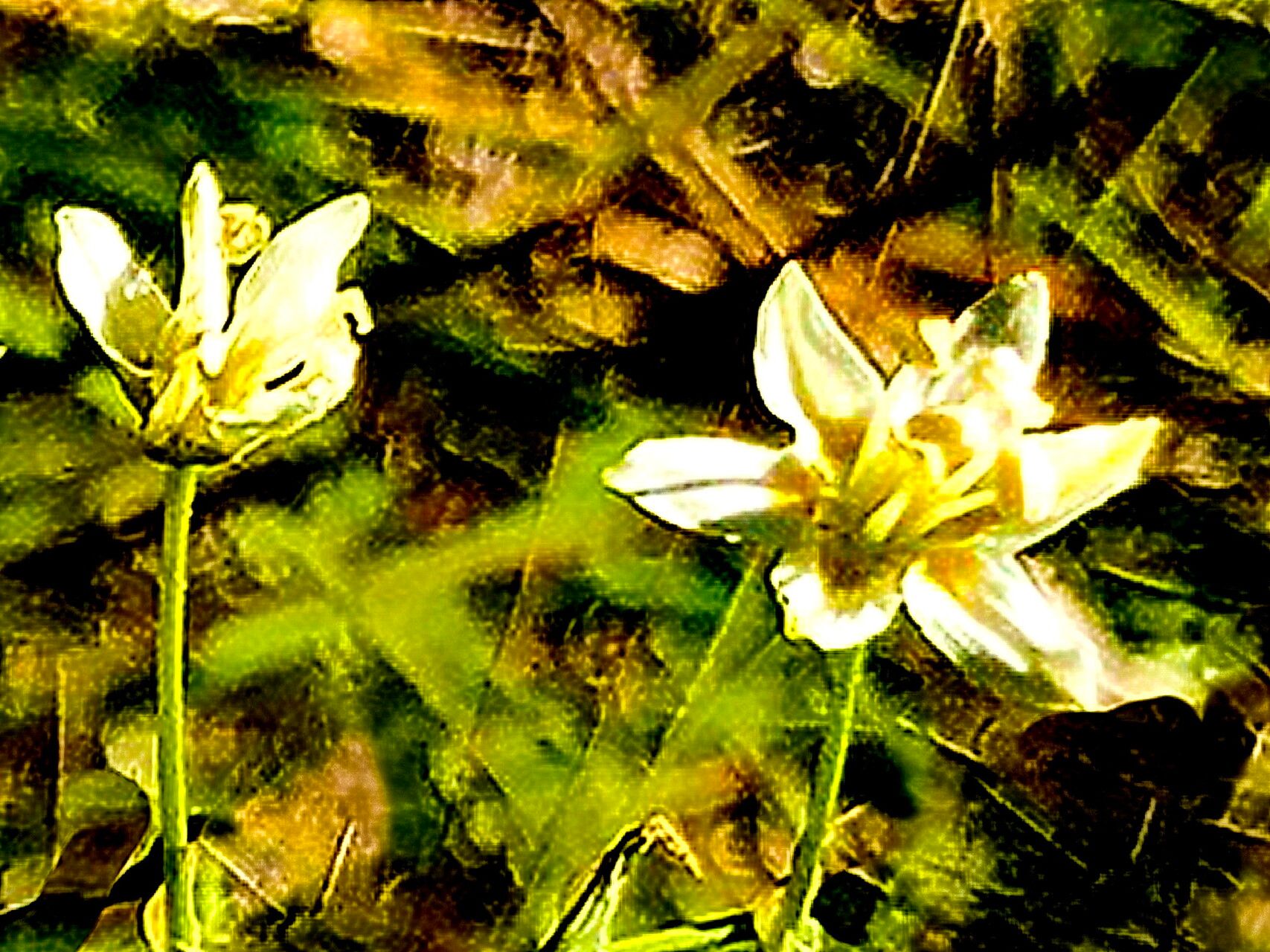
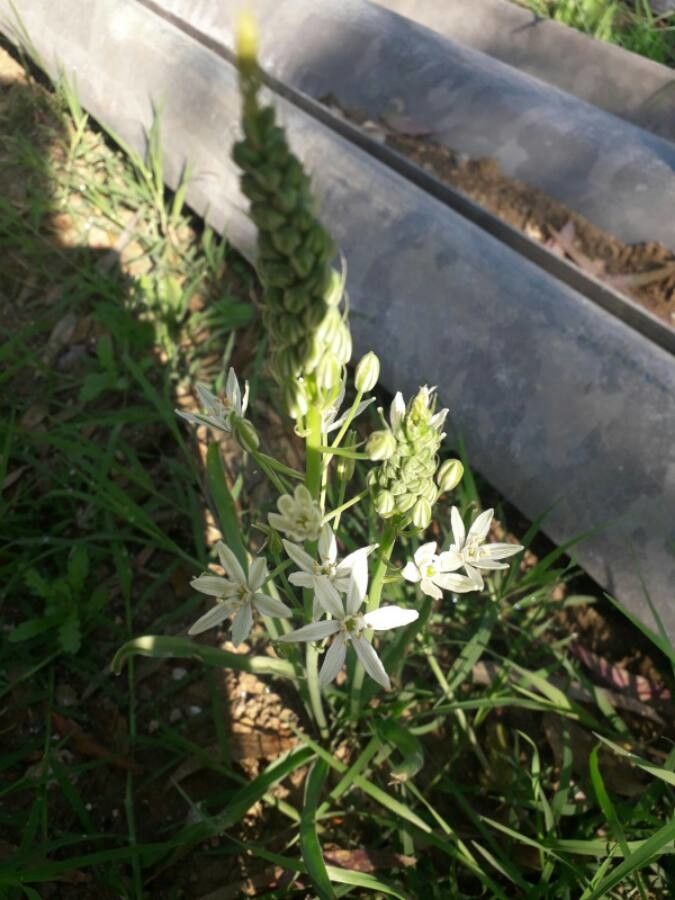
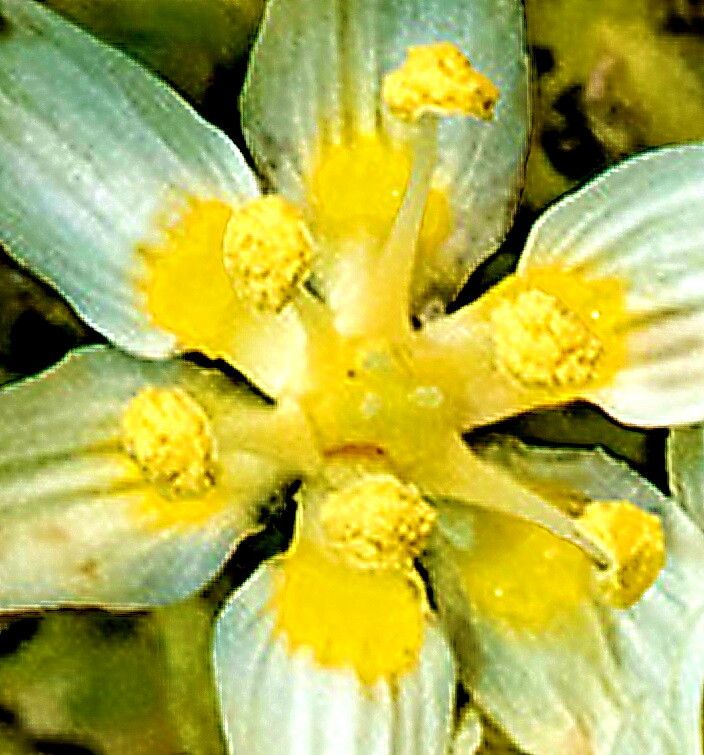
Toxicoscordion venenosum, with the common names death camas and meadow death camas, is a species of flowering plants in the genus Toxicoscordion, of the Melanthiaceae family. It is native to western North America. The plant is called alapíšaš in Sahaptin, and nupqasaquⱡ ("nup-ka-sa-qush") in Ktunaxa.
Death Camas has strong disease resistance and is generally not prone to illness. However, it can be affected by pests and diseases present in its environment. Those infections are typically not serious. Regarding care, this plant needs moderate maintenance. It requires regular pruning to keep a neat appearance and healthy growth. Fertilizing can also help encourage flowering. Death Camas is appropriate for anyone with outdoor space, such as a garden or patio, and does not demand extensive care experience. It may need more attention when grown indoors.
How to keep Toxicoscordion Venenosum.
Light
Death Camas grows best when exposed to abundant sunlight. Its native habitats, which are thriving landscapes, are marked by plentiful sun that supports vigorous growth. Both too much and too little sunlight can harm the plant's health, although extreme cases have not been recorded.
Water
The Death Camas is a drought-tolerant plant that thrives in arid conditions with little moisture. Although it requires weekly watering, it is well-suited to North American grasslands, where it adapts to a variety of well-draining soil types. This resilience makes it an excellent choice for xeriscaping, as it can withstand prolonged dry periods.
Temperature
Death Camas occurs naturally in environments with temperatures between 50 and 77 °F (10 to 25 ℃). Because it favors mild to warm climates, temperature adjustments may be required during colder seasons.
Fertilizer
One spring application of fertilizer is generally enough for Death Camas, though repeated feedings can maximize growth. Apply fertilizer every month to every month and a half. Fertilization improves the leaves' appearance and function, helping them retain even color and a healthy texture. It also promotes root growth and nutrient absorption for the plant's long-term health.
Pruning
Death Camas is a toxic perennial herb that requires minimal pruning. The best time to prune is in early spring. During this time, remove any dead foliage and thin out overcrowded areas to improve airflow and reduce the risk of disease. Be sure to wear gloves to avoid skin irritation from the plant's sap. Regular pruning helps maintain the plant's health and encourages strong flowering.
Botanical profile.
- Plant Type
- Herb
- Life Cycle
- Perennial
- Genus
- Toxicoscordion
- Family
- Melanthiaceae
- Hardiness Zone
- 6
- Mature Height
- 15 cm to 46 cm
- Mature Spread
- 15 cm to 30 cm
- Leaf Color
- Green
- Leaf Type
- Deciduous
- Flower Color
- White
- Flower Size
- 2.54 cm
- Bloom Time
- Mid spring, Late spring
- Planting Time
- Spring, Summer
- Harvest Time
- Early summer, Mid summer
- Native Area
- Mexico
Other names.