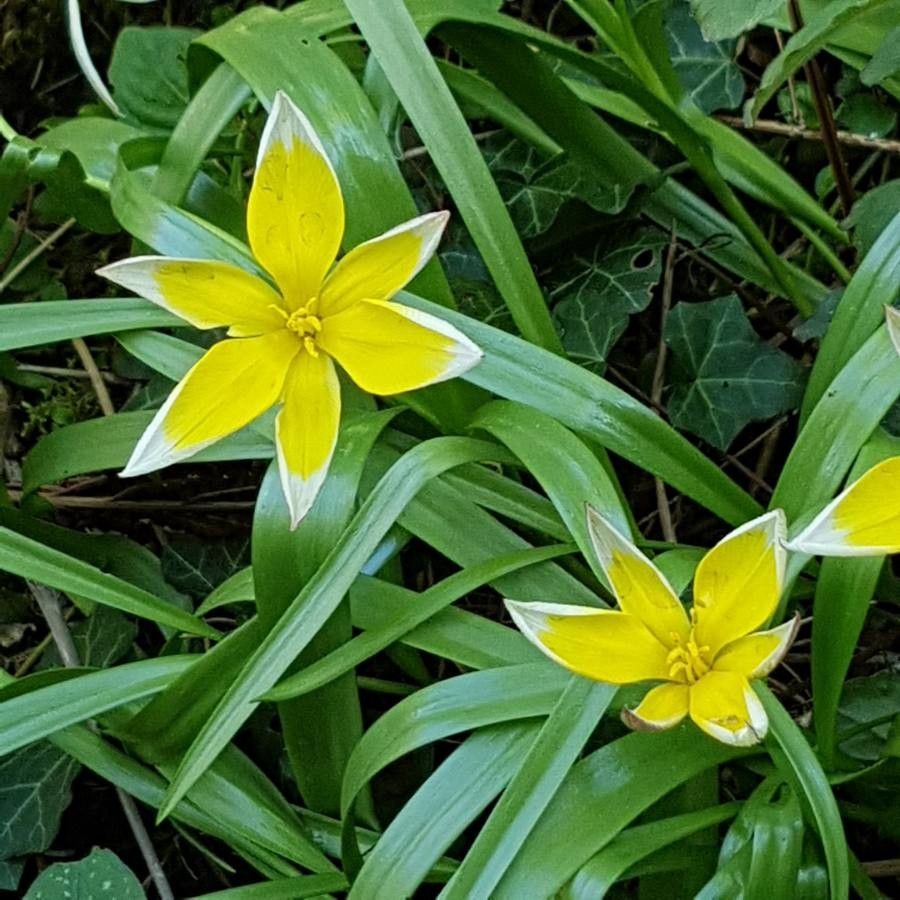
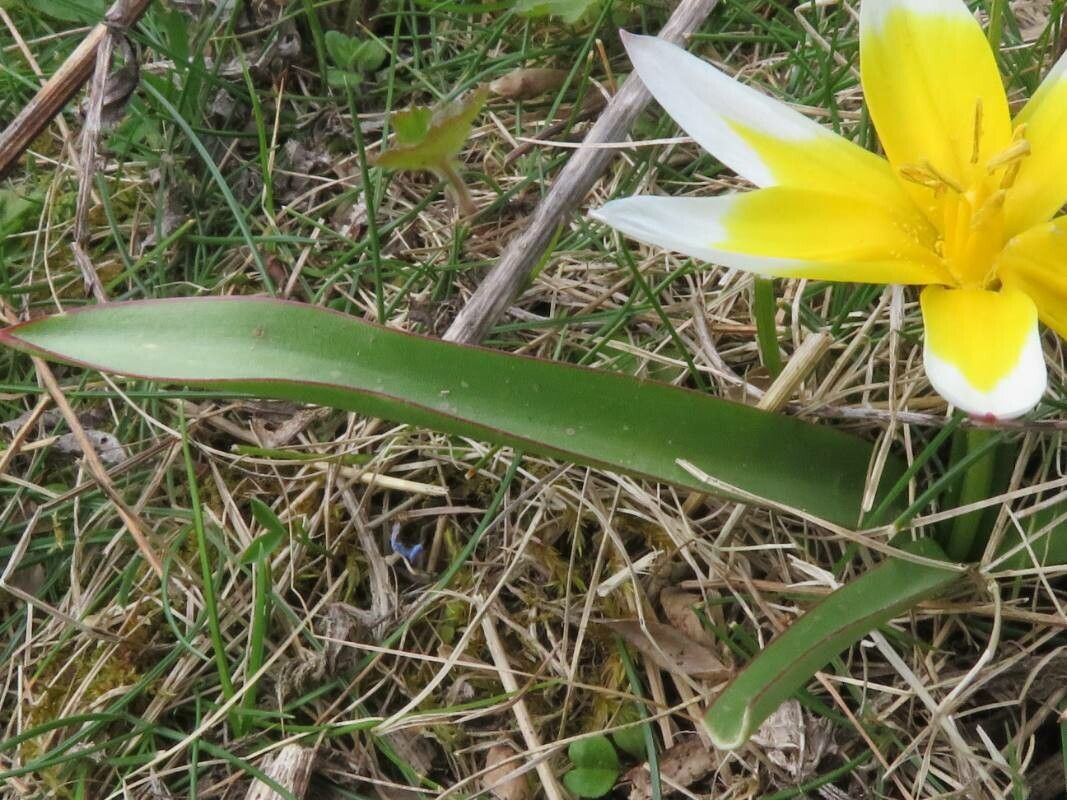
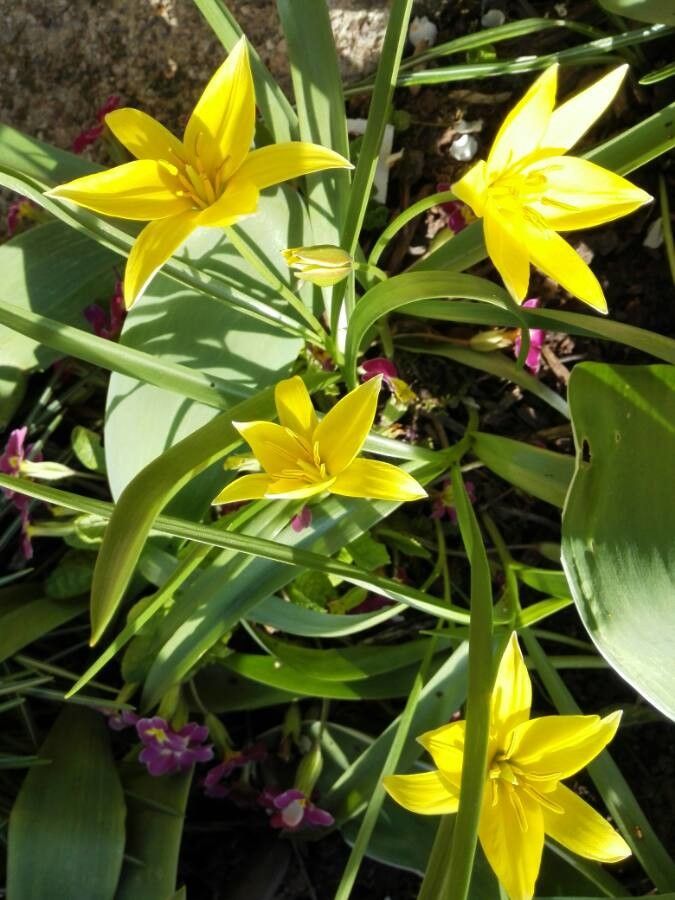
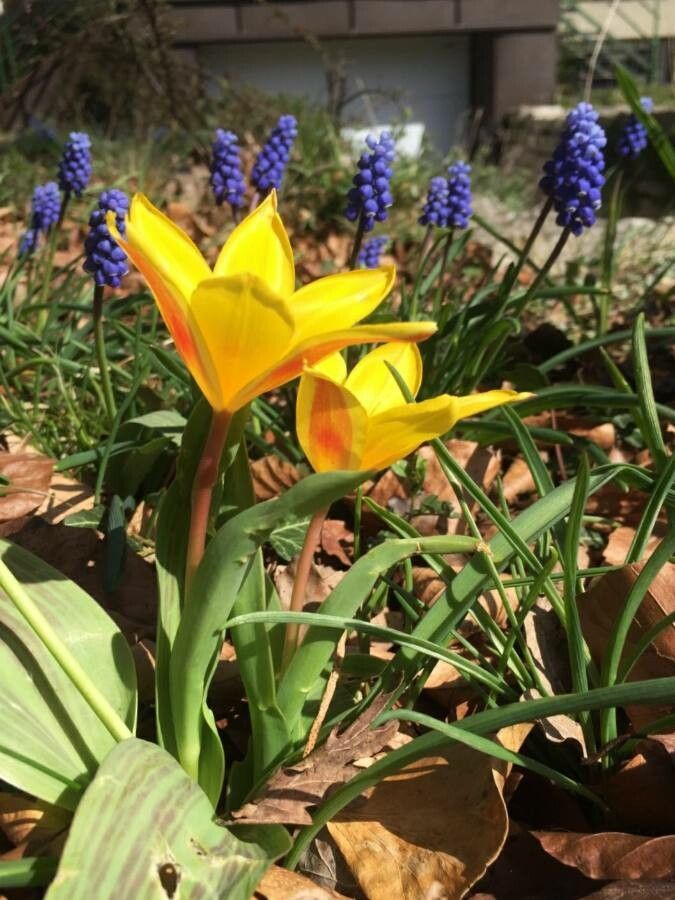
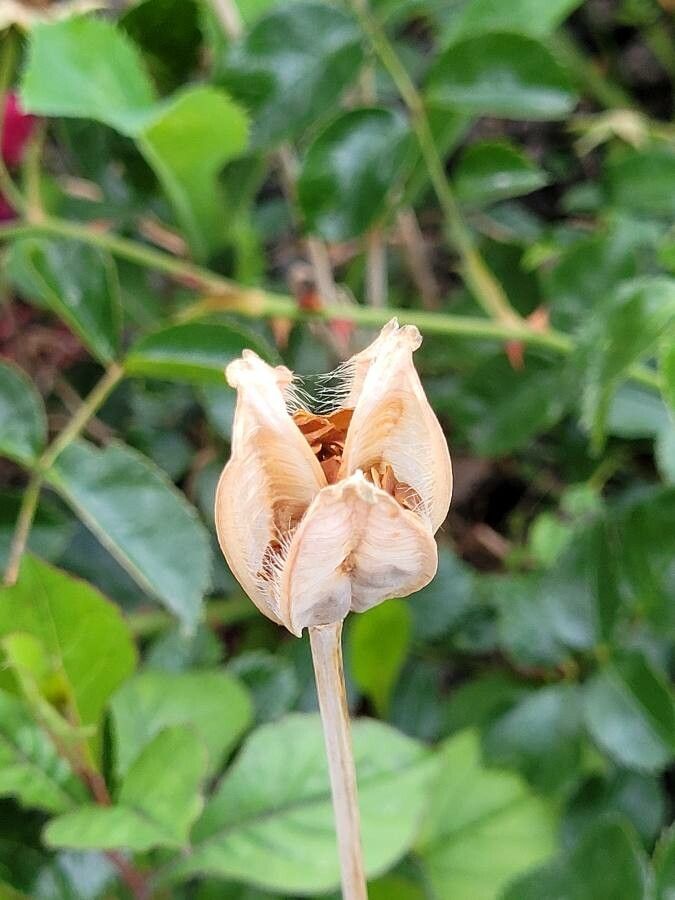
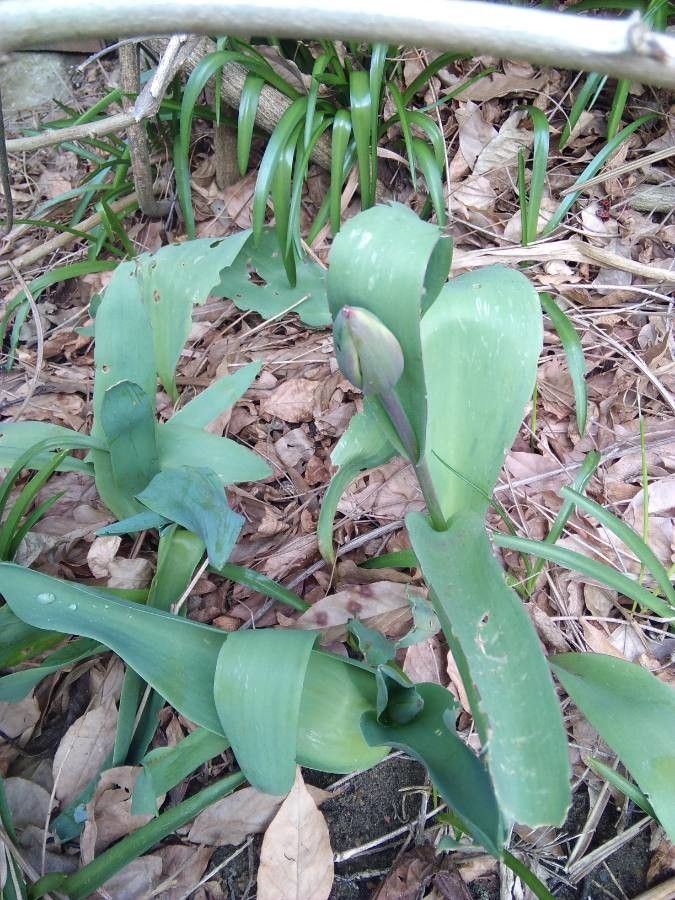
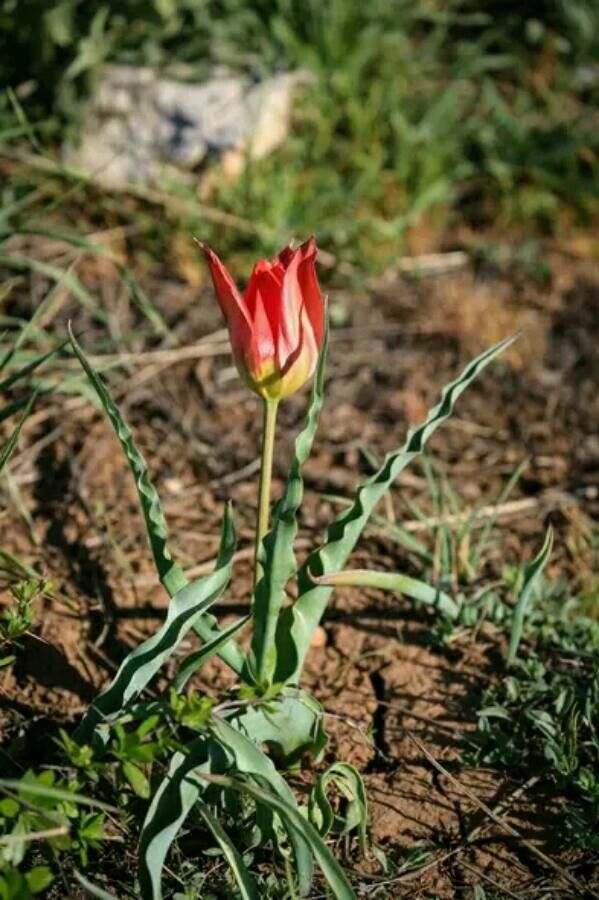
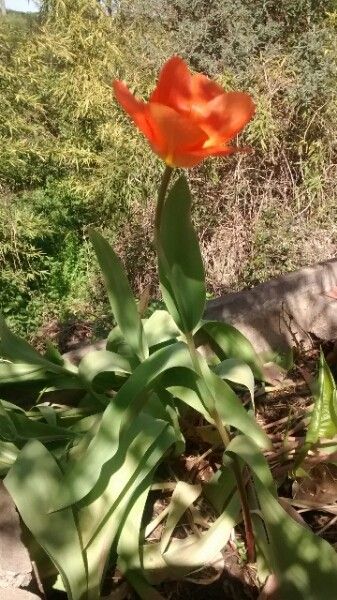
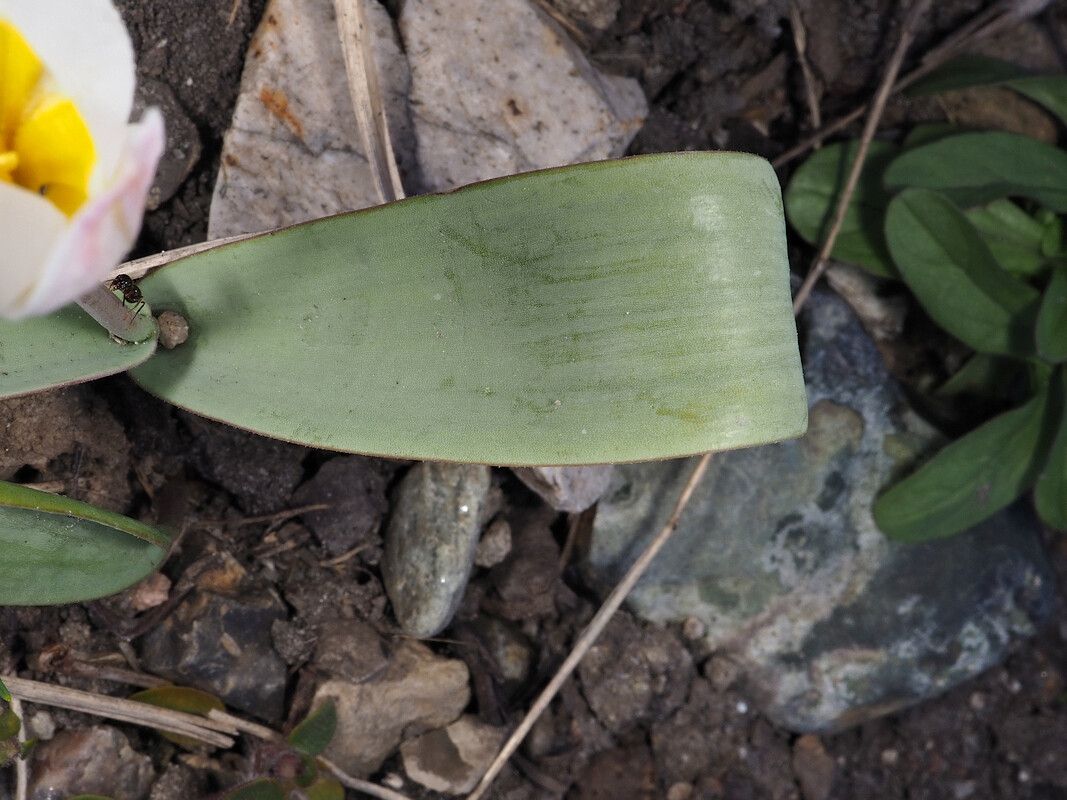
Tulipa sylvestris, commonly known as the woodland tulip or wild tulip, is a species of flowering plant in the Liliaceae family. It is native to Europe and western Asia, and it thrives in woodlands, meadows, and rocky slopes. The plant develops a single stem with one or two long, narrow leaves. Its yellow flowers, each with six petals, open wide during the day but close at night or on cloudy days. Depending on the location, Tulipa sylvestris blooms in early spring, from March to May.
The woodland tulip is a hardy perennial that can grow up to 30 cm tall. It prefers well-drained soil but can tolerate some moisture during its dormant period in summer. During this time, it dies back to its bulb underground until the next spring.
Cultivated for centuries, Tulipa sylvestris is prized for both its beauty and its medicinal properties. Ancient Greeks used it to treat various ailments such as headaches, fever, and respiratory problems.
Today, this plant remains popular among gardeners for its delicate charm. It adds a touch of elegance when planted en masse under trees or mixed with other early-blooming bulbs like crocuses or snowdrops.
Overall, Tulipa sylvestris is a visually appealing addition to any garden. Its aesthetic qualities and historical significance make it an interesting conversation starter among gardening enthusiasts!
The wild tulip shows strong resistance to diseases and is generally not easily affected by them. Still, it can be vulnerable to pests and diseases present in its environment, though such infections are usually mild. Regarding care, this plant needs moderate maintenance. It should be pruned regularly to keep a good appearance and support healthy growth. Fertilizing can also encourage flowering. The wild tulip is appropriate for anyone with outdoor space, like a garden or patio, and does not demand significant gardening experience. It may need more attention if grown indoors.
How to keep Tulipa Sylvestris.
Light
A wild tulip grows best when it receives constant sunlight, though it can survive with a moderate amount of sun. Native to a bright habitat, the wild tulip tolerates dappled light. However, insufficient light can slow its growth, and excessive light may scorch its leaves.
Water
The wild tulip flourishes in temperate grasslands, where it successfully adapts to varying conditions of moisture and drought. It prefers well-drained soils and needs weekly watering, especially during its growing season, to support both flowering and dormancy. Proper hydration is essential to maintaining its health and vigor, so it's important to keep the soil moist without causing waterlogging.
Humidity
This plant will thrive in moderate humidity, which is probably the level in your home. However, misting it a few times a week can be very beneficial. Make sure the room has good ventilation.
Temperature
Wild tulip is indigenous to habitats with temperatures ranging from 68 to 95 °F (20 to 35 °C). This preference means it performs best when the temperature stays within that range. Depending on the season, careful adjustments should be made to maintain this temperature range for optimal growth.
Fertilizer
For Wild tulip, the primary time to apply fertilizer is in early spring when the flowers are forming. The appropriate fertilizer promotes better blooms and helps Wild tulip produce attractive flowers. Fertilizing in early spring ensures strong flowers throughout the season and supplies energy for the plant's dormant growth phases.
Pruning
The wild tulip is known for its yellow, bell-shaped flowers and requires minimal pruning. To promote healthy growth, remove spent flowers and dead foliage in early spring. Clearing away damaged parts improves airflow, helps prevent fungal infections, and maintains the plant's beauty. When pruning, always use sharp, clean tools for the best results.
Pot & Repot
For wild tulips, which are bulbous perennials, it's important to repot them every 2-3 years during their dormant period in early fall. Use a spacious, well-draining pot, ensure they receive plenty of sunlight, and be careful not to overwater them. These steps help ensure vibrant blooms in the spring and support healthy bulb development, which enhances the wild tulip's enduring beauty and vigor.
Botanical profile.
- Plant Type
- Herb
- Life Cycle
- Perennial, Annual, Biennial
- Genus
- Tulipa
- Family
- Liliaceae
- Hardiness Zone
- 4-8
- Mature Height
- 10 cm to 46 cm
- Mature Spread
- 0 cm to 10 cm
- Leaf Color
- Green
- Leaf Type
- Deciduous
- Flower Color
- Yellow, Gold
- Flower Size
- 0.76 cm to 2.54 cm
- Bloom Time
- Mid spring, Late spring
- Planting Time
- Summer, Autumn
- Harvest Time
- Early summer, Mid summer
Other names.
Reader questions.
What do I do if I give too much/not enough water to Wild tulip?
If you over-water your Wild tulip, it will develop yellow leaves. This is normal at the end of their blooming period. However, if the leaves turn yellow before the flowers bloom, it means you have over-watered them. To fix this, ensure there is proper drainage and avoid watering for a couple of days. Mixing sawdust into the soil can help absorb excess moisture. If the situation doesn't improve, check if the seedpods have rotted by digging them up. If they are decayed, remove them promptly. Under-watered Wild tulip also has yellow leaves, but the stems will droop and the leaves will look smaller and curled. Brown patches may also appear. If you have given your Wild tulip too little water, don't panic. It can tolerate some drought. Once you realize it needs water, give it a good drink without saturating the soil. Just make sure the soil is moist. Avoid over-watering as it can lead to root rot and fungus growth on the bulb. This can cause spots on the leaves and buds, as well as discoloration and wilting of leaf tips.
Why should I put plant food on my Wild tulip?
Fertilizing a Wild tulip is crucial for several reasons. Firstly, it helps the tulip produce beautiful blooms. To ensure excellent flowers in spring, fertilizing in early spring is highly recommended. Additionally, fertilizer provides the tulip with energy that it can store underground during its dormant growth phases. Supplying extra nutrients during fall planting or late spring will help the tulip retain more energy for when active growth resumes.
What are the sun requirements for wild tulips?
Wild tulips thrive in full sunlight, requiring above 6 hours of sunlight daily (full sun), but can also survive with about 3-6 hours of sunlight (partial sun). It is essential to monitor your garden's sun exposure throughout the day to ensure your wild tulips are planted in areas that offer an ideal balance of light and shade, fostering their growth and health.
What's the best temperature for Wild tulip?
The optimal temperature for Wild tulip varies depending on the time of year. There are two main seasons to consider: the growing season and the dormant season. During the growing season, when the Wild tulip starts sprouting, the ideal temperature range is 65-80℉ (18-27℃). If the temperature drops below 15℉ (-10℃), the plant may suffer with browning and wilting leaves. However, if it's a brief cold snap, the Wild tulip might survive with some assistance. In the hotter months, it's important to protect the plant from temperatures exceeding 95-105℉ (35-40℃). Higher temperatures can damage the foliage and blooms, resulting in wilting, drooping, and even sunburn on the leaves. There are various simple and quick ways to address this issue.
How frequently do I need to water my Wild tulip?
The growth of your Wild tulip depends on its location and current state. After planting, give them a thorough watering to kick start their growth. Once shoots appear, you can leave them without watering. If your tulip is in a pot, water when the top 1-2 inches of soil feels dry. Container plants can dry out faster, so ensure the soil stays damp. If your tulip is planted outside in beds or borders, additional watering is not necessary if it has rained during the week. While the Wild tulip has some drought resistance, excessive watering can cause the seed ball to rot and lead to plant death. So, be cautious not to overwater.
When should I fertilize my Wild tulip?
There are a few recommended times to fertilize a Wild tulip. The primary time is in early spring when the flowers are forming. Using the right fertilizer during this period will promote better blooms. Additionally, you can fertilize your Wild tulip later in the spring after the flowers have faded. Doing so will give it ample energy to store for the following year. If you are planting a Wild tulip for the first time in the fall, it's also beneficial to provide some fertilizer during the planting process. Fertilizing at this time increases the likelihood of a healthy set of flowers during its initial growing season.
How much sunlight do wild tulips need to thrive?
Wild tulips best flourish under continuous sunlight and originate from environments that provide abundant sunshine. They can endure moderate sun exposure and dappled sunlight. Despite their preference for significant light, low light conditions may impede their growth, whereas excessive sunlight can lead to leaf burn. This emphasizes the importance of finding a balance in sunlight exposure for optimal plant health.
The young Wild tulips need specific temperatures in their first year.
If this is the first year of your Wild tulip as a new plant outside, it will need extra care during the coldest months. Frost can cause severe damage and prevent the plant from growing back healthy in spring. To prevent this, the temperature should be kept at 40℉(5℃) or above. This can be achieved by either bringing the Wild tulip inside for a month or two or using mulch or fabric barriers to protect against frost. During the first year or two, it's recommended to plant the Wild tulip in a shadier spot. Smaller and weaker plants have a harder time maintaining their temperature in the heat, so limiting direct sunlight to no more than five hours a day is advisable, especially if the temperature exceeds 80℉(27℃). Using shadecloth and regularly watering or misting the plant are important for controlling heat in the summer.
Do I need to change how often I water my Wild tulip based on the time of year or the weather?
To take care of your Wild tulip as it grows, water it once a week. Remember that as the temperature gets hotter, the soil will dry out faster, so you may need to water more often. It's better for the soil to be slightly dry than excessively wet for your Wild tulip. During the summer, the Wild tulip will go dormant and the parts above the ground will dry up and die. If you planted it outside, you won't need to water it during this time. However, if there's a lot of rain in your area, you may want to dig them out to protect the buds from rotting due to too much water. If you planted the Wild tulip in pots, stop watering it completely once the above-ground part dries out. After that, dig up the buds and store them in a cool location, or simply keep the soil dry. Resume watering when it's time for the next planting season. Alternatively, you can leave them in the soil in a cool place until the next growing season.
When is the best time to not fertilize my Wild tulip?
Fertilizing a Wild tulip should only be done at specific times: during the fall planting, early spring bloom, and late spring after blooming. Fertilizing at any other time may harm your plant. It is important to know that Wild tulips have a dormant phase when they require less water and no fertilizer. They go dormant during winter and also have a dormant phase in summer. After the flowers fade, the leaves will briefly remain before dying back. Once the leaves die back, the plant has entered the dormant phase again and does not require fertilizer.
Can artificial lighting be used for wild tulips and how?
Yes, artificial lighting can be beneficial for wild tulips, especially when natural sunlight is insufficient, like during winter or in less sunny indoor locations. LED lights are optimal as they can be adjusted to provide specific light wavelengths needed by plants. For full sun plants, 30-50W/sq ft is necessary; for partial sun plants, 20-30W/sq ft; and for full shade plants, 10-20W/sq ft. The light source should be placed 12-36 inches above the plant to mimic natural sunlight and turned on for 8-12 hours per day.
How can I keep Wild tulip safe from very hot or cold weather?
To protect Wild tulip from frost or cold damage during the growing season, there are a few measures you can take. If you have potted Wild tulips, simply bring the container inside where it can receive bright, indirect light until temperatures rise above 15℉ (-10℃). For Wild tulips planted in the ground, you can use mulch or horticultural fabric to create a barrier around the plant, providing insulation and protection from frost and cold wind. On the other hand, if temperatures climb higher than 80℉ (27℃) in the shade during the day, it's important to limit the amount of direct sunlight the Wild tulip is exposed to. Ideally, they should only receive up to six hours of sunlight per day, preferably in the morning. Setting up shade cloth or fine plastic mesh can help reduce the intensity of sunlight during the hottest parts of the day. Another strategy is installing a misting system that releases a gentle cooling mist around the base of the plant, effectively lowering ground temperatures.