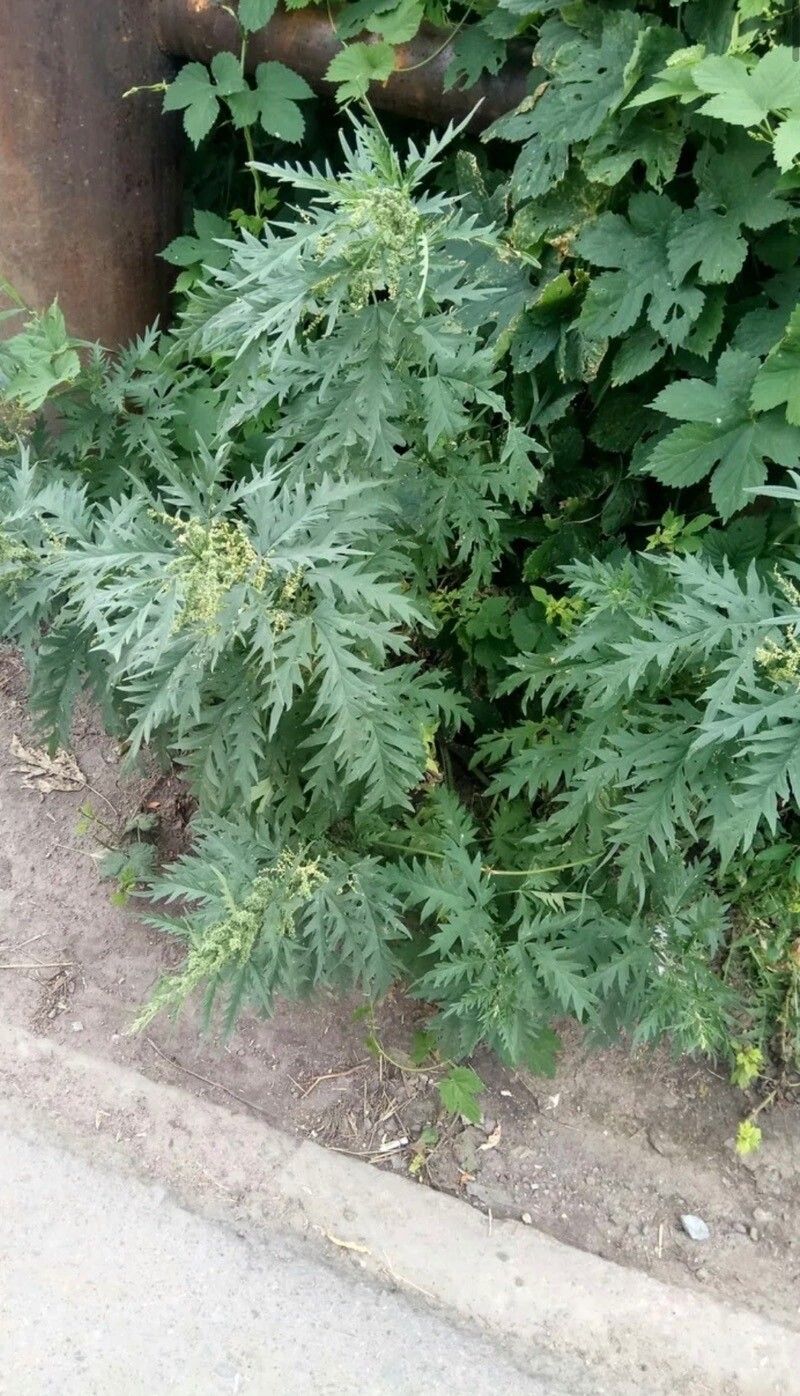
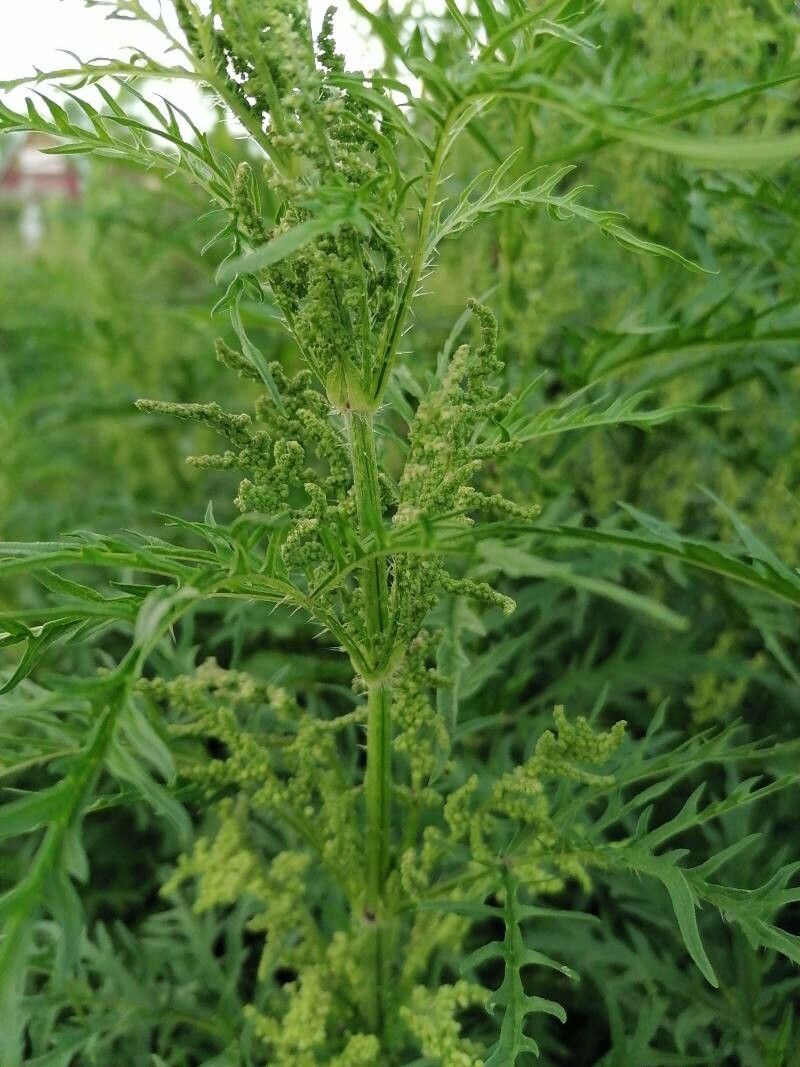
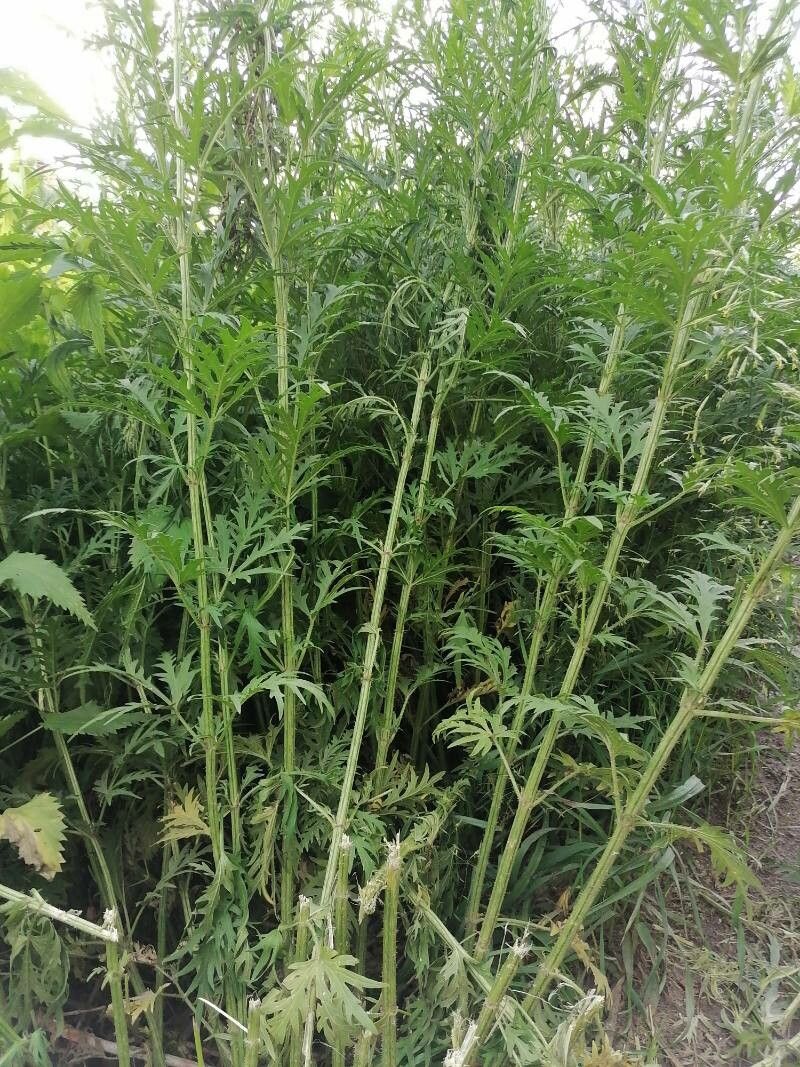
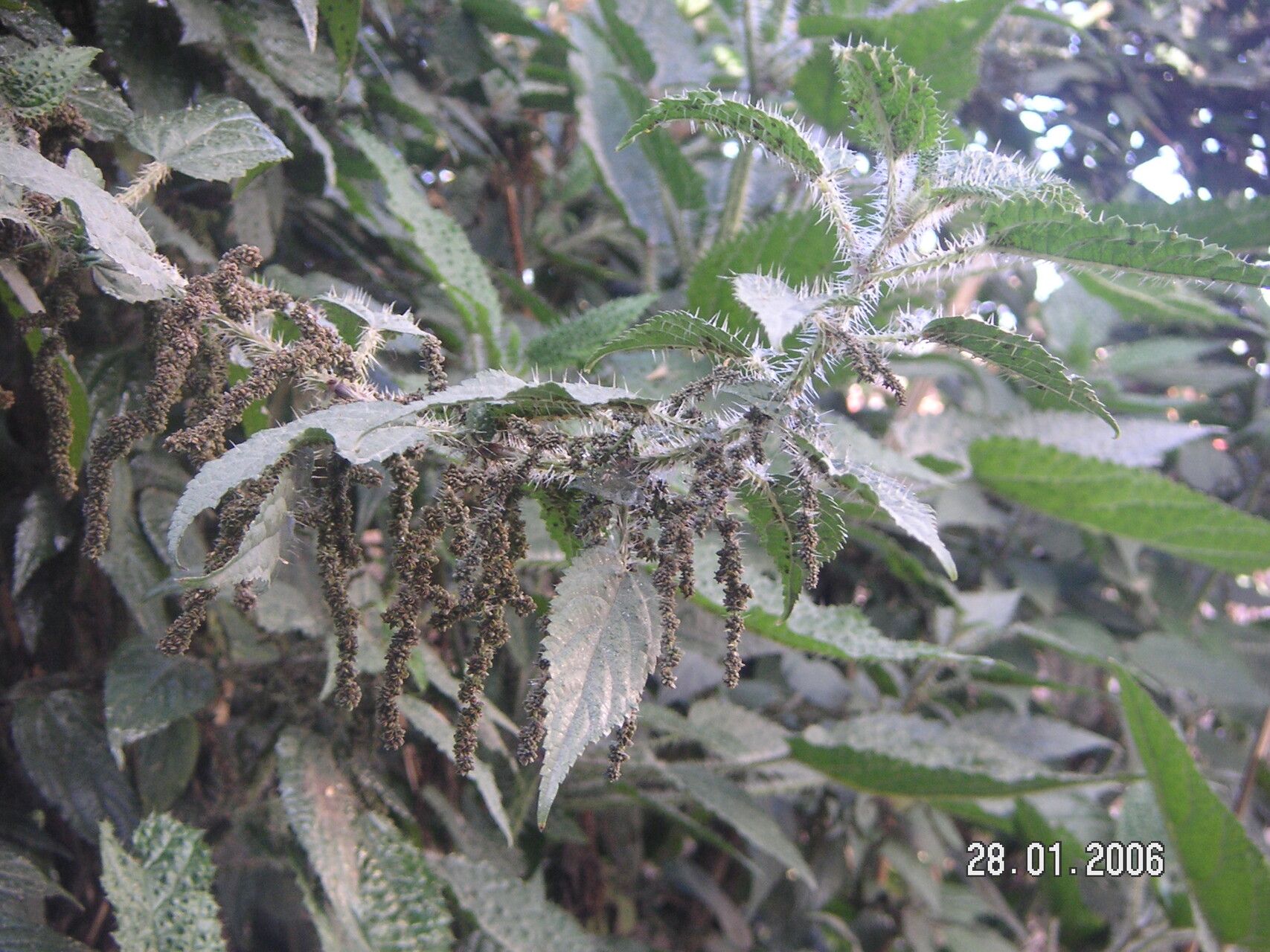
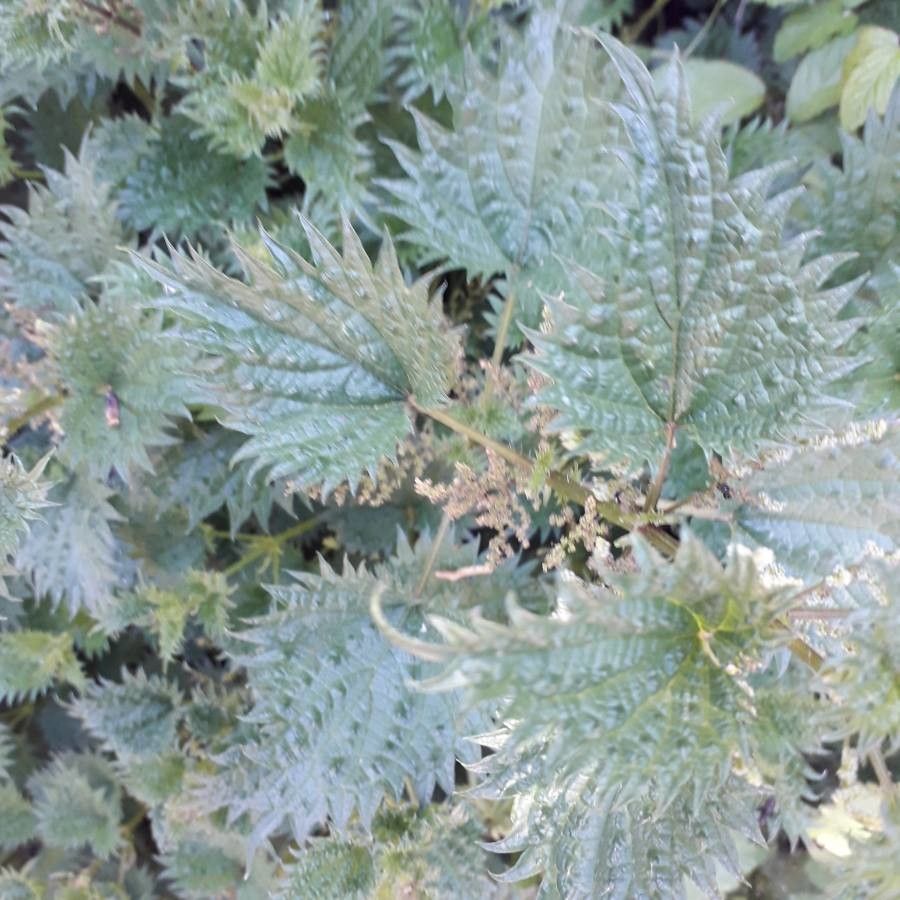
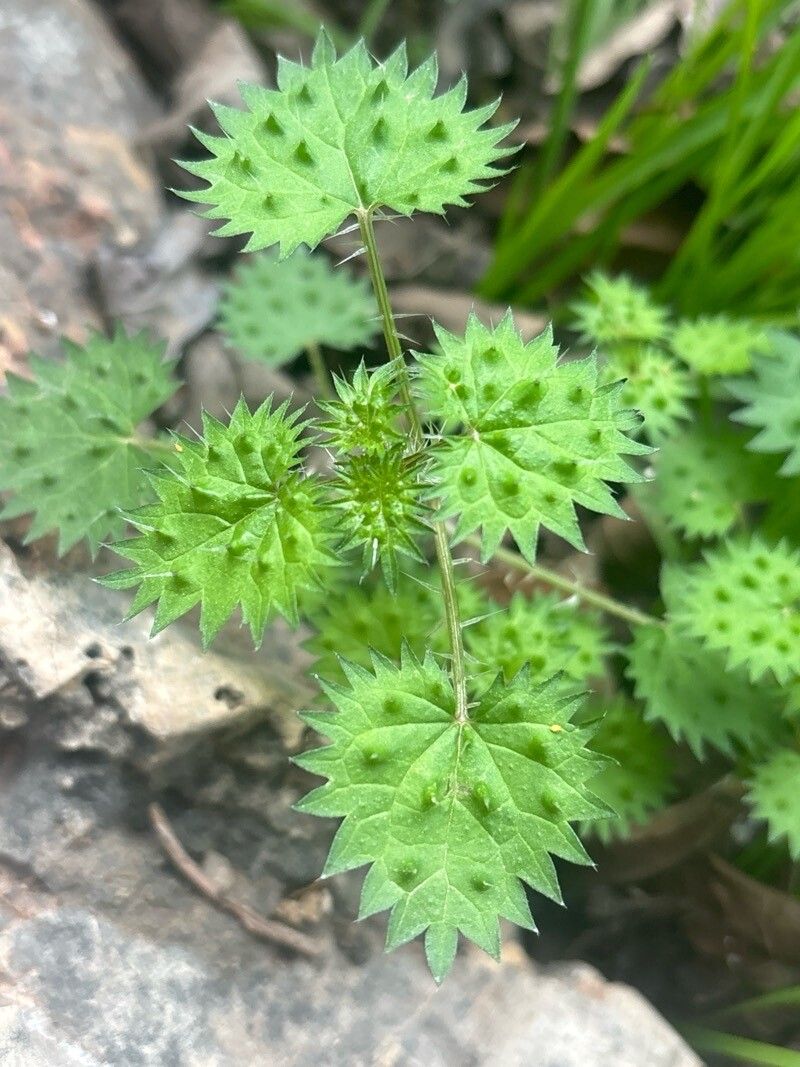
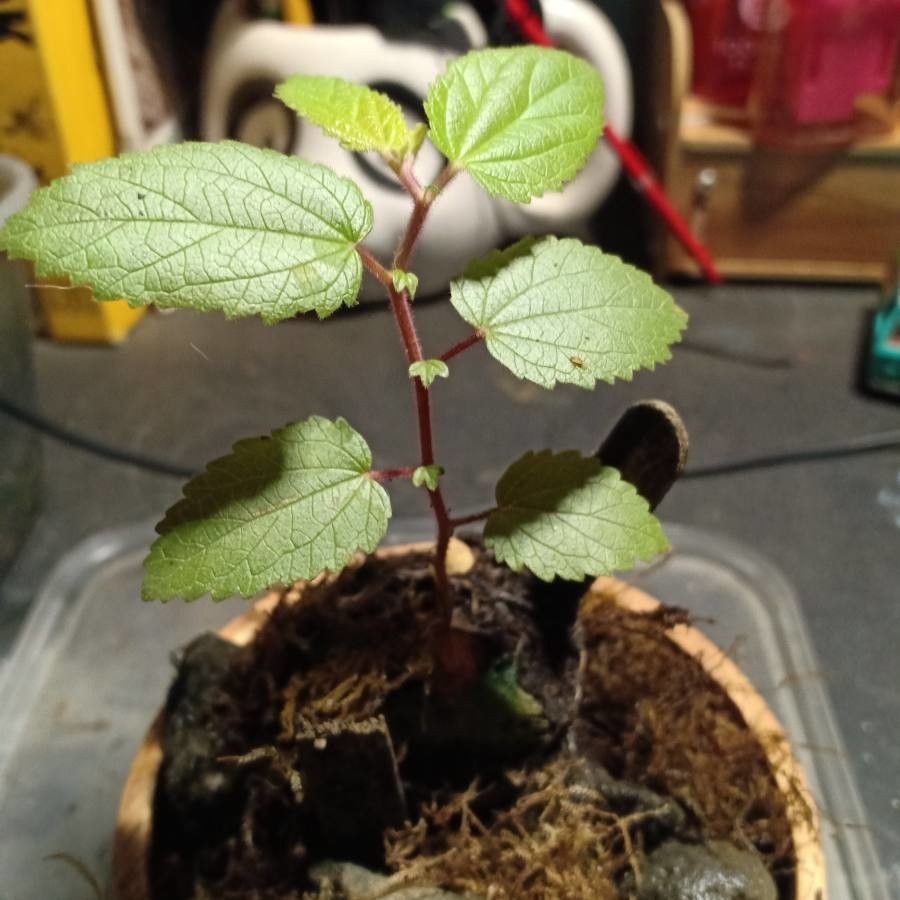
Urtica cannabina, the hemp nettle, is a species of flowering plant in the family Urticaceae. It is native to Central Asia, Siberia, Mongolia, and northern and central China, and has been introduced to Ukraine, European Russia, and the Russian Far East. A perennial herb typically 50 to 150 cm tall, it thrives in a wide variety of habitats, including anthropogenically disturbed ones. Attempts are being made in China to cultivate it for its fiber.
Hemp nettle has good resistance to disease and is generally not prone to illnesses. However, it can be vulnerable to pests and diseases present in its surroundings. These infections are normally not severe. Care-wise, this plant needs moderate maintenance. It should be pruned regularly to preserve a good appearance and support healthy growth. Fertilizing can also aid in encouraging flowering. Hemp nettle is appropriate for anyone with outdoor space, such as a garden or patio, and does not demand extensive care experience. It may need more attention when grown indoors.
How to keep Urtica Cannabina.
Light
Hemp nettle naturally occurs in habitats like forest understories or rocky areas, where it grows with natural shade. It prefers partial sun but can tolerate both full sun and full shade, illustrating its versatile, hardy nature.
Water
Hemp nettle thrives best with consistent hydration, so it should be watered weekly to mimic its natural moisture intake. Although it is drought-tolerant, regular watering is essential for its vigor, particularly during the active growing season. Typically cultivated outdoors, hemp nettle shows robust growth when given optimal care.
Temperature
Hemp nettle is naturally adapted to regions with moderate temperatures, from 41 to 77 °F (5 to 25 ℃). Seasonal temperature shifts should be gradual and remain within this range for optimal growth.
Fertilizer
Usually one fertilizer application in spring is enough for Hemp nettle, though multiple feedings can maximize growth. Apply once every month to six weeks. Fertilizing improves leaf appearance and function, supporting even color and a healthy texture. It also promotes root development and nutrient uptake for long-term plant health.
Pruning
Hemp nettle benefits from pruning during early to late spring, which encourages bushier growth and removes any damaged parts. Trim the stems back to the base to allow new shoots to emerge. Additionally, thin out dense areas to improve air circulation. This will enhance both the plant's health and its appearance.
Botanical profile.
- Plant Type
- Herb
- Life Cycle
- Perennial
- Genus
- Urtica
- Family
- Urticaceae
- Hardiness Zone
- 4-6
- Mature Height
- 1.52 m
- Mature Spread
- 30 cm to 61 cm
- Leaf Color
- Forest Green, Dark Green
- Leaf Type
- Deciduous
- Flower Color
- Yellow, Green
- Flower Size
- 5.08 cm to 7.62 cm
- Bloom Time
- Summer
- Planting Time
- Spring, Summer
- Harvest Time
- Late summer, Early fall, Mid fall
- Native Area
- Russia, Kyrgyzstan, Kazakhstan, Mongolia, Iran, Ukraine, China
Other names.
Reader questions.
What is the optimal temperature range for growing hemp nettle?
Hemp nettle thrives in moderate temperatures, optimally between 41 to 77 °F (5 to 25 °C). It's crucial that seasonal temperature changes remain gradual and within this range to ensure the plant's optimal growth. Hemp nettle is well adapted to these conditions and does not require additional frost protection measures in winter, although it's recommended to water it generously before the first freeze in autumn to keep the soil moist.
How does hemp nettle react to low temperatures?
Hemp nettle is extremely cold-tolerant, capable of surviving temperatures down to -30°C. Despite this tolerance, if winter temperatures fall below this threshold, you might not notice any changes during the winter, but there could be a decrease in sprouting or even a complete absence of sprouting in spring. In such cases, to manage the plant post-winter, it is recommended to remove any parts of the plant that have failed to sprout.
What should I do if hemp nettle is exposed to high temperatures?
Hemp nettle does not tolerate high temperatures well. Growth can stop and the plant may become susceptible to rot if temperatures exceed 25°C. To protect the plant, trim away any sunburned or dried-up parts, and consider moving it to a shaded location or use a shade cloth, especially during the midday and afternoon sun. Watering in the morning and evening can also help maintain the soil moisture and protect the plant from heat stress.