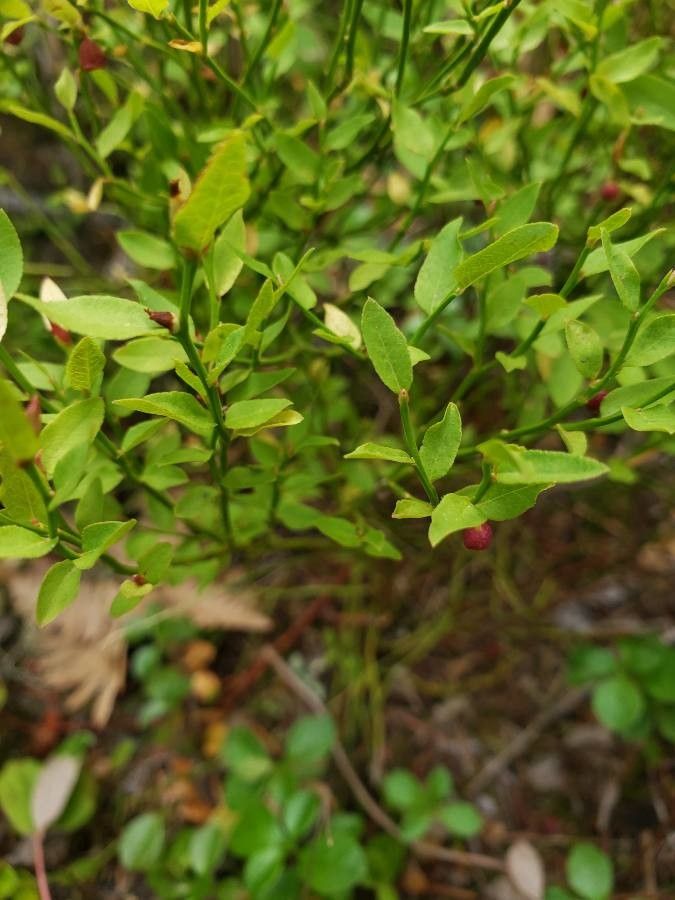
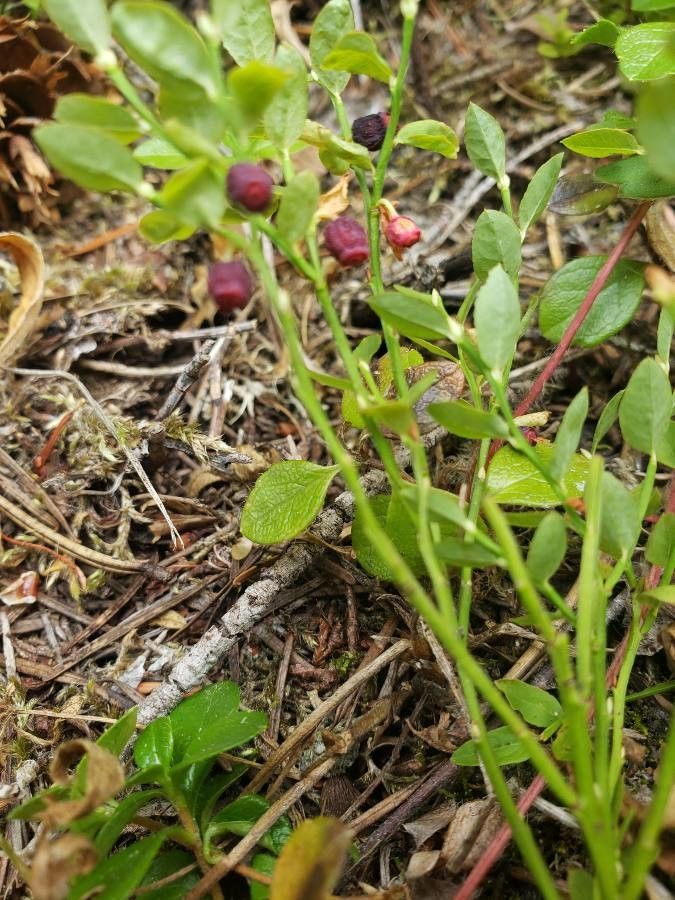
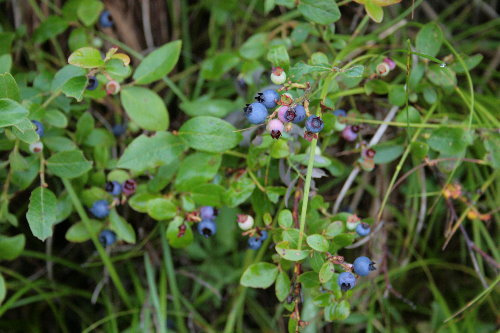
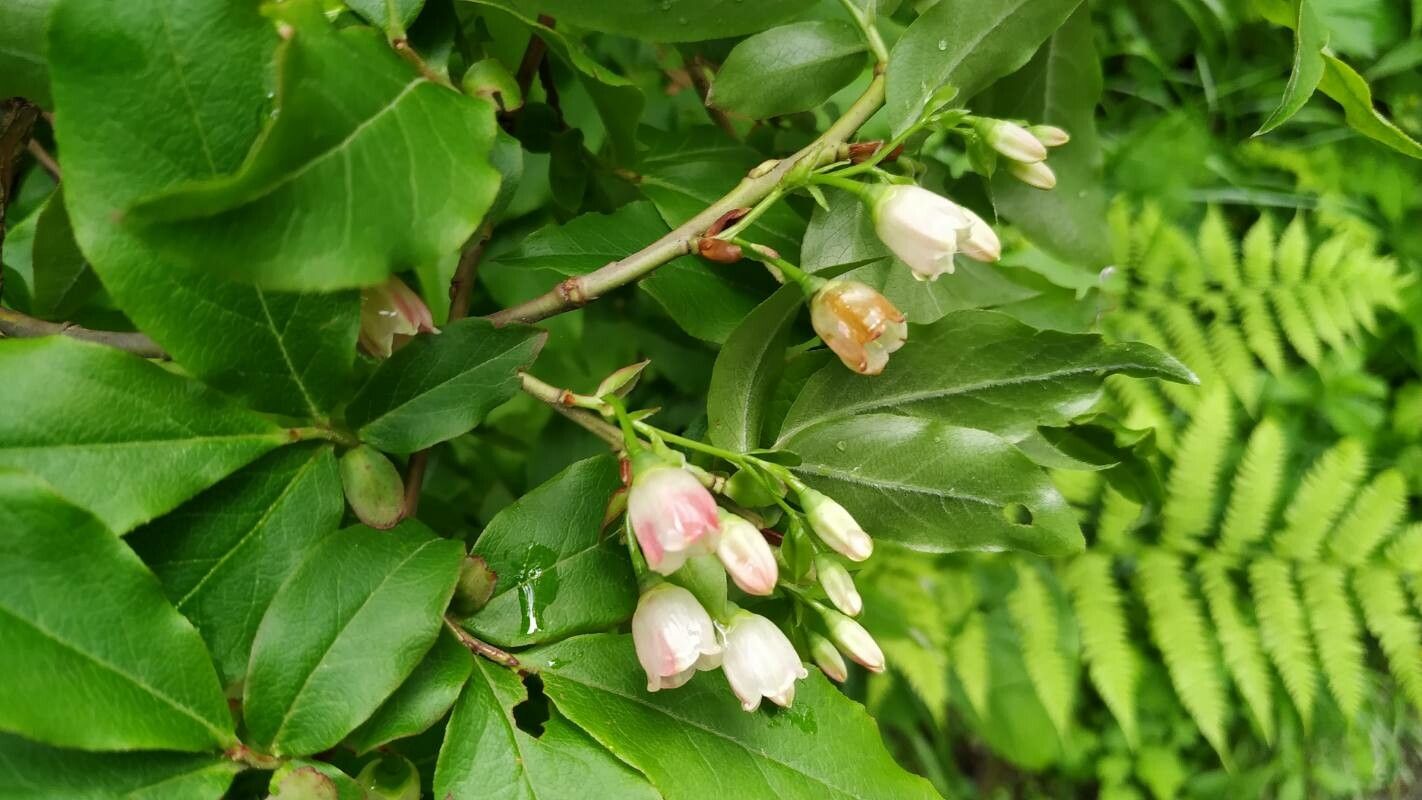
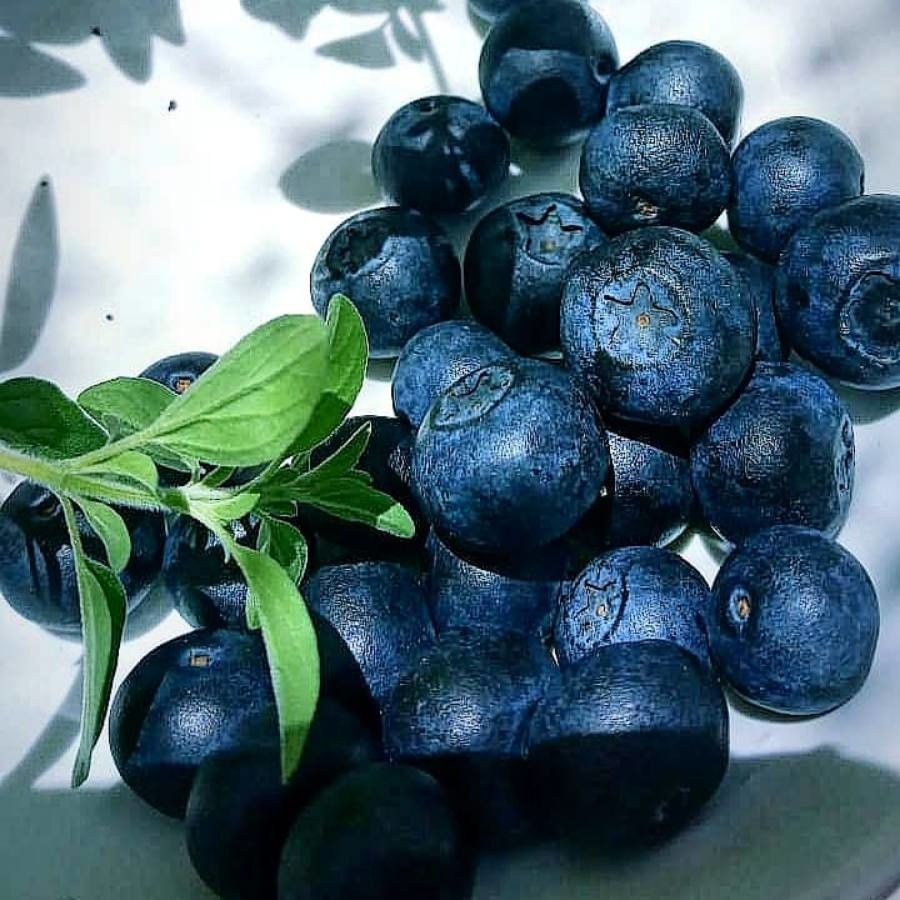
Vaccinium cespitosum (also, caespitosum), known as the dwarf bilberry, dwarf blueberry, or dwarf huckleberry, is a species of flowering shrub in the genus Vaccinium, which includes blueberries, huckleberries, and cranberries.
Dwarf bilberry has strong resistance to disease and is usually not susceptible to illnesses. In terms of care, this plant is fairly low-maintenance. Planted outdoors, it needs only light watering, and larger specimens typically do not require pruning. Smaller plants, however, should be pruned after they finish blooming. Dwarf bilberryt is appropriate for anyone with an outdoor area, like a garden or deck, and does not demand extensive gardening experience.
How to keep Vaccinium Cespitosum.
Light
Dwarf bilberry performs best with almost continuous sun exposure, though it can tolerate periods of lower light. Coming from habitats with plentiful light, it maximizes photosynthesis when light is abundant. Conversely, insufficient light can limit growth, and excessive light may cause leaf scorch.
Temperature
Dwarf bilberry originates from cold regions and generally grows best in temperatures of 32 to 77 °F (0 to 25 °C). To ensure optimal growth, its environment should be adjusted gradually to replicate those conditions across the seasons.
Fertilizer
The Dwarf bilberry plant needs adequate nutrients to achieve optimal fruit production. Apply fertilizer in early spring to encourage new growth and bloom development. Regular fertilization keeps the plant healthy, produces more delicious fruit, and prevents nutrient deficiency problems like yellowing leaves and poor fruit production.
Pruning
The dwarf bilberry is a resilient shrub that yields edible berries and requires very little pruning. For best results, prune in early spring to eliminate any dead or overcrowded branches. This helps improve air circulation and increases sunlight exposure, leading to enhanced fruit production and better overall plant health. By following these steps, you can ensure vigorous growth and a bountiful harvest.
Botanical profile.
- Plant Type
- Shrub
- Life Cycle
- Perennial
- Genus
- Vaccinium
- Family
- Ericaceae
- Hardiness Zone
- 3-6
- Mature Height
- 46 cm
- Mature Spread
- 20 cm to 40 cm
- Leaf Color
- Green, Dark Green
- Leaf Type
- Deciduous
- Flower Color
- Pink, White
- Flower Size
- 1.02 cm
- Bloom Time
- Mid spring, Late spring
- Planting Time
- Spring, Summer, Autumn
- Harvest Time
- Mid summer, Late summer, Early fall
- Native Area
- Mexico
Other names.
Reader questions.
What are the sunlight requirements for Dwarf Bilberry?
Dwarf bilberry needs to be exposed to full sun, which is defined as more than 6 hours of sunlight a day, or partial sun, which means about 3-6 hours of sunlight a day. It's essential to watch how sunlight moves through your garden to find spots that offer the right balance of light and shade, ensuring your plants thrive.
What is the native climate for dwarf bilberry?
Dwarf bilberry, botanically known as Vaccinium cespitosum, thrives in cold climates. It is native to regions where temperatures range between 32 to 77 °F (0 to 25 °C). To promote optimal growth, it's important to gradually adjust its environment to mimic these conditions throughout the seasons. Dwarf bilberry is highly cold-tolerant and does not require additional frost protection measures during winter. However, it's recommended to water the plant generously before the first freeze in autumn to keep the soil moist, preventing drought and water scarcity during winter and early spring.
What are the essentials for growing Dwarf Bilberry effectively?
Dwarf bilberry thrives in nearly constant solar exposure but can withstand periods of reduced light. Originating from environments with plenty of light, it makes the most of photosynthesis when exposed to abundant light. However, too little light can hinder its growth, and too much light can cause leaf scorch. When natural sunlight is not enough, especially in winter or in spaces with less sunlight, artificial lighting becomes crucial for growth. LED lights are recommended for their ability to provide specific wavelengths needed by plants. The amount of artificial light needed varies: full sun plants require 30-50W/sq ft, partial sun plants 20-30W/sq ft, and full shade plants 10-20W/sq ft. The light should be placed 12-36 inches above the plant, mimicking natural sunlight, and plants typically need 8-12 hours of light per day.
What should be done if dwarf bilberry experiences temperatures below its cold tolerance?
Dwarf bilberry is extremely cold-tolerant, capable of enduring the winter cold above -35°C without visible damage. However, if temperatures fall below this threshold, the branches may become brittle and dry by spring, leading to a lack of new shoots. To address this, any dead branches that have failed to produce new leaves in spring should be pruned away to encourage healthy growth.
What are the symptoms of insufficient or excessive light in Dwarf Bilberry?
Dwarf bilberry shows several symptoms when light conditions are not optimal. Insufficient light leads to small leaves, leggy or sparse growth, faster leaf drop, slower or no new growth, lighter-colored new leaves, and chlorosis (leaves turn yellow due to the breakdown of chlorophyll). Excessive sunlight can cause symptoms like sunscald (damaged leaves or stems), leaf curling (to minimize water loss), wilting (loss of turgor pressure), and leaf scorching (brown, dry patches on leaves). These symptoms highlight the importance of balancing light exposure for the health of your Dwarf bilberry.
How should dwarf bilberry be cared for in high temperatures?
Dwarf bilberry struggles in high temperatures, particularly when they exceed 25°C, which can lead to significant leaf drop or even the death of the plant in severe cases. To protect and care for dwarf bilberry in such conditions, trim away sunburned and dried-up parts of the plant. Move it to a shaded location away from the midday and afternoon sun or use a shade cloth. Additionally, ensure the plant is watered in the morning and evening to maintain soil moisture.
How can I address light-related issues in Dwarf Bilberry?
Addressing light-related issues in Dwarf Bilberry involves several strategies. Indoors, gradually move plants to sunnier locations each week to ensure at least 6 hours of direct sunlight daily or use artificial light, such as a desk or ceiling lamp, for at least 8 hours a day or invest in professional plant grow lights. Outdoors, similarly, move plants gradually to sunnier spots to avoid sunburn. If the plant is not receiving enough sunlight due to obstructions, consider pruning trees or other barriers, or transplant smaller plants during their dormant period to a location with ample sunlight and good drainage. Note that parts of the plant that have suffered from insufficient light may not recover, but new growth will be healthy with improved light conditions.