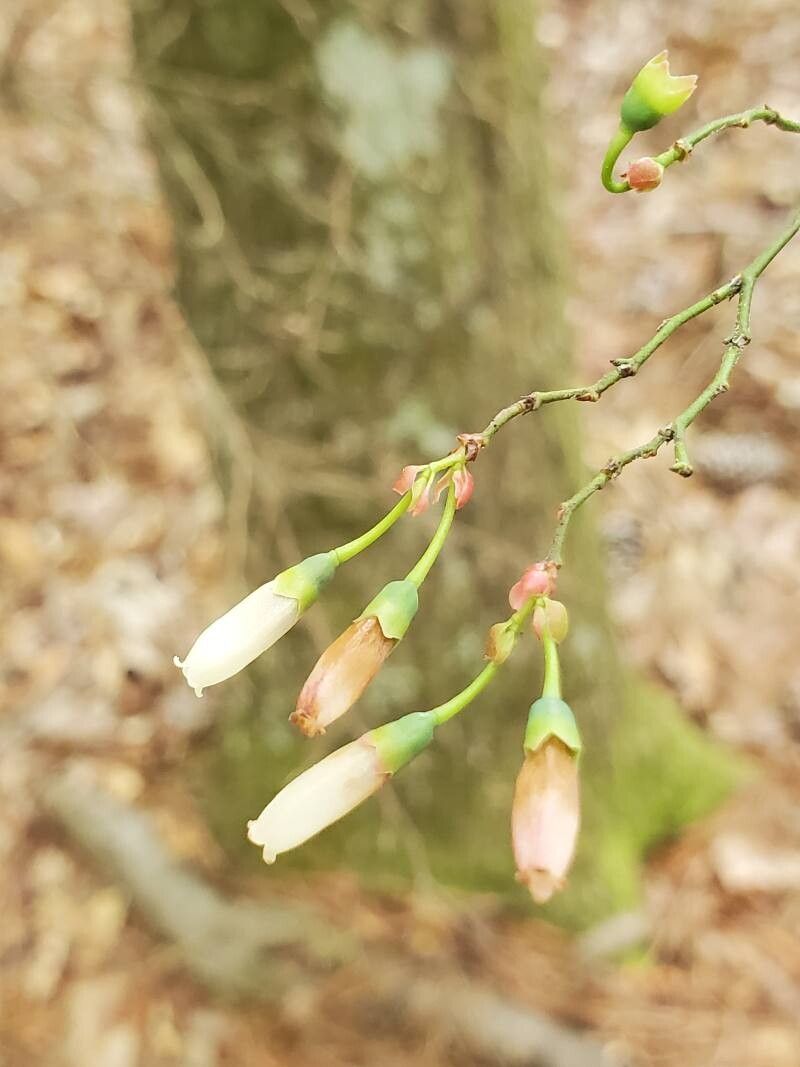
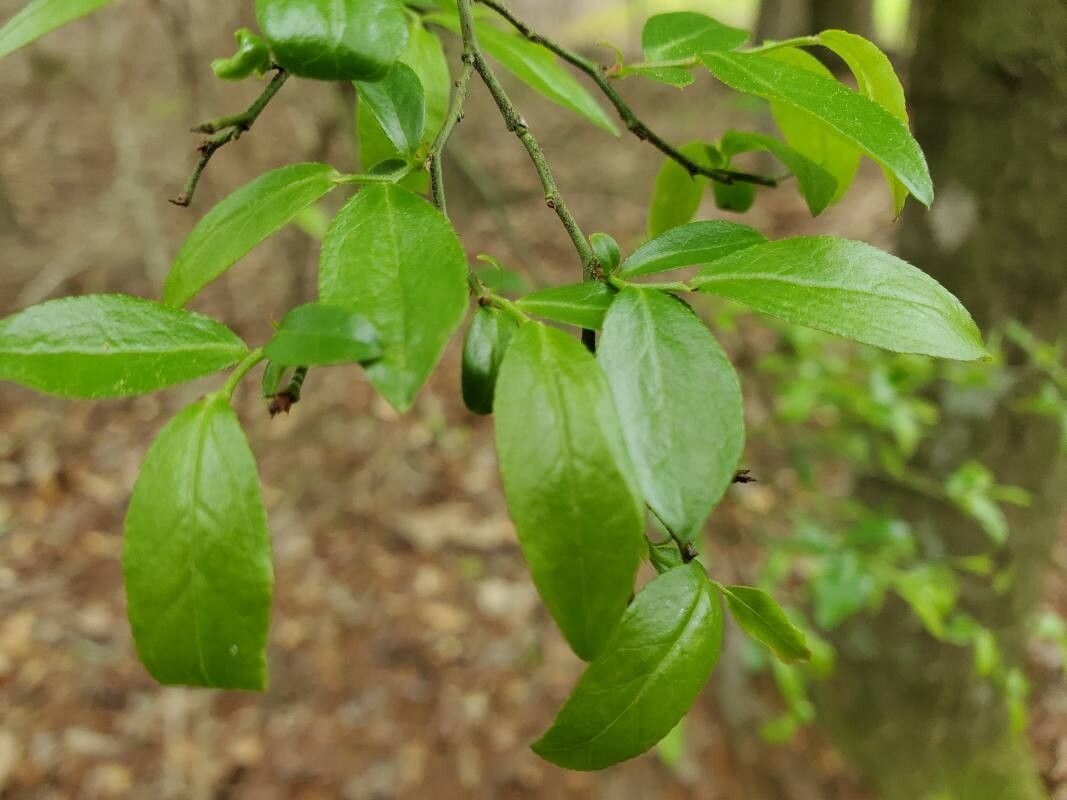
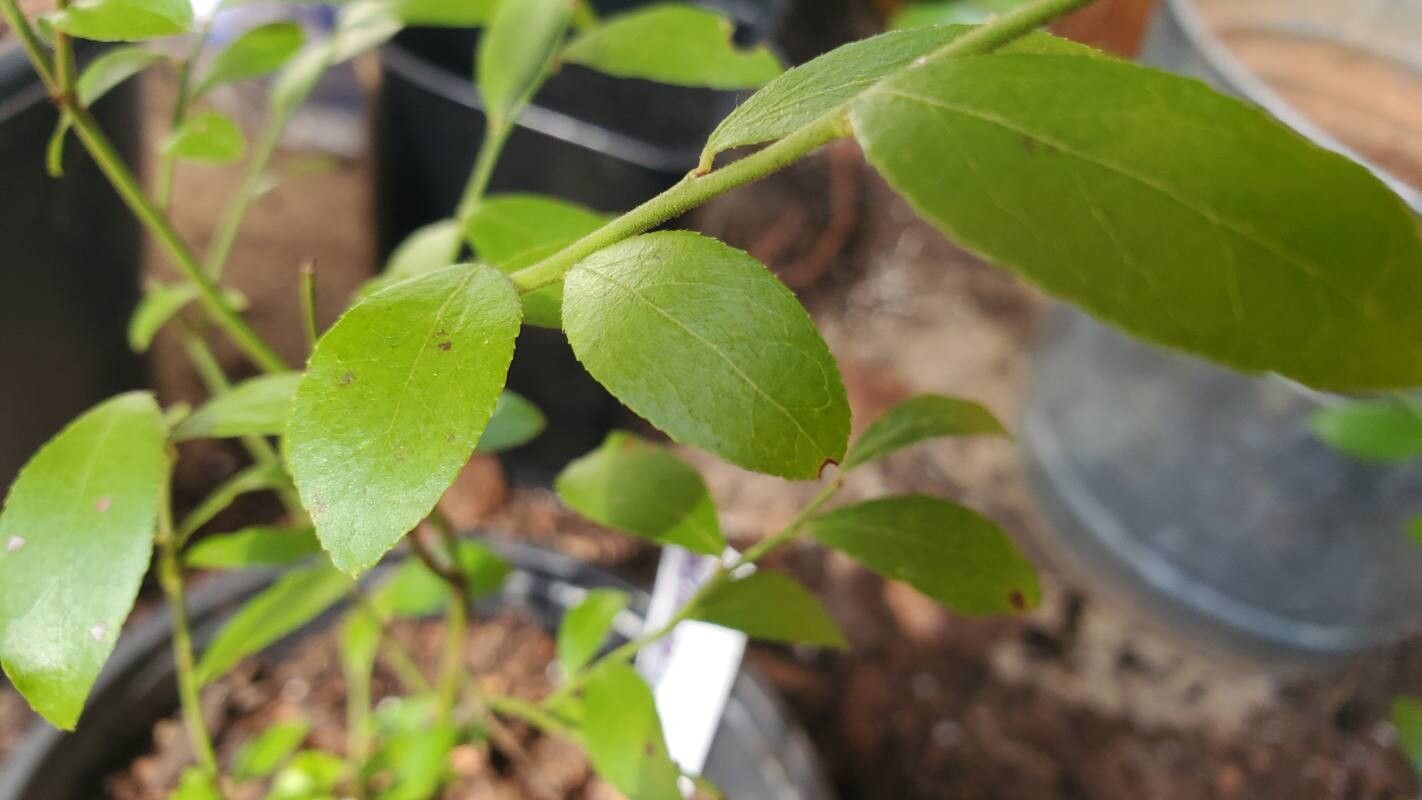
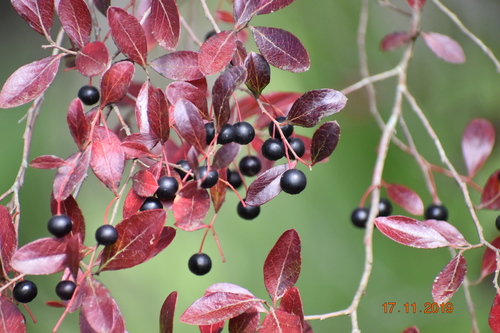
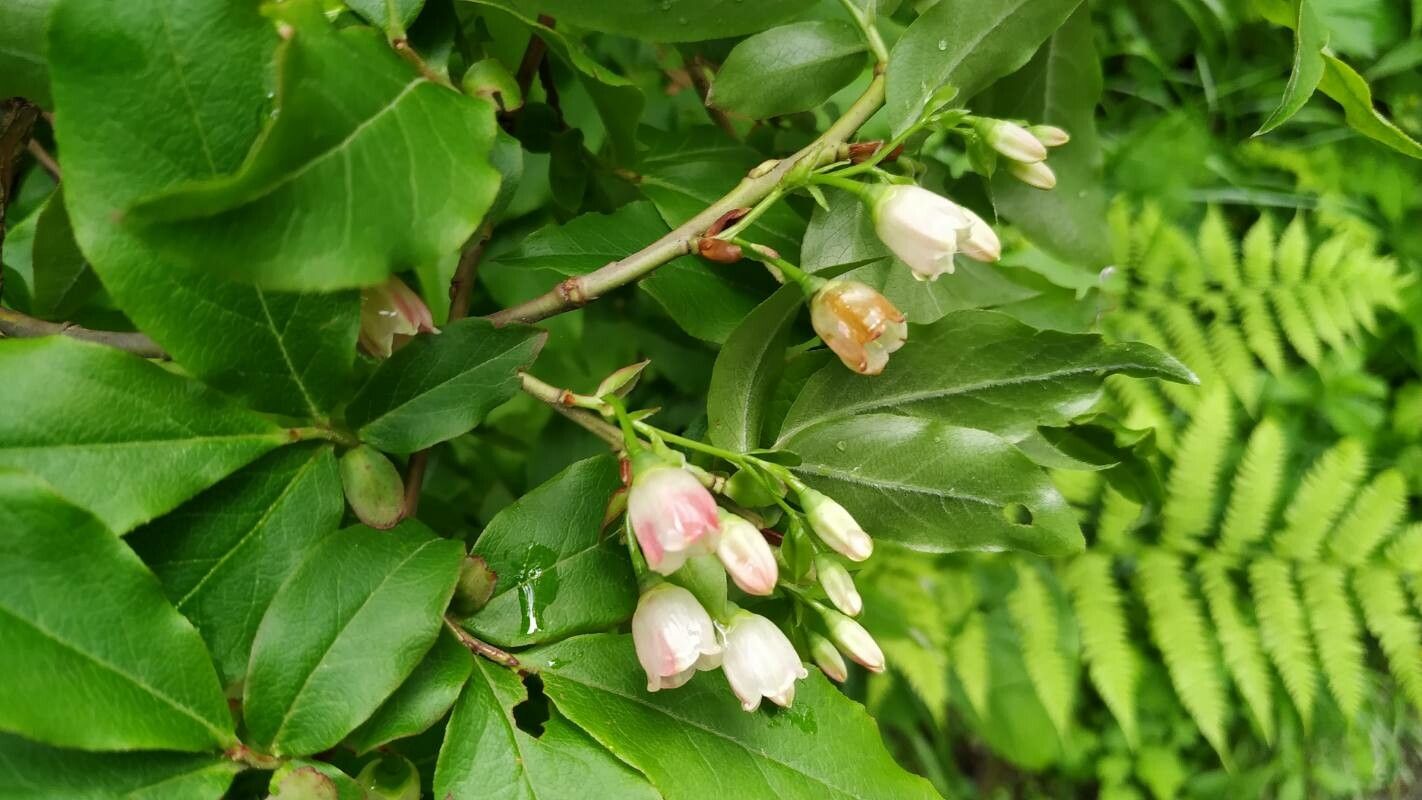
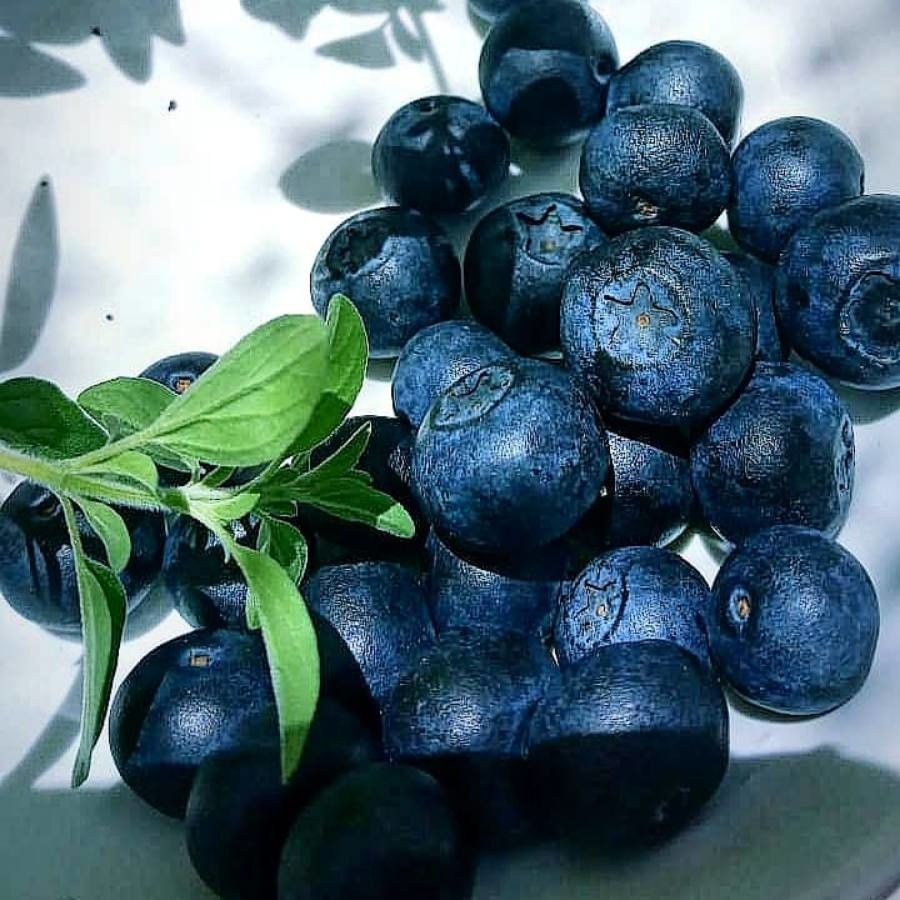
Vaccinium elliottii is a species of Vaccinium in the blueberry group. It is native to the southeastern and south-central United States.
Elliott's blueberry is resistant to disease and is generally not prone to health problems. As for care, this plant is fairly low-maintenance. When grown outdoors it needs only light watering, and larger plants typically do not need pruning. Smaller plants, however, should be pruned after they have bloomed. Elliott's blueberryt is appropriate for anyone with an outdoor area, such as a garden or deck, and does not demand much care experience.
How to keep Vaccinium Elliottii.
Light
Elliott's blueberry exhibits optimal growth when it receives plenty of sunlight during the day, although it can also cope in somewhat less intense light. The plant has its roots in environments where sunlight is plentiful, which promotes its strong growth. Its growth can be hindered if it doesn't receive enough light; however, too much light may lead to leaf burn.
Temperature
Elliott's blueberry, a plant that thrives in temperate climates, is comfortable in a temperature range of 41 to 95 ℉ (5 to 35 ℃). The preferred temperature for this particular plant fluctuates with the changing seasons in its natural habitat. During the summer period, it favors cooler temperatures ranging from 59 to 68 ℉ (15 to 20 ℃). Conversely, in the winter, it can withstand the cold down to temperatures between 0 to 18 ℉ (-18 to -8 ℃).
Fertilizer
In order to stimulate robust development, provide your Elliott's blueberry with fertilization at the onset of spring. Consistent fertilization boosts the overall vitality, leading to a robust growth, better tolerance to harsh circumstances, and elevated immunity against pests and diseases. Adhering to a designated fertilization routine for your Elliott's blueberry is crucial to guarantee a vivacious leafage with rich color and a dense look.
Pot & Repot
When you're repotting an Elliott's blueberry, opt for a container that's 1-2 inches (2.5-5 cm) wider and has sufficient drainage. Apply a potting mixture that’s known for its good drainage properties. Ensure that you repot either in the spring season or the fall season, making sure the root ball sits a little lower than the pot’s border. After the repotting process, water the plant generously and position it in a warm area that gets indirect sunlight.
Botanical profile.
- Plant Type
- Shrub
- Life Cycle
- Perennial
- Hardiness Zone
- 5-9
- Mature Height
- 1.22 m to 2.13 m
- Mature Spread
- 0.91 m to 3.05 m
- Leaf Color
- Green, Blue, Red, Bronze
- Leaf Type
- Deciduous
- Flower Color
- White, Pink
- Flower Size
- 2.54 cm
- Bloom Time
- Late spring, Early summer
- Planting Time
- Spring, Autumn
- Harvest Time
- Mid summer
Other names.