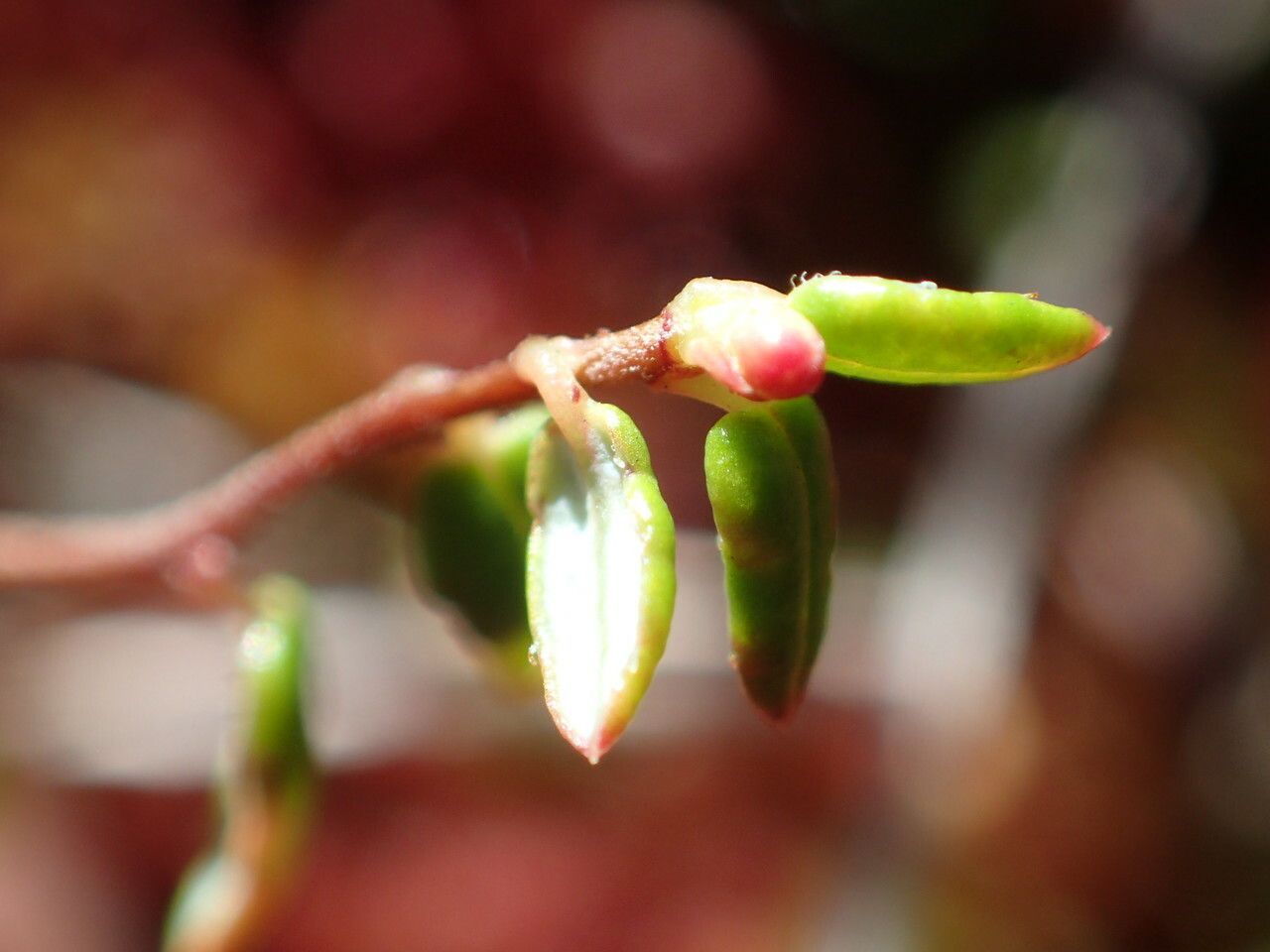
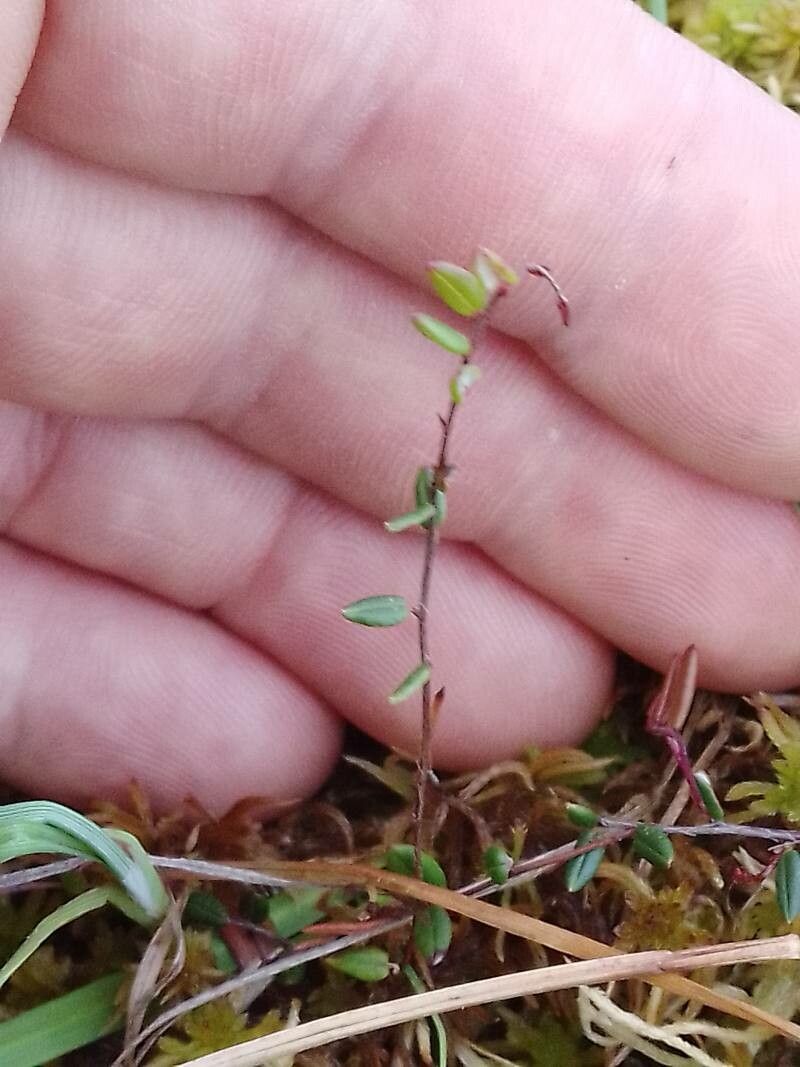
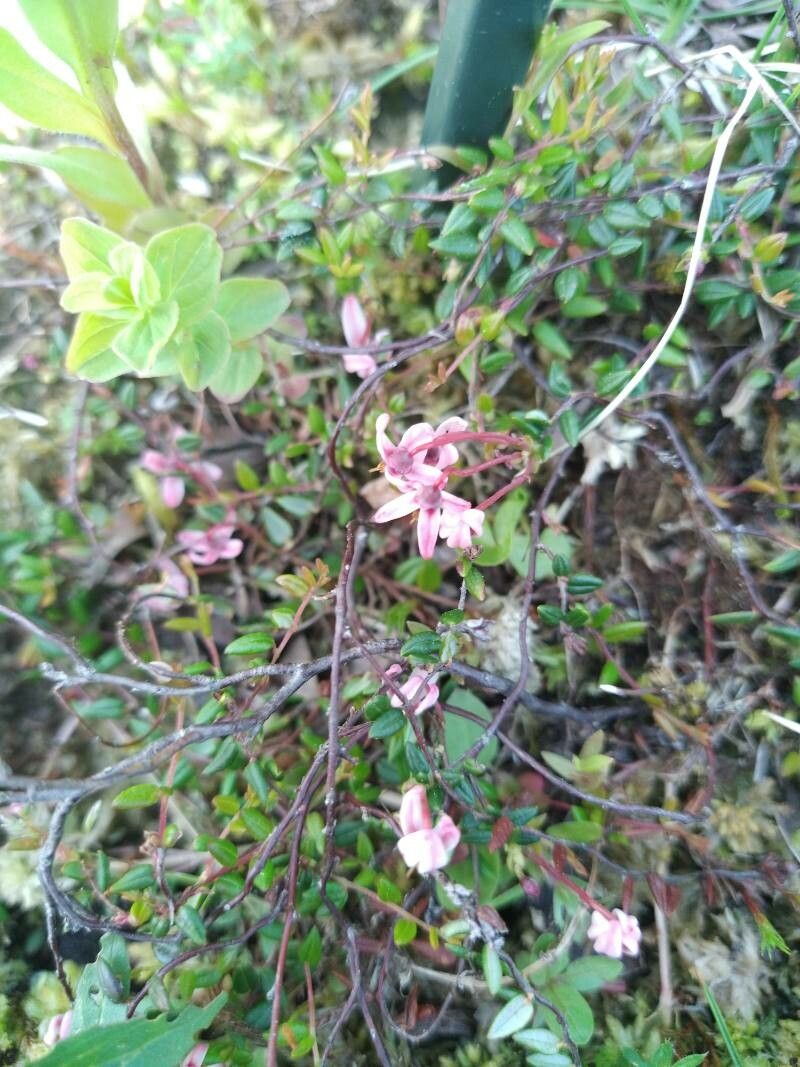
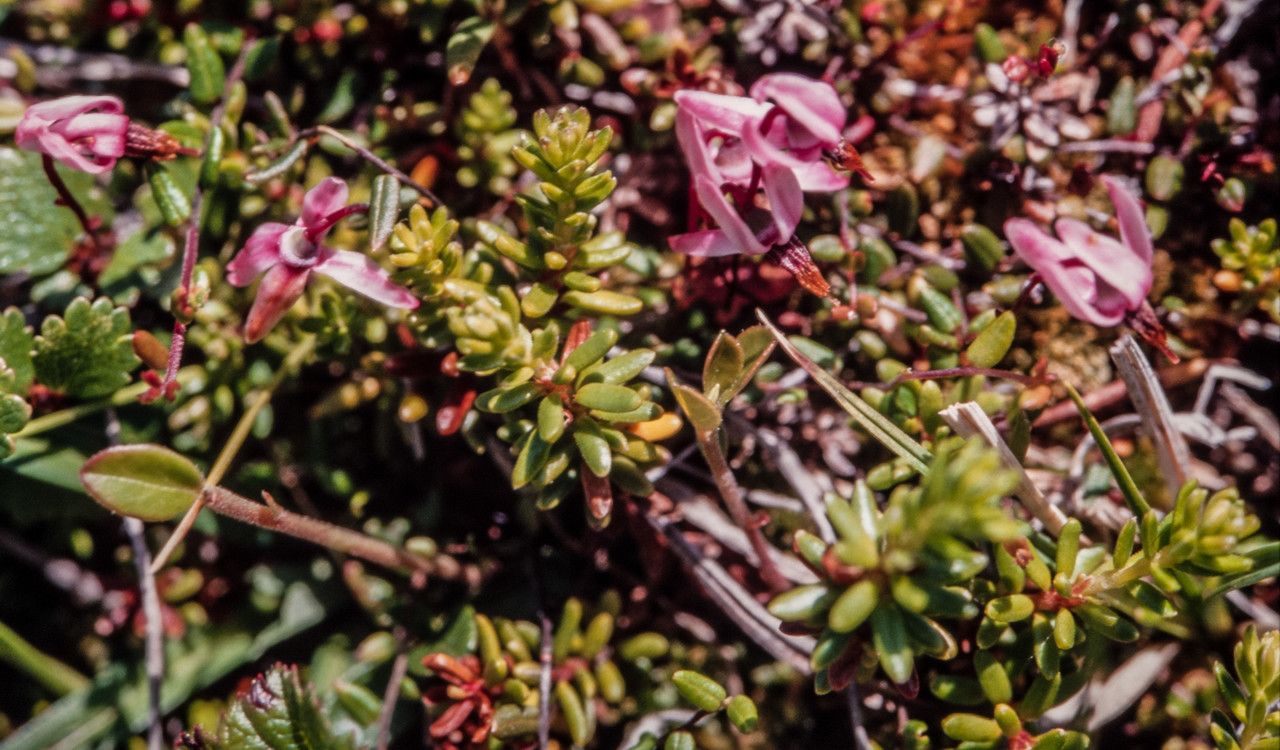
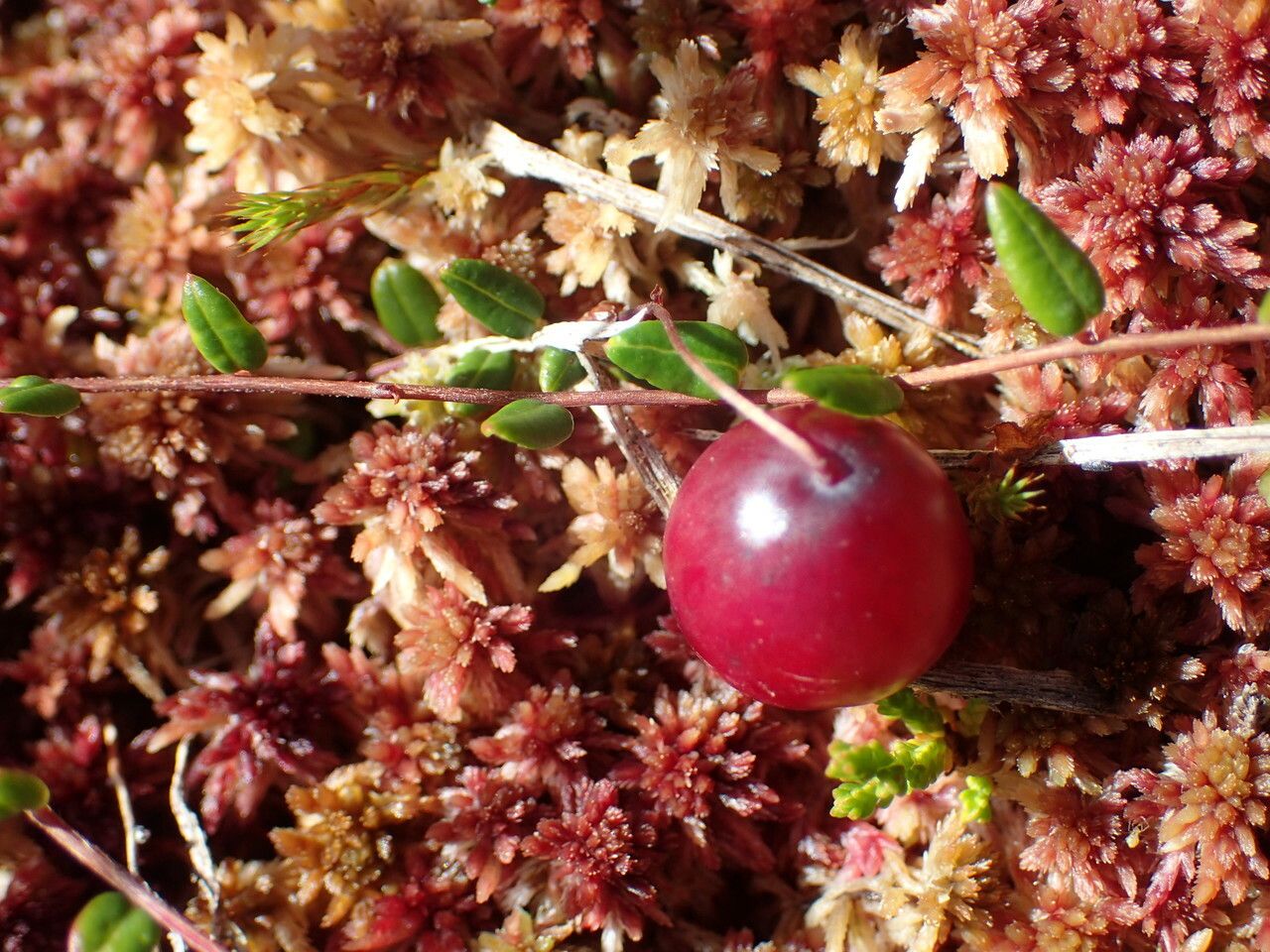
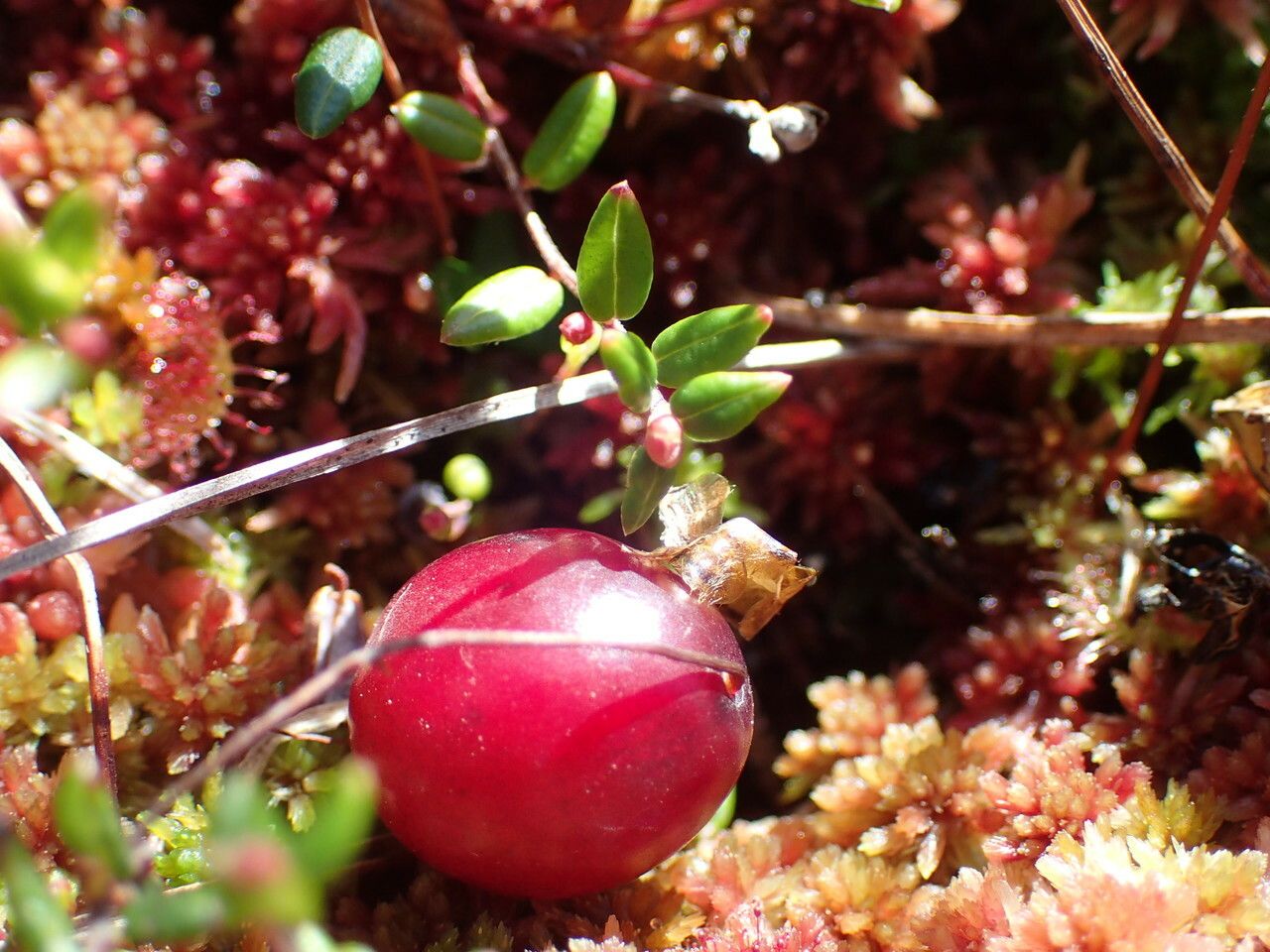
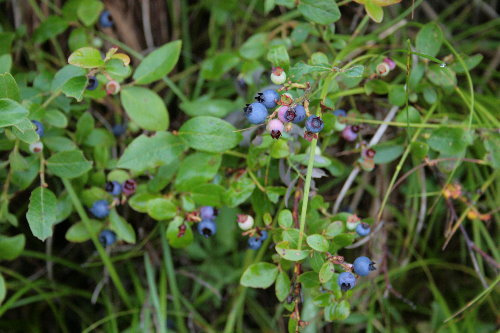
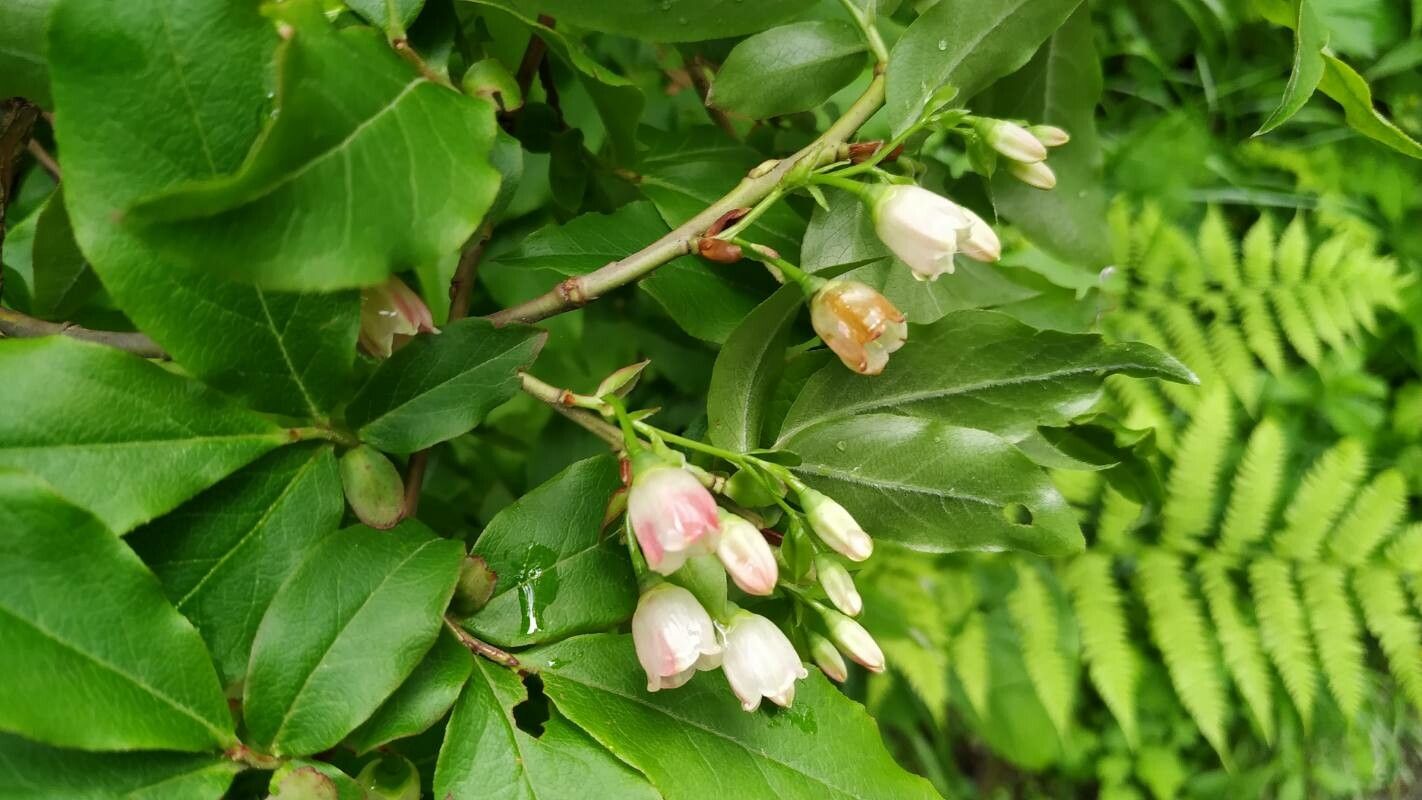
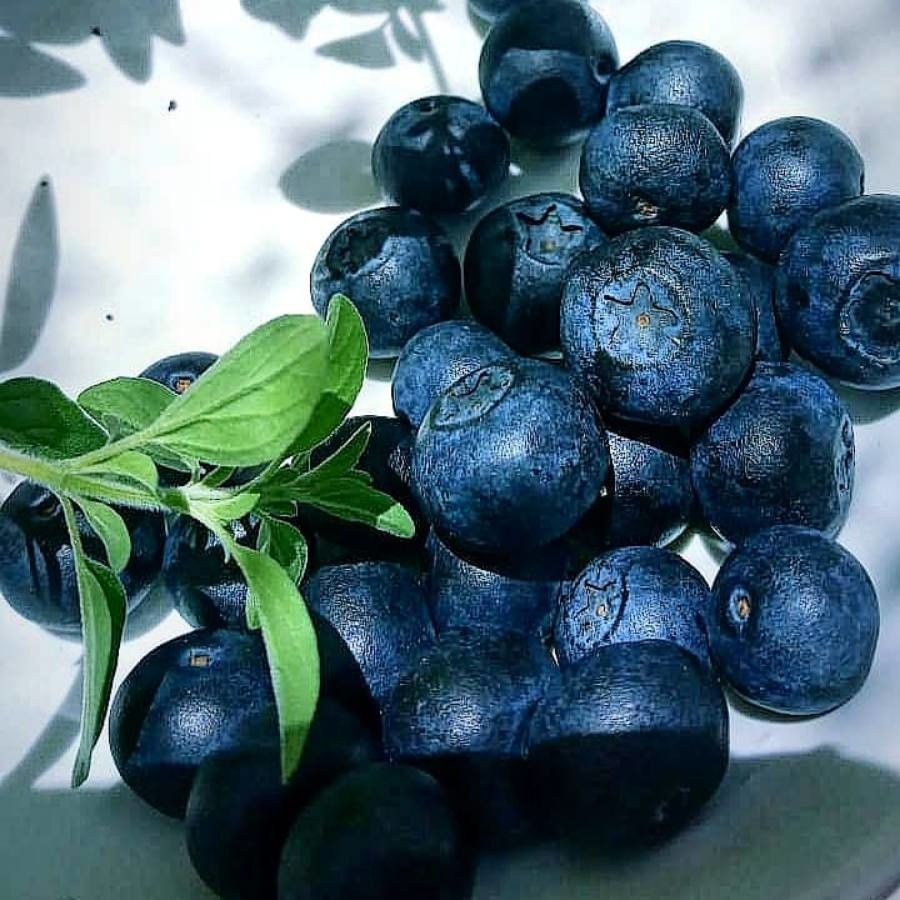
Vaccinium microcarpum is a species of flowering plant belonging to the family Ericaceae.Its native range is Subarctic to Temperate Northern Hemisphere.
The small bog cranberry is well resistant to disease and generally not susceptible to illnesses. Regarding care, this plant is relatively low-maintenance. Planted outdoors, it needs minimal watering, and larger specimens typically do not require pruning. However, smaller plants should be pruned after they finish blooming. The small bog cranberry is suitable for anyone with outdoor space, such as a garden or a deck, and does not demand extensive gardening experience.
How to keep Vaccinium Microcarpum.
Light
The small bog cranberry grows best in full sun but can tolerate partial shade. It mainly comes from habitats with abundant sunlight, which supports its healthy growth. Throughout its development it needs sufficient light. If exposed to too little or too much light, the plant’s health may decline.
Water
The small bog cranberry thrives in moist, bog-like conditions that are humid but not waterlogged. It requires watering every 2-3 weeks, adjusting its water needs based on rainfall. This plant does particularly well in cooler climates with frequent precipitation.
Temperature
The small bog cranberry is highly adaptable to a wide variety of climate conditions, from very hot summers to cold winters. Still, it has an optimal temperature range for growth. When temperatures become too high, the plant is susceptible to heat and humidity stress, which can lead to its death. In locations where temperatures approach the lower limit of its cold tolerance, it is important to use insulation to protect the plant.
Fertilizer
The small bog cranberry plant needs adequate nutrients to achieve optimal fruit production. Fertilize in early spring to promote new growth and flower development. Regular feeding keeps the plant healthy, increases production of flavorful fruit, and prevents nutrient-deficiency problems like yellowing leaves and poor fruit yield.
Pruning
To promote healthy growth in small bog cranberries, it's important to prune them in early spring. Remove any dead branches and thin out crowded areas to improve air circulation. Trimming older stems encourages new growth and can increase berry yield. Always use clean tools to prevent disease, thereby enhancing the plant's health and productivity.
Botanical profile.
- Plant Type
- Shrub
- Life Cycle
- Perennial
- Genus
- Vaccinium
- Family
- Ericaceae
- Hardiness Zone
- 2-6
- Mature Height
- 5 cm
- Mature Spread
- 20 cm to 30 cm
- Leaf Color
- Green, Blue
- Leaf Type
- Deciduous
- Flower Color
- White, Pink
- Flower Size
- 0.25 cm to 0.51 cm
- Bloom Time
- Late spring, Early summer
- Planting Time
- Spring, Summer
- Harvest Time
- Late summer, Early fall, Mid fall
- Native Area
- Sweden, Austria, Czech Republic, Slovakia, Poland, Croatia, Slovenia, Belarus, Ukraine, Serbia, Russia, China, Lithuania, Norway, Germany, Italy, Kazakhstan, Switzerland, Iceland, Estonia, Japan, Mongolia, Finland, United Kingdom, Romania, Latvia
Other names.
Reader questions.
What are the sunlight requirements for the Small bog cranberry?
The Small bog cranberry requires full sun, which means it needs above 6 hours of sunlight for optimal growth. However, it can also manage in partial sun conditions, receiving about 3-6 hours of sunlight. It's important to observe the movement of sunlight in your garden to find the perfect spot that provides a balance of light and shade, ensuring the plant's health and happiness.
What is the botanic name of Small bog cranberry?
The botanic name of Small bog cranberry is Vaccinium microcarpum. This name helps in scientifically identifying the plant, distinguishing it from other species within the Vaccinium genus.
Can artificial lighting be used for Small bog cranberry indoors, and how?
Yes, artificial lighting can be used for Small bog cranberry plants indoors, especially when natural sunlight is insufficient, like in winter or in less sunny spaces. LED lights are recommended because they can provide specific wavelengths of light required by the plants. For full sun plants, 30-50W/sq ft of artificial light is needed; partial sun plants require 20-30W/sq ft, and full shade plants need 10-20W/sq ft. The light source should be placed 12-36 inches above the plant to mimic natural sunlight, and most plants will need 8-12 hours of light per day.
What are the symptoms of light deficiency in Small bog cranberry?
Symptoms of light deficiency in Small bog cranberry include smaller new leaves, leggy or sparse growth, faster leaf drop, slower or no new growth, lighter-colored new leaves, and symptoms of overexposure such as chlorosis, sunscald, leaf curling, wilting, and leaf scorching. These issues indicate the plant is not receiving optimal light conditions, which affects its health and growth.
How can you improve light conditions for Small bog cranberry?
To improve light conditions for Small bog cranberry, gradually move plants to sunnier locations to receive at least 6 hours of direct sunlight daily. If indoors and moving the plant isn't feasible, consider using artificial lights for at least 8 hours daily. Outdoors, avoid sudden changes in light intensity to prevent sunburn. Minimize obstructions by pruning or transplanting to better-lit locations. Remember, parts of the plant damaged by insufficient light may not recover, but new growth should be healthy with improved lighting.