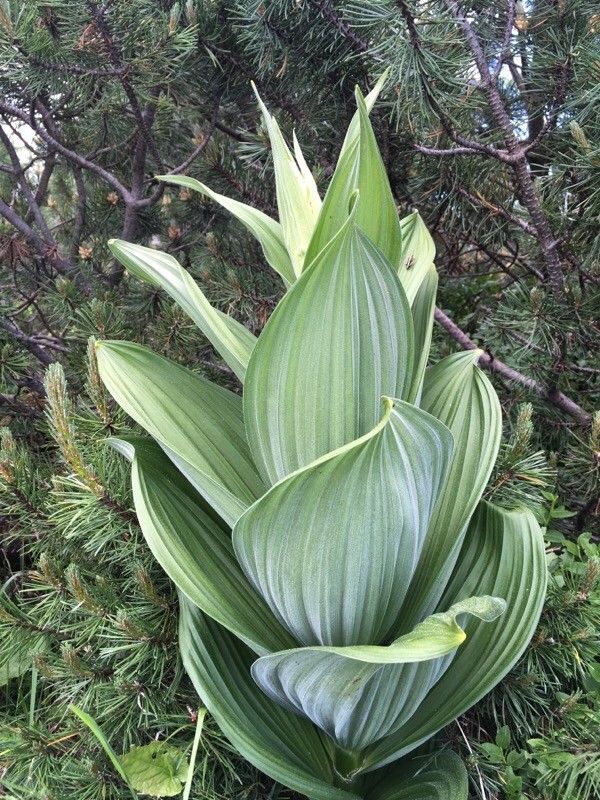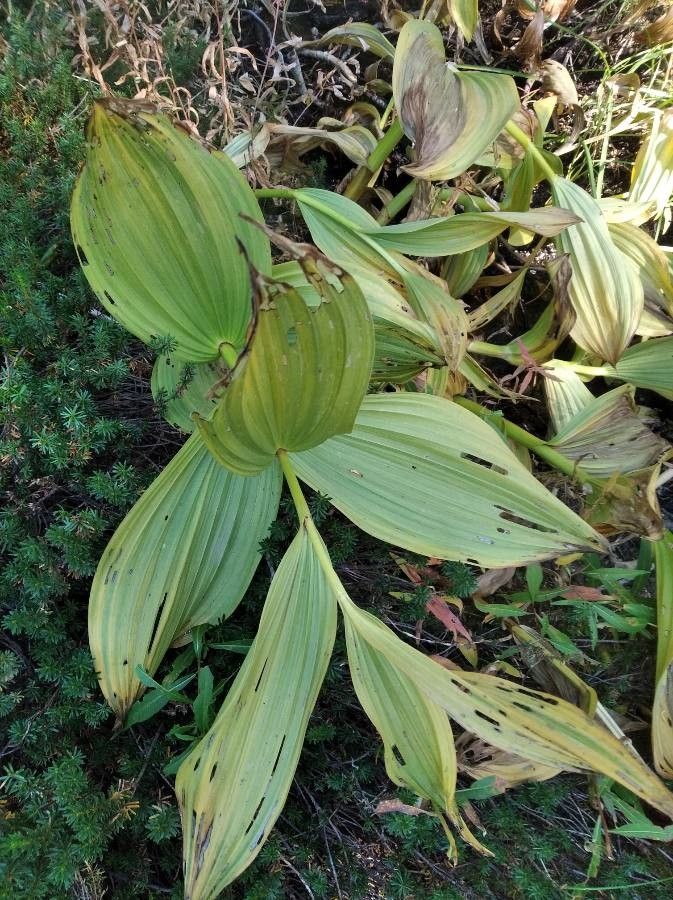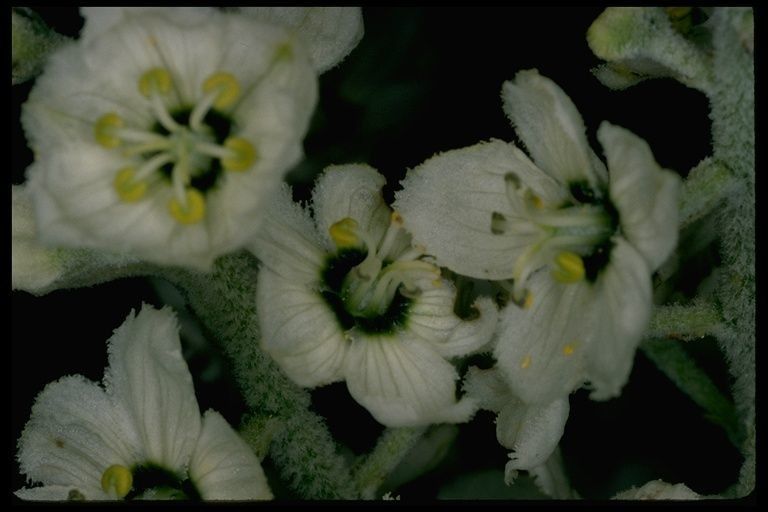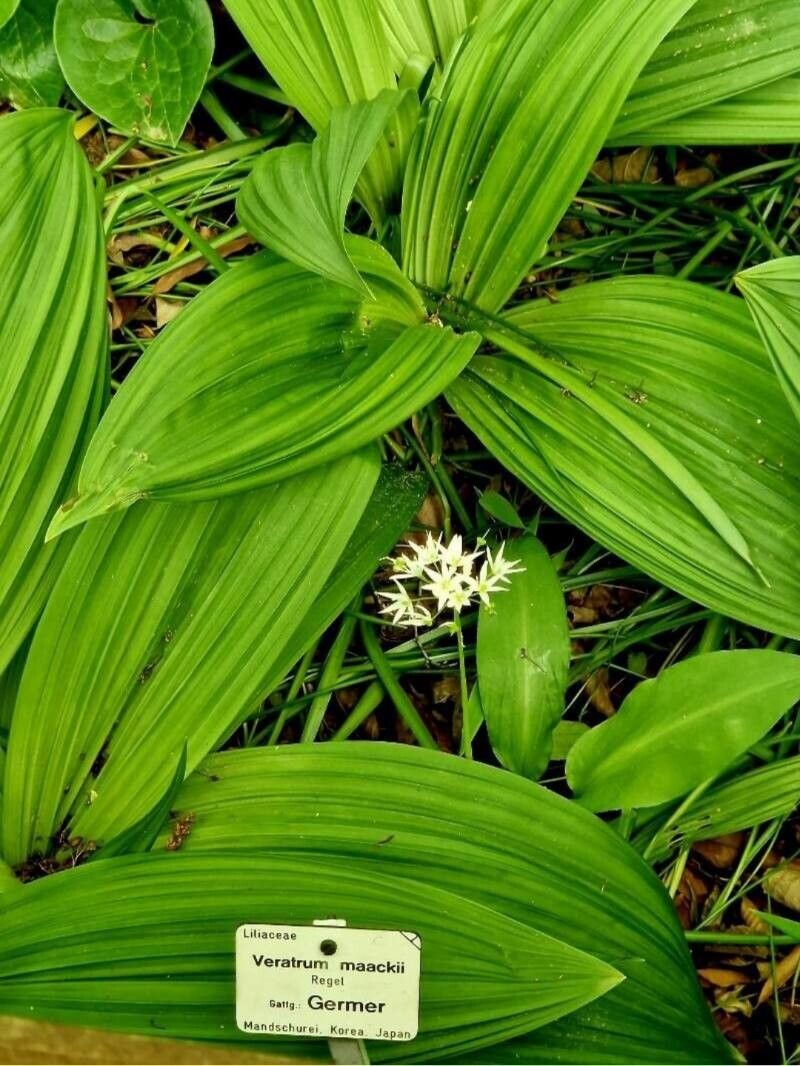
Hairy false-hellebore is relatively disease-resistant and typically does not suffer from many illnesses. However, it can be vulnerable to pests and diseases present in its environment. Such infections are usually mild. In terms of care, the plant requires moderate maintenance. Regular pruning is necessary to maintain its appearance and encourage healthy growth. Fertilizing can also help stimulate flowering. Hairy false-hellebore is suitable for people with outdoor spaces like a garden or patio and does not require extensive gardening experience. It may need more attention if grown indoors.
How to keep Veratrum Maackii.
Light
The hairy false-hellebore naturally thrives in areas like forest understories or rocky regions, taking advantage of the inherent shade. It predominantly enjoys partial sunlight, but can flexibly adapt to complete sun exposure or full shade, indicative of its adaptable and robust characteristics.
Water
Hairy false-hellebore thrives in moist alpine environments and prefers soil that is consistently damp yet well-drained. While it has moderate drought tolerance, it needs weekly watering to stay adequately hydrated. This herbaceous perennial flourishes outdoors in cooler temperatures, and during its active growth phase, it requires attentive watering to maintain healthy foliage.
Temperature
Hairy false-hellebore can adjust to various temperature environments, though different combinations of heat and water conditions may still restrict its spread. It flourishes optimally in summer in warm climates that are sufficiently irrigated or rained upon. Extended periods of overcast and wet weather, as well as sustained high temperatures, can amplify the chances of Hairy false-hellebore's death. During winter, appropriate cold shielding can help better the plant's chances of survival.
Fertilizer
The optimal period to feed a Hairy false-hellebore is at the beginning of spring, as it transitions from a dormant state to a period of vigorous growth. Delivering nutrients through fertilization is crucial for its successful development. Despite the Hairy false-hellebore not requiring intense fertilization, applying fertility enhancing substances annually can boost its longevity and lead to higher quality and longer-lasting blooms.
Pruning
The hairy false-hellebore is characterized by its large leaves and tall flower spikes. To keep the plant healthy, start by pruning in early spring to remove any damaged foliage. Later, thin out overcrowded stems to promote healthy growth. This approach boosts the plant's vigor, prevents disease, encourages robust flowering, and helps maintain its aesthetic appeal.
Botanical profile.
- Plant Type
- Herb
- Life Cycle
- Perennial
- Genus
- Veratrum
- Family
- Melanthiaceae
- Hardiness Zone
- 4-8
- Mature Height
- 0.61 m to 1.52 m
- Mature Spread
- 30 cm
- Leaf Color
- Dark Green, Forest Green
- Leaf Type
- Deciduous
- Flower Color
- White
- Flower Size
- 1.02 cm
- Bloom Time
- Early summer, Mid summer
- Planting Time
- Spring, Autumn
- Harvest Time
- Late summer, Early fall, Mid fall
- Native Area
- Russia, Japan, Koppen, South Korea, China