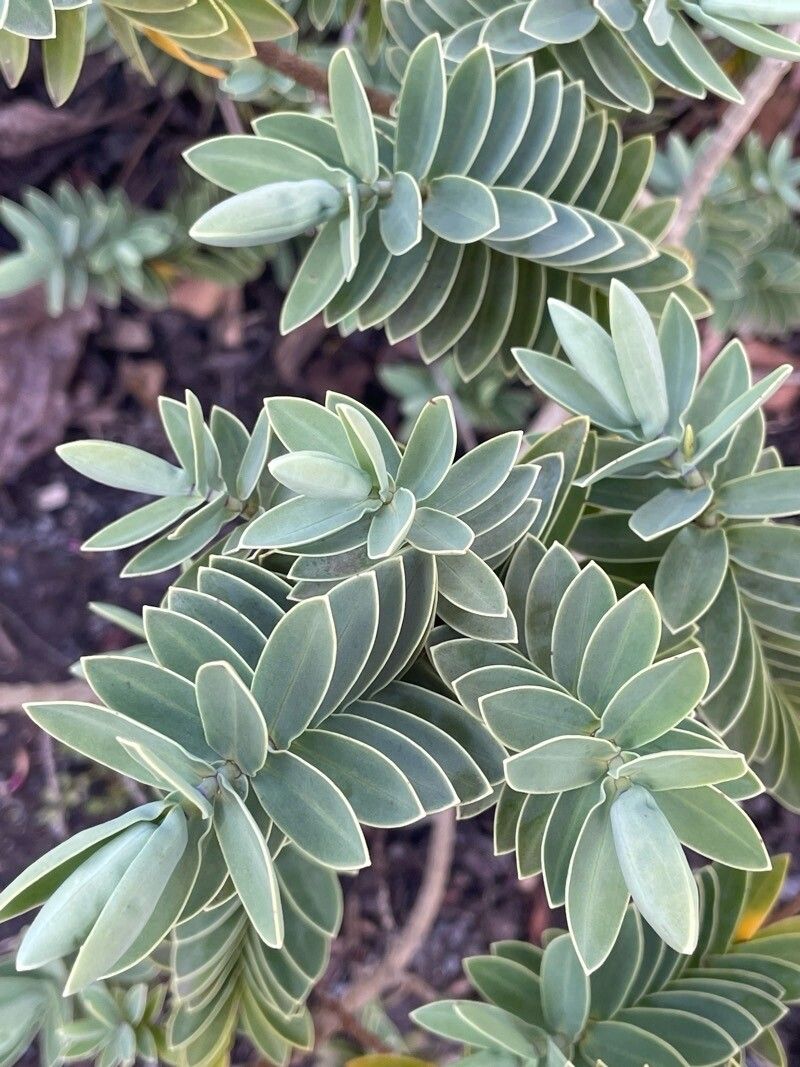
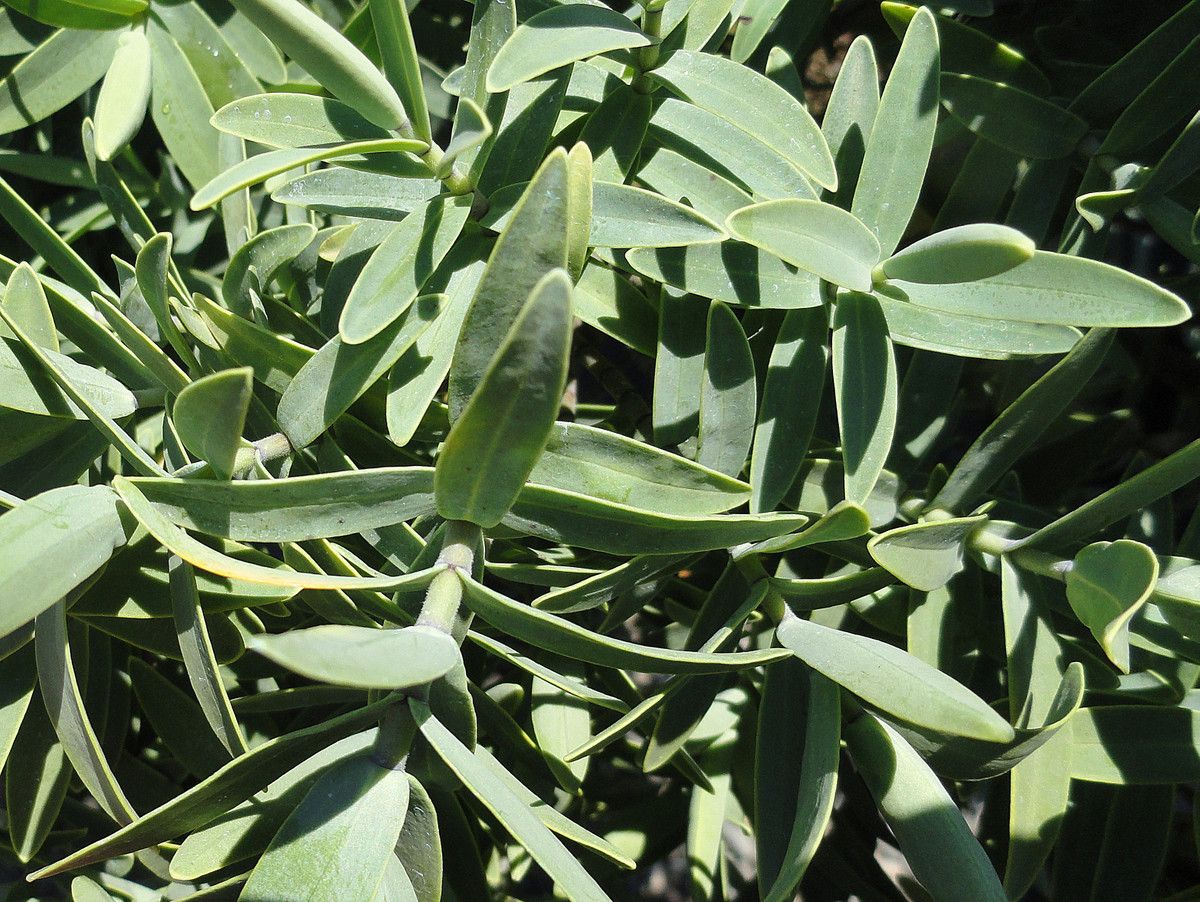
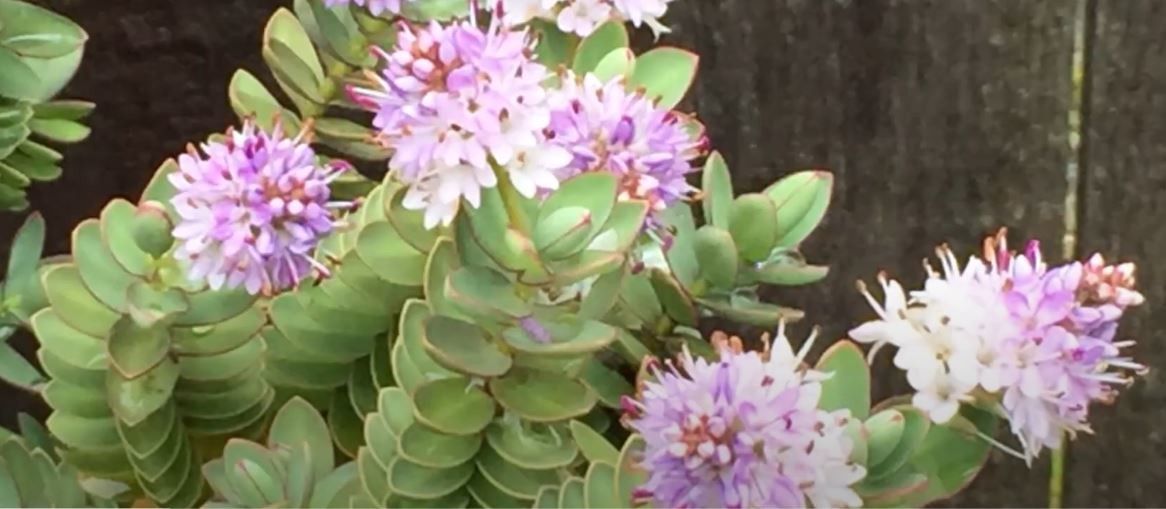
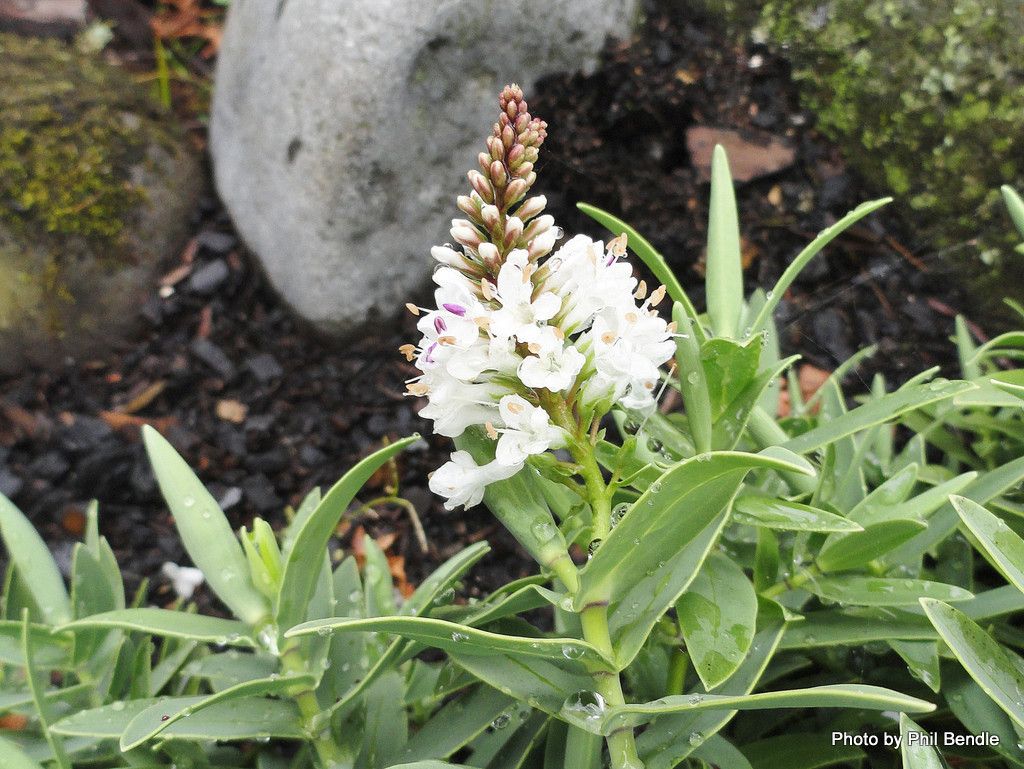
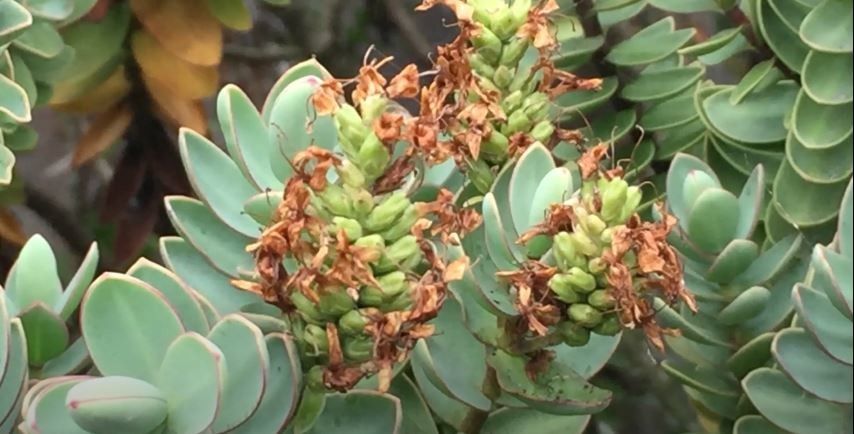
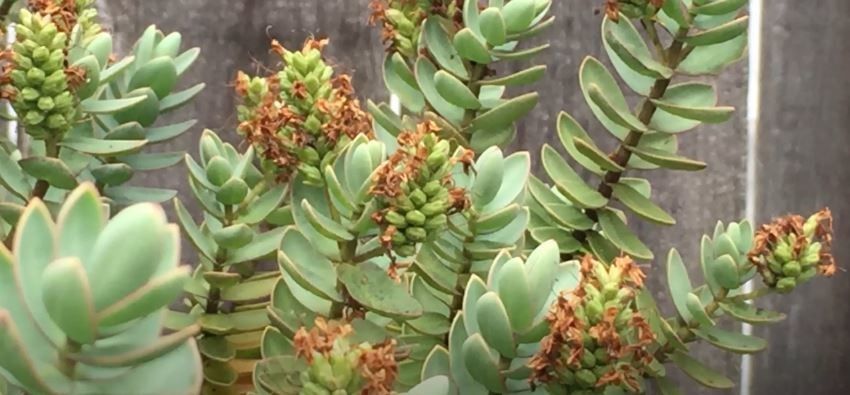
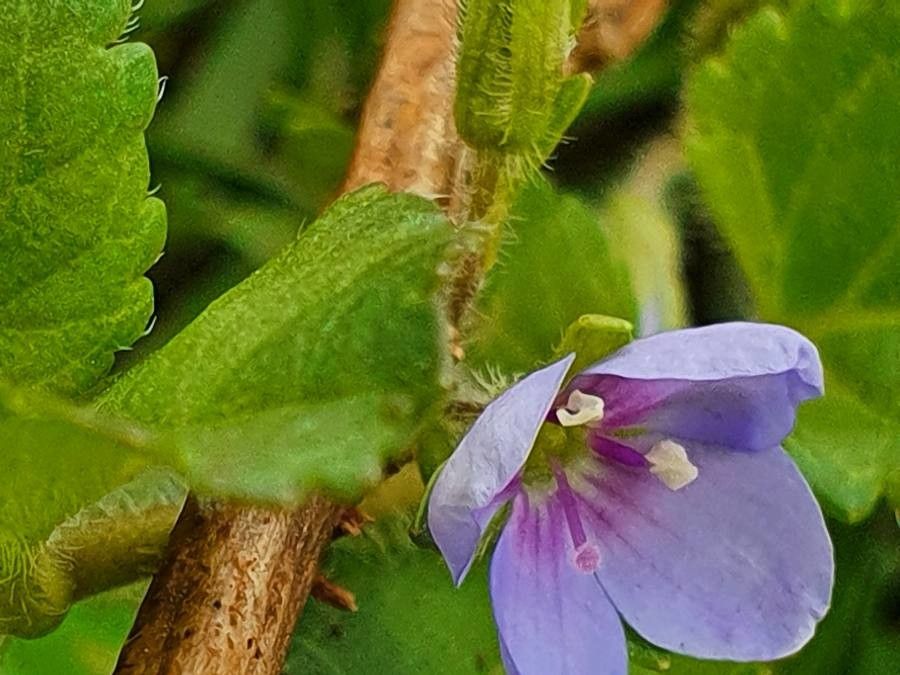
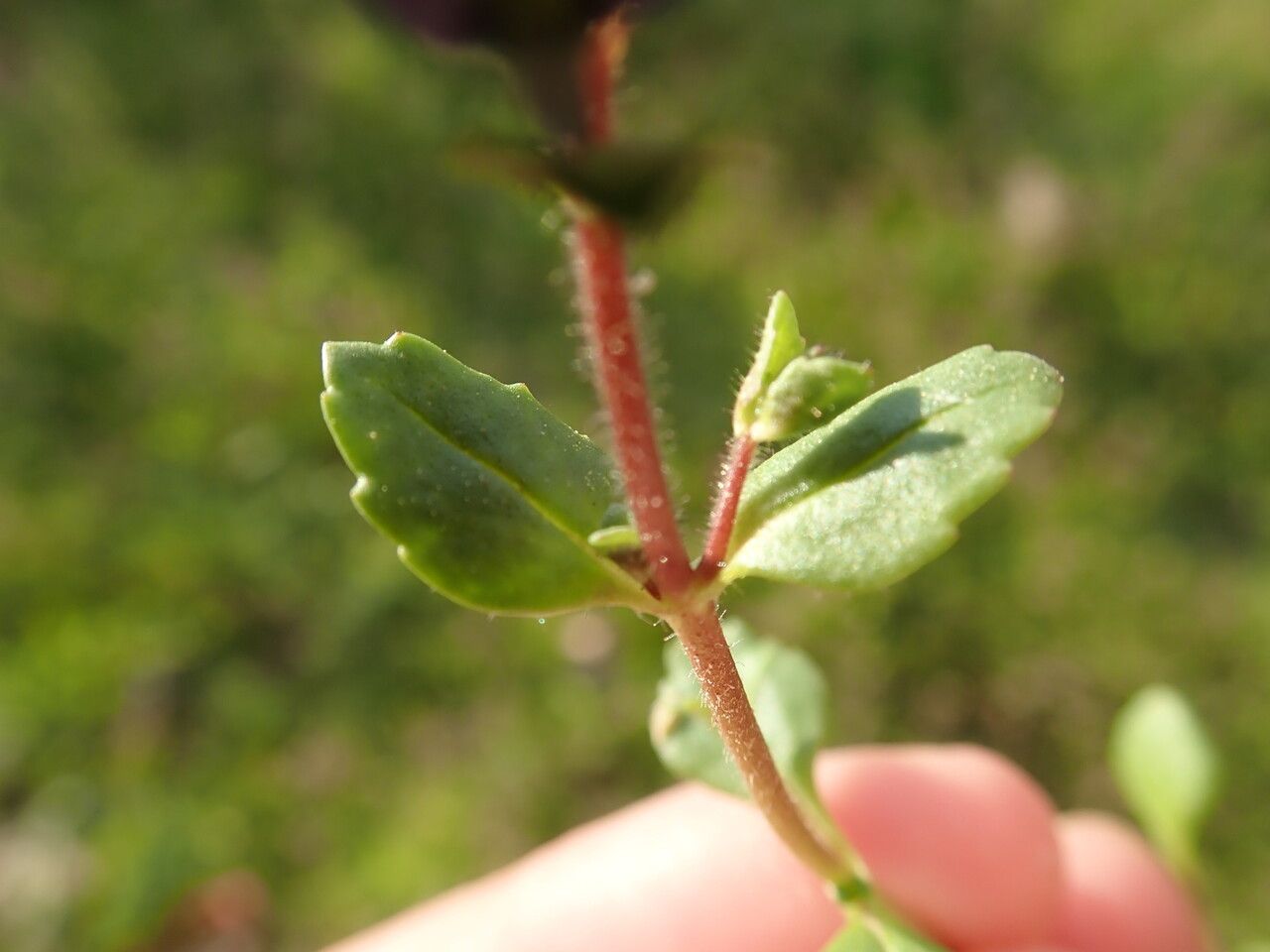
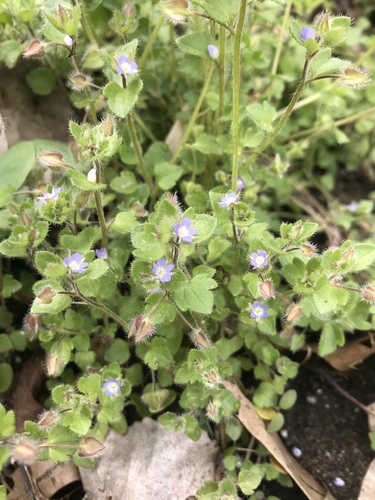
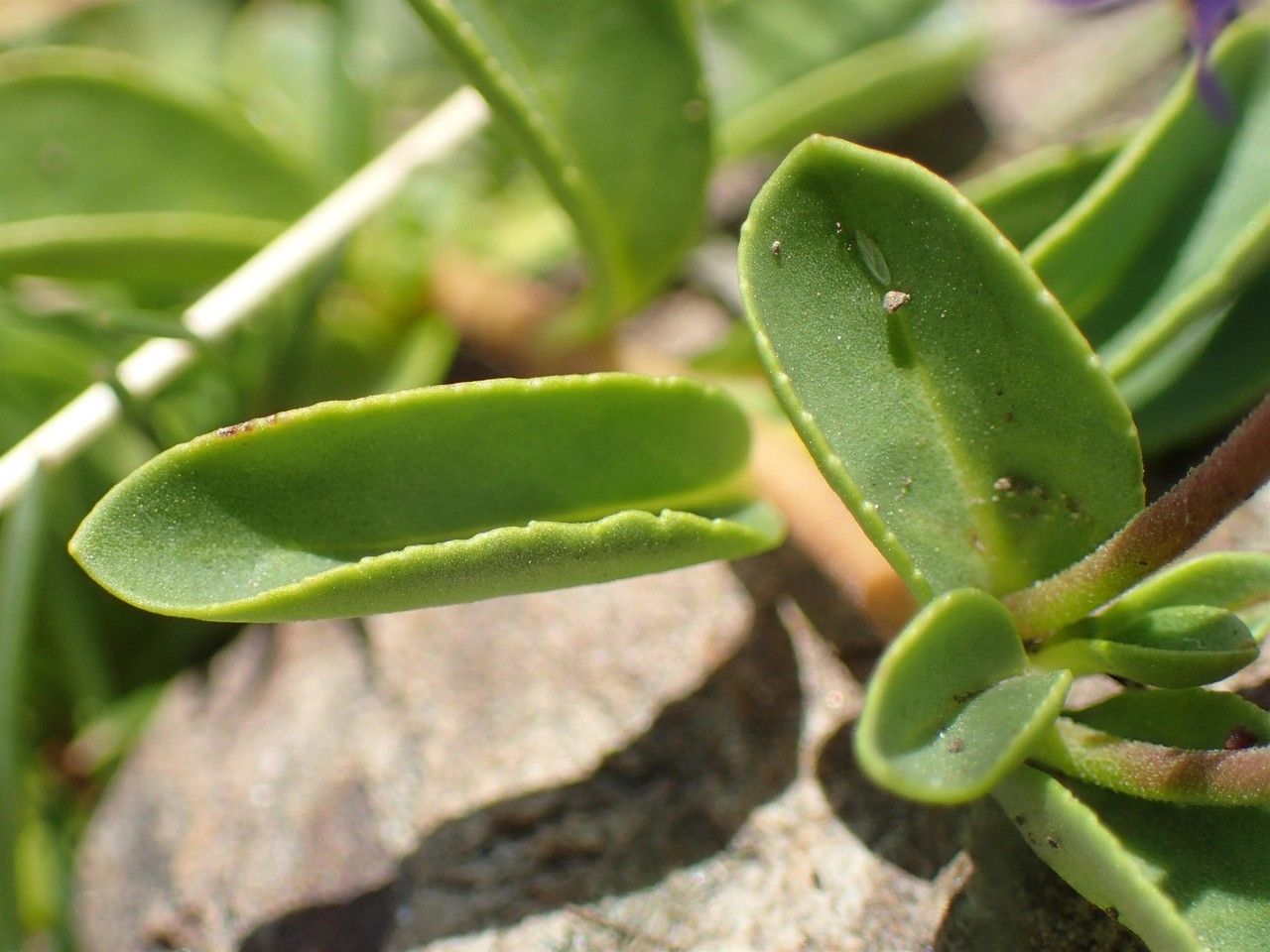
Veronica albicans, synonym Hebe albicans, is a species of flowering plant in the family Plantaginaceae, native to New Zealand.
White hebe has strong disease resistance and is generally not prone to illnesses. However, it can be affected by pests and diseases present in its surroundings. These problems are usually mild. In terms of care, this plant requires moderate maintenance. It should be pruned regularly to maintain a neat appearance and healthy growth. Fertilizing can also help encourage flowering. White hebe is suitable for anyone with outdoor space, such as a garden or patio, and does not require extensive experience in plant care. It may need more attention when grown indoors.
How to keep Veronica Albicans.
Light
White hebe is a sun-loving, herbaceous perennial that comes from open habitats and is commonly found in meadows and grasslands. It prefers full sun but can also tolerate partial sun conditions.
Water
White hebe thrives in environments with moderate humidity and a balanced watering routine. It is drought-tolerant and typically requires watering every 1 to 2 weeks. Being an evergreen plant, it retains its leaves throughout the year, efficiently managing water during dry spells.
Temperature
White hebe can tolerate a wide range of temperatures, but its distribution may still be limited by particular combinations of moisture and heat. It performs best in warm summer conditions with adequate rainfall or watering. Extended periods of cloudy, rainy weather or prolonged high temperatures increase the risk of White hebe dying. In winter, protecting it from cold can improve its chances of survival.
Fertilizer
For White hebe, the primary time to apply fertilizer is in early spring when the flowers are forming. The proper fertilizer promotes better blooms and helps White hebe produce attractive flowers. Fertilizing in early spring ensures strong flowering during the season and supplies energy for its dormant growth phases.
Pruning
The white hebe is a compact, evergreen shrub that produces beautiful white flowers. To maintain its shape and remove dead branches, it's best to prune in early to late spring. Light trimming encourages the plant to grow bushier and produce more flowers, while regular pruning improves air circulation and reduces the risk of disease. Be sure to avoid heavy pruning later in the season, as this can make the plant susceptible to frost damage.
Pot & Repot
To ensure your 'White Hebe' thrives with its distinctive white blossoms and lush foliage, repot it every 2 to 3 years in early spring. Use a slightly larger pot with well-draining soil. Maintain consistent moisture, taking care not to overwater, to support healthy growth.
Botanical profile.
- Plant Type
- Herb
- Life Cycle
- Perennial
- Genus
- Veronica
- Family
- Plantaginaceae
- Hardiness Zone
- 5-9
- Mature Height
- 49 cm
- Mature Spread
- 91 cm
- Leaf Color
- Green, Dark Green
- Leaf Type
- Evergreen
- Flower Size
- 0.51 cm to 0.76 cm
- Bloom Time
- Mid spring, Late spring, Early summer
- Planting Time
- Spring, Summer, Autumn
- Harvest Time
- Summer
- Native Area
- New Zealand