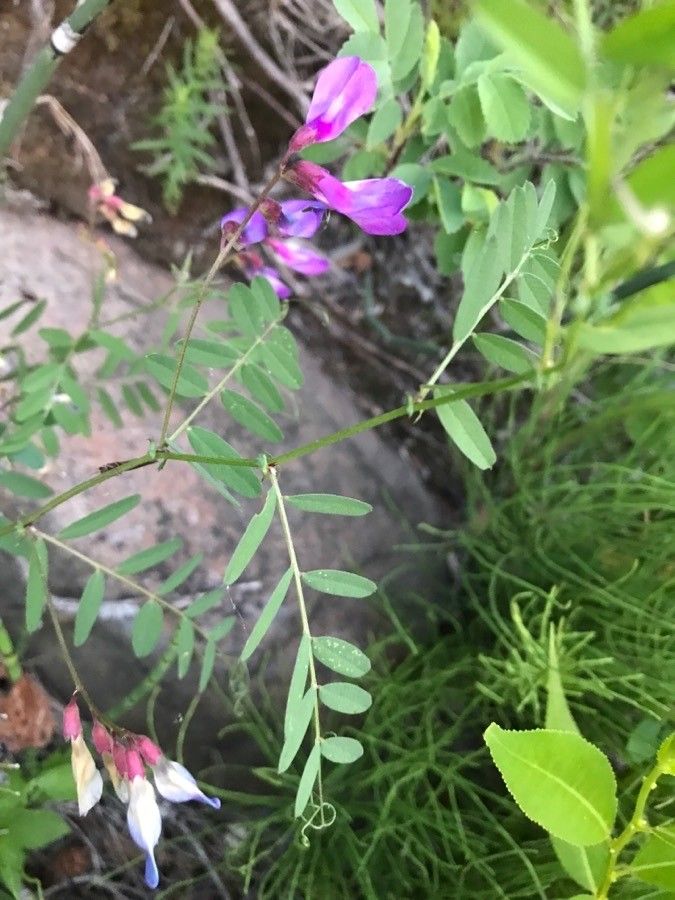
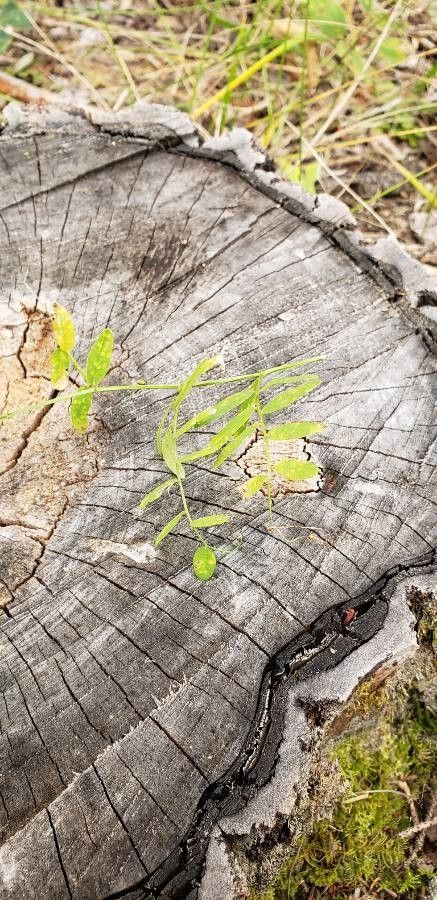
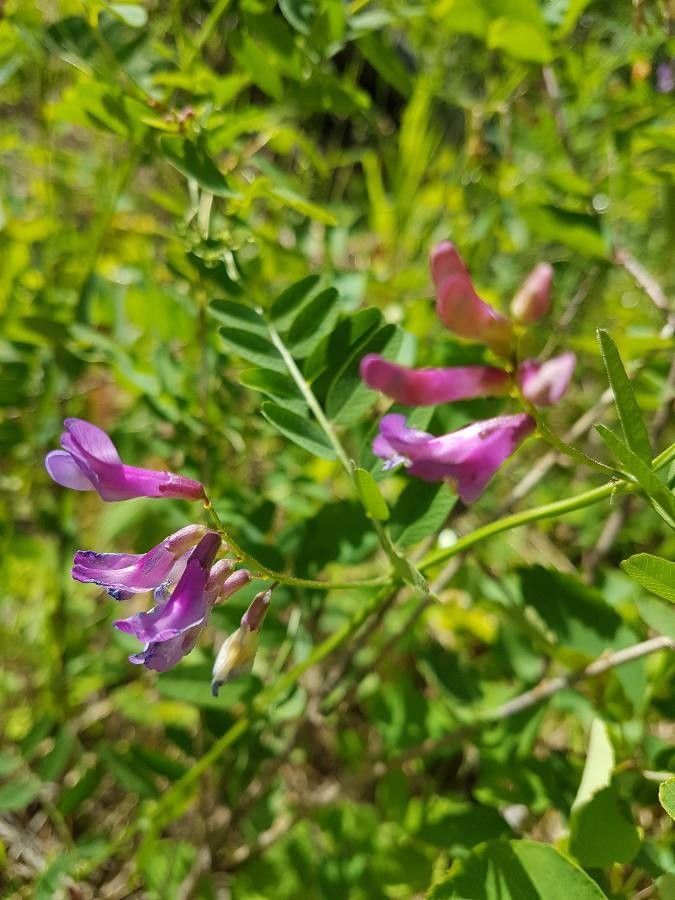
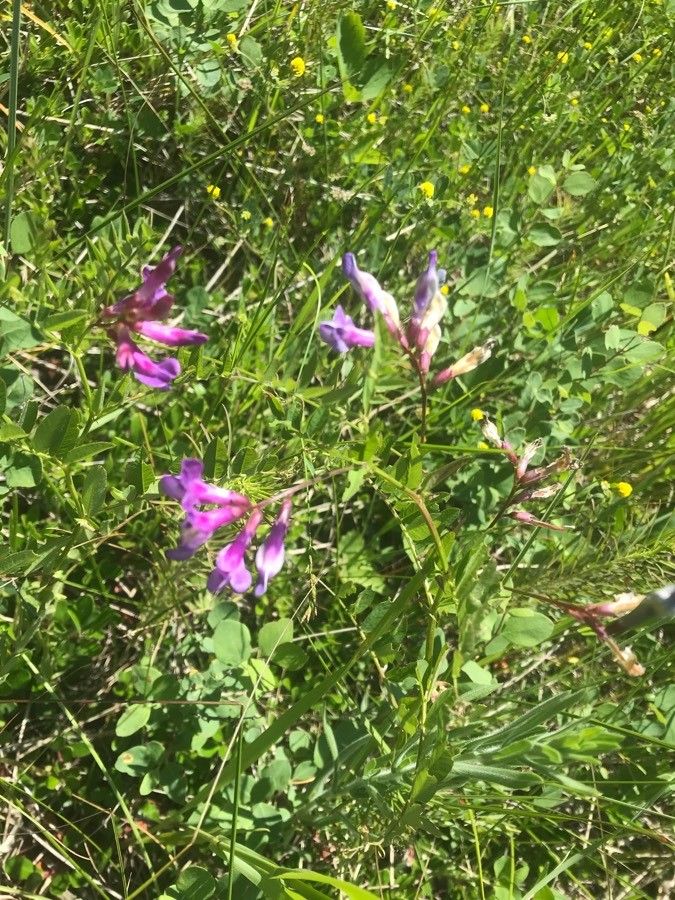
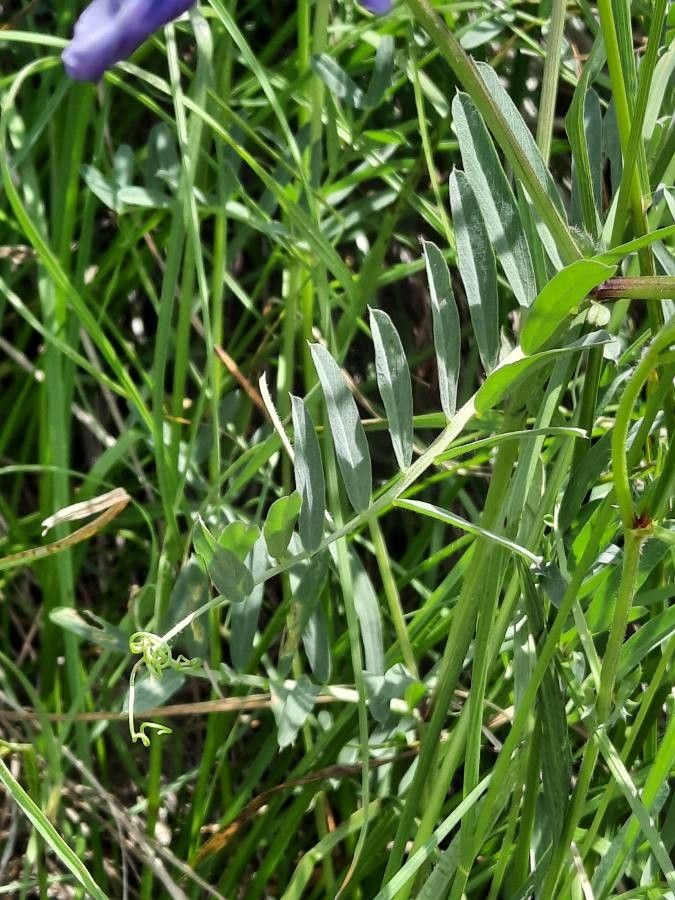
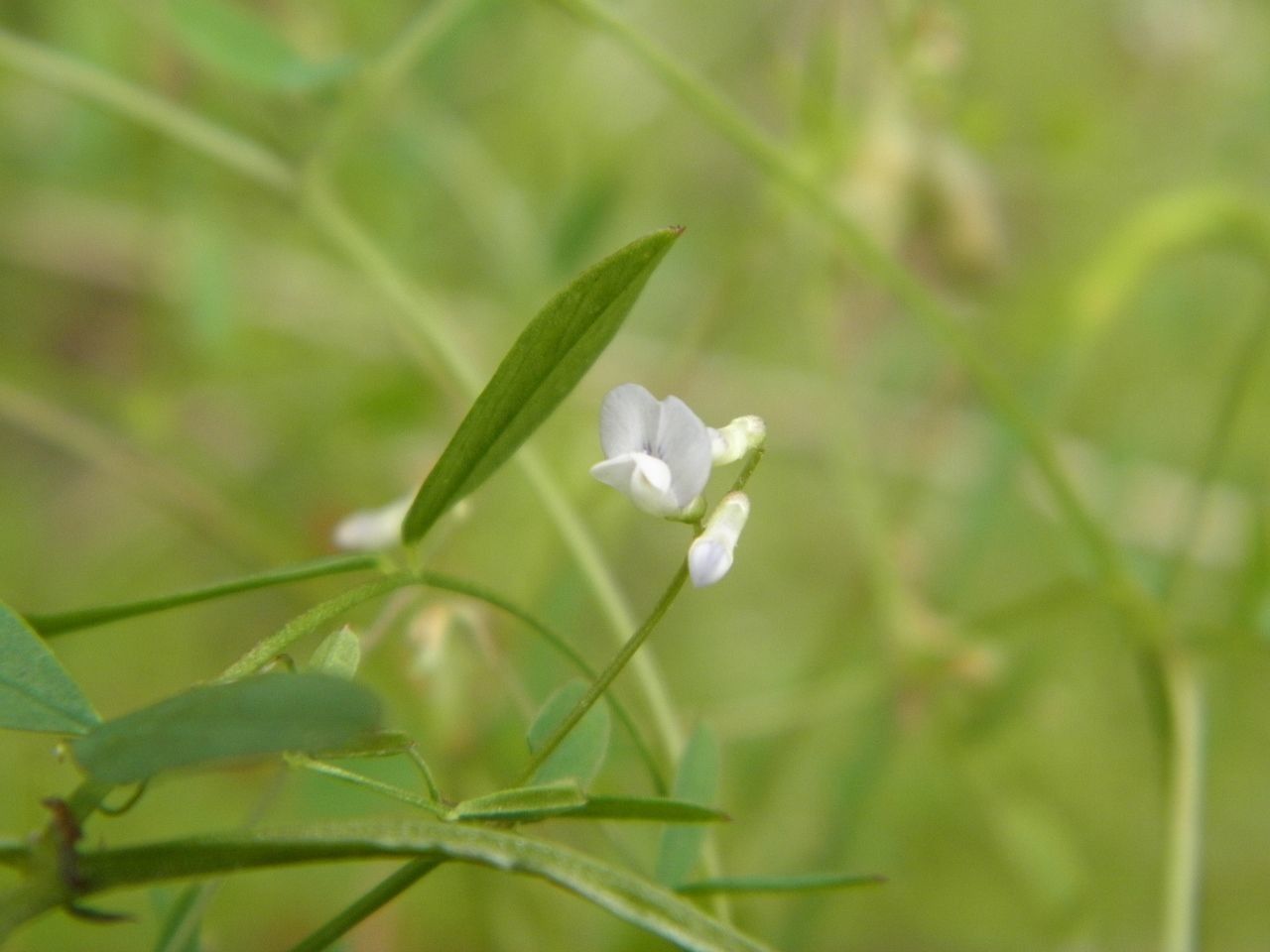
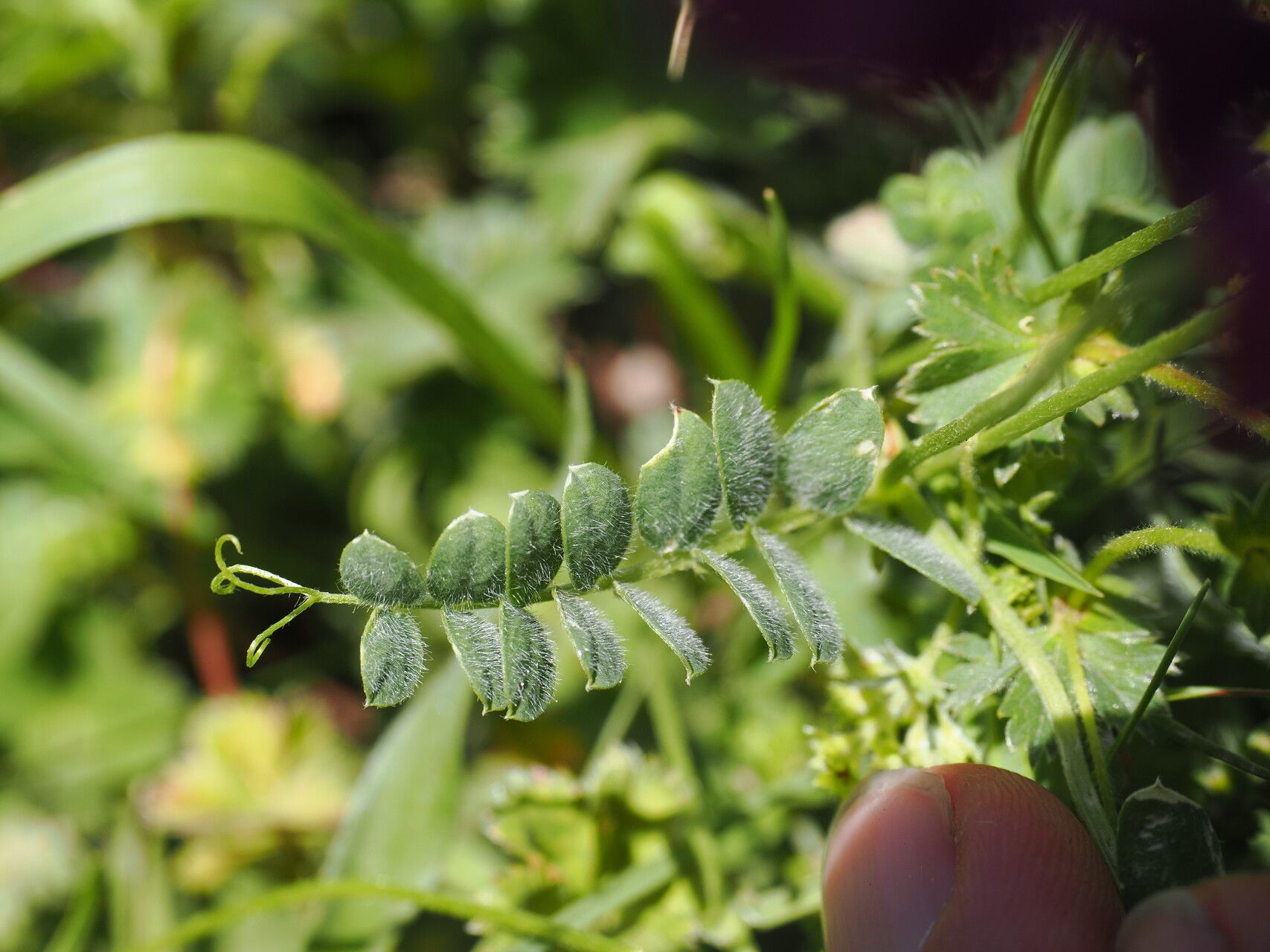
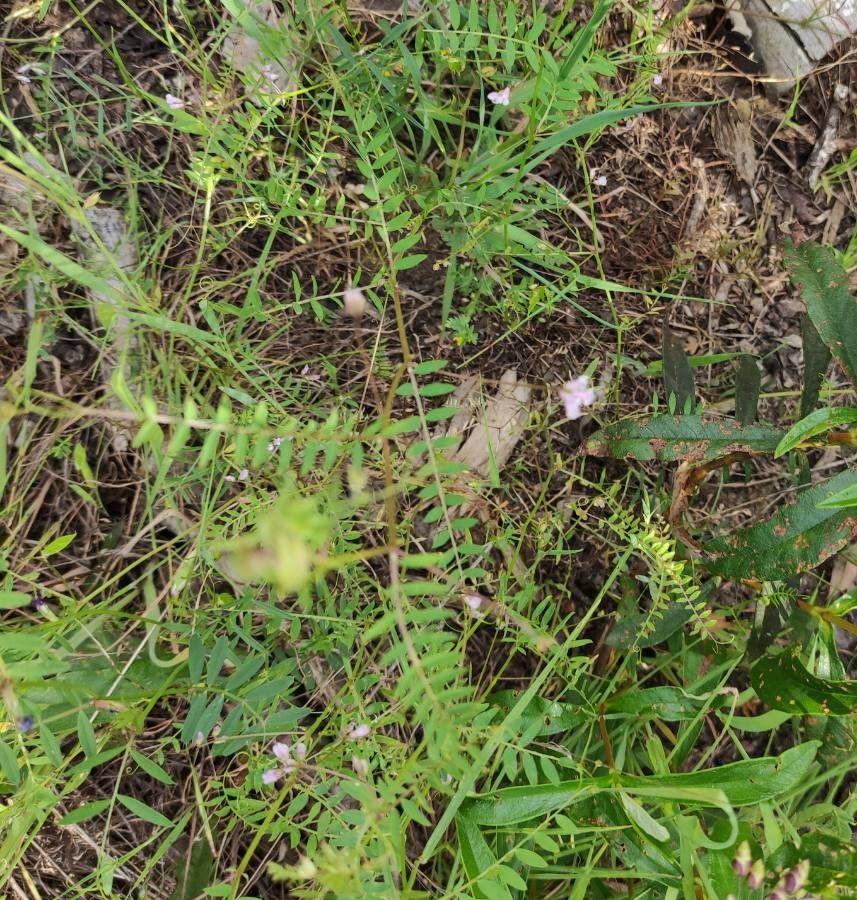
Vicia americana, commonly known as American vetch or purple vetch, is a flowering plant belonging to the Fabaceae family. Native to North America, it thrives in diverse habitats including meadows, prairies, and open woodlands.
Typically reaching up to 1 meter in height, this plant features a slender stem with alternate, pinnately compound leaves. Its purple or pinkish-purple flowers form clusters at the ends of the stems. The fruit of Vicia americana is a pod that contains multiple seeds.
American vetch is crucial for soil conservation due to its deep roots that help prevent erosion by stabilizing the soil. Additionally, it is a vital food source for livestock such as cattle and sheep.
In traditional medicine, Vicia americana has been utilized for its anti-inflammatory properties to treat various ailments, including arthritis and rheumatism.
Overall, Vicia americana is a versatile plant species with important ecological roles in soil conservation. It offers nutritional benefits for livestock and has medicinal properties that have been valued by humans throughout history.
American Vetch has strong disease resistance and is generally not prone to illnesses. Still, it can be affected by pests and diseases present in its environment. Such infections are generally mild. Carewise, this plant needs moderate maintenance. It requires regular pruning to preserve a neat appearance and healthy growth. Fertilizing can also help encourage flowering. American Vetch is appropriate for anyone with an outdoor area, like a garden or patio, and does not demand extensive gardening experience. It may need more care when kept indoors.
How to keep Vicia Americana.
Light
American Vetch grows best when it gets abundant sunlight throughout the day. It can also do well in locations with a moderate amount of sun. A setting similar to its native habitat that provides enough sun strongly supports vigorous growth. Too much shade or very little light can harm its health.
Water
American Vetch thrives in environments with moderate moisture, needing weekly watering to stay healthy. Although it can withstand short periods of dryness, proper drainage is crucial to prevent waterlogging, especially when grown in containers. This versatile plant adapts well to a variety of cultivation methods and can be grown both indoors and outdoors.
Temperature
American Vetch originates from temperate regions and generally grows well in temperatures of 41 to 90°F (5 to 32℃). It favors milder conditions. Monitoring ambient conditions is recommended, since large temperature swings can harm its growth cycle.
Fertilizer
The best time to fertilize an American Vetch is in early spring, as it comes out of dormancy and begins active growth. Fertilization supplies important nutrients for healthy development. Although American Vetch has fairly low fertilizer requirements, applying fertilizer once a year can improve its survival and encourage better, longer-lasting flowers.
Pruning
American Vetch is a perennial vine known for its vibrant purple flowers. To promote its health and maximize flower production, it is important to prune the plant from early to late spring. Begin by removing any dead stems and thinning out older growth. This consistent pruning helps improve air circulation and reduces the risk of disease. For best results, consult reliable sources to learn the proper pruning techniques.
Botanical profile.
- Plant Type
- Herb
- Life Cycle
- Perennial
- Genus
- Vicia
- Family
- Fabaceae
- Hardiness Zone
- 4-7
- Mature Height
- 30 cm to 91 cm
- Mature Spread
- 91 cm to 91 cm
- Leaf Color
- Green, Blue
- Leaf Type
- Semi-evergreen
- Flower Color
- Purple, Violet
- Flower Size
- 1.02 cm to 2.03 cm
- Bloom Time
- Late spring, Early summer, Mid summer
- Planting Time
- Spring
- Harvest Time
- Mid summer
Other names.
Reader questions.
How should I water my American Vetch plant?
When watering the American Vetch, it is best to use filtered water at room temperature. Tap water may have harmful particles that can affect the plant's health. The reason for using room temperature water is that the American Vetch is accustomed to warm environments and cold water can be a shock to its system. It is also important to avoid overhead watering as it can cause problems with the foliage. Instead, it is recommended to slowly apply filtered room temperature water to the soil until it is completely soaked. This method benefits the plant by providing moisture to the roots and enabling them to spread and absorb nutrients from the soil.
What are the sunlight requirements for American Vetch (Vicia americana)?
American Vetch requires ample sunlight throughout the day to thrive, with a preference for full sun conditions, which means above 6 hours of sunlight daily. It can also grow under partial sun, about 3-6 hours of sunlight. Observing how sunlight moves through your garden is crucial for pinpointing spots that offer the ideal mix of light and shade, facilitating the best growth conditions for your plants.
What is the native climate for American Vetch?
American Vetch, or Vicia americana, is native to temperate climates and thrives best in temperatures ranging from 41°F to 90°F (5°C to 32°C). It prefers moderate temperatures, and it's advisable to monitor the ambient conditions to ensure extreme temperature changes do not negatively impact its growth cycle.
What should I do if I give my American Vetch plant too much water or too little water?
Both overwatering and underwatering can harm the health of your American Vetch, but overwatering is more common. When there is too much water, the stems and leaves may wilt and turn yellow. Overwatering for a long time can also cause root rot, mold, and mildew, which can kill the plant. Underwatering is less likely for the American Vetch, as it can tolerate drought well. However, it is still possible, and in that case, the leaves will become brittle and brown. It is important to identify signs of overwatering early when caring for your American Vetch. Some conditions caused by overwatering, like root rot, cannot be reversed if not addressed promptly. If you see early signs of overwatering, reduce watering immediately. You should also check the soil quality and replace it with a loose, well-draining potting mix if it drains poorly. On the other hand, if your American Vetch shows signs of too little water, simply water it regularly until the signs go away.
How does artificial lighting support the growth of American Vetch indoors?
Indoor plants like American Vetch benefit significantly from adequate lighting, especially when natural sunlight is scarce, like in winter or less sunny spaces. Artificial lights, particularly LED lights that can be customized for specific wavelengths, are vital. For optimal growth, full sun plants require 30-50W/sq ft of artificial light, partial sun plants need 20-30W/sq ft, and full shade plants should have 10-20W/sq ft. The artificial light source should be placed 12-36 inches above the plant to simulate natural sunlight and kept on for 8-12 hours per day to mimic natural daylight hours.
Is American Vetch cold-tolerant?
Yes, American Vetch is highly cold-tolerant and does not require additional frost protection measures during the winter. However, to help the plant through winter and early spring, it is recommended to water it generously before the first freeze in autumn. This ensures the soil remains moist and enters a frozen state, which helps prevent drought and water scarcity.
How frequently should I give water to my American Vetch plant?
If your American Vetch plant is in a pot, you can easily check if it needs water by sticking your finger into the soil. If the top two to three inches of soil feels dry, it's time to water it. If you have your American Vetch planted in the ground outside, you can use the same method to test the soil. When the first few inches of soil are dry, it's time to water. Usually, during the spring and early fall, you'll need to water about once a week using this method. However, during extremely hot weather, you may need to water it twice or more per week. It's worth noting that mature, well-established American Vetch can withstand drought quite well.
What symptoms indicate insufficient sunlight for American Vetch?
Symptoms of insufficient sunlight in American Vetch include smaller new leaves compared to older ones, leggy or sparse growth, faster leaf drop, delayed or stopped growth, and lighter-colored or pale new leaves. Conditions like chlorosis, where leaves turn yellow due to the breakdown of chlorophyll, sunscald with pale or necrotic patches on leaves, leaf curling as a defense against excessive sun, wilting from water loss, and leaf scorching with brown edges are also symptoms to watch out for.
What should be done if the winter temperature drops below -30°C?
If the winter temperature drops below -30°C, American Vetch may not show noticeable changes during the winter, but there may be a decrease in sprouting or even no sprouting in the spring. In such cases, it is recommended to remove any parts of the plant that have failed to sprout in the spring.
How much water does my American Vetch plant need?
When watering your American Vetch, don't be afraid to give it a generous amount of water. Make sure the top two to three inches of soil are dry before watering. It's best to water the plant thoroughly, ensuring that all of the soil is soaked. You should add enough water so that it flows out of the drainage holes at the bottom of the pot. If you don't see excess water draining, it means you haven't watered enough. However, be careful not to let water accumulate in the soil, as this can be harmful to the plant. Additionally, if water isn't draining well through the pot, it may indicate that the soil doesn't drain properly, which can negatively affect the plant's health. If the plant is outdoors, it generally requires about 1 inch of rain per week.
What solutions can help American Vetch get sufficient sunlight?
To ensure American Vetch receives enough sunlight, gradually move it to a location with at least 6 hours of direct sunlight daily, especially if it's large or stationary. Using a south-facing window and keeping curtains open during the day maximizes sunlight exposure. Outdoors, gradually transition plants to sunnier spots to prevent sunburn. If sunlight is obstructed, consider pruning if trees are the cause or transplanting smaller plants to sunnier locations with good drainage during their dormant period in late winter or early spring.
How does American Vetch react to high temperatures?
American Vetch does not tolerate high temperatures well. When the temperature exceeds 32°C, its growth will stop, and it becomes more susceptible to rot. To protect the plant, you should trim away the sunburned and dried-up parts and move the plant to a shaded location or use a shade cloth to protect it from the midday and afternoon sun. Additionally, watering the plant in the morning and evening will help keep the soil moist and aid in its survival during high temperatures.