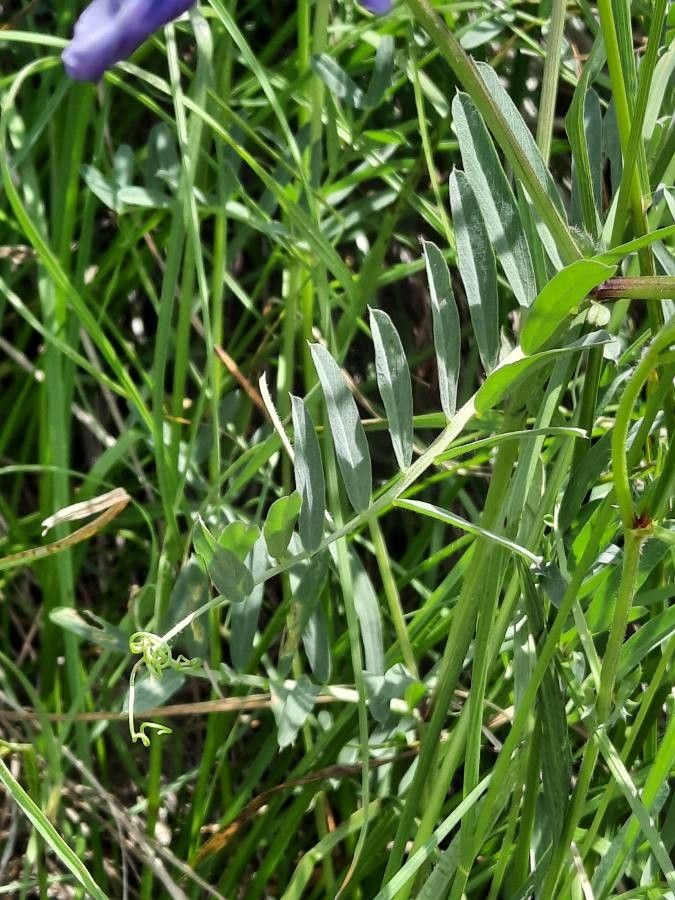
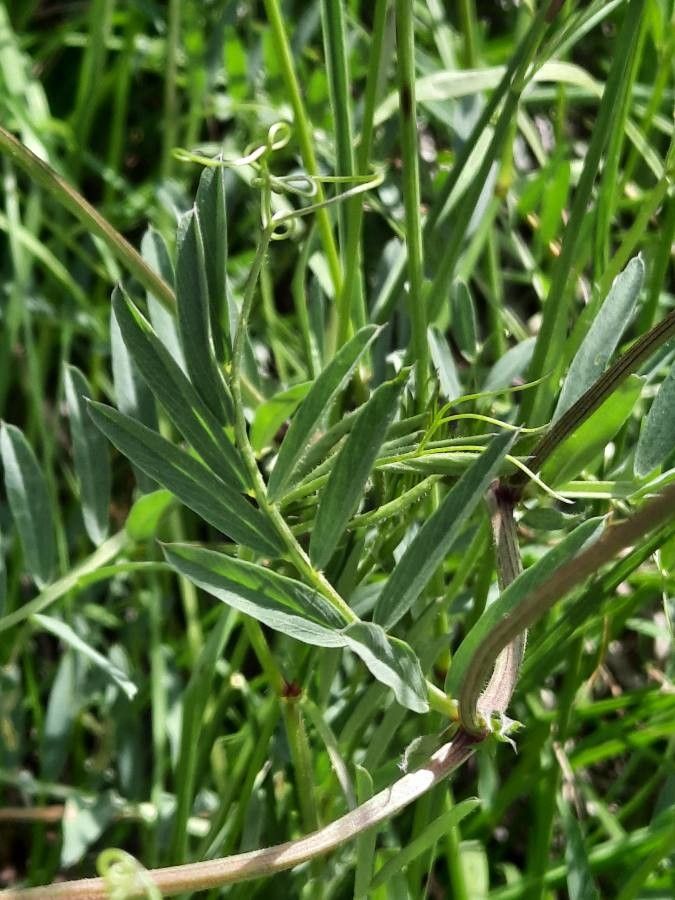
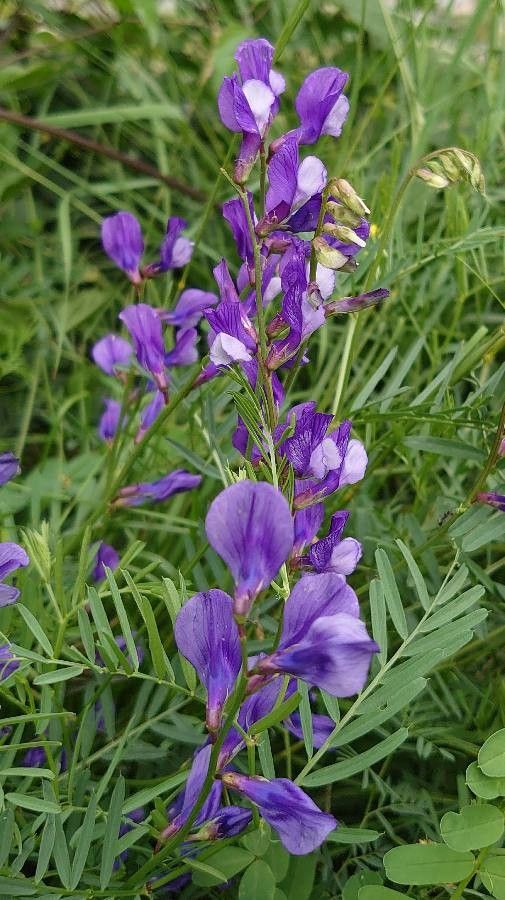
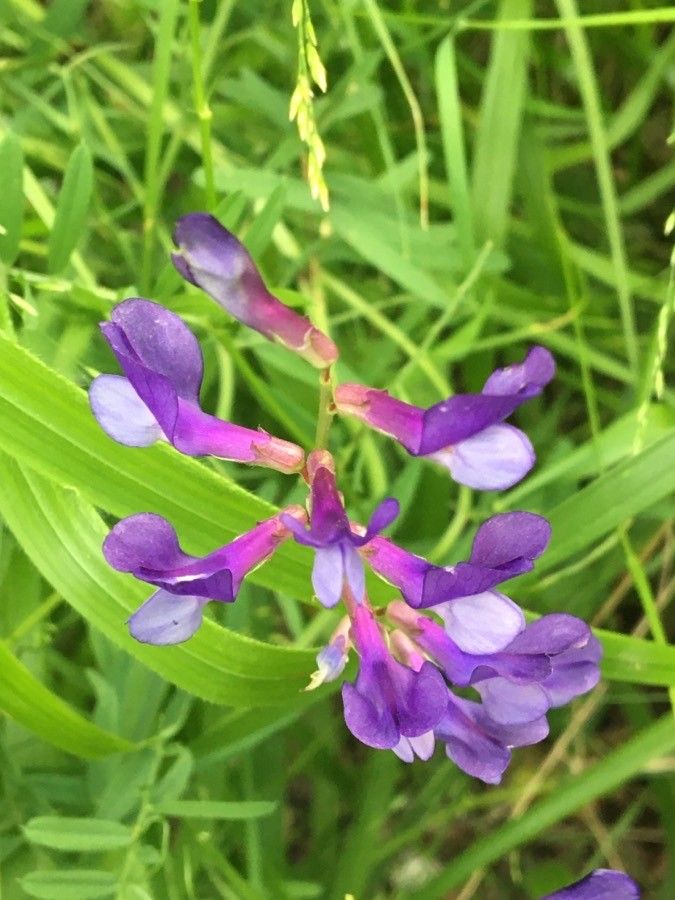
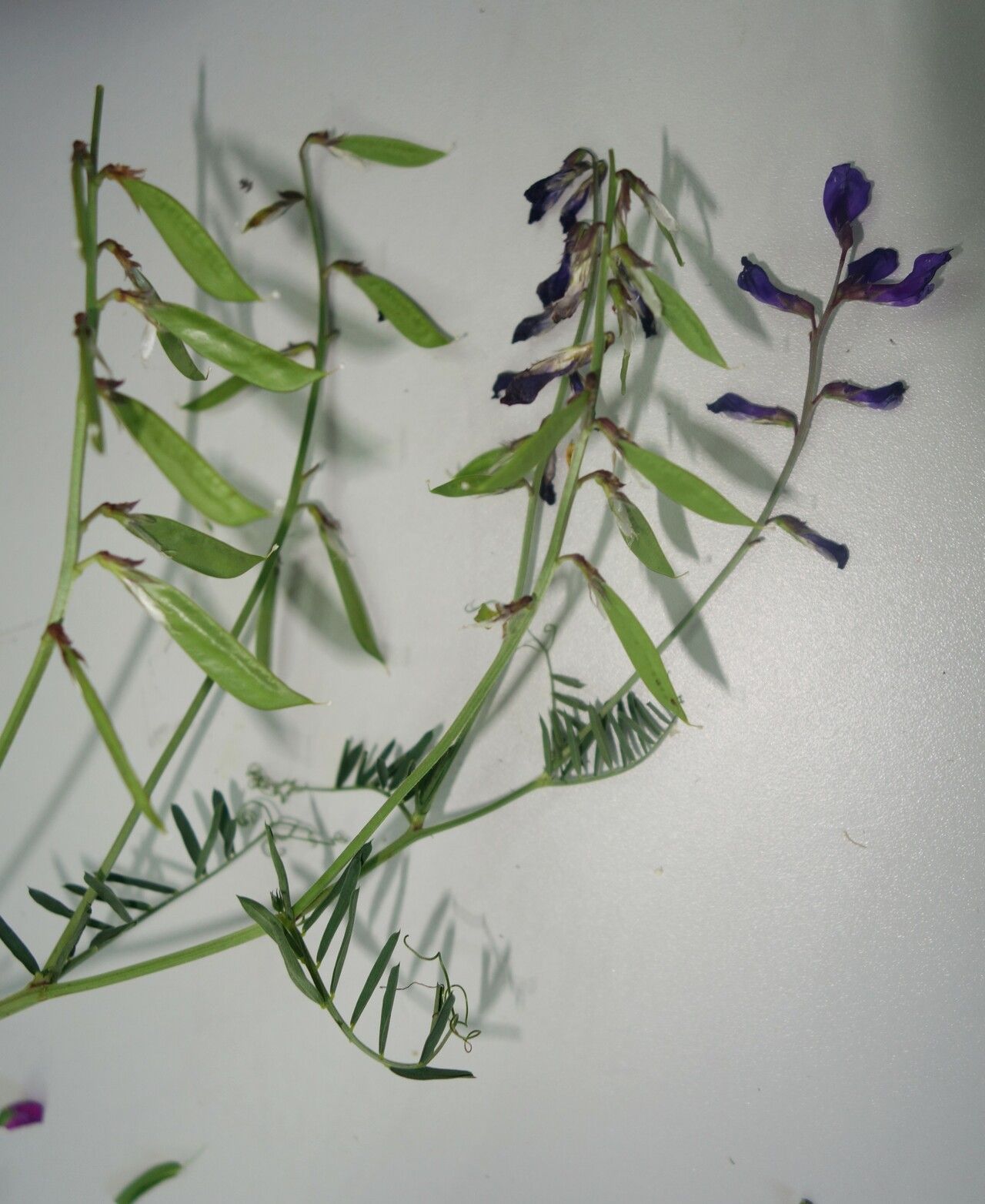
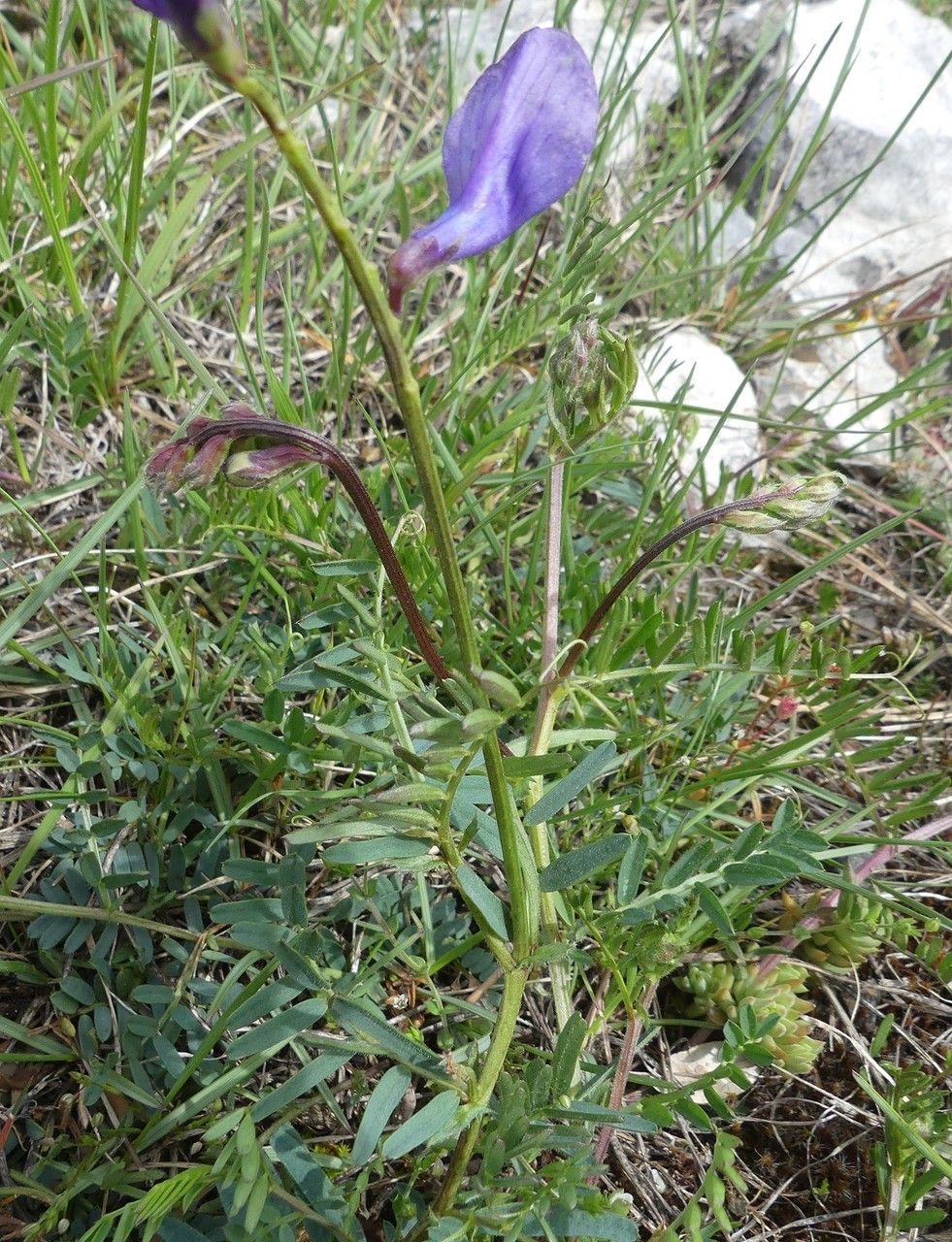
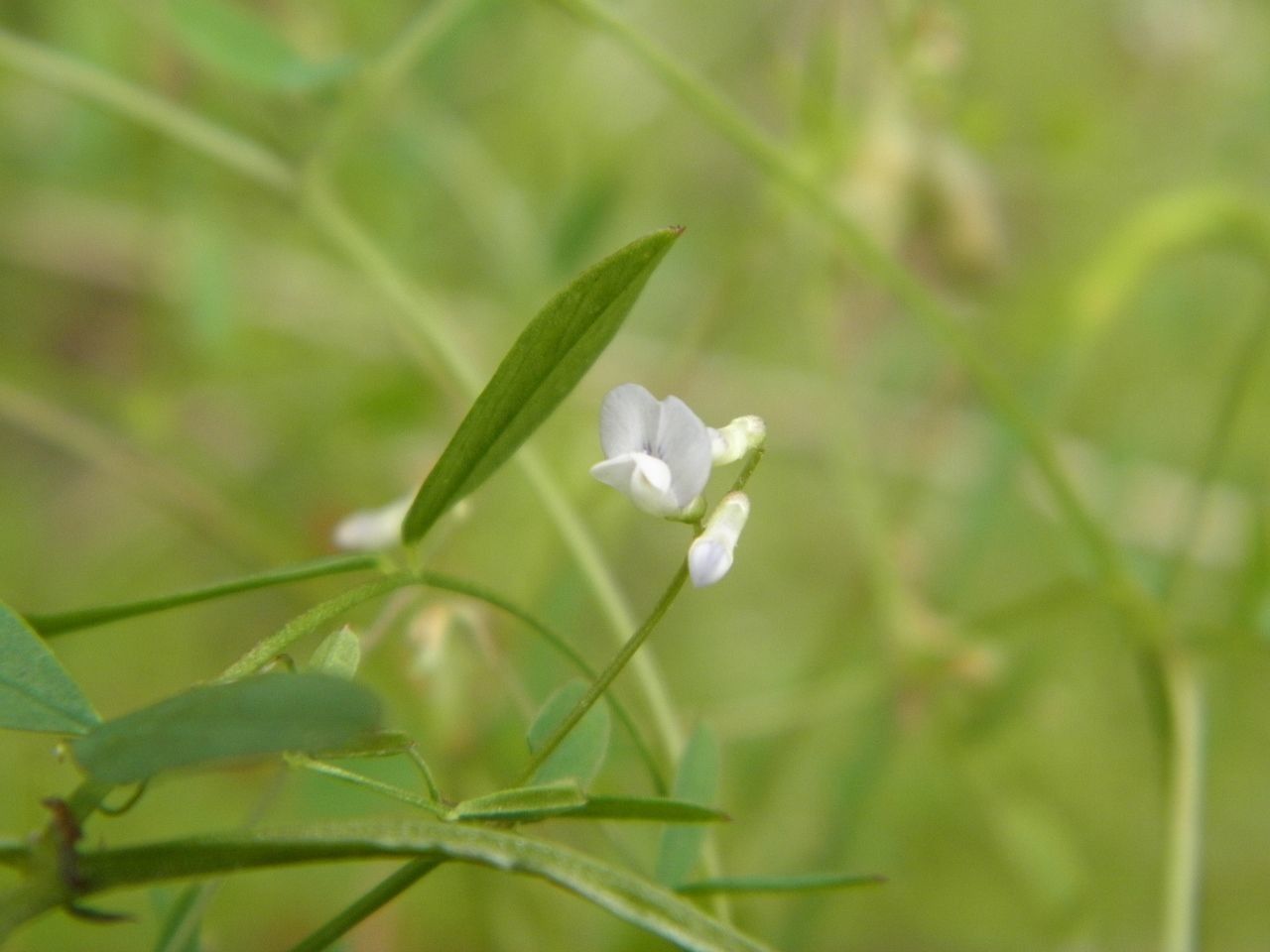
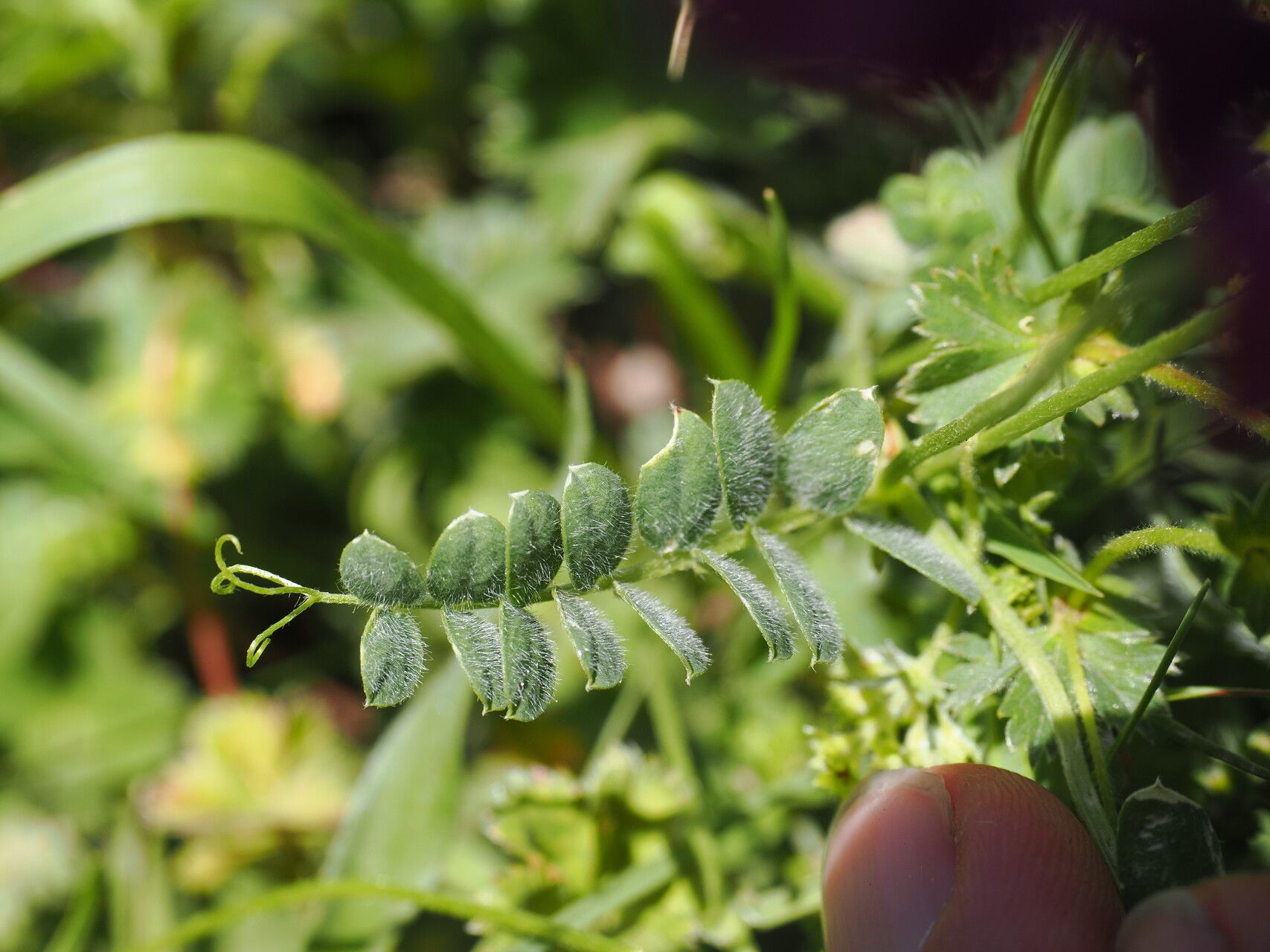
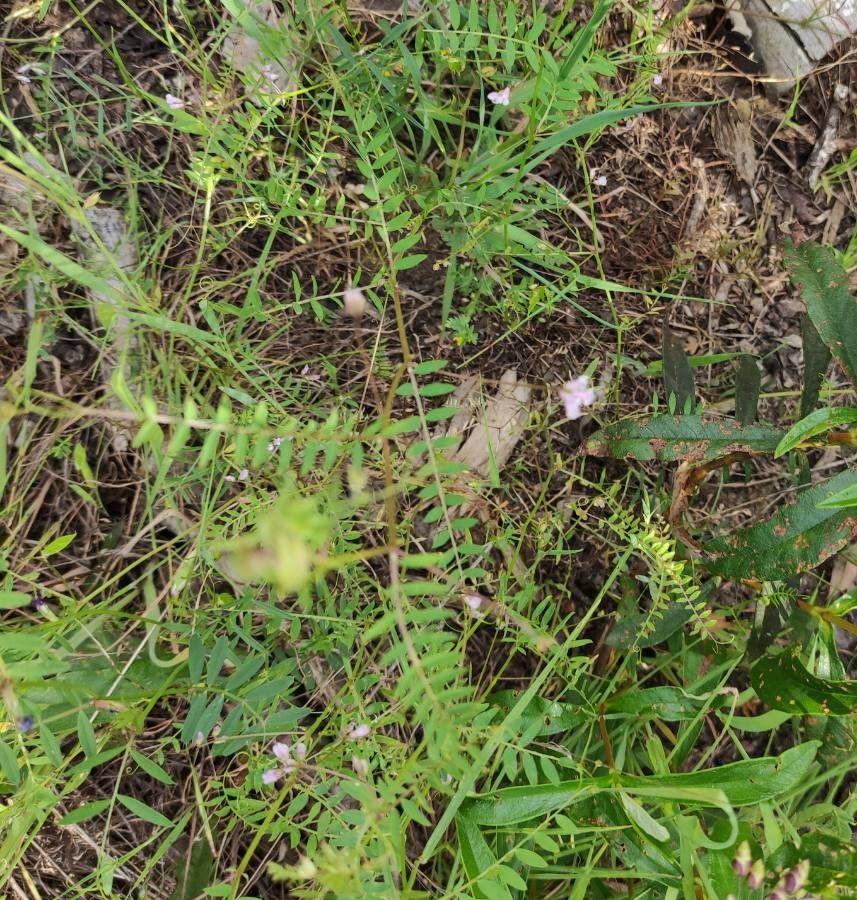
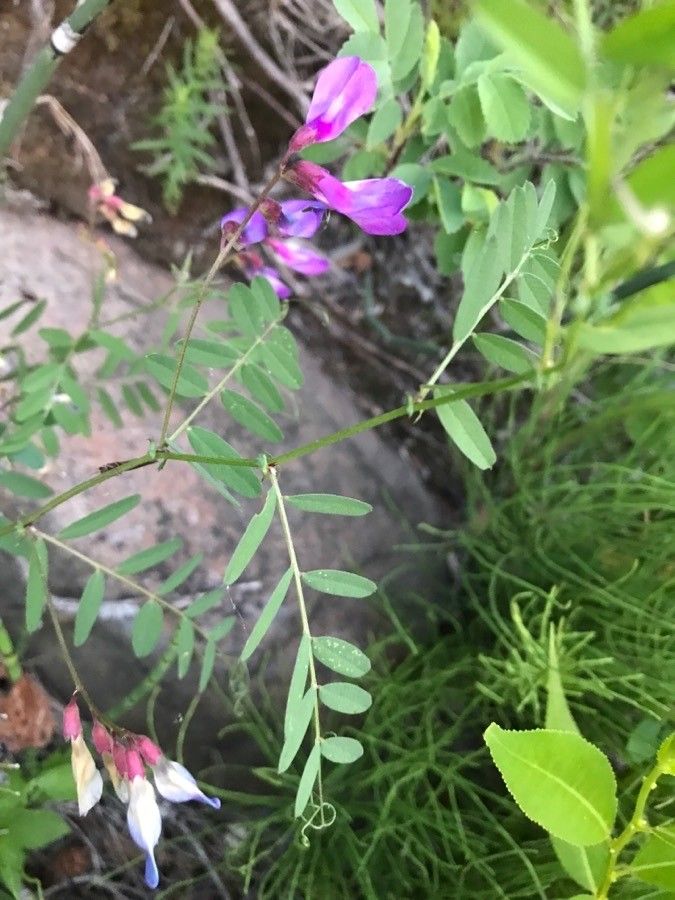
Vicia onobrychioides, commonly known as the Saffoin vetch, is a species of flowering plant in the family Fabaceae. The species is native to southern Europe and northwestern Africa. The species has also been introduced in the Czech Republic, Slovakia, the Baltic States and the Kaliningrad Oblast.
Sainfoin vetch has good resistance to diseases and is generally not prone to them. However, it can be vulnerable to pests and diseases present in its environment. These infections are typically mild. As for care, the plant requires moderate maintenance. It should be pruned regularly to preserve an attractive appearance and support healthy growth. Applying fertilizer can also help encourage flowering. Sainfoin vetch is suitable for anyone with outdoor space, such as a garden or patio, and does not demand extensive care experience. It may need increased attention when grown indoors.
How to keep Vicia Onobrychioides.
Light
Sainfoin vetch is a perennial herbaceous plant that prefers sunny sites and comes from open habitats, commonly found in meadows and grasslands. It favors full sun but can also tolerate partial sun.
Water
Sainfoin vetch, which originates from moderate climates, thrives with consistent moisture and benefits from regular weekly watering. This approach balances its drought resistance with its hydration needs. When grown outdoors, its growth cycle aligns with seasonal rainfall patterns, allowing the plant to maximize water uptake during crucial growth phases.
Humidity
This plant needs special care because it loves high humidity levels of 60-80% or more. The best way to achieve this is by placing a humidifier near the plant. Daily misting is also essential! Make sure the room has good ventilation.
Temperature
Sainfoin vetch can tolerate a wide range of temperature conditions, but its distribution may still be restricted by different combinations of moisture and heat. It grows best in warm summer conditions with sufficient rainfall or irrigation. Long stretches of cloudy, rainy weather or extended high temperatures increase the chance of Sainfoin vetch dying. In winter, adequate protection from cold can improve the plant's survival.
Fertilizer
The best time to fertilize Sainfoin vetch is in early spring, as it comes out of dormancy and begins active growth. Fertilizing supplies essential nutrients needed for healthy development. Although Sainfoin vetch has relatively low fertilizer requirements, applying fertilizer annually can improve its survival and encourage better, longer-lasting flowers.
Pruning
Sainfoin vetch is known for its sprawling growth and vibrant flowers. To promote healthy growth, prune it in early spring by removing dead stems and thinning crowded areas to improve air circulation. This will enhance light penetration and increase vigor, resulting in more robust blooming. For detailed pruning techniques, refer to horticultural sources.
Botanical profile.
- Plant Type
- Herb
- Life Cycle
- Perennial
- Hardiness Zone
- 5-9
- Mature Height
- 61 cm
- Mature Spread
- 20 cm to 40 cm
- Leaf Color
- Green, Dark Green
- Leaf Type
- Deciduous
- Flower Color
- Purple, Blue
- Flower Size
- 1.78 cm to 2.29 cm
- Bloom Time
- Late spring, Early summer
- Planting Time
- Spring
- Harvest Time
- Mid summer, Late summer
- Native Area
- Tunisia, Morocco, Italy, Portugal, Spain, Switzerland, France, Montenegro, Bulgaria, Albania, Algeria, Greece, Croatia, Slovenia, Serbia
Other names.
Reader questions.
What are the sunlight requirements for Sainfoin vetch?
Sainfoin vetch (Vicia onobrychioides) thrives under different sunlight conditions depending on the specific needs of the plant. For full sun exposure, it requires more than 6 hours of direct sunlight daily. Alternatively, for partial sun, about 3-6 hours of sunlight per day is adequate. It's important to observe the movement of sunlight in your garden carefully to pick spots that offer a balanced environment of light and shade, ensuring the plant's well-being and happiness.
What is Sainfoin vetch?
Sainfoin vetch, known botanically as Vicia onobrychioides, is a species of plant. Details specific to its characteristics, uses, or cultivation practices were not provided. For comprehensive information, it would be beneficial to consult authoritative sources related to botany or agriculture.