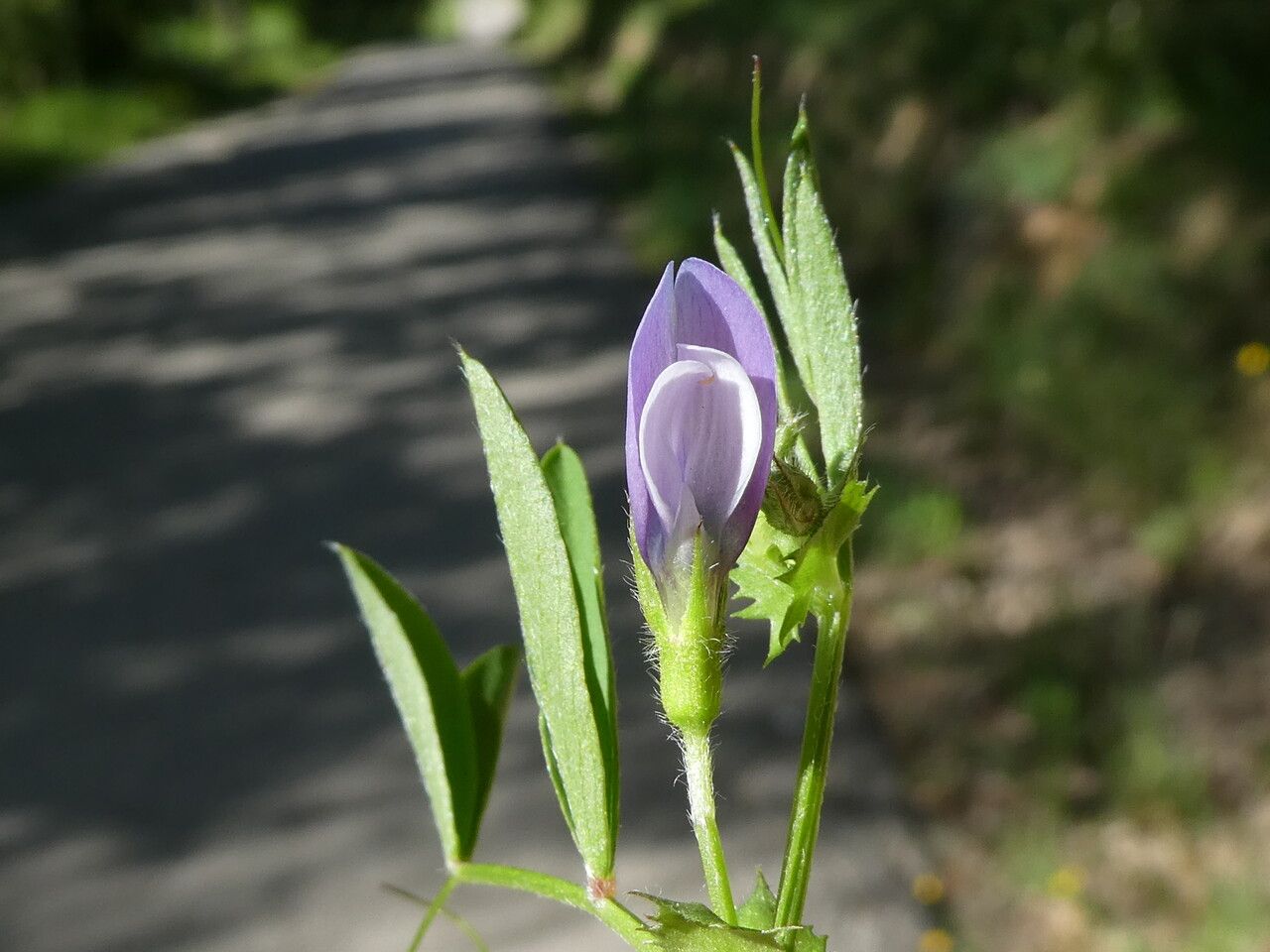
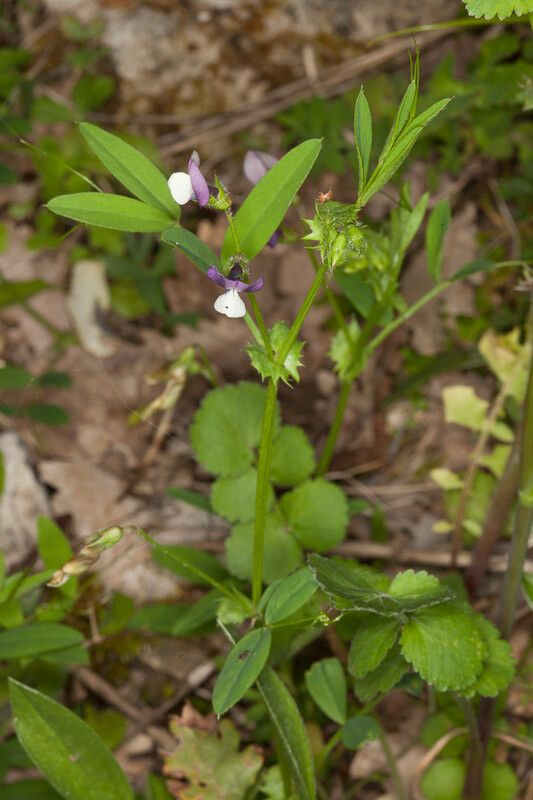
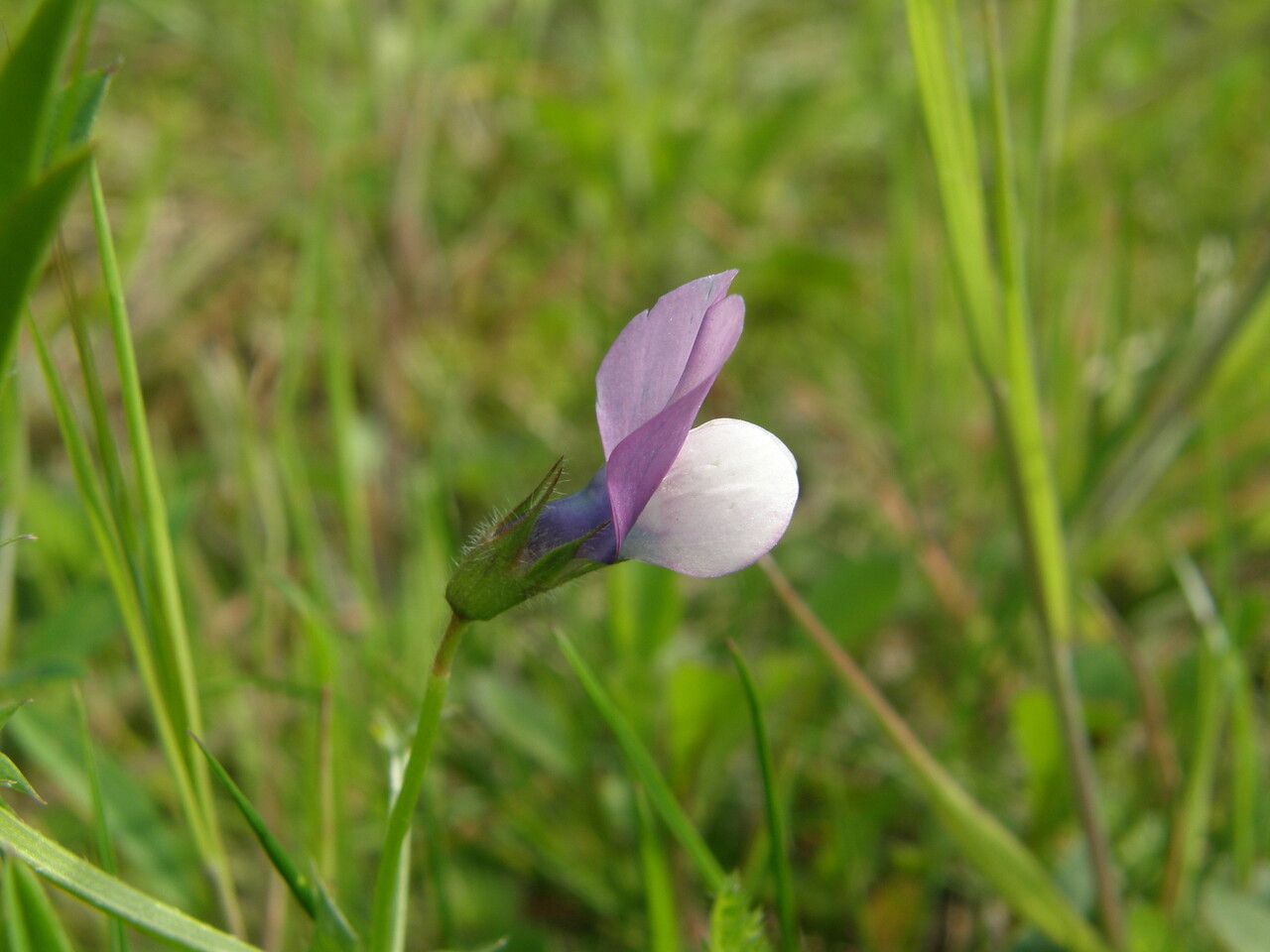
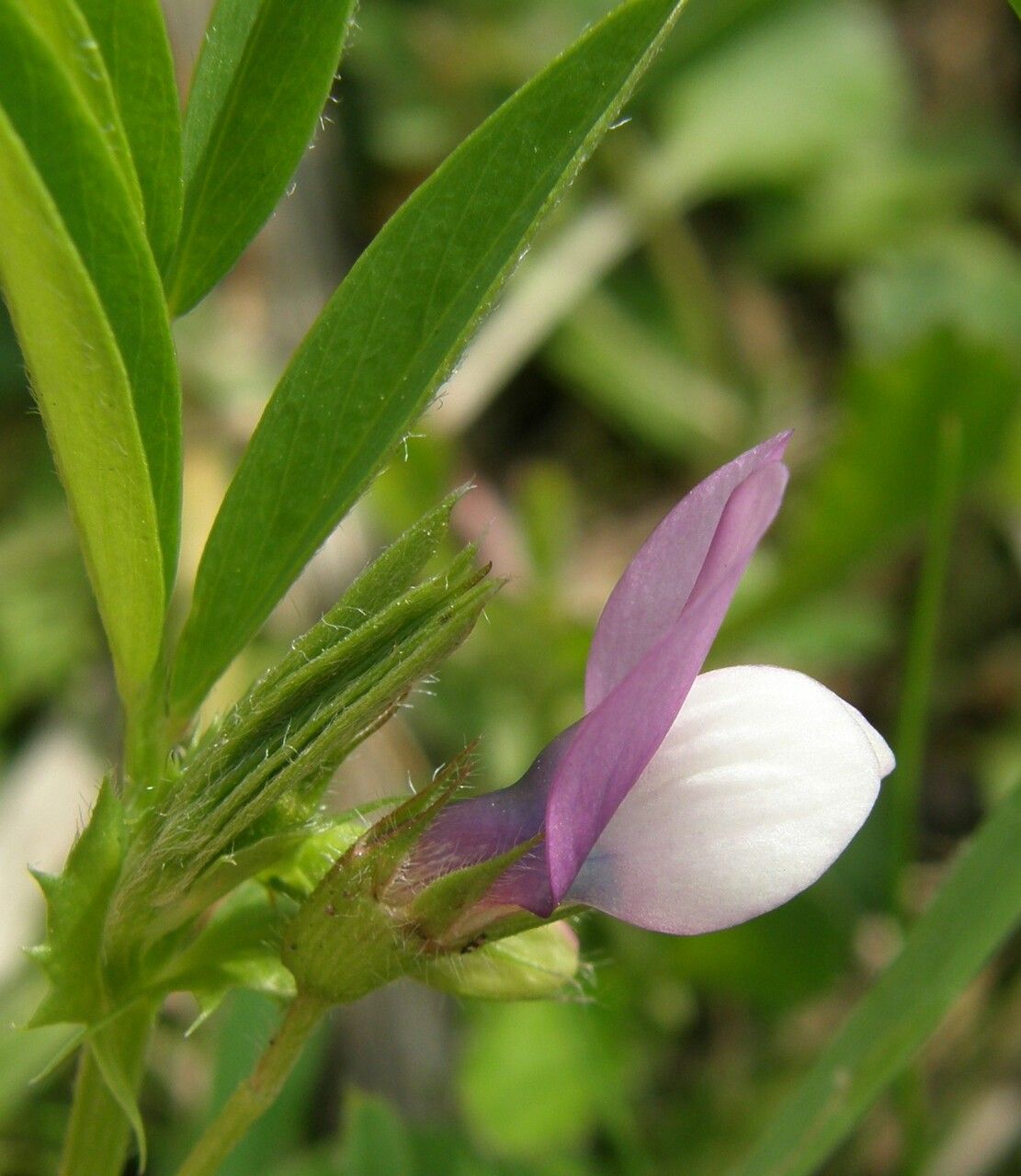
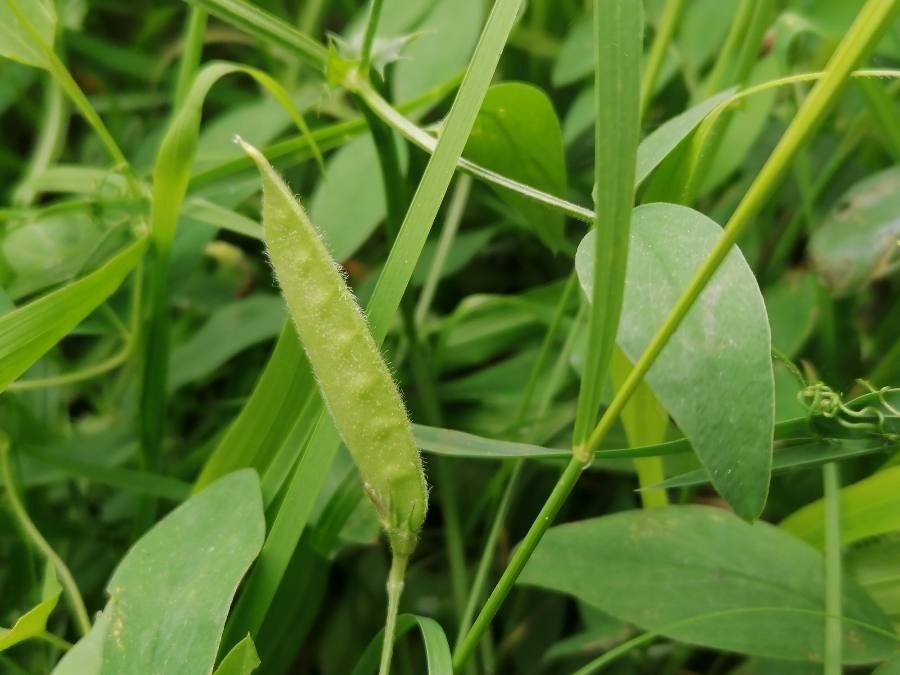
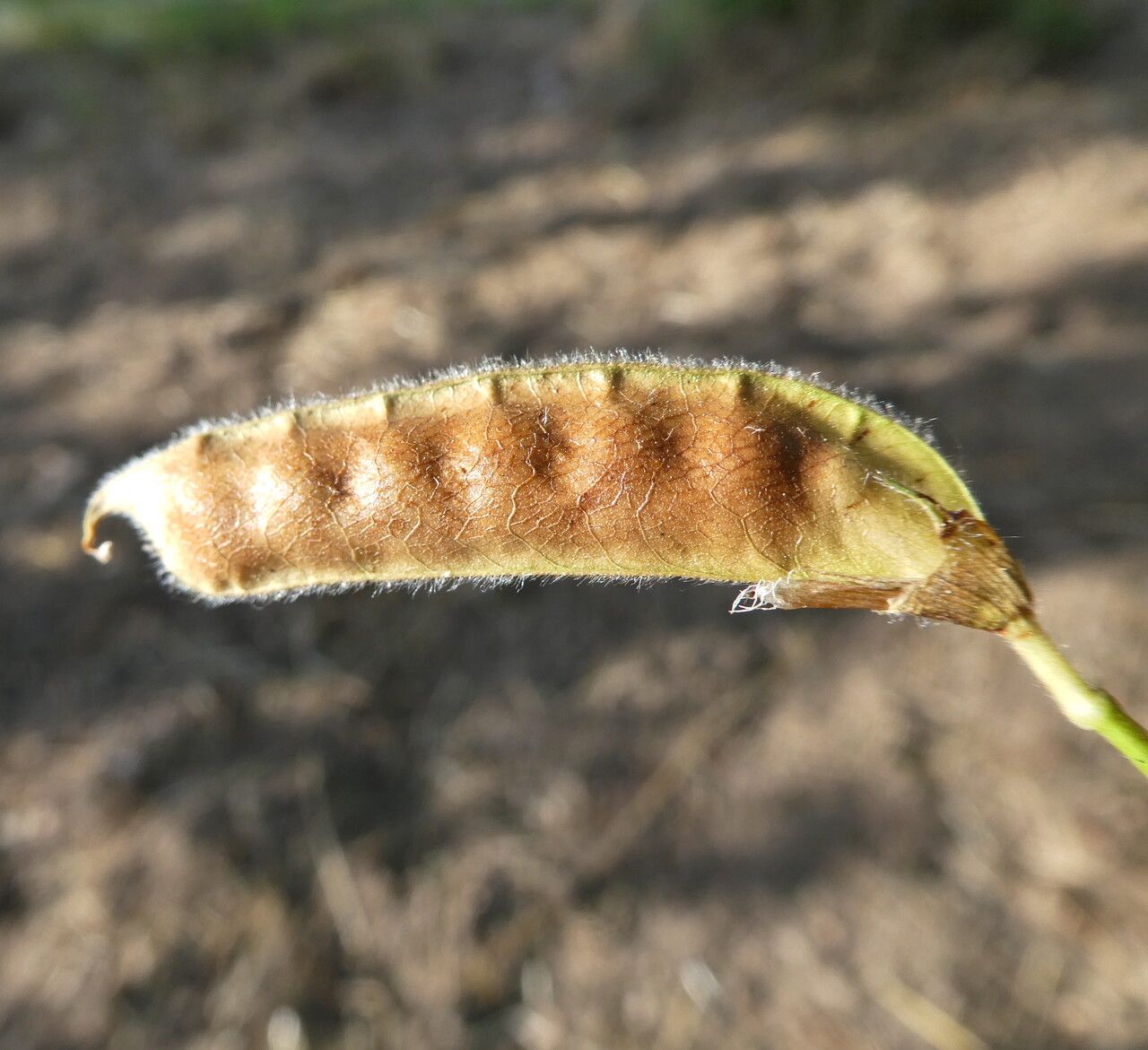
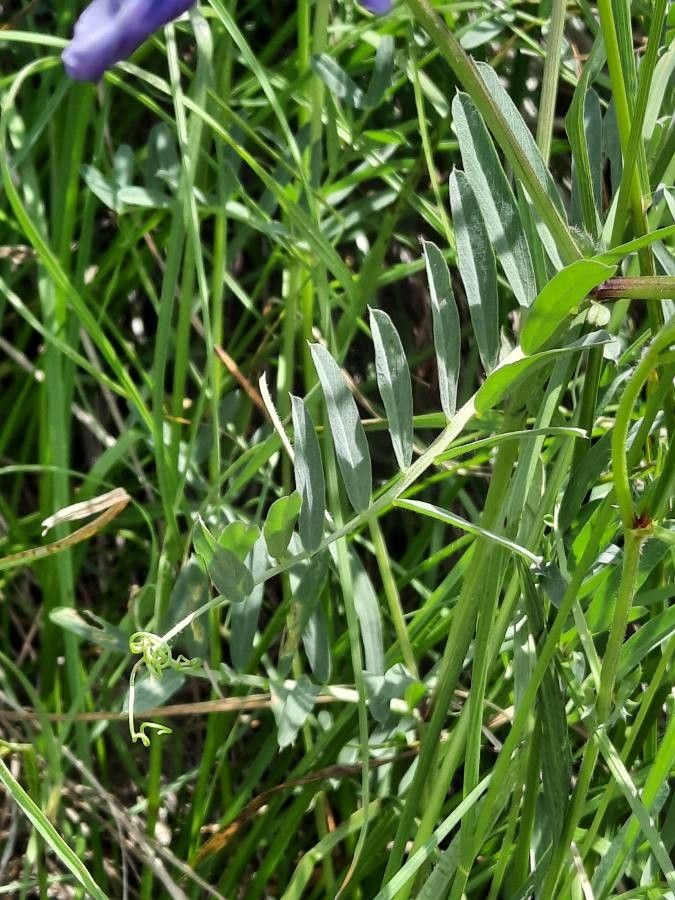
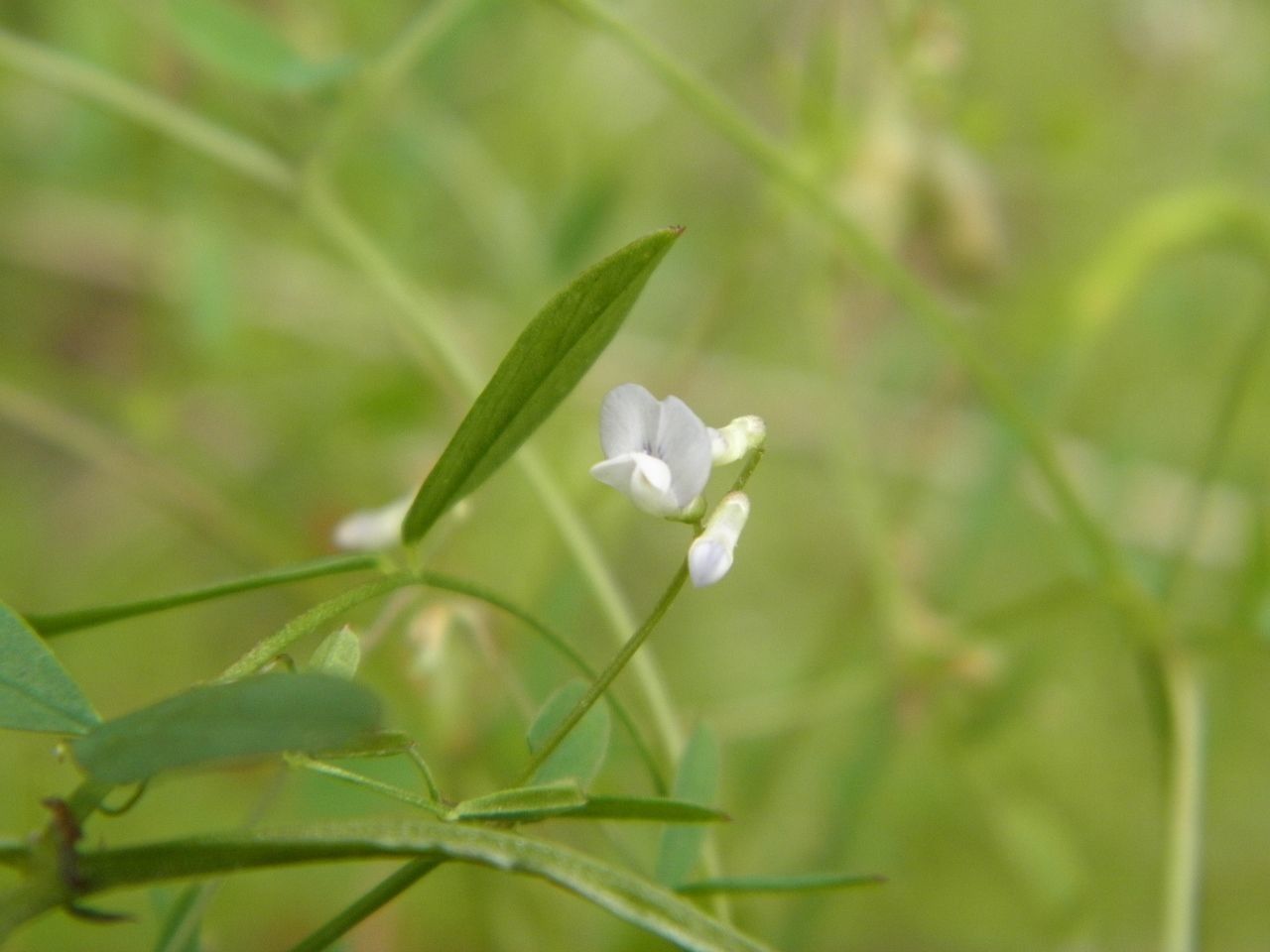
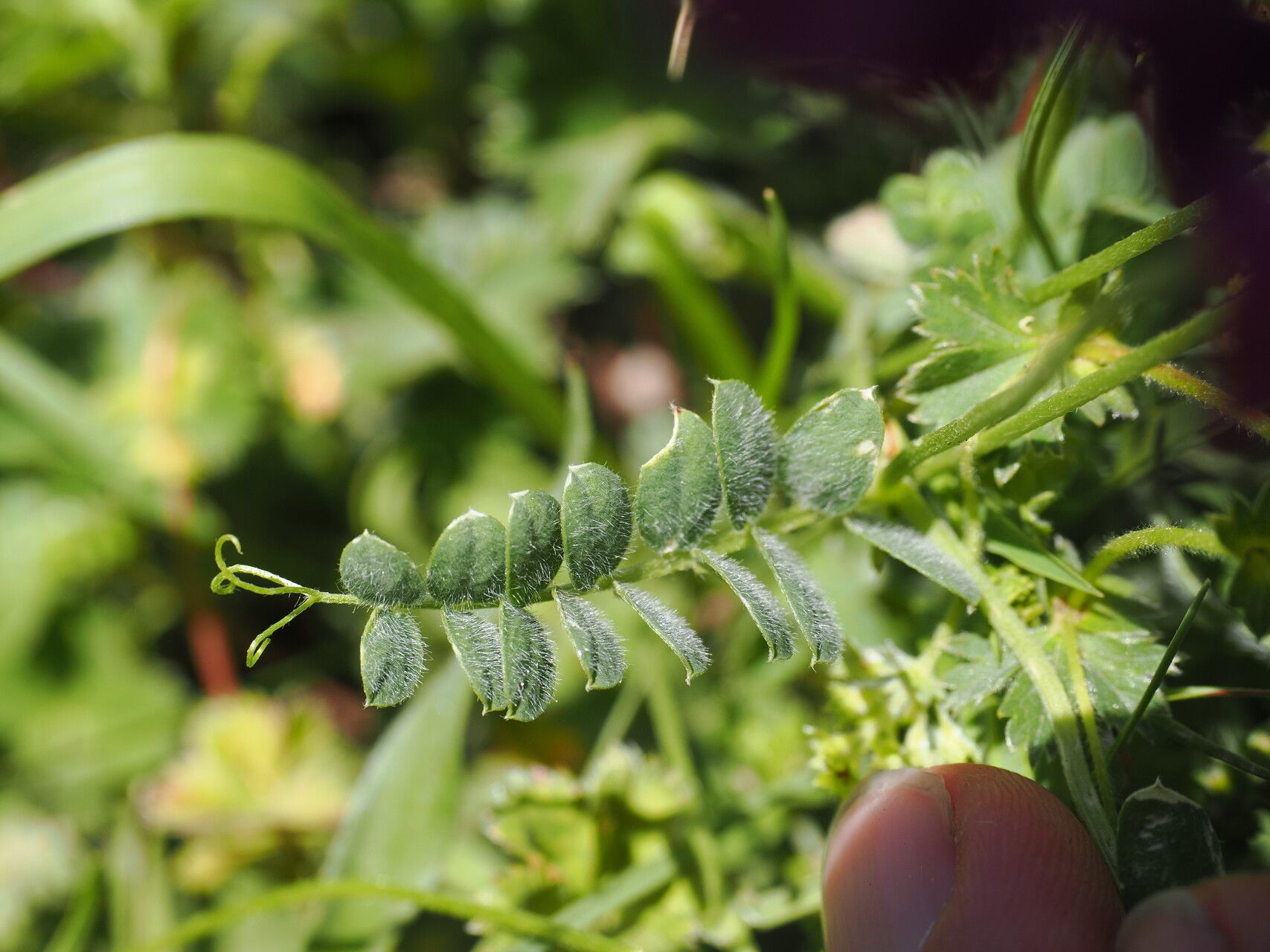
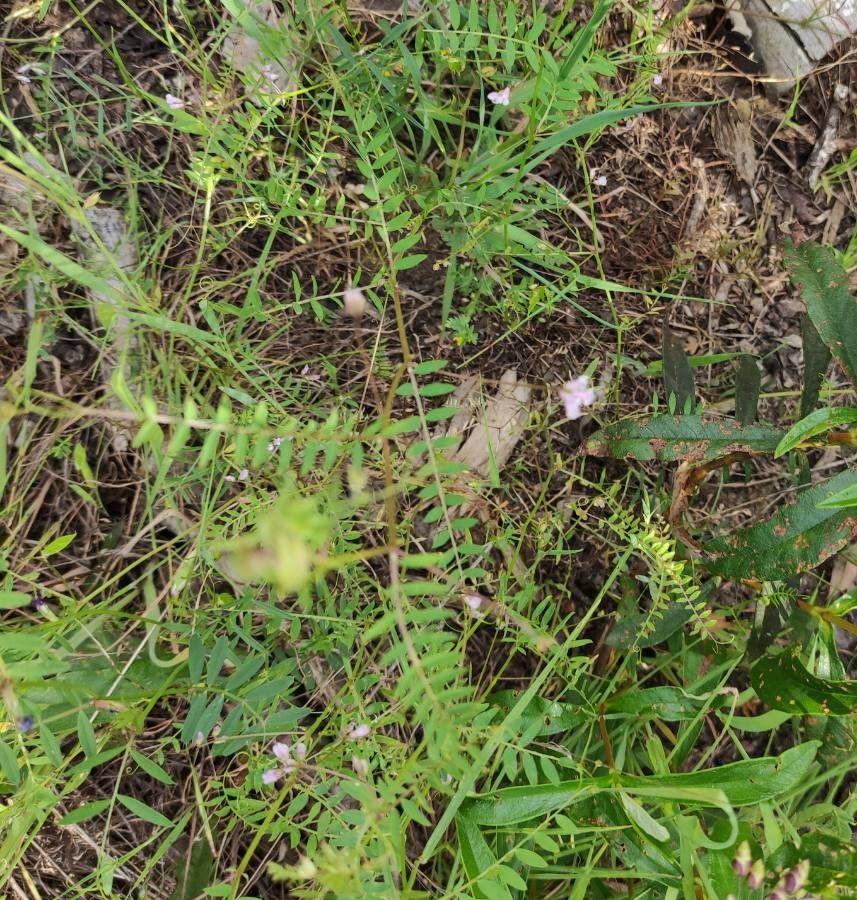
Vicia bithynica, commonly known as Turkish vetch, is a flowering plant species in the pea family, Fabaceae. It is native to Turkey and nearby regions but has been introduced to other parts of the world as a forage crop. The plant can grow up to 1 meter tall and features compound leaves with 6-8 pairs of leaflets. Its flowers, which are pink or purple, are arranged in clusters on long stalks. The fruit is a pod containing several seeds that can be used as animal feed or ground into flour for human consumption.
Vicia bithynica is notable for its ability to fix atmospheric nitrogen, making it a valuable option for crop rotation to enhance soil fertility without the use of synthetic fertilizers. Additionally, it provides food and habitat for various wildlife species such as bees, butterflies, and birds. This makes it a significant component in biodiversity conservation efforts worldwide.
Bithynian vetch is fairly disease-resistant and generally not prone to illnesses. However, it can be vulnerable to pests and diseases present in its surroundings. Those infections are typically mild. For care, this plant needs moderate maintenance. It should be pruned regularly to maintain an attractive appearance and healthy growth. Fertilizing can also help encourage flowering. Bithynian vetch is suitable for anyone with outdoor space, such as a garden or patio, and does not require extensive care experience. It may need extra attention when kept indoors.
How to keep Vicia Bithynica.
Light
Bithynian vetch is native to bright, open habitats and flourishes in full sun. It can tolerate partial sun but favors direct sunlight for optimal growth. This plant, which can be annual or biennial, is known for its sun-loving character.
Water
Bithynian vetch flourishes with regular weekly watering, which is consistent with its origins in wetter climates. It requires a balanced amount of water, as it is neither drought-tolerant nor overly dependent on humidity. During drier seasons, this herbaceous plant enters dormancy to conserve water until the rains return.
Temperature
Bithynian vetch can tolerate a wide range of temperatures, though its distribution may still be restricted by particular combinations of water and heat. It performs best in warm summer climates with sufficient rainfall or watering. Extended periods of cloudy, rainy weather, as well as prolonged high temperatures, can raise the chances of Bithynian vetch dying. In winter, adequate protection from cold can increase the plant’s survival rate.
Fertilizer
Bithynian vetch does well with regular, light applications of fertilizer to encourage healthy leaf development. You should feed Bithynian vetch about once a month during the summer. Nitrogen is essential for foliage, and supplying nitrogen-rich sources helps Bithynian vetch thrive.
Pruning
Bithynian vetch showcases delicate purple flowers and grows with a vining habit. To maintain its health and encourage growth, prune the plant from early to late spring, removing any dead stems. Be careful not to over-prune, and always use clean tools to prevent the spread of disease. Proper pruning improves air circulation and light penetration, leading to a stronger, more vigorous plant.
Botanical profile.
- Plant Type
- Herb
- Life Cycle
- Annual
- Genus
- Vicia
- Family
- Fabaceae
- Hardiness Zone
- 7-10
- Mature Height
- 20 cm to 49 cm
- Mature Spread
- 20 cm to 40 cm
- Leaf Color
- Green
- Leaf Type
- Semi-evergreen
- Flower Color
- Purple, Violet
- Flower Size
- 1.52 cm to 2.03 cm
- Bloom Time
- Mid spring, Late spring, Early summer
- Planting Time
- Spring, Summer
- Harvest Time
- Summer
- Native Area
- Turkey, India, Tunisia, Montenegro, Cyprus, Pakistan, Bulgaria, Greece, Croatia, Slovenia, Morocco, Serbia, Russia, Syria, Italy, Spain, France, Albania, Azerbaijan, United Kingdom, Algeria, Portugal
Other names.
Reader questions.
What should I do if I give my Bithynian vetch plant too much or too little water?
The solution for underwatering Bithynian vetch is simple: when you see that your plant lacks moisture, start watering it more regularly. Overwatering can be a much bigger problem, especially if you don't catch it early. When your Bithynian vetch is overwatered, it can get sick and eventually die. To prevent this, choose a suitable location for growth. Find a spot with plenty of sunlight to dry out the soil and good drainage to prevent water from pooling and causing waterlogged soil. If you overwater your potted Bithynian vetch, you may need to transfer it to a new pot. The old container might not have good drainage or enough drainage holes. When repotting an overwatered Bithynian vetch, use loose soil and a pot that drains effectively.
What are the sunlight requirements for Bithynian vetch (Vicia bithynica)?
Bithynian vetch (Vicia bithynica) thrives in varying amounts of sunlight, requiring either full or partial sun exposure. Full sun exposure means the plant should receive above 6 hours of sunlight daily, ideal for its robust growth. On the other hand, partial sun exposure, about 3-6 hours of sunlight daily, is also suitable for its development. It's important to observe the movement of sunlight through your garden to identify spots that offer a balanced environment of light and shade, thereby ensuring the best conditions for the happiness and health of your Bithynian vetch.
How often do I need to water my Bithynian vetch?
To keep your Bithynian vetch healthy, it is important to water it regularly. In the spring, watering once per week will be sufficient. As the weather gets warmer, you may need to increase watering to two or three times per week. However, be careful not to overwater, as that can harm the plant. Regardless of how often you water, make sure the soil remains moist but not overly wet. If your Bithynian vetch is in a pot, you'll need to water it more frequently compared to one planted in the ground. Potted plants tend to dry out faster, so watering them a few times per week is usually necessary, unlike the once-per-week watering for plants in the ground.
How much water does my Bithynian vetch plant need?
Determining the appropriate amount of water for your Bithynian vetch can be done in several ways. Some gardeners rely on the feel of the soil to judge moisture levels. They suggest watering until the top six inches of soil are moist. Another method is to use a fixed measurement, such as two gallons of water per week, taking into account factors like temperature and soil dryness. However, strict guidelines may result in overwatering if your plant requires less. For container-grown Bithynian vetch, a different approach is needed. The soil should be watered until all dry layers are moistened. To check this, you can feel the soil with your finger or observe a slight trickle of excess water from the drainage holes.
How can I know if I'm giving enough water to my Bithynian vetch?
Avoiding overwatering your Bithynian vetch can be a bit challenging. On one hand, you need to moisten the soil weekly because these plants have deep roots. On the other hand, Bithynian vetch is prone to root rot and browning if they get too much water. Underwatering is less of a concern as these plants can survive without extra watering for some time. However, if you wait too long to water, they will start to wilt and their leaves may become dry.
How should I water my Bithynian vetch at different times of the year?
As the season progresses, your Bithynian vetch's water needs will change. In spring, watering once a week should be sufficient. However, as the summer heat sets in, it will likely need more frequent watering, sometimes up to three times a week. This is especially important for Bithynian vetch planted in containers, as the soil in containers tends to dry out faster in warm weather. In autumn, when the temperature cools and the sun becomes less intense, your Bithynian vetch may require slightly less water, even though it is still in bloom.
How do I water my Bithynian vetch at different stages of growth?
Bithynian vetch goes through different growth stages throughout the year, each requiring varying amounts of water. When starting your Bithynian vetch from a seed, water it generously during germination to ensure consistent soil moisture. Once it grows above the soil after a few weeks, it will require slightly less water. When the plant is fully mature, watering it once a week is sufficient. During flower development, you may need to provide a bit more water to support the process.
What's the difference in watering Bithynian vetch inside and outside?
Most Bithynian vetch plants prefer to grow outdoors rather than indoors for a few reasons. Firstly, these plants tend to grow quite tall, making it less suitable for indoor spaces. Additionally, Bithynian vetch requires more daily sunlight than most indoor environments can provide. However, if you are able to create an appropriate indoor growing location, be prepared to water your Bithynian vetch more frequently compared to an outdoor setting. This is because indoor spaces, which are often drier due to HVAC units, can cause the soil in containers to dry out quickly.