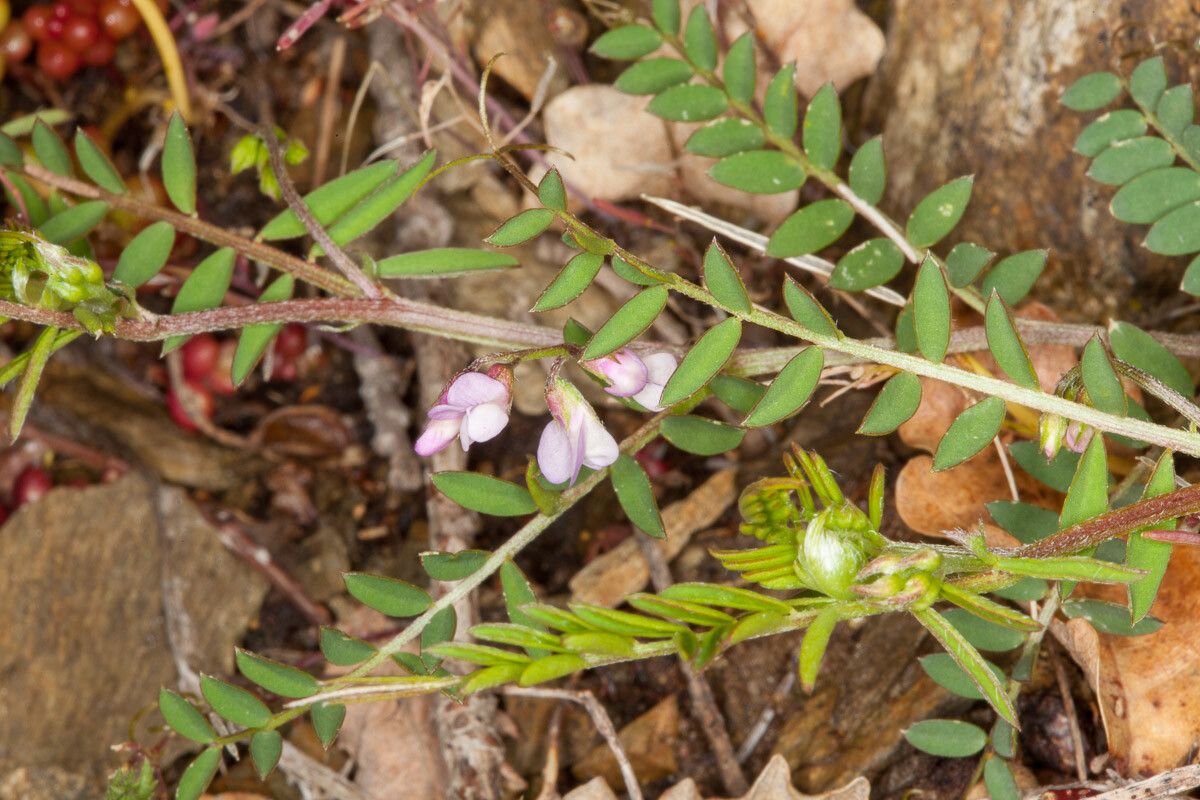
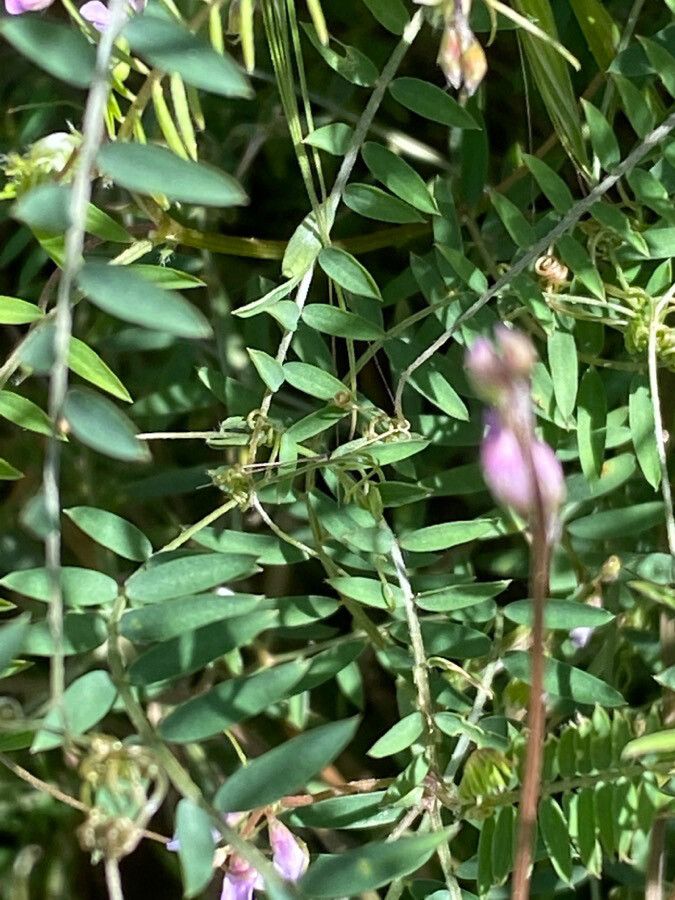
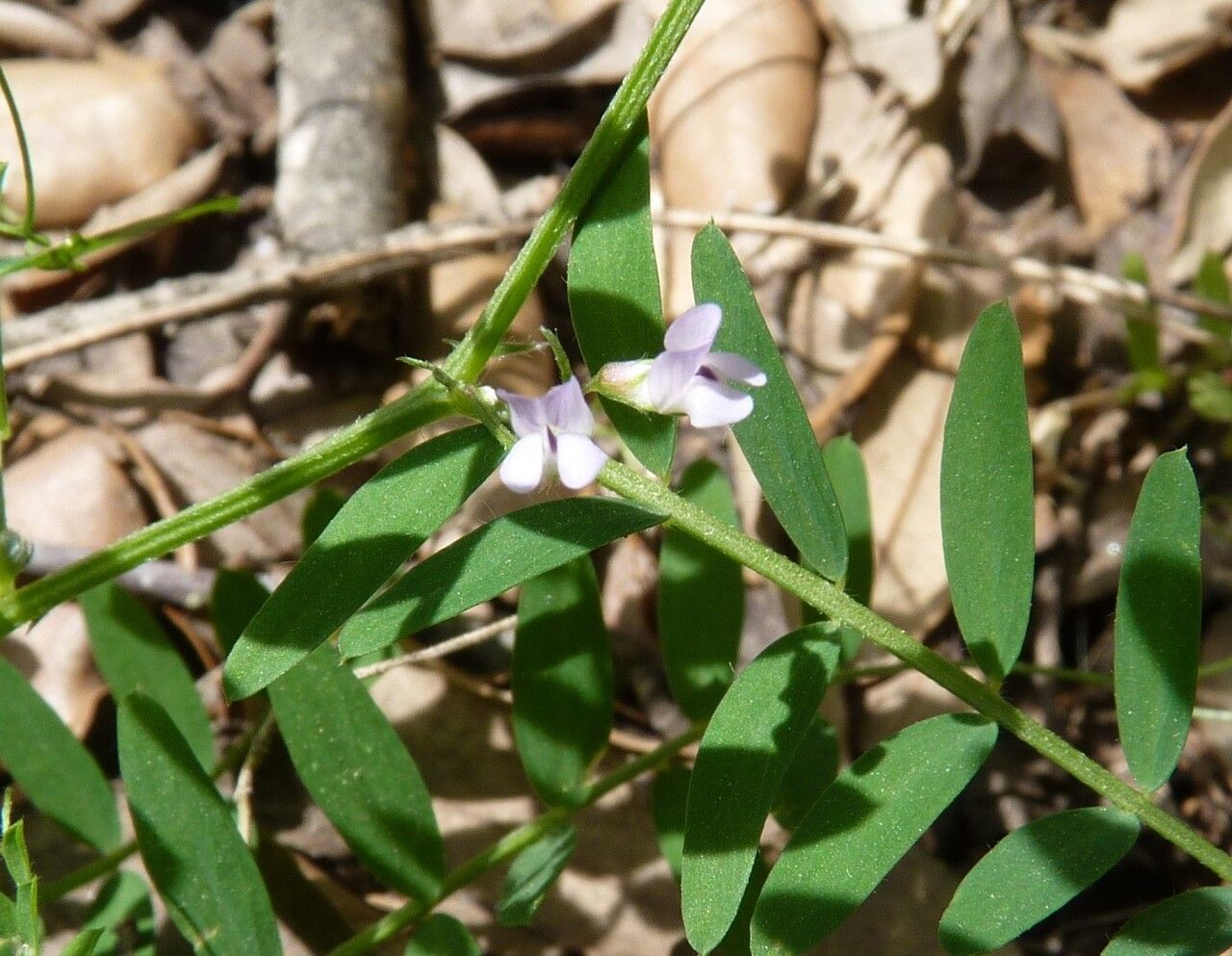
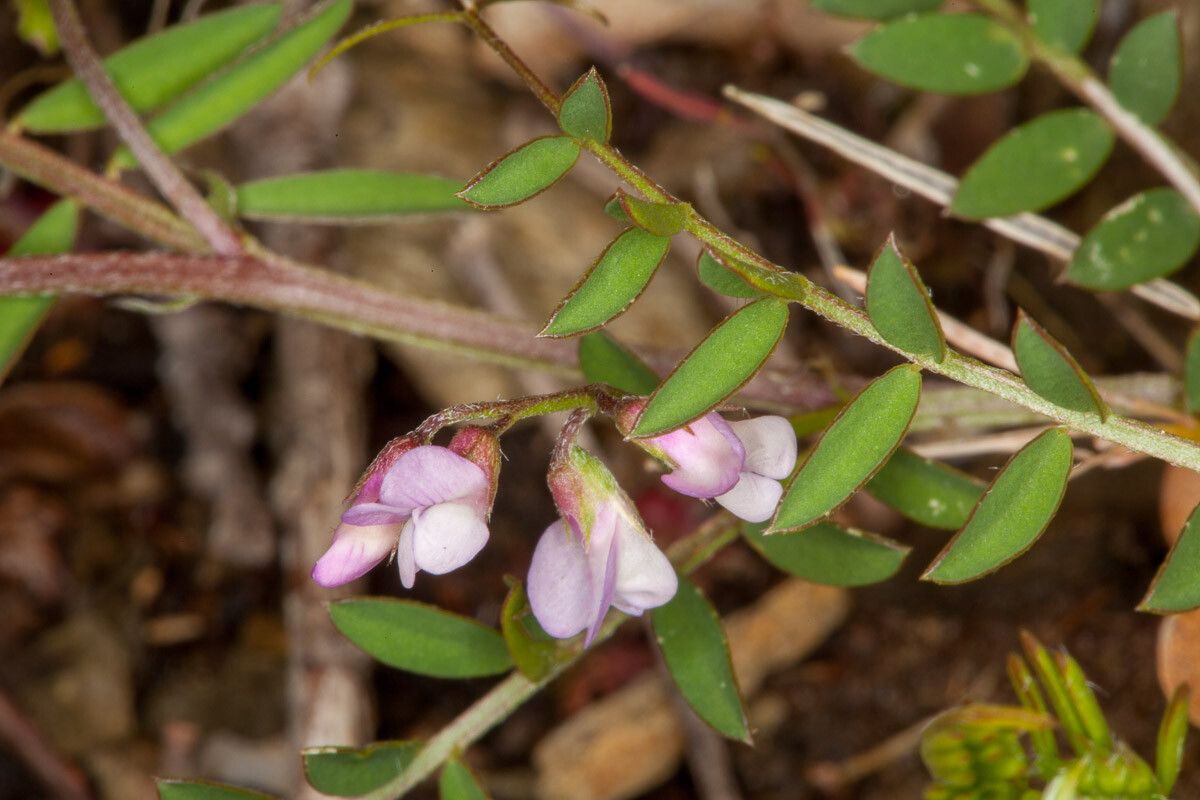
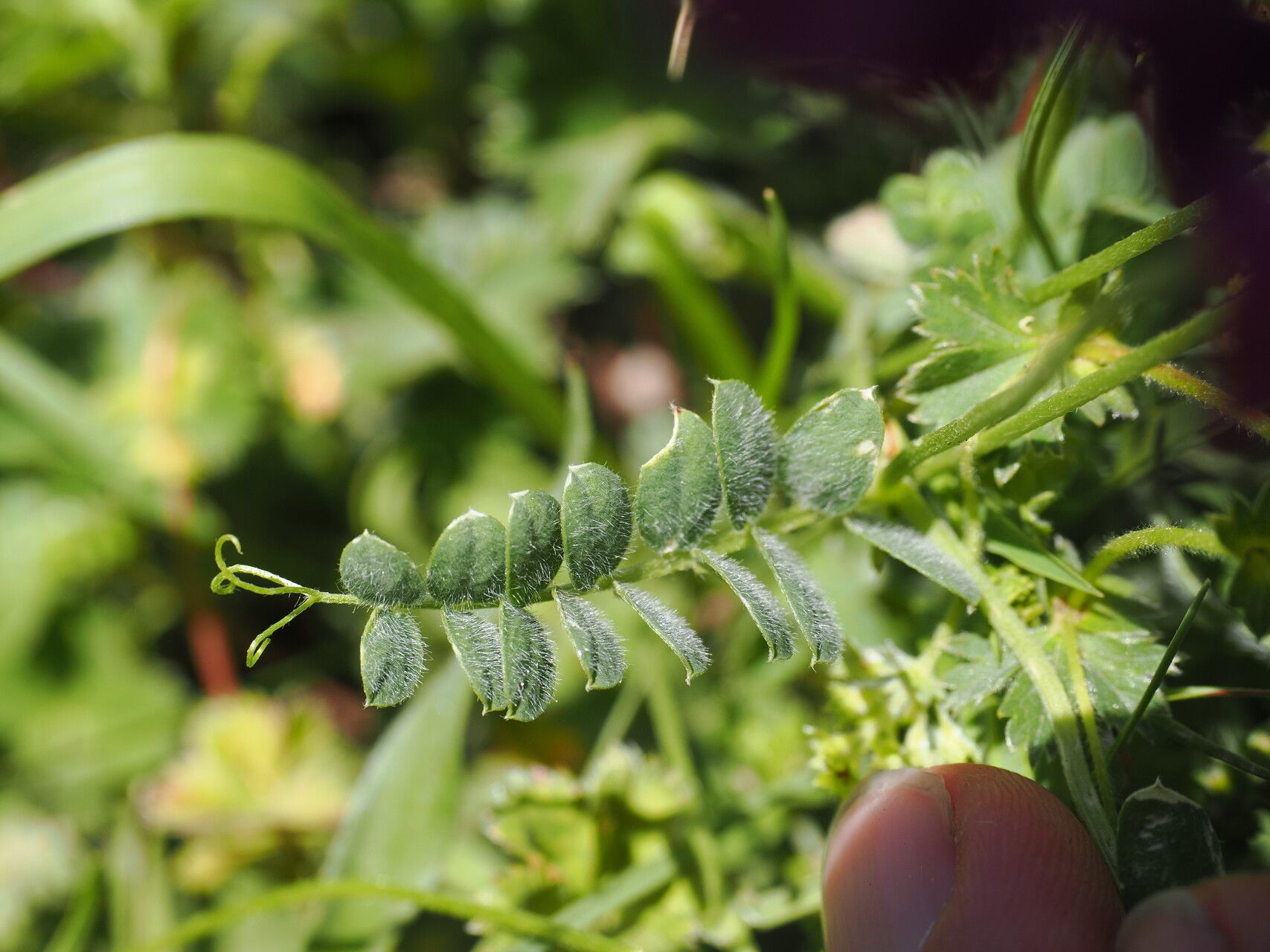
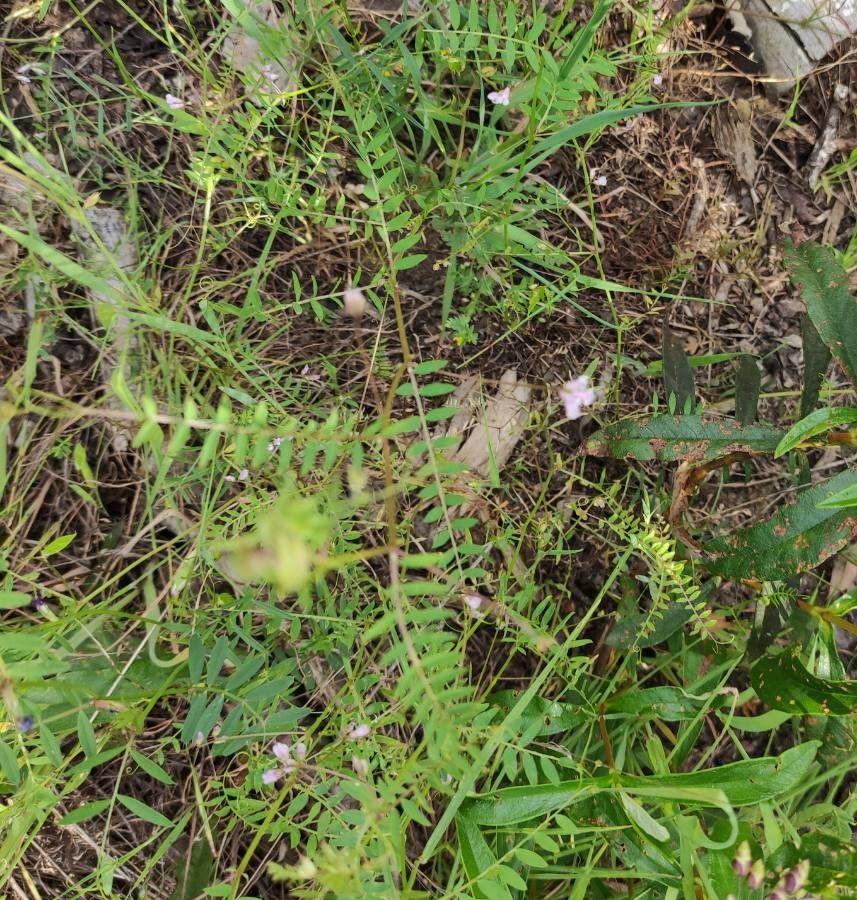
Vicia disperma, commonly known as the two-seeded vetch, is a flowering plant species in the pea family, Fabaceae. Native to Europe and western Asia, it has been introduced globally as both a forage and cover crop.
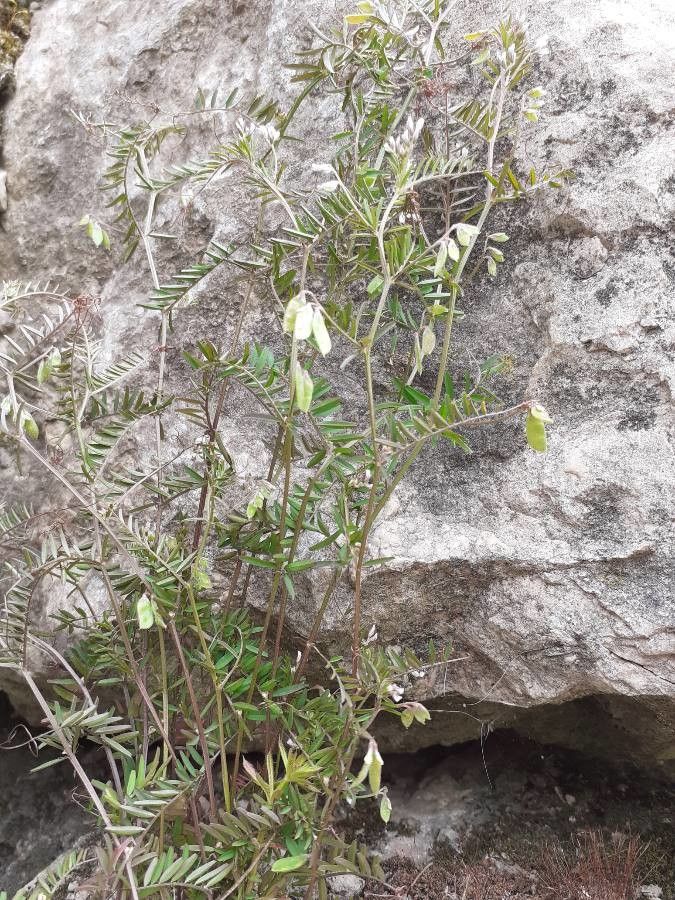
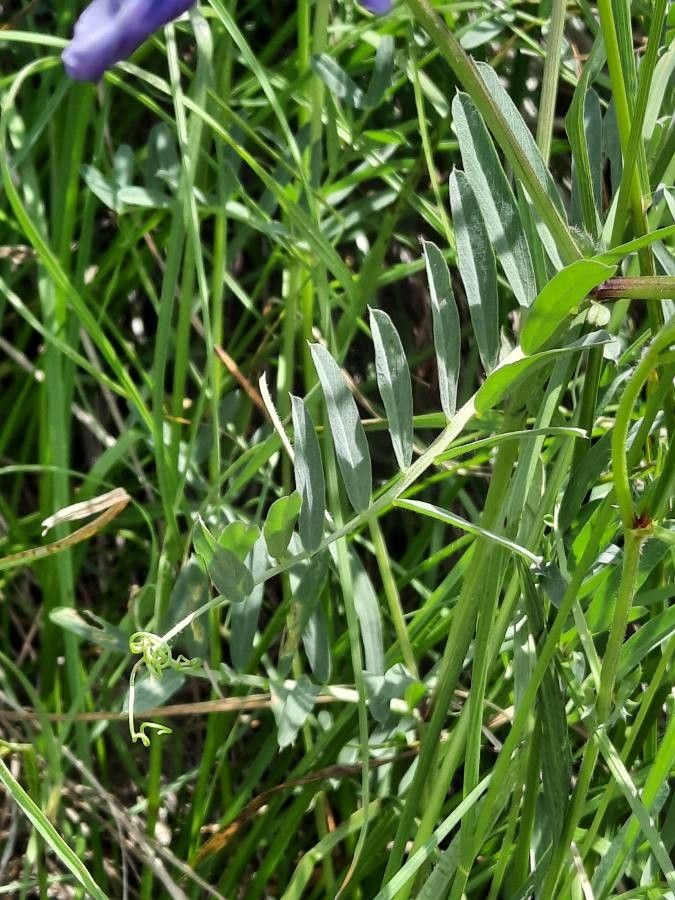
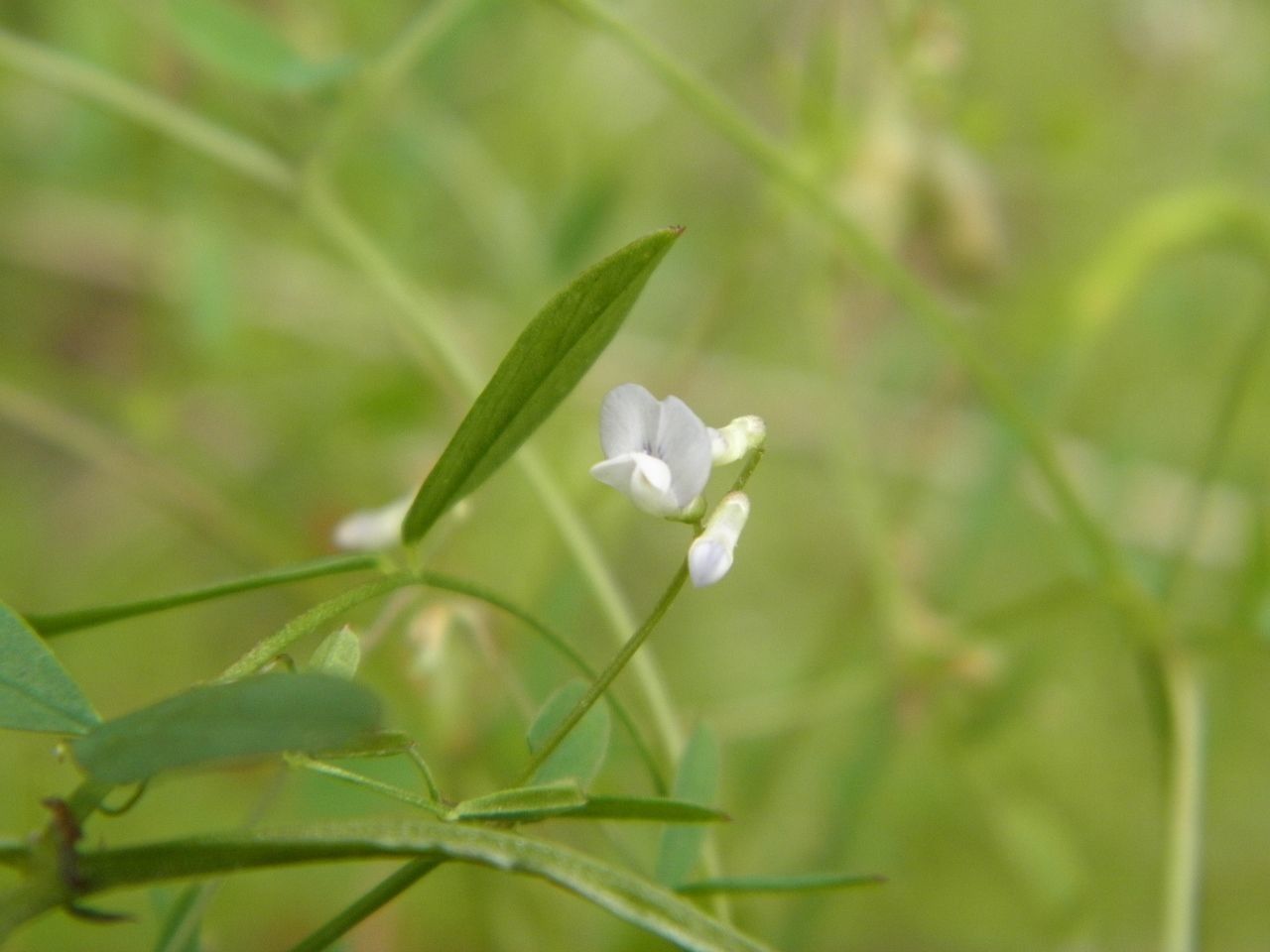
The plant typically reaches up to 60 cm in height and features slender stems with small leaves divided into several pairs of leaflets. From May to August, it produces clusters of pink or purple flowers on long stalks.
Vicia disperma serves as an essential forage crop, offering high-quality feed for livestock such as cattle, sheep, goats, horses, and rabbits. Additionally, it enhances soil fertility by fixing atmospheric nitrogen into the soil.
Beyond its agricultural benefits, Vicia disperma possesses medicinal properties traditionally used by indigenous communities to treat various ailments, including respiratory infections and digestive disorders.
In summary, Vicia disperma is a valuable plant species with diverse applications in agriculture and medicine, making it an important addition to any ecosystem where it grows.
European vetch is fairly disease-resistant and typically not prone to illnesses. Still, it can be affected by pests and diseases present in its environment, though such infections are generally mild. Care-wise, the plant needs a moderate amount of attention. It should be pruned regularly to preserve its appearance and support healthy growth, and applying fertilizer can encourage blooming. European vetch is a good choice for anyone with outdoor areas like a garden or patio and does not demand much horticultural experience. It may, however, need extra care when kept indoors.
How to keep Vicia Disperma.
Light
European vetch comes from sunny, open habitats where it performs best in full sun. It can tolerate partial shade but favors direct sunlight for optimal growth. This plant, which may be annual or biennial, is noted for its sun-loving habit.
Water
Water European vetch regularly during the initial growth phase. It's best to do this on cloudy mornings to minimize evaporation. Check the moisture level of the topsoil by touching it; if it feels dry, it's time to water the plant. Be careful not to over-water, as European vetch is sensitive to waterlogging.
Temperature
European vetch can tolerate a wide range of temperatures, but its presence may still be constrained by specific combinations of moisture and heat. It performs best in warm summer conditions with sufficient rainfall or irrigation. Extended stretches of cloudy, rainy weather and prolonged high temperatures can make European vetch more likely to die. During winter, adequate protection from cold can increase the plant's survival rate.
Fertilizer
European vetch responds well to regular, light applications of fertilizer to encourage healthy leaf development. Apply fertilizer roughly once a month during the summer. Nitrogen is essential for foliage, and adding nitrogen-rich sources helps European vetch do well.
Pruning
To ensure the European vetch thrives, practice strategic pruning from early to late spring. Remove dead stems, thin out dense areas, and trim long vines. This will improve air circulation, reduce the risk of disease, and enhance the plant's overall health, leading to more abundant growth and flowering.
Botanical profile.
- Plant Type
- Herb, Vine
- Life Cycle
- Annual
- Genus
- Vicia
- Family
- Fabaceae
- Hardiness Zone
- 7-10
- Mature Height
- 30 cm to 61 cm
- Mature Spread
- 20 cm to 40 cm
- Leaf Color
- Green
- Leaf Type
- Deciduous
- Flower Color
- Pink, Purple
- Flower Size
- 0.51 cm to 0.76 cm
- Bloom Time
- Mid spring, Late spring, Early summer
- Planting Time
- Spring, Summer, Autumn
- Harvest Time
- Summer
- Native Area
- Tunisia, Italy, Spain, France, Algeria, Morocco, Portugal
Other names.
Reader questions.
What are the sunlight requirements for European vetch (Vicia disperma)?
European vetch (Vicia disperma) thrives in different sunlight conditions. For full sun exposure, it requires above 6 hours of sunlight daily. In partial sun conditions, about 3-6 hours of sunlight per day is sufficient. It's important to observe the way sunlight moves through your garden, finding spots that offer the ideal balance of light and shade. This careful selection ensures your plants remain happy and healthy.