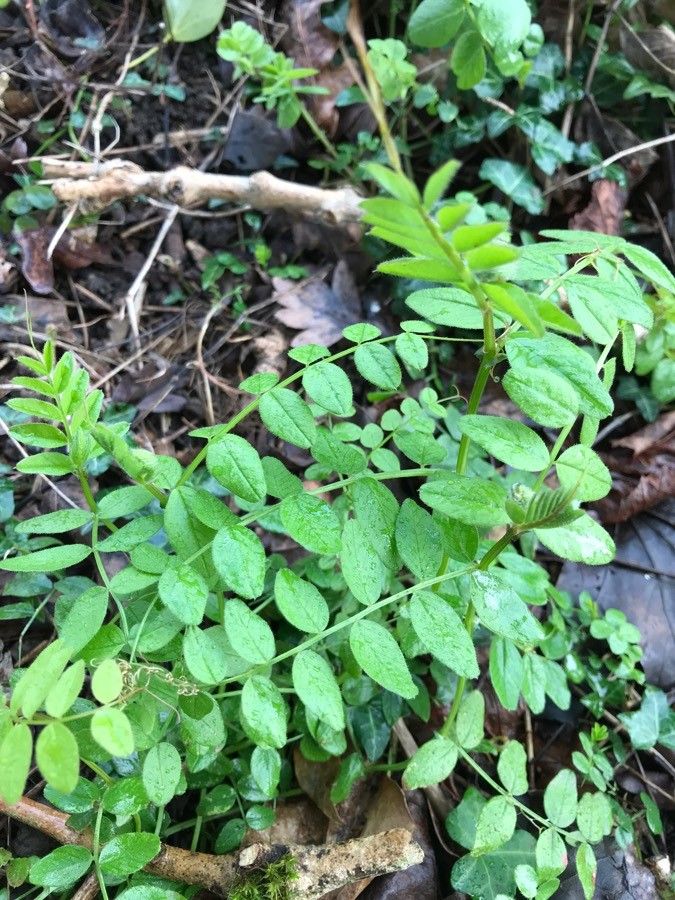
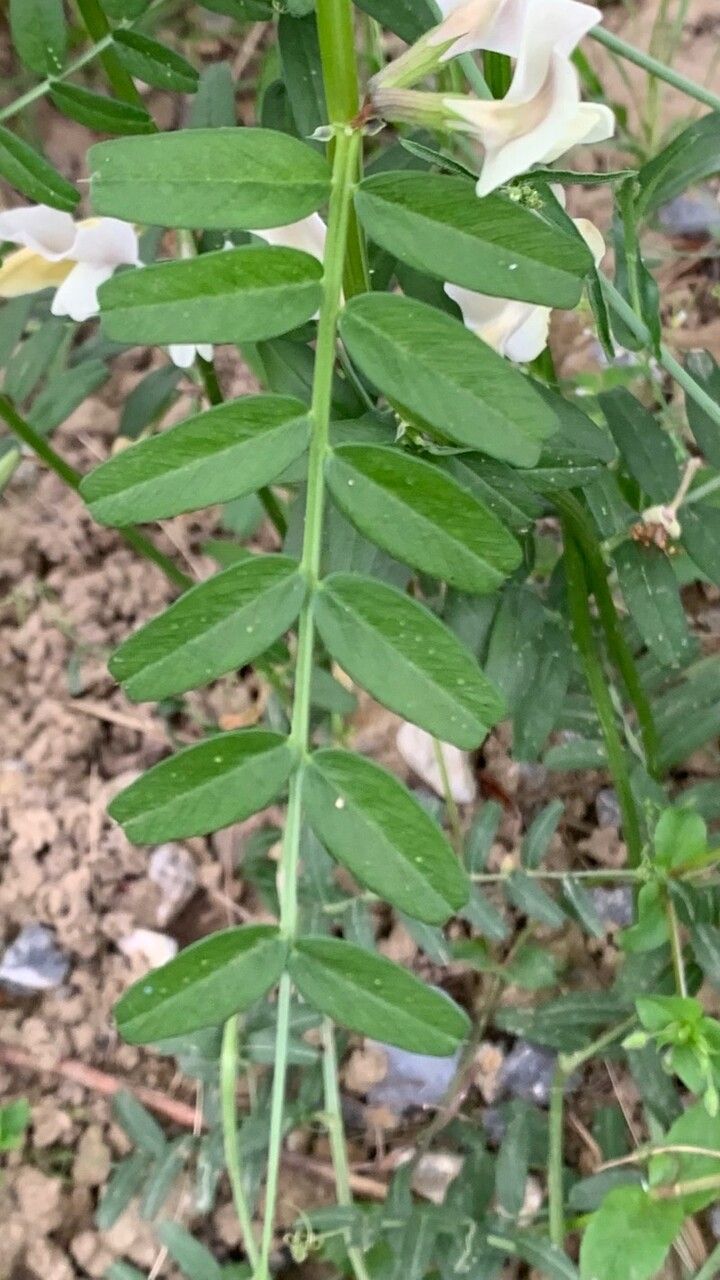
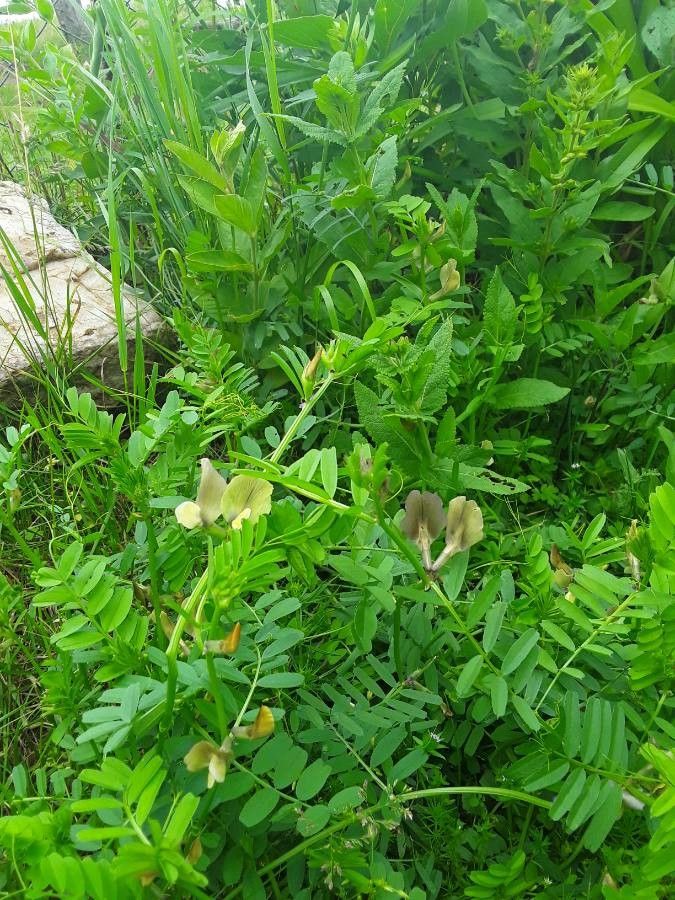
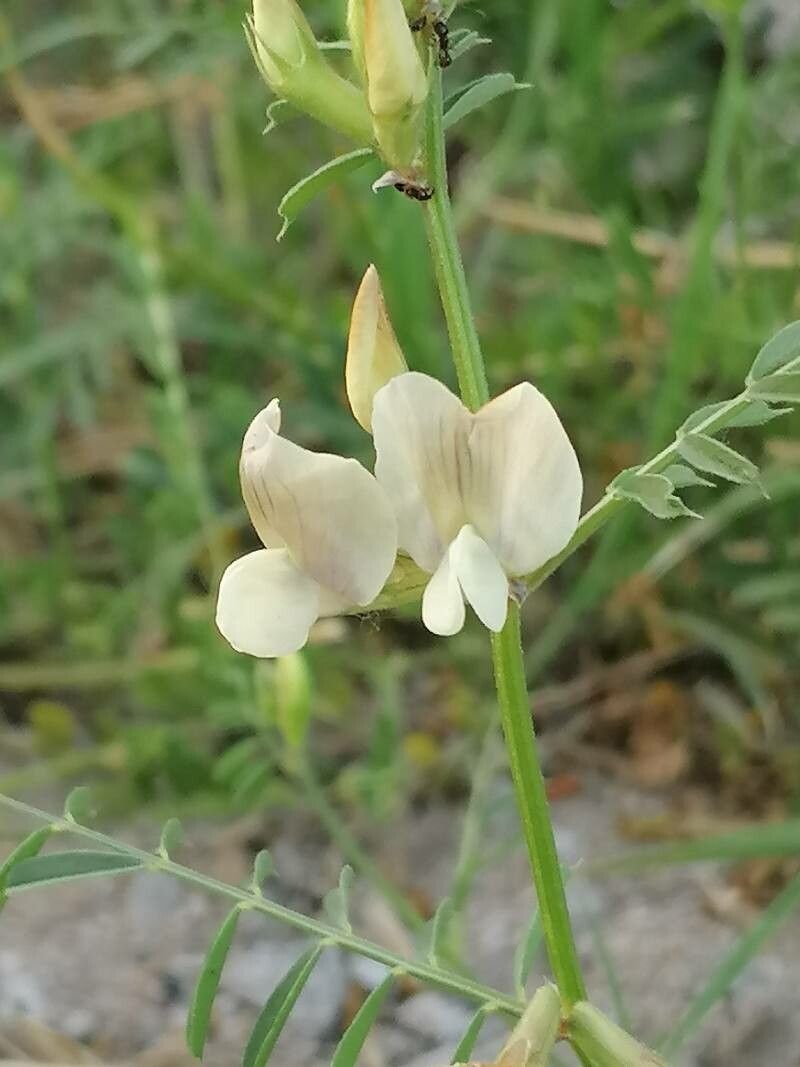
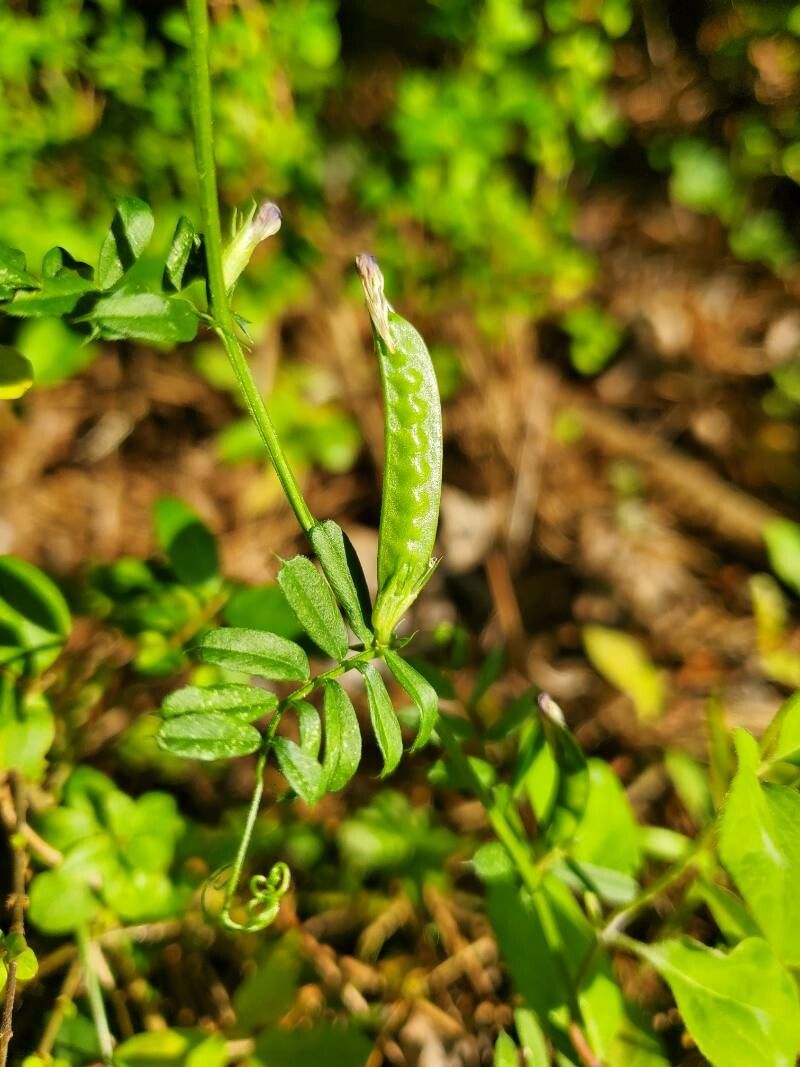
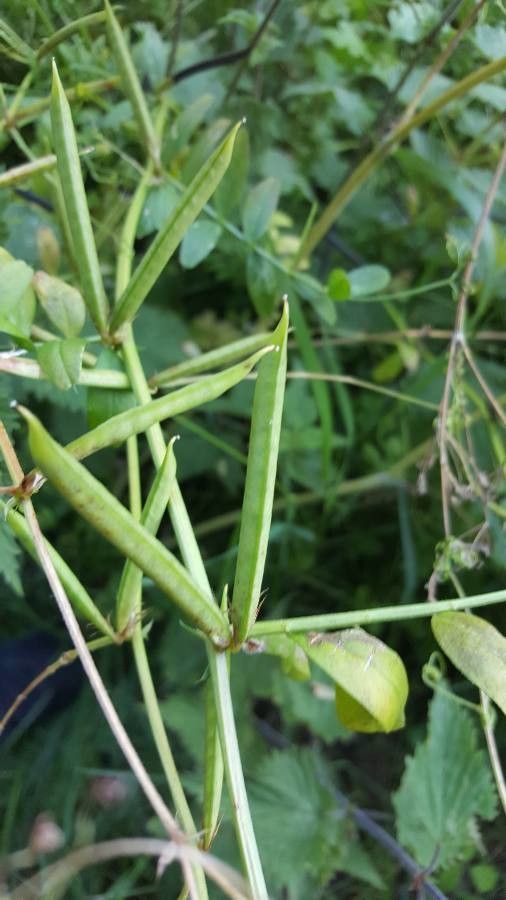
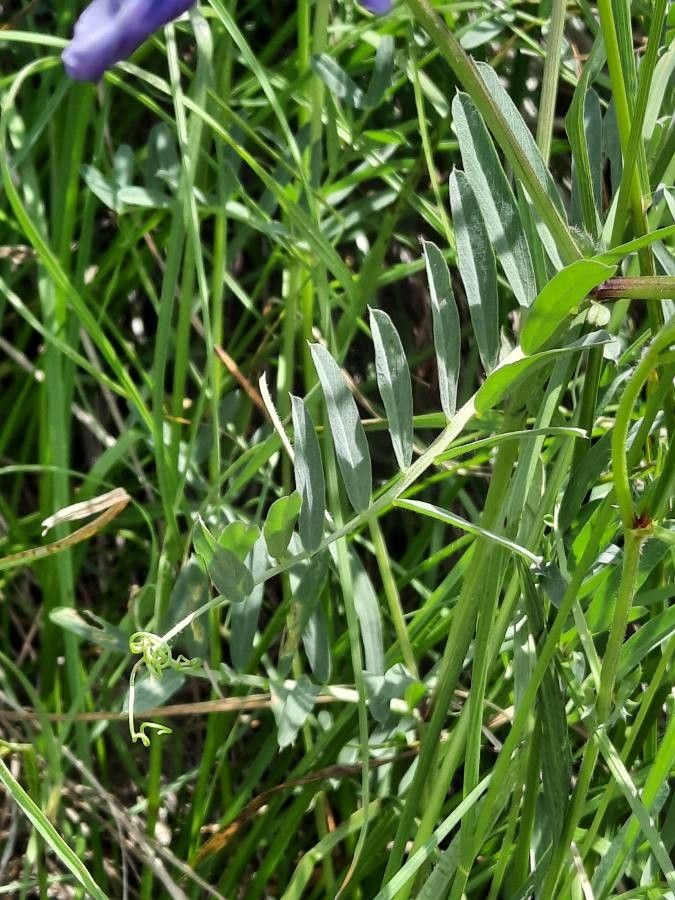
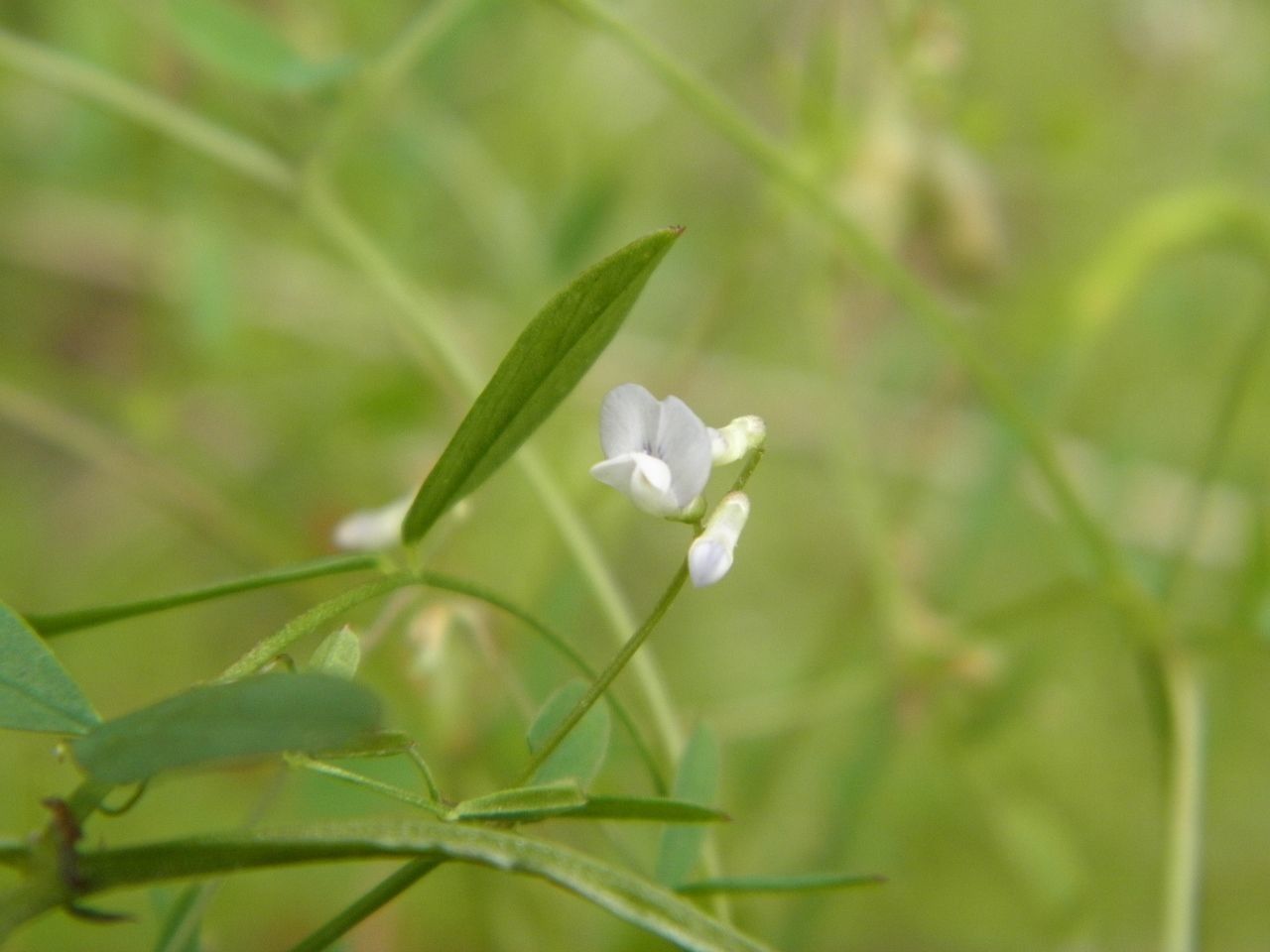
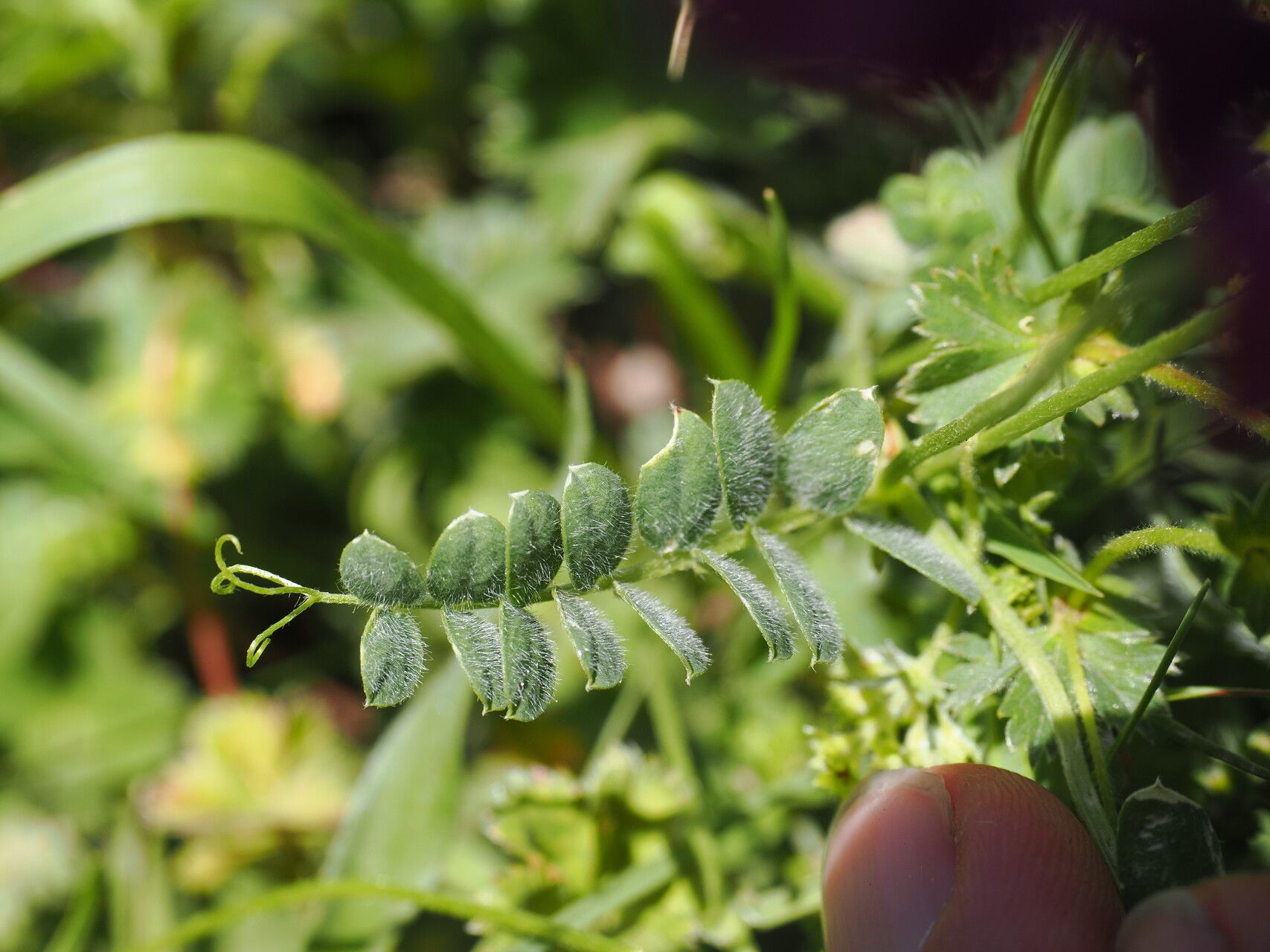
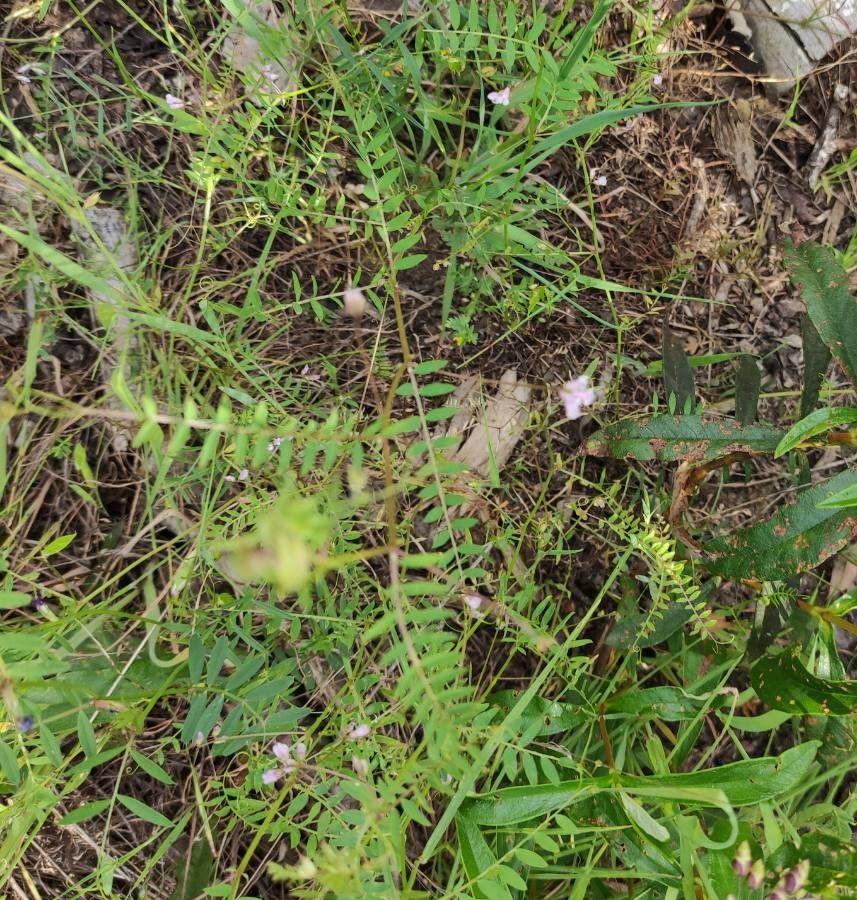
Vicia grandiflora, commonly known as large yellow vetch and bigflower vetch, as well as large-flowered vetch, is a common herbaceous plant species in the family Fabaceae, which occurs as a native plant species in Europe and Asia, as well as an introduced vetch species in North America.
Large yellow vetch is fairly resistant to disease and typically does not suffer from many illnesses. Still, it can be affected by pests and diseases that exist in its environment, though such infections tend to be mild. Regarding maintenance, the plant needs a moderate level of care. Regular pruning is necessary to keep it looking good and to support healthy growth. Applying fertilizer can also encourage blooming. This species is well suited to people who have outdoor areas like a garden or patio and does not demand extensive plant-care experience. It may need more attention if cultivated indoors.
How to keep Vicia Grandiflora.
Light
Large yellow vetch is a plant species that thrives with plentiful sunlight for healthier growth. It originates from an environment where the sun shines generously. Throughout its various stages of growth, its need for solar exposure remains consistent. Both excessive and insufficient sunlight can adversely affect its health.
Water
Large yellow vetch thrives in temperate regions with moderate moisture, preferring soil that is consistently hydrated but not waterlogged. To support its growth, it should be watered weekly. Although it is often grown outdoors and benefits from natural rainfall, it still requires monitoring during dry spells to ensure its health is maintained.
Temperature
Large yellow vetch grows best at temperatures between 68 and 95 °F (20 to 35 ℃) in its native habitat. The plant favors the warmer portion of that range. Adjusting temperatures to account for seasonal changes is advised, especially in non-tropical climates.
Fertilizer
When most of Large yellow vetch's blooms have opened to full size, resume fertilizing. During the peak flowering period, apply fertilizer every three to four weeks, weather permitting. Once Large yellow vetch begins to produce fewer new blooms, stop fertilizing; there is no need to fertilize when the plant can no longer produce more blooms.
Pruning
Large yellow vetch is a sprawling plant known for its large yellow flowers. To promote growth, prune it from early to late spring by removing dead stems and trimming long vines to improve shape and air circulation. Using clean tools will help the plant heal faster and reduce the risk of diseases, which enhances flowering.
Botanical profile.
- Plant Type
- Herb, Vine
- Life Cycle
- Annual
- Genus
- Vicia
- Family
- Fabaceae
- Hardiness Zone
- 10
- Mature Height
- 61 cm
- Mature Spread
- 20 cm to 40 cm
- Leaf Color
- Green, Dark Green
- Leaf Type
- Deciduous
- Flower Color
- Yellow
- Flower Size
- 2.54 cm
- Bloom Time
- Mid spring, Late spring, Early summer
- Planting Time
- Spring, Autumn
- Harvest Time
- Summer
Other names.
Reader questions.
How should I water my big yellow vetch plant?
To water Large yellow vetch, you have a few different options for tools. You can use a garden hose with a spray nozzle, a watering can, or really any common watering tool. The good news is that Large yellow vetch isn't too picky about the type of water it receives. It can thrive with rainwater, tap water, or filtered water. However, it's generally best to avoid watering this plant from above, as it can harm the leaves and flowers and even cause disease. Instead, a drip irrigation system can work well for watering. These systems distribute water evenly and directly to the soil. When it comes to watering a container-grown Large yellow vetch, you can stick with a similar approach but change up the tools. Use a cup, watering can, or even your tap to apply water directly to the soil.
What are the sunlight requirements for Large Yellow Vetch?
Large Yellow Vetch requires full sun conditions, meaning it thrives with more than 6 hours of sunlight daily. However, it can also grow in partial sun, which accounts for about 3-6 hours of sunlight each day. It's crucial to observe the sunlight's movement through your garden to find the ideal locations that offer a perfect balance of light and shadow, ensuring the plant's wellbeing.
What are the ideal temperature conditions for Large yellow vetch?
Large yellow vetch thrives in temperature ranges of 68 to 95 °F (20 to 35 °C), preferring the warmer end of this spectrum in its native habitat. As an extremely heat-loving plant, it does not tolerate cold temperatures well. To accommodate seasonal changes, particularly in non-tropical climates, it's recommended to adjust temperatures. During winter, keeping it above 20°C is beneficial for its growth. Any exposure to temperatures nearing 5°C can be detrimental. In autumn, if the plant was grown outdoors, it is advisable to bring it indoors and place it near a bright window, avoiding close proximity to heaters to prevent harm.
What should I do if I give my Large yellow vetch plant too much water or not enough water?
Taking care of an under-watered Large yellow vetch is quite simple. Just increase the frequency of watering when you observe moisture deficiency. However, the situation can be much worse if you overwater it without realizing it. Overwatering can lead to diseases that can severely damage or kill the plant. To prevent this, select an appropriate location for your Large yellow vetch that receives ample sunlight for soil drying and has good drainage to prevent water from pooling and causing waterlogged soil. If you have overwatered a potted Large yellow vetch, consider transferring it to a new pot. The previous container may have lacked good drainage or sufficient drainage holes. When repotting, ensure loose soil is added and choose a pot that drains efficiently.
Why is sunlight essential for Large Yellow Vetch?
Sunlight plays a significant role in the growth and health of Large Yellow Vetch, stemming from its natural habitat where it's exposed to generous sunlight. The plant consistently requires abundant solar energy throughout its growth phases. Inappropriate levels of sunlight, whether excessive or insufficient, can adversely affect its health.
How should you care for Large yellow vetch in low temperatures?
Large yellow vetch prefers warm conditions and struggles with low temperatures, thriving best when the temperature remains above 20°C. During winter, it's crucial to ensure the temperature stays above 5°C. Exposure to temperatures below 1°C can lead to leaves lightening in color, progressing to brown or black after frost damage, alongside wilting and drooping. To care for it in such conditions, you should trim off the frost-damaged parts and move the plant to a warm environment indoors immediately for cold protection. Placing it near a south-facing window ensures it receives ample sunlight. It's also important to avoid placing the plant near heaters or air conditioning vents to prevent air from becoming excessively dry.
How much should I water my Big yellow vetch?
Large yellow vetch requires regular watering throughout the growing season. In the spring, watering once per week is sufficient. As the weather gets warmer, increase watering to two to three times per week, but be careful not to overwater. It's important to keep the soil moist but not wet. When growing Large yellow vetch in a pot, the watering needs are slightly different. Container-grown plants should be watered more frequently, about a few times per week, because the soil in pots can dry out faster than ground soil.
How can artificial lighting benefit indoor plants?
For indoor plants, especially when natural sunlight is scarce, such as in winter or less sunny areas, artificial lighting provides an essential growth boost. Adequate artificial light, like LED lights, can be tailored to match specific light wavelength needs of plants. For optimal growth, full sun plants should receive 30-50W/sq ft, partial sun plants 20-30W/sq ft, and full shade plants 10-20W/sq ft of artificial light. Positioning the light source 12-36 inches above the plant and ensuring it receives 8-12 hours of light daily can mimic natural sunlight conditions effectively.
What should you do if Large yellow vetch experiences high temperatures?
During summer, it's essential to keep Large yellow vetch's temperature below 35°C to prevent heat stress. Exposing the plant to temperatures above 41°C can result in lighter leaf color and increased susceptibility to sunburn. To alleviate these issues, trim away the sunburned and dried-up parts of the plant. Move it to a location with shade from the midday and afternoon sun to protect it. Additionally, watering the plant in the morning and evening helps keep the soil adequately moist, which is crucial for its health in high temperatures.
How much water does my big yellow flower need?
There are several ways to decide how much water to give your Large yellow vetch. One option is to feel the soil and water until the top six inches are moist. Another approach is to use a set measurement, such as giving two gallons of water per week based on the temperature and soil dryness. However, be cautious as following strict guidelines may result in overwatering if your plant needs less water. When growing in a container, you will need a different method. Water enough to moisten all dry soil layers, and you can test this by feeling the soil with your finger or seeing a slight trickle of excess water from the drainage holes.
What are the symptoms of light deficiency in Large Yellow Vetch?
When Large Yellow Vetch doesn't receive enough light, especially indoors, it may display symptoms such as smaller new leaves, leggy or sparse growth, premature leaf drop, halted new growth, lighter-colored or pale leaves, and general signs of unhealthy appearance. These symptoms highlight the plant's struggle in low light conditions, affecting its growth and overall health.
How can I know if I'm giving enough water to my big yellow vetch?
It can be challenging to find the right balance when watering your Large yellow vetch. On one hand, they have deep roots that need regular moisture. On the other hand, these plants are prone to root rot and can suffer from browning if overwatered. Underwatering is less of a concern as these plants can survive without additional watering for some time. However, prolonged lack of water can cause wilting and dry leaves.