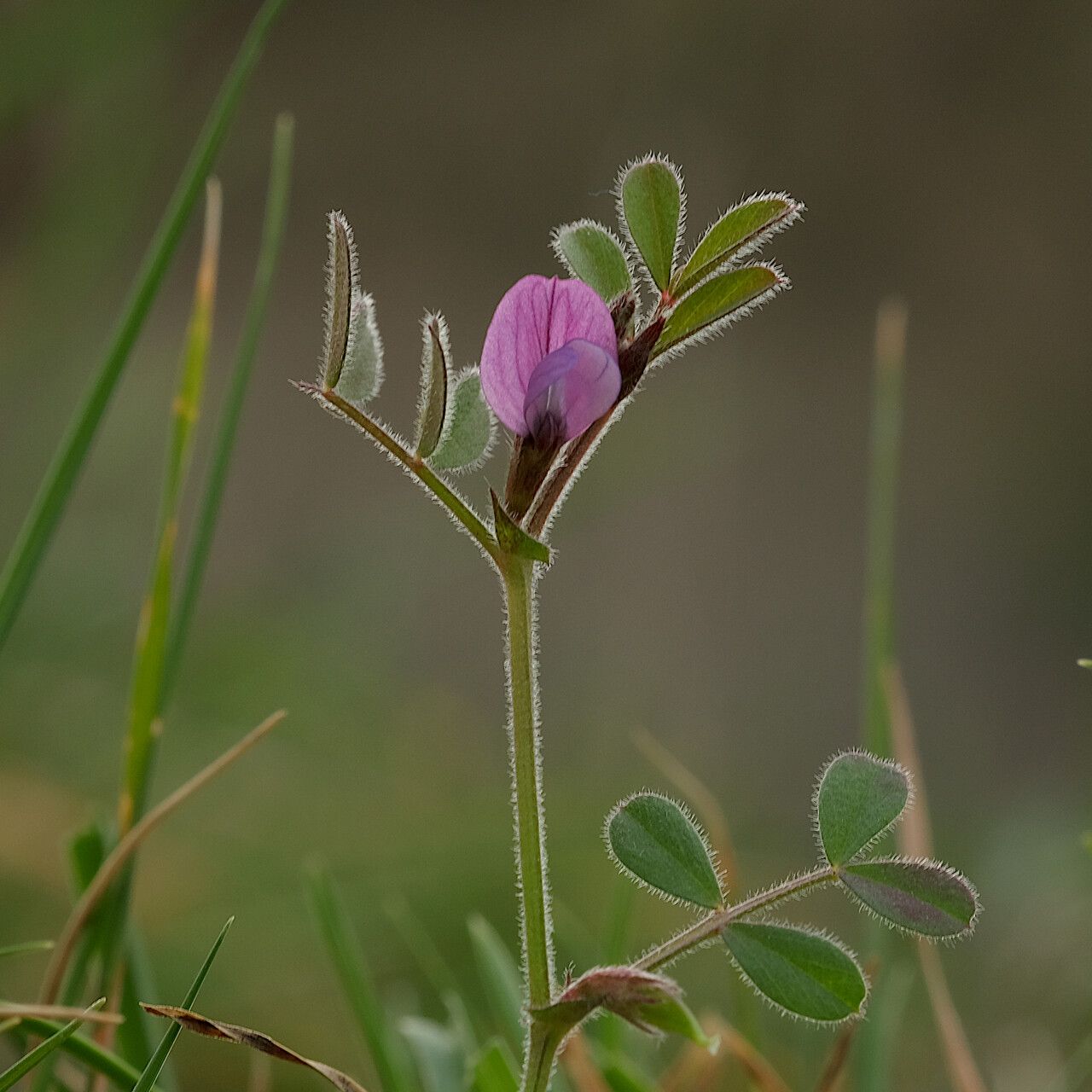
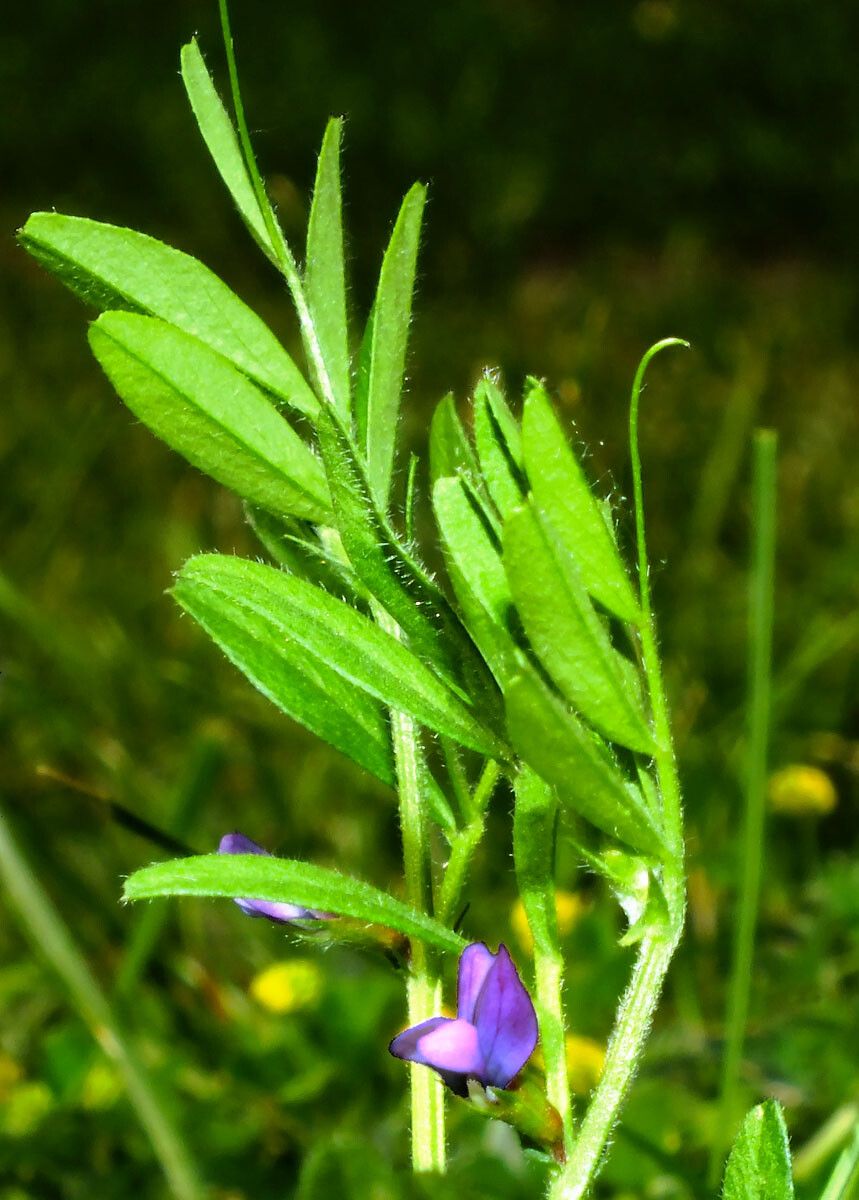
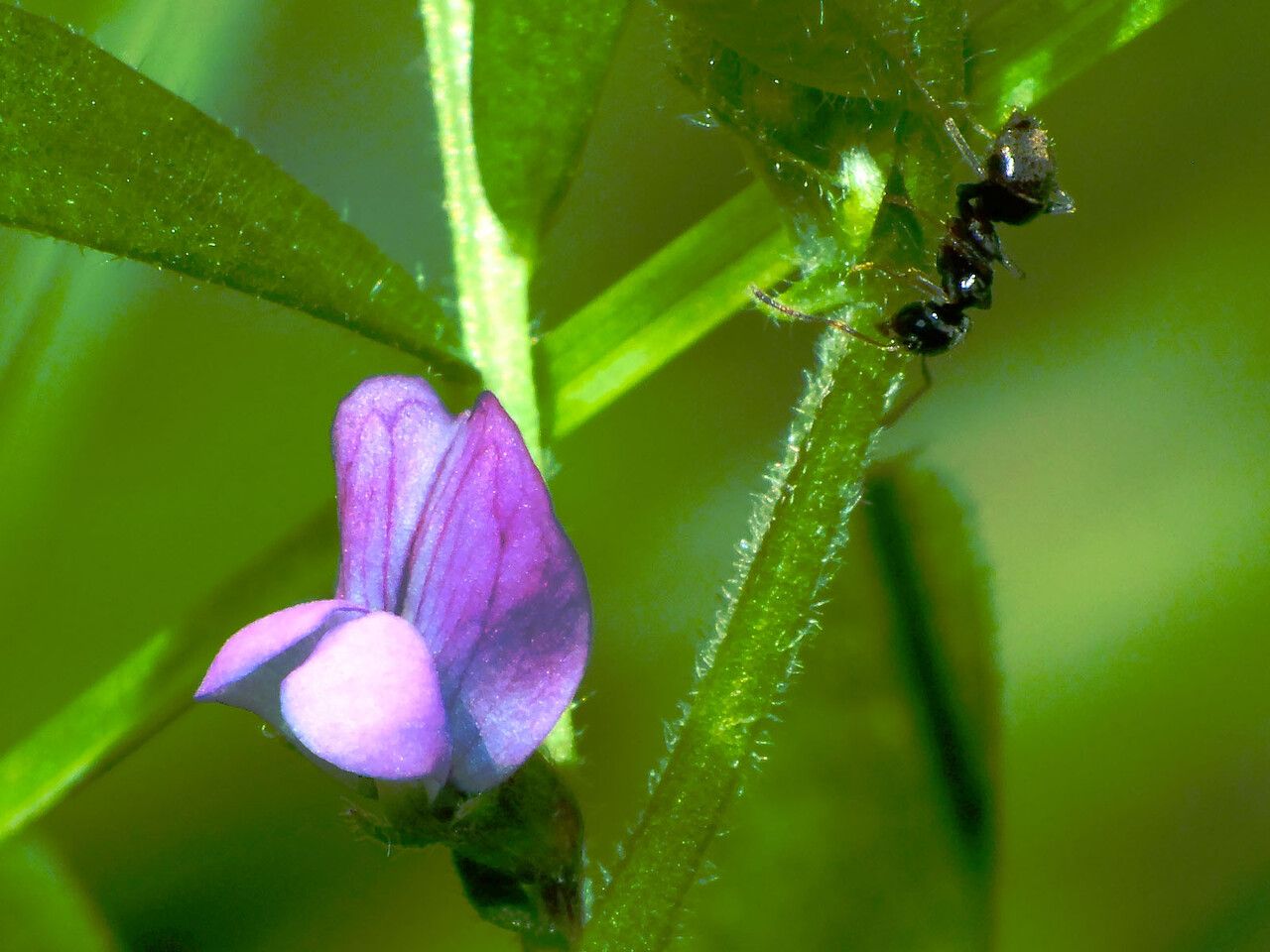
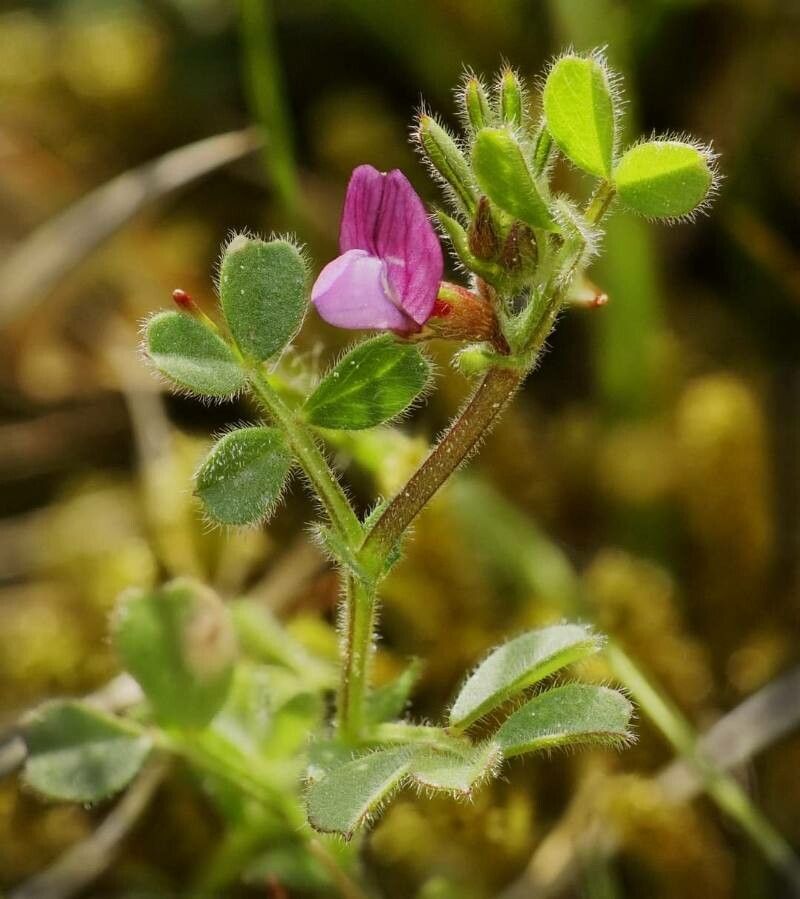
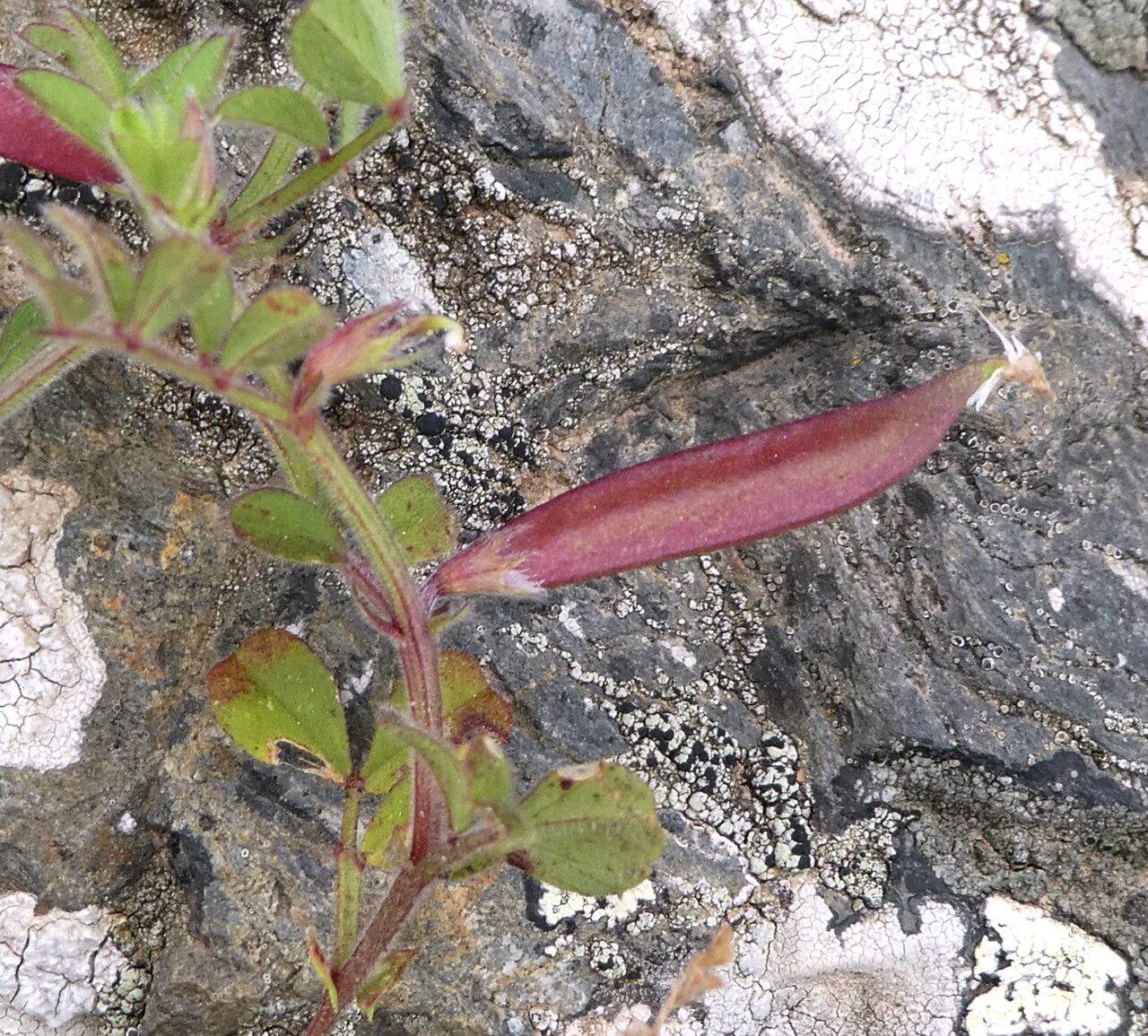
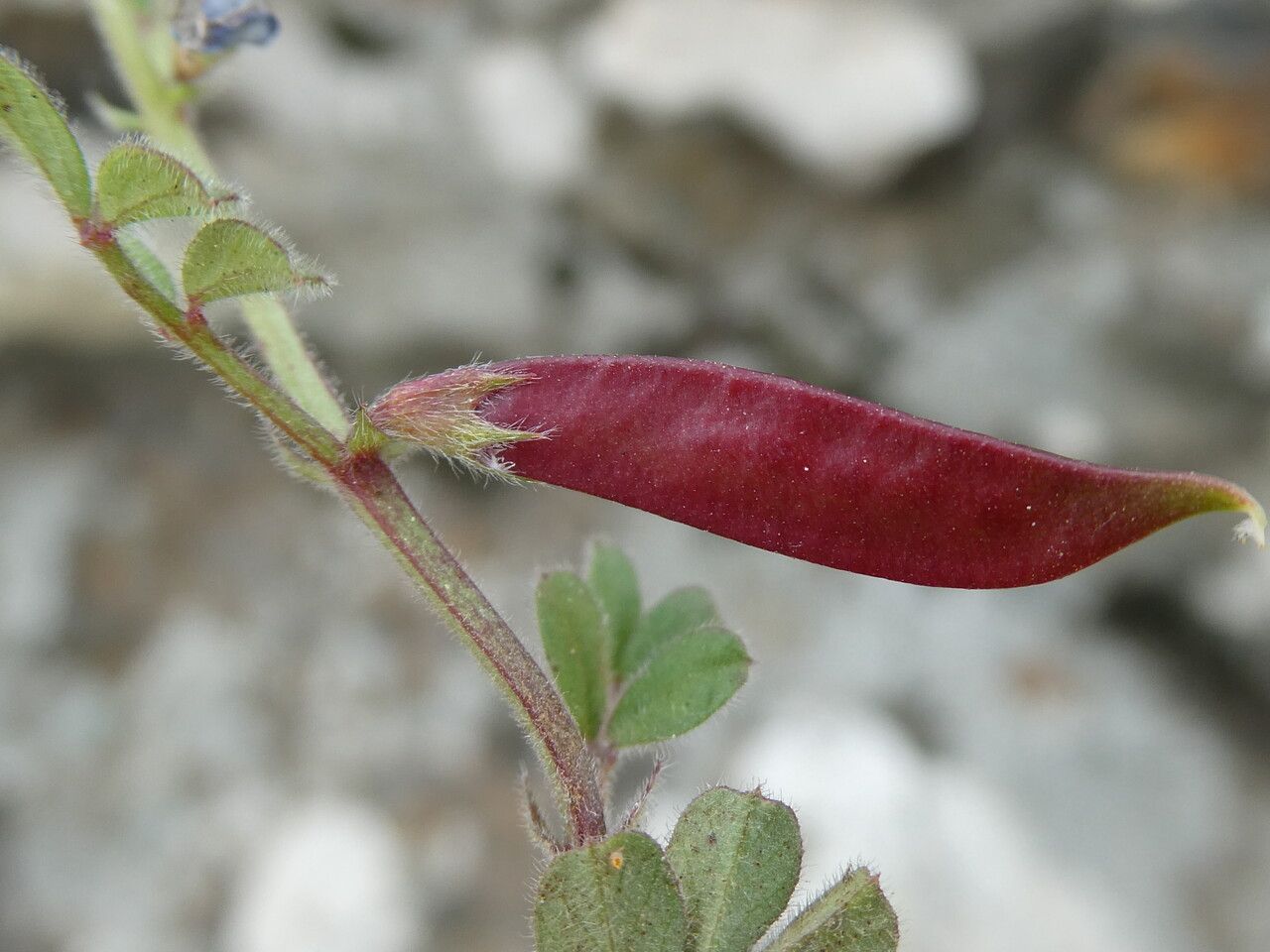
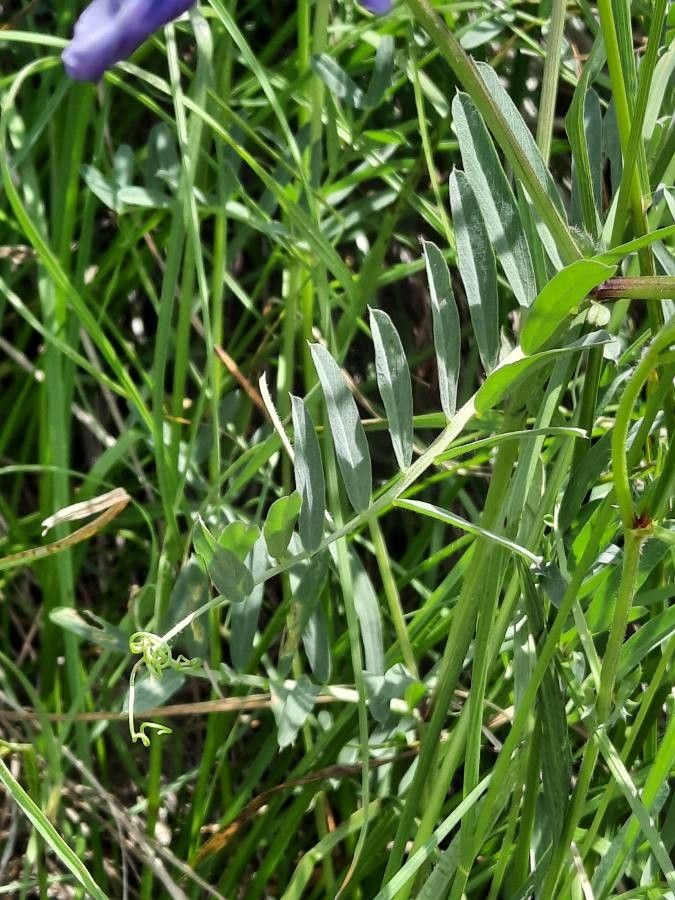
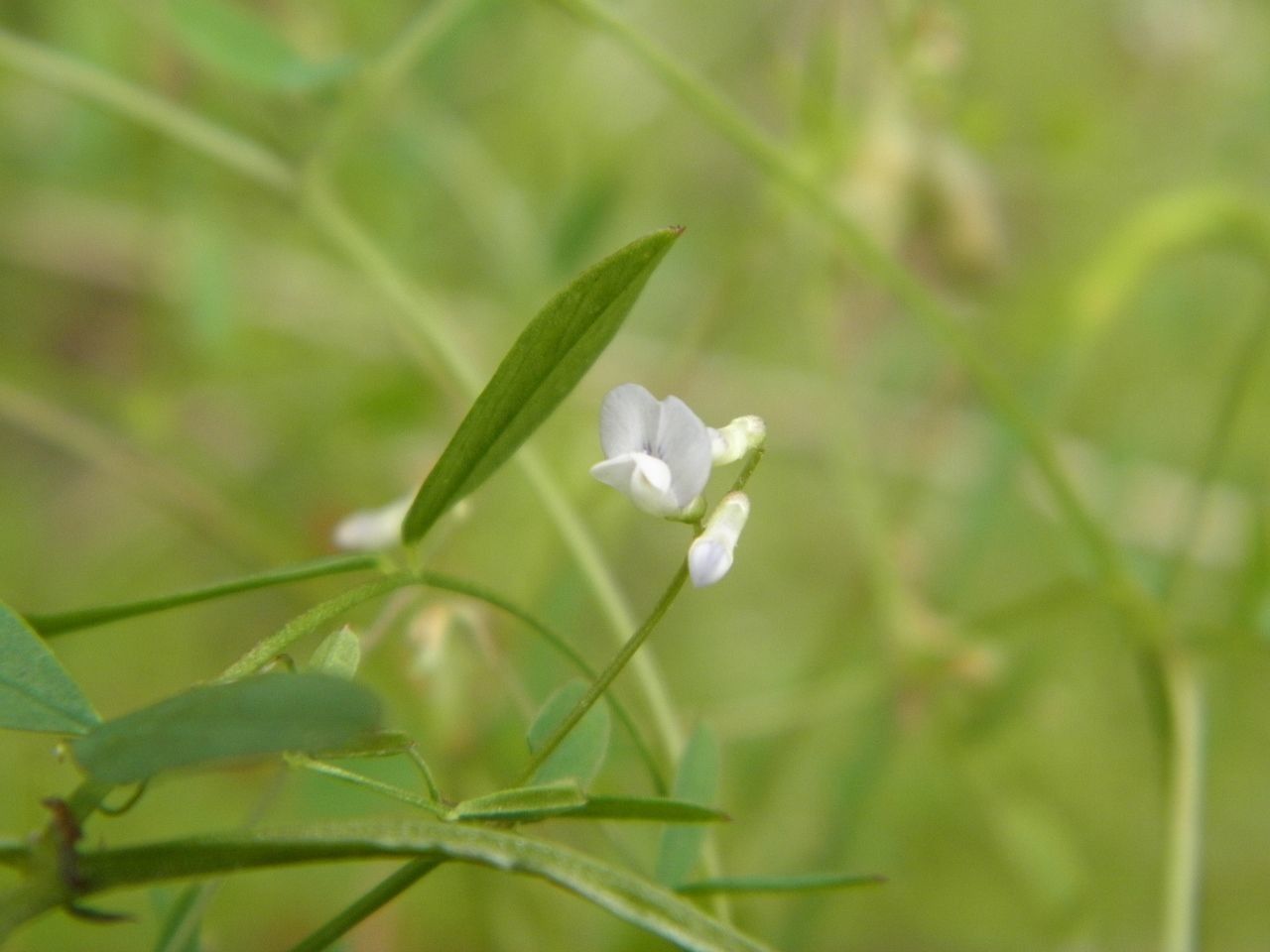
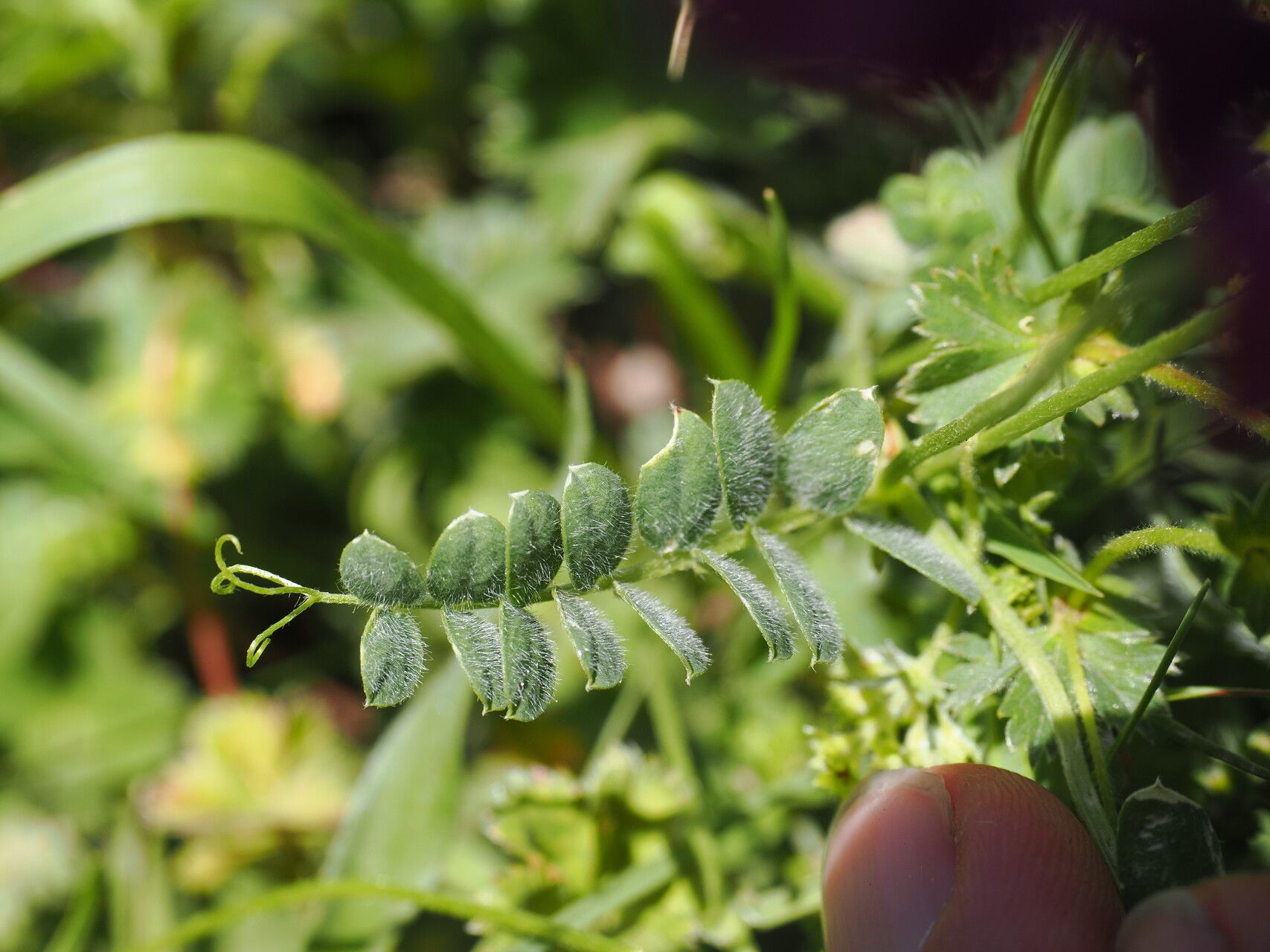
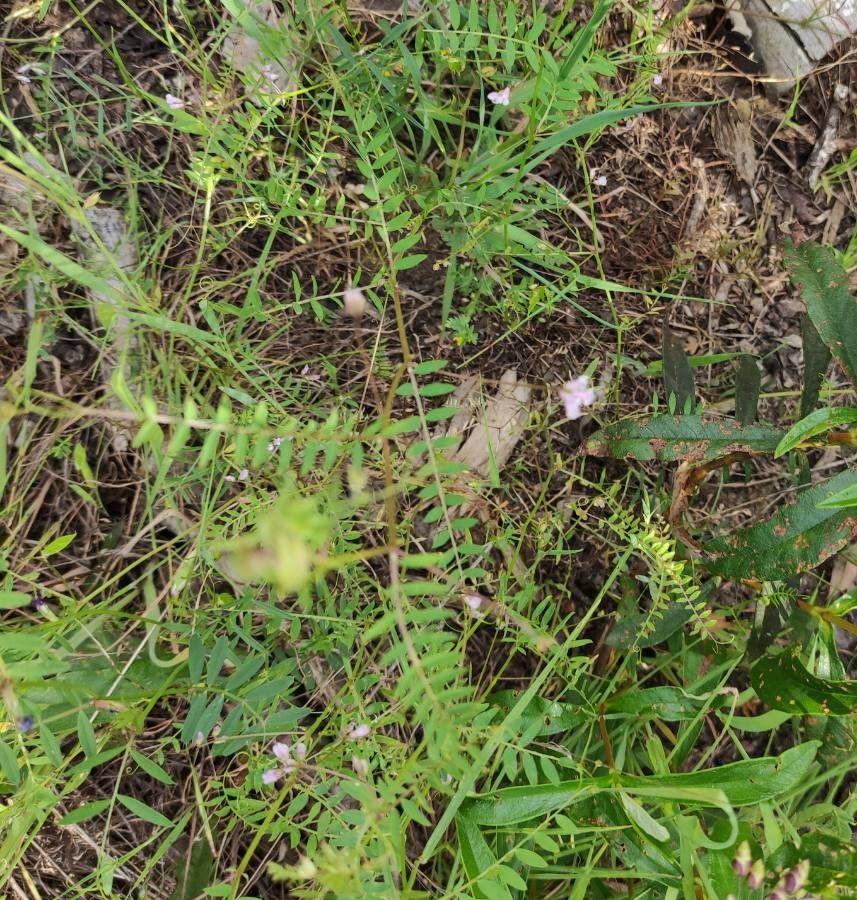
Vicia lathyroides, commonly known as spring vetchling, is a herbaceous plant in the Fabaceae family. Native to Europe and Western Asia, it thrives in meadows, grasslands, and open woodlands. The plant can grow up to 60 cm tall, featuring slender stems covered in fine hairs. Its pinnate leaves consist of 4-8 pairs of oblong or lanceolate leaflets.
From May to July, Vicia lathyroides produces small, pale yellow flowers that bloom in clusters at the ends of long stalks emerging from the leaf axils. The plant's fruit is a pod containing several seeds.
Historically, Vicia lathyroides has been valued as livestock fodder due to its high protein content. Additionally, it has been used in traditional medicine for its anti-inflammatory properties.
The plant prefers well-drained soils but can tolerate some moisture during its growing season. It requires full sun or partial shade for optimal growth.
Overall, Vicia lathyroides is an attractive wildflower that serves as an important food source for livestock and offers medicinal benefits. This makes it a significant species both ecologically and culturally across its native range in Europe and Western Asia.
Spring vetch has strong resistance to disease and is generally not inclined to suffer from illnesses. Still, it can be vulnerable to pests and diseases present in its environment. Such infections are typically mild. Regarding maintenance, this plant needs a moderate level of care. It should be pruned on a regular basis to preserve an attractive appearance and healthy growth. Applying fertilizer can also help stimulate flowering. Spring vetch is appropriate for anyone with outdoor space, like a garden or patio, and does not demand extensive care experience. It can need extra attention when cultivated indoors.
How to keep Vicia Lathyroides.
Light
Spring vetch comes from bright, open habitats and prospers in full sun. It can tolerate partial sun but favors direct sunlight for optimal growth. This plant, which may be annual or biennial, is noted for its sun-loving character.
Water
Spring vetch flourishes in consistently moist environments, although it can withstand short periods of dryness. For optimal health and vigor, it should be watered weekly. Throughout the growing season, managing water carefully is essential to promote strong growth and development.
Temperature
Spring vetch can tolerate a wide range of temperatures, but its distribution may be restricted by different combinations of moisture and heat. It performs best in warm summer conditions with sufficient rainfall or irrigation. Extended periods of overcast, rainy weather, or prolonged high temperatures can increase the risk of Spring vetch dying. In winter, adequate protection from the cold can enhance the plant's survival.
Fertilizer
Spring vetch does well with regular, light applications of fertilizer to encourage healthy leaf growth. Fertilize spring vetch about once a month during the summer. Nitrogen is important for foliage, and providing nitrogen-rich sources helps spring vetch thrive.
Pruning
Spring vetch is a small annual plant characterized by its vining stems and purple flowers. To encourage healthier growth and more vibrant blooms, it is best to prune the plant from early to late spring. Regular pruning helps control its spread, prevents it from becoming invasive, and maintains its aesthetic appeal. Be sure to use clean, sharp tools during pruning to prevent the spread of disease.
Botanical profile.
- Plant Type
- Herb, Vine
- Life Cycle
- Annual
- Genus
- Vicia
- Family
- Fabaceae
- Hardiness Zone
- 7
- Mature Height
- 5 cm to 25 cm
- Mature Spread
- 15 cm to 25 cm
- Leaf Color
- Green
- Leaf Type
- Deciduous
- Flower Color
- Purple, Violet
- Flower Size
- 0.51 cm to 0.76 cm
- Bloom Time
- Early spring, Mid spring
- Planting Time
- Spring, Summer
- Harvest Time
- Late spring, Early summer
- Native Area
- Turkey, Sweden, Austria, Slovakia, Montenegro, Slovenia, Morocco, Croatia, Belarus, Russia, Germany, Romania, Belgium, Portugal, Netherlands, France, Czech Republic, Bulgaria, Armenia, Poland, Greece, Ukraine, Lebanon, Serbia, Norway, Syria, Italy, Spain, Switzerland, Denmark, Finland, Iran, Albania, Ireland, United Kingdom, Hungary, Algeria, Azerbaijan
Other names.
Reader questions.
What is the most effective way to water my Spring vetch?
There are several options for watering Spring vetch. You can use a garden hose with a spray nozzle, a watering can, or any other common watering tool. Spring vetch is not particular about the type of water it receives, so rainwater, tap water, or filtered water will all work fine. It's best to avoid overhead watering, as this can harm the leaves and flowers and lead to disease. A drip irrigation system is often a good choice for watering Spring vetch, as it provides even and direct water to the soil. If you have a Spring vetch in a container, you can use a cup, watering can, or tap to water it directly onto the soil.
What are the sunlight requirements for Spring vetch?
Spring vetch thrives in environments that offer full sun exposure, requiring more than 6 hours of sunlight daily for optimal growth. However, it can also tolerate partial sun, needing about 3-6 hours of sunlight. It is vital to observe the movement of sunlight through your garden to identify spots that provide the perfect balance of light and shade, ensuring the plants' well-being. In addition to sunlight, artificial lighting can be used to supplement light for indoor plants or during less sunny seasons, with different wattage requirements based on the plant's sunlight needs.
What do I do if I give my Spring vetch plant too much or too little water?
The solution for underwatering Spring vetch is simple: if you see that your plant is lacking moisture, just start watering it more regularly. Overwatering, on the other hand, can be a more serious problem, especially if you don't catch it early. When your Spring vetch is overwatered, it can get sick and eventually die. To prevent this, choose a suitable location with plenty of sunlight to dry the soil and good drainage to prevent excess water from accumulating. If you overwater your potted Spring vetch, you might need to transfer it to a new pot. The old container might not have had proper drainage or enough drainage holes. When repotting the overwatered Spring vetch, use loose soil and a pot that drains well.
How does insufficient light affect Spring Vetch and what can be done?
Spring vetch shows symptoms of light deficiency when grown indoors or under insufficient light, including smaller new leaves, leggy or sparse growth, faster leaf drop, slower or no new growth, lighter-colored or chlorotic leaves, sunscald, leaf curling, wilting, and leaf scorching. To address these issues, gradually move plants to sunnier locations or utilize artificial light to ensure they receive adequate sunlight, mimicking natural sunlight conditions as close as possible. Solutions include using south-facing windows for natural light, employing artificial grow lights, and ensuring plants are gradually adapted to increased light exposure to prevent sunburn.
How often should I give water to my Spring vetch?
To properly care for Spring vetch, make sure to water it regularly throughout the growing season. Initially, watering once a week should suffice. However, as the weather gets warmer, you might need to increase watering to two or three times per week. Be cautious not to overwater, as it can harm the plant. Keep the soil moist but not overly wet, regardless of the frequency of watering. If Spring vetch is in a pot, increase watering frequency compared to an in-ground plant. In most cases, watering a potted Spring vetch should be done a few times per week, rather than once a week for a plant in the ground.
What are the best practices for ensuring sufficient sunlight for Spring vetch?
Ensuring sufficient sunlight for Spring vetch involves reducing obstructions like pruning trees that shade your garden, carefully transplanting smaller plants to sunnier spots during their dormant periods, and using artificial lighting effectively indoors. For outdoor plants, gradually acclimate them to sunnier spots to prevent shock. For indoor plants, positioning them near south-facing windows and using artificial lighting can help. It's important to gradually increase exposure to sunlight to ensure new growth is healthy, despite the damage that might already have occurred to parts of the plant due to previous insufficient lighting.
How much water does my Spring vetch plant need?
Determining how much water to give your Spring vetch can be approached in a few different ways. One method is to gauge the soil moisture by feeling it, and water until the top six inches are moist. Alternatively, you can use a set measurement, such as giving about two gallons per week depending on weather conditions. However, be cautious of overwatering if your plant requires less. For Spring vetch in containers, make sure to moisten all dry soil layers and test for moisture by sticking your finger in the soil or allowing excess water to drain.
How do I know if I am giving enough water to my Spring vetch plant?
Avoiding overwatering your Spring vetch can be somewhat challenging due to its specific watering needs. These plants have deep roots that require weekly watering to keep the soil moist. However, Spring vetch is highly susceptible to root rot and can experience browning if overwatered. Underwatering is less of a concern as these plants can survive without additional watering for some time. But if you wait too long to water them, they will start to wilt and develop dry leaves.
How should I water my Spring vetch throughout the year?
As the seasons progress, the water needs of your Spring vetch will change. In the spring, watering once per week is sufficient. However, as the summer heat arrives, you will need to water your Spring vetch more often, possibly up to three times per week. This is especially important if your Spring vetch is growing in a container, as the soil in containers tends to dry out quicker in warm weather. In autumn, when your Spring vetch is still blooming, it may require less water due to the decrease in temperature and intensity of the sun.
How should I water my Spring vetch as it grows?
Spring vetch goes through different growth stages throughout the year, and each stage requires a different amount of water. When you start with the seed, you should give it more water during the germination process than it will need later on. Water the seed often enough to keep the soil consistently moist. After a few weeks, the vetch will grow above the soil and will need slightly less water. Once the plant is mature, you can water it once a week. During flower development, you may need to increase the watering slightly to help the process.
How is watering Spring vetch inside different from watering it outside?
Most Spring vetch plants prefer to grow outdoors due to a few reasons. Firstly, these plants tend to grow quite tall. Secondly, they require more daily sunlight than most indoor locations can offer. However, if you can provide a suitable indoor growing environment, you might need to water your Spring vetch more frequently than you would outdoors. This is because indoor locations, especially those with HVAC units, are generally drier. Additionally, the soil in containers tends to dry out faster compared to soil in the ground.