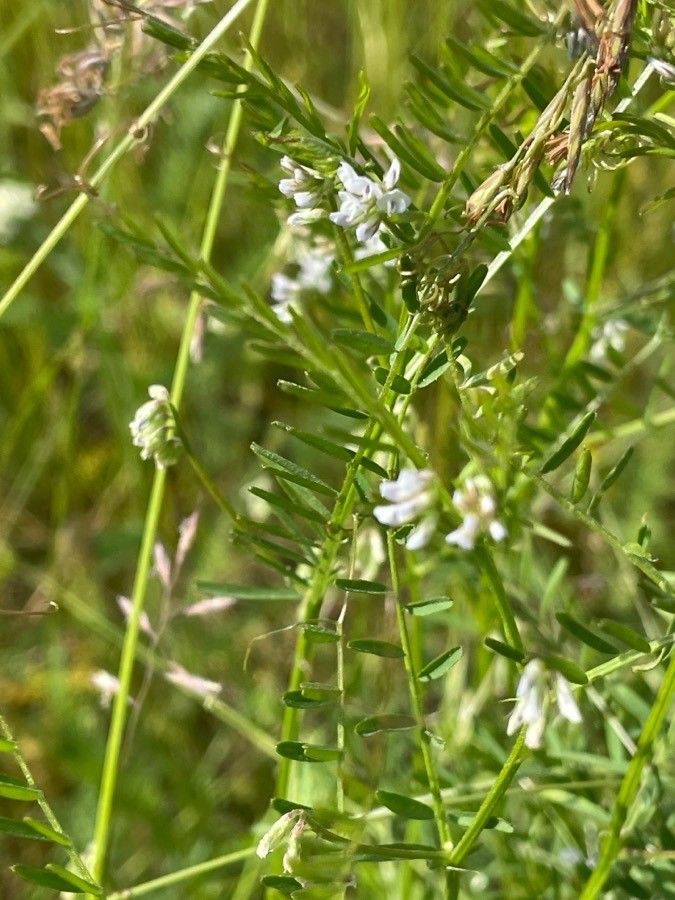
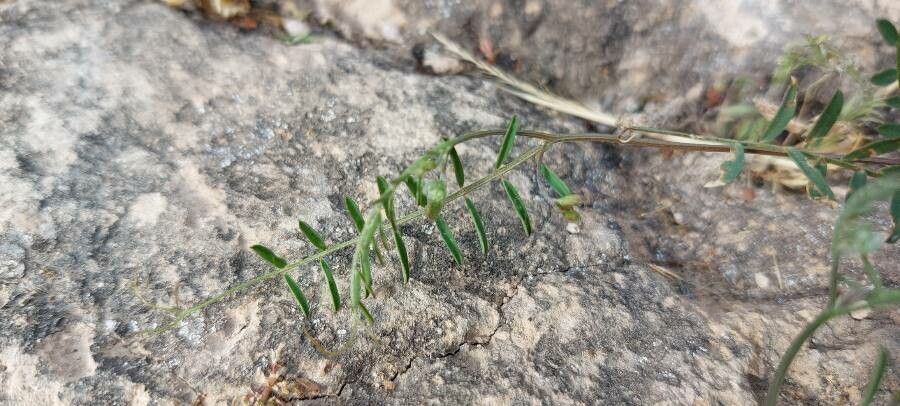
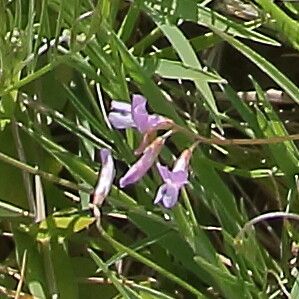
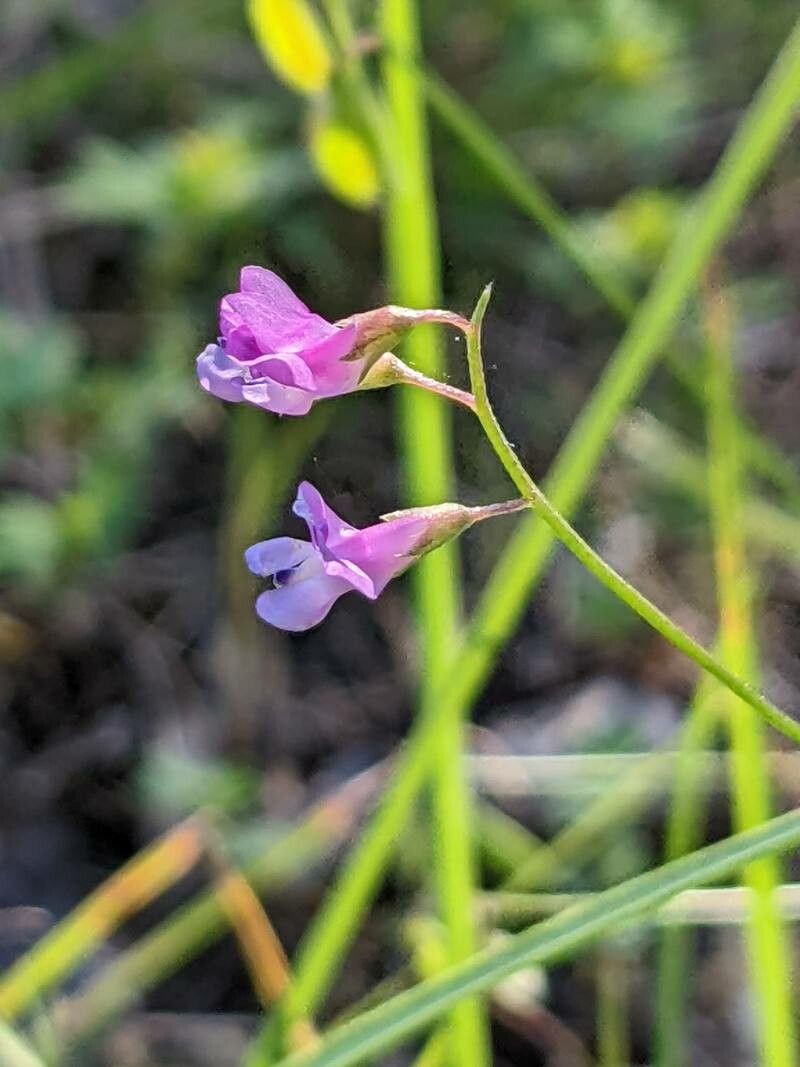
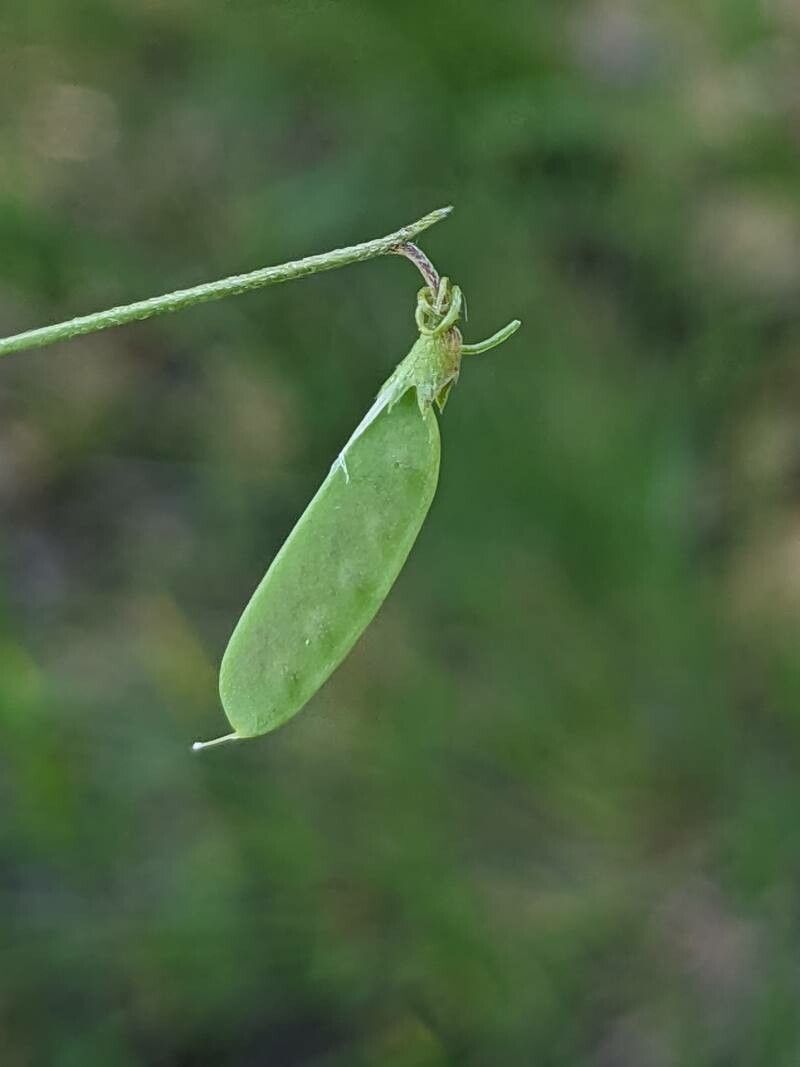
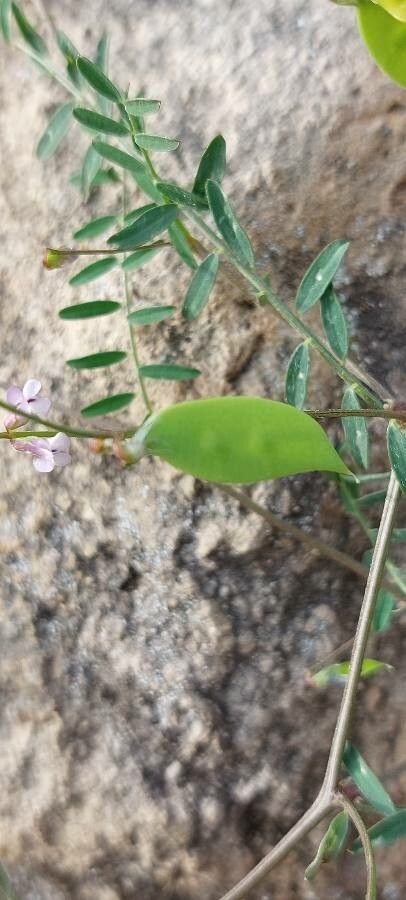
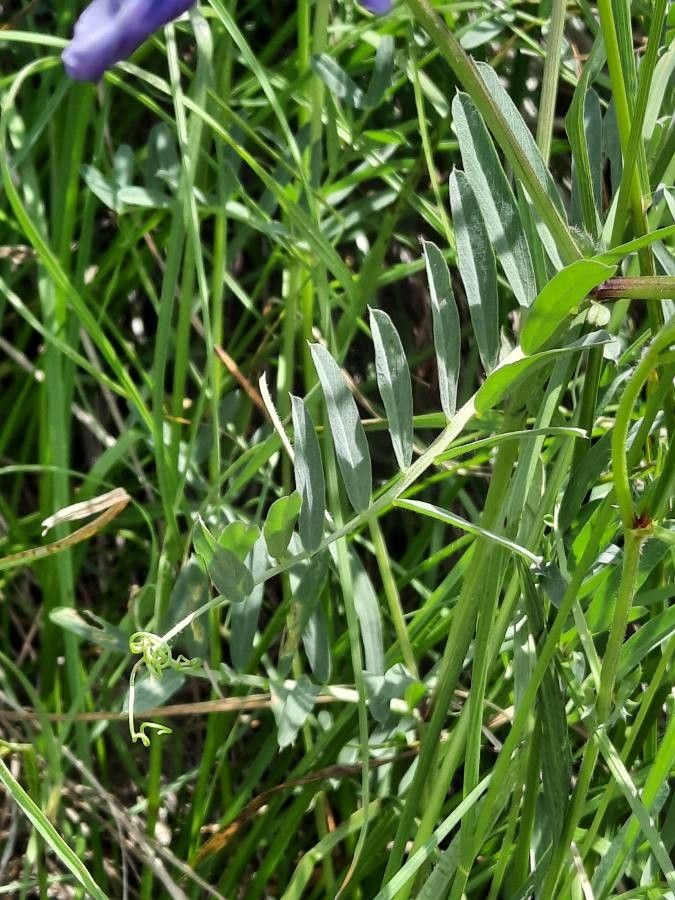
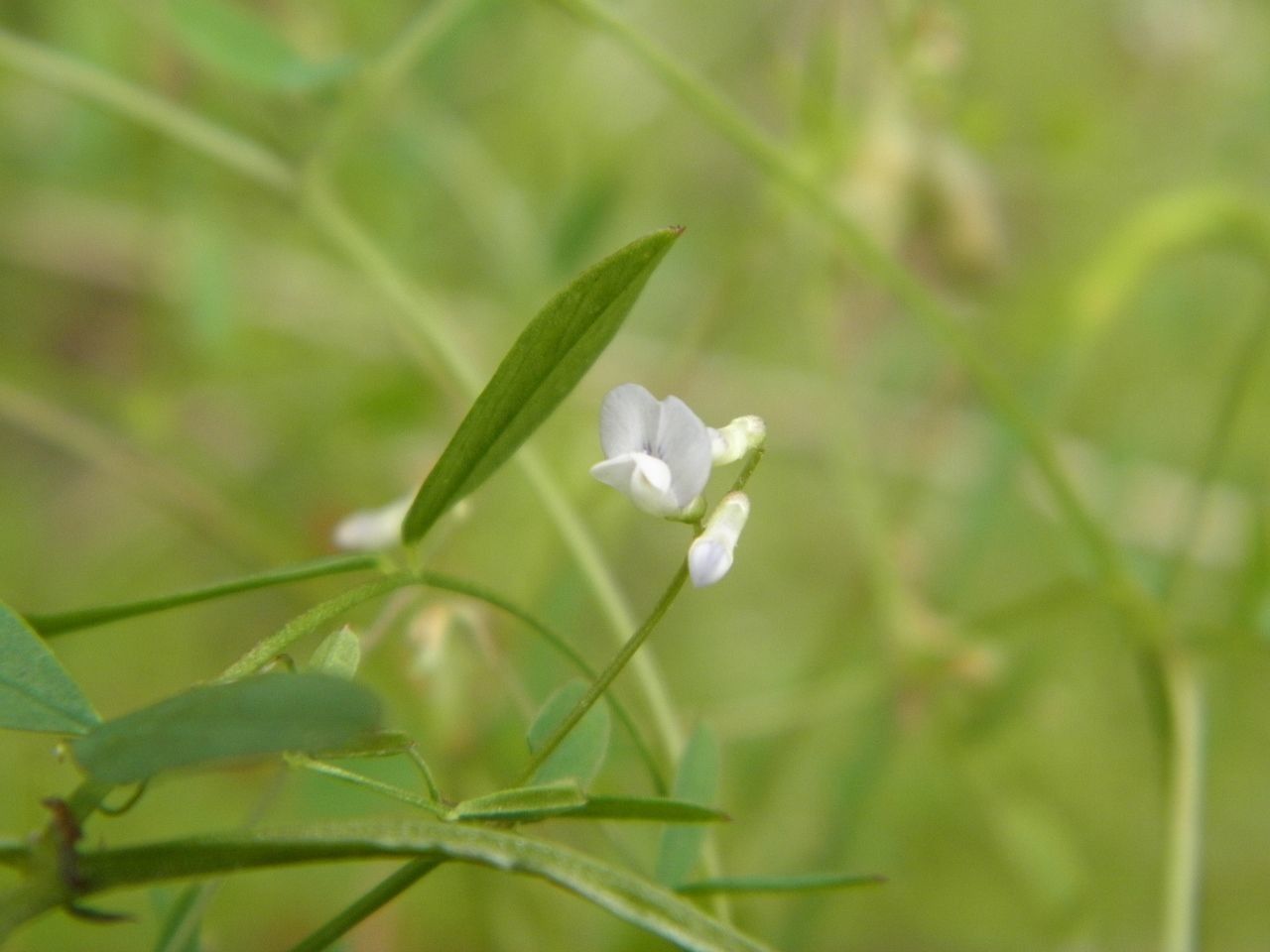
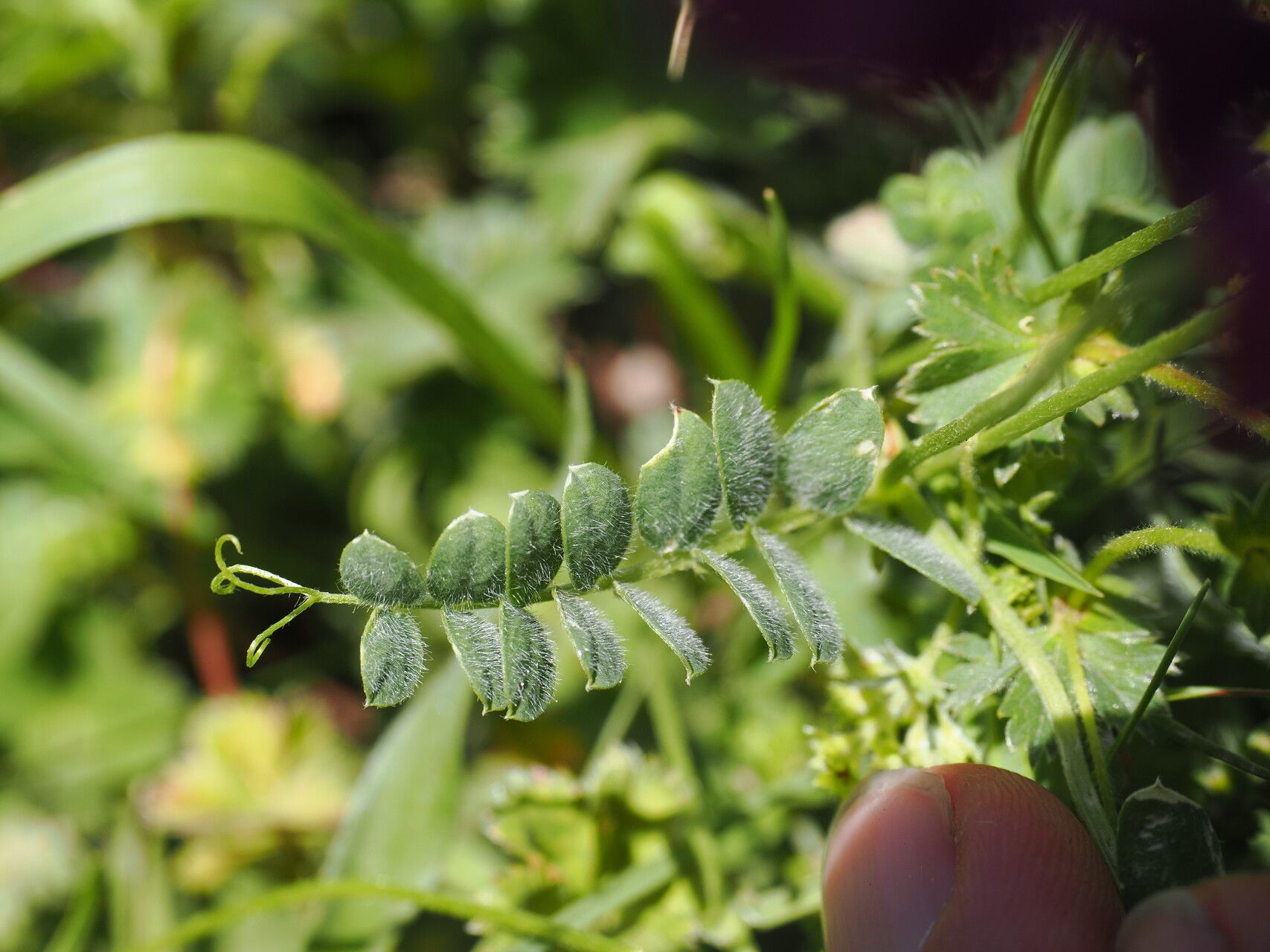
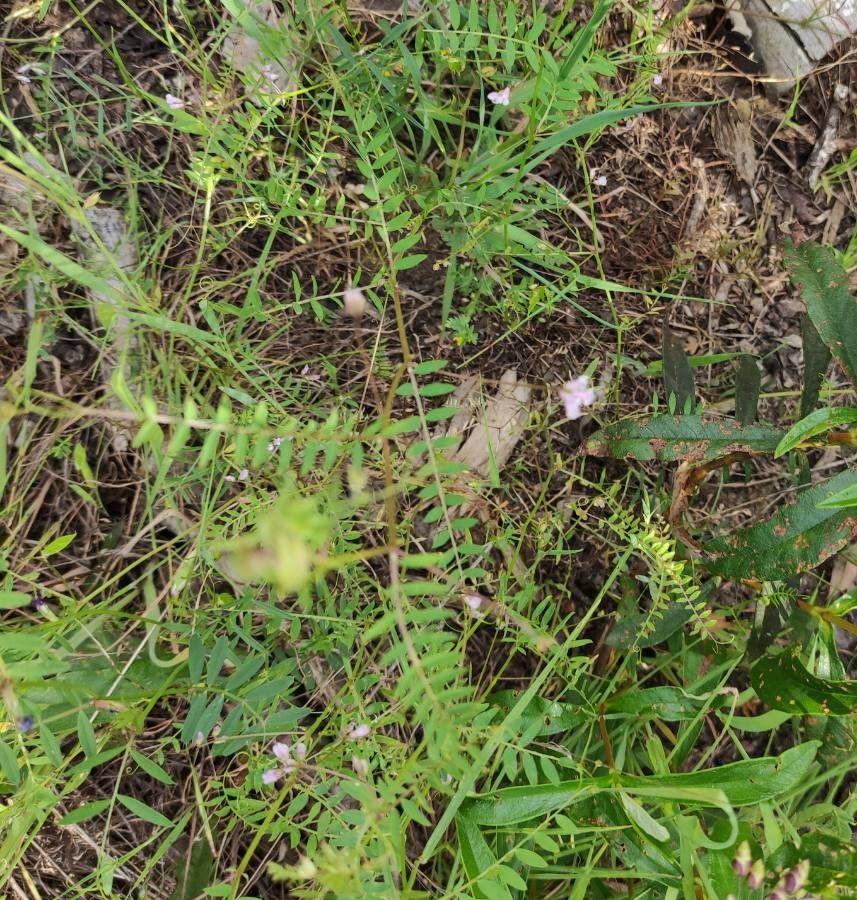
Vicia parviflora, commonly known as small-flowered vetch or small-flowered tare, is a species of flowering plant in the pea family, Fabaceae. Native to Europe and western Asia, it has been introduced to other parts of the world for use as a forage crop and cover crop.
Small-flowered vetch is an annual or biennial plant that can grow up to 60 cm tall. It features slender stems with narrow leaves divided into several pairs of leaflets. The small flowers, which can be purple, pink, or white, are arranged in clusters at the ends of long stalks.
This plant is widely used as a forage crop for livestock due to its high protein content and palatability. It also serves as a cover crop, enhancing soil fertility by fixing nitrogen from the atmosphere into the soil.
Additionally, Vicia parviflora has a history of use in herbal medicine, known for its diuretic properties and its effectiveness in treating respiratory ailments such as coughs and bronchitis.
Overall, Vicia parviflora is a versatile plant species with numerous uses, from agriculture to medicine, owing to its nutritional value and medicinal properties.
Tiny vetch is fairly disease-resistant and generally not prone to illnesses. However, it can be vulnerable to pests and diseases present in its surroundings. These outbreaks are usually not severe. Regarding care, this plant needs moderate maintenance. It should be pruned regularly to preserve a neat appearance and encourage healthy growth. Fertilizing can also help promote flowering. Tiny vetch is suitable for anyone with an outdoor area, such as a garden or patio, and does not require much care experience. It may need more attention if grown indoors.
How to keep Vicia Parviflora.
Light
The tiny vetch is a robust plant that does well in locations receiving sunlight for most of the day. It can also tolerate areas with less sun. Excessive sunlight can cause leaf bleaching, while shaded conditions will stunt its growth. These preferences reflect its native habitat.
Water
Many-seeded slender tare comes from a temperate climate with regular rainfall and thrives with weekly watering. As a deciduous plant, it conserves water during its winter dormancy, highlighting its balanced need for hydration without requiring excessive moisture or displaying strong drought resistance.
Temperature
Tiny vetch does best in its native habitat when temperatures range from 68 to 95 °F (20 to 35 °C). These plants favor warmer conditions and usually tolerate seasonal fluctuations well.
Fertilizer
Tiny vetch does well with regular, light applications of fertilizer to encourage healthy leaf growth. Fertilize Tiny vetch about once a month during the summer. Nitrogen is vital for foliage, and supplying nitrogen-rich sources helps Tiny vetch thrive.
Pruning
The many-seeded slender tare produces small blooms and benefits from light pruning from early to late spring. To improve airflow, be sure to remove any damaged stems and shape the plant as needed. Pruning encourages denser foliage, enhances its appearance, and helps prevent disease. It's important to use clean tools to minimize damage and promote healthy growth and flowering.
Botanical profile.
- Plant Type
- Herb, Vine
- Life Cycle
- Annual, Biennial
- Genus
- Vicia
- Family
- Fabaceae
- Hardiness Zone
- 4-9
- Mature Height
- 20 cm to 61 cm
- Mature Spread
- 20 cm to 49 cm
- Leaf Color
- Green, Blue
- Leaf Type
- Deciduous
- Flower Color
- White
- Flower Size
- 0.25 cm to 0.51 cm
- Bloom Time
- Late spring, Early summer, Mid summer
- Planting Time
- Spring, Summer
- Harvest Time
- Early summer, Mid summer
Other names.
Reader questions.
How should I water my Many-seeded slender tare plant?
Watering Many-seeded slender tare can be done using various common watering tools such as a garden hose with a spray nozzle or a watering can. This plant is not too particular about the type of water it receives, whether it is rainwater, tap water, or filtered water. However, it is best to avoid watering this plant from overhead as it can harm the leaves and flowers and potentially lead to disease. For optimal watering, setting up a drip irrigation system is recommended, as it delivers water evenly and directly to the soil. If you have a container-grown Many-seeded slender tare, you can use a cup, watering can, or tap to water it directly at the soil level.
What are the sunlight requirements for Many-seeded slender tare?
Many-seeded slender tare thrives in bright, open environments and requires full sun, defined as over 6 hours of sunlight a day, for optimal growth. It can also tolerate partial sun, which is about 3-6 hours of sunlight. However, it is noted that one should observe the movement of sunlight in the garden to ensure that the plants receive a perfect balance of light and shade, thus promoting their well-being.
What is the common name of Vicia parviflora?
The common name of Vicia parviflora is Many-seeded slender tare.
What should I do if I give my Many-seeded slender tare plant too much or too little water?
To solve the problem of underwatering Many-seeded slender tare, simply water the plant more regularly when you notice it lacks moisture. However, overwatering can be much more dangerous for the plant, potentially leading to disease, decline, and death. To prevent this, ensure the plant is located in an area that receives ample sunlight to dry the soil and has good drainage to prevent waterlogging. If you accidentally overwater your potted Many-seeded slender tare, consider transferring it to a new pot with better drainage and loose soil.
How important is sunlight for the growth of Many-seeded slender tare?
Sunlight is crucial for the growth of Many-seeded slender tare, as it originates from environments that are bright and open, making it a sun-loving plant. While it can tolerate partial sun, direct sunlight is preferred for its optimal growth. When natural sunlight is not sufficient, especially in winter or in less sunny spaces, artificial lights, such as LED lights, can provide the necessary wavelengths of light. The right amount of artificial light depends on the plant's sun requirements, varying from 10-50W/sq ft based on whether the plant is full sun, partial sun, or shade-loving.
What are the essentials of Many-seeded slender tare?
Information regarding the essentials of Many-seeded slender tare is not provided.
How often do I need to water my Many-seeded slender tare?
Many-seeded slender tare requires regular watering throughout the growing season. In spring, watering once a week is recommended. As the season progresses and the weather gets warmer, you may need to increase watering to two to three times per week. However, exceeding this rate can harm the plant. Regardless of watering frequency, it's important to keep the soil moist but not wet. When watering Many-seeded slender tare in a pot, you will generally need to water more frequently compared to plants grown in the ground. Plan to water container-grown tare a few times per week, while in-ground plants can be watered once per week.
What are the symptoms of insufficient light for Many-seeded slender tare?
When grown in conditions with inadequate light, Many-seeded slender tare may exhibit several symptoms, including small and pale new leaves, leggy or sparse growth, early leaf drop, slower or no new growth, and certain conditions like chlorosis (yellowing leaves due to lack of chlorophyll), sunscald, leaf curling, wilting, and leaf scorching. These symptoms indicate that the plant is not receiving enough sunlight to perform essential functions like photosynthesis effectively.
What are the symptoms of Many-seeded slender tare?
There are no symptoms provided for Many-seeded slender tare.
How much water does my Many-seeded slender tare plant need?
Determining the watering needs of your Many-seeded slender tare can be approached in a few different ways. One method is to gauge the moisture level of the soil by feeling it. In this case, you would aim to water until the top six inches of soil feel moist. Alternatively, you can follow a specific measurement guideline. Typically, giving your Many-seeded slender tare around two gallons of water per week is recommended, taking into account factors like temperature and soil dryness. However, be cautious with this approach as it may result in overwatering if your plant requires less water. When growing Many-seeded slender tare in a container, a different method is needed to determine the watering amount. It is suggested to water enough to moisten all the dry soil layers. You can check this by inserting your finger into the soil to feel for moisture or by observing a slight drainage of excess water from the pot.
What solutions can help Many-seeded slender tare get adequate sunlight?
To ensure Many-seeded slender tare receives enough sunlight, gradually transitioning it to a sunnier spot can be effective. For indoor plants, moving them to a location where they receive at least 6 hours of direct sunlight daily, using a south-facing window, and keeping curtains open are helpful strategies. If natural light is insufficient or the plant is large, artificial light sources should be considered. For outdoor plants, selecting the best location while avoiding sudden changes in light intensity is crucial. Moreover, reducing obstructions like pruning trees that shade the plant and transplanting smaller plants during their dormant period to sunnier locations with good drainage are beneficial practices.
How do I know if I'm giving enough water to my Many-seeded slender tare?
Avoiding overwatering for Many-seeded slender tare can be a bit challenging. On one hand, these plants have deep roots and need watering weekly. However, they are prone to root rot and browning if overwatered. Underwatering is less of a concern since these plants can survive without regular watering. However, if not watered for too long, they may wilt and exhibit dry leaves.