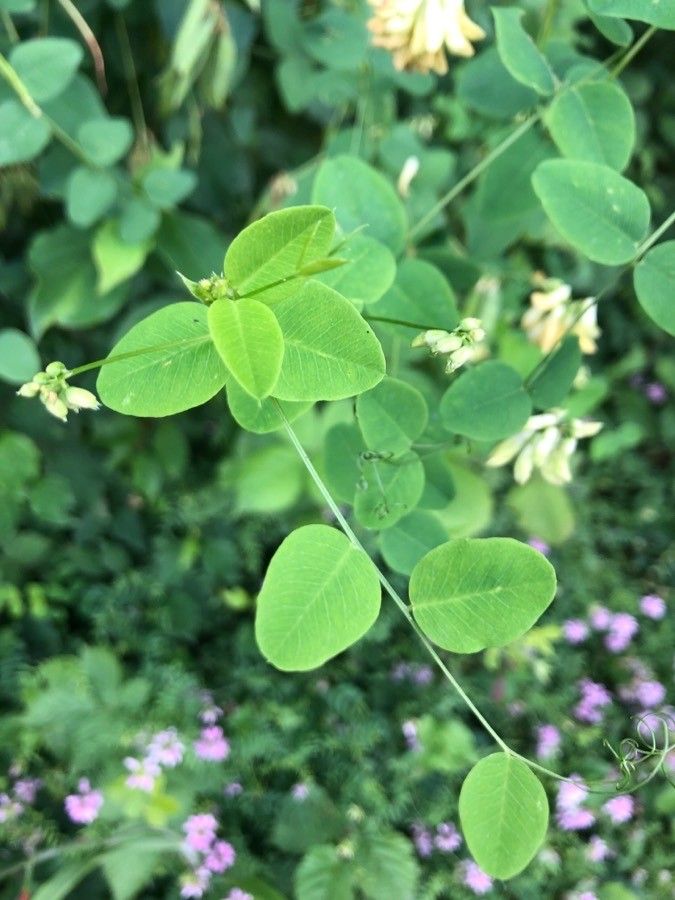
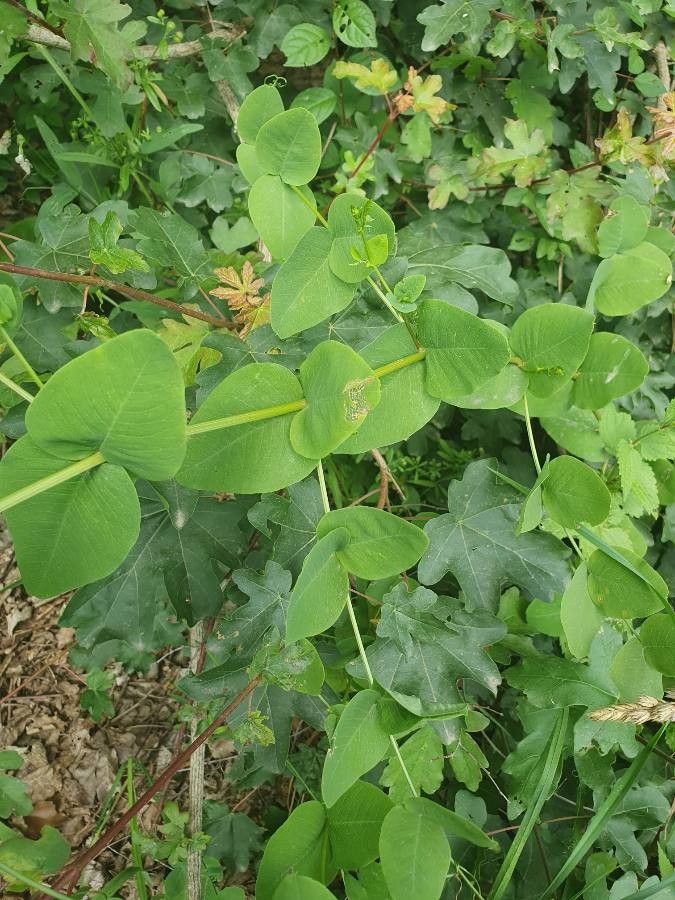
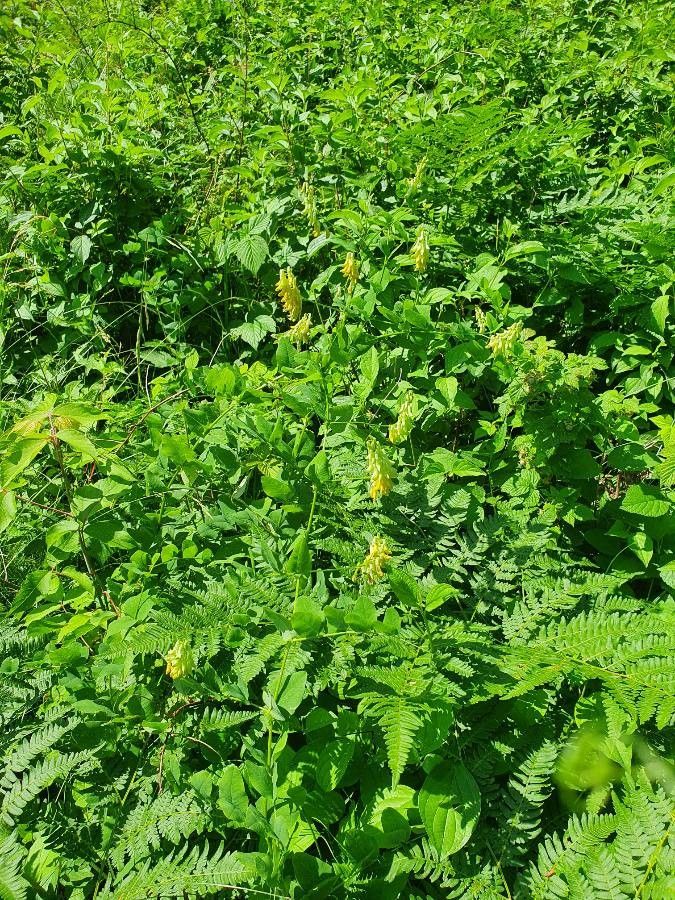
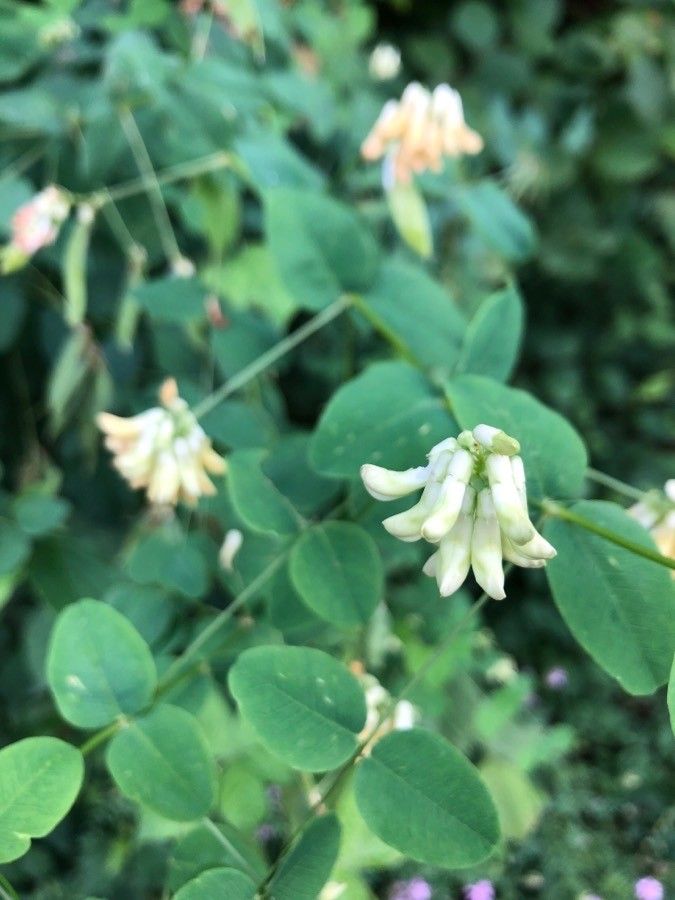
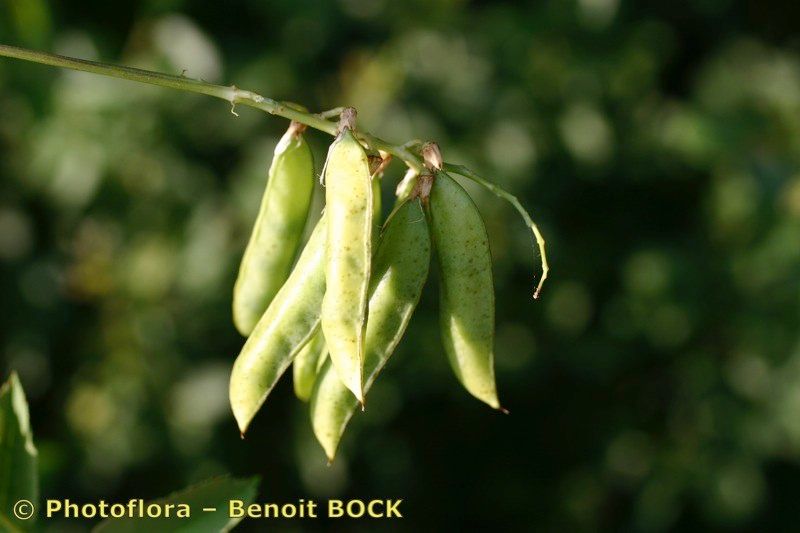
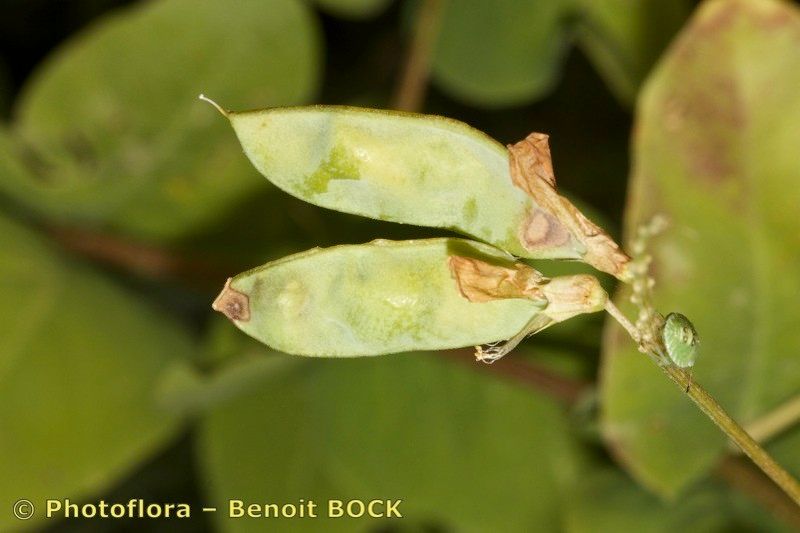
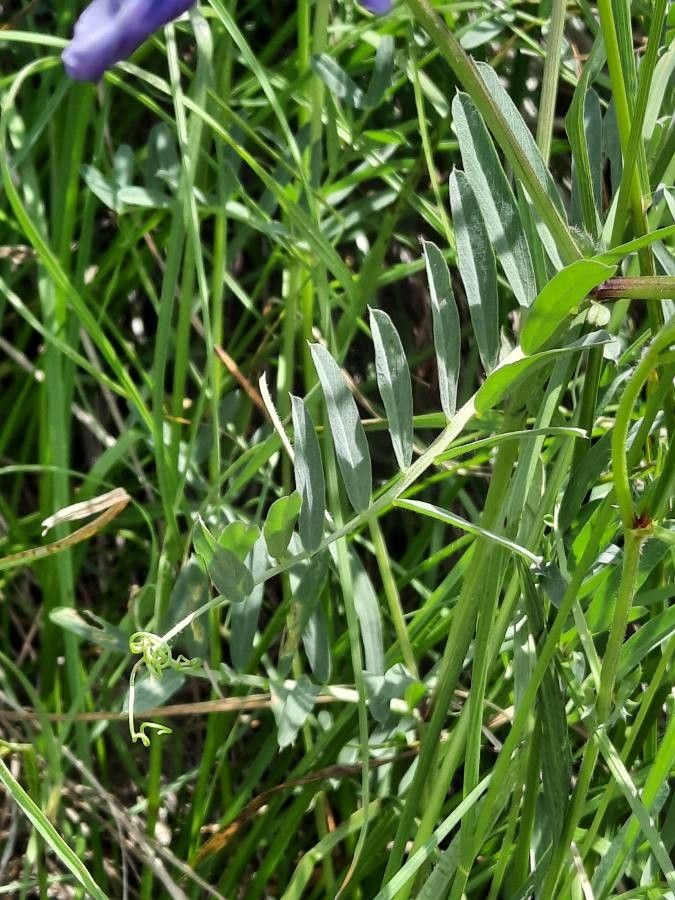
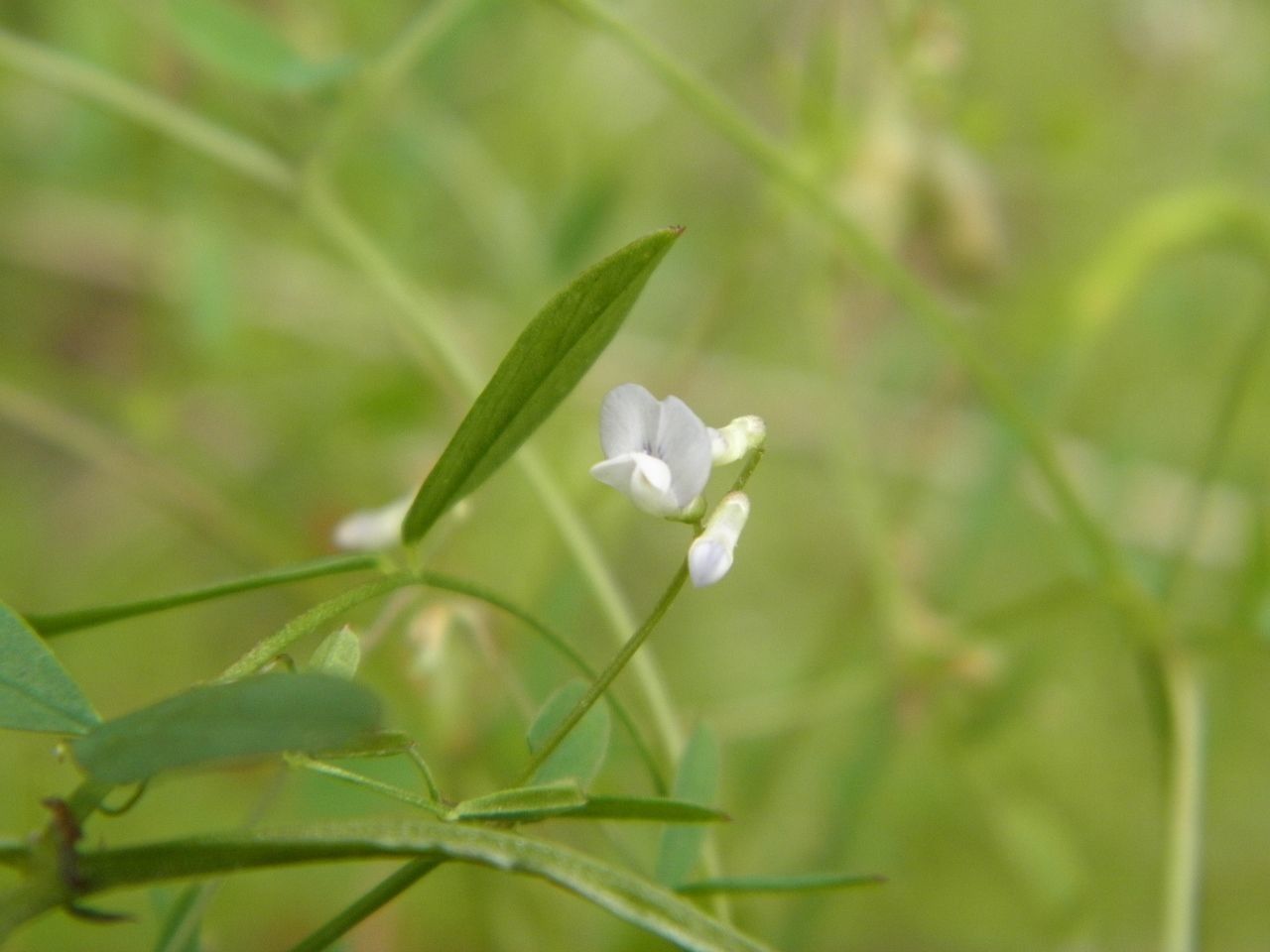
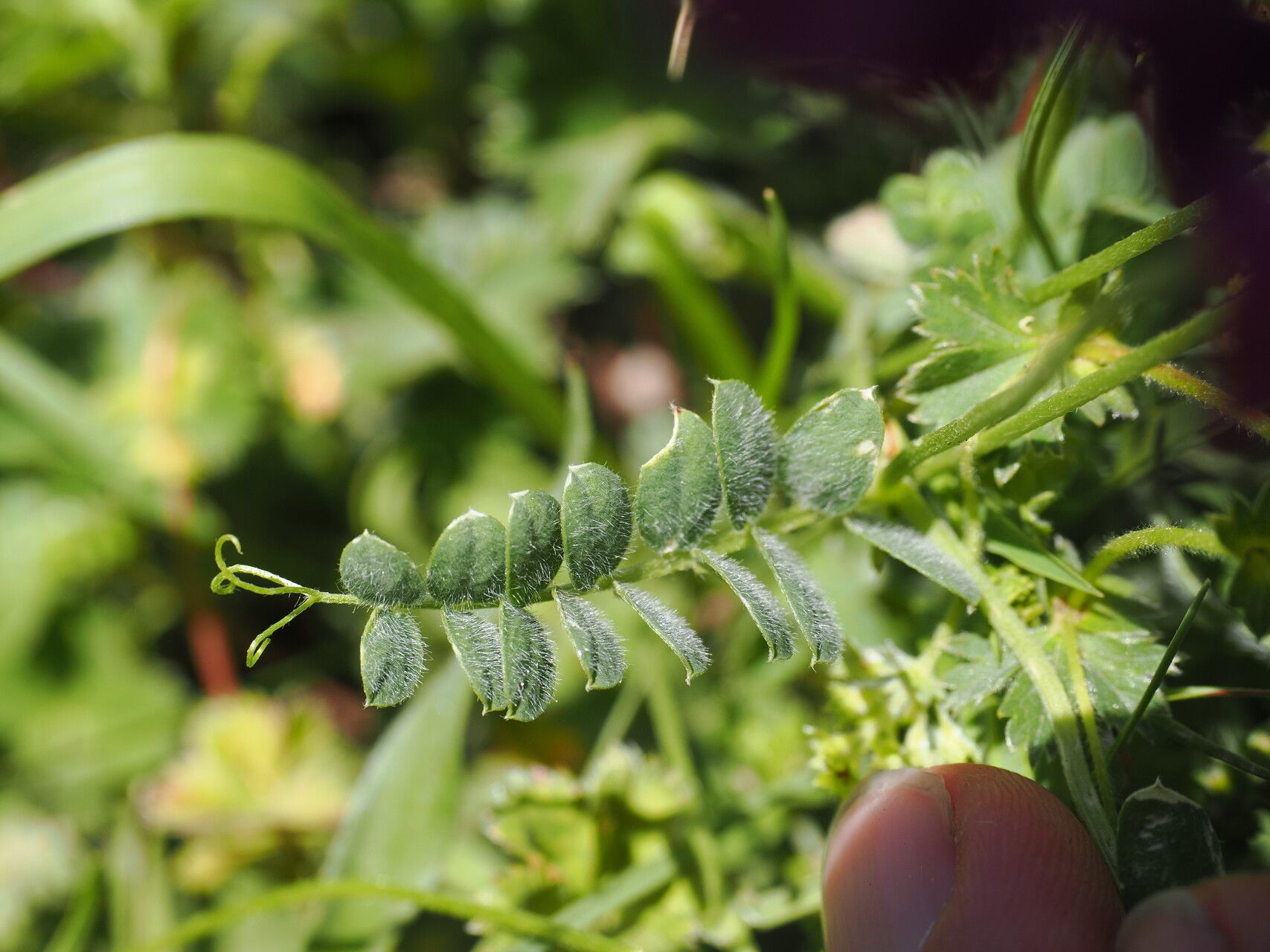
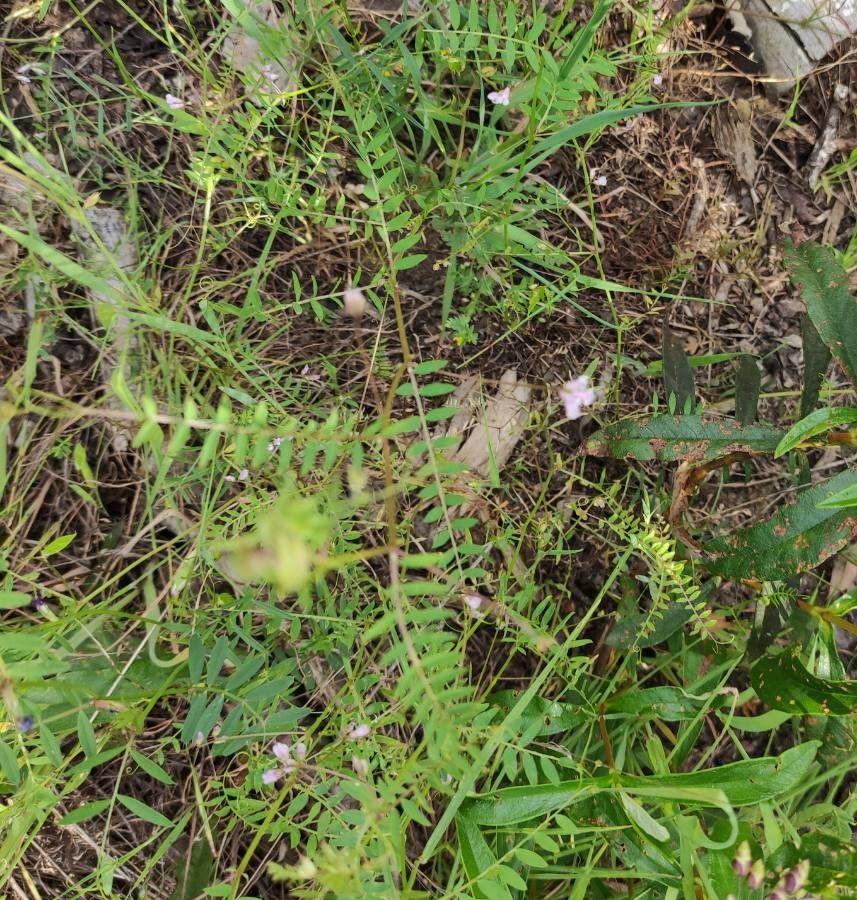
Vicia pisiformis is a species of flowering plant belonging to the family Fabaceae.Its native range is Europe to Western Siberia and Caucasus.
Pale-flowered vetch displays strong resistance to diseases and is generally not vulnerable to them. Still, it can be affected by pests and pathogens present in its environment. Such infections tend to be mild. Regarding maintenance, this plant needs a moderate level of care. It should be pruned on a regular basis to preserve a neat appearance and healthy development. Applying fertilizer can also encourage more abundant flowering. Pale-flowered vetch is well suited for outdoor areas like gardens or patios and does not demand extensive gardening experience. If cultivated indoors, it may call for more attentive care.
How to keep Vicia Pisiformis.
Light
Pale-flowered vetch comes from habitats with dappled light, such as forest understories or rocky sites that offer natural shade. It does best in partial sun but can also tolerate full sun.
Water
To ensure healthy growth, pale-flowered vetch needs regular watering during its early stages. It's best to water on cloudy mornings to reduce evaporation. Make sure to check the topsoil regularly; if it feels dry, it's a good time to water. However, be careful not to over-water, as pale-flowered vetch is susceptible to water-logging.
Temperature
Pale-flowered vetch can adapt to a wide range of temperatures, but its distribution may still be constrained by various combinations of moisture and heat. It grows best in warm summer climates with sufficient rainfall or irrigation. Extended periods of cloudy, rainy weather or prolonged high temperatures can increase the likelihood of Pale-flowered vetch dying. In winter, providing appropriate protection from the cold can improve the plant's survival.
Fertilizer
Pale-flowered vetch benefits from regular, light applications of fertilizer to encourage healthy leaf growth. You should fertilize Pale-flowered vetch about once a month during the summer months. Nitrogen is important for foliage, and providing nitrogen-rich sources helps Pale-flowered vetch thrive.
Pruning
Pale-flowered vetch is a climbing plant that can quickly overtake other plants if not managed. To keep its growth controlled and prevent it from spreading too much, regular pruning is necessary.
Botanical profile.
- Plant Type
- Herb, Vine
- Life Cycle
- Annual
- Genus
- Vicia
- Family
- Fabaceae
- Hardiness Zone
- 4-11
- Mature Height
- 0.91 m to 2.13 m
- Mature Spread
- 30 cm to 61 cm
- Leaf Color
- Light Green, Pale Green
- Leaf Type
- Deciduous
- Flower Color
- Yellow
- Flower Size
- 1.02 cm to 1.52 cm
- Bloom Time
- Early summer, Mid summer
- Planting Time
- Spring, Summer, Autumn
- Harvest Time
- Late summer, Early fall
- Native Area
- Austria, Czech Republic, Slovakia, Montenegro, Bulgaria, Poland, Croatia, Slovenia, Belarus, Ukraine, Serbia, Russia, Lithuania, Norway, Hungary, Germany, Italy, Switzerland, Albania, Romania, Moldova, France
Other names.