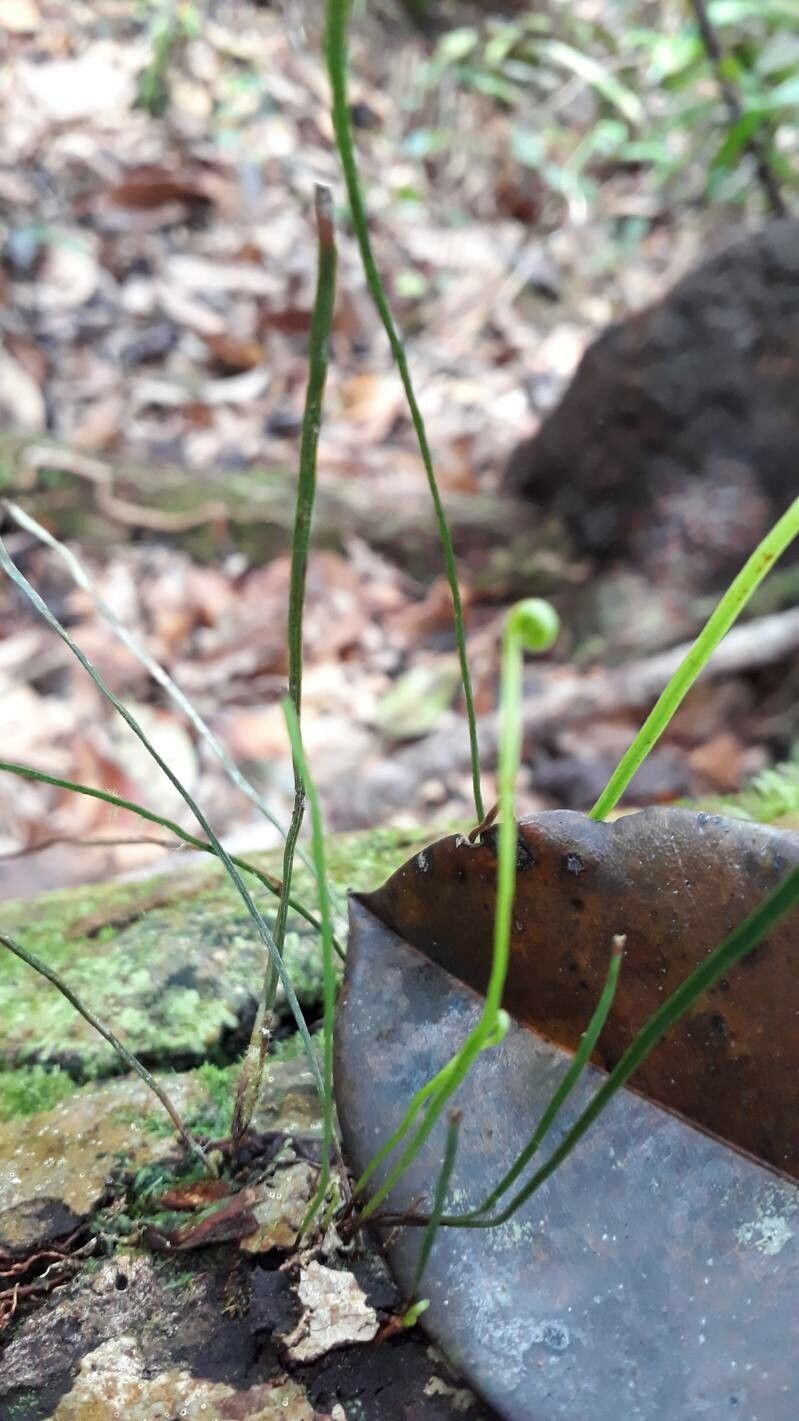
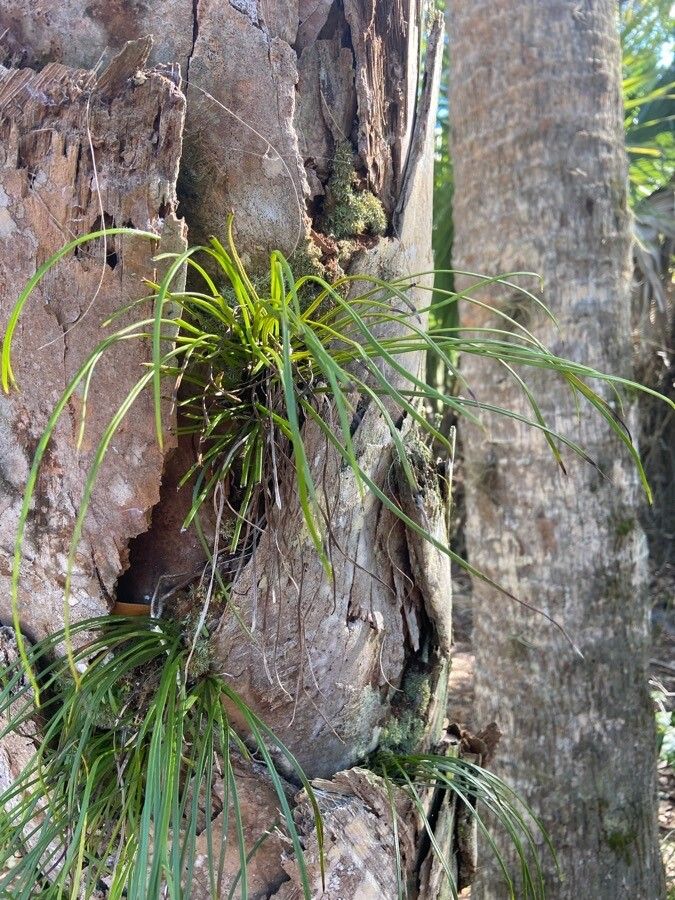
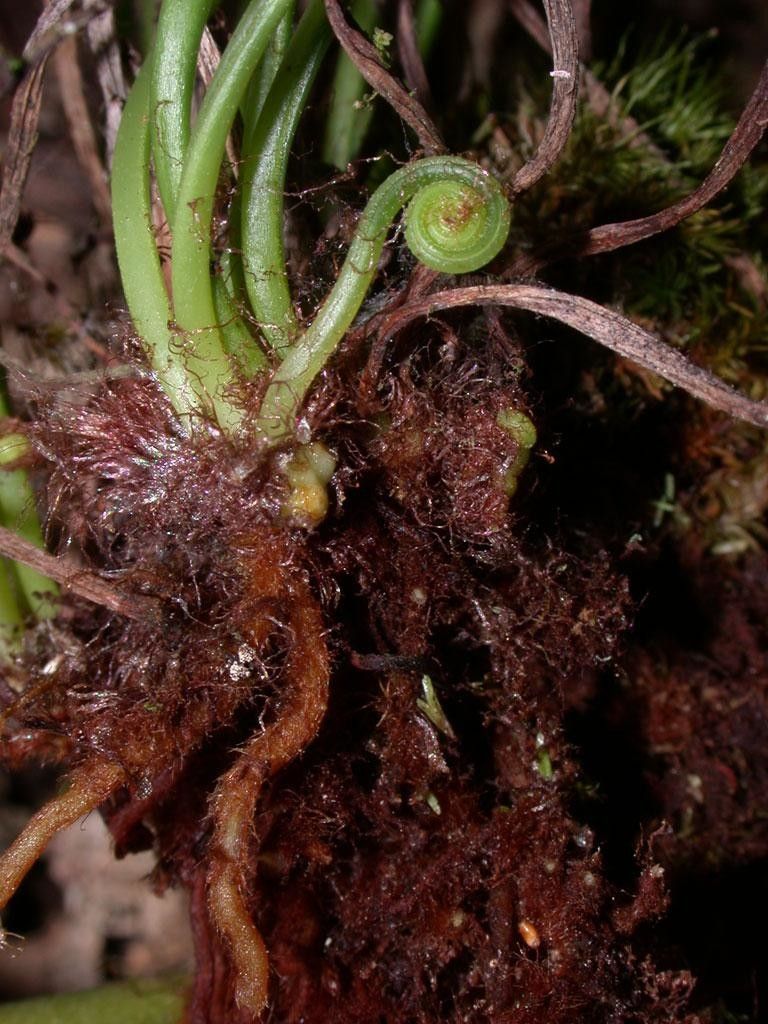
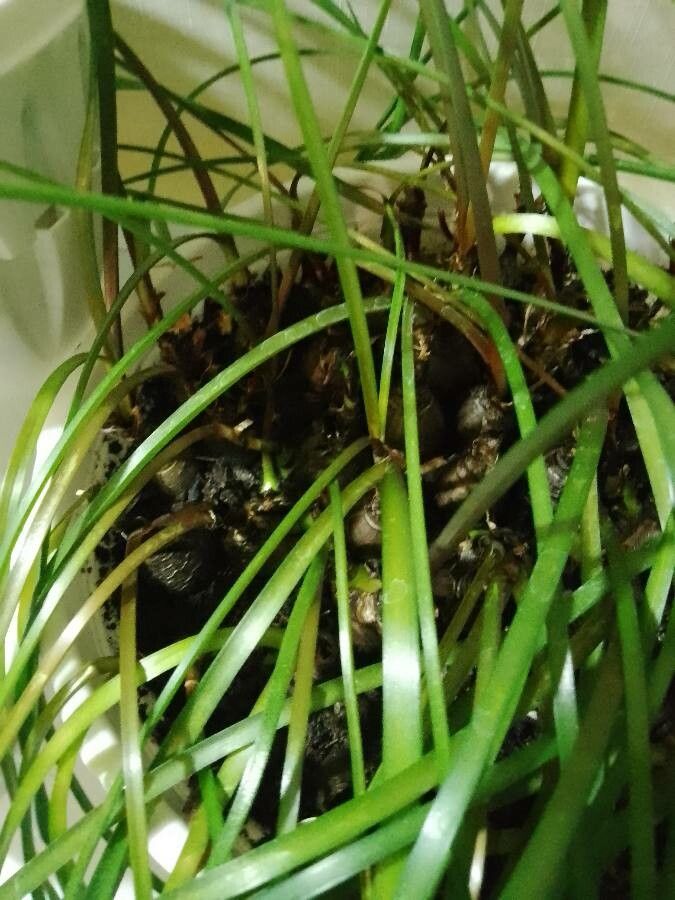
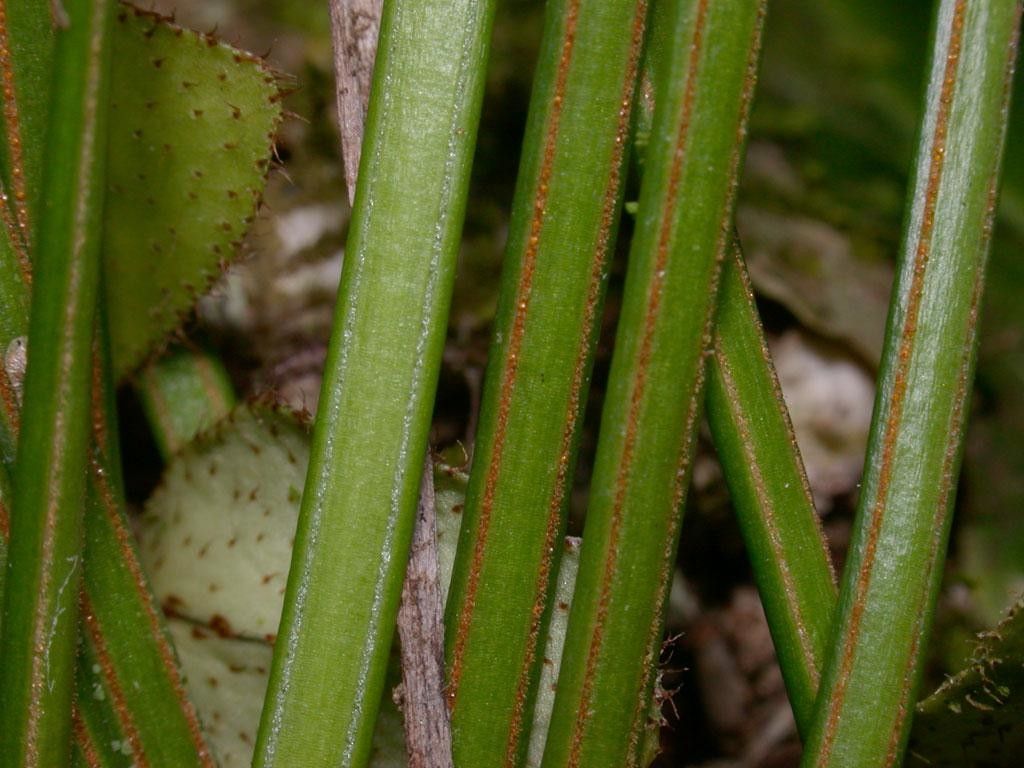
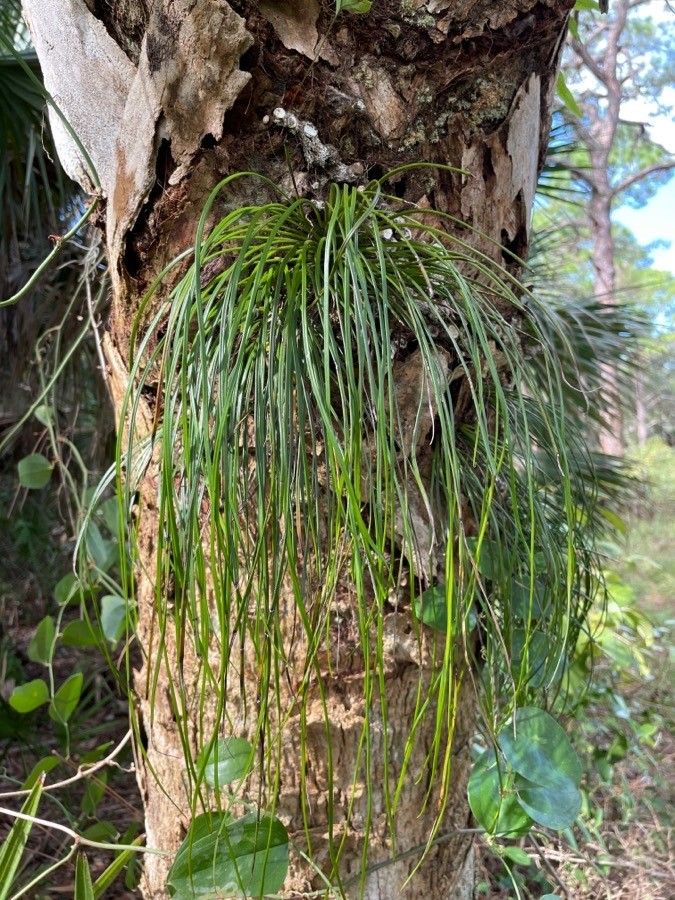
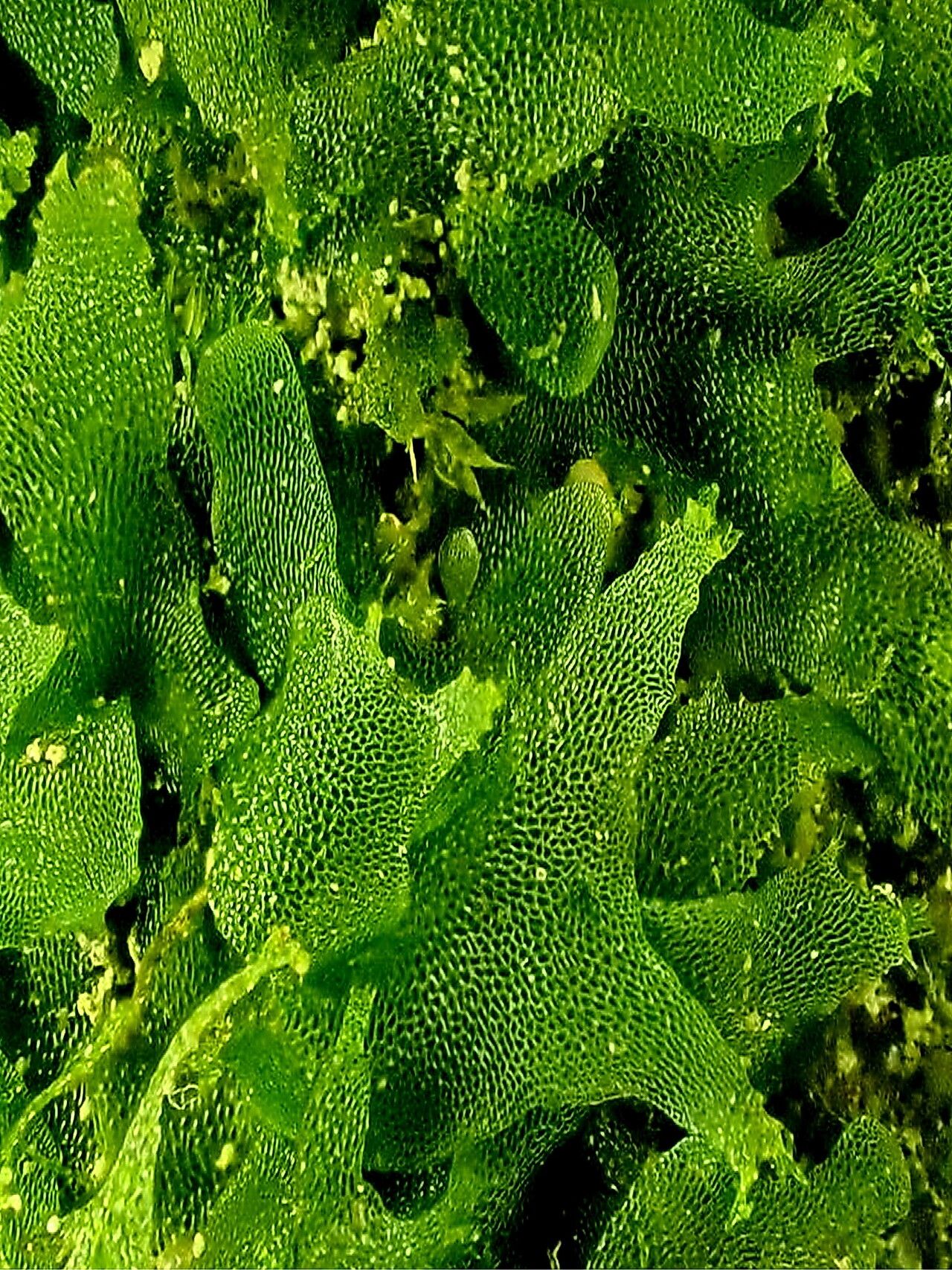
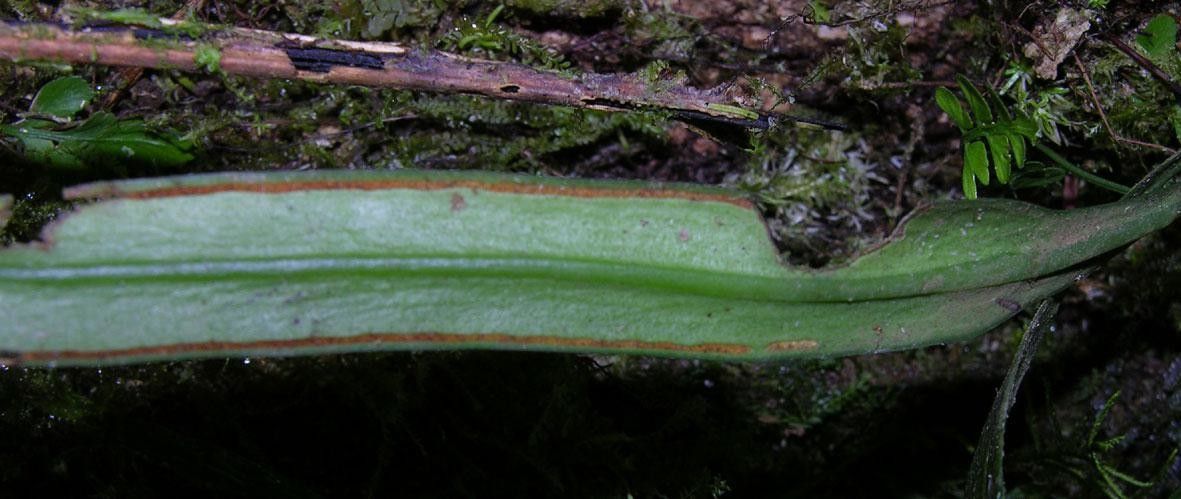
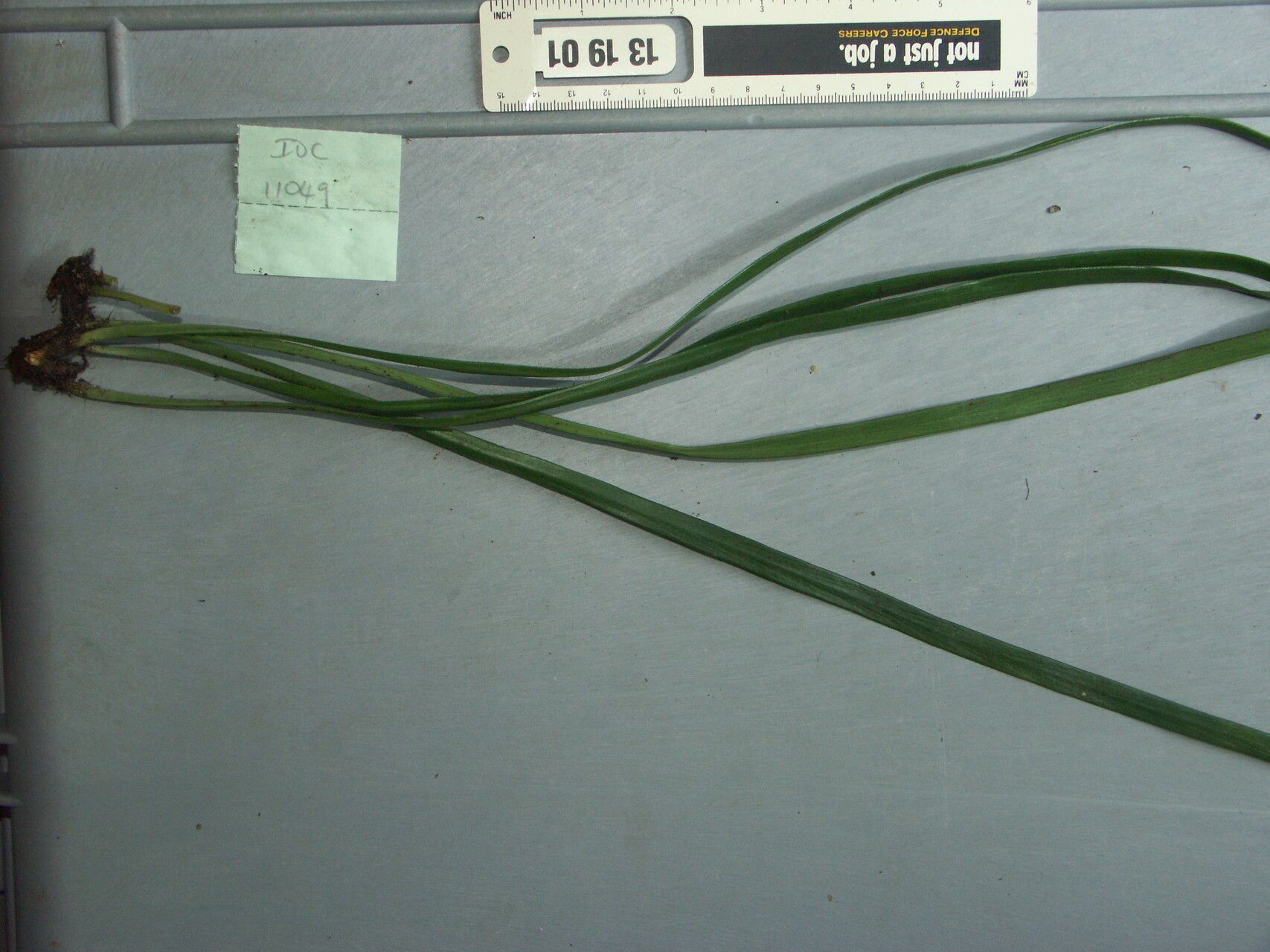
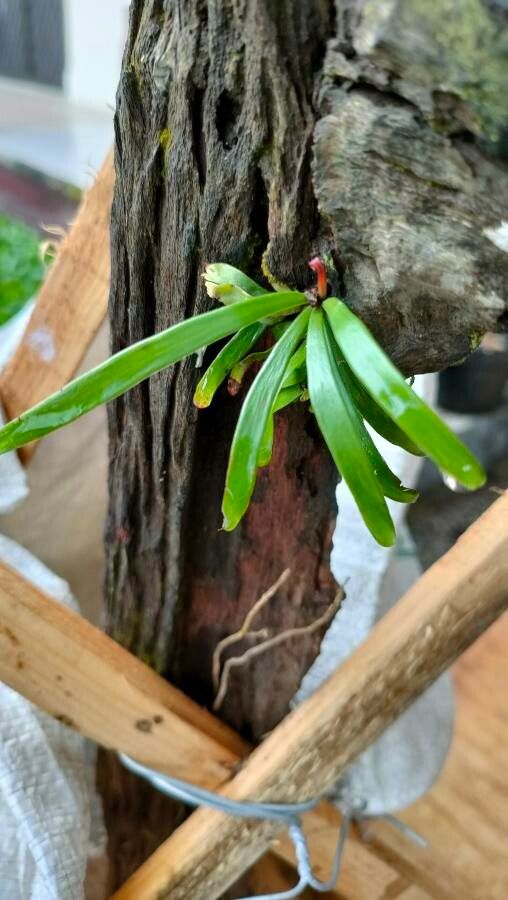
Vittaria lineata, also known by its common name shoestring fern is a species of fern from the genus Vittaria. It grows epiphytically in wet, new-world tropics and subtropics as far north as Florida.
Shoestring fern is largely resistant to disease and generally not vulnerable to infections. However, it can be prone to leaf spots if light and ventilation are poor and if it is overwatered. Its care level is considered easy, since it mainly needs regular watering and little else. Shoestring fern is suitable for people who don't have the time or energy to devote to regular care.
How to keep Vittaria Lineata.
Light
Shoestring fern prefers locations with moderate sunlight and not full exposure. In its native habitats, light is filtered through the foliage of taller plants. Excess sun can damage its fronds, while too little light can stunt its growth.
Temperature
The shoestring fern originates from regions with moderate to warm temperatures. Ideally, temperatures should be maintained between 68 and 95 °F (20 and 35 ℃) for optimum growth. Seasonal adjustments may be necessary to mimic its natural habitat.
Fertilizer
A shoestring fern needs the most fertilizer during its active growth period, which falls mainly in spring, summer, and early fall. Fertilizing supplies essential nutrients the soil may lack, supporting healthy root and stem development and producing the attractive foliage that is a defining feature of this plant.
Pruning
The shoestring fern features long, slender fronds that need pruning from early to late spring to remove any dead or yellowing parts at the base. Be careful to avoid heavy pruning to maintain the plant's health. Light pruning encourages new growth, improves air circulation, reduces the risk of disease, and enhances its aesthetic appeal.
Pot & Repot
When repotting Shoestring fern, select a pot 1-2 inches (2.5–5.1 cm) larger with ample drainage. Use a well-draining potting mix. Repot in spring or fall, making sure the root ball sits slightly lower than the rim of the flower pot. Water thoroughly after repotting and place it in a warm spot with indirect sunlight.
Botanical profile.
- Plant Type
- Herb
- Life Cycle
- Perennial
- Genus
- Vittaria
- Family
- Pteridaceae
- Hardiness Zone
- 10
- Mature Height
- 10 cm to 30 cm
- Mature Spread
- 15 cm to 25 cm
- Leaf Color
- Dark Green, Forest Green
- Leaf Type
- Evergreen
- Bloom Time
- All year round
- Planting Time
- Summer, Autumn
- Native Area
- Belize, Honduras, Mexico, Guatemala, Peru, Panama, Jamaica, Colombia, Bahamas, Cuba, Bolivia, Venezuela, Guyana, Brazil, Nicaragua, Ecuador, Costa Rica
Other names.
Reader questions.
What are the sunlight requirements for Shoestring fern?
Shoestring fern thrives in environments with partial sunlight, requiring about 3-6 hours of sunlight daily. It's essential to observe the movement of sunlight in your garden to pick areas that offer a balanced mix of light and shade, optimizing the plant's happiness. In its natural habitat, Shoestring fern flourishes under the filtered light through the foliage of taller plants, meaning direct exposure to excessive sunlight can damage its fronds, whereas insufficient sunlight may hinder its growth.
What are the ideal growing conditions for Shoestring fern?
Shoestring fern, scientifically known as Vittaria lineata, thrives in environments with moderate to warm temperatures, optimally between 68 to 95°F (20 to 35°C). To ensure optimal growth, it's critical to adjust its environment seasonally to mimic its natural habitat. This plant loves heat, and exposure to cold can be harmful. During autumn, if the fern is grown outdoors, it's advisable to bring it indoors near a bright window but away from direct heat sources. Keeping the temperature above 20°C during winter supports the fern's growth, while exposure to temperatures near or below 5°C can be detrimental.
How can artificial lighting supplement sunlight for indoor Shoestring ferns?
For indoor Shoestring ferns, when natural sunlight is limited, especially in winter or less sunny areas, artificial lighting serves as a crucial alternative, supporting faster and healthier plant growth. LED lights are a preferred choice for their ability to be tailored to the specific light wavelengths needed by plants. Depending on the plant's sunlight requirements (full sun, partial sun, full shade), the wattage per square foot, distance from the plant (12-36 inches), and duration (8-12 hours per day) should be adjusted to closely mimic natural daylight conditions.
How does low temperature affect Shoestring fern, and what are the solutions?
Shoestring fern is sensitive to low temperatures and performs best when the environment is above 20°C. In winter, it's crucial to maintain the temperature above 5°C to avoid damage. Exposure to temperatures below 1°C can lead to a lightening of the leaves' color, which may gradually turn brown or black after frost damage, accompanied by wilting and drooping. To mitigate frost damage, the frost-affected parts should be trimmed off, and the plant should be moved indoors to a warmer setting. Placing the fern near a south-facing window ensures ample sunlight without the harm of direct heat sources like heaters or air conditioning vents, which can dry out the air excessively.
What are common symptoms of inappropriate light conditions in Shoestring fern?
Inadequate light can manifest in Shoestring fern through various symptoms. New leaves might be smaller than the previous ones, indicating insufficient light. The plant may exhibit leggy or sparse growth, with longer spaces between leaves or stems, leading to a thin appearance. Faster leaf drop and slower or halted growth can occur under low light conditions. New leaves might appear lighter in color or, conversely, show signs of chlorosis or sunscald due to excessive light. Other signs include leaf curling, wilting, and leaf scorching, indicating stress from improper lighting.
How does high temperature affect Shoestring fern, and what should be done?
During summer, it's important to keep Shoestring fern's temperature below 35°C to prevent stress and damage. Temperatures that exceed 41°C can cause the leaves to lighten and increase the plant's susceptibility to sunburn. In such cases, removing the sunburned and dried-up parts, and relocating the fern to a shaded area away from intense midday and afternoon sun helps in recovery. Additionally, watering the fern in the morning and evening to maintain soil moisture can alleviate stress from high temperatures.
What solutions can mitigate improper lighting conditions for Shoestring fern?
To address lighting issues, gradual adaptation to changing light conditions is recommended. For indoor plants, move them to sunnier spots weekly until they achieve 3-6 hours of direct sunlight, or use artificial lighting like desk lamps or professional grow lights for at least 8 hours daily if the plant is not easily movable. Outdoors, plants should be gradually transitioned to appropriate lighting spots. Pruning obstructions or transplanting to sunnier locations with ample sunlight and good drainage can also help. Note that parts of the plant affected by previous light conditions may not recover, but new growth will be healthy following these adjustments.