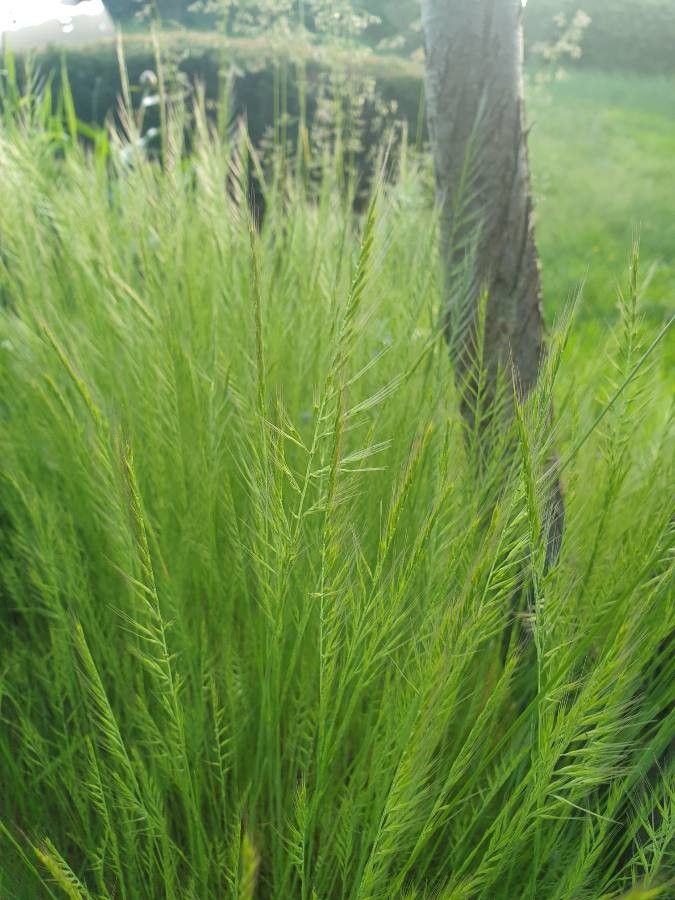
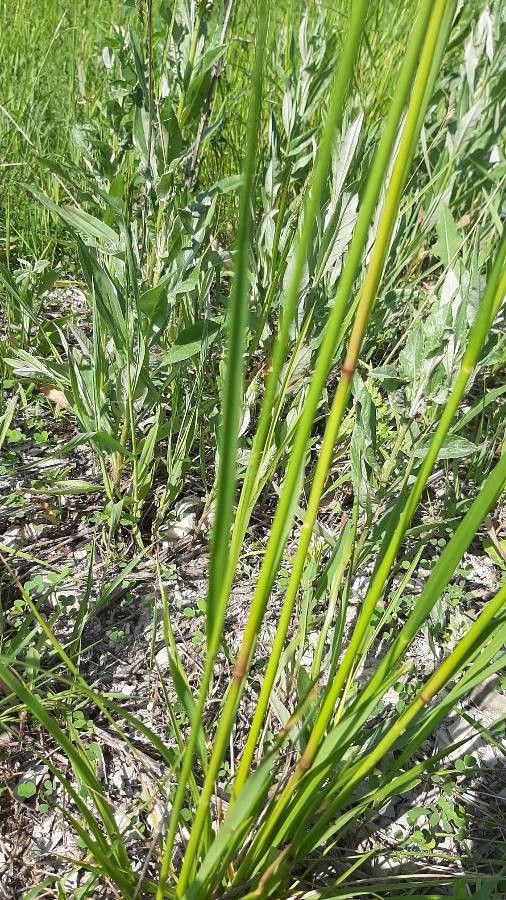
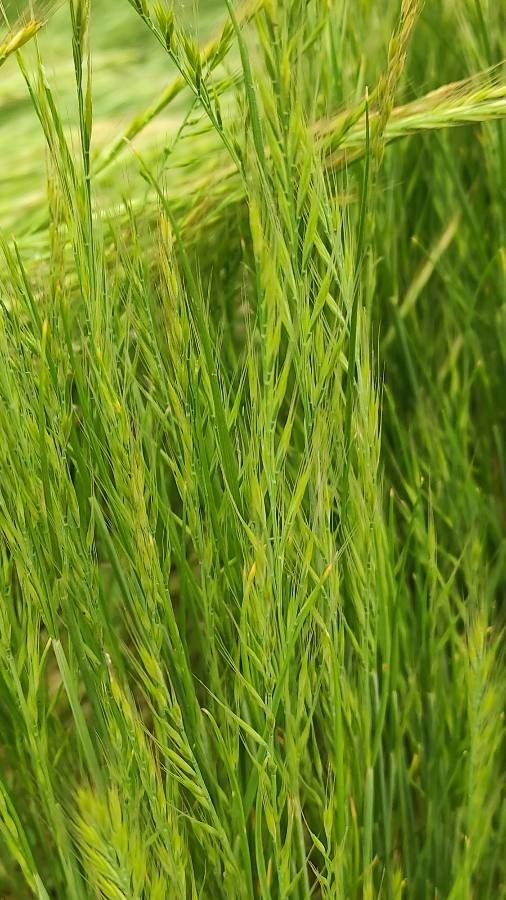
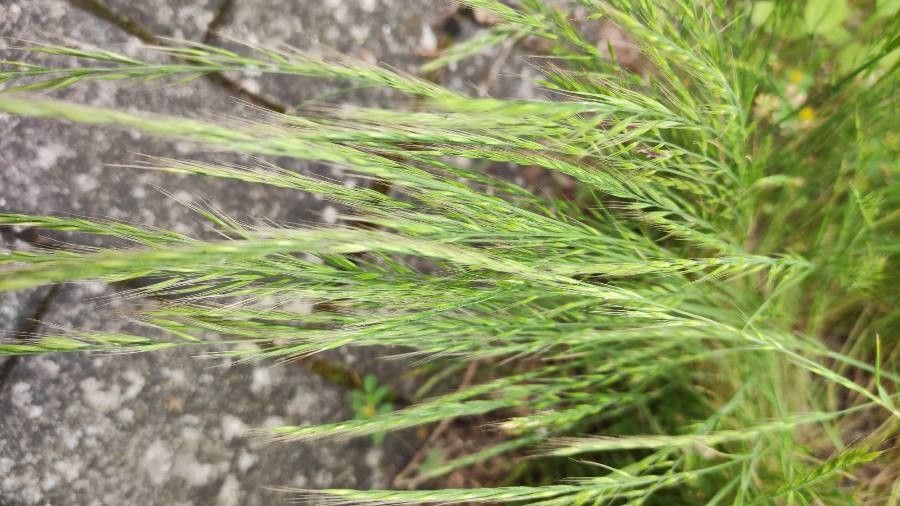
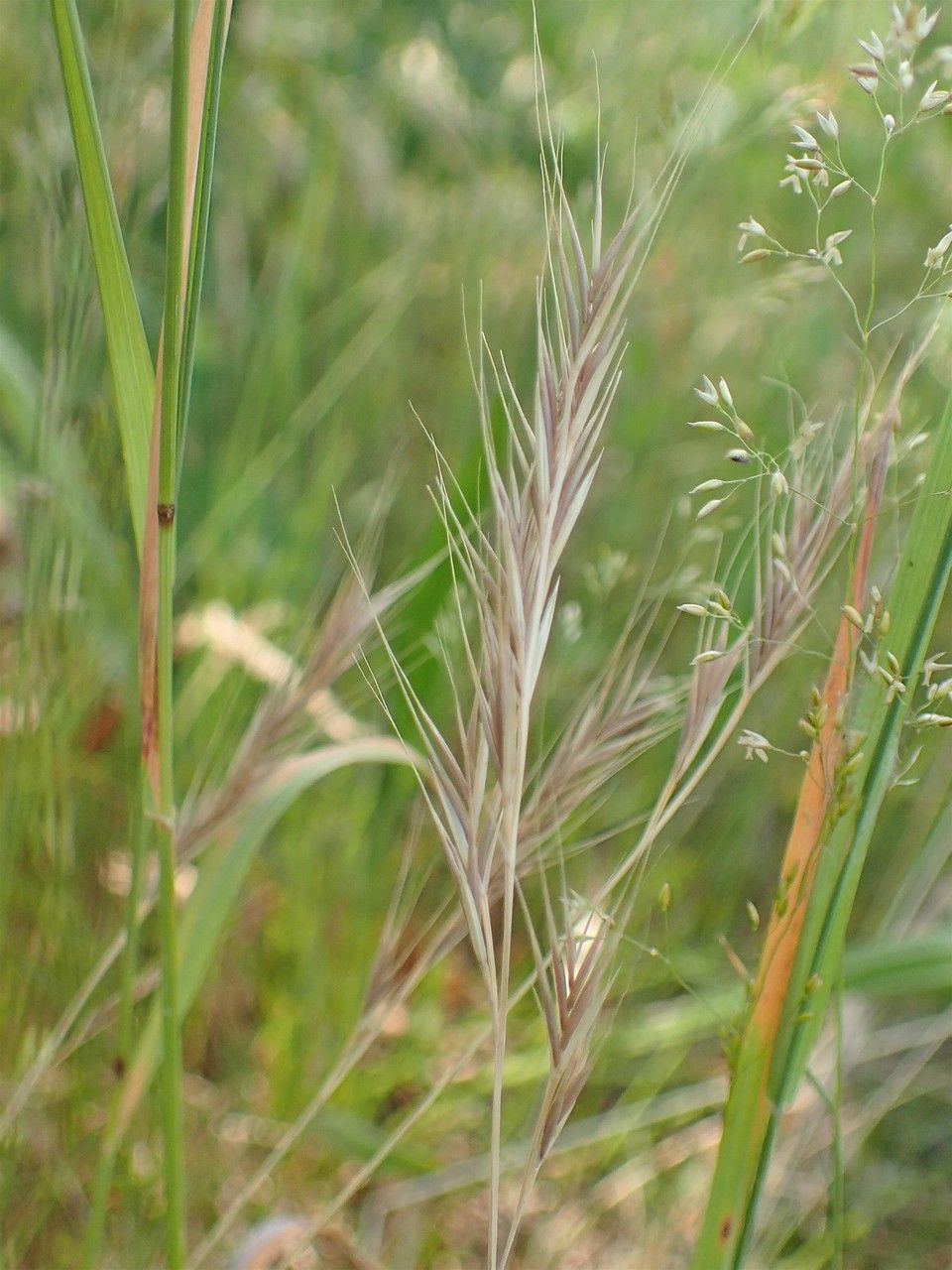
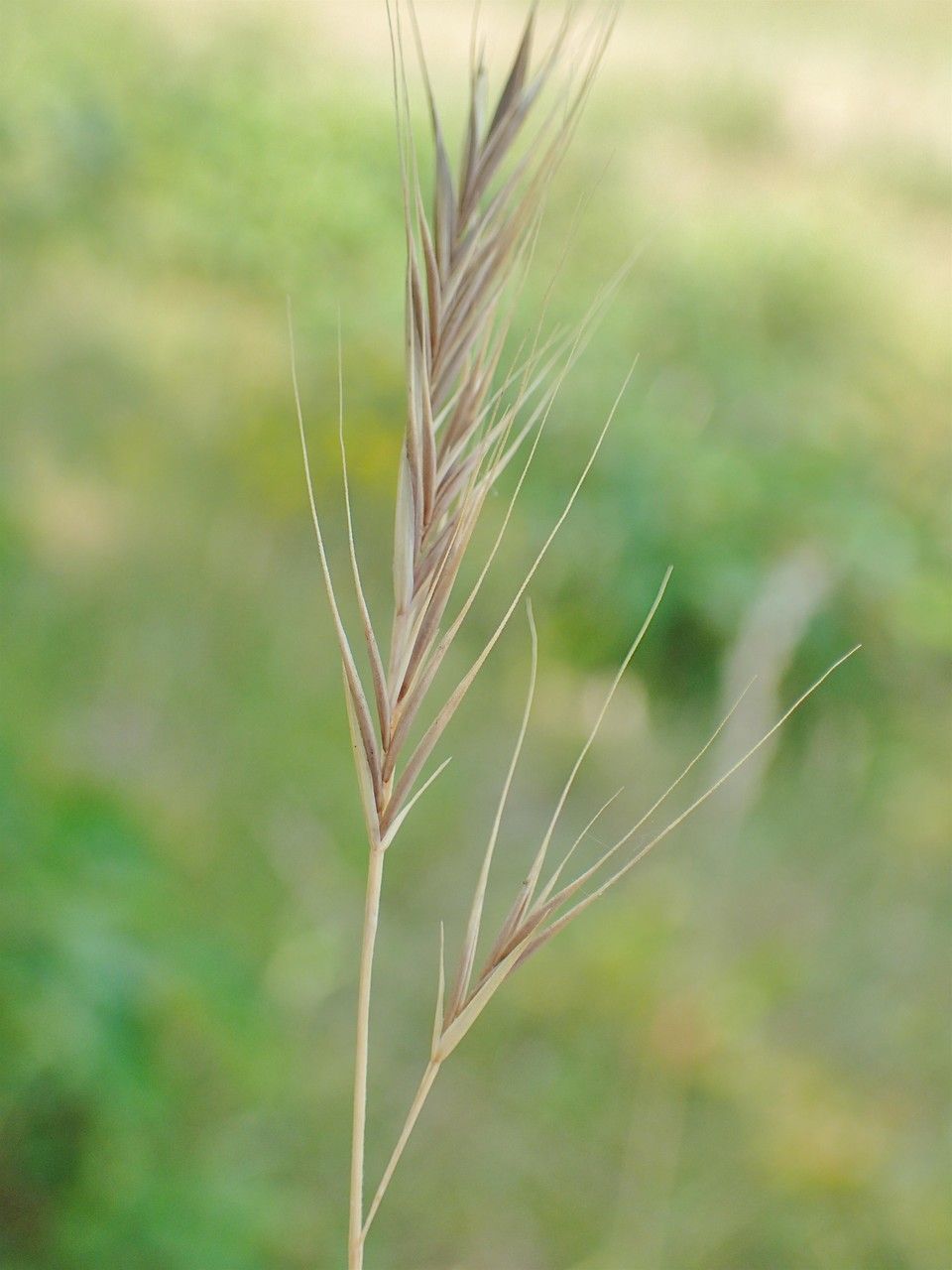
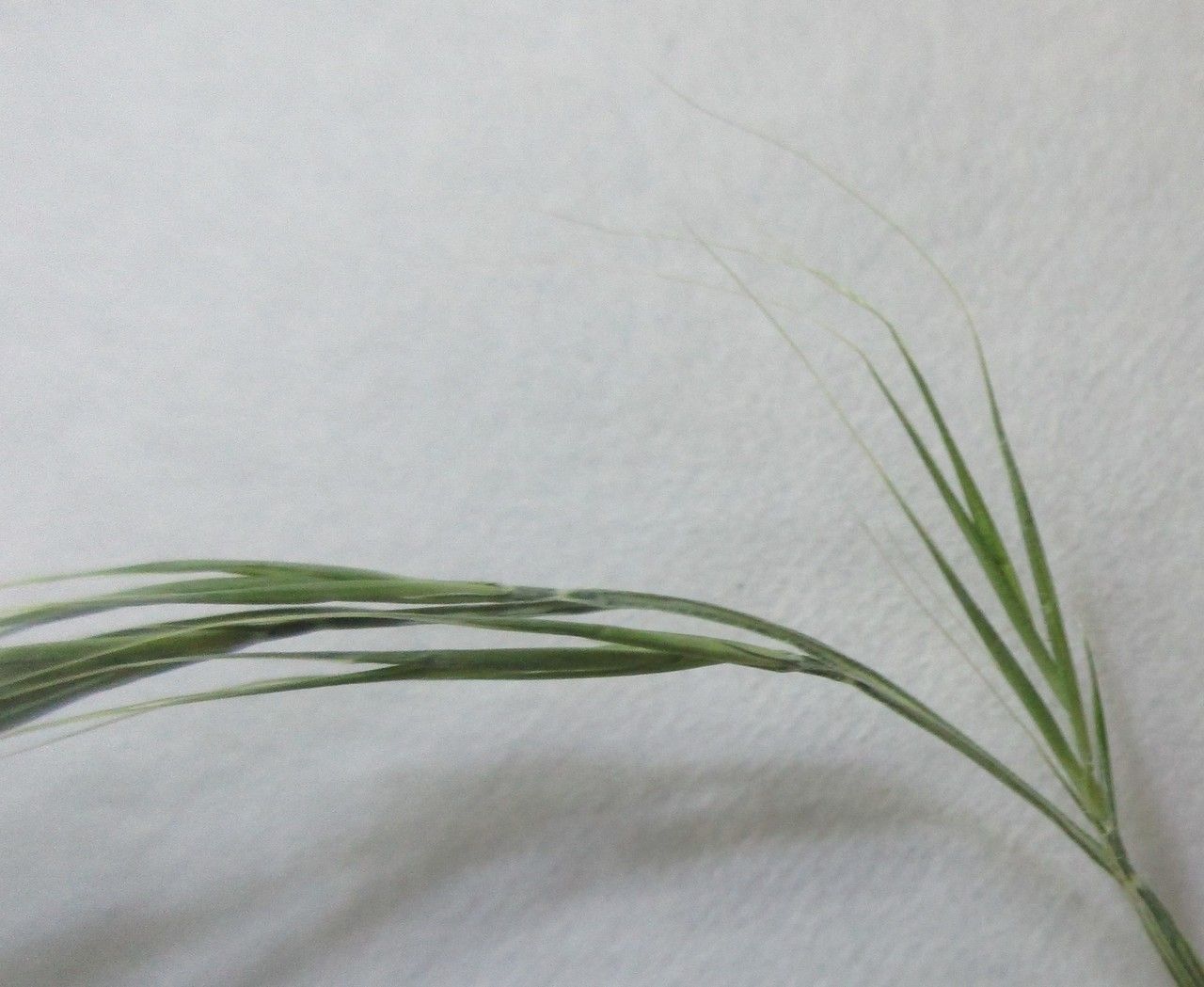
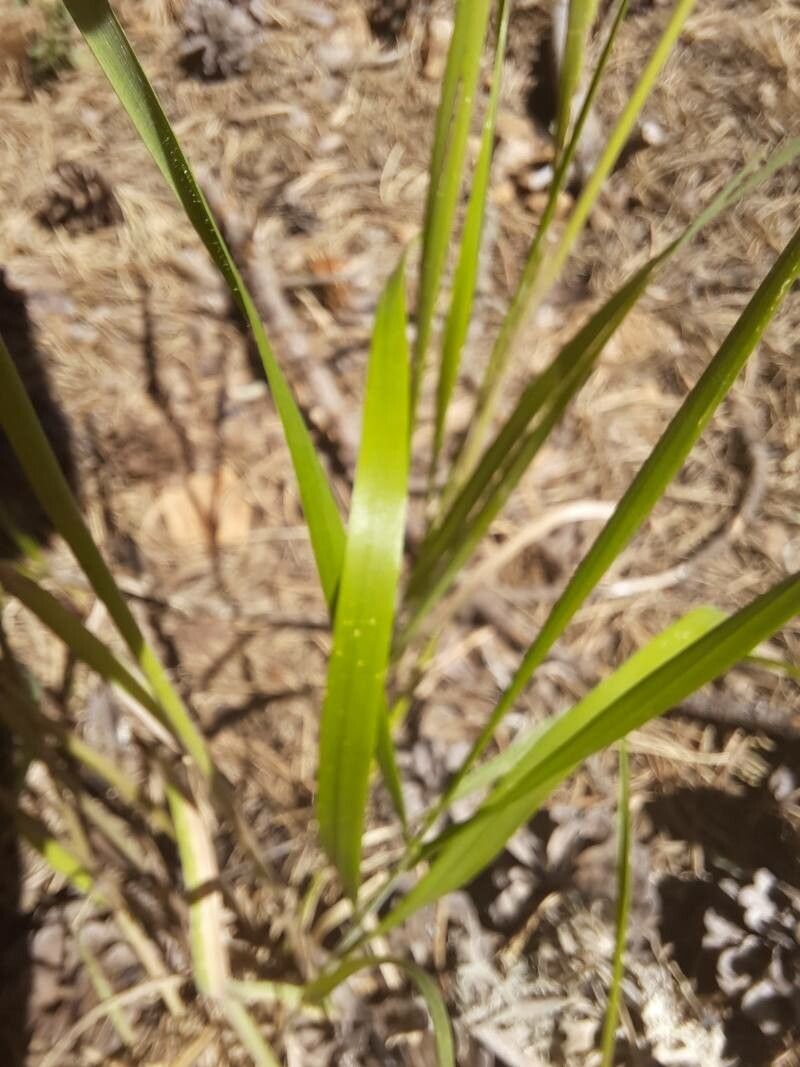
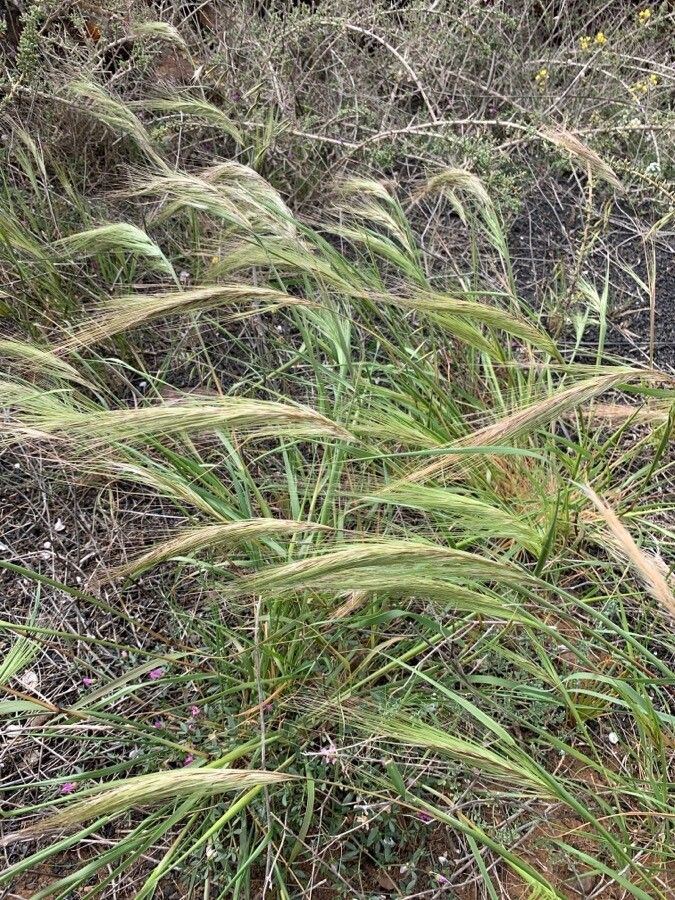
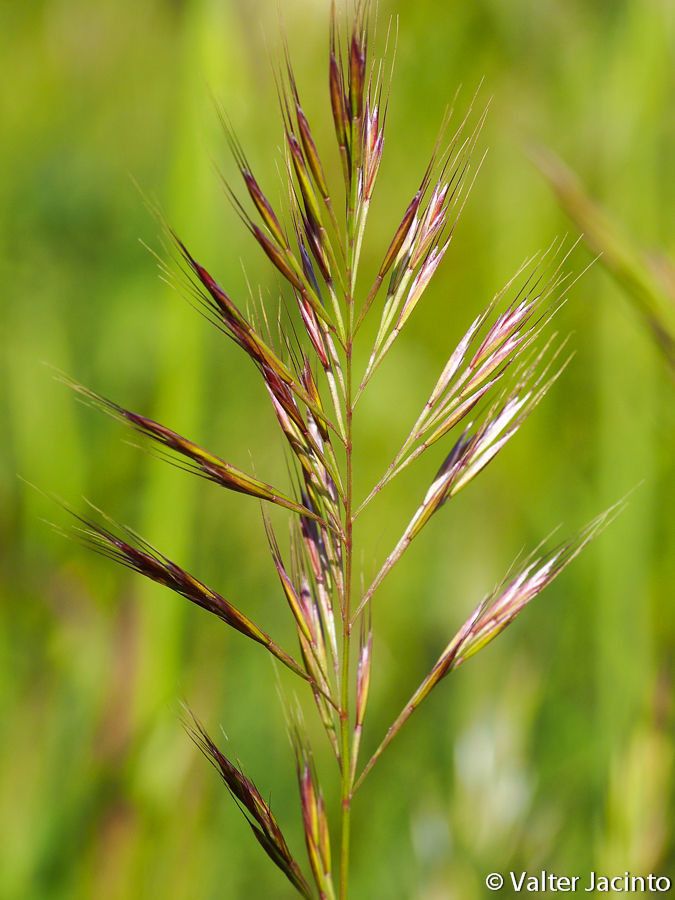
Vulpia bromoides, squirreltail fescue,: 170–171 barren fescue: 450 or brome fescue, is a species of grass in the family Poaceae. It is a winter annual native to Europe, North Africa, and West Asia, but has been introduced to parts of the America, South Africa, Australia, New Zealand and isolated parts of East Asia.
Brome fescue is resistant to disease and is generally not susceptible to illnesses. In terms of care, the plant is fairly low-maintenance. When grown outdoors it needs only minimal watering, and larger plants usually do not need pruning. Smaller plants, however, should be pruned after they have finished blooming. Brome fescuet is suitable for anyone with an outdoor area, such as a garden or deck, and does not require much experience in plant care.
How to keep Vulpia Bromoides.
Light
Brome fescue performs best in full sun. However, it is tolerant enough to do well with only moderate sun exposure. Care should be taken not to shade it excessively, as that can hinder its growth. Excessive sun exposure can also stress the plant and cause growth problems.
Water
Brome fescue, native to Mediterranean climates, thrives in full sunlight and well-drained soil. Adapted to drought conditions, it prefers dry environments and benefits from weekly watering to achieve optimal growth. To support its development cycle, soil moisture should mimic natural rainfall patterns throughout the growing season.
Temperature
Brome fescue is a plant that grows best in temperatures from 68 to 95 °F (20 to 35 ℃). It is native to temperate regions and prefers stable climates without large seasonal changes.
Pruning
Brome fescue has a delicate appearance and requires only minimal pruning from early to late spring. To promote growth and improve air circulation, remove any dead or damaged foliage. Thinning is also important, as it prevents overcrowding and disease, thereby enhancing the plant's vigor and visual appeal in gardens.
Botanical profile.
- Plant Type
- Grass
- Life Cycle
- Annual
- Genus
- Vulpia
- Family
- Poaceae
- Hardiness Zone
- 7-10
- Mature Height
- 5 cm to 61 cm
- Mature Spread
- 10 cm to 30 cm
- Leaf Color
- Light Green
- Leaf Type
- Semi-evergreen
- Flower Color
- Yellow, Green, Purple, Brown
- Flower Size
- 0.51 cm to 1.02 cm
- Bloom Time
- Mid spring, Late spring
- Planting Time
- Spring, Summer, Autumn
- Harvest Time
- Early summer, Mid summer
- Native Area
- Libya, Egypt, Turkey, Austria, Sweden, Slovakia, Eritrea, Croatia, Slovenia, Morocco, Kenya, Russia, Germany, Jordan, Cameroon, Iceland, Ethiopia, Romania, Belgium, Portugal, Netherlands, France, Tunisia, Sudan, Bulgaria, Poland, Greece, Lebanon, Serbia, Syria, Italy, Spain, Switzerland, Denmark, Finland, Israel, Albania, Ireland, United Kingdom, Hungary, Algeria, Azerbaijan
Other names.
Reader questions.
What do I need to do if I give my Brome fescue too much water or too little water?
Proper watering is essential for the performance of this beautiful ornamental grass. In the ground, watering problems can be solved, but in a container, overwatering or underwatering will quickly lead to the death of Brome fescue. When Brome fescue doesn't receive the right amount of water, it may stop growing. Overwatering will cause yellow leaves with brown tips, while underwatering can result in drooping leaves, weak seed head production, and browned leaves. If you suspect your Brome fescue has been watered improperly, the first step is to determine if it's receiving too much or too little water. If it's receiving too much, stop watering immediately. It may take a while for heavy soils to dry out, so be patient. Once you see new growth, test the soil for moisture and decide if more water is needed. If the grass is receiving too little water, simply give it a deep drink and see if it improves. Keep in mind that it's always better to give a long, deep watering than frequent shallow waterings. This encourages the grass to grow deep roots, making it more resistant to drought and water-related problems.
What are the sun requirements for Brome fescue?
Brome fescue requires full sun, meaning it thrives best in areas that receive more than 6 hours of sunlight daily. However, it can also tolerate partial sun conditions, which means it can still flourish in places getting about 3-6 hours of sunlight. It's important to observe the movement of sunlight through your garden to find spots that offer the perfect balance for your Brome fescue, providing it with the ideal conditions to grow healthy.
What is Brome Fescue and where does it thrive?
Brome fescue, botanically known as Vulpia bromoides, is a plant native to temperate zones, preferring stable climates without vast seasonal changes. It thrives in environments with temperatures ranging from 68 to 95 °F (20 to 35 °C). The plant demonstrates strong cold resistance, which means special frost protection measures are usually not necessary. However, in environments where winter temperatures are expected to drop below -15°C, cold protection by covering the plant with soil or straw may be important. It's also recommended to water the plant abundantly before the first freeze in autumn to keep the soil moist, which helps prevent drought and water scarcity for the plant during winter and early spring.
How frequently should I water my Brome fescue grass?
The watering needs of Brome fescue depend on where it is planted. Normally, you should water this grass once a week. However, in hot climates, it may require watering once or twice a week during the summer. In moderate climates, watering once every seven days or more may be sufficient. Grass in containers generally needs more frequent watering compared to grass planted in the ground. But keep in mind that the location also plays a role. Shaded grasses need less frequent watering than those in the ground. Brome fescue should only be watered when the soil is dry. To determine if the soil is dry, you can press your finger a couple of inches into the soil. For potted grass, you can weigh the grass or simply feel the pot's weight to check for lack of water. When the roots lack sufficient water, the blades of the grass may appear folded along their centers and thinner than usual. Although this grass is drought-tolerant, regular and deep waterings will result in a beautiful color. In its natural habitat of open scrubland, Brome fescue faces extreme heat, bright sun, and intermittent rain. Despite its drought resistance, this grass still requires care and attention. Gardeners agree that it thrives best with consistent water. When first planted, Brome fescue needs more frequent watering until it establishes deep roots. For potted Brome fescue, the soil often dries out quickly, particularly if the pot is exposed to hot, direct sun. Test the soil every 3 to 4 days and water only when it feels dry. On the other hand, in-ground Brome fescue generally needs less watering, but this depends on the type of soil it is planted in. Heavy clay soil can retain moisture below the surface even when it feels dry on the top, while sandy soils that drain quickly may require more frequent watering.
How essential is sunlight for Brome fescue's growth?
Sunlight is crucial for the optimal growth of Brome fescue, a plant that best thrives under full sun exposure but is also tolerant of moderate sun. Adequate sunlight is paramount; excessive shading can impede its growth, while too much sun exposure can stress the plant, leading to growth issues. For indoor plants, where natural sunlight might be insufficient, particularly during winter or in less sunny spaces, artificial lights can be a vital solution, offering the necessary illumination for healthier growth. LED lights, set to mimic natural sunlight, can provide the specific wavelengths needed, with recommended brightness based on the plant's requirements.
How does Brome Fescue handle low temperatures?
Brome fescue is cold-tolerant and thrives best in temperatures above 20°C, maintaining its well-being throughout the winter as long as the temperature remains above 0°C. If temperatures fall below -15°C, the plant may not show noticeable changes during winter; however, there could be a decrease in sprouting or even a complete lack of sprouting during springtime. To manage this, in spring, it's advisable to remove parts of the plant that have failed to sprout.
What should I pay attention to when watering my Brome fescue in different seasons, climates, or during different periods of growth?
To determine if you are watering your grass enough, observe its growth rate. Brome fescue, particularly in the hottest months, tends to double in size over a year. If the weather is hot and the grass is not growing vigorously, adjust your watering schedule. In winter, you may only need to water once a month, but check the soil for moisture. During the warmer months, the grass requires more water due to its growth cycle. However, during winter and cooler months, the need for water significantly diminishes. Note that it's essential to allow the soil of Brome fescue to dry out entirely before watering.
What symptoms indicate that Brome fescue is getting inadequate light?
When Brome fescue receives inadequate light, several symptoms may manifest, including smaller leaves, leggy or sparse growth, faster leaf drop, and slower or no new growth. Insufficient sunlight can lead to lighter-colored new leaves and a condition called chlorosis, where leaves lose their green color and turn yellow. Excessive sunlight can cause sunscald, leaf curling, wilting, and leaf scorching, indicating damage from overexposure. Addressing these symptoms promptly by adjusting light exposure can help restore plant health.
What should be done if Brome Fescue experiences high temperatures?
During the summer, keeping Brome fescue below 35°C is essential for its health. Exposure to temperatures exceeding 41°C can cause the leaves to lighten in color, become prone to curling, susceptible to sunburn, and, in severe cases, lead to the wilting and drying of the entire plant. To mitigate these effects, trim away the sunburned and dried parts. Relocate the plant to a shaded area during the midday and afternoon sun or use a shade cloth. Additionally, water the plant in the morning and evening to ensure the soil remains moist.
How can you address light-related issues in Brome fescue?
To address light-related issues in Brome fescue, gradually move plants to a sunnier location, aiming for at least 6 hours of direct sunlight daily for outdoor plants. For indoor plants, consider using a south-facing window or artificial light sources like desk lamps or professional grow lights to ensure sufficient light exposure. When dealing with outdoor plants, avoid sudden changes in light intensity to prevent sunburn. If plants are blocked from receiving sunlight, identify and minimize obstructions by pruning or transplanting to a location with more sunlight. It's crucial to adjust the environment gradually to allow the plants to adapt without stress.