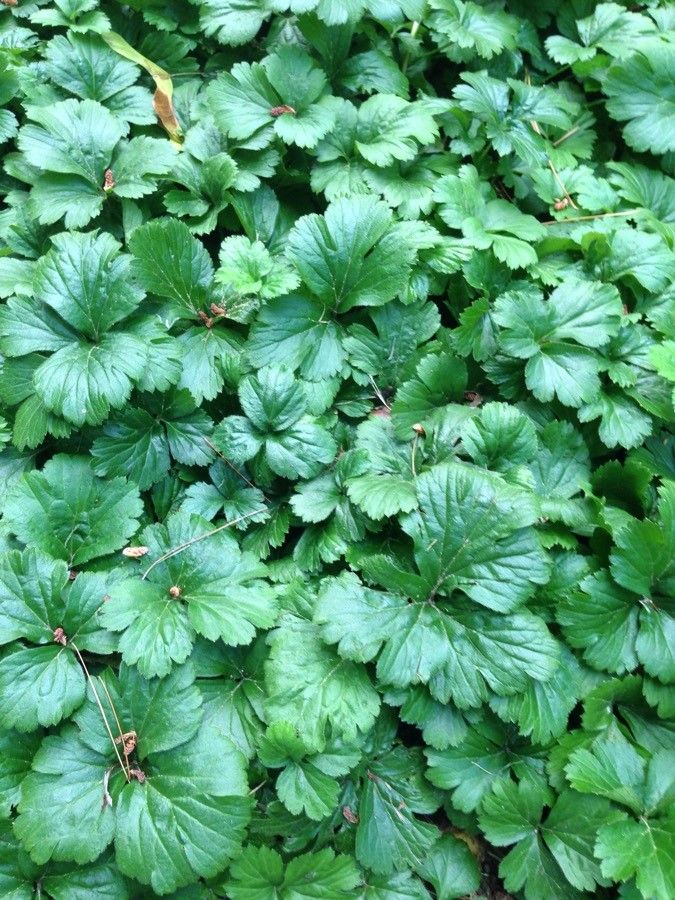
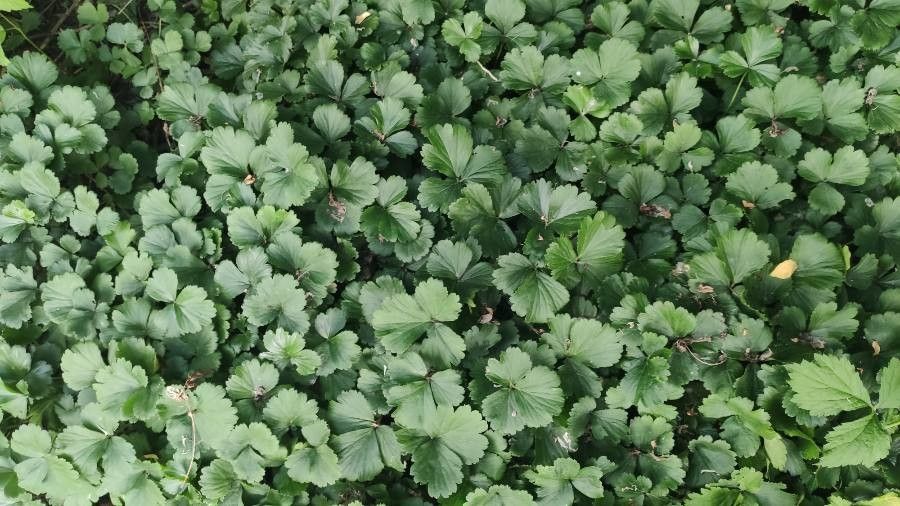
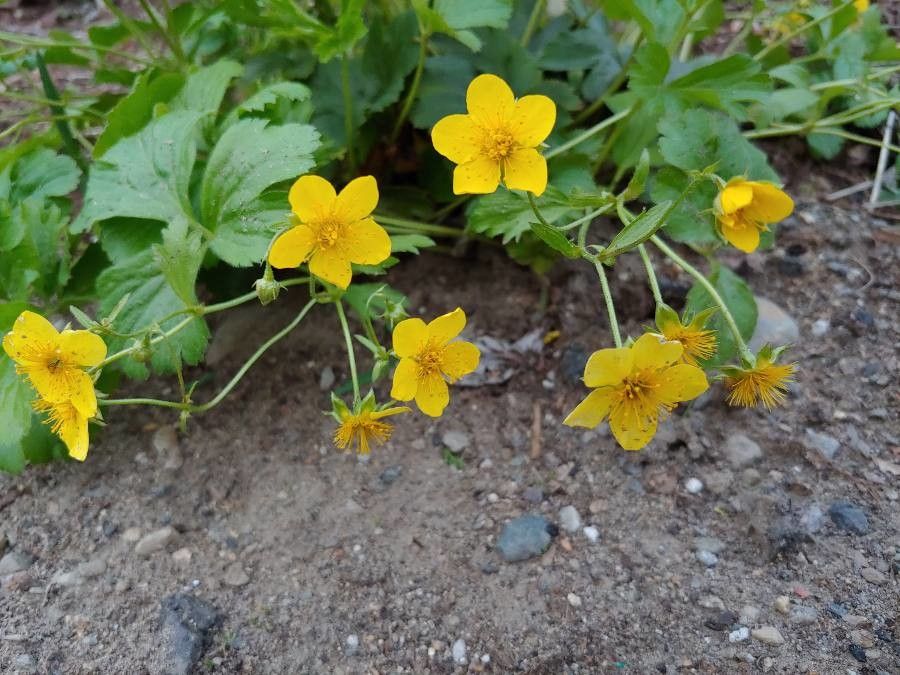
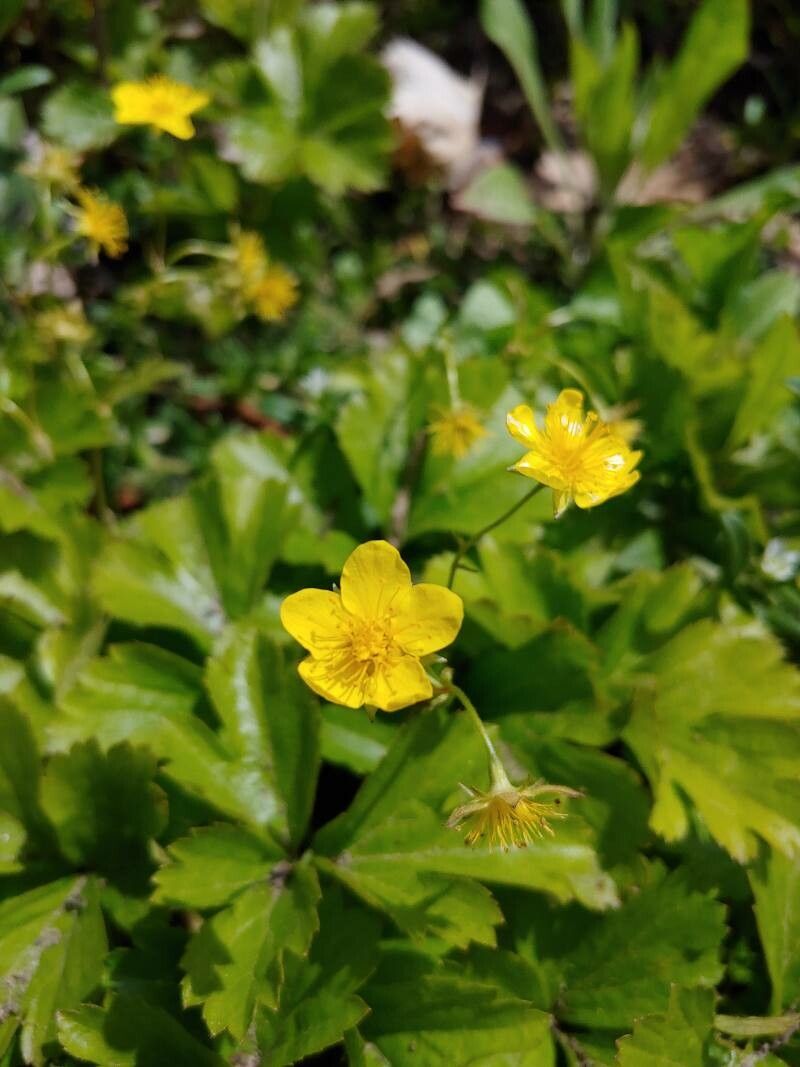
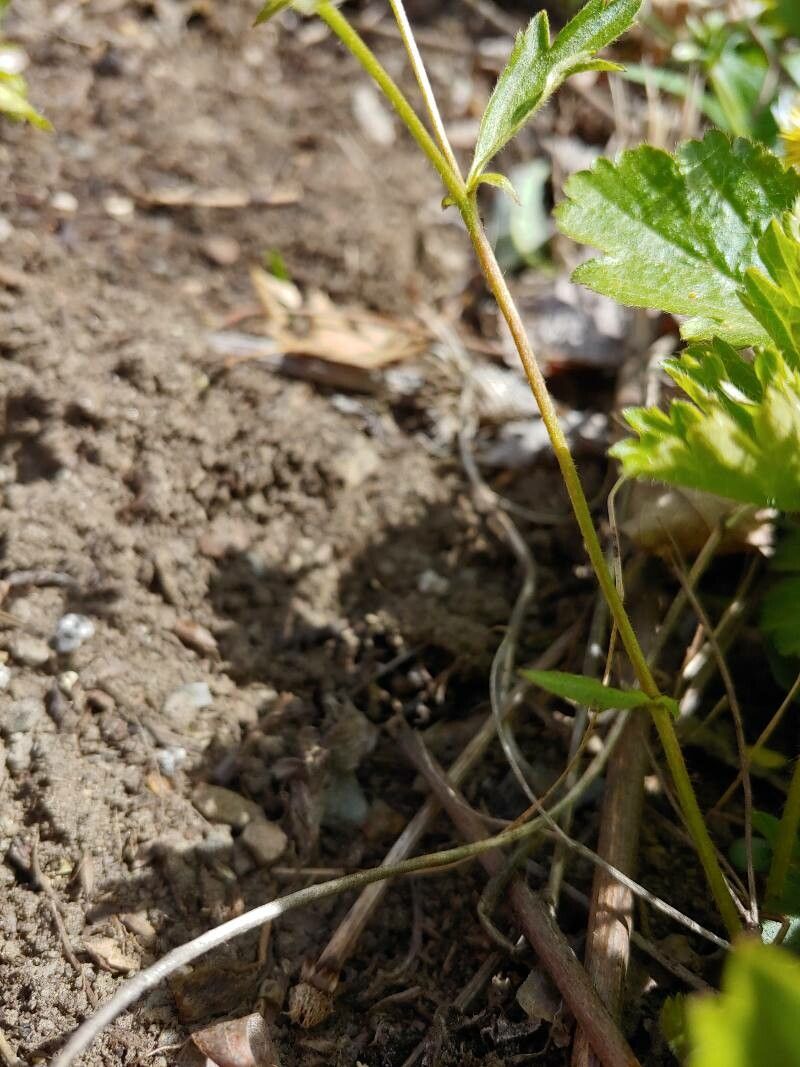
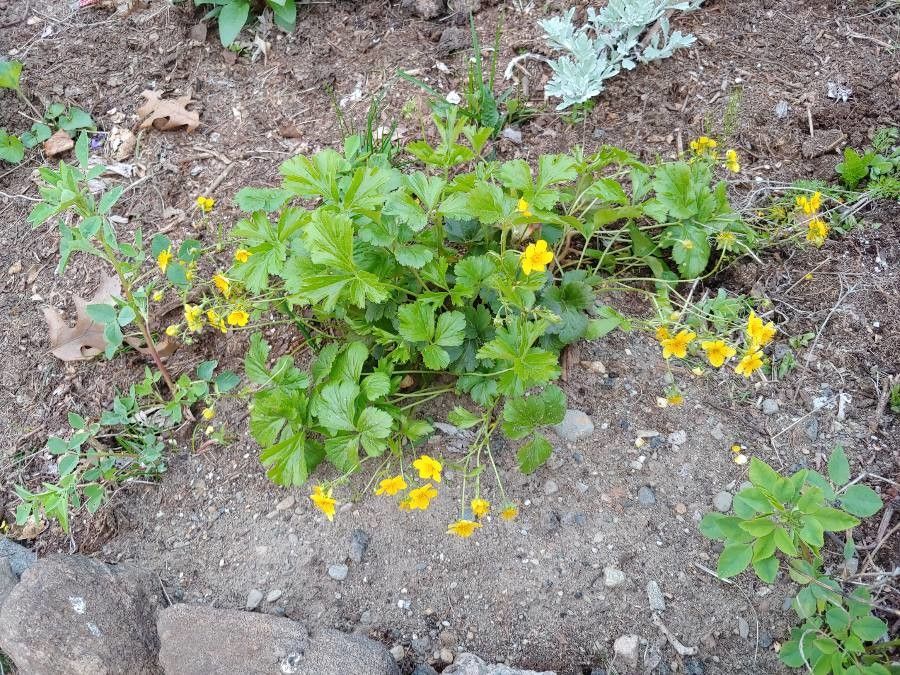
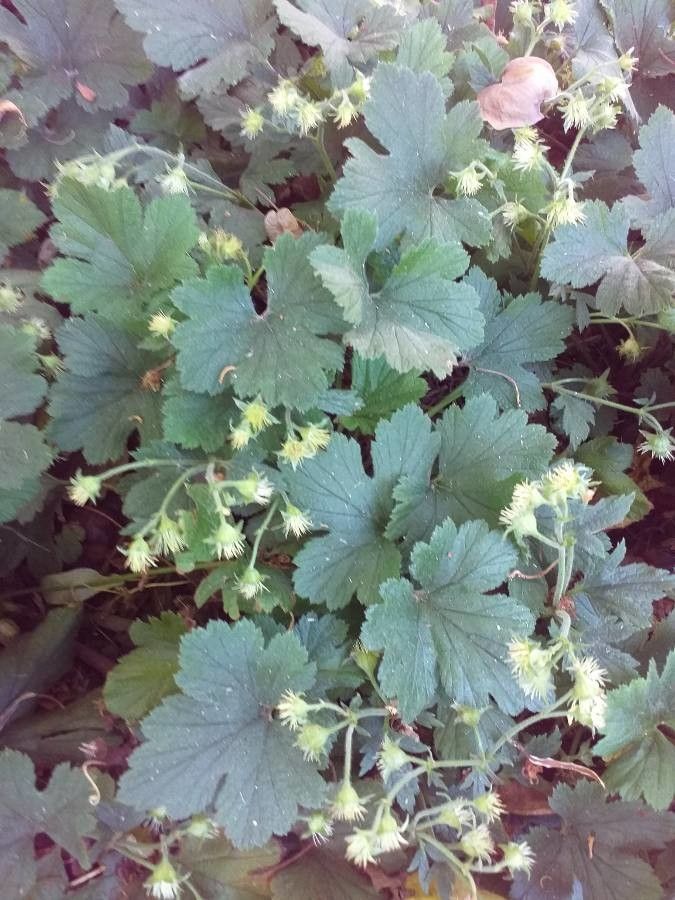
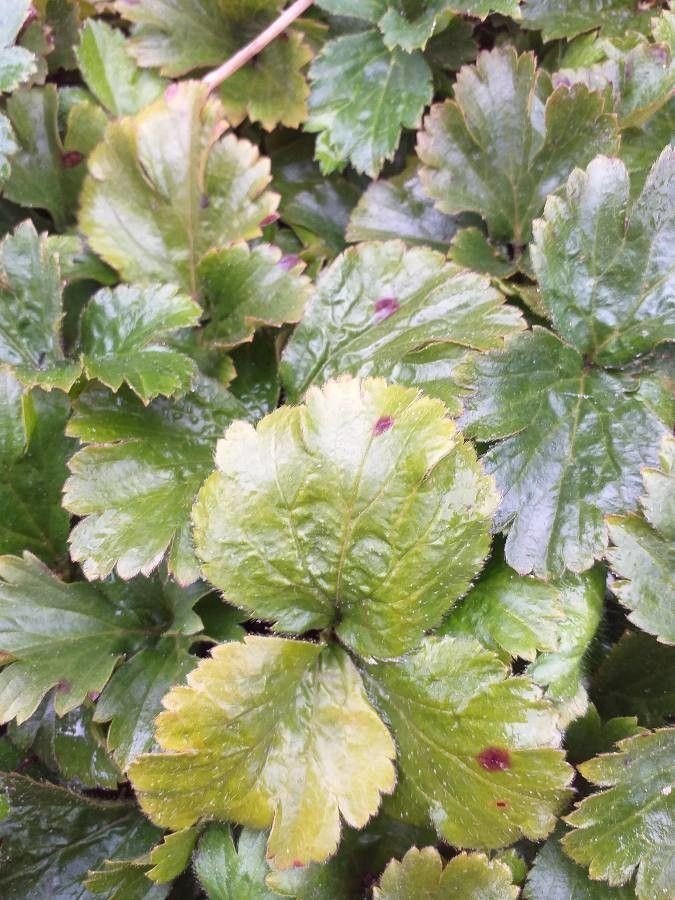
Waldsteinia fragarioides (syn. Dalibarda fragarioides Michx. and Geum fragarioides, also called Appalachian barren strawberry, or just barren strawberry, is a low, spreading plant with showy yellow flowers that appear in early spring. This plant is often used as an underplanting in perennial gardens. In some ways the appearance is similar to other low plants of the rose family such as Fragaria (strawberries) or Potentilla indica (Indian strawberry), but it lacks runners and has more rounded leaves.It is native to eastern North America, from Minnesota, Ontario, Quebec, and Maine south to Indiana and Pennsylvania (and as far south as North Carolina in the mountains).It is evergreen.
Barren strawberry is fairly resistant to disease and is generally not easily affected. Still, it can be vulnerable to pests and illnesses present in its environment. These outbreaks are typically mild. Regarding care, this plant needs a moderate amount of attention. It should be pruned regularly to keep a neat appearance and support healthy growth. Feeding it can also help encourage flowering. Barren strawberry is appropriate for anyone with outdoor space, such as a garden or patio, and does not demand extensive gardening experience. It may need extra care when grown indoors.
How to keep Waldsteinia Fragarioides.
Light
The barren strawberry does best in full daylight but can adjust to different amounts of shade. Its need for sun matches its origins in areas where the sky provides abundant light. Too much shade can negatively affect its growth, while excessive exposure can cause harm.
Temperature
Barren strawberry originates from temperate regions and prefers temperatures between 41 and 90 °F (5 to 32 ℃). If the local climate is warmer or cooler, it may be helpful to adjust its growing environment accordingly.
Fertilizer
The best time to fertilize a Barren strawberry is in early spring, when it is coming out of dormancy and starting active growth. Fertilization supplies essential nutrients for healthy development. Although Barren strawberry has fairly low fertilizer requirements, applying fertilizer once a year can improve its survival and encourage better, longer-lasting flowers.
Botanical profile.
- Plant Type
- Herb
- Life Cycle
- Perennial
- Genus
- Waldsteinia
- Family
- Rosaceae
- Hardiness Zone
- 4-7
- Mature Height
- 8 cm to 15 cm
- Mature Spread
- 3 cm
- Leaf Color
- Green, Dark Green
- Leaf Type
- Semi-evergreen
- Flower Color
- Yellow
- Flower Size
- 2.54 cm
- Bloom Time
- Early spring, Mid spring
- Planting Time
- Spring
- Harvest Time
- Late spring, Early summer
Other names.