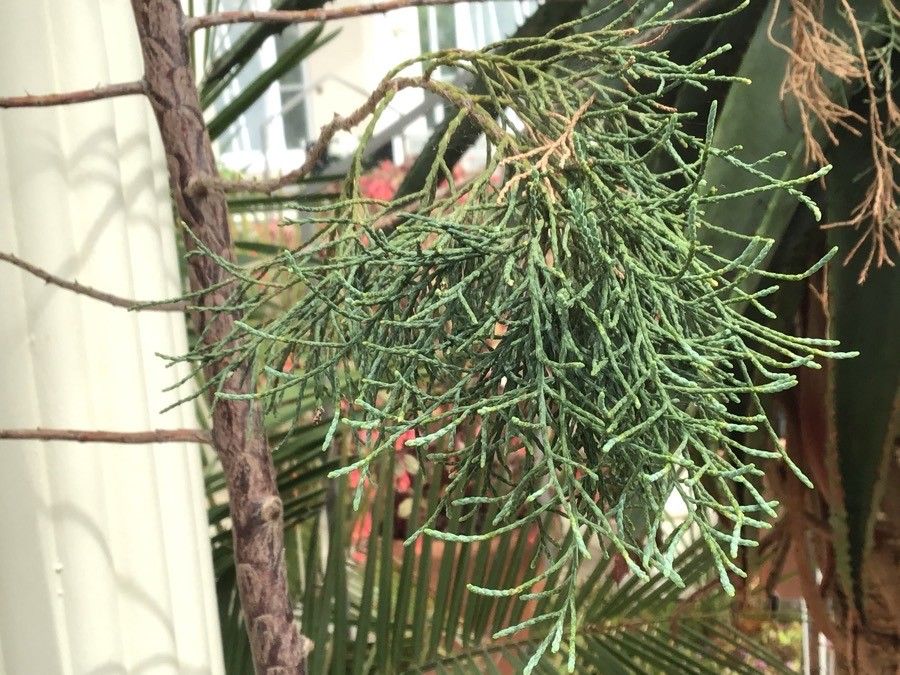
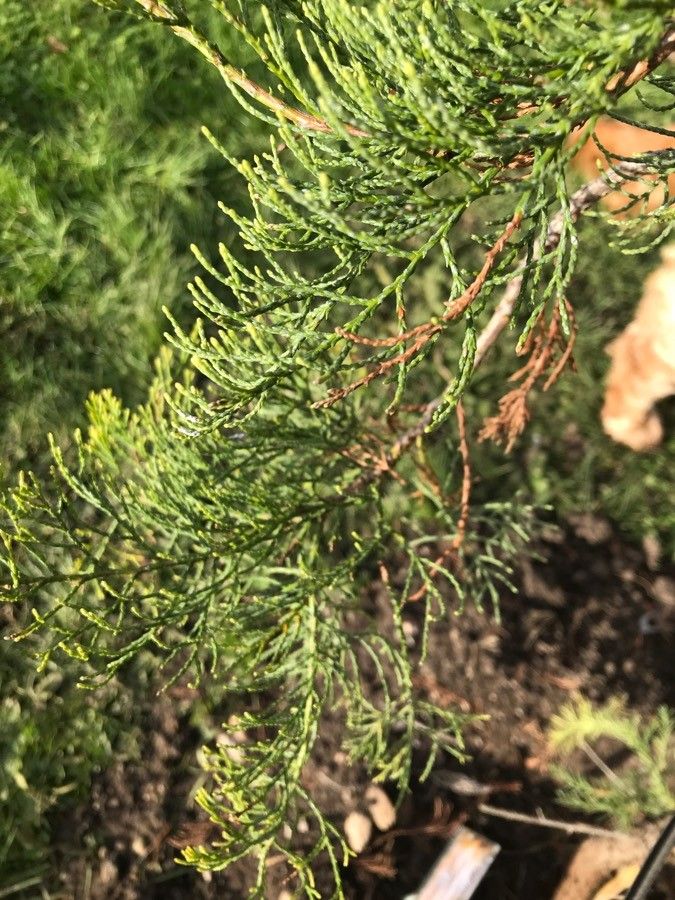
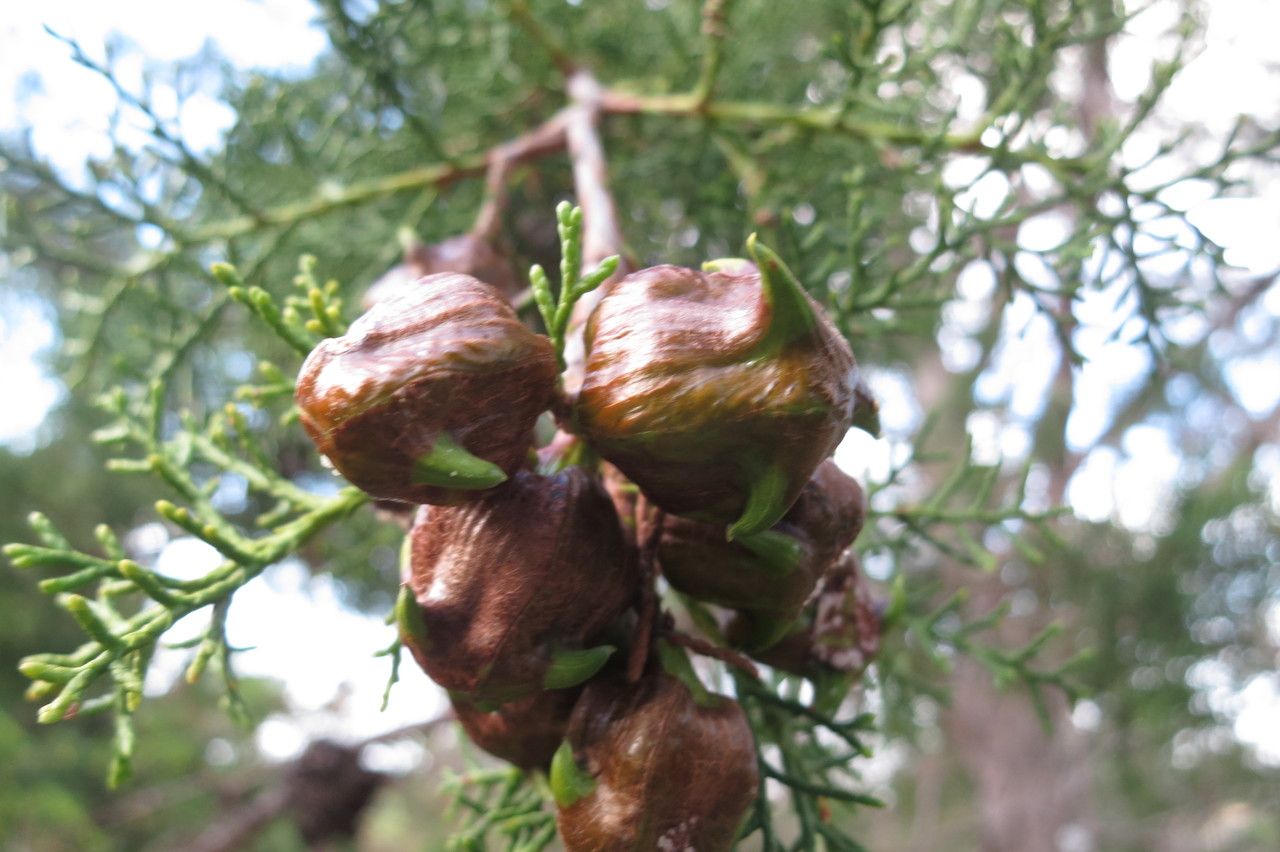
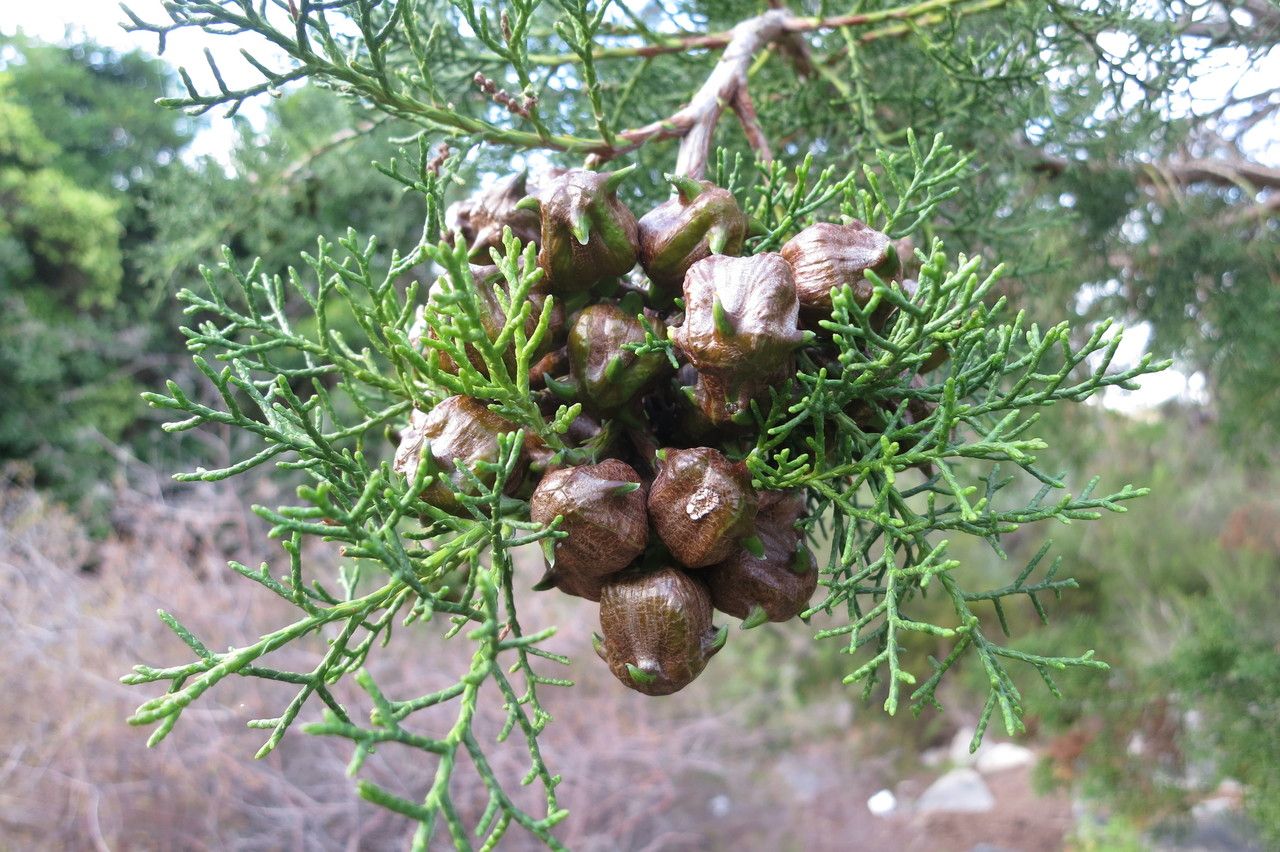
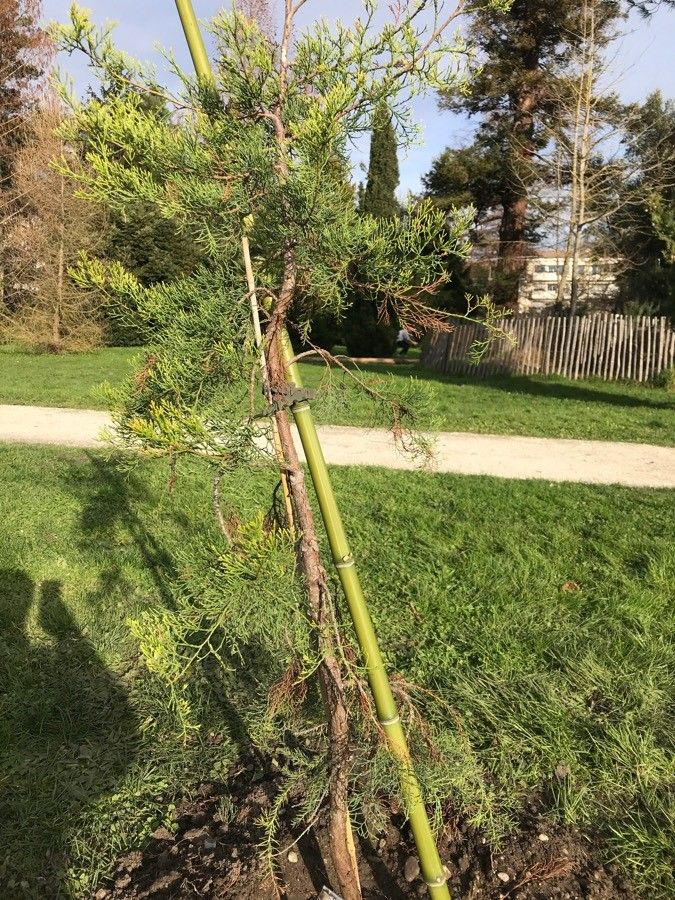
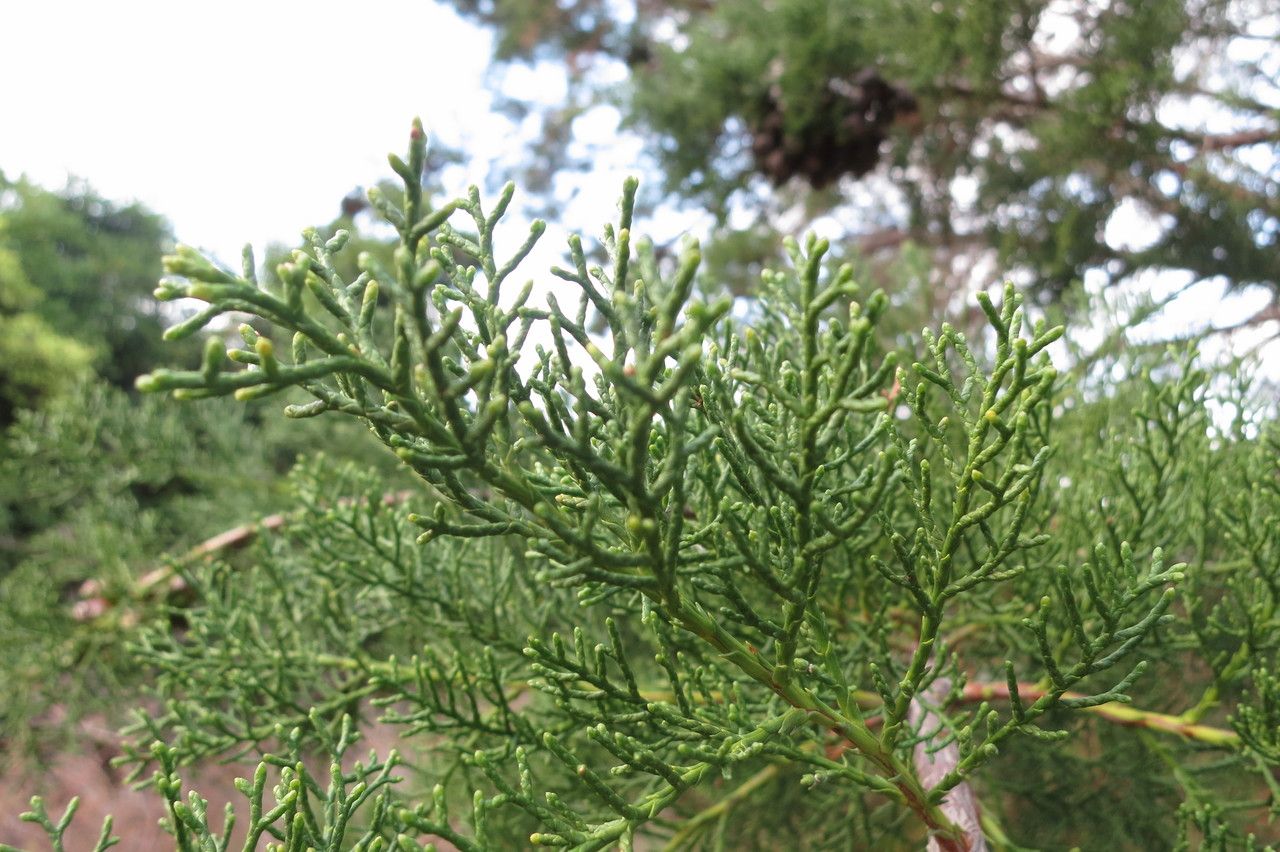
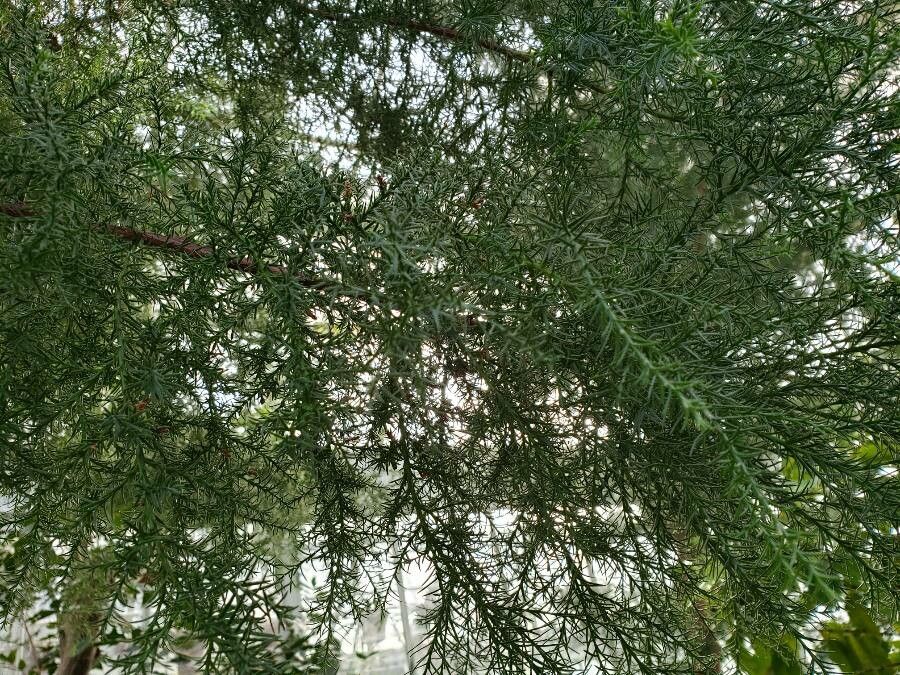
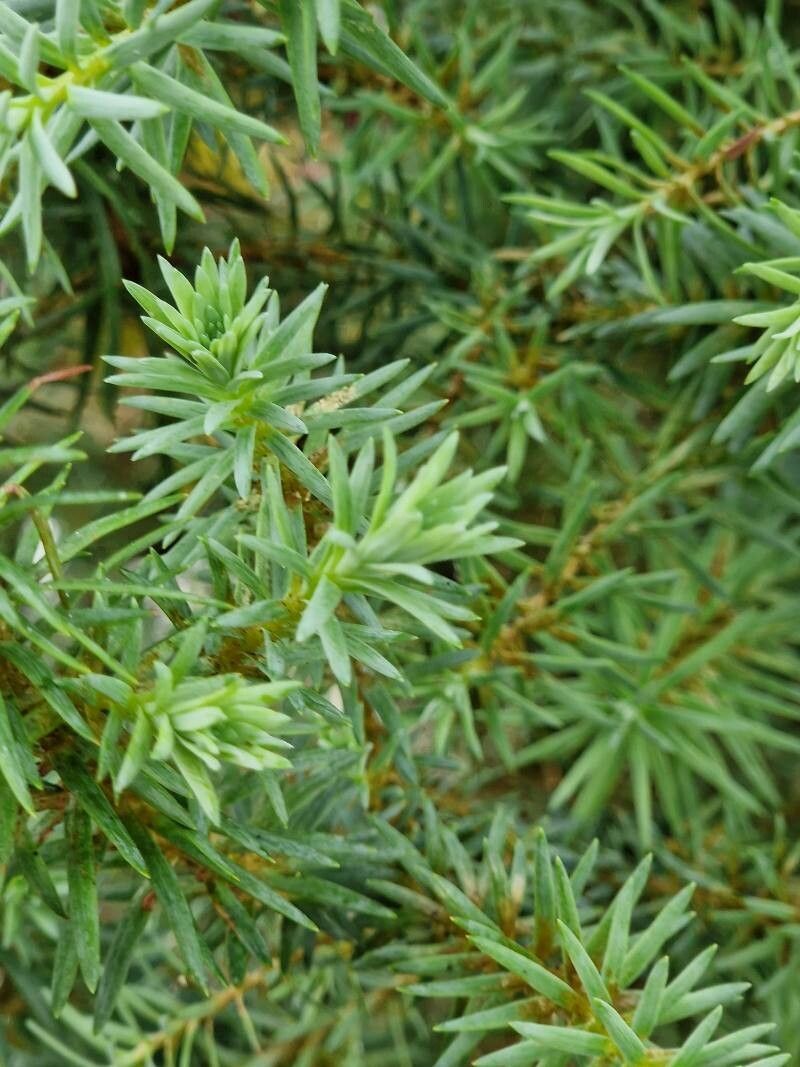
Widdringtonia nodiflora, commonly known as the Cape cedar or Clanwilliam cedar, is a slow-growing evergreen tree native to the Western and Northern Cape provinces of South Africa. Belonging to the family Cupressaceae, this tree can reach heights of up to 20 meters with a trunk diameter of up to 1 meter. It features a conical shape adorned with dense foliage characterized by needle-like leaves arranged in whorls around the branches.
The bark of Widdringtonia nodiflora is reddish-brown and peels off in thin strips. Its wood is highly valued for its durability, resistance to decay, and attractive coloration. Historically, indigenous people have utilized this wood for building houses, making furniture, and creating carved utensils and tools.
The tree produces small cones, about 2 cm long, which contain seeds that are dispersed by wind or birds. Widdringtonia nodiflora thrives best in well-drained soils with moderate moisture levels but can endure drought conditions once established.
Unfortunately, this species faces threats from habitat loss due to agricultural expansion and overexploitation for its valuable wood. Consequently, it has been classified as endangered on the IUCN Red List since 1998. Conservation initiatives, including reforestation programs, have been implemented; however, more efforts are needed to protect this species from extinction. Its ecological importance is significant within South Africa's biodiversity hotspots, such as the fynbos biome, where it coexists with other endemic plant species like Protea spp., Erica spp., and Leucadendron spp.
The Cape cypress is resistant to many diseases and is generally not vulnerable to them. In terms of care, this plant is fairly low-maintenance. When grown outdoors it needs little watering, and larger plants usually do not require pruning. Smaller plants, however, should be trimmed after they have finished blooming. Cape cypresst is suitable for anyone with an outdoor area, such as a garden or deck, and does not demand much horticultural experience.
How to keep Widdringtonia Nodiflora.
Light
Cape cypress performs best in locations with ample light all day, which encourages optimal growth. Native to regions with strong light, cape cypress may become stunted or lose color if it receives insufficient light. Conversely, excessive light can cause leaf burn or scorching.
Water
Cape cypress, which comes from mountainous areas, has a moderate tolerance for drought. It requires a balanced watering routine, ideally once every one to two weeks. As an evergreen plant, it retains water in its foliage to endure the changing temperatures throughout the year.
Temperature
Cape cypress is indigenous to areas with temperatures ranging from 68 to 95 °F (20 to 35 ℃). It grows best in these moderate climates. Seasonally, adjustments for colder or warmer conditions may be required to maintain healthy growth.
Fertilizer
Cape cypress has specific nutrient needs and does not require heavy fertilization. Spring is the best time to apply fertilizer for optimal growth. Providing nutrients enhances its health, increases its resistance to pests and diseases, and helps maintain its long lifespan.
Pruning
Cape cypress is a coniferous evergreen native to South Africa. It is characterized by its needle-like leaves and a dense crown. For optimal growth, it is best to prune the tree in winter, from early to late in the season. Pruning helps to remove dead branches, improve airflow, and maintain the tree's shape, ensuring healthy growth in future seasons.
Botanical profile.
- Plant Type
- Tree, Shrub
- Life Cycle
- Perennial
- Genus
- Widdringtonia
- Family
- Cupressaceae
- Hardiness Zone
- 9
- Mature Height
- 4.88 m to 7.01 m
- Mature Spread
- 3.05 m to 4.57 m
- Leaf Color
- Green
- Leaf Type
- Evergreen
- Flower Size
- 2.03 cm
- Bloom Time
- Mid spring, Late spring
- Planting Time
- Spring, Summer, Autumn
- Harvest Time
- Late summer, Early fall, Mid fall
- Native Area
- Malawi, South Africa, Mozambique, Zimbabwe
Other names.