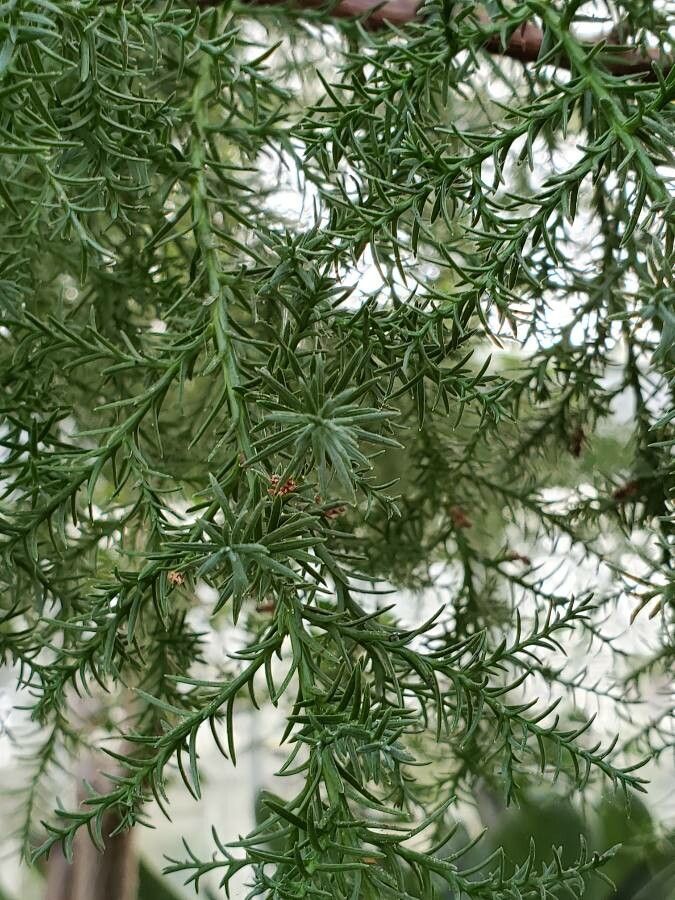
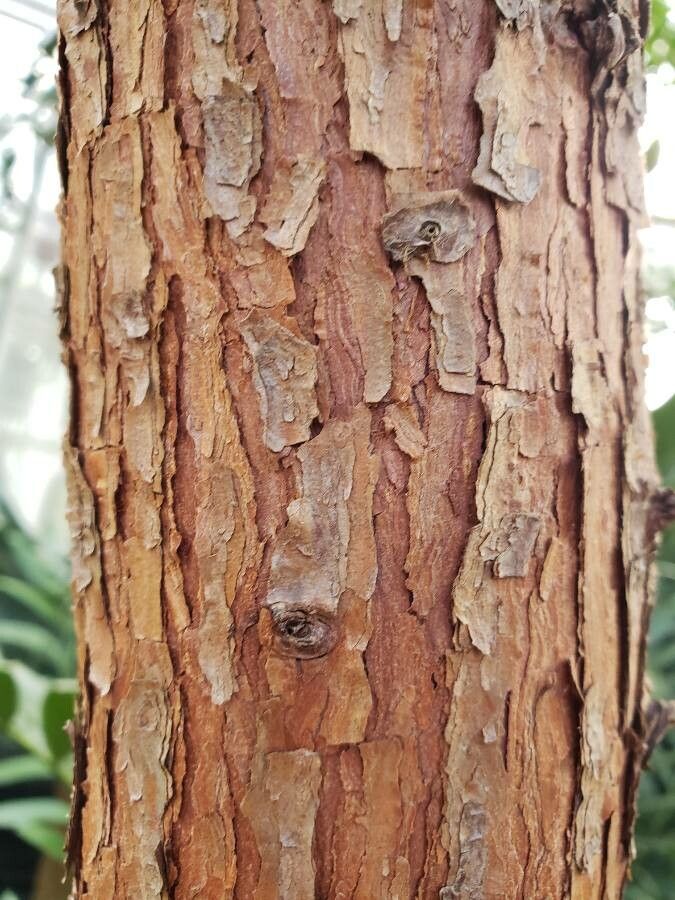
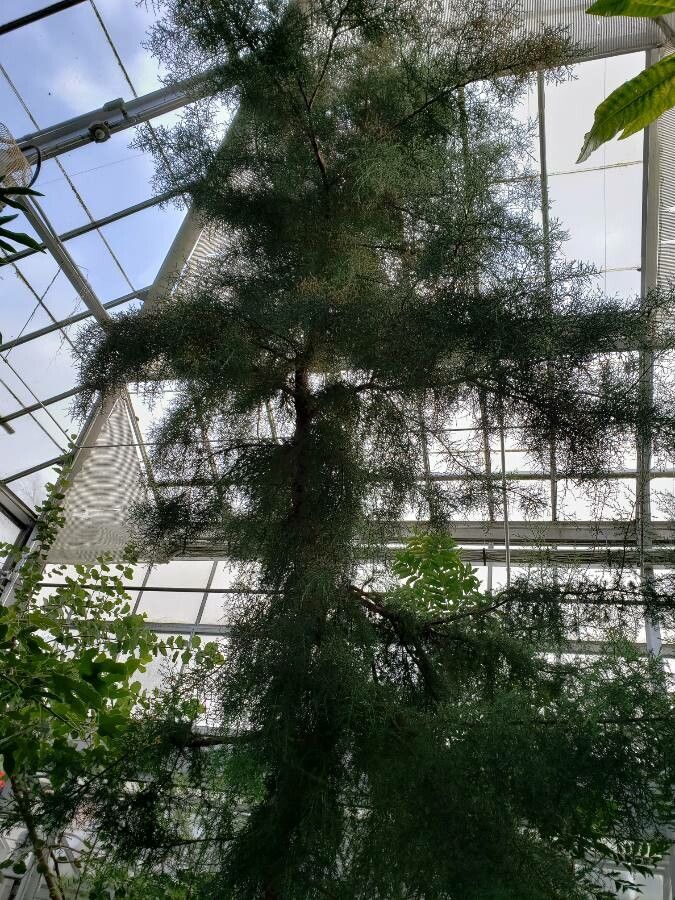
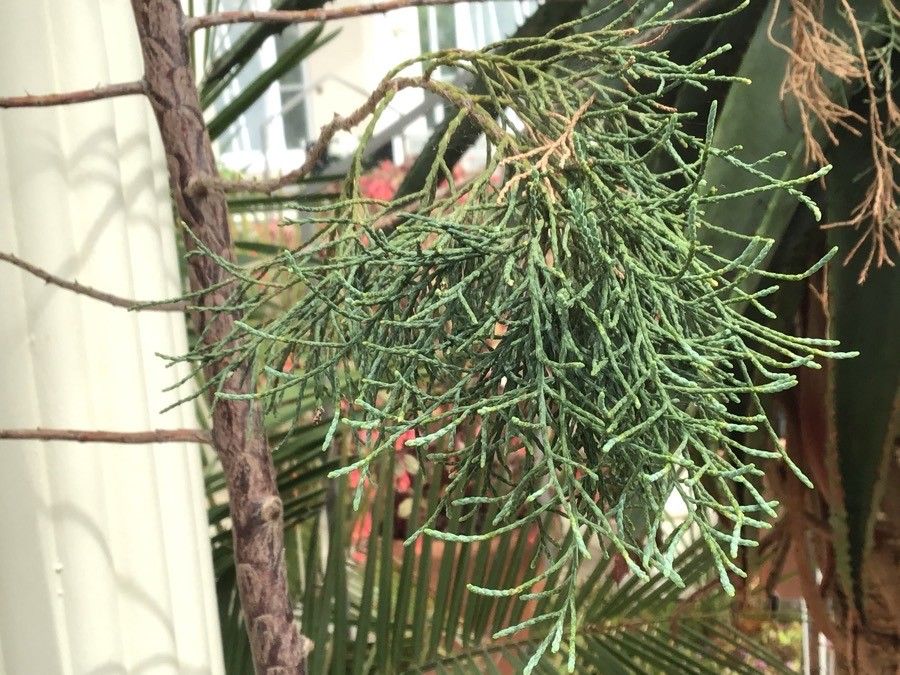
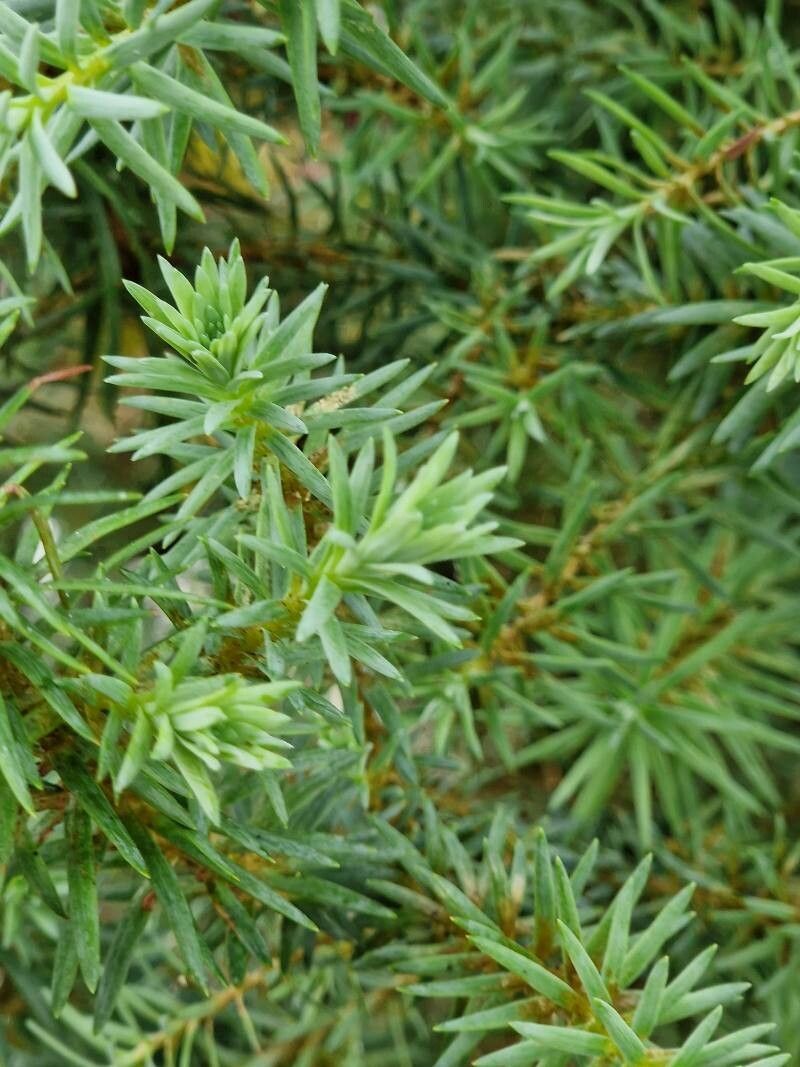
Widdringtonia wallichii, Clanwilliam cedar or Clanwilliam cypress, previously Widdringtonia cedarbergensis is a species of Widdringtonia native to South Africa, where it is endemic to the Cederberg Mountains northeast of Cape Town in Western Cape Province. It is threatened by habitat loss and protected in South Africa under the National Forest Act (Act 84) of 1998.It is a small evergreen tree growing to 5–7 m (rarely to 20 m) tall. The leaves are scale-like, 1.5 mm long and 1 mm broad on small shoots, up to 15 mm long on strong-growing shoots, and arranged in opposite decussate pairs. The cones are globose to rectangular, 2–3 cm long, with four scales.
The Cape cypress is resistant to many diseases and is generally not vulnerable to them. In terms of care, this plant is fairly low-maintenance. When grown outdoors it needs little watering, and larger plants usually do not require pruning. Smaller plants, however, should be trimmed after they have finished blooming. Cape cypresst is suitable for anyone with an outdoor area, such as a garden or deck, and does not demand much horticultural experience.
How to keep Widdringtonia Wallichii.
Light
Cape cypress performs best in locations with ample light all day, which encourages optimal growth. Native to regions with strong light, cape cypress may become stunted or lose color if it receives insufficient light. Conversely, excessive light can cause leaf burn or scorching.
Temperature
Cape cypress is indigenous to areas with temperatures ranging from 68 to 95 °F (20 to 35 ℃). It grows best in these moderate climates. Seasonally, adjustments for colder or warmer conditions may be required to maintain healthy growth.
Fertilizer
Cape cypress has specific nutrient needs and does not require heavy fertilization. Spring is the best time to apply fertilizer for optimal growth. Providing nutrients enhances its health, increases its resistance to pests and diseases, and helps maintain its long lifespan.
Botanical profile.
- Plant Type
- Tree, Shrub
- Life Cycle
- Perennial
- Genus
- Widdringtonia
- Family
- Cupressaceae
- Hardiness Zone
- 9
- Mature Height
- 4.88 m to 7.01 m
- Mature Spread
- 3.05 m to 4.57 m
- Leaf Color
- Green
- Leaf Type
- Evergreen
- Flower Size
- 2.03 cm
- Bloom Time
- Mid spring, Late spring
- Planting Time
- Spring, Summer, Autumn
- Harvest Time
- Late summer, Early fall, Mid fall
- Native Area
- Malawi, South Africa, Mozambique, Zimbabwe
Other names.