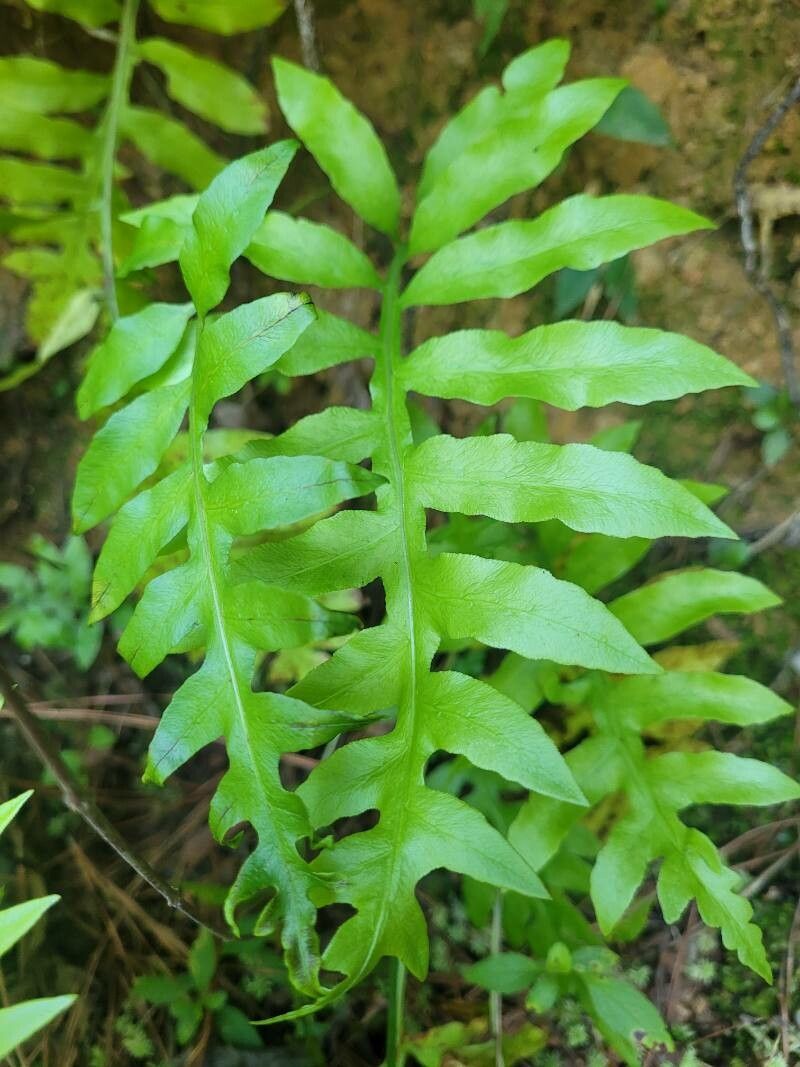
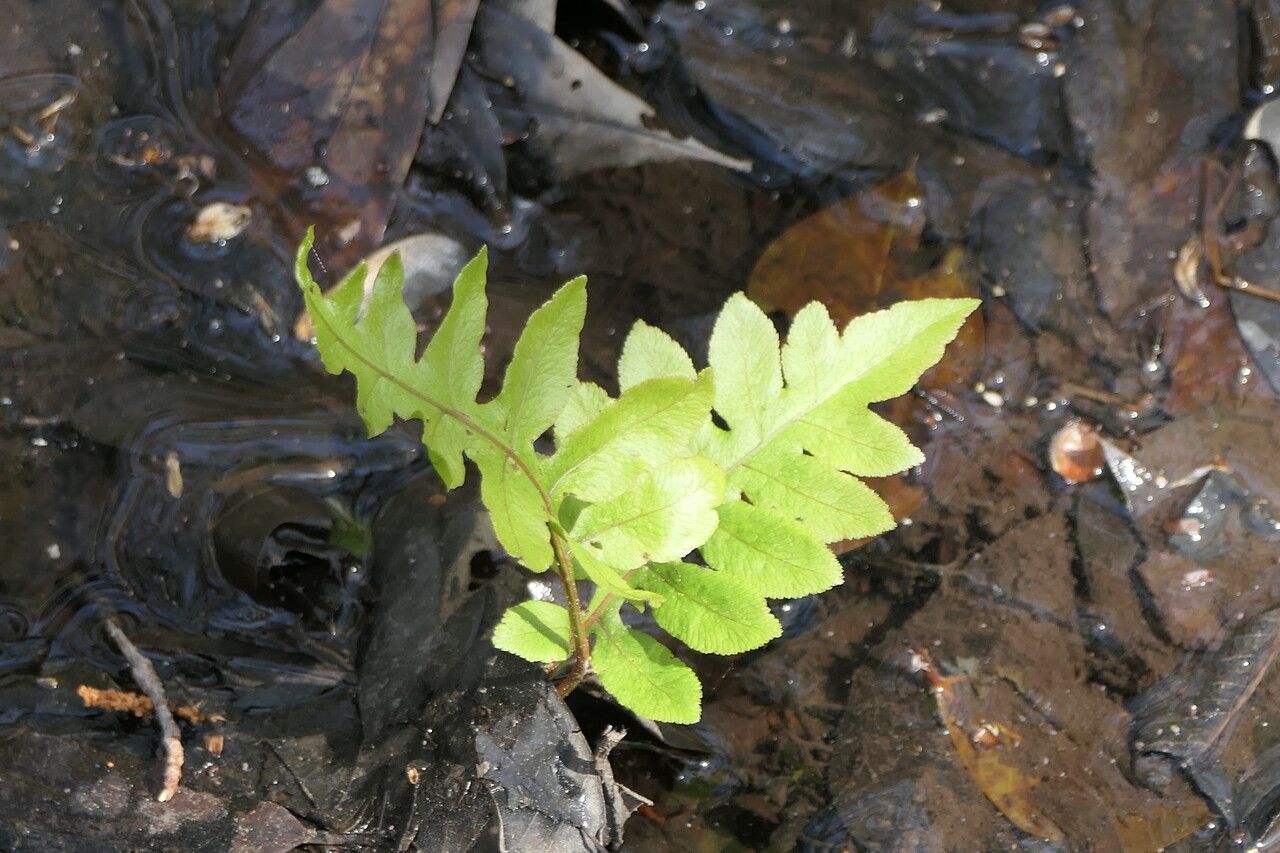
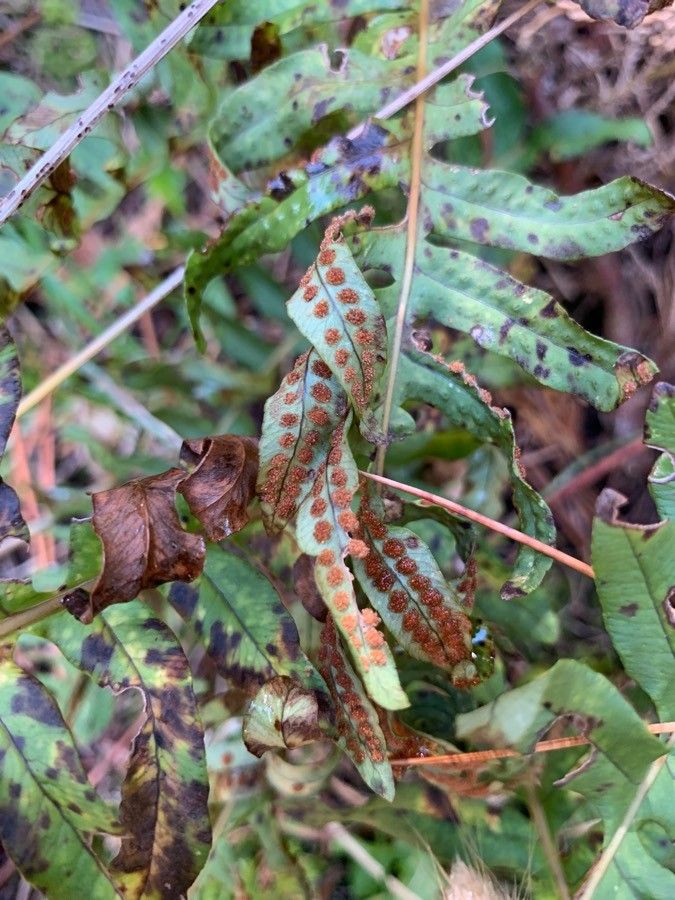
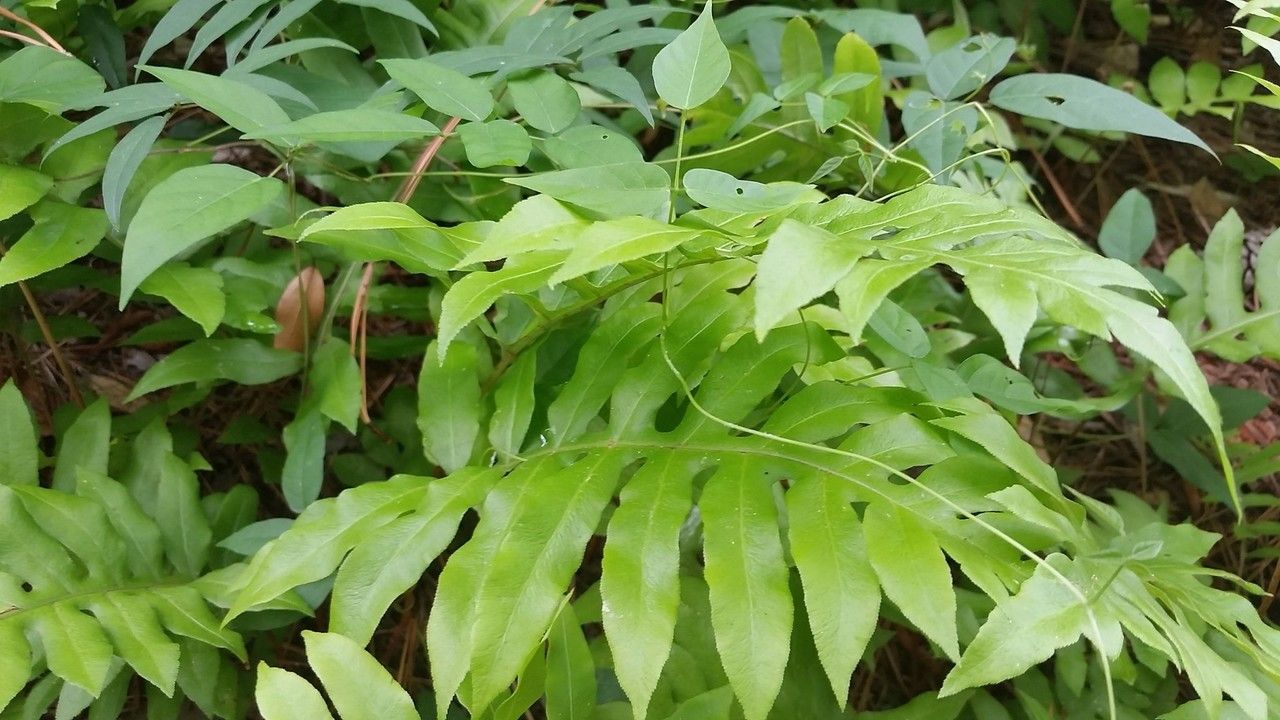
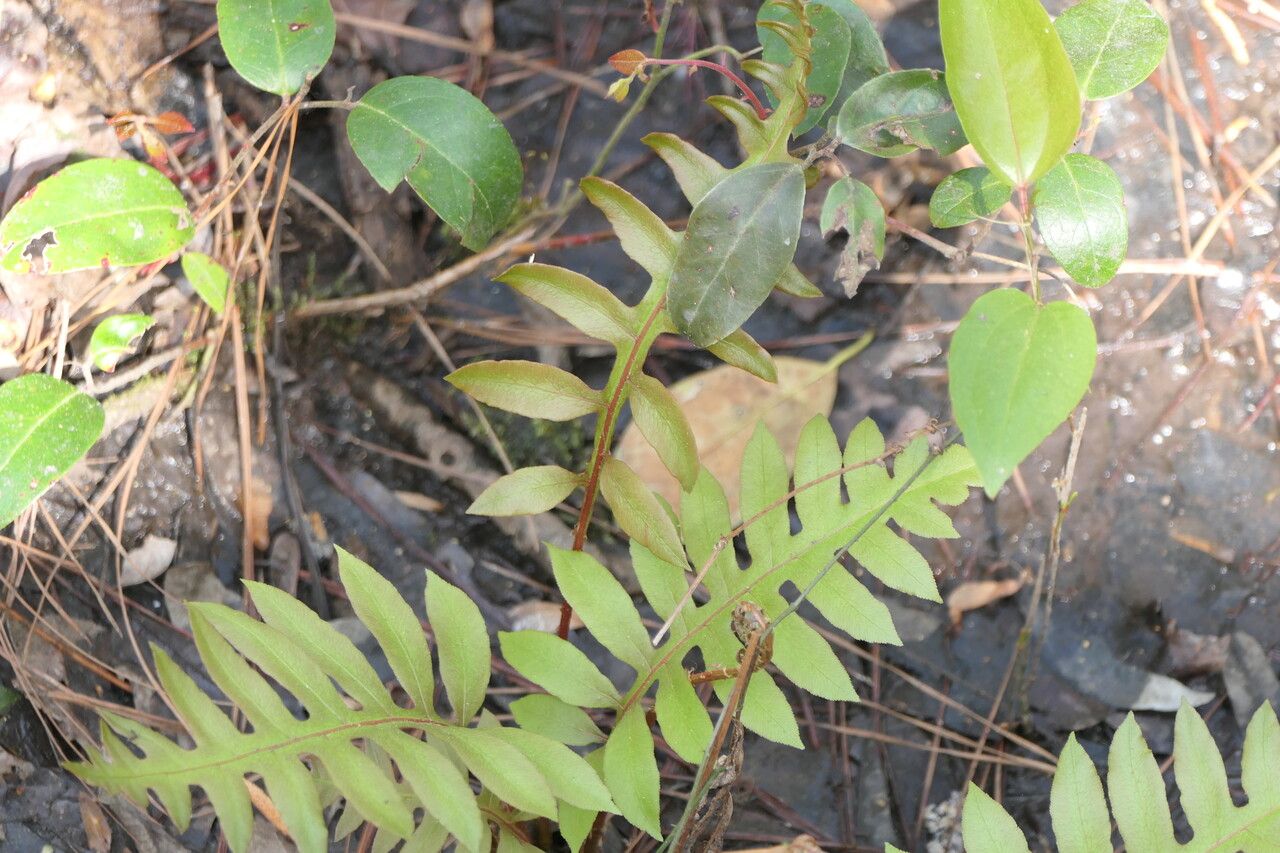
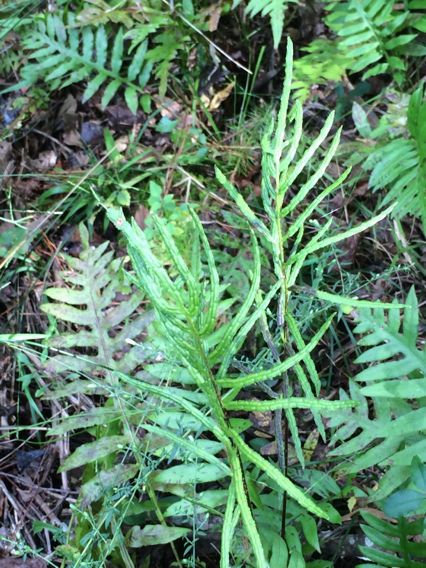
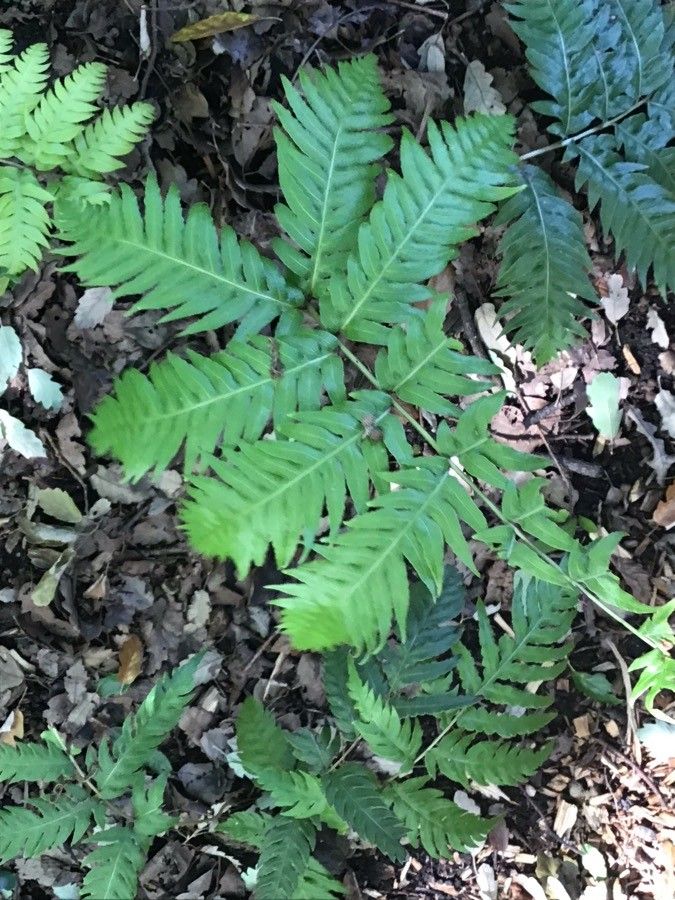
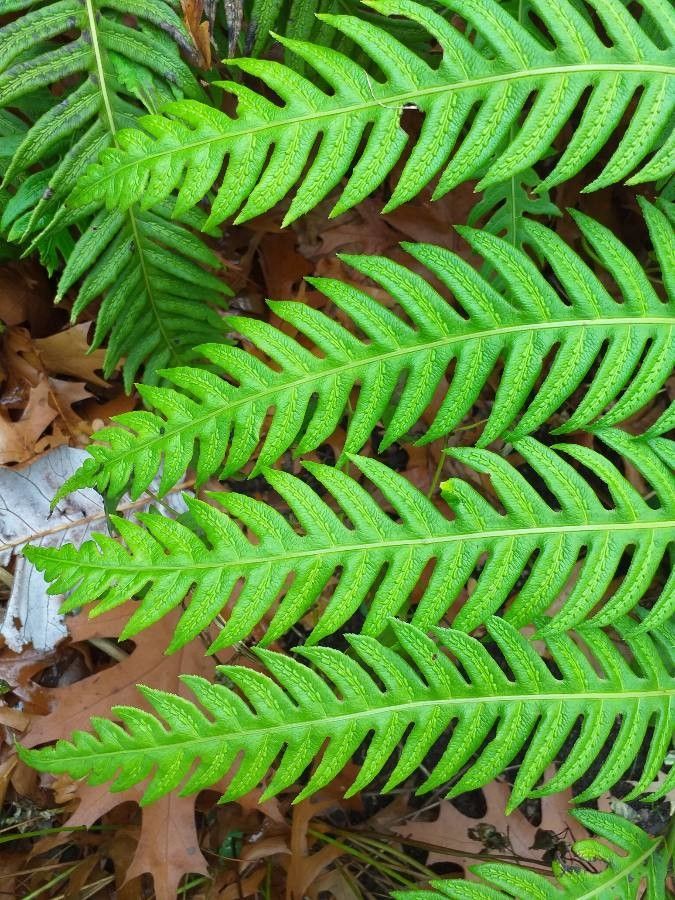
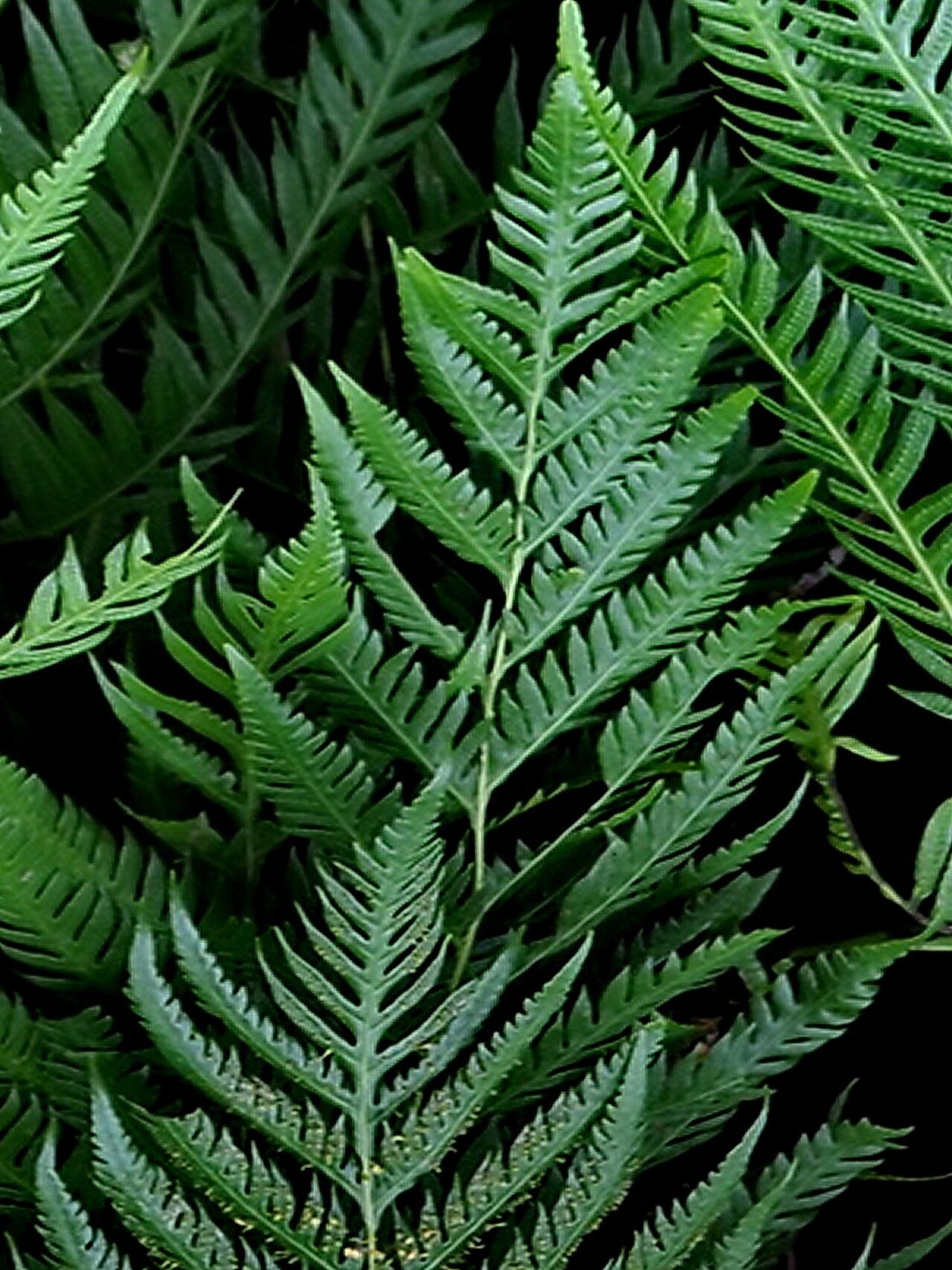
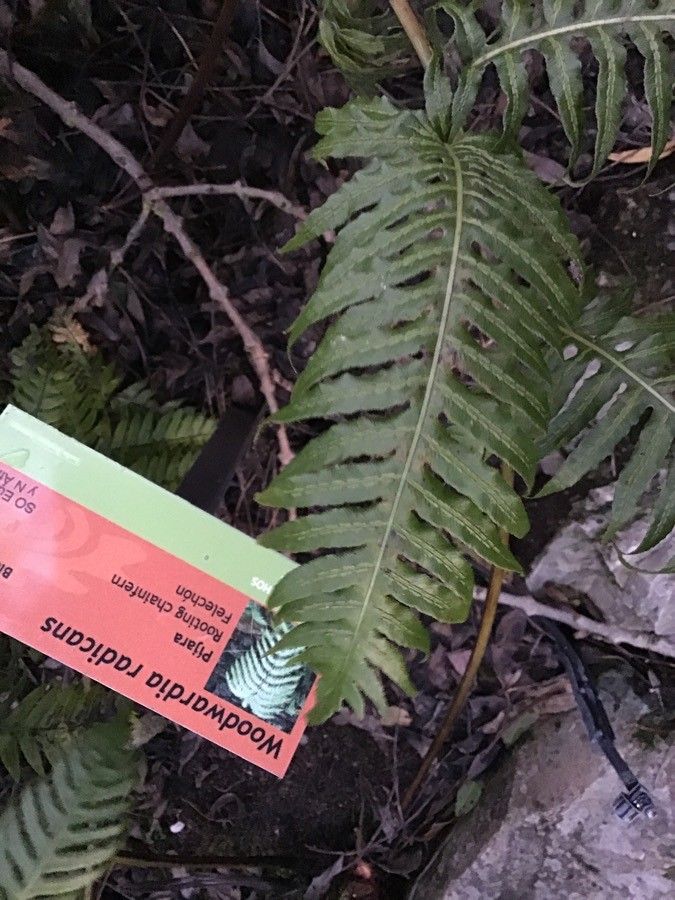
Lorinseria is a genus of fern in the subfamily Woodwardioideae of the family Blechnaceae. Its only species is Lorinseria areolata (synonym Woodwardia areolata), the netted chain fern, native to eastern North America. The monotypic genus Lorinseria has been separated from Woodwardia in the Pteridophyte Phylogeny Group classification of 2016 (PPG I), on the basis of its anastamosing veins and lobed frond form, as well as its more marked frond dimorphism. However, the genus name Lorinseria appears to be a later homonym of Lorinsera Opiz, and will need to be replaced or conserved.The sterile fronds are 40–60 cm long, and the fertile fronds 50–70 cm long. It is superficially similar to Onoclea sensibilis and sometimes confused with it.
Netted chain fern has strong disease resistance and typically is not prone to illnesses. Still, it can be vulnerable to pests and diseases present in its environment. Such infections tend to be mild. For care, this plant needs a moderate level of maintenance. It should be pruned regularly to preserve a good appearance and support healthy growth. Applying fertilizer can also encourage flowering. Netted chain fern is appropriate for anyone with outdoor areas like a garden or patio and does not demand extensive care experience. It may need more attention when cultivated indoors.
How to keep Woodwardia Areolata.
Light
The netted chain fern does best with light sun exposure but can also grow in heavily shaded spots. It comes from places with diffused light, which enables it to thrive even without a lot of sunlight. Too much sun can harm the plant, while too little may slow its growth.
Temperature
In its native environment, the netted chain fern does best with temperatures between 41 and 95 °F (5 to 35 ℃). To reproduce these conditions at home, keep the temperature within a similar range.
Fertilizer
A single fertilizer application in spring is generally enough for Netted chain fern, though additional feedings can boost growth. Apply fertilizer about every month to every six weeks. Fertilizing improves the leaves' appearance and function, helping maintain even color and a healthy texture. It also encourages root development and better nutrient uptake, supporting the plant's long-term health.
Botanical profile.
- Plant Type
- Herb
- Life Cycle
- Perennial
- Genus
- Woodwardia
- Family
- Blechnaceae
- Hardiness Zone
- 4-9
- Mature Height
- 30 cm to 76 cm
- Mature Spread
- 30 cm to 61 cm
- Leaf Color
- Light Green, Olive Drab
- Leaf Type
- Deciduous
- Bloom Time
- Summer, Fall
- Planting Time
- Summer, Autumn
Other names.