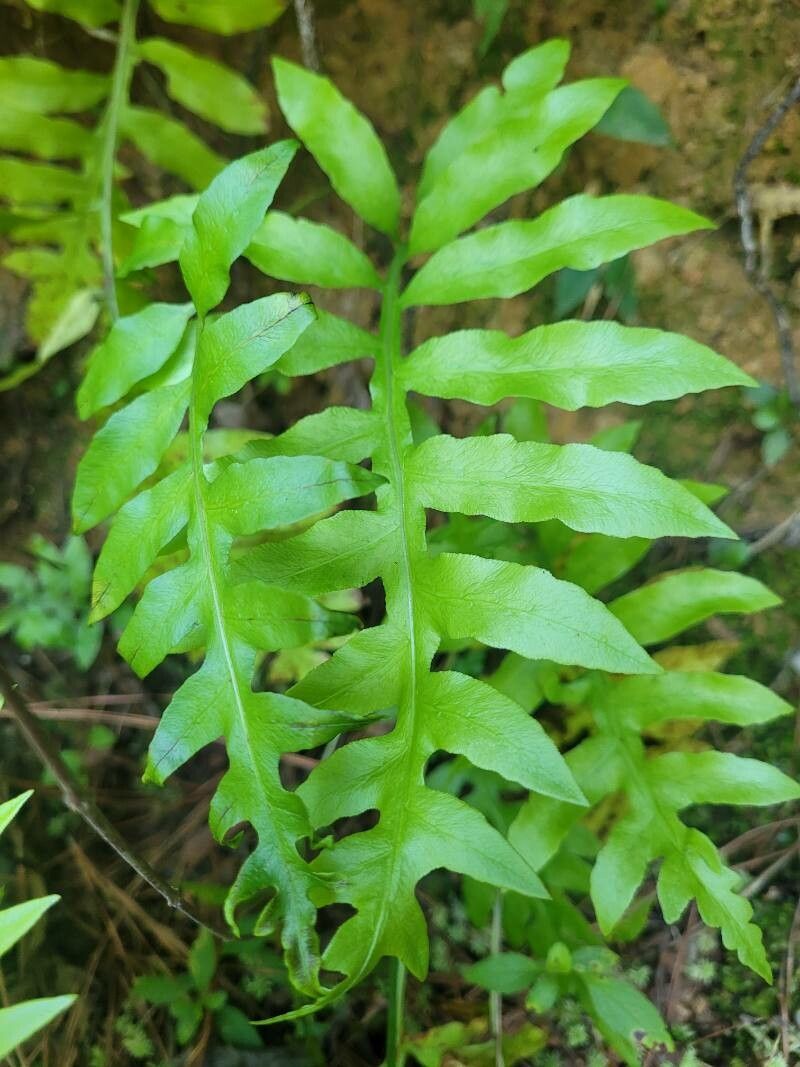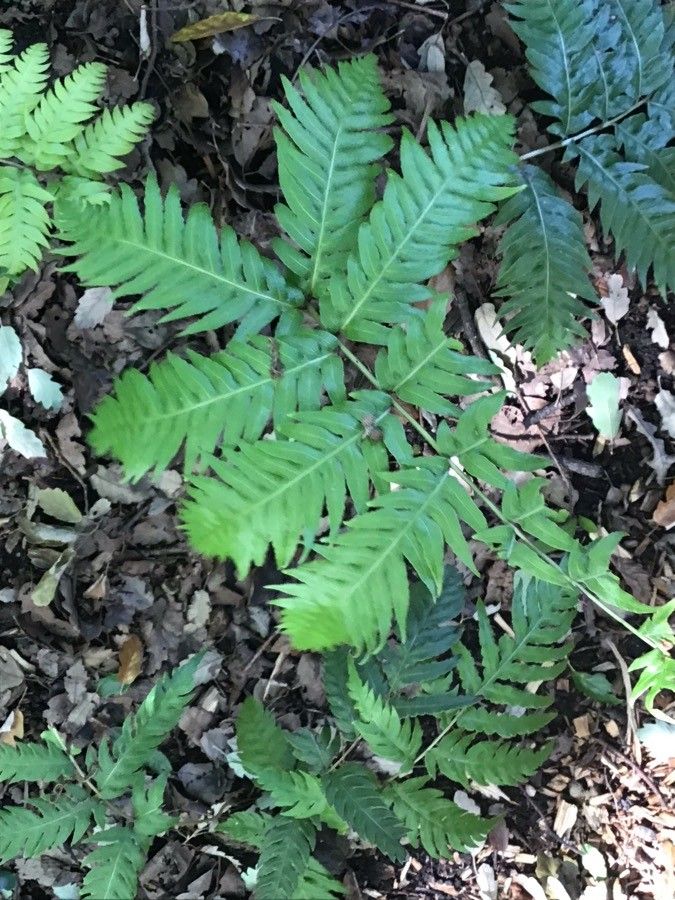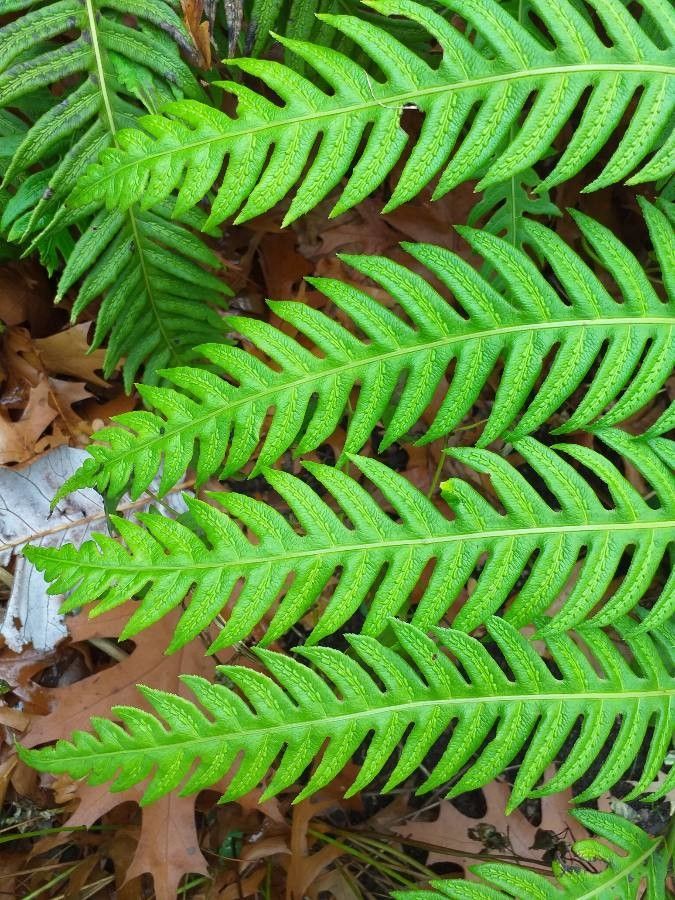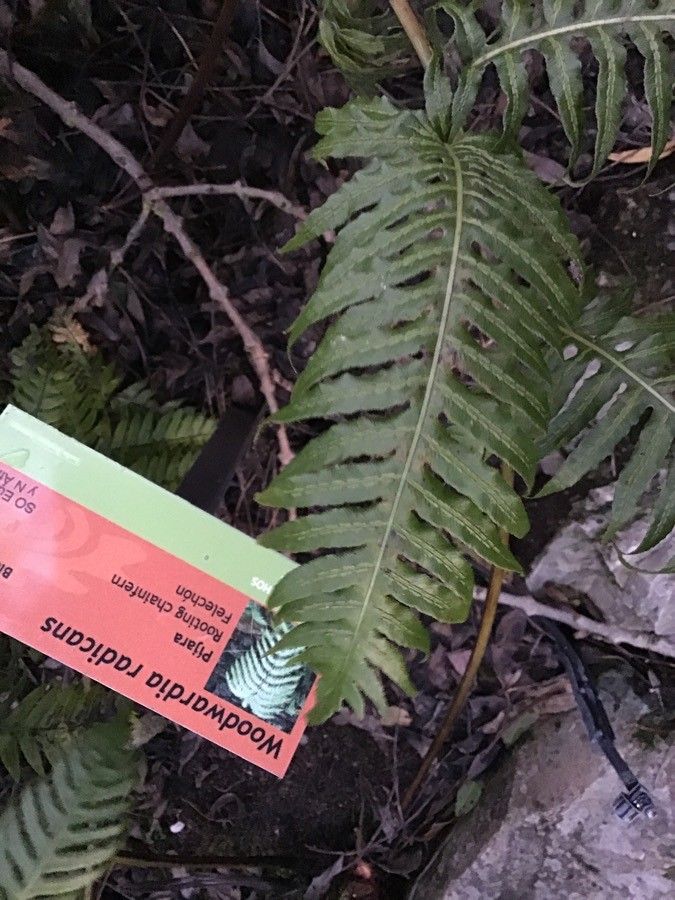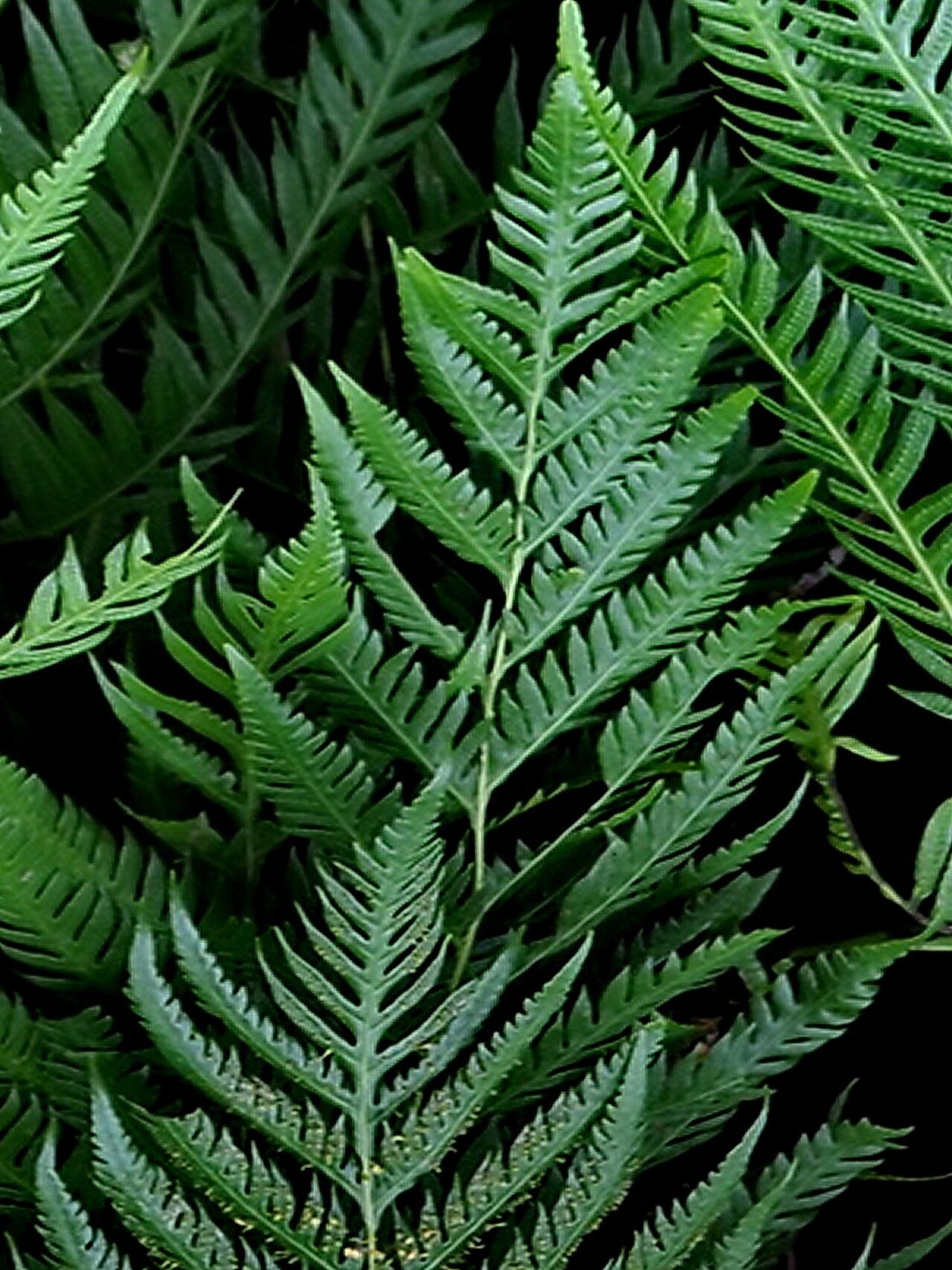
Woodwardia prolifera is a species of fern in the family Blechnaceae found in China, Japan and the Himalayas. It was first described by Sir William Jackson Hooker and George Arnott Walker Arnott in 1838.
The Oriental chain fern typically resists disease well and is affected by relatively few insect pests. Its care is considered challenging, since it needs a consistently moist environment and frequent watering. However, its roots can rot if it is overwatered or kept in an area with poor ventilation. This fern is best suited to people with some growing experience, as most individuals can keep it alive for a certain period. Nevertheless, it may struggle to truly thrive, and its fronds can dry out and become less healthy over time.
How to keep Woodwardia Prolifera.
Light
Oriental chain fern comes from habitats such as forest understories or rocky areas, which provide natural shade. It prefers Full Shade but can tolerate Partial Sun.
Temperature
The Oriental chain fern has good temperature adaptability and can handle high temperatures and wide temperature fluctuations. In hot conditions, attention should be paid to watering and providing adequate shade to prevent sunburn. On the other hand, it is relatively intolerant of low temperatures; while it can endure some cold, extremely low temperatures may cause frost damage.
Botanical profile.
- Plant Type
- Fern
- Life Cycle
- Perennial
- Genus
- Woodwardia
- Family
- Aspleniaceae
- Hardiness Zone
- 8-11
- Mature Height
- 0.61 m to 2.44 m
- Mature Spread
- 3.05 m
- Leaf Color
- Red, Green, Orange
- Leaf Type
- Semi-evergreen
- Planting Time
- Spring, Summer, Autumn
- Native Area
- Philippines, Japan, China