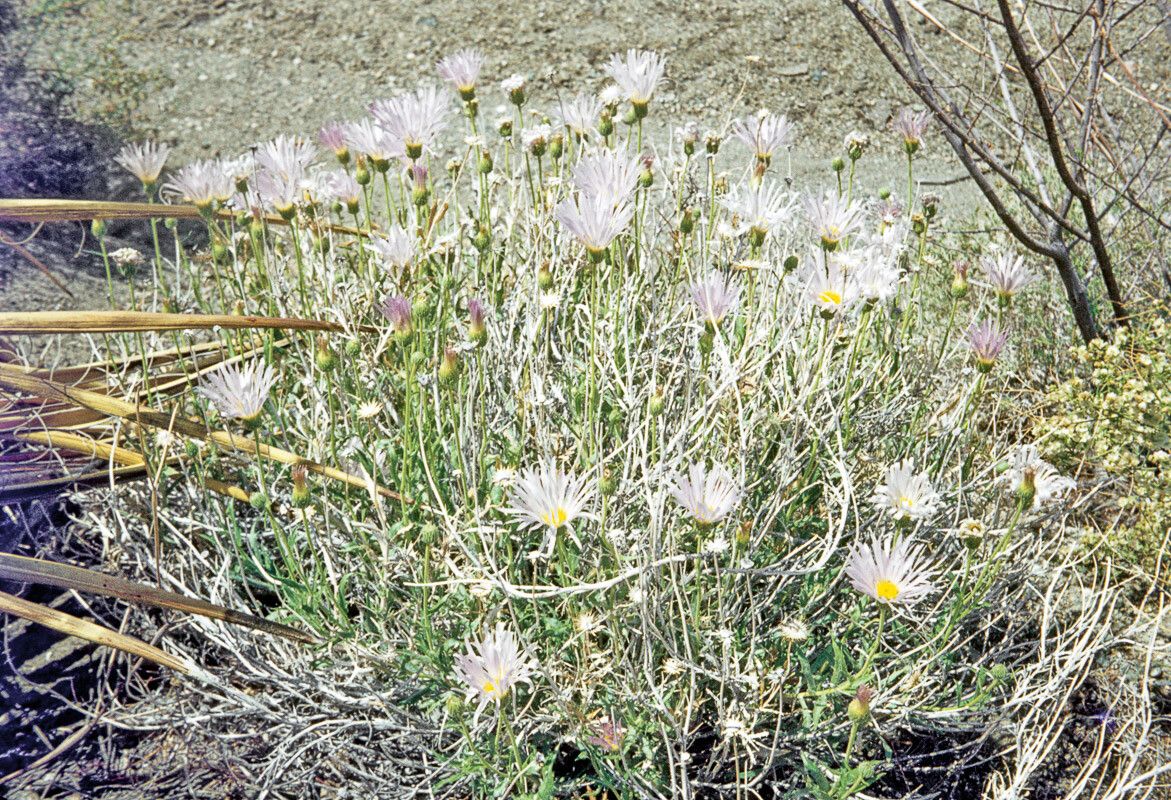
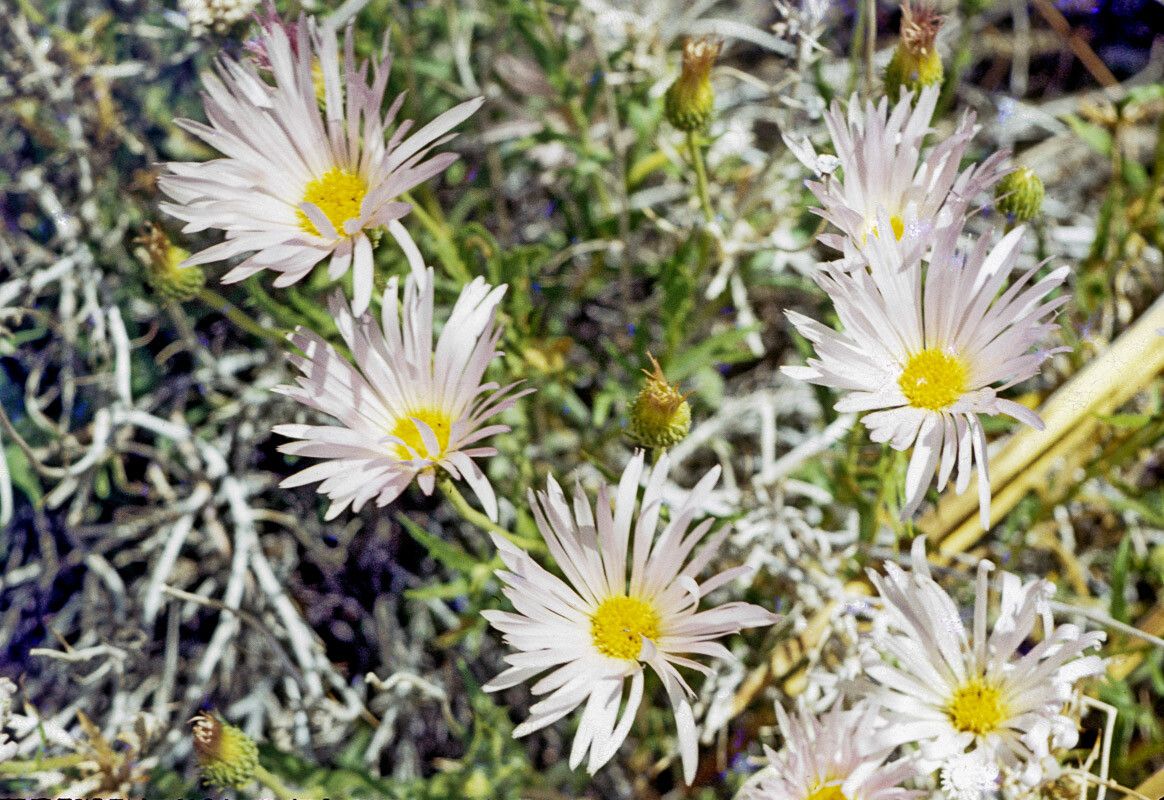
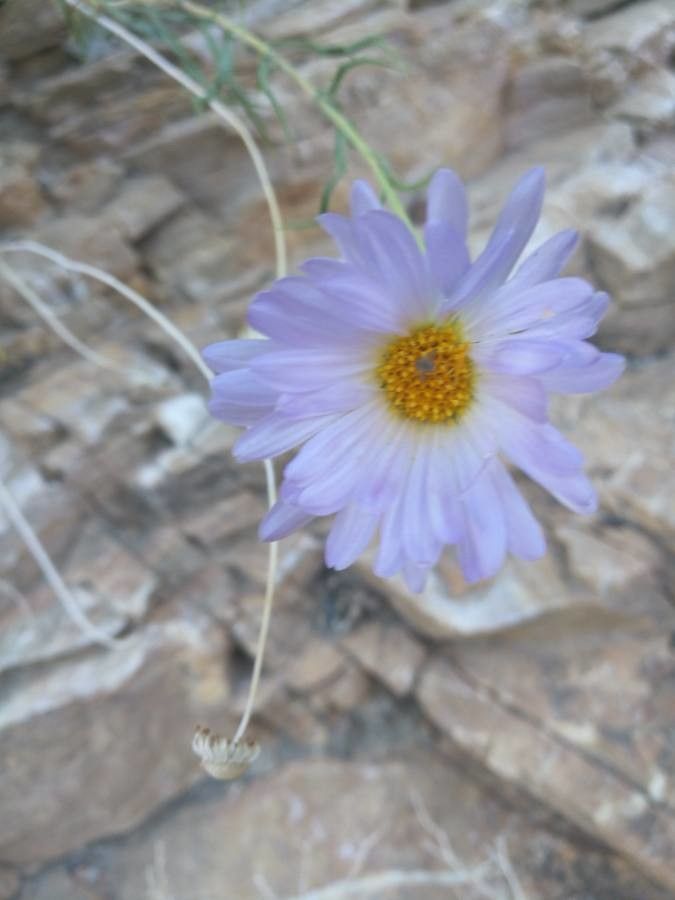
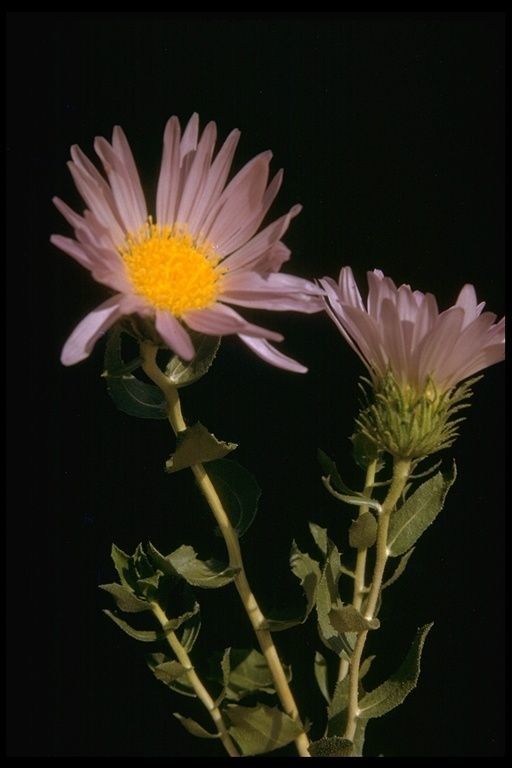
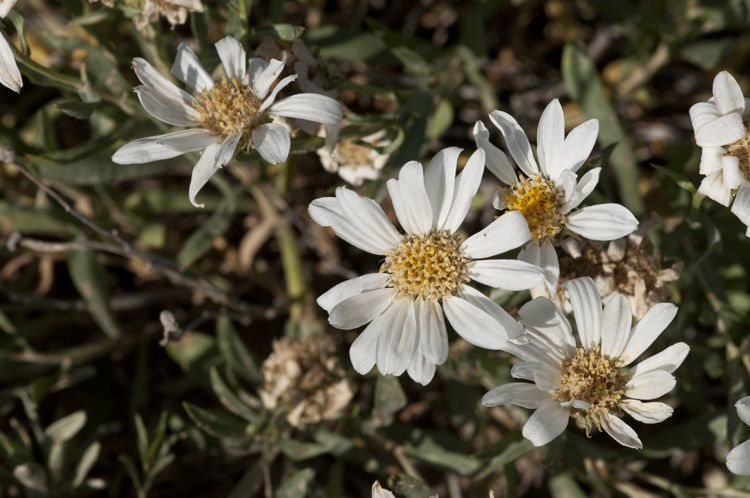
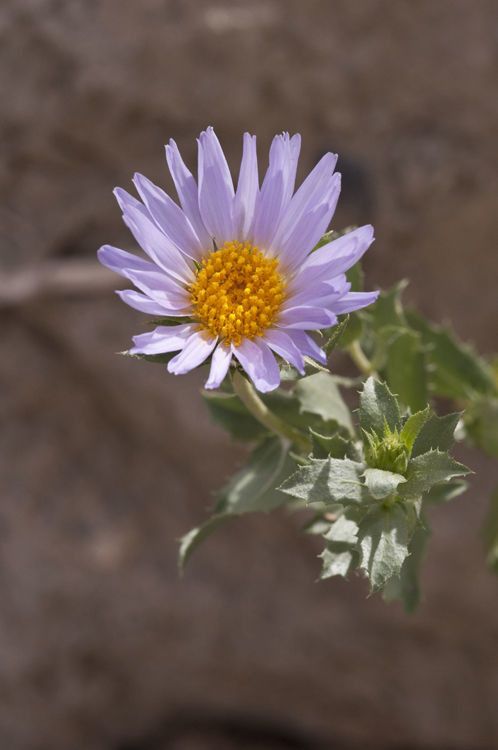
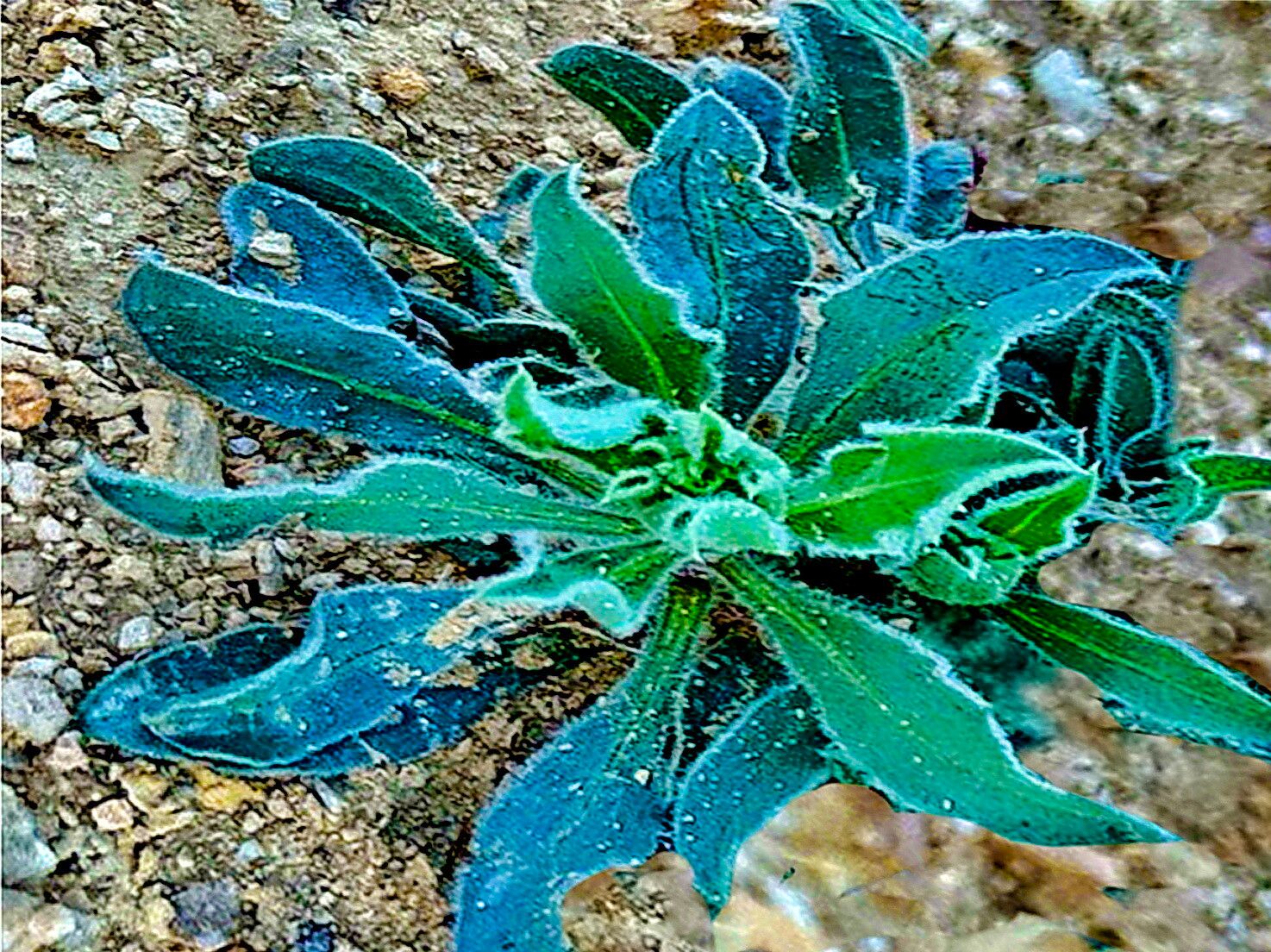
Xylorhiza tortifolia is a species of flowering plant in the family Asteraceae, known by the common names Mojave-aster and Mojave woodyaster.
Mojave aster is generally disease-resistant and not prone to illnesses. However, it can be affected by pests and diseases present in its surroundings. When infections occur, they are usually mild. For care, this plant requires moderate maintenance. It should be pruned regularly to maintain a neat appearance and support healthy growth. Fertilizing can also help encourage flowering. Mojave aster is appropriate for someone with outdoor space, such as a garden or patio, and does not demand extensive gardening experience. It may need more attention if grown indoors.
How to keep Xylorhiza Tortifolia.
Light
The Mojave aster prefers locations with full sunlight for most of the day, but it can tolerate areas where sunlight is irregular. In its native habitats it prospered under plentiful light. Both too much and too little sun can harm the plant's health.
Water
The Mojave aster is well-suited to arid environments, thriving with minimal moisture due to its excellent drought tolerance. It is important to water it weekly but avoid overwatering to prevent waterlogging. With a preference for full sun, the Mojave aster is ideal for outdoor growing and xeriscaping, making it an excellent choice for gardens prone to dry spells.
Temperature
The Mojave aster naturally occurs in areas with temperatures ranging from 68 to 100 °F (20 to 38 ℃). It favors warmer climates. Seasonal temperature changes are usually unnecessary unless temperatures stray significantly outside that range.
Fertilizer
Proper fertilization is vital to the health and appearance of the Mojave aster. Fertilize the Mojave aster during summer, repeating the application monthly throughout the season. Nutrients fuel growth and maintain the plant's parts. Fertilization boosts the Mojave aster's flower display, ensuring the best blooms.
Pruning
The Mojave aster is a hardy desert perennial that thrives with proper care. To encourage growth, prune dead or weak stems from early to late spring. Removing spent flowers will promote continuous blooming, and light shaping will help maintain its form. Effective pruning not only boosts air circulation but also reduces the risk of disease, ensuring a healthy plant.
Botanical profile.
- Plant Type
- Herb, Shrub
- Life Cycle
- Perennial
- Genus
- Xylorhiza
- Family
- Asteraceae
- Hardiness Zone
- 9-11
- Mature Height
- 46 cm to 61 cm
- Mature Spread
- 30 cm to 37 cm
- Leaf Color
- Gray, Light Gray
- Leaf Type
- Deciduous
- Flower Color
- Lavender, Purple
- Flower Size
- 2.54 cm to 5.08 cm
- Bloom Time
- Early spring, Mid spring
- Planting Time
- Spring, Summer
- Harvest Time
- Late spring, Early summer
Other names.
Reader questions.
How should I water my Mojave aster plant?
To properly water the Mojave aster, follow these steps for the best results. First, use filtered water that is at room temperature. Tap water may contain harmful particles, so filtered water is preferable. Next, consider the temperature of the water. The Mojave aster is accustomed to warm environments, so using cold water can be somewhat shocking to its system. It is best to use room temperature or slightly warmer water. Additionally, avoid overhead watering as it may cause foliage complications. Instead, focus on watering the soil directly. Apply the filtered room temperature water to the soil until it is completely soaked. This method is beneficial for the plant as it moisturizes the roots and helps them spread through the soil to collect necessary nutrients.
What are the sun requirements for Mojave aster?
Mojave aster requires full sun, meaning it needs more than 6 hours of sunlight daily, but it can also tolerate partial sun conditions with about 3-6 hours of sunlight. It's crucial to observe the movement of sunlight through your garden to find the ideal spots that offer the right balance of light and shade, ensuring the plants grow healthily and happily.
What is the native temperature range for Mojave aster?
Mojave aster, known botanically as Xylorhiza tortifolia, thrives in environments where temperatures range from 68°F to 100°F (20°C to 38°C). This heat-loving plant prefers warmer climates and requires specific care to flourish outside of these temperature ranges. During winter, it's beneficial to maintain temperatures above 20°C to encourage growth, as the plant is particularly sensitive to cold. In autumn, as temperatures begin to drop, it's recommended to bring outdoor Mojave asters indoors, positioning them near a bright window while ensuring they are not too close to heaters to prevent any potential damage.
What should I do if I give my Mojave aster too much or too little water?
Overwatering is a common issue that can harm your Mojave aster. When this plant receives too much water, its stems and leaves may wilt and turn yellow. Prolonged overwatering can also lead to diseases like root rot, mold, and mildew, which can be fatal. While underwatering is less common for the Mojave aster due to its drought tolerance, it is still possible. In this case, the leaves may become brittle and brown. It's important to recognize signs of overwatering early on to prevent irreversible damage. Reduce watering immediately if you notice these signs. Check the soil's drainage; if it's poor, replace it with well-draining potting mix. If your Mojave aster shows signs of insufficient watering, simply increase your watering schedule until the signs disappear.
How does Mojave aster react to different lighting conditions?
Mojave aster prefers locations where it can bask in the sun's rays throughout the day, thriving in abundant illumination similar to its natural habitats. However, it can survive in less consistent sunlight. Both an abundance and a lack of sunlight can impact the plant's health adversely. In situations where natural sunlight is insufficient, particularly for indoor plants during winter or in less sunny areas, artificial lighting, such as LED lights, can be utilized to provide the necessary wavelengths of light, promoting healthier and faster growth.
How does Mojave aster respond to low temperatures?
Mojave aster displays a marked intolerance for low temperatures, optimal growth occurring when the temperature remains above 20°C. Exposure to temperatures below 0°C can severely affect the plant, with potential signs of stress including a lightening of leaf color when it drops below -5°C. This stress can escalate to frost damage, with symptoms like the leaves turning brown or black, and the plant exhibiting wilting and drooping. To protect and recover the plant from such damage, the recommended action is to trim off the frost-afflicted parts and move the plant to a warm, indoor environment. Placing the Mojave aster near a south-facing window while avoiding overly dry conditions by keeping it away from heaters or air vents can aid in its recovery and continued health.
How frequently should I give water to my Mojave aster?
If your Mojave aster is in a pot, you can determine if it needs water by checking the soil. Stick your finger into the soil and if the top two to three inches feel dry, it's time to water. If you have your Mojave aster planted outdoors, the same method applies. Once the top few inches of soil are dry, it's time to water. Generally, you'll need to water this plant about once a week during spring and early fall. However, during extremely hot weather, you may need to water it twice or more per week. Keep in mind that mature, well-established Mojave asters are quite resilient and can withstand drought.
What are the symptoms of inadequate lighting for Mojave aster?
When Mojave aster doesn't receive sufficient light, several symptoms may appear, including smaller new leaves, leggy or sparse growth, quicker leaf drop, slowed or halted growth, and leaves developing irregular color patterns or appearing pale, indicating a lack of chlorophyll. Excessive sunlight can also harm, causing chlorosis, sunscald, leaf curling, wilting, and leaf scorching.
What should be done if Mojave aster is exposed to high temperatures?
Mojave aster should ideally be kept at temperatures below 100°F (38°C) to avoid heat stress. When temperatures soar above 107°F (43°C), the plant may experience symptoms such as lightening of leaf colors and an increased risk of sunburn. The recommended solution for such cases involves trimming away the sunburned and dry parts of the plant and relocating it to a spot that provides relief from the intense midday and afternoon sun. Additionally, it's crucial to water the Mojave aster during cooler times of the day, like morning or evening, to ensure the soil remains adequately moist, thereby helping the plant to cope better with high temperatures.
How much water does my Mojave aster plant need?
When watering your Mojave aster, it's important to be generous with the amount of water you give. Make sure that the first two to three inches of soil are dry before watering, and then give the plant a thorough soaking. You should add enough water to fully saturate the soil, causing excess water to drain out through the pot's drainage holes. If you don't see any excess water draining, you may not have given enough water. However, be careful not to let water accumulate in the soil, as this can be harmful to the plant. On the other hand, if water doesn't drain through the pot, it could mean that the soil doesn't drain well, which is not good for the health of the plant. If the plant is outside, it will only need about 1 inch of rain per week.
What solutions can help Mojave aster receive adequate sunlight?
To ensure Mojave aster receives adequate sunlight, gradually move plants to sunnier locations until they get at least 6 hours of direct sunlight daily, particularly through south-facing windows. For larger or non-moveable indoor plants, consider using artificial light sources, like desk lamps or professional grow lights, for at least 8 hours daily. Outdoors, gradually acclimate your plants to sunnier spots to prevent sunburn. Reducing obstructions, such as by pruning trees or relocating plants to sunnier areas, can also help increase sunlight exposure. Note that parts of the plant damaged by insufficient light may not recover, but new growth should be healthy with improved lighting.
How do I water my Mojave aster as it grows?
The water requirements of the Mojave aster can vary depending on its growth stages. In the early years of its life or when you have recently transplanted it, you will need to provide more water than usual. During these stages, the plant focuses on developing new roots, which require additional moisture to support future growth. As the plant matures over a few seasons, it will require less water. Additionally, during the bloom period, the flower development process utilizes a significant amount of moisture, so you may need to increase watering during this time.