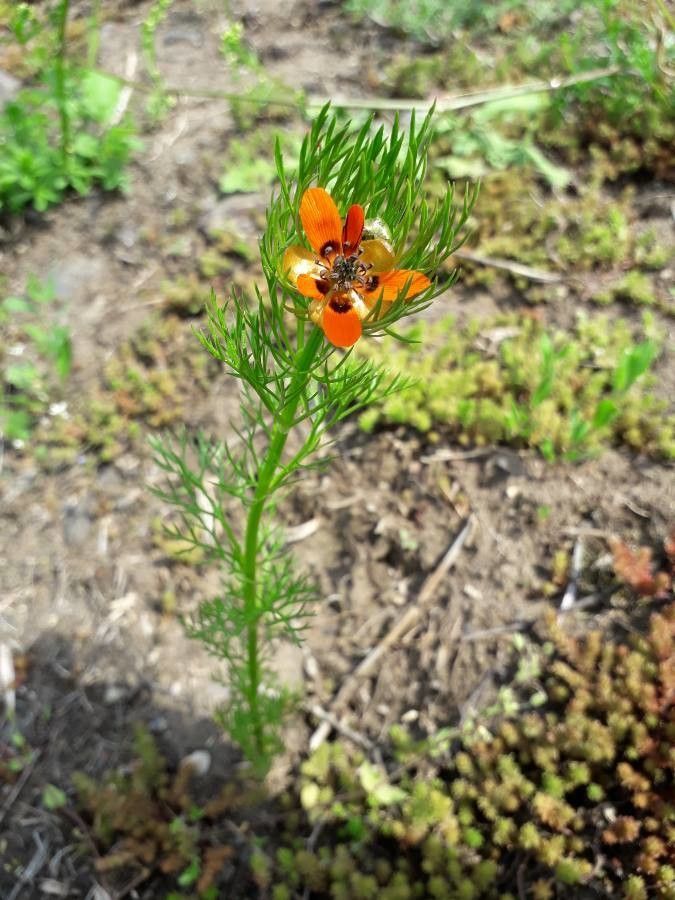
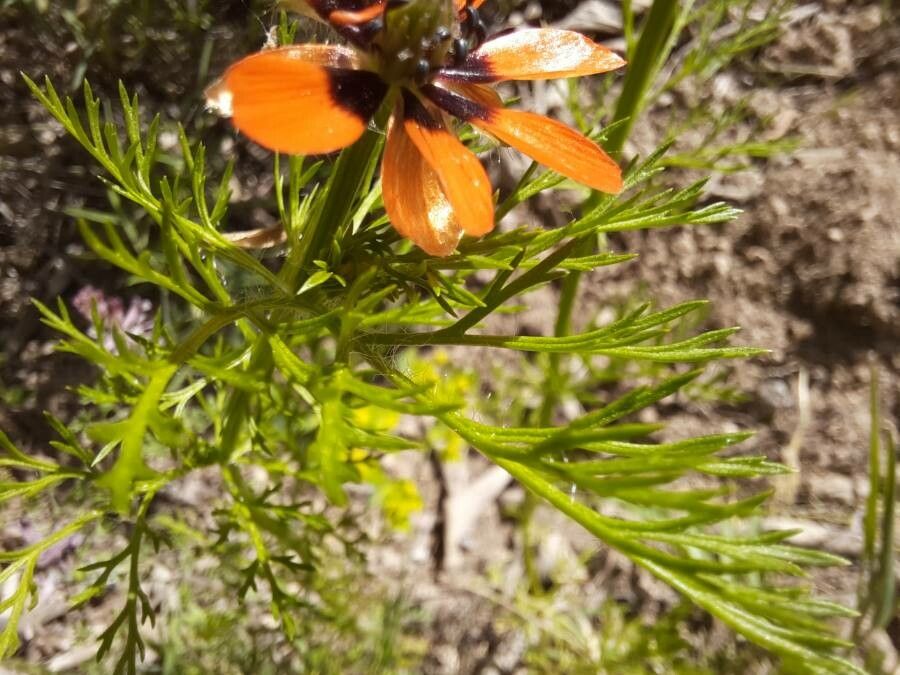
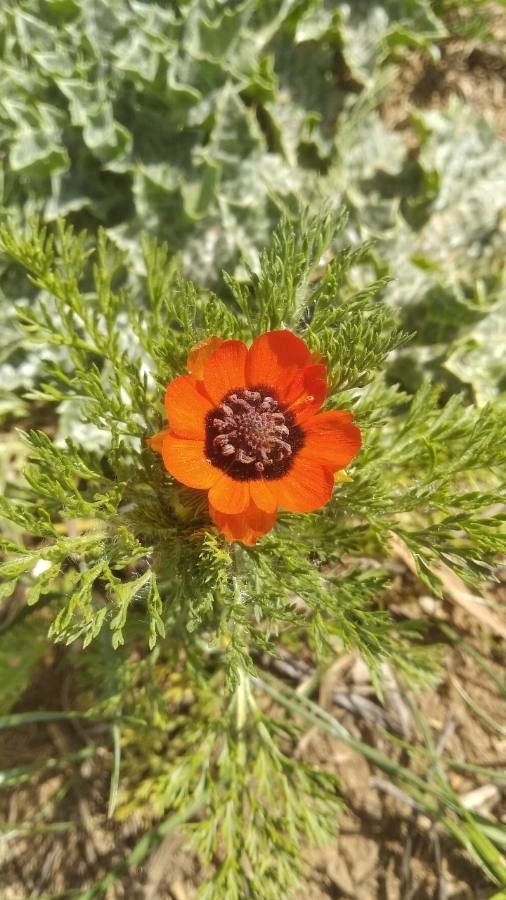
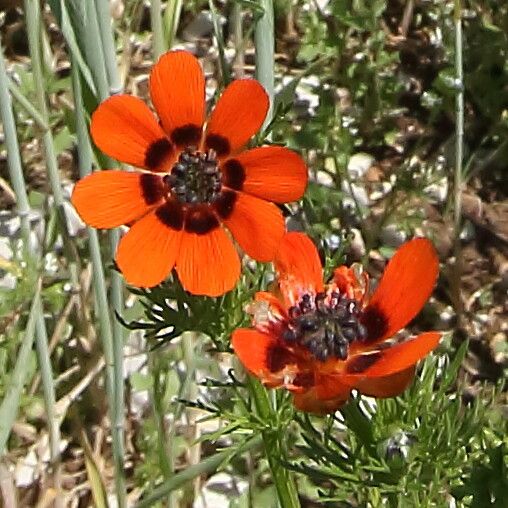
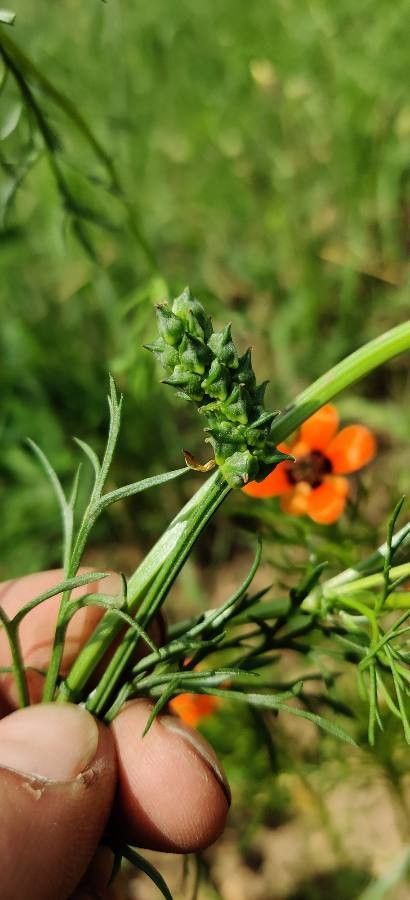
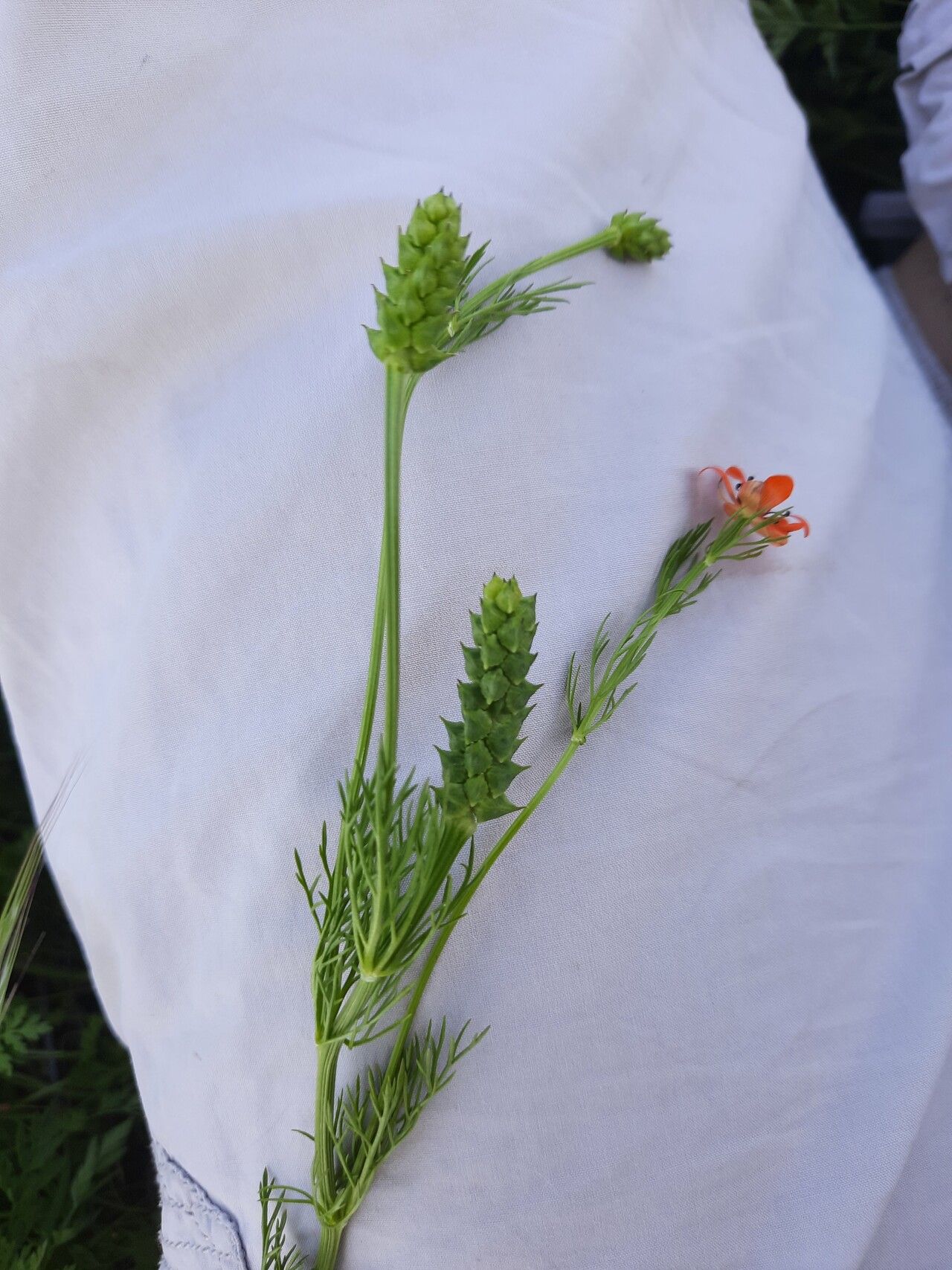
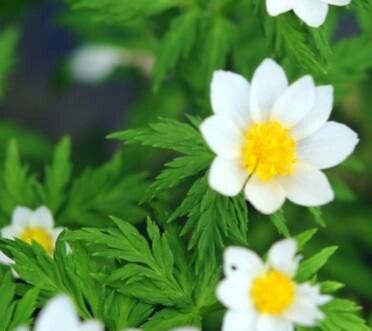
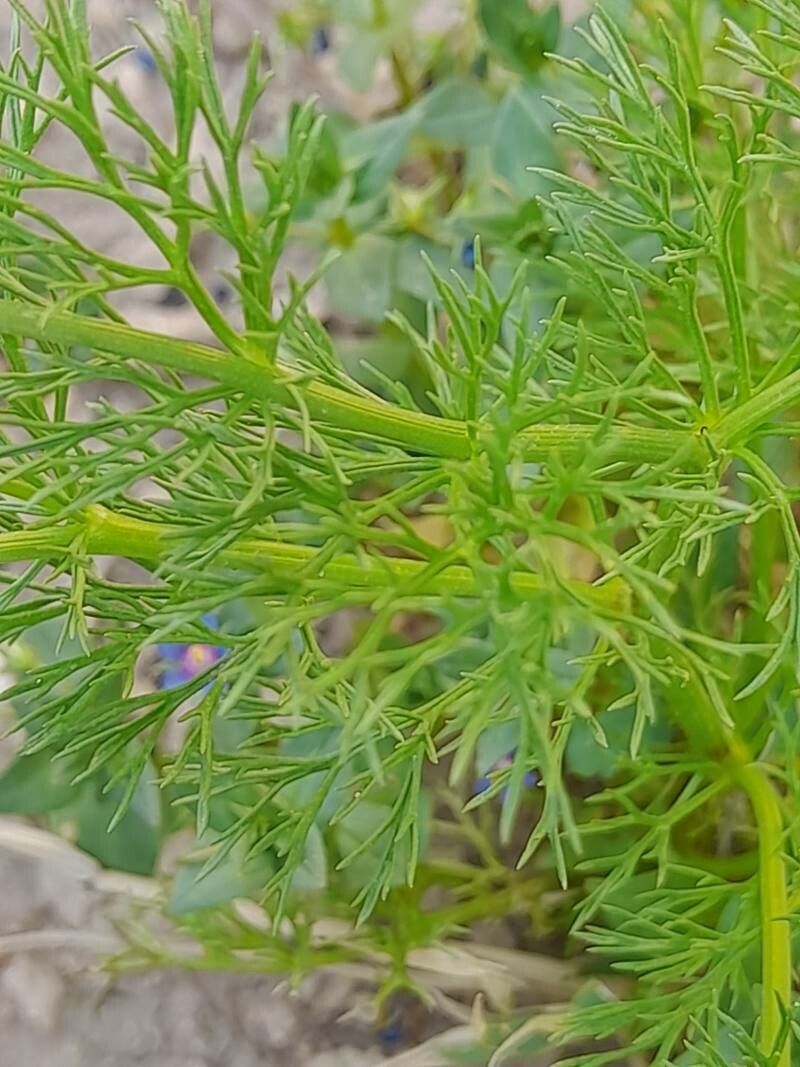
Adonis aestivalis, the summer pheasant's-eye, is a medicinal and ornamental plant. It is native to Europe but has been introduced elsewhere, such as the western and eastern parts of the United States. The specific epithet, aestivalis, is derived from Latin and means "pertaining to the summer". It is an annual herb.
Pheasant's eye is fairly disease-resistant and usually does not develop illnesses easily. However, it can be vulnerable to pests and diseases present in its surroundings. These problems are typically mild. For care, this plant needs a moderate amount of attention. It should be pruned regularly to keep a neat appearance and support healthy growth. Fertilizing can also encourage blooming. Pheasant's eye is appropriate for anyone with outdoor space, such as a garden or patio, and does not require extensive experience in plant care. It may need extra attention when grown indoors.
How to keep Adonis Aestivalis.
Light
The pheasant's eye grows most vigorously when it gets direct, unblocked sunlight, which supports strong development. While it favors bright conditions, this sun-loving plant can withstand reduced light. In its natural setting it generally experiences abundant sunlight, which is important for its healthy growth. Nevertheless, both excessive and inadequate sun exposure can impede its normal development.
Water
The common name "Pheasant's eye" refers to a plant that thrives in temperate regions and prefers moderate moisture levels. To ensure optimal growth and vibrant flowers, the plant requires weekly watering to maintain consistent soil moisture during its growing season.
Temperature
Pheasant's eye naturally occurs in habitats where average temperatures fall between 68 and 95 °F (20 to 35 ℃). It favors the warmer end of that range. Seasonal adjustments may be required to maintain optimal growth conditions.
Fertilizer
After most of Pheasant's eye flowers have opened to full size, resume fertilizing. When blooms are at their peak, apply fertilizer every three to four weeks, weather permitting. Once Pheasant's eye begins producing fewer new blooms, discontinue fertilizing; there's no reason to feed the plant when it can no longer form more flowers.
Pruning
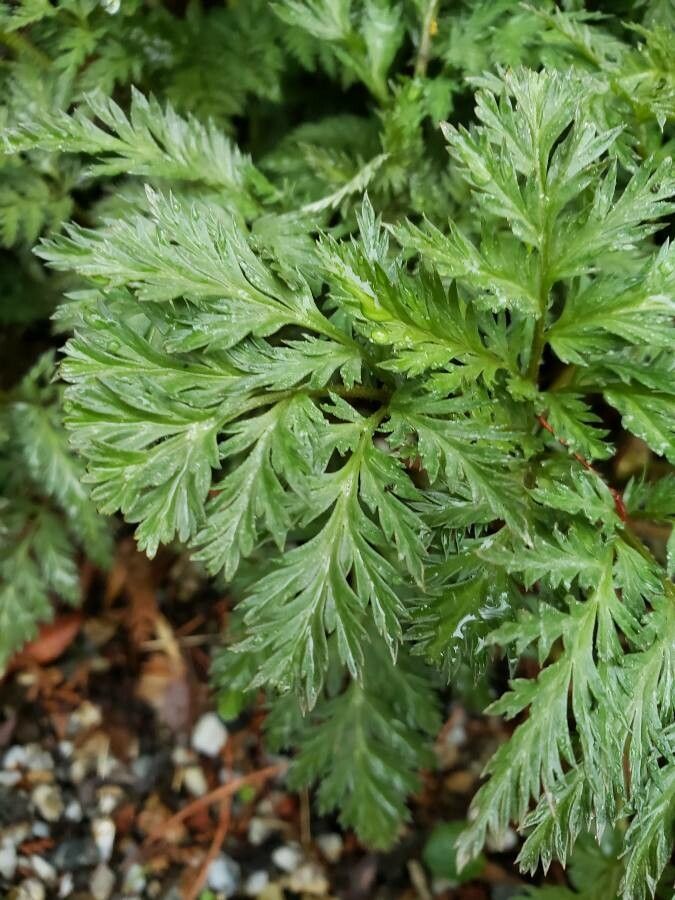
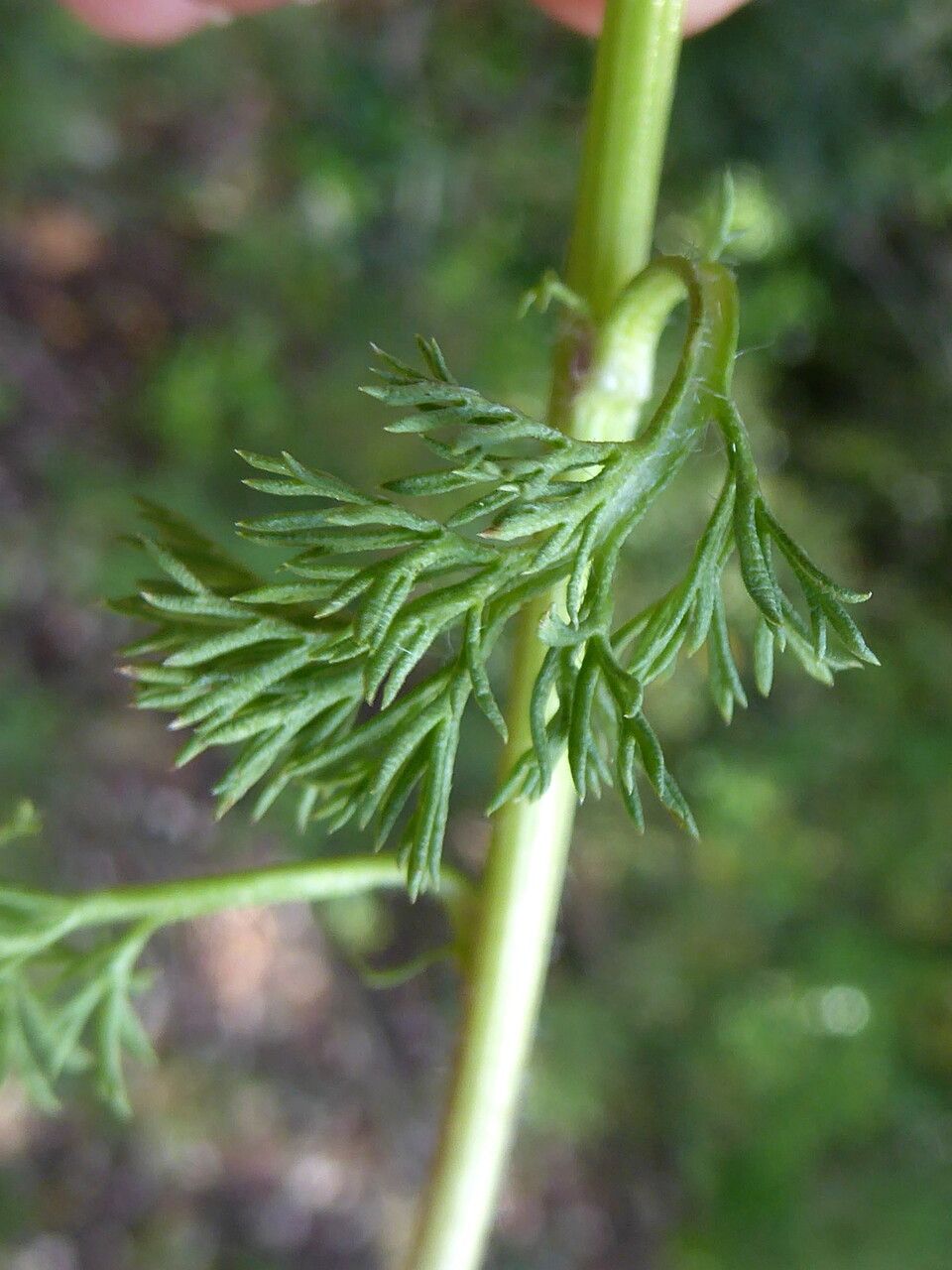
The Pheasant's eye plant showcases vibrant red flowers and delicate foliage. For optimal growth and to prevent legginess, it is best to prune the plant from early to late spring. This includes deadheading and shaping. To minimize the risk of disease, make sure to use clean, sharp tools when pruning.
Botanical profile.
- Plant Type
- Herb
- Life Cycle
- Annual, Perennial, Biennial
- Genus
- Adonis
- Family
- Ranunculaceae
- Hardiness Zone
- 3-10
- Mature Height
- 20 cm to 91 cm
- Mature Spread
- 15 cm to 20 cm
- Leaf Color
- Green
- Leaf Type
- Deciduous
- Flower Color
- Red
- Flower Size
- 1.52 cm to 3.56 cm
- Bloom Time
- Mid spring, Late spring, Early summer
- Planting Time
- Spring, Summer
- Harvest Time
- Summer
Other names.
Reader questions.
What are the sunlight requirements for Pheasant's eye?
Pheasant's eye, also known as Adonis aestivalis, thrives best in full sun, requiring above 6 hours of sunlight daily for robust growth. However, it can also tolerate partial sun, needing about 3-6 hours of sunlight. Observing the movement of sunlight through your garden and choosing spots that provide a balance of light and shade ensures the happiness of your plants. Excessive or insufficient sunlight might deter the normal growth of Pheasant's eye, stressing the importance of finding the perfect location for this sun-loving plant.
What is Pheasant's eye and where is it native to?
Pheasant's eye, botanically known as Adonis aestivalis, is native to environments that experience average temperatures ranging from 68 to 95 °F (20 to 35 °C). It thrives in warmer conditions within this temperature range, making seasonal adjustments crucial for its optimal growth.
How important is sunlight for Pheasant's eye growth?
Sunlight plays a crucial role in the healthy development of Pheasant's eye. This plant thrives when exposed to unobstructed sunlight, which significantly impacts its growth. In its natural habitat, ample solar light exposure is key to its well-being. Thus, ensuring that Pheasant's eye receives adequate sunlight is essential for its robust growth, whereas too little or too much sunlight can hinder its normal development.
Does Pheasant's eye require frost protection during winter?
Pheasant's eye has a strong cold resistance and generally does not require special frost protection measures during winter. However, if winter temperatures are expected to drop below -35°C, it's important to provide cold protection by covering the plant with soil or straw. Additionally, watering the plant abundantly before the first freeze in autumn, ensuring the soil remains moist, helps prevent drought and water scarcity during the cold months.
Can artificial lighting be used for Pheasant's eye indoors?
Yes, artificial lighting is a suitable solution for Pheasant's eye when natural sunlight is insufficient, especially during winter or in less sunny spaces. It's recommended to choose the right type of artificial light, such as LED lights which can provide specific wavelengths needed for optimal plant growth. For full sun plants, 30-50W/sq ft of artificial light is needed; partial sun plants require 20-30W/sq ft; and full shade plants need 10-20W/sq ft. The light source should be placed 12-36 inches above the plant to mimic sunlight, and most plants benefit from 8-12 hours of light per day.
How does Pheasant's eye react to low temperatures?
Pheasant's eye is cold-tolerant and fares best when temperatures remain above 20°C. During winter, it's advised to keep the temperature above 0°C to avoid adverse effects. If temperatures fall below -35°C, the plant might not show immediate damage, but there may be a noticeable decrease in sprouting or even a lack of sprouting during springtime. In such cases, it's recommended to remove any parts of the plant that have failed to sprout in spring.
What symptoms indicate light deficiency in Pheasant's eye when grown indoors?
When Pheasant's eye is cultivated indoors with inadequate light, it may display symptoms such as smaller new leaves, leggy or sparse growth, faster leaf drop, slowed or halted growth, lighter-colored new leaves, chlorosis (leaves losing green color), sunscald (damaged leaves or stems due to intense sunlight), leaf curling, wilting, and leaf scorching. These symptoms reveal the plant's struggle with low light conditions or excessive sunlight, impacting its health and appearance.
What should be done if Pheasant's eye experiences high temperatures?
When summer temperatures soar above 35°C, it's crucial to keep Pheasant's eye below this threshold. Exceeding temperatures of 41°C can cause the leaves to become lighter in color, curl, become susceptible to sunburn, and in severe cases, lead to the plant wilting and drying out. To mitigate these effects, trim away sunburned and dried-up parts of the plant. Moving the plant to a shaded location or using a shade cloth to protect it from midday and afternoon sun is advisable. Moreover, watering the plant in the morning and evening helps maintain soil moisture.
How can I address light deficiency symptoms in Pheasant's eye?
To address light deficiency in Pheasant's eye, gradually increase sunlight exposure to at least 6 hours daily by moving the plant to a sunnier location each week. For indoor plants, use south-facing windows or artificial light sources, such as desk lamps or professional grow lights, for at least 8 hours daily. For outdoor plants, ensure gradual adaptation to sunlight and avoid sudden changes to prevent sunburn. Removing obstructions and transplanting smaller plants to sunnier locations with good drainage can also help. It's important to note that parts of the plant affected by insufficient light may not recover, but new growth should be healthy.