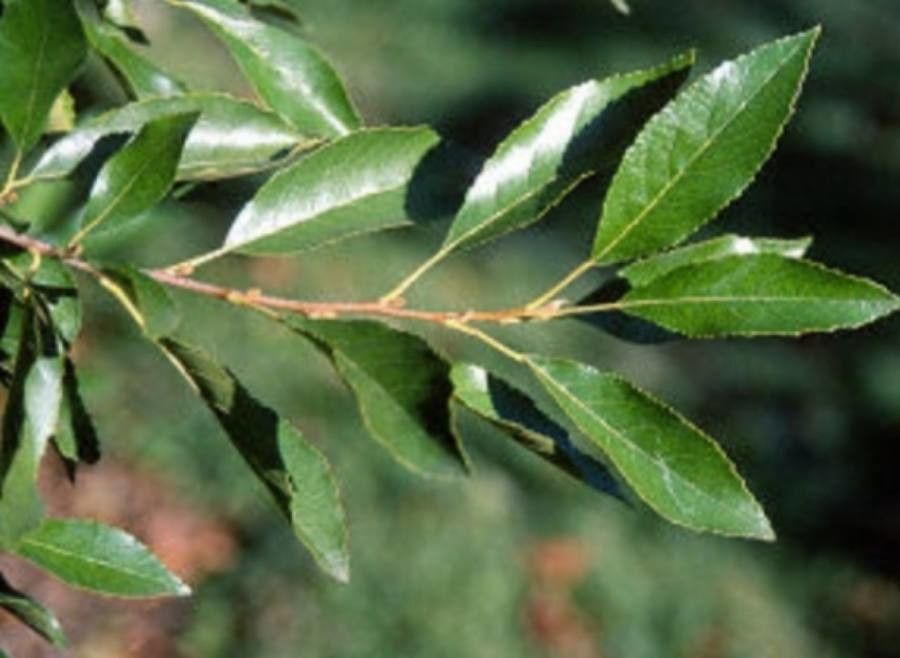
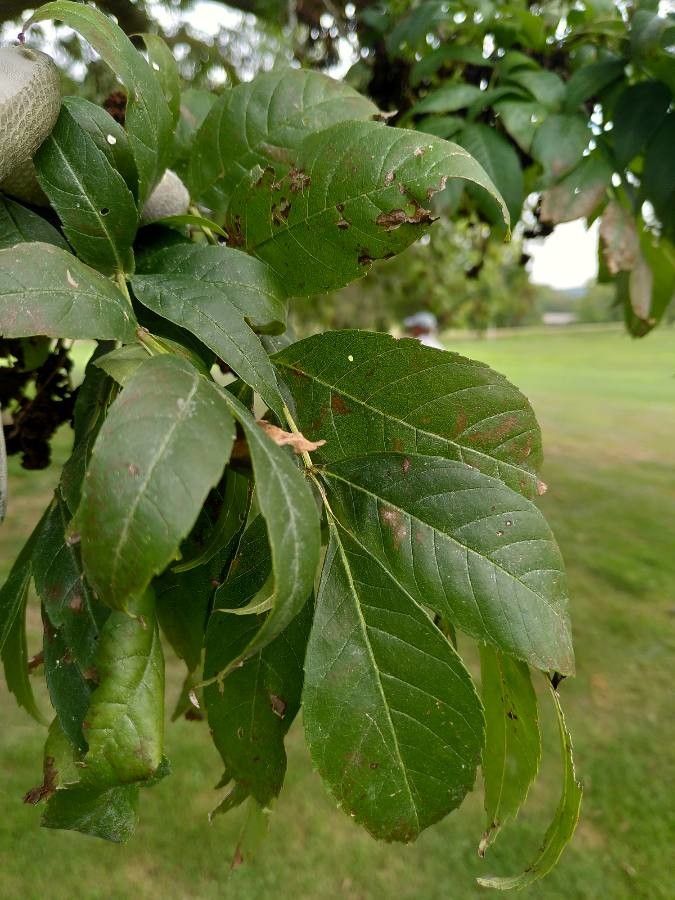
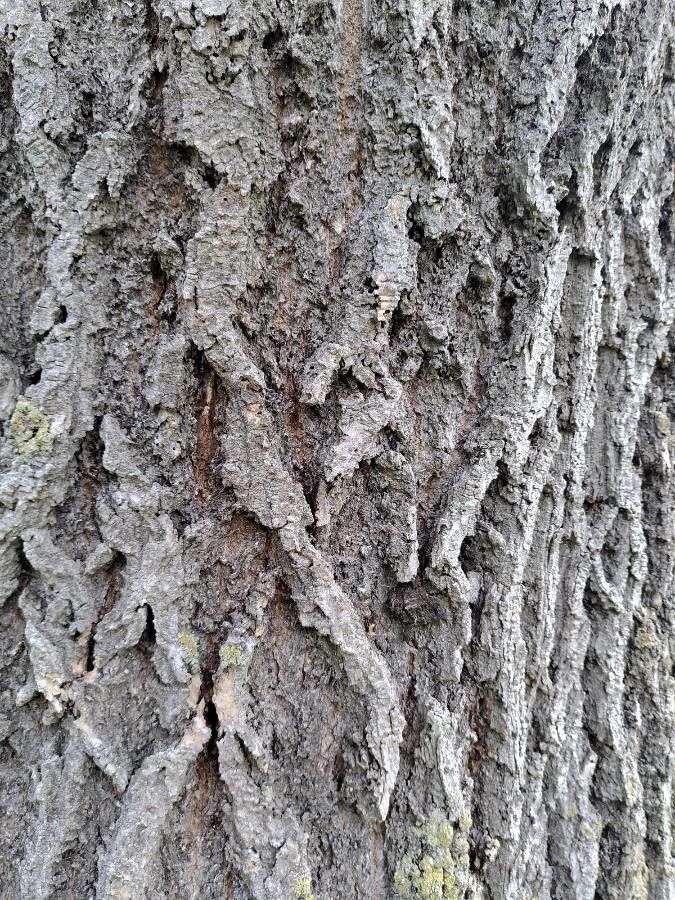
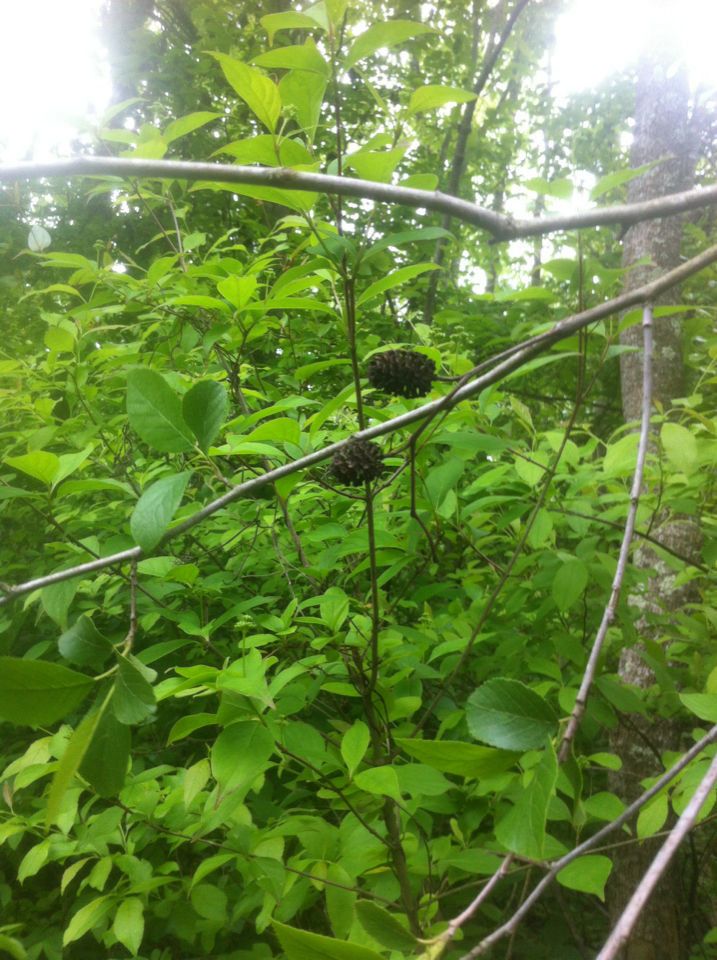
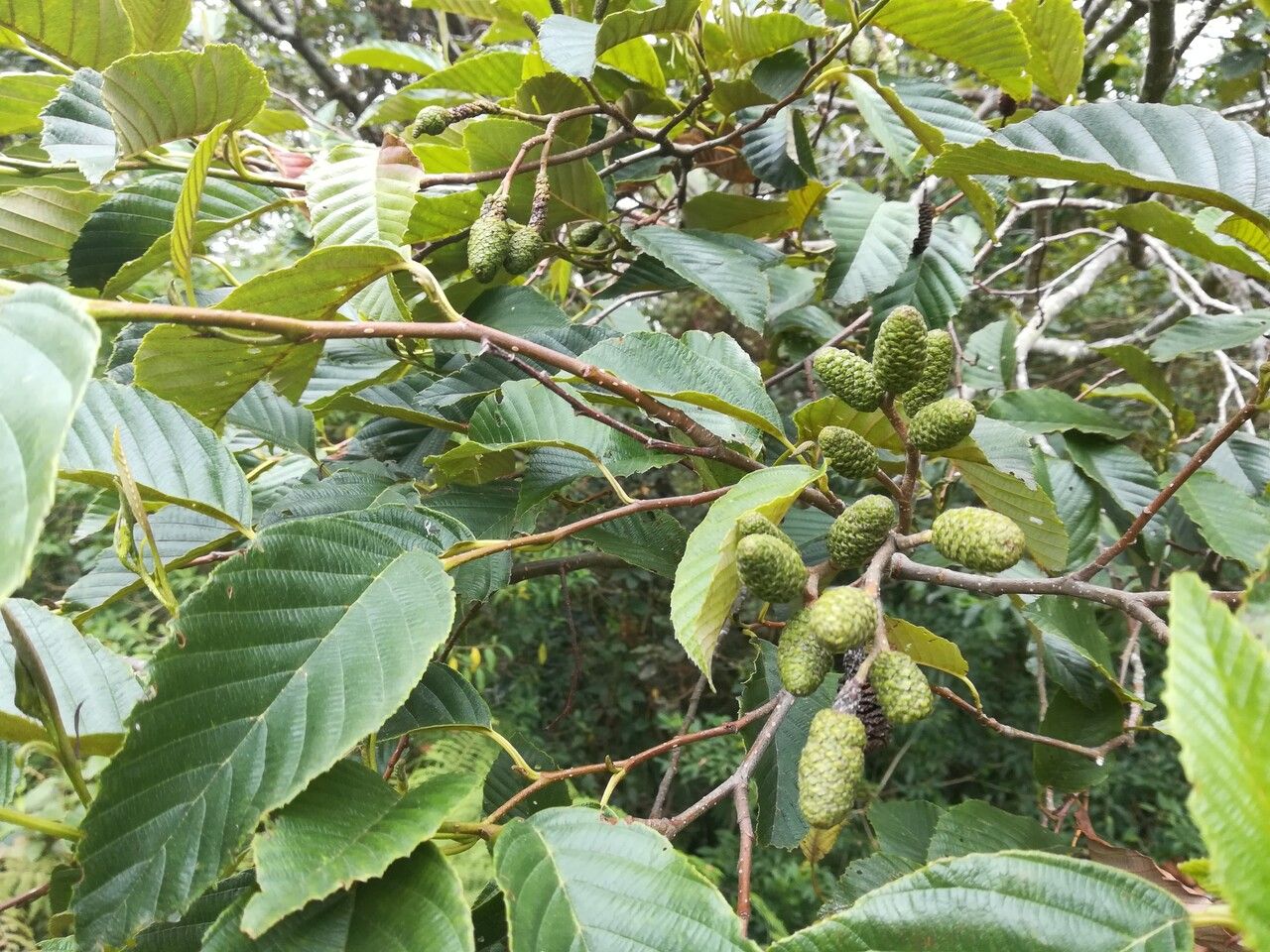
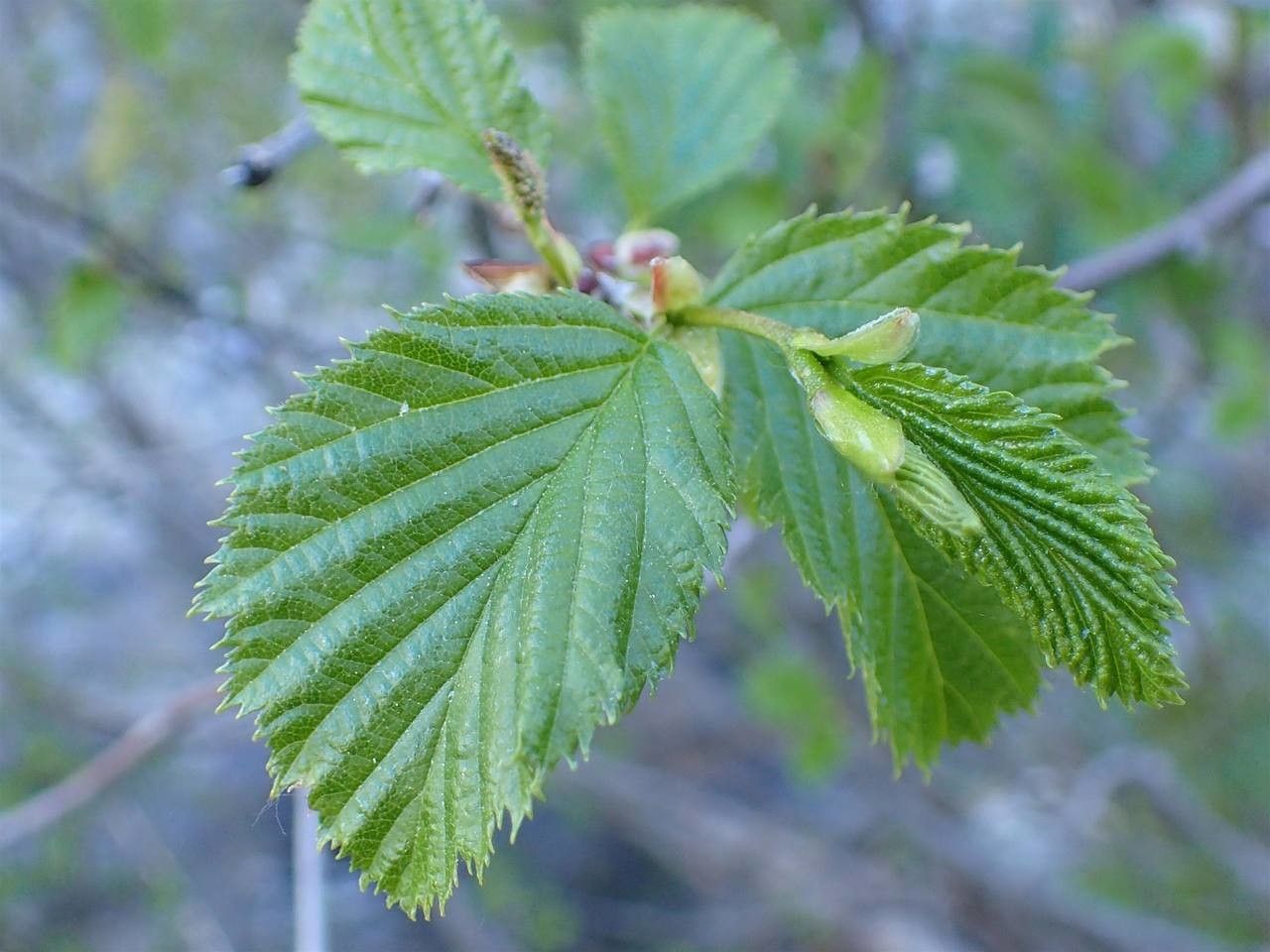
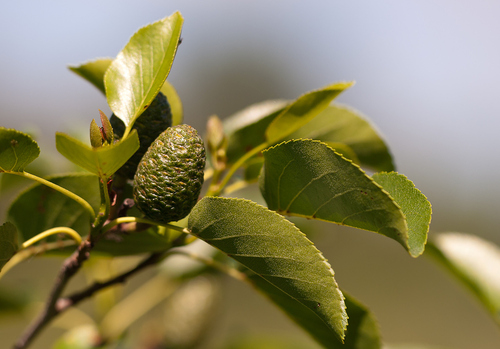
Alnus maritima, commonly known as the seaside alder, is a deciduous tree species in the Betulaceae family, native to coastal regions of North America, stretching from Alaska to California. This tree can reach heights of up to 20 meters and features a broad crown with dark green leaves that turn yellow in autumn. The bark of Alnus maritima is smooth and grayish-brown, adorned with small white lenticels. The tree produces small male and female flowers on separate catkins that emerge in early spring before the leaves appear. These female catkins eventually develop into cone-like structures containing numerous tiny seeds. Alnus maritima thrives in moist soils and can withstand salt spray from ocean winds, making it an ideal choice for coastal landscapes and wetland restoration projects. Its nitrogen-fixing capabilities also make it an important component of riparian ecosystems. The wood of Alnus maritima is lightweight yet strong, making it suitable for construction purposes like furniture and cabinetry. Additionally, its bark contains tannins that have historically been used for medicinal purposes, such as treating diarrhea or skin irritations. Overall, Alnus maritima is a valuable plant species due to its ecological significance and various practical applications in human society.
Botanical profile.
- Genus
- Alnus
- Family
- Betulaceae
Other names.