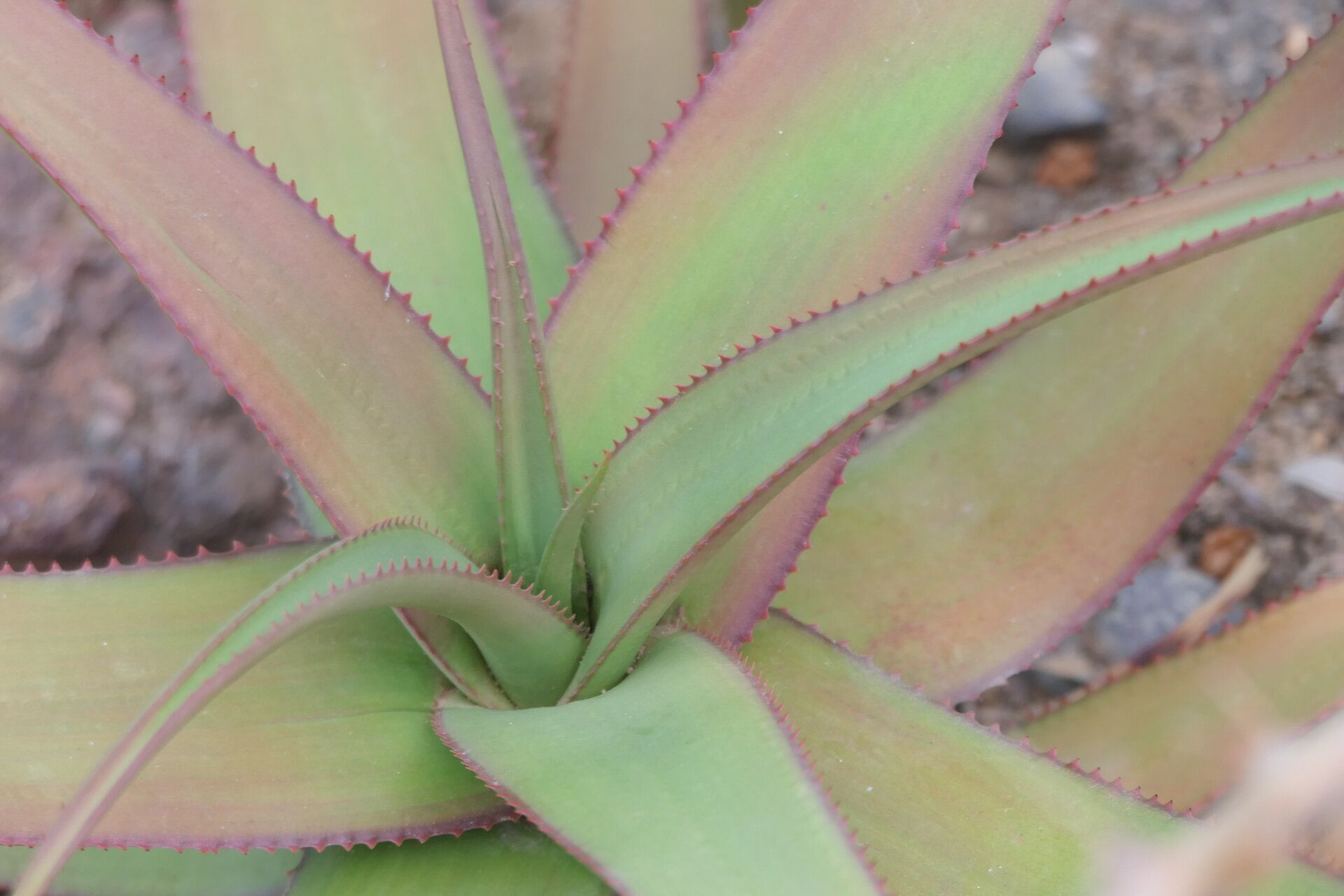
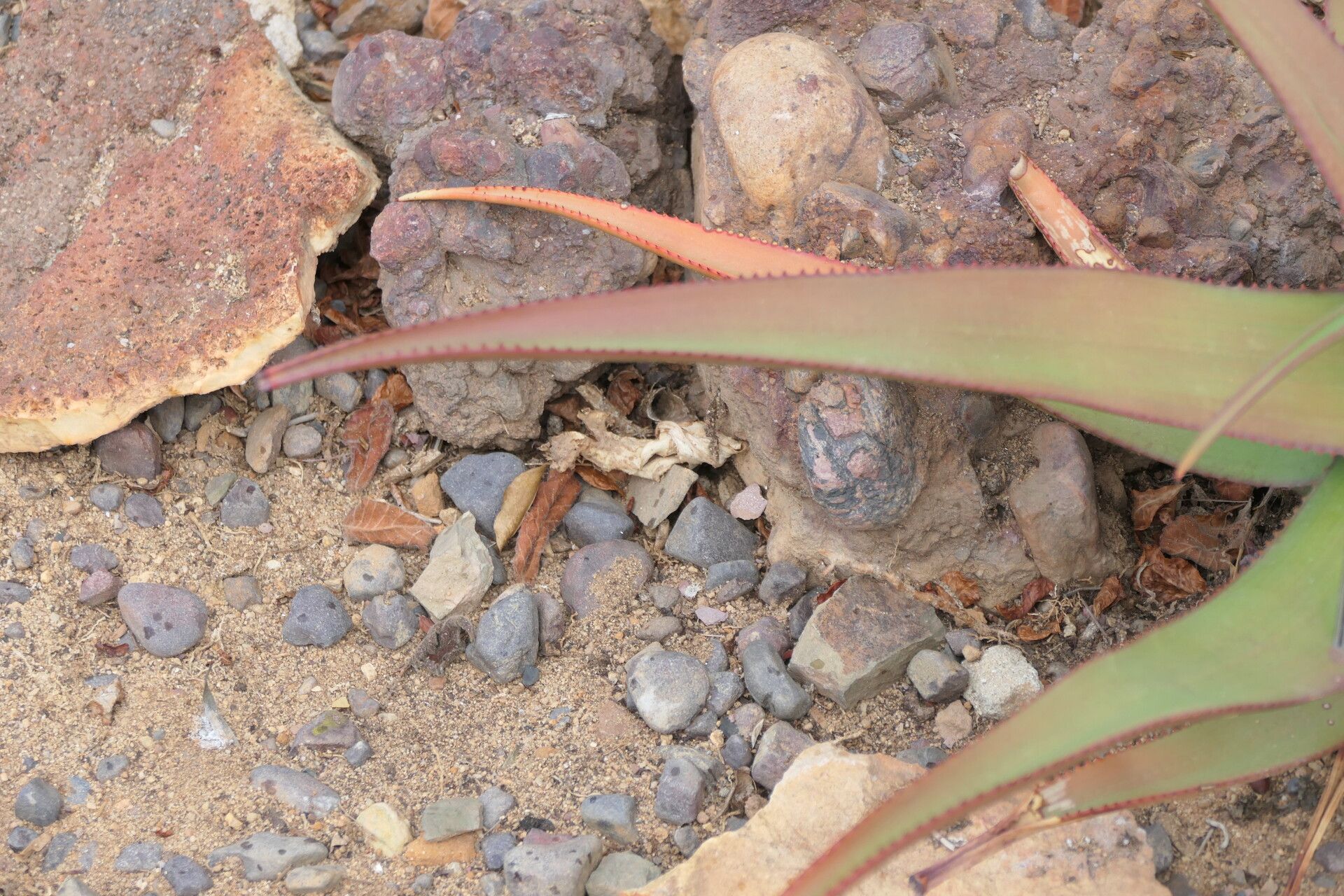
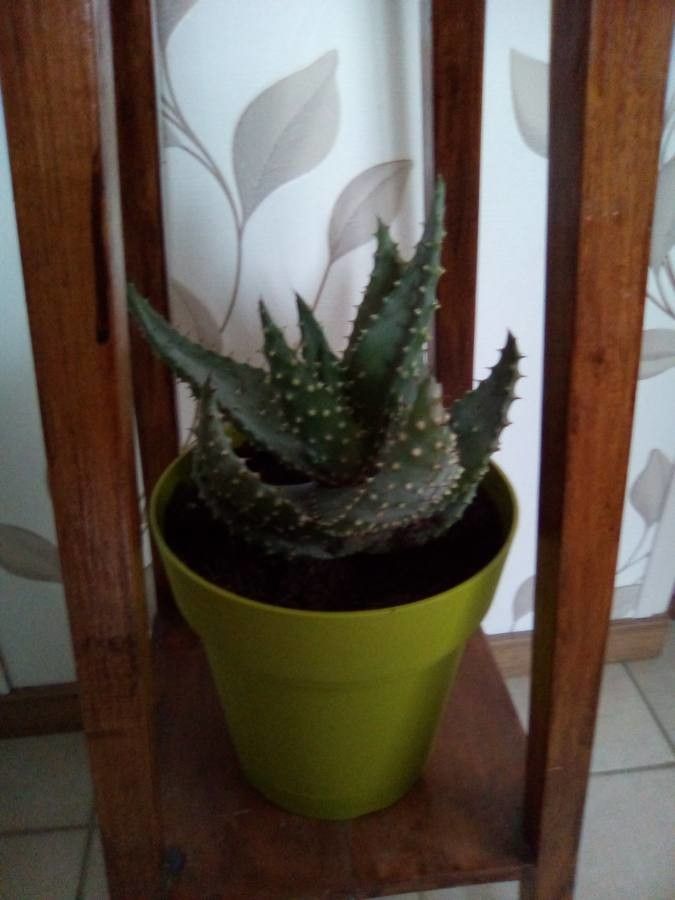
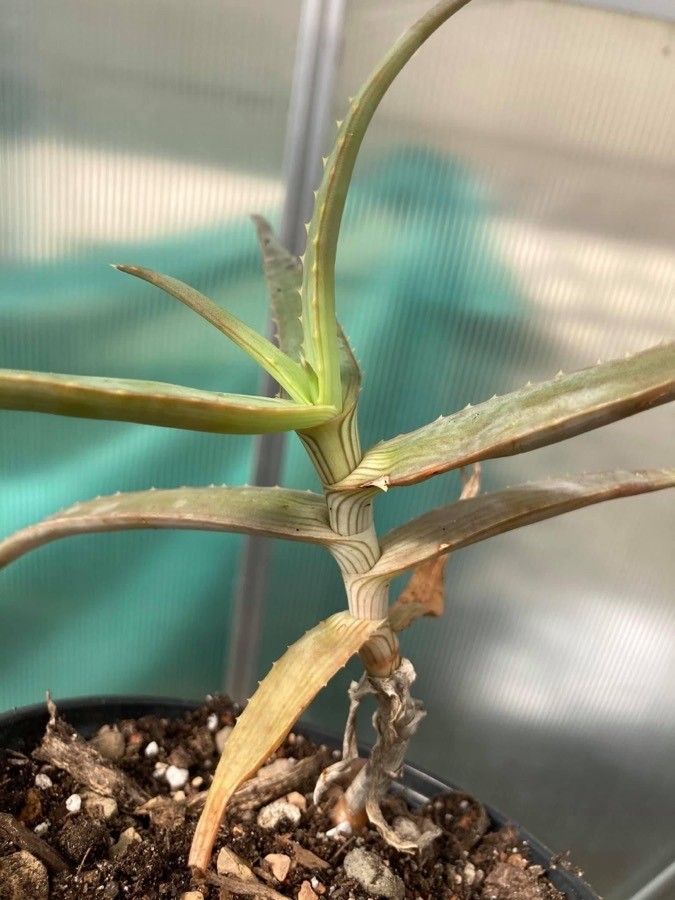
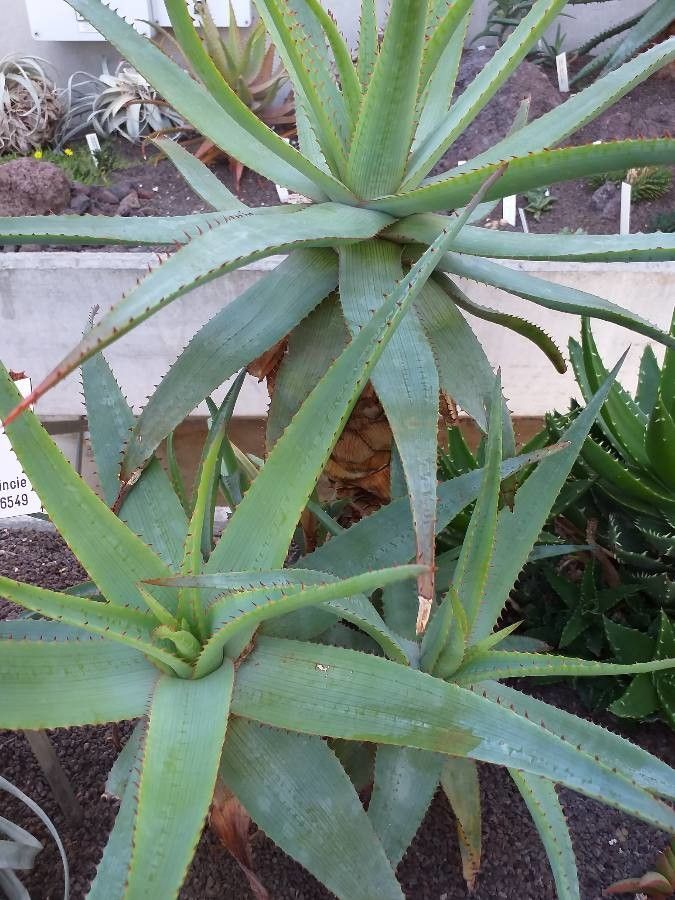
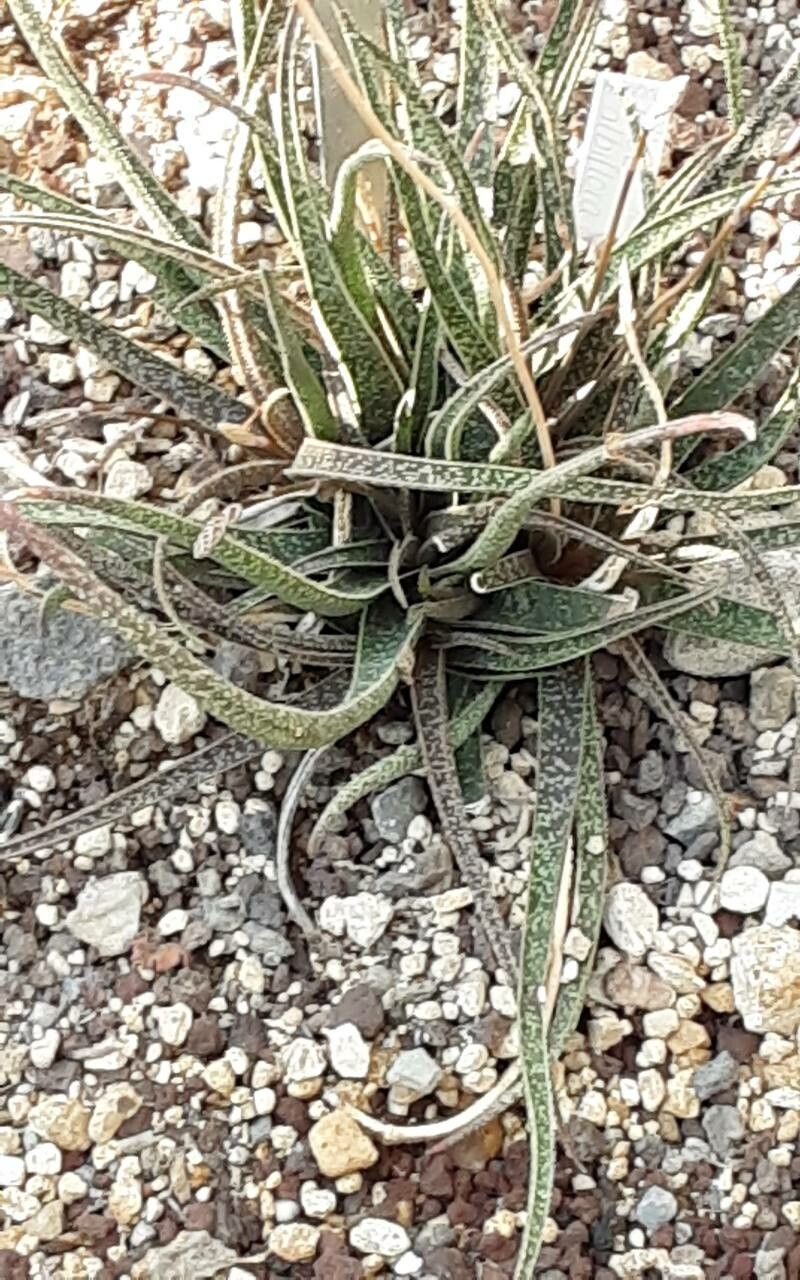
Aloe cryptopoda is a species of succulent plant in the genus Aloe. It is native to Botswana, Malawi, Mozambique, Zambia, and Zimbabwe.
Dr Kirk's aloe has strong resistance to disease and is unlikely to become ill with normal care. It is also not easily affected by most pests and diseases. Regarding care, Dr Kirk's aloe is drought-tolerant and can handle long periods without watering. It needs little fertilizer and generally does not require pruning. These qualities make it a suitable plant for people of all experience levels, especially those who prefer to spend less time on plant care. It is a good option for people who are away for long periods and may forget to water their plants regularly.
How to keep Aloe Cryptopoda.
Light
Dr Kirk's aloe comes from habitats with dappled light, for example the understory of forests or rocky sites that provide natural shade. It favors partial sun but can also endure full sun.
Water
Aloe cryptopoda grows best in dry, well-draining soil and is sensitive to the minerals and pH levels in water, so it prefers filtered water. Water the plant deeply but infrequently—about once a week—and always check the soil moisture before watering. To prevent root rot, make sure the soil dries out completely before planting in fresh soil, and avoid watering for one week after replanting.
Temperature
Dr Kirk's aloe prefers warm conditions and needs higher temperatures during the growing season to encourage growth and metabolic activity. It does best with plenty of sunlight, suitable moisture, and good air circulation. However, it is vulnerable to damage from excessively low temperatures and from overwatering. It’s important to maintain a balance and to avoid both excessively high temperatures and overly dry conditions.
Fertilizer
Dr Kirk's aloe only needs light fertilizer applied once or twice a year during the active growing season. Do not fertilize in winter or summer when the plant is dormant. Cut back on fertilizer for plants that have been repotted and wait a couple of months after repotting before you begin fertilizing. Fertilizing helps maintain healthy growth and encourages blooms.
Pruning
Aloe cryptopoda has fleshy leaves arranged in rosettes. To maintain its health, prune the plant in early spring by removing any dead or damaged leaves. Be careful not to over-prune, as this can harm the plant. Proper pruning helps improve airflow and light penetration, reducing the risk of fungal problems. Always use sterilized tools to minimize the chance of infection.
Botanical profile.
- Plant Type
- Succulent, Herb
- Life Cycle
- Perennial
- Genus
- Aloe
- Family
- Xanthorrhoeaceae
- Hardiness Zone
- 9-11
- Mature Height
- 49 cm to 76 cm
- Mature Spread
- 61 cm to 91 cm
- Leaf Color
- Green, Dark Green
- Leaf Type
- Evergreen
- Flower Color
- Red, Orange
- Flower Size
- 2.03 cm to 3.05 cm
- Bloom Time
- Summer
- Planting Time
- Spring, Summer, Autumn
- Harvest Time
- Late summer, Early fall, Mid fall
- Native Area
- Malawi, Mozambique, South Africa, Eswatini, Botswana, Zimbabwe
Other names.