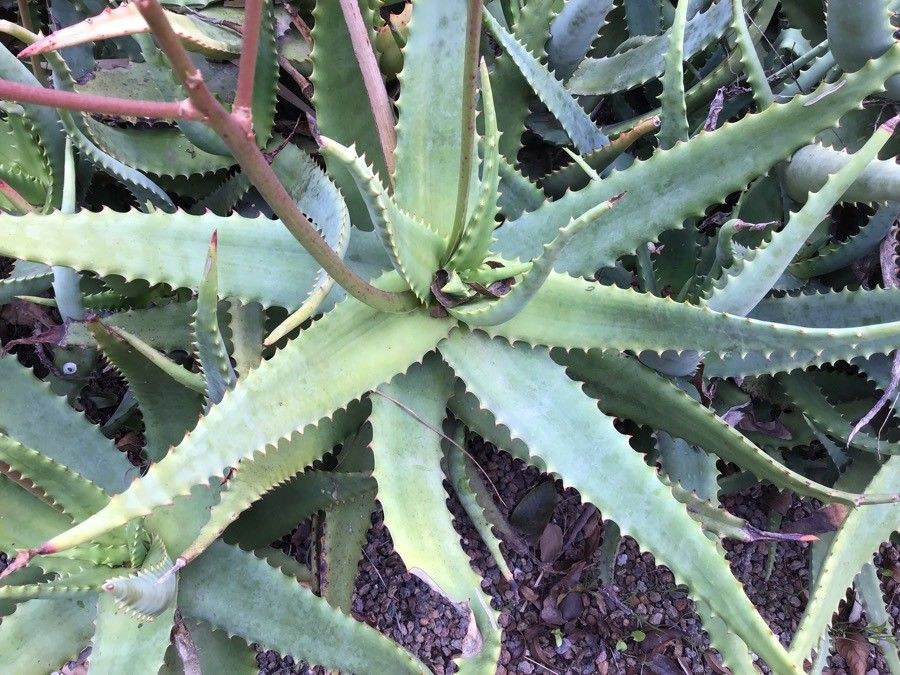
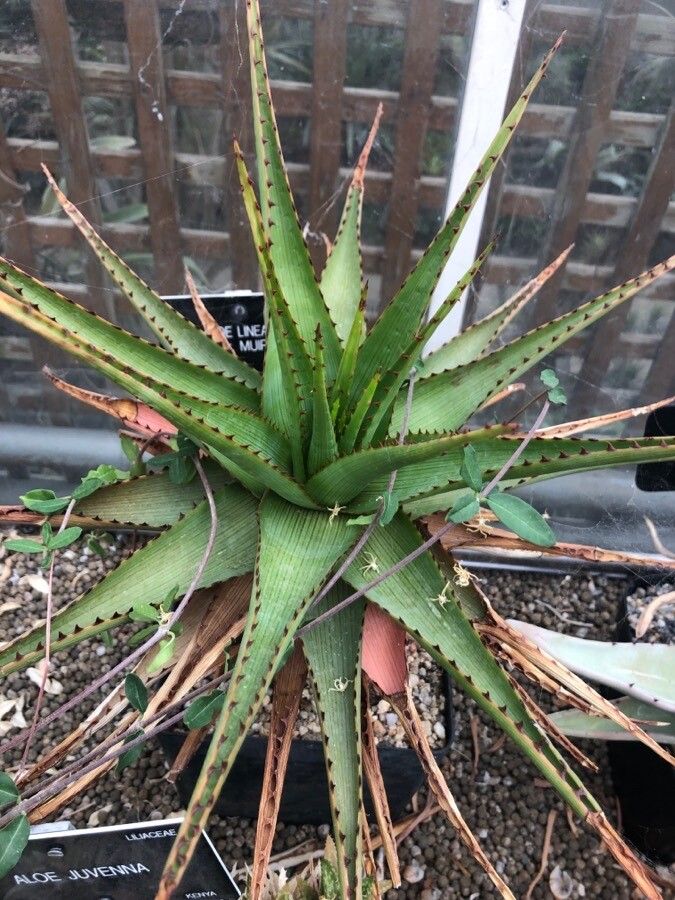
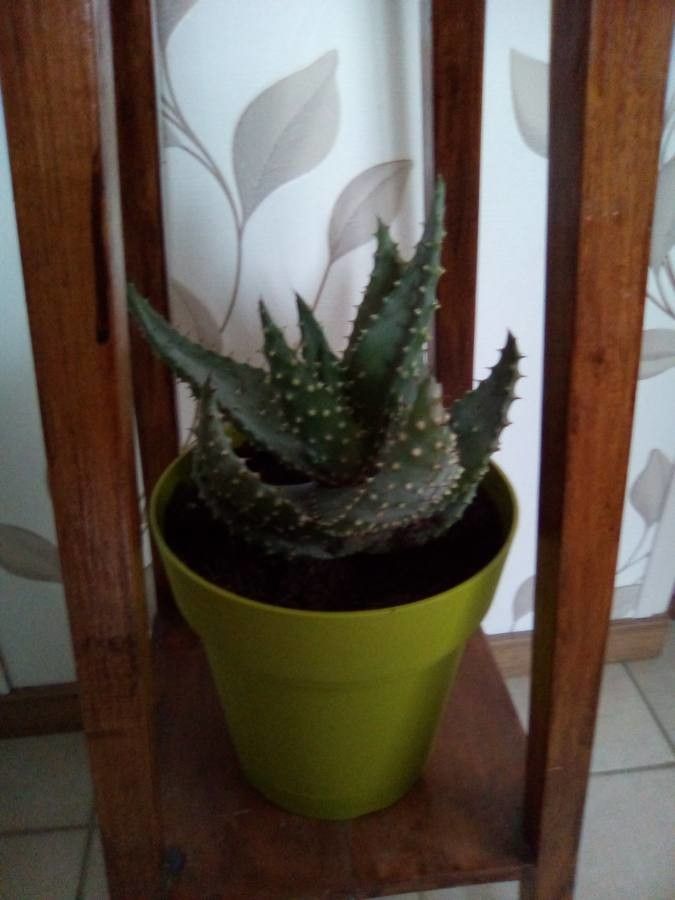
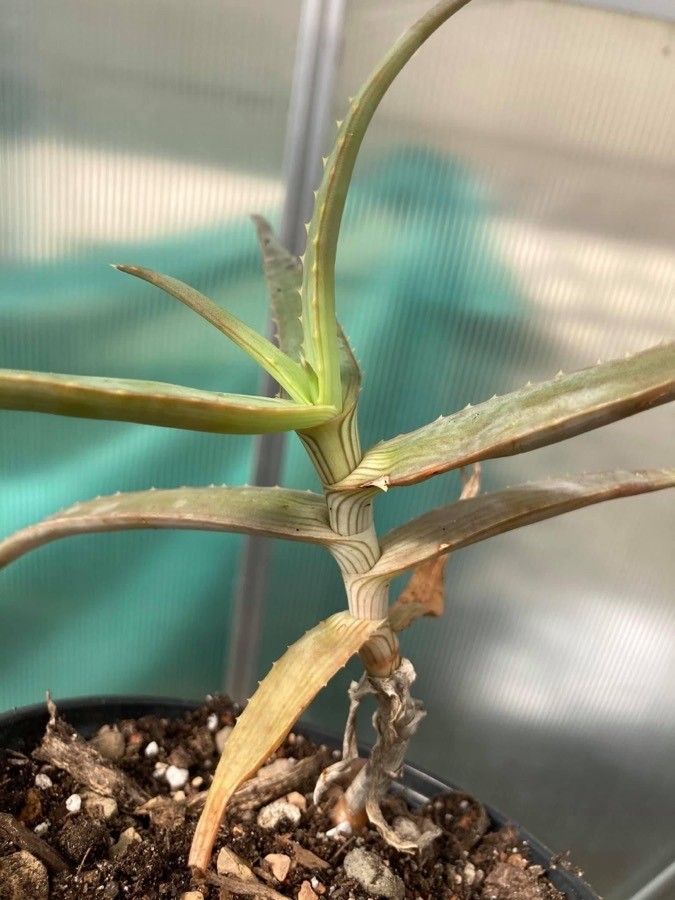
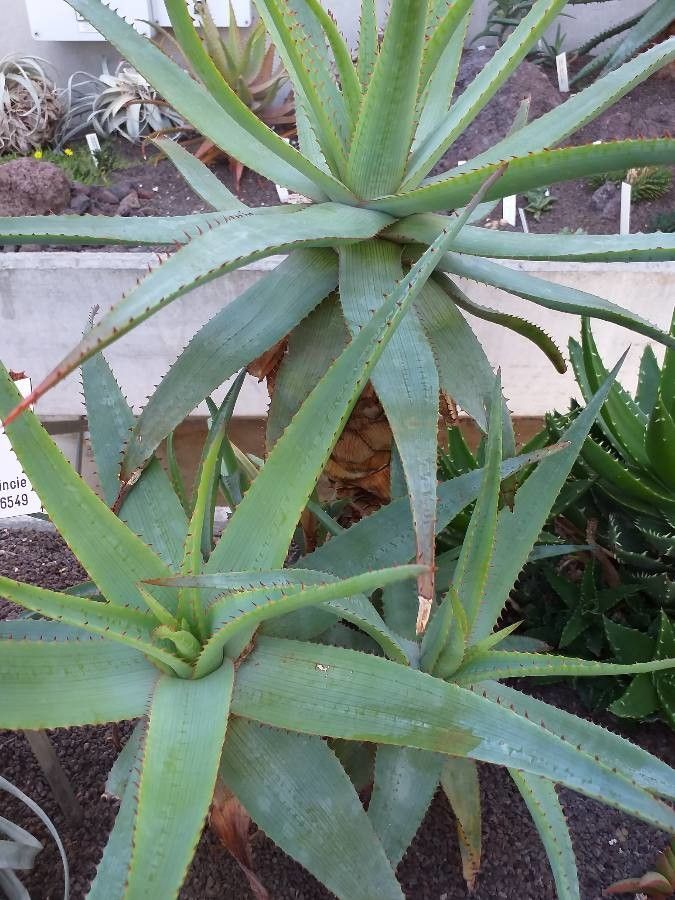
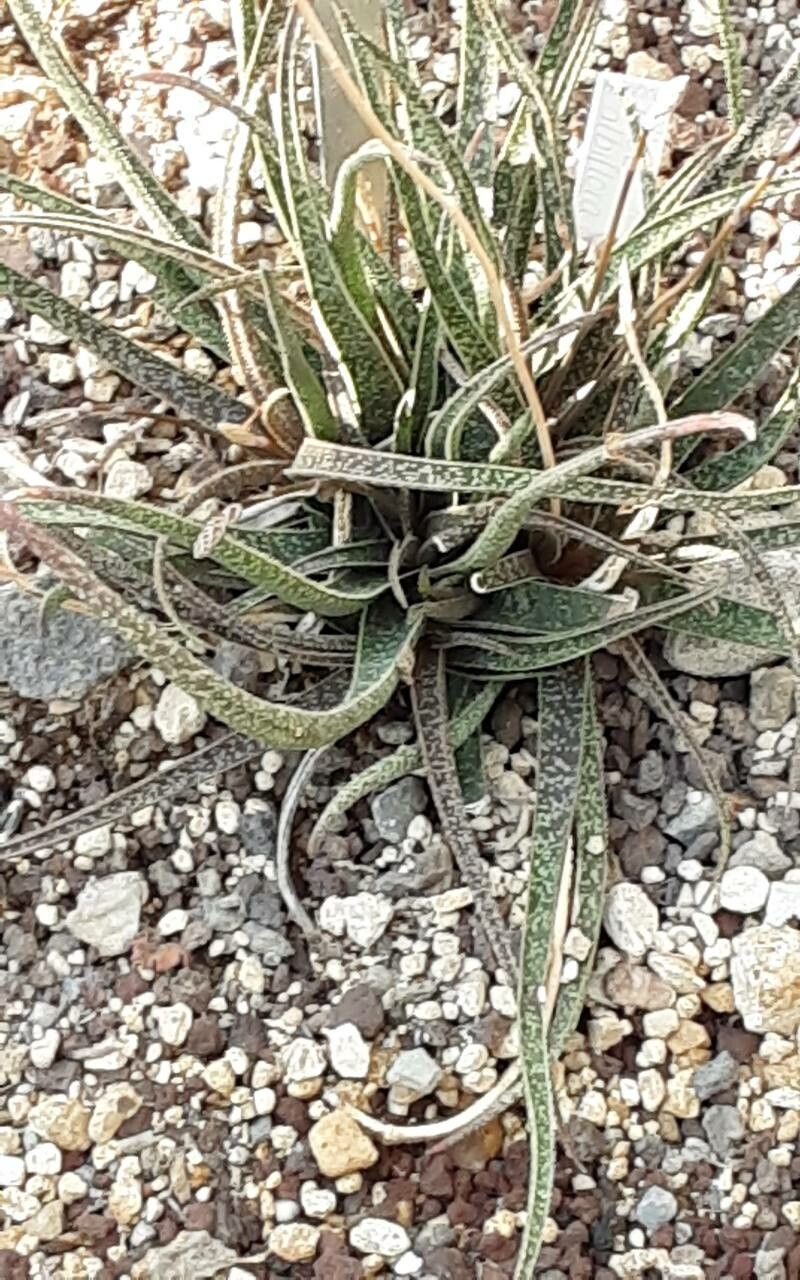
Aloe lineata has strong disease resistance and is less likely to become ill under normal care. It is also not easily affected by most pests and diseases. In terms of care, Aloe lineata is drought tolerant and can withstand long periods without watering. It does not require much fertilizer and generally does not need pruning. This makes it a suitable plant for people at any experience level, especially those who want to spend less time maintaining their plants. It is a good option for those who frequently are away for long periods and may forget to water their plants regularly.
How to keep Aloe Lineata.
Light
Aloe lineata is native to habitats with dappled light, such as the understory of forests or rocky locations that provide natural shade. It favors partial sun but can also endure full sun.
Water
Aloe lineata does best in dry, well-draining soil and needs filtered water because it is sensitive to the minerals and pH levels found in tap water. Water the plant thoroughly but infrequently, about once a week, and always check the soil moisture before watering. To prevent root rot, be sure to address any excess moisture immediately.
Temperature
Aloe lineata does best in warm conditions and requires higher temperatures during its growing season to stimulate growth and metabolic processes. It prefers abundant sunlight, proper moisture, and good airflow. However, it is vulnerable to harm from very low temperatures and from overwatering. It's important to maintain balance and avoid both excessively high heat and overly dry conditions.
Fertilizer
For Aloe lineata, give light fertilizer once or twice a year during the growing season. Avoid fertilizing in winter or during summer dormancy. Cut back on fertilizer for plants that have been repotted and wait a couple of months after repotting before fertilizing. Fertilizing helps maintain healthy growth and encourages flowering.
Pruning
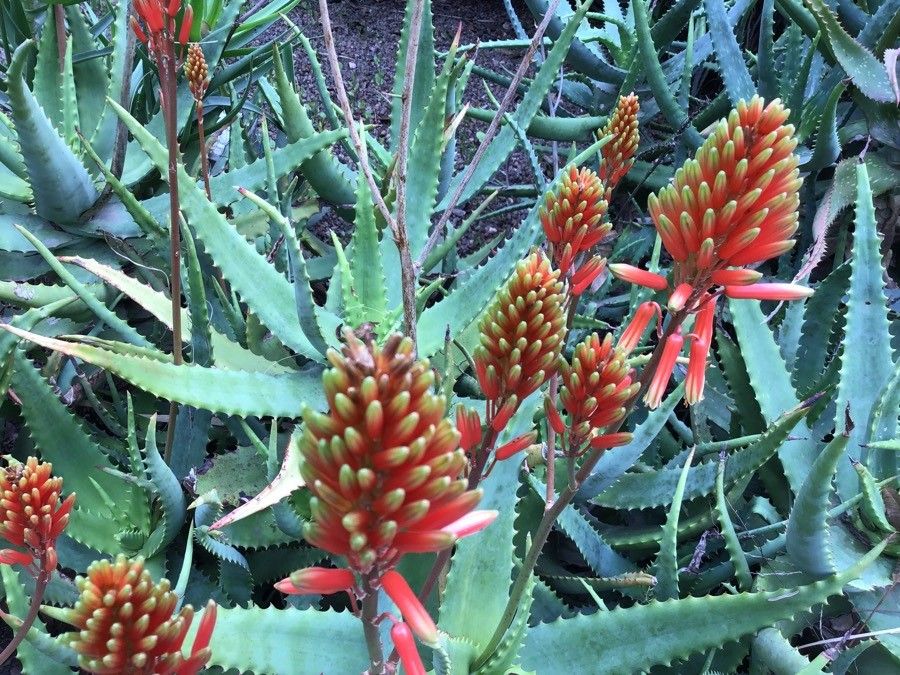
Aloe lineata is a type of succulent known for its tall, linear leaves and vibrant flowers. To maintain its health and encourage new growth, prune any dead leaves in early spring. Additionally, removing spent flower stalks improves air circulation, which helps prevent pests and diseases, ensuring optimal growth as recommended by horticultural practices.
Botanical profile.
- Plant Type
- Succulent
- Life Cycle
- Perennial
- Genus
- Aloe
- Family
- Asphodelaceae
- Hardiness Zone
- 9-11
- Mature Height
- 49 cm to 76 cm
- Mature Spread
- 61 cm to 91 cm
- Leaf Color
- Light Green, Gray
- Leaf Type
- Evergreen
- Flower Color
- Red, Orange
- Flower Size
- 2.03 cm to 3.05 cm
- Bloom Time
- Late summer, Early fall, Mid fall
- Planting Time
- Summer, Autumn
- Harvest Time
- Late fall, Early winter, Mid winter
- Native Area
- South Africa
Other names.
Reader questions.
What are the sunlight requirements for Aloe lineata?
Aloe lineata requires a specific amount of sunlight to thrive. For full sun exposure, it needs above 6 hours of sunlight daily. If the plant is in an area with partial sun, about 3-6 hours of sunlight per day is necessary. It's important to observe how sunlight moves throughout your garden, selecting locations that offer an optimal mix of light and shade. This careful placement ensures your Aloe lineata stays healthy and happy.
What is the name and botanic name of the plant discussed?
The plant discussed is named Aloe lineata, with its botanic name also being Aloe lineata.