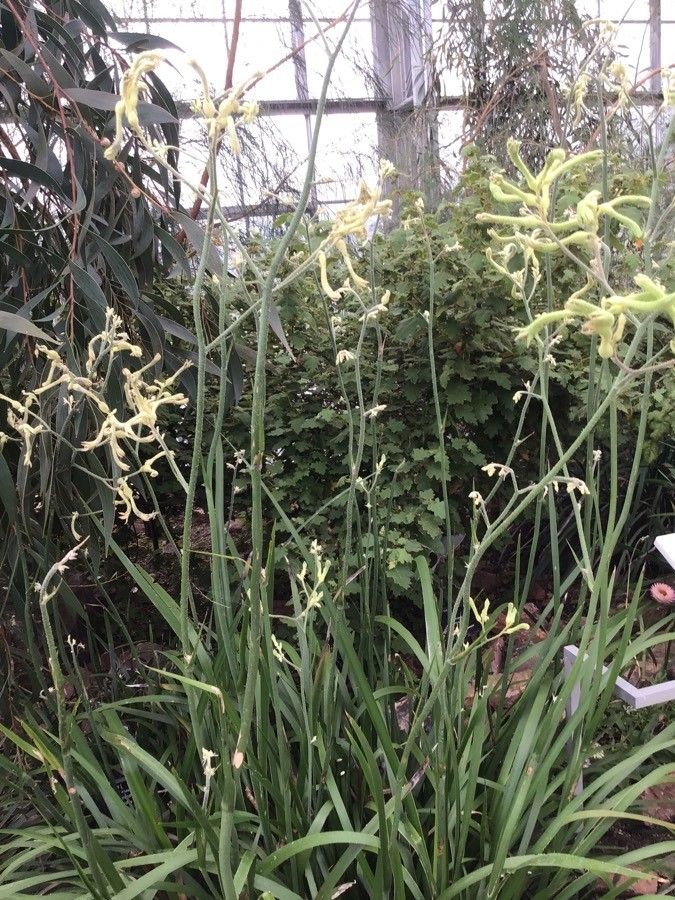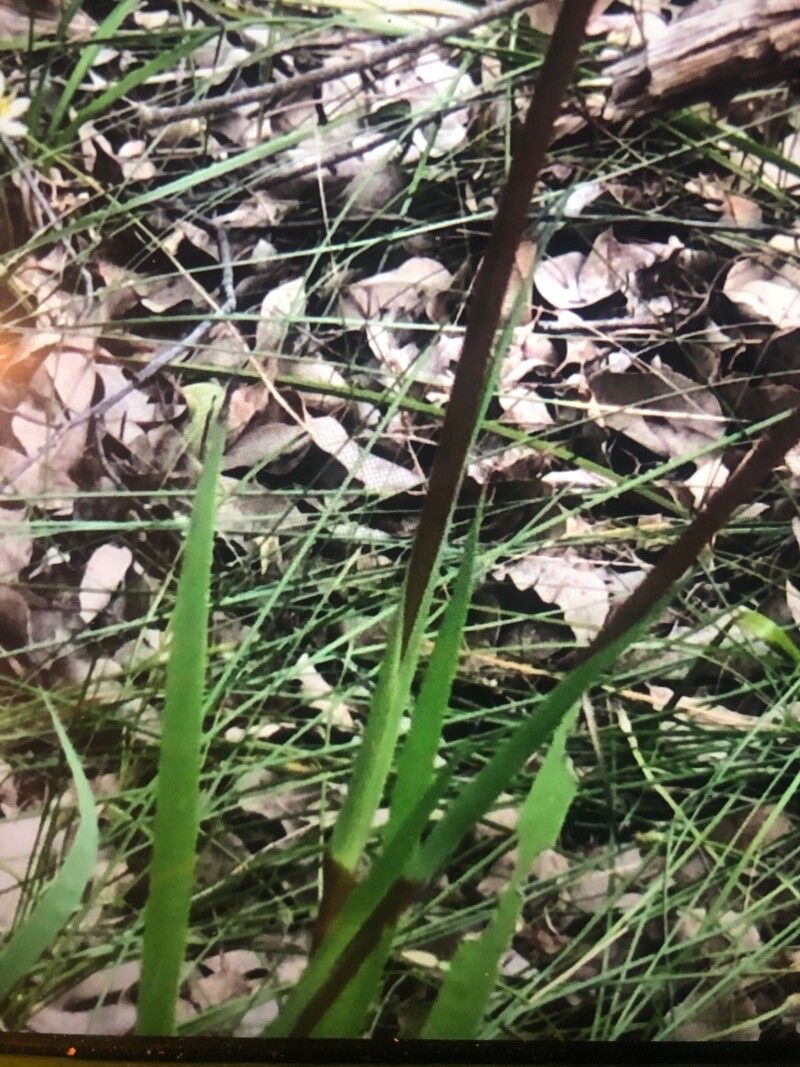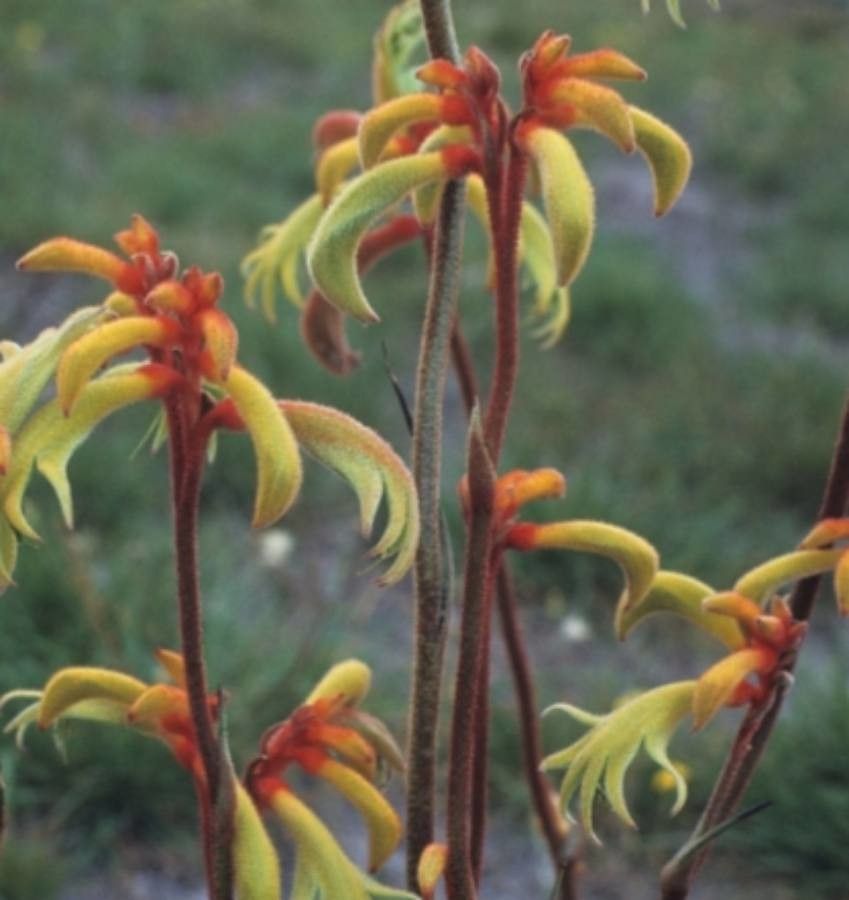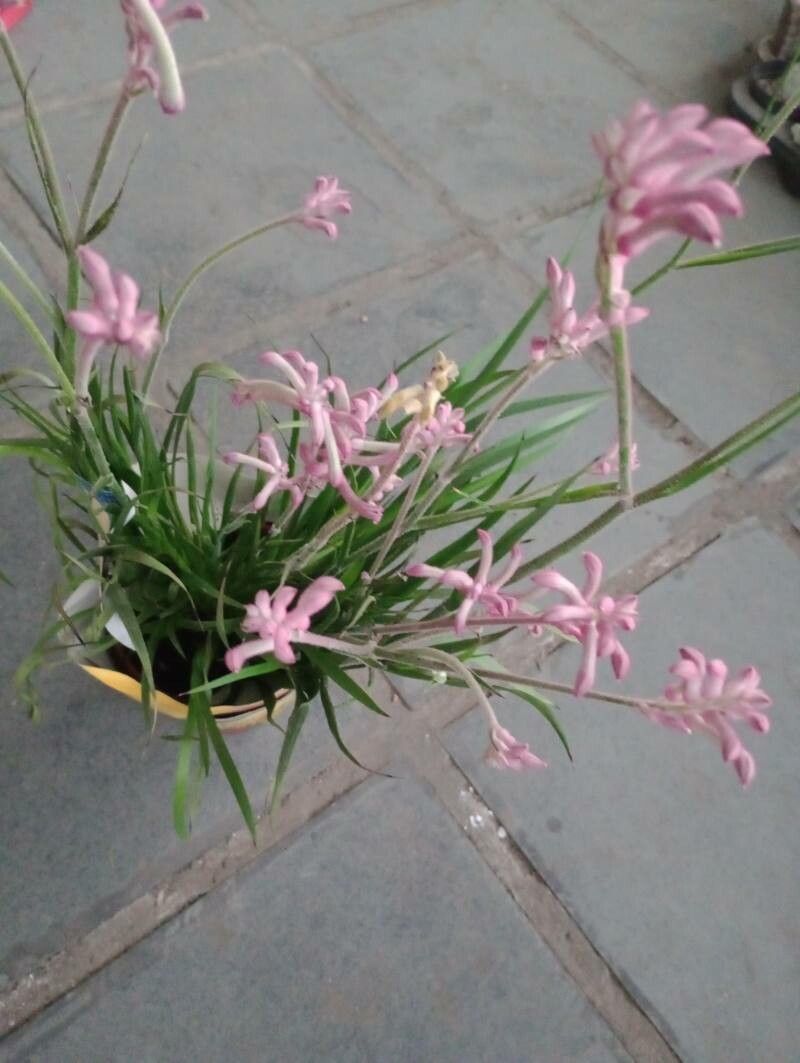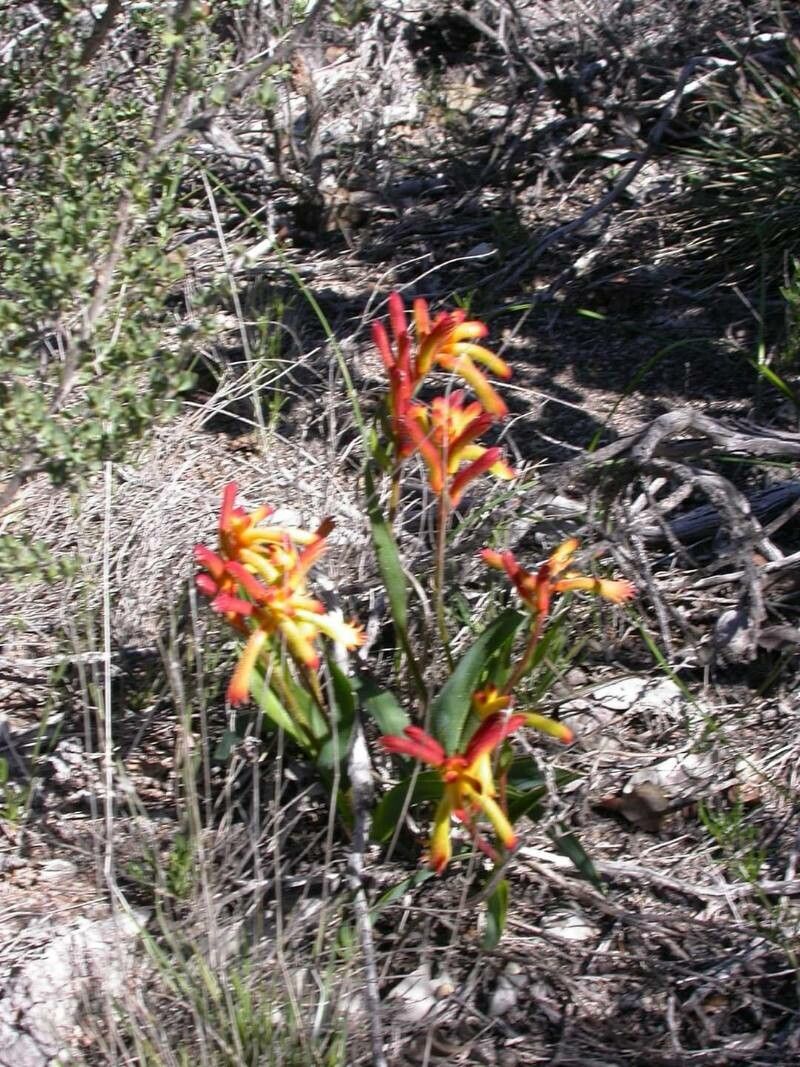
Anigozanthos humilis is a species of Anigozanthos in the family Haemodoraceae. This flowering perennial plant is endemic to Southwest Australia and widespread in its open forests. Common names include catspaw and common catspaw.
Yellow catspaw is fairly resistant to disease and generally not prone to illnesses. However, it can be affected by pests and diseases present in its environment. These problems are usually not serious. For care, the plant needs moderate maintenance. It should be pruned regularly to preserve a tidy appearance and promote healthy growth. Fertilizing can also encourage flowering. Yellow catspaw is well suited for anyone with outdoor space, such as a garden or patio, and does not demand extensive care experience. It may need more attention when grown indoors.
How to keep Anigozanthos Humilis.
Light
Yellow catspaw is a sun-loving perennial herbaceous plant native to open habitats, frequently thriving in meadows and grasslands. Its sunlight preference is full sun, although it can also tolerate partial sun.
Water
Your yellow catspaw thrives when it receives about 1 inch (2.5 cm) of water each week. This not only improves the quality of its blooms but also encourages it to flower earlier. Although the yellow catspaw is drought-tolerant, it benefits from additional watering during dry periods. Once the flowering season ends, the plant can survive on natural water sources.
Temperature
Yellow catspaw shows good temperature adaptability, tolerating higher heat and wide temperature fluctuations. In hot weather, attention should be paid to watering and providing suitable shade to prevent sunburn. However, Yellow catspaw is less tolerant of low temperatures. While it can endure some cold, excessively low temperatures can cause frost damage.
Fertilizer
The best time to fertilize a Yellow catspaw is in early spring, as it wakes from dormancy and starts active growth. Fertilization supplies essential nutrients for healthy development. Although Yellow catspaw has relatively low fertilizer requirements, annual feeding can improve its survival and encourage stronger, longer-lasting flowers.
Pruning
The yellow catspaw, known for its bright yellow flowers, thrives best when pruned in early spring. Essential techniques include deadheading and trimming the stems to encourage growth and blooming. Pruning not only controls the plant's size and shape but also helps prevent diseases when done with clean tools. Performing timely pruning enhances the plant's vigor and ornamental beauty.
Toxicity
Kangaroo paw plants are non-toxic to people and pets, making them an excellent choice as garden specimens or indoor houseplants. Many wildlife eat kangaroo paw plants but it's best to refrain from adding these to your diet as they may cause mild stomach upset.
Further reading →
The toxicity and danger assessments provided are for reference only. We do not assure their accuracy, so it's crucial not to depend on them. Seek professional advice when necessary for accurate guidance.
Botanical profile.
- Plant Type
- Herb
- Life Cycle
- Perennial
- Genus
- Anigozanthos
- Family
- Haemodoraceae
- Hardiness Zone
- 9-11
- Mature Height
- 20 cm
- Mature Spread
- 20 cm
- Leaf Color
- Green
- Leaf Type
- Evergreen
- Flower Color
- Red, Orange, Yellow
- Flower Size
- 3.05 cm to 5.08 cm
- Bloom Time
- Fall
- Planting Time
- Spring, Summer, Autumn
- Harvest Time
- Winter
- Native Area
- Western Australia
Other names.
Reader questions.
What are the sun requirements for Yellow Catspaw (Anigozanthos humilis)?
The Yellow Catspaw, scientifically known as Anigozanthos humilis, thrives in different sunlight conditions depending on its growth stage and preference. For full sun exposure, it requires above 6 hours of sunlight, which is crucial for its optimal growth and flower production. Alternatively, it can also grow well in partial sun, defined as about 3-6 hours of sunlight. The key to ensuring the happiness and health of your Yellow Catspaw is to observe how sunlight moves through your garden throughout the day. This observation will help you find spots that offer a perfect balance of light and shade, accommodating the plant's needs for successful growth.
What is the common name of Anigozanthos humilis?
The common name of Anigozanthos humilis is Yellow catspaw.
Are there any known essentials, symptoms, or additional details related to Yellow catspaw?
Currently, there are no specifics provided regarding the essentials, symptoms, or additional details related to Yellow catspaw.