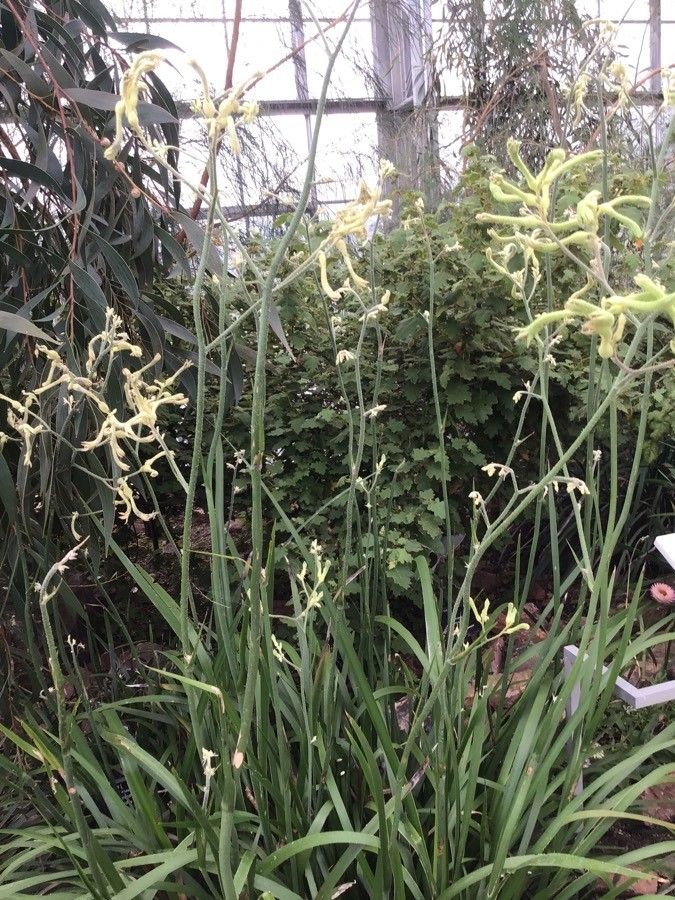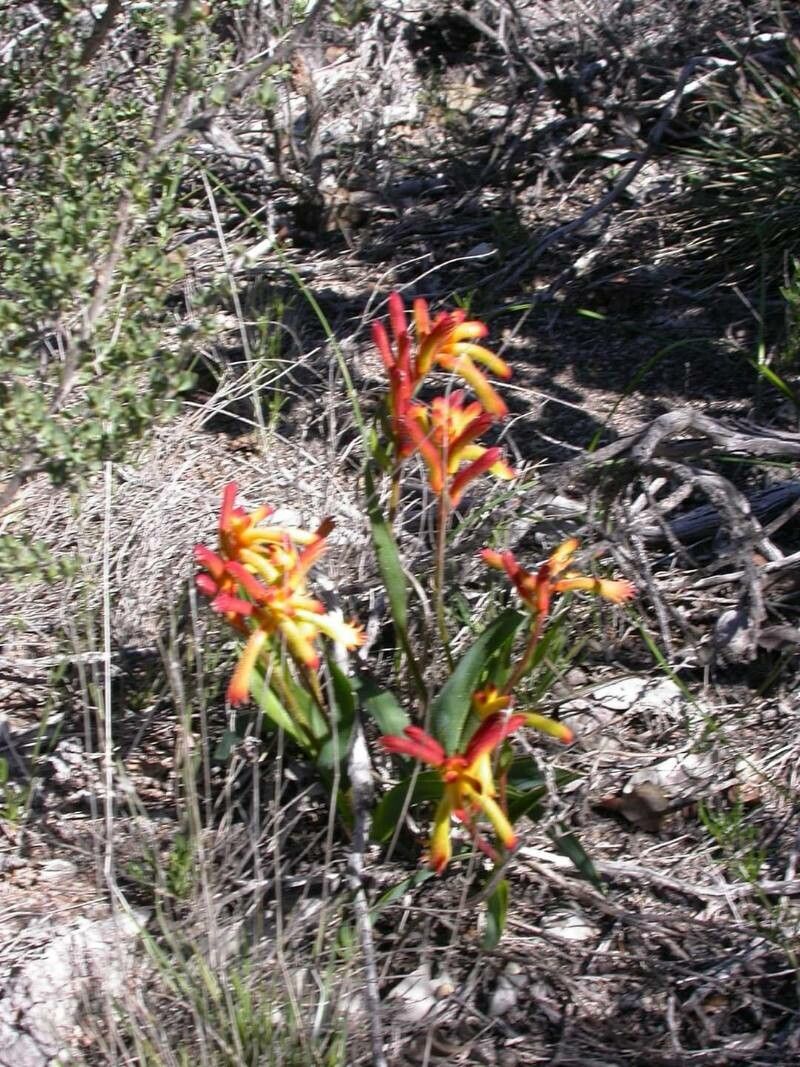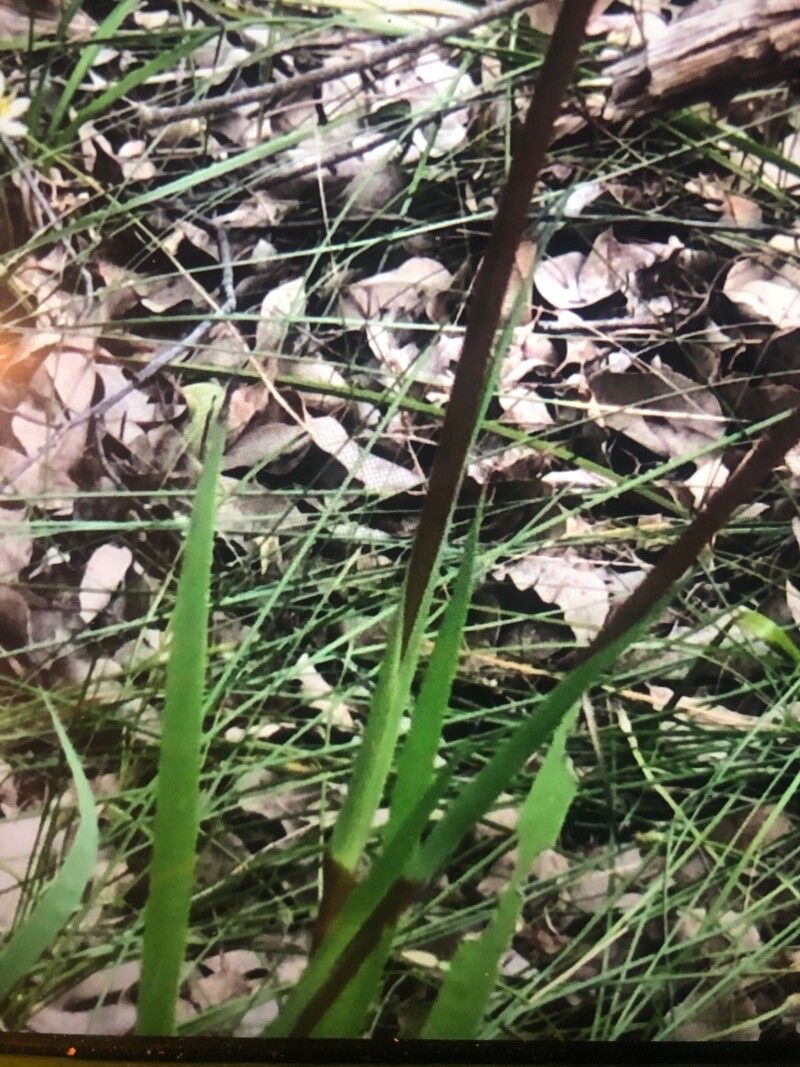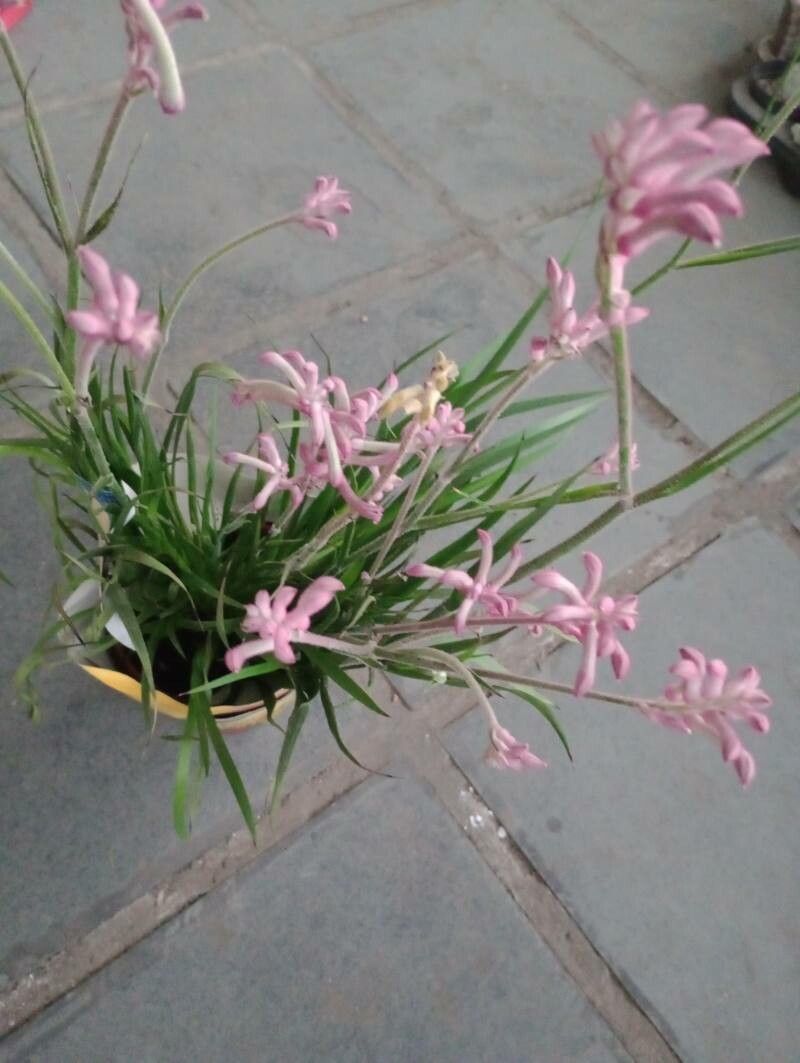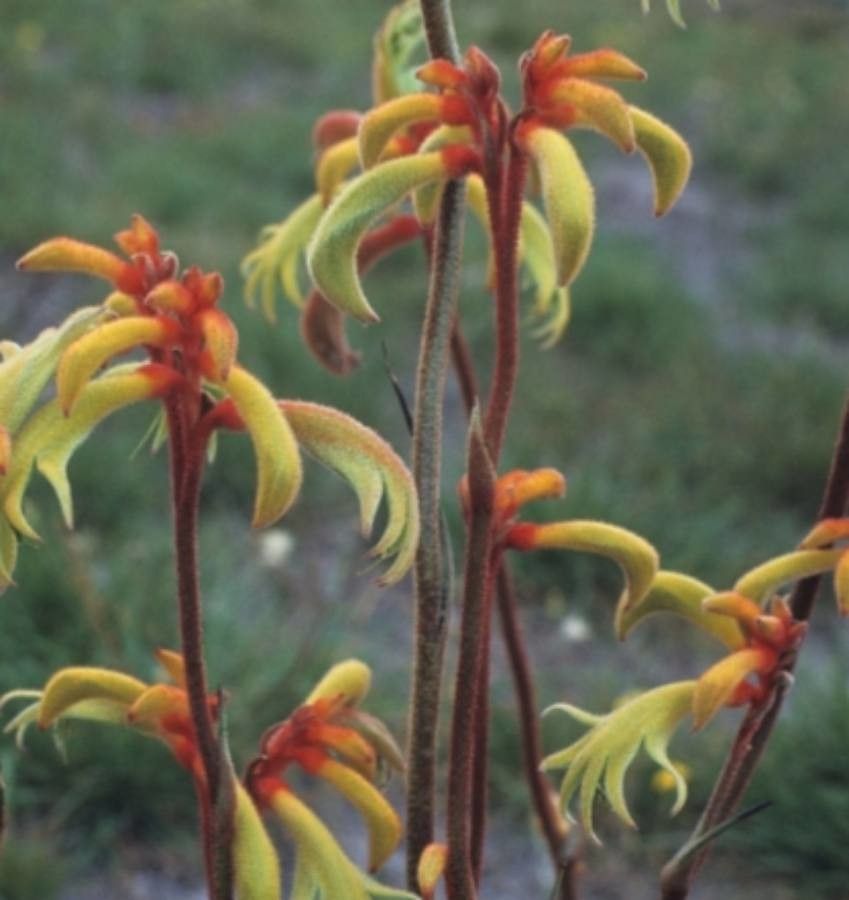
Anigozanthos preissii, the Albany cat's paw, is a herbaceous plant species in the family Haemodoraceae, endemic to Western Australia. The species is an upright perennial herb, with long leaves that emerge from a rhizome beneath the soil. A tall stalk emerges from the centre of these to present large red, orange and yellow flowers. The flowering period is sometime between October to November, when attains a height up to 0.8 metres. The leaves grey-green and arranged in a rosette at ground level. It occurs in a range to the north and east of Albany, especially in the Warren region, along the southern coast of Southwest Australia. Anigozanthos preissii was first described by Stephan Endlicher, in Lehmann's Plantae Preissianae, using the variant spelling Anigosanthus. The epithet is named for the botanist Ludwig Preiss.
How to keep Anigozanthos Preissii.
Water
These plants have moderate water needs and a good drought tolerance. Water your kangaroo paw when a few inches of the soil surface is dry to the touch. They don’t like soggy soil. Too much water makes them vulnerable to root rot, which will eventually kill your plant.
Temperature
Kangaroo paw plants thrive in dry, hot climates. Native to Australia, the plants grow best in temperatures between 70-80°F (21-27°C). If you don’t live in warmer climates, try to maintain an environment of at least 50°F (10°C). They do not tolerate frost and will need to be kept indoors once the temperature drops. Exposure to frost is potentially fatal for these plants.
Fertilizer
Kangaroo paw plants are not heavy feeders. If you want to encourage healthy growth, you can add a dose or two of compost in the spring before the flower stalks emerge. Alternatively, you can apply a slow-release fertilizer during their growing season.
Pruning
You can cut back any part of the plant to about 6 inches above ground level. It’s best to prune after the blooms are spent to prevent old leaves and stalks from becoming diseased. This method also encourages dense growth and a possible second round of blooms as the growing season ends. Kangaroo paw plants easily bounce back from pruning so you won’t worry about heavy pruning.
Toxicity
Kangaroo paw plants are non-toxic to people and pets, making them an excellent choice as garden specimens or indoor houseplants. Many wildlife eat kangaroo paw plants but it's best to refrain from adding these to your diet as they may cause mild stomach upset.
Further reading →
The toxicity and danger assessments provided are for reference only. We do not assure their accuracy, so it's crucial not to depend on them. Seek professional advice when necessary for accurate guidance.
Botanical profile.
- Plant Type
- Perennials
- Genus
- Anigozanthos
- Family
- Haemodoraceae
- Hardiness Zone
- 10 to 11
- Bloom Time
- Spring and early summer
- Native Area
- Western Australia