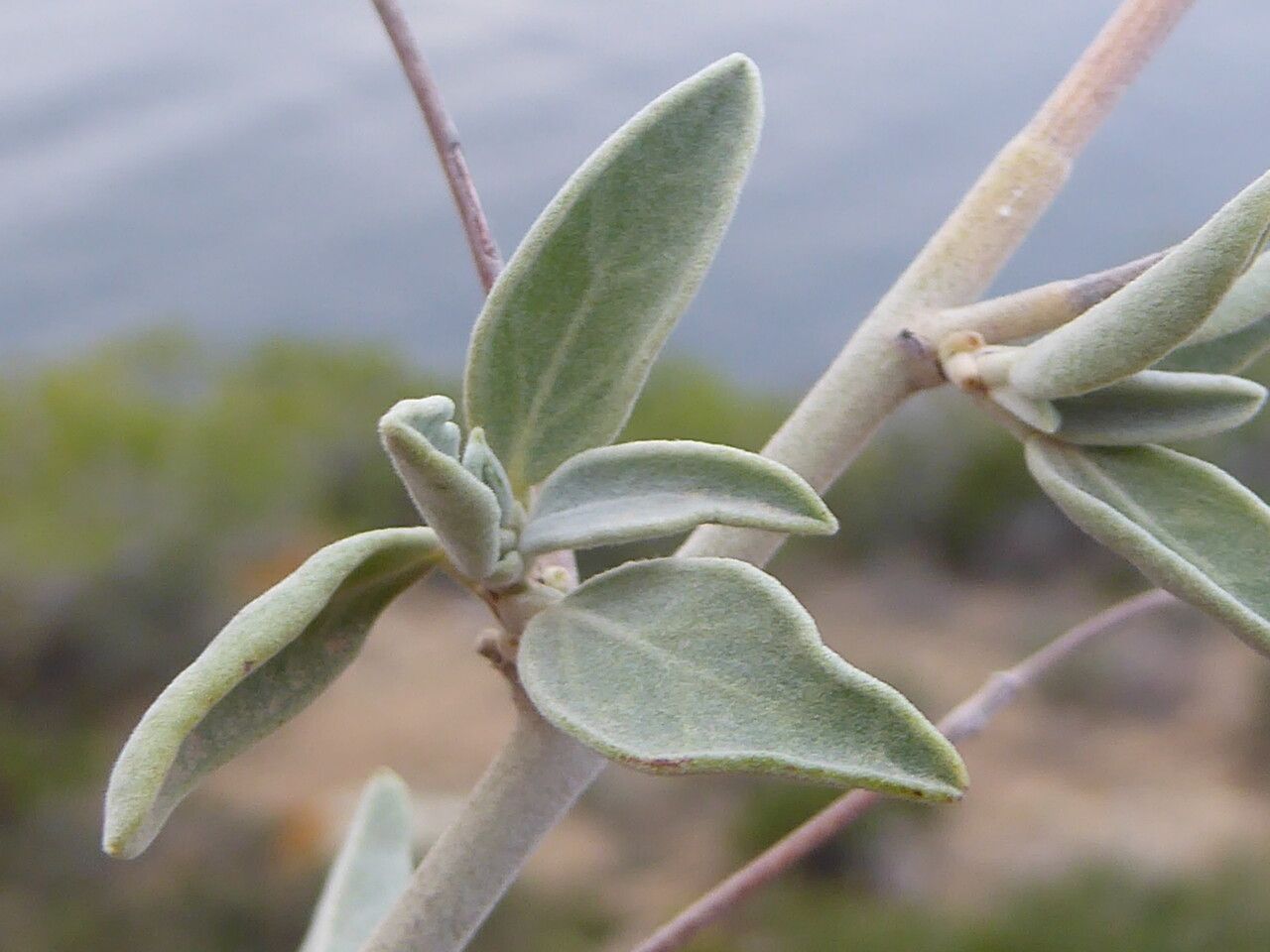
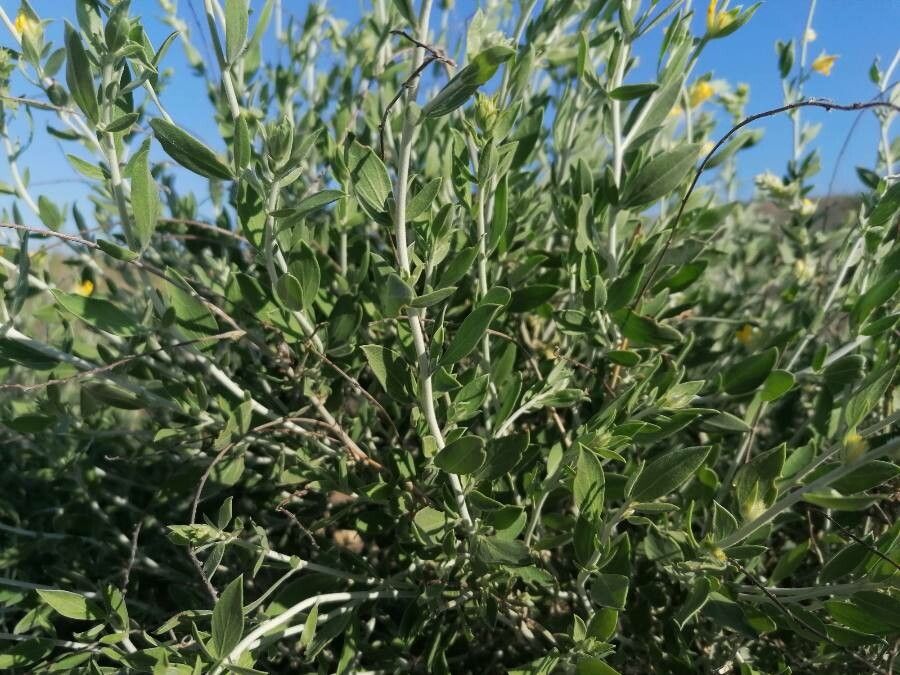
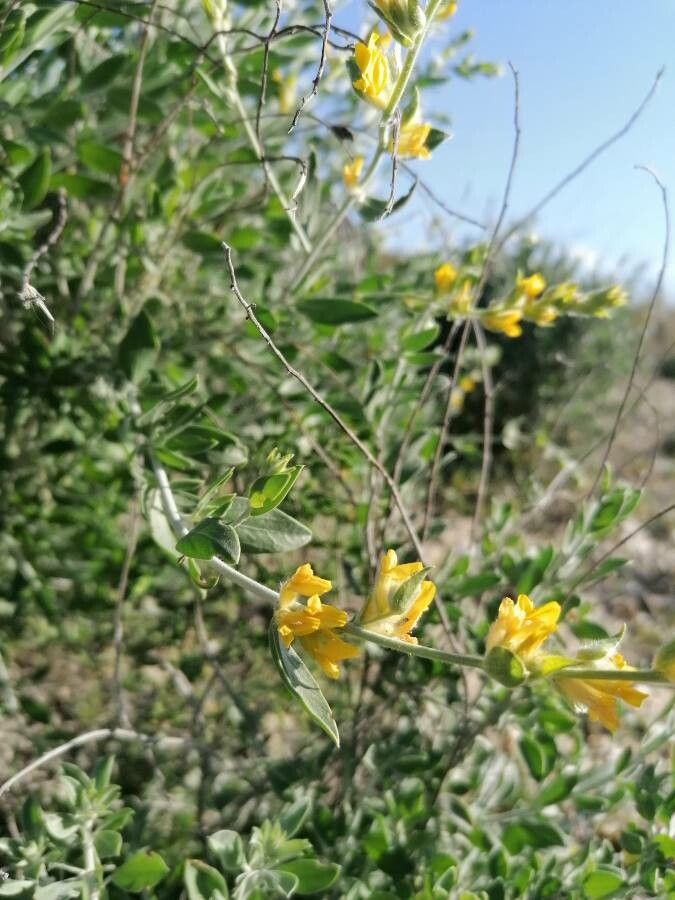
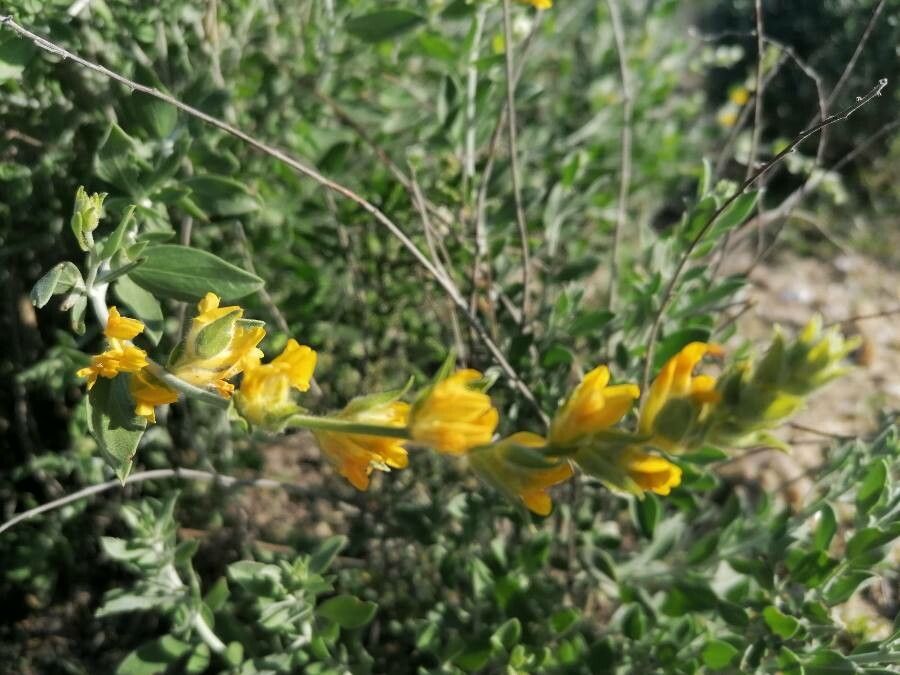
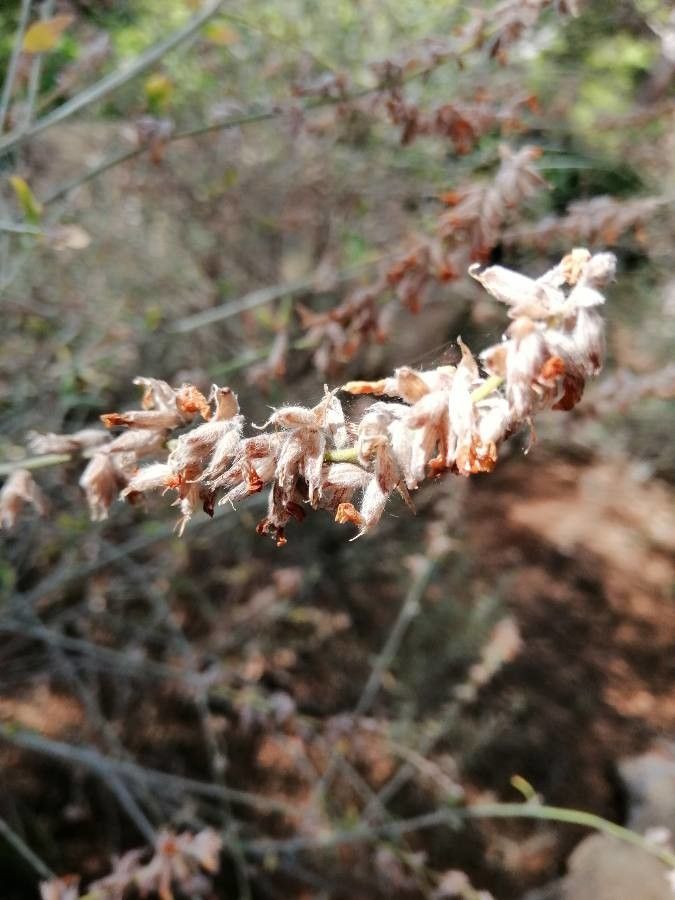
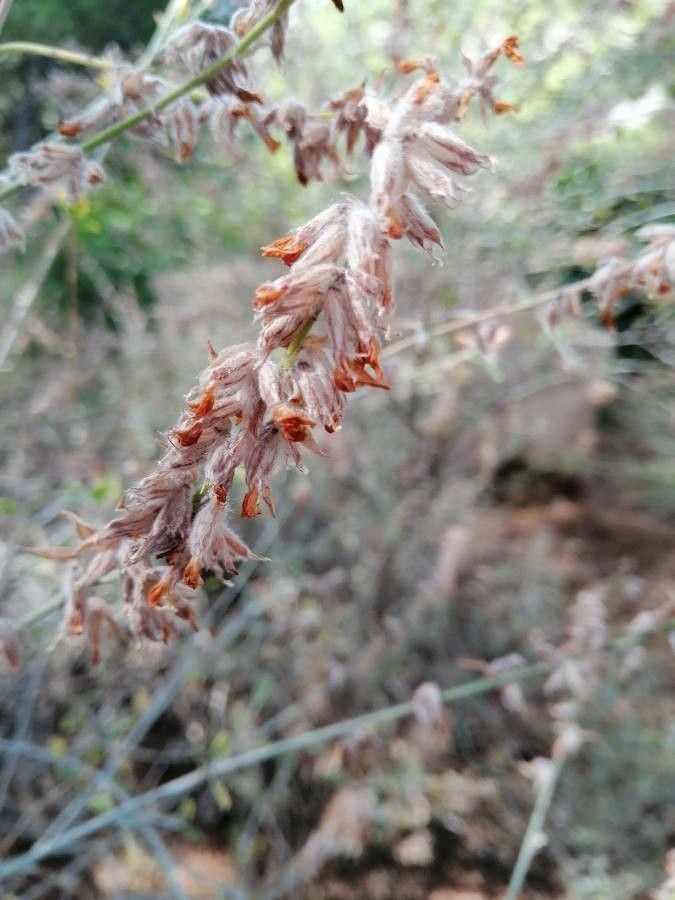
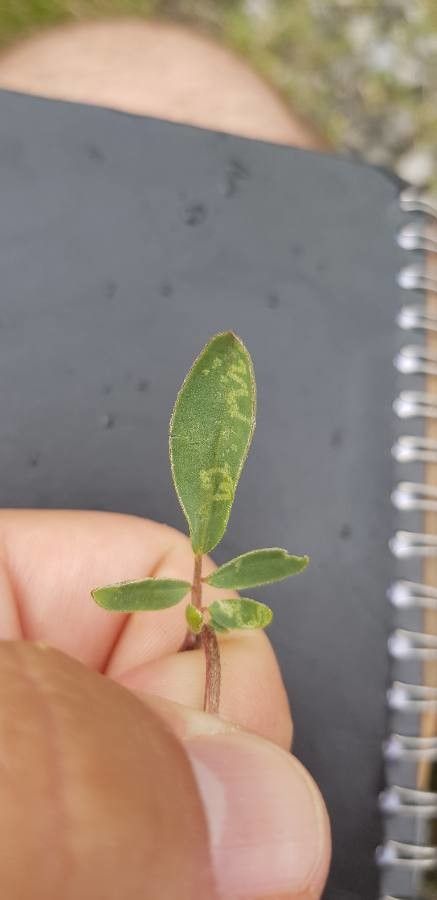
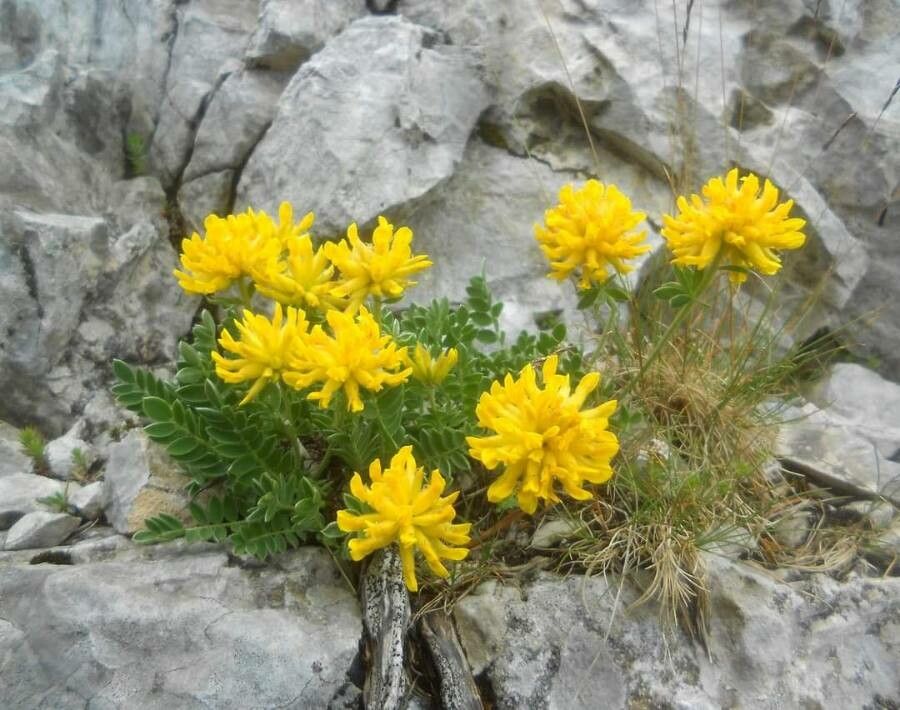
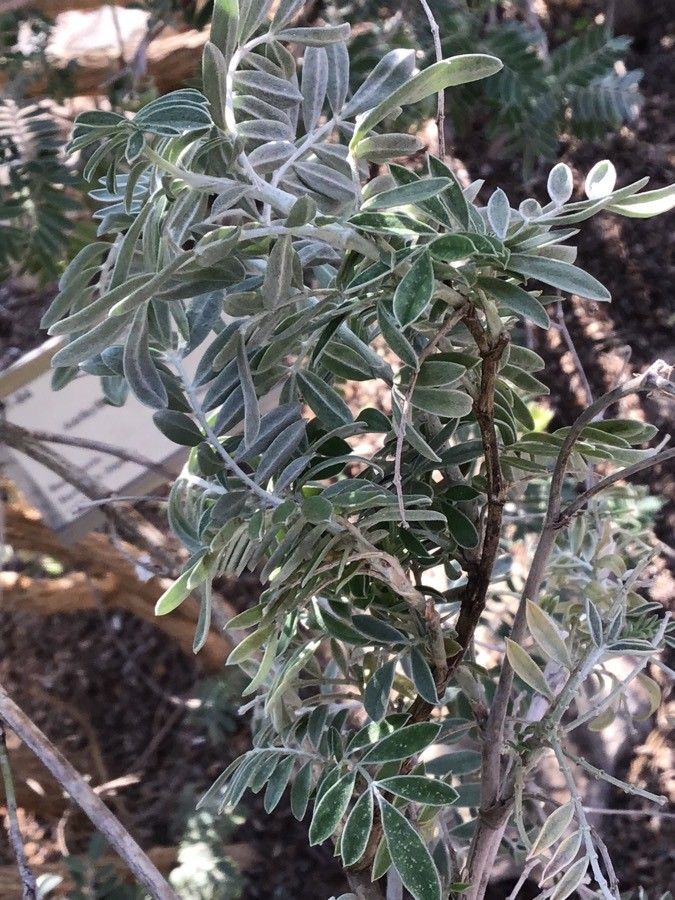
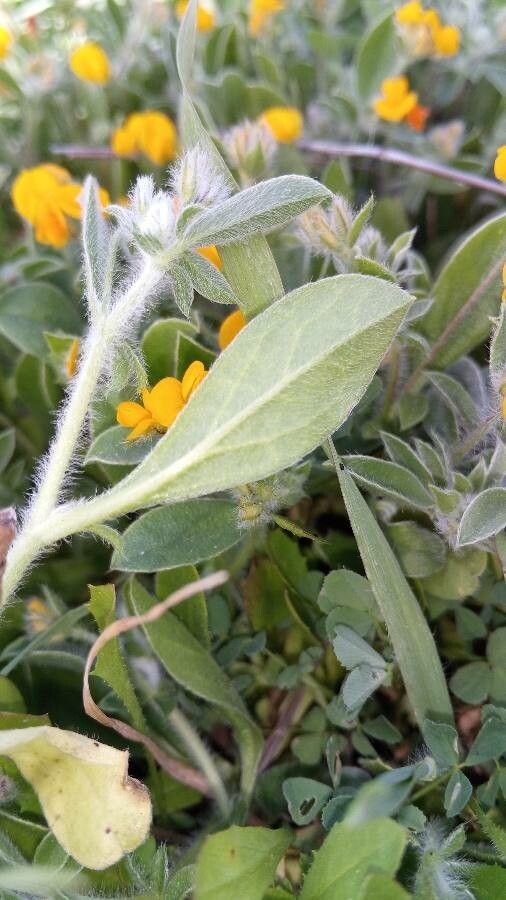
Anthyllis cytisoides is a summer-deciduous shrub of Southern Europe, common in the Balearic Islands and the southeastern coast of the Iberian Peninsula. It prefers semi-arid limestone soils in areas free of frost the year round.
Albaida is highly resistant to disease and is generally not susceptible to illnesses. In terms of care, this plant is fairly low-maintenance. When planted outdoors, it needs little watering, and larger plants typically do not require pruning. Smaller plants, however, should be pruned after they have finished blooming. Albaidat is suitable for anyone with an outdoor area, such as a garden or deck, and does not demand much experience in plant care.
How to keep Anthyllis Cytisoides.
Light
For healthy development, albaida does best in places where sunlight is plentiful and unobstructed all day. Its origin in a habitat with relentless sun confirms this. Still, care is required, since both too little and excessive exposure can harm its vitality.
Water
Albaida is well-suited to arid climates, demonstrating impressive drought resilience with minimal water requirements. Watering every 2-3 weeks is enough, highlighting its capacity to conserve water effectively. As an outdoor species, Albaida aligns its growth with periods of rainfall, optimizing its survival in environments with limited water availability.
Temperature
Albaida shows good temperature adaptability, able to endure higher heat and wider temperature fluctuations. In hot weather, attention should be paid to watering and providing suitable shade to avoid sunburn. However, Albaida is relatively sensitive to low temperatures; while it can tolerate some cold, excessively low temperatures can cause frost damage.
Fertilizer
Fertilize your Albaida in early spring to encourage healthy growth. Regular feeding boosts overall health, leading to vigorous growth, increased tolerance of harsh conditions, and improved resistance to pests and diseases. Keep a consistent fertilization schedule for your Albaida to maintain vibrant, deeply colored foliage and a lush appearance.
Pruning
Albaida is a resilient plant known for its bright yellow flowers. To keep it healthy and vibrant, it requires pruning in early spring. The main tasks are to remove dead branches and shape the plant to encourage growth. This not only improves air circulation but also reduces the risk of disease, ensuring a stunning display throughout the summer.
Botanical profile.
- Plant Type
- Shrub
- Life Cycle
- Perennial
- Genus
- Anthyllis
- Family
- Fabaceae
- Hardiness Zone
- 8-10
- Mature Height
- 40 cm to 91 cm
- Mature Spread
- 91 cm
- Leaf Color
- Light Gray
- Leaf Type
- Semi-evergreen
- Flower Color
- Yellow
- Flower Size
- 1.02 cm to 1.27 cm
- Bloom Time
- Mid spring, Late spring, Early summer
- Planting Time
- Spring, Autumn
- Harvest Time
- Mid summer, Late summer, Early fall
- Native Area
- Morocco, Spain, Algeria, France
Other names.
Reader questions.
How can I water my Albaida plant in the best way?
To promote excellent root development, consider placing a garden hose at the base of the plant. It's important to avoid directly spraying the leaves. If the plant is outdoors in direct sunlight, the leaves may require more watering. A helpful option is to use bubblers to moisten the roots of each plant. Soaker hoses can be used to cover the entire garden or bed when adding or removing plants, ensuring the roots are properly hydrated. Remember to drain any excess water and allow the soil to dry before watering again. Watering at ground level is recommended to prevent diseases. On a sunny day, you may choose to spray the entire bush with water. It is important to note that whether the plant is potted or in the ground, deep watering is preferred over light sprinkling for Albaida plants.
What are the sunlight requirements for Albaida (Anthyllis cytisoides)?
Albaida requires full sun, meaning it thrives best in conditions where it receives more than 6 hours of sunlight daily. Its natural habitat is in environments where sunlight is abundant and unobstructed throughout the day. When placing Albaida in your garden, it's crucial to observe how sunlight moves through the area to ensure it gets the perfect balance of light and shade. This balance is essential for the plant's happiness and healthy growth.
What is Albaida?
Albaida, known botanically as Anthyllis cytisoides, is a species of plant with no additional details provided on its essentials or symptoms related to its use or contact.
What should I do if I give Albaida too much or too little water?
An overwatered Albaida can show signs such as yellowing leaves, leaf drop, and wilting. Additionally, the plant may appear dull and unhealthy, with mushy stems. When these signs start to appear, it is best to adjust your watering schedule accordingly. However, wilting can also be a sign of under watering, in which case the leaves may become crispy and dry. To properly care for your Albaida, check the soil moisture regularly and provide a thorough watering when it is dry. It is important to note that even with enough water, the plant may still have yellow and dry leaves due to damage to the root system. Once the plant recovers, the yellowing of leaves will stop. If you have an indoor Albaida, be cautious of overwatering and look out for black spots on the leaves. If present, allow the soil to dry by refraining from watering for a few days. Overwatering can lead to root rot, so if you notice discolored and slimy roots, consider transferring the plant to a different pot and avoid overly soggy soil. When planting the Albaida outdoors, ensure that you dig deep enough. If the soil feels too dry when checked with your fingers, it may indicate underwatering. Providing adequate watering is necessary for the plant to recover.
How does insufficient or excessive sunlight affect Albaida?
When exposed to insufficient sunlight, Albaida may experience several adverse effects, including smaller leaves, leggy or sparse growth, faster leaf drop, slower or no new growth, and lighter-colored new leaves. Excessive sunlight exposure can lead to chlorosis (leaves turning yellow), sunscald (pale or necrotic areas on the plant), leaf curling, wilting, and leaf scorching (brown, dry edges on leaves). These conditions emphasize the importance of monitoring and adjusting the light exposure for Albaida to maintain its health.
How frequently should I give water to my Albaida plant?
The Albaida plant prefers deep and infrequent watering, especially when in pots. It is best to soak them with a gallon of water each time to account for the limited water storage in pots. In cold regions, watering is necessary every 3 to 5 days. Watering early in the morning is ideal, both indoors and outdoors, when the soil is dry. To determine if watering is needed, check the soil inside. When the top 2-3 inches of soil are dry, it's time for a full watering. On hot days, check the soil moisture daily, as it can dry out quickly in pots. If you have a garden, irrigation is also necessary. In hot climates, watering once a week is appropriate when about 2 to 3 inches of soil become too dry. Make sure not to water the plant if it has received sufficient rainfall to avoid root rot. Albaida plants typically grow during spring and fall. Adding mulch about 3 to 4 inches deep can help conserve water when they are outdoors. Sandy soil requires more frequent watering due to faster drainage, while clay soil requires less frequent watering to prevent root rot. It may be helpful to mark the watering dates on a calendar and pay attention to any drooping leaves as a sign of possible delayed watering.
What are the solutions for managing light exposure for Albaida?
To manage light exposure for Albaida effectively, consider the following solutions based on the plant's location: For indoor plants, gradually move them to a location with at least 6 hours of direct sunlight daily, using a south-facing window for maximum exposure. If natural light is insufficient, artificial lighting such as desk lamps or grow lights can be used for at least 8 hours daily. For outdoor plants, gradually acclimate them to sunnier spots by moving them weekly to avoid sunburn. Pruning obstructions like trees can enhance sunlight penetration. For plants in the ground, consider transplantation during their dormant period to a location with better sunlight and drainage. Although parts of the plant damaged by insufficient sunlight may not recover, new growth should be healthy following these adjustments.
How much water should I give my Albaida?
The Albaida plant generally needs about a gallon of water on a regular schedule. When it comes to potted plants, it's best to water them deeply until you see water dripping from the bottom of the pot. After that, wait for the soil to dry before watering again. You can use a water calculator or a moisture meter to determine how much you've watered your plant in a week. During the flowering period, make sure to provide plenty of water, but allow the moisture to evaporate afterwards to avoid root rot. If you've planted Albaida outdoors and it receives adequate rainfall, you may not need to water it additionally. However, when Albaida is young or newly planted, ensure it receives 1-2 inches of rain per week. As Albaida matures, it can rely solely on rainfall. Only in very hot weather or when there has been no rainfall for 2-3 weeks should you consider giving Albaida a full watering during cooler times of the day to prevent damage from high heat. Additional watering may be necessary during extended dry periods.
How can artificial lighting be used for Albaida growth?
Artificial lighting is a valuable solution for Albaida's growth when natural sunlight is insufficient, especially during winter or in less sunlit areas. It promotes healthier and faster growth by compensating for the lack of natural light. Choose the right type of artificial light, like LED lights, tailored to provide specific wavelengths required by your plants. For full sun plants, 30-50W/sq ft of artificial lighting is recommended, while partial sun and full shade plants require 20-30W/sq ft and 10-20W/sq ft, respectively. Ensure the light source is 12-36 inches above the plant to mimic natural sunlight and set the duration to match natural daylight hours for your plant species, typically 8-12 hours per day.
Should I change how often I water my Albaida plant based on the time of year or the weather?
The Albaida plant prefers to be outdoors where it can receive rainwater, but only needs watering during persistent dry weather. In the spring and fall, the soil should be kept moist but not soggy, with alternating dry and moist conditions promoting optimal growth. During the hot summer, it may require more frequent watering if there is a lack of rainfall, as water can evaporate quickly. Generally, less water is needed during the winter when the plant is dormant. To promote faster water evaporation, use a well-draining soil mixture like terracotta when planting it. Once the Albaida starts growing leaves again, it can rely on fall and winter rains to survive the dormant period. When flowering, make sure the plant has good drainage to prevent ponding or drought. In pots, the Albaida's root growth is limited, so they should be kept well-watered, especially during the summer. It's best to thoroughly water the entire root system once or twice a week, avoiding shallow sprinkles that reach only the leaves. Even during dormancy, the plants should not be allowed to completely dry out in the fall or winter. Avoid overwatering and ensure the soil drains well to prevent the plants from sitting in water for too long. Applying mulch can help reduce stress, conserve water, and promote healthy blooms.
What do I need to be careful about when watering my Albaida plant in different seasons, climates, or during different growing periods?
If you are planting in the ground in Albaida, you mostly rely on rain. However, if there has been no rainfall for 2-3 weeks, you may need to water the plants deeply. It's best to water in the morning during the summer, as a large temperature difference between the water and the roots can stress the plants. Avoid watering the bushes when it's too hot outside. Start mulching the plants in the spring when the ground is not too cold. The age of the plants is important, as lack of water is a common reason for newly planted ones failing to grow. Once the plants are established, reduce watering. In the fall and winter, especially if the soil has water-retaining material, decrease watering to avoid drying out from dry winds. Windy seasons require more watering. Plants in pots dry out faster and need more frequent watering. Look for signs of less blooming and drying leaves. Watering potted plants can be complex, so be careful not to let the pots sit in water. Prevent overwatering regardless of the climate or season. During flowering months, you may want to increase watering frequency, but once they are fully grown, give them a break. Water them adequately every 3 to 5 days, checking soil moisture with your finger or moisture meter. Over or under watering can cause root rot, so be cautious.
Why is it important to water my Albaida plant?
Watering the Albaida is crucial for transferring nutrients from the soil to the entire plant. To keep this species healthy, it is important to know the appropriate amount of water to provide. The watering needs will vary depending on the weather and soil conditions in your area. While the Albaida thrives in moist soil, it cannot tolerate excessive waterlogging. When planting it in the ground, be sure to use sufficient mulch and avoid under-watering. If planting in a pot, give it a thorough watering so that the soil is moist at the base and the plant can produce optimal blooms. If growing as foliage, water the Albaida to a depth of 10 to 20 inches to ensure continuous growth. During rainy weather, refrain from watering as the plant can absorb necessary nutrients from the rainwater.