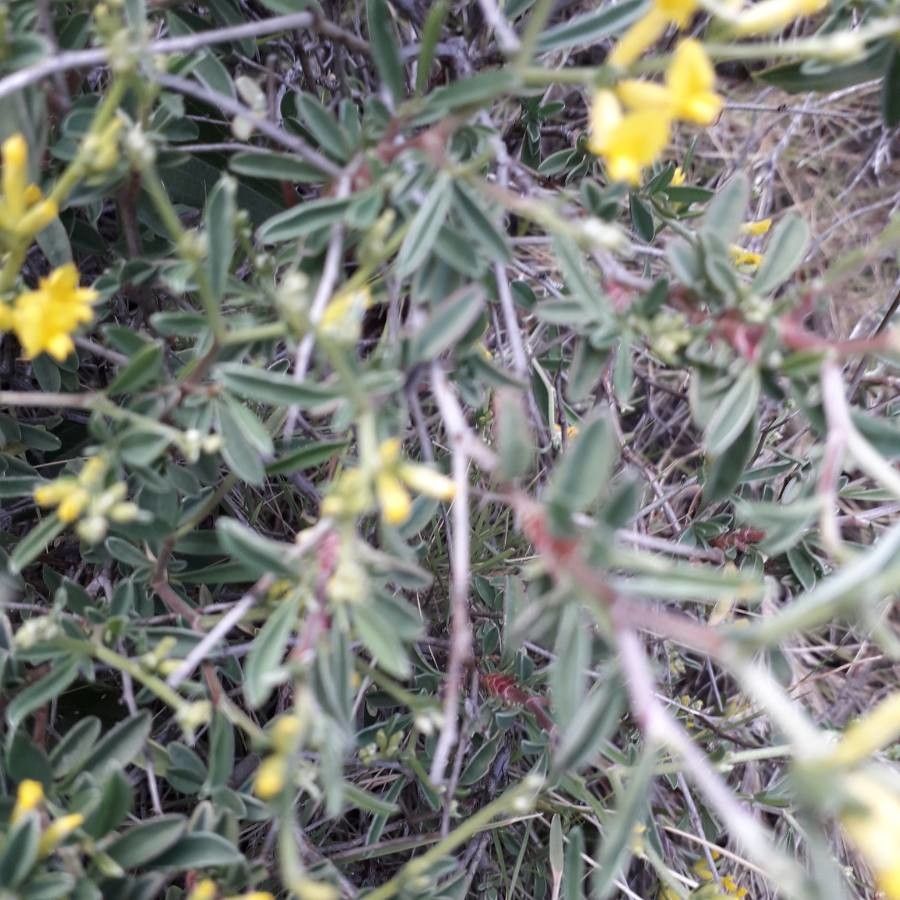
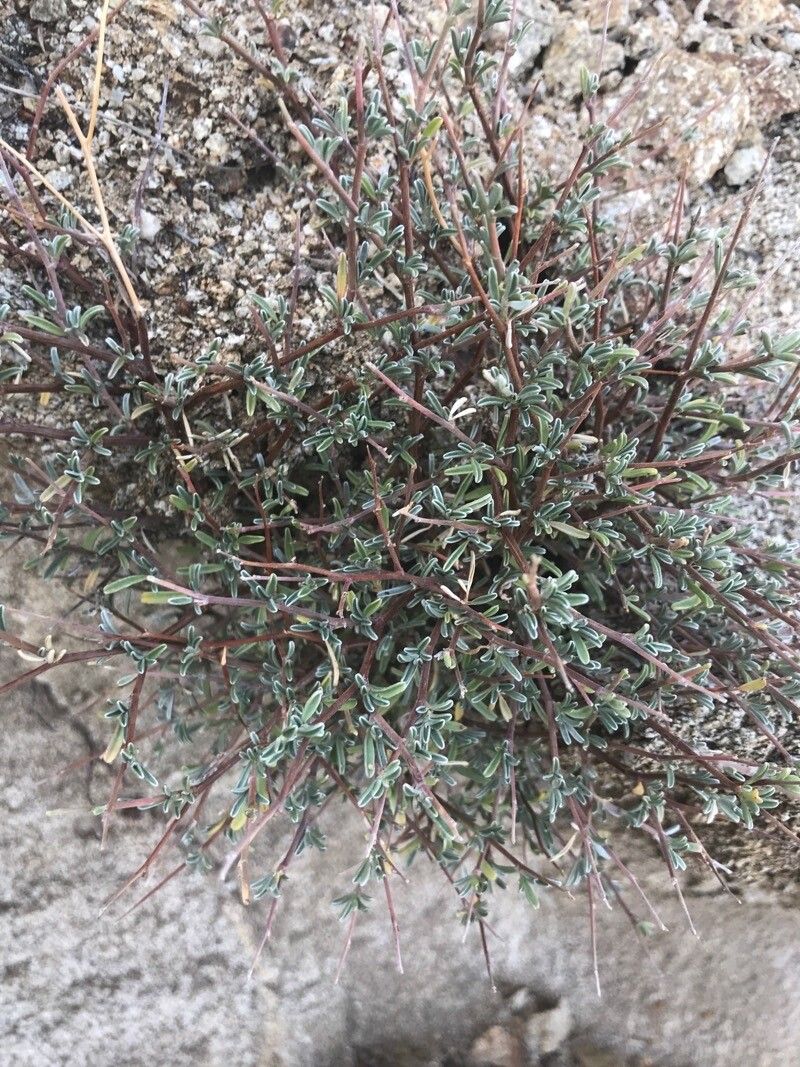
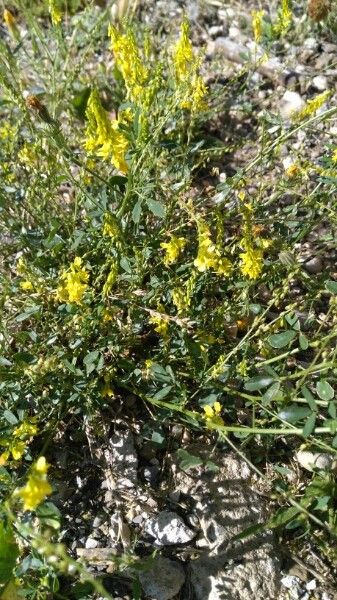
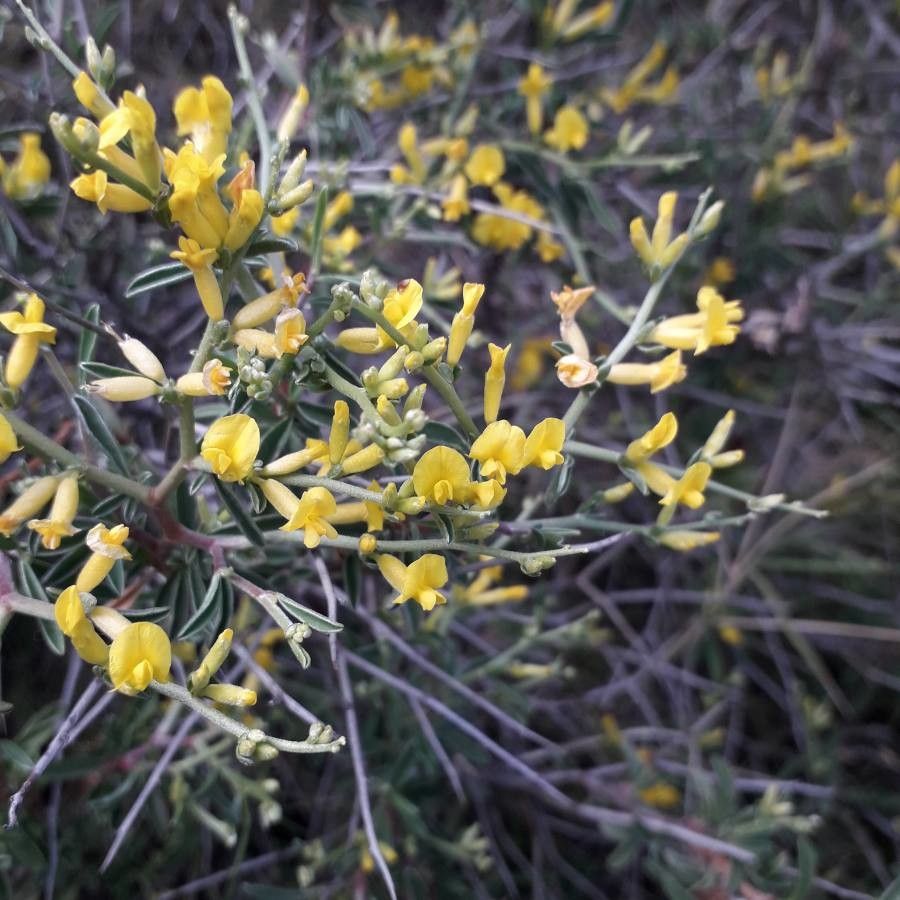
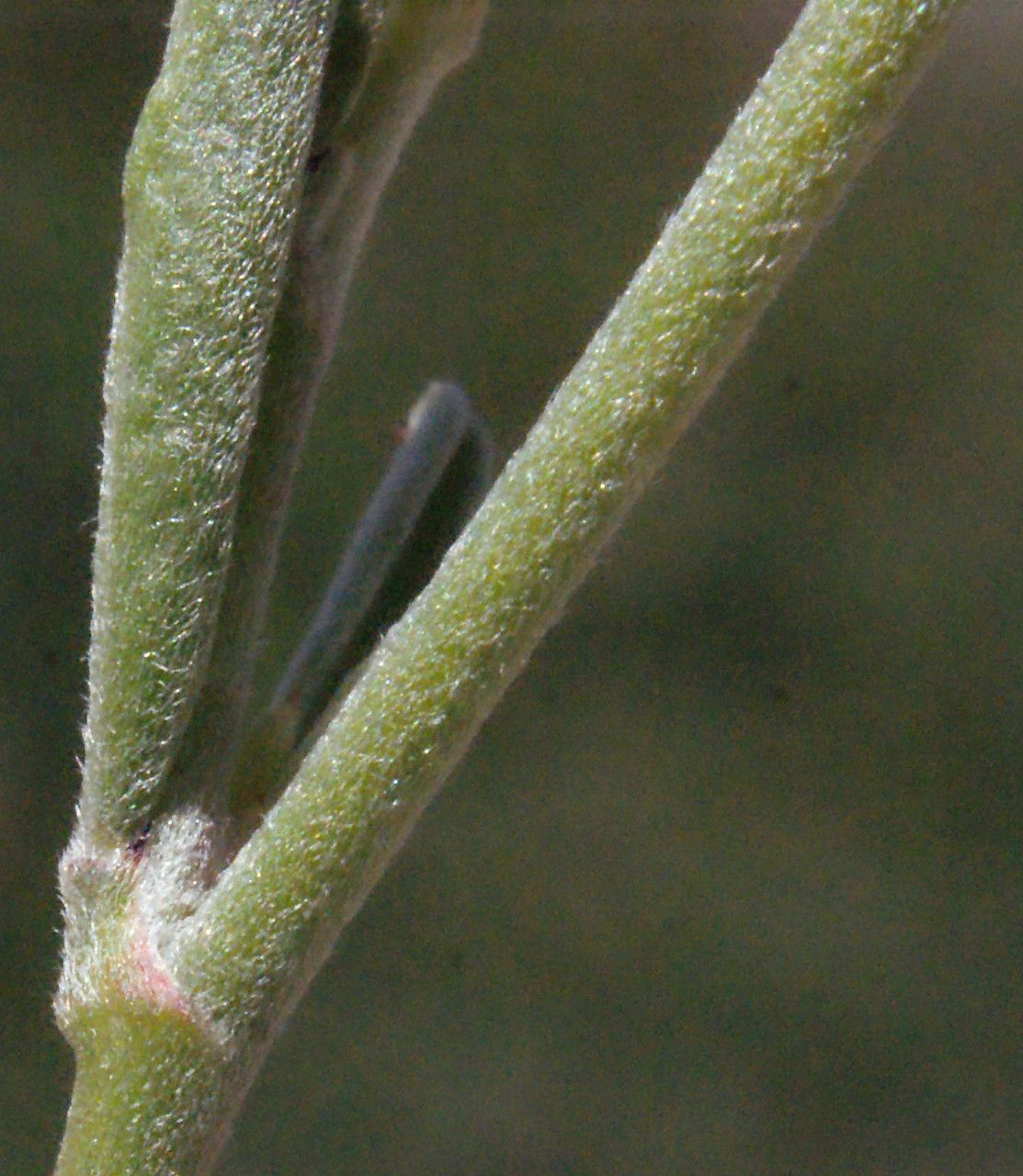
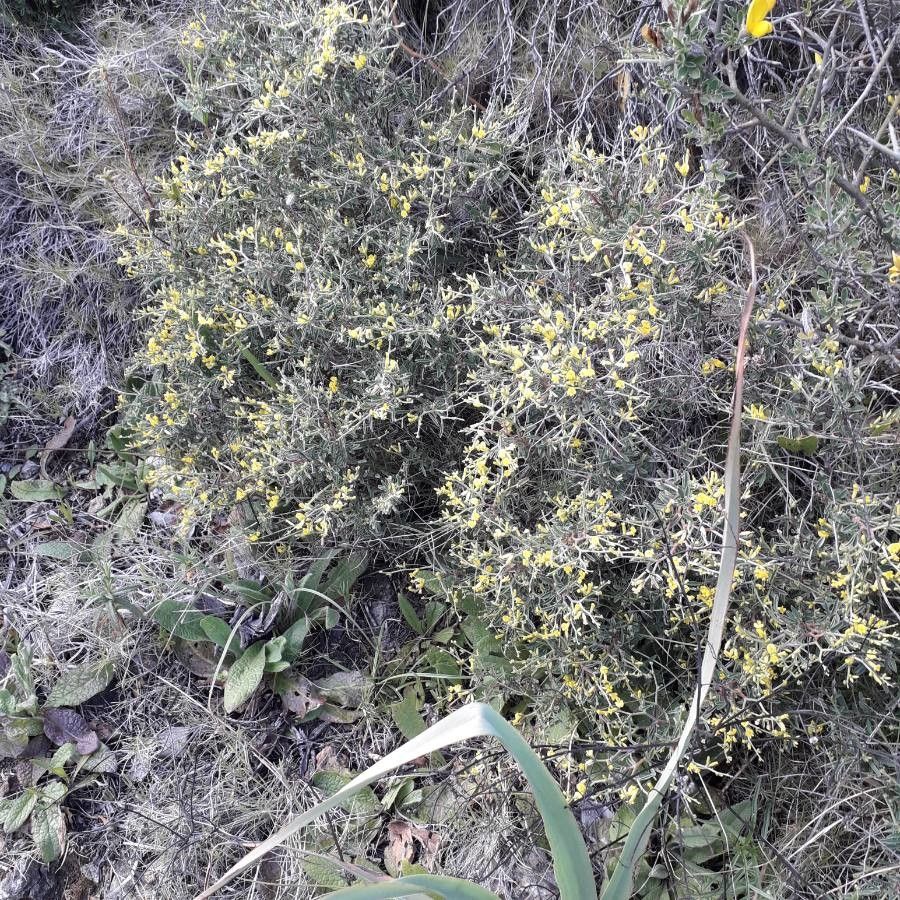
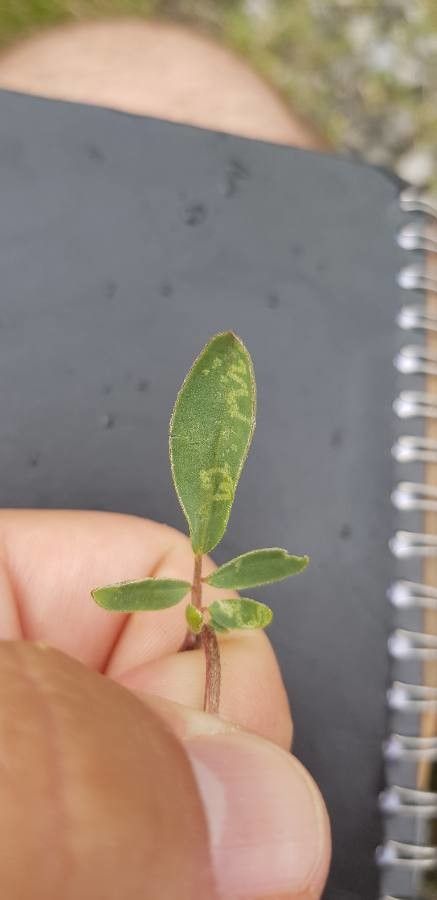
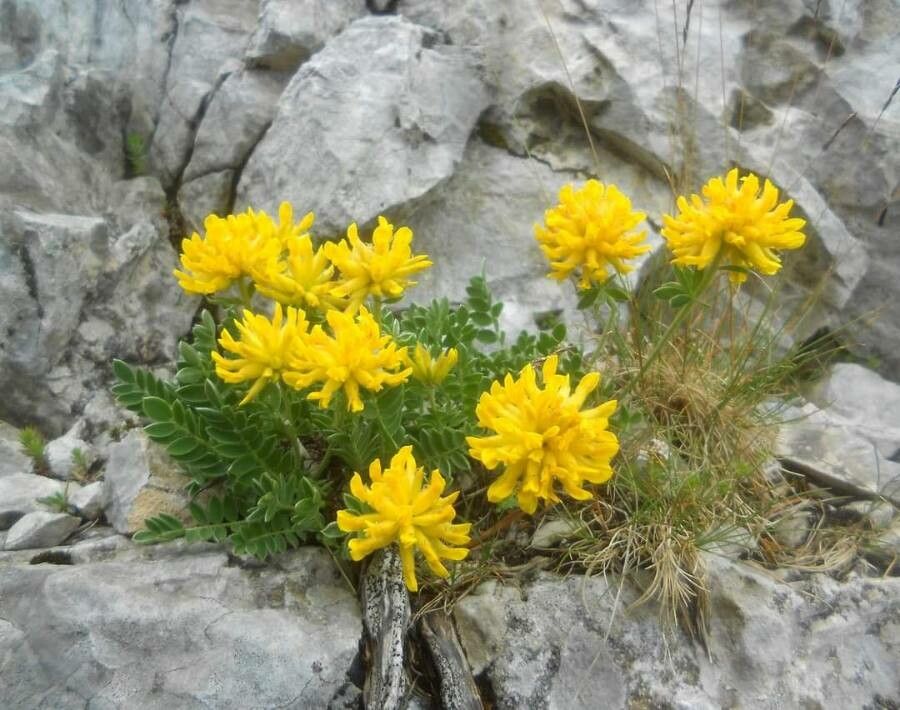
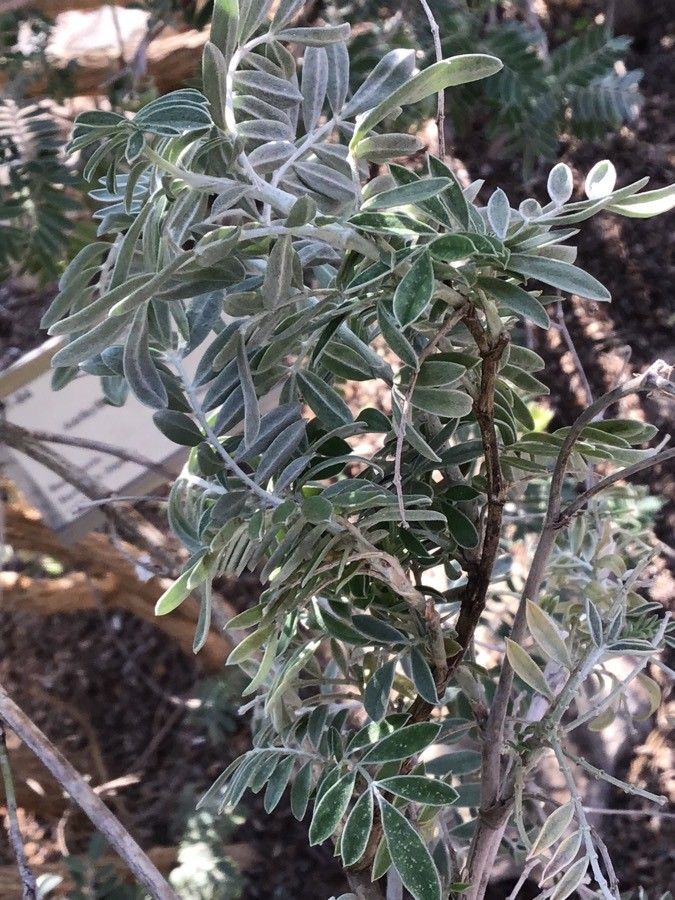
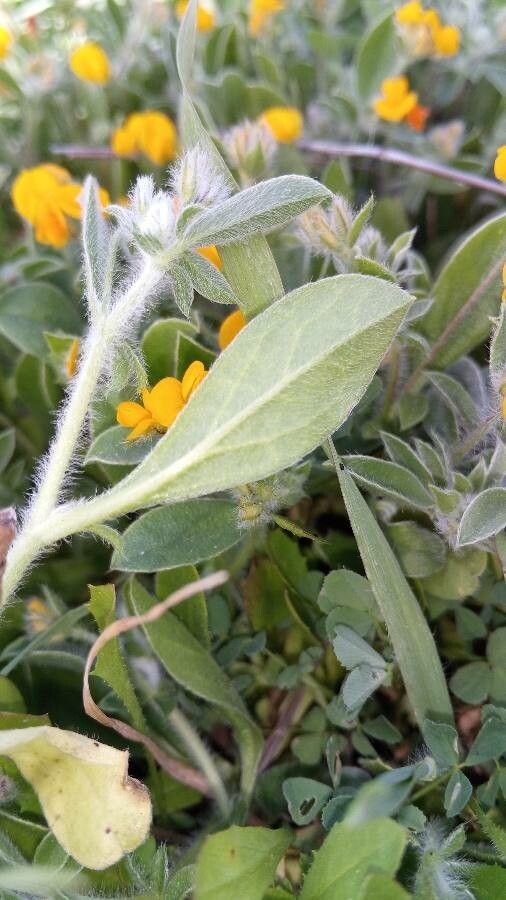
Anthyllis hermanniae, called the lavender-leaved anthyllis, is a species of flowering plant in the family Fabaceae. It is found in Anatolia, Greece, the Balkans, and many Mediterranean islands, including Corsica. Coleophora hermanniella, a species of moth found only on Corsica, feeds exclusively on A. hermanniae. A low perennial shrub, it is cultivated as a garden plant, and was formerly cultivated as far north as the United Kingdom, until the great frost of 1739 wiped them out there.A. hermanniae is typically 1.5–2 feet tall, with crooked or zig-zag branches. The leaves are simple or trifoliate, with soft silky hairs (more on the underside than the top). This plant grows in a variety of habitats, but requires good drainage, often growing in rocky locations. It produces yellow flowers in late spring-early summer.
Shrubby kidney vetch is highly resistant to disease and is generally not susceptible to illnesses. In terms of care, the plant is fairly low-maintenance. When grown outdoors it needs little watering, and larger plants usually do not require pruning. Smaller plants, however, should be pruned after they have finished blooming. Shrubby kidney vetch is suitable for anyone with outdoor space, such as a garden or a deck, and does not demand much prior care experience.
How to keep Anthyllis Hermanniae.
Light
Shrubby kidney vetch comes from open habitats, such as sunny meadows and forest edges, that offer abundant light. It thrives in Full Sun but can also tolerate Partial Sun, adapting well to a range of sunlight conditions.
Water
Shrubby kidney vetch, native to Mediterranean climates, is moderately drought-tolerant and does well when watered twice a week. It thrives in well-draining soil and rocky terrains. During its active growth periods, it's important to water carefully to avoid overwatering.
Temperature
Shrubby kidney vetch originates from temperate regions and thrives in temperatures between 59 and 95 °F (15 to 35 °C). During the growing season it prefers warmer conditions. Care should be taken to gradually acclimate shrubby kidney vetch's environment as temperatures change with the seasons.
Fertilizer
The timing of fertilization is important for shrubby kidney vetch. Apply fertilizer in early spring and repeat monthly up to early summer. Fertilizer supports the development of attractive blooms and supplies energy during both dormancy and active growth.
Pruning
For optimal growth, prune shrubby kidney vetch in early spring, just before new growth begins. Remove any dead branches and trim unruly stems to maintain the plant’s shape and increase foliage density. This practice enhances air circulation, light penetration, and flowering potential, resulting in a vigorous and attractive plant. For detailed guidance, refer to the RHS (Royal Horticultural Society).
Botanical profile.
- Plant Type
- Shrub
- Life Cycle
- Perennial
- Genus
- Anthyllis
- Family
- Fabaceae
- Hardiness Zone
- 8-10
- Mature Height
- 40 cm
- Mature Spread
- 91 cm
- Leaf Color
- Light Green, Gray
- Leaf Type
- Semi-evergreen
- Flower Color
- Yellow
- Flower Size
- 1.02 cm
- Bloom Time
- Mid spring, Late spring, Early summer
- Planting Time
- Spring, Summer, Autumn
- Harvest Time
- Mid summer, Late summer, Early fall
Other names.
Reader questions.
What is the Shrubby Kidney Vetch?
Shrubby Kidney Vetch, known botanically as Anthyllis hermanniae, is a plant native to temperate environments. It thrives in temperatures between 59 to 95 °F (15 to 35 °C), favoring the warmer conditions of the growing season. As temperatures change with the seasons, it's important to adjust the plant's environment gradually to ensure its health and growth.