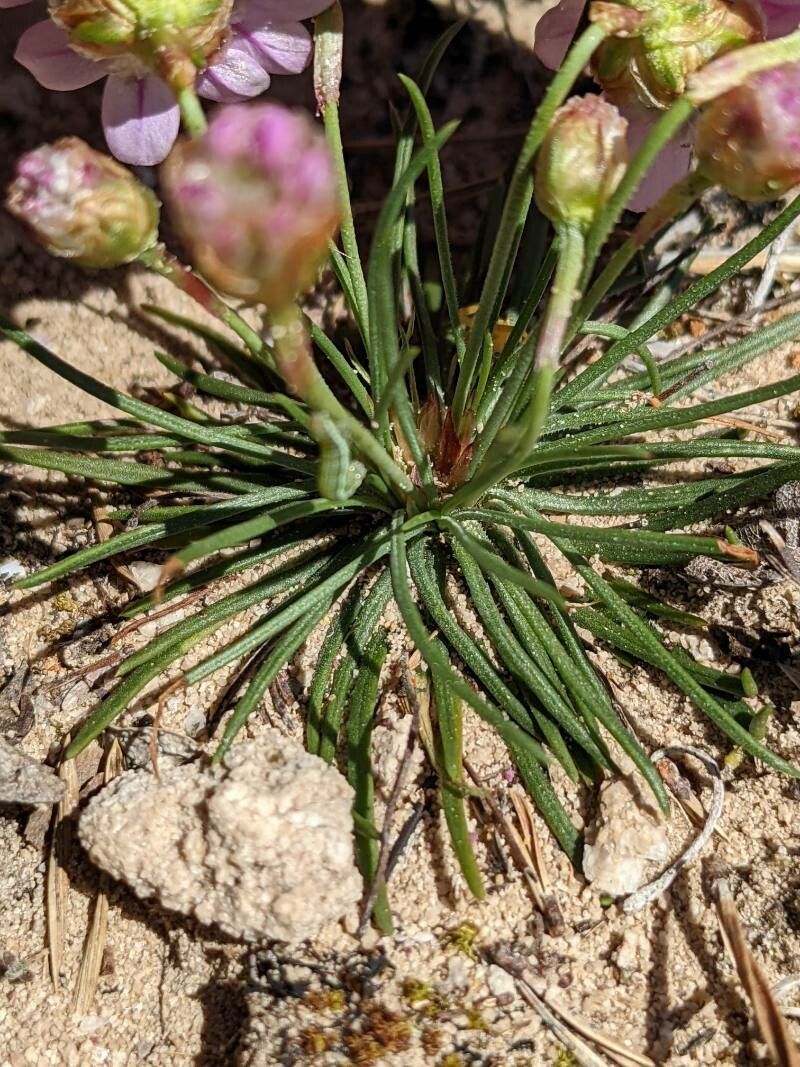
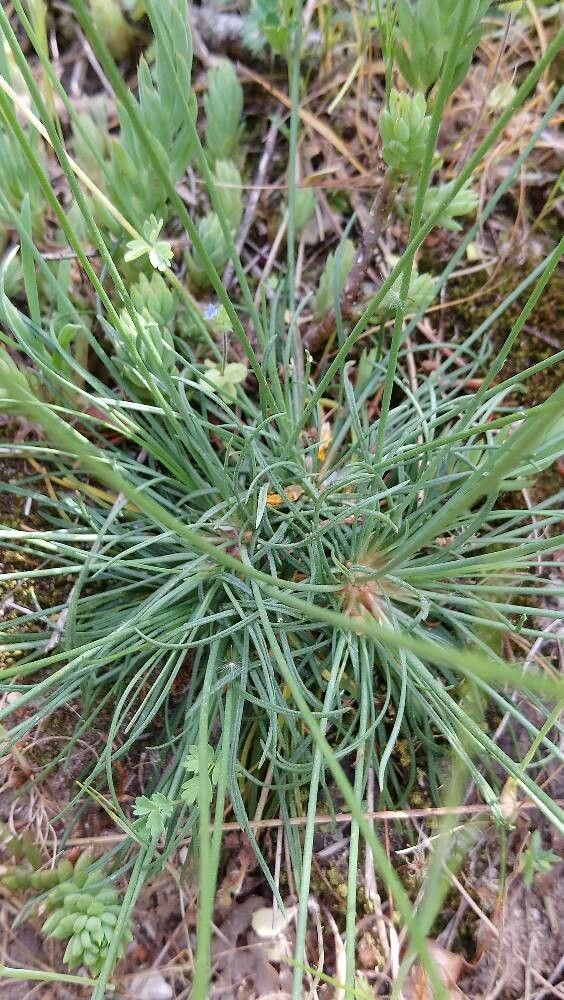
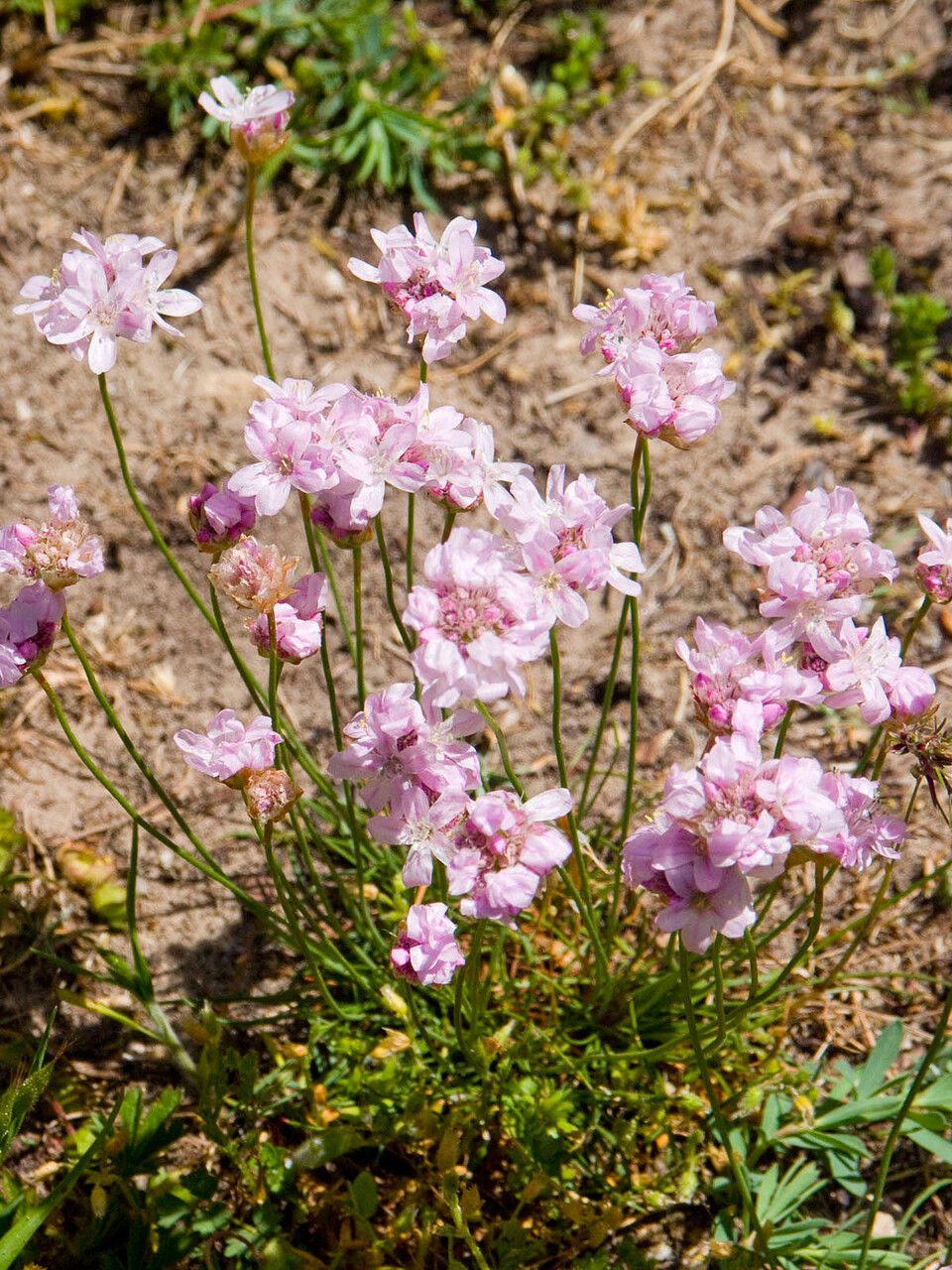
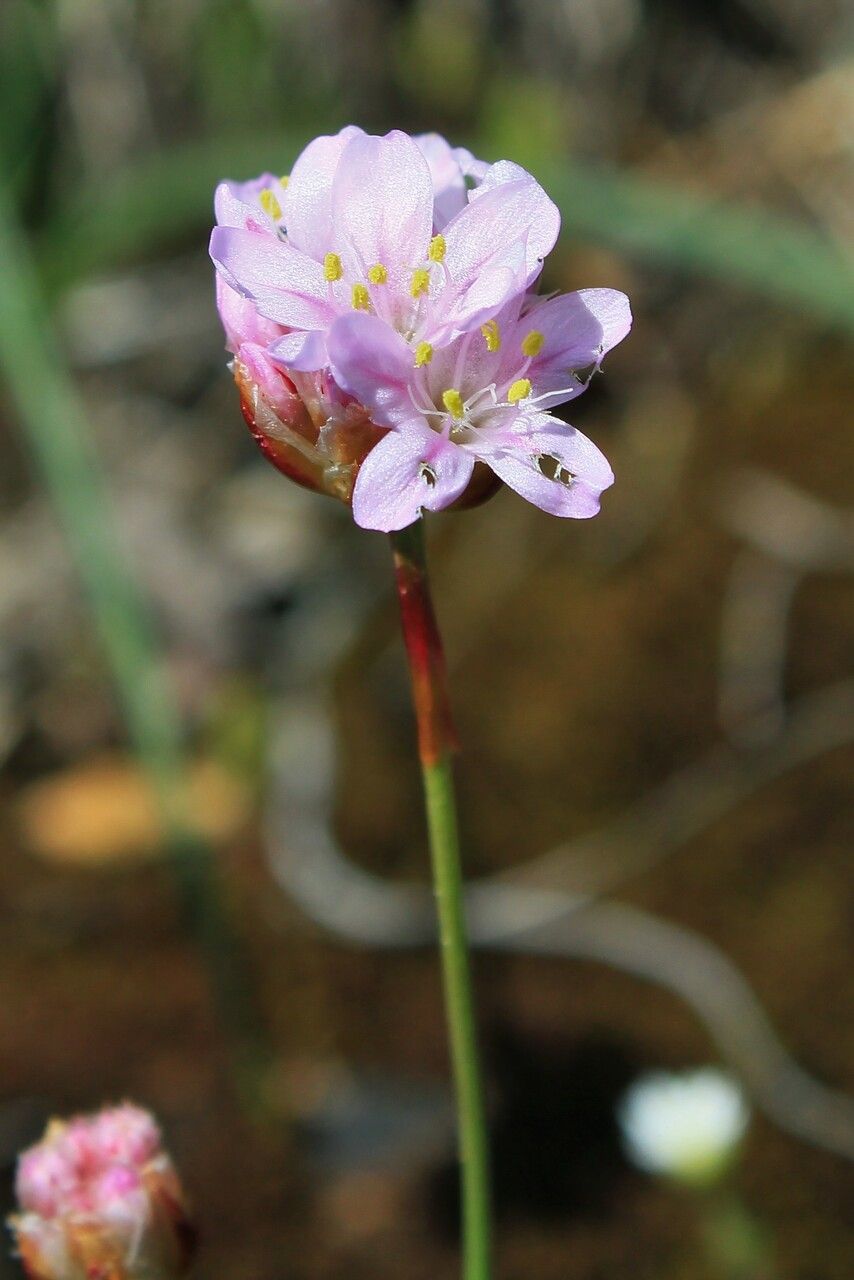
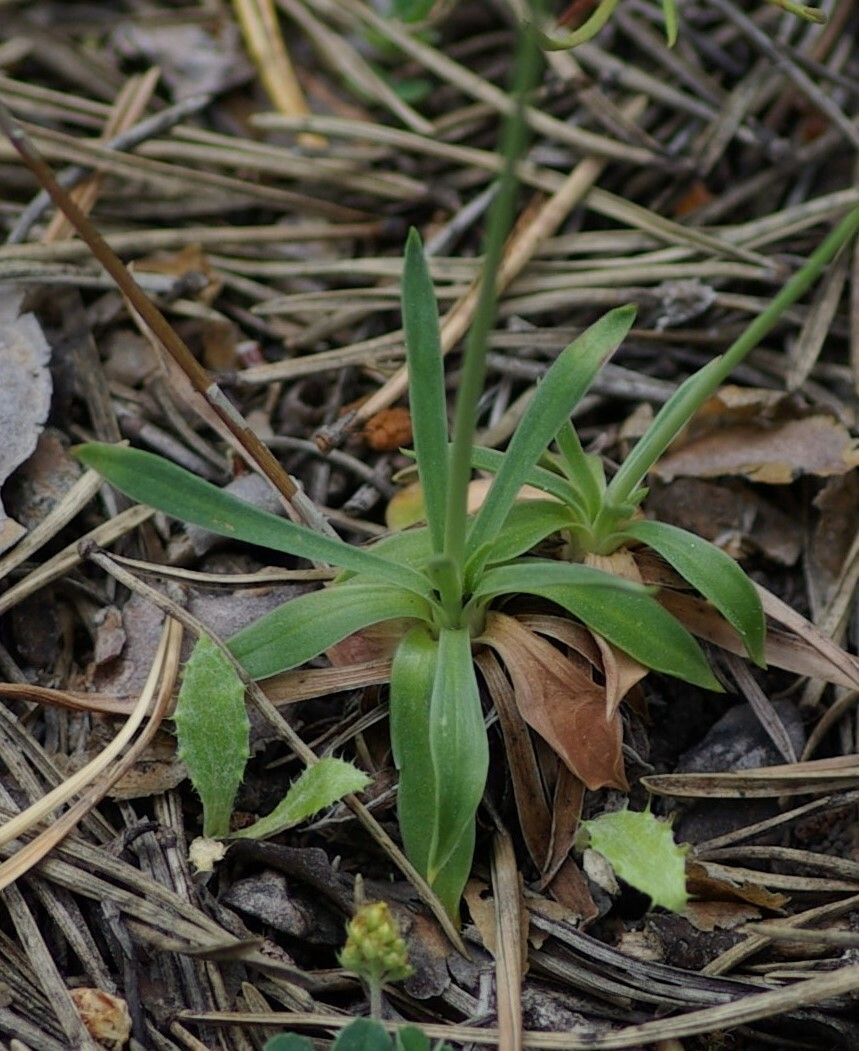
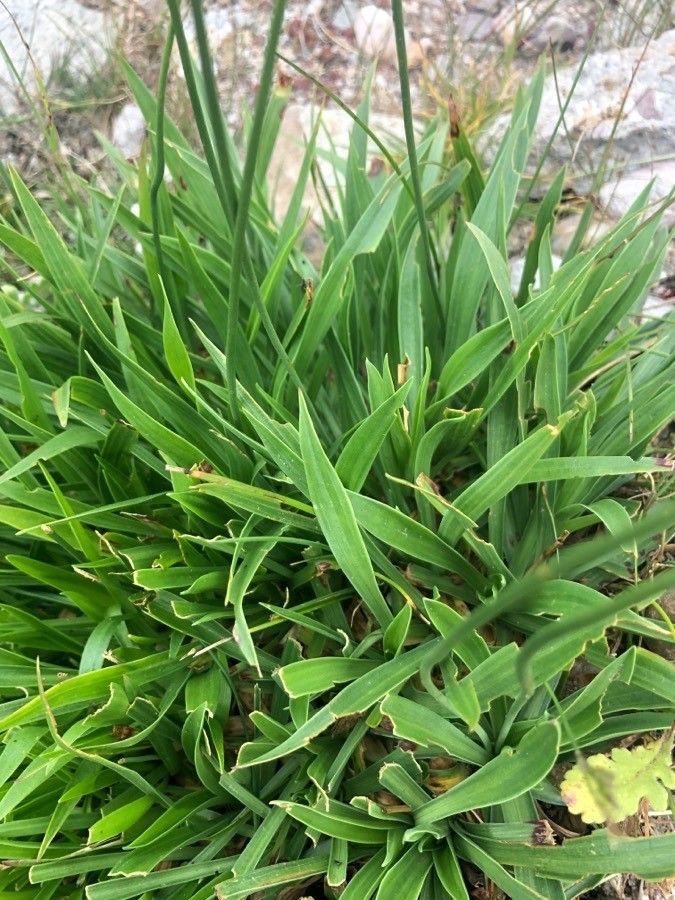
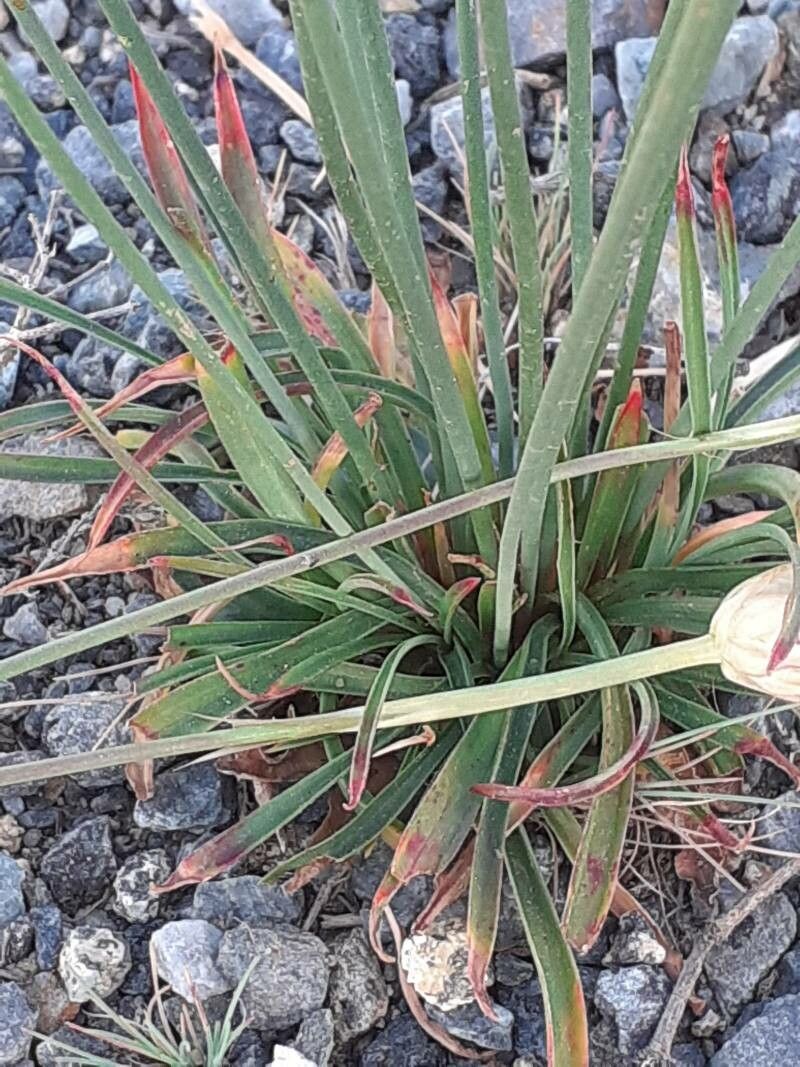
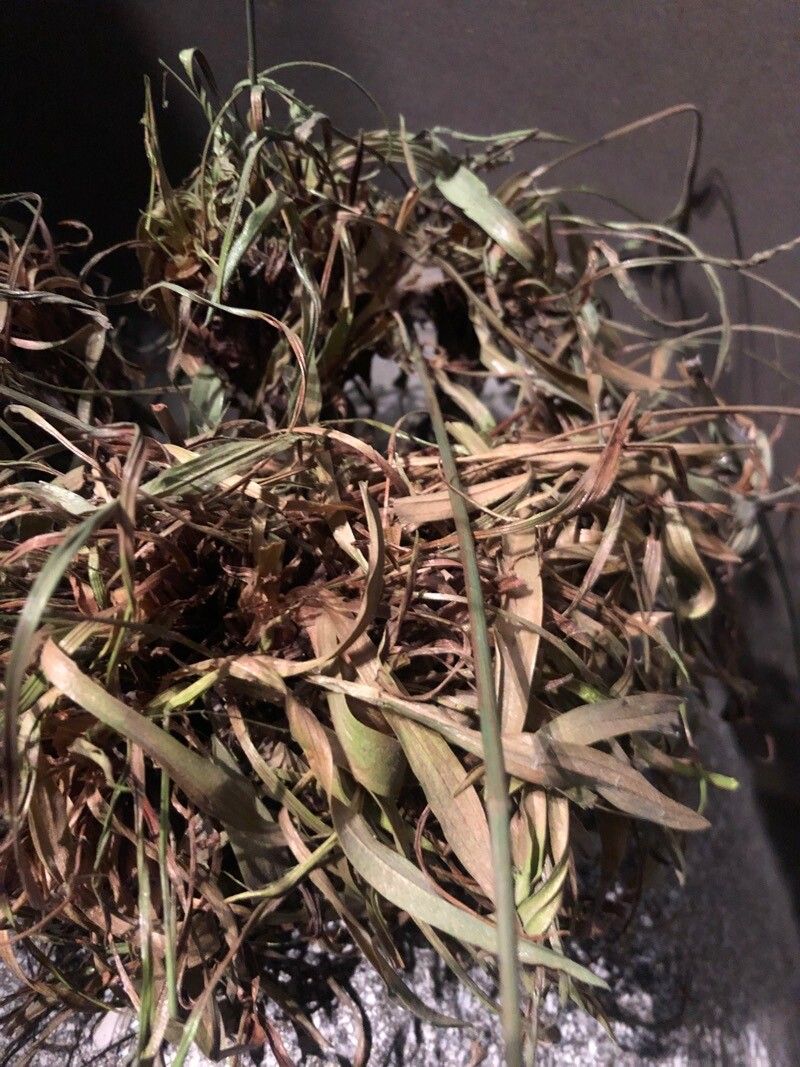
Sea thrift has strong resistance to disease and is generally unlikely to suffer from illnesses. Still, it can be affected by pests and diseases present in its environment. When infections do occur, they are typically mild. Regarding upkeep, this plant needs a moderate level of care. It should be trimmed regularly to preserve an attractive appearance and support healthy growth. Applying fertilizer can also encourage it to bloom. Sea thrift is appropriate for anyone who has outdoor space, like a garden or patio, and it does not demand extensive plant-care experience. It may need extra attention if cultivated indoors.
How to keep Armeria Girardii.
Light
Sea thrift is a perennial herbaceous plant that prefers sunny conditions and originates from open habitats, commonly growing in meadows and grasslands. It favors full sun but can also tolerate partial sunlight.
Water
Sea thrift is a hardy plant that does well in coastal areas with high humidity, yet it can also tolerate drought conditions. It has moderate water needs, so you should water it weekly. The plant is adaptable to a wide range of climates, including areas with heavy rainfall, making it an excellent choice for outdoor growth.
Temperature
Sea thrift can tolerate a wide range of temperatures, but its distribution can still be restricted by different combinations of moisture and heat. It grows best in warm summer climates with sufficient rainfall or watering. Long periods of cloudy, rainy weather, as well as extended high temperatures, raise the chance of Sea thrift dying. In winter, protecting it from cold can increase the plant's survival.
Fertilizer
The ideal time to fertilize Sea thrift is in early spring, when it is coming out of dormancy and starting active growth. Fertilization supplies essential nutrients for healthy development. Although Sea thrift has relatively low fertilizer requirements, an annual application can boost its survival and encourage better, longer-lasting flowers.
Pruning
Sea thrift is a hardy perennial with tufted growth and globe-shaped flowers. To encourage new growth and longer blooming periods, prune the plant from early to late spring. Be sure to remove spent flowers and trim any damaged foliage. Regular pruning helps improve the plant’s vitality and compactness, enhancing its overall appearance.
Botanical profile.
- Plant Type
- Herb
- Life Cycle
- Perennial
- Genus
- Armeria
- Family
- Plumbaginaceae
- Hardiness Zone
- 4-9
- Mature Height
- 15 cm to 30 cm
- Mature Spread
- 20 cm to 30 cm
- Leaf Color
- Dark Green
- Leaf Type
- Semi-evergreen
- Flower Color
- Red, Purple, Pink
- Flower Size
- 1.02 cm to 2.03 cm
- Bloom Time
- Mid spring, Late spring, Early summer
- Planting Time
- Spring, Autumn
- Harvest Time
- Summer
Reader questions.
What are the sunlight requirements for Sea thrift?
Sea thrift is a sun-loving perennial herbaceous plant that thrives in full sun, requiring above 6 hours of sunlight a day, but it can also tolerate partial sun conditions, which entails about 3-6 hours of sunlight. It's important to observe the movement of sunlight through your garden to select the ideal locations that offer a suitable balance of light and shade, ensuring the well-being of your plants.
How does artificial lighting support Sea thrift growth?
When natural sunlight is insufficient, especially during winter or in less sunny spaces, artificial lighting becomes essential for the optimal growth of indoor Sea thrift plants. LED lights, which can be tailored to deliver specific wavelengths needed by plants, are a preferred choice. Full sun plants require 30-50W per square foot, partial sun plants need 20-30W per square foot, and full shade plants require 10-20W per square foot of artificial light. The light source should be positioned 12-36 inches above the plant to mimic natural sunlight, with most plants needing 8-12 hours of light daily.
What are symptoms of inadequate lighting for Sea thrift?
Sea thrift shows several symptoms when lighting conditions are poor, including smaller new leaves, leggy or sparse growth, faster leaf drop, slower or no new growth, lighter-colored new leaves, chlorosis (where leaves turn yellow due to a breakdown of chlorophyll), sunscald, leaf curling, wilting, and leaf scorching. These symptoms highlight the adverse effects of insufficient sunlight or excessive sunlight exposure on the plant's health.
How can I address Sea thrift's light deficiency indoors?
To remedy light deficiency for indoor Sea thrift, gradually move your plant to a location with at least 6 hours of direct sunlight daily, preferably near a south-facing window with open curtains. If the plant is large or immovable, supplement its light exposure with artificial lighting such as desk or ceiling lamps for at least 8 hours daily, or invest in professional plant grow lights. It's essential to introduce changes in light exposure gradually to prevent shock or sunburn.
What steps should be taken for Sea thrift struggling with light outdoors?
For outdoor Sea thrift plants, gradually acclimate them to brighter conditions by moving them to a sunnier spot each week. It's crucial to avoid abrupt changes to prevent sunburn. Note that while parts of the plant that suffered from light deprivation may not recover, new growth should be healthy once light exposure is increased.
How can I improve sunlight access for Sea thrift planted in the ground?
To enhance sunlight access for ground-planted Sea thrift, begin by analyzing what's obstructing the light and consider pruning any trees or shrubs that block sunlight. For smaller plants, you may opt to transplant them during their dormant period in late winter or early spring to a location with better sunlight and drainage. Ensure you move the entire root and soil ball to facilitate a smooth transition.