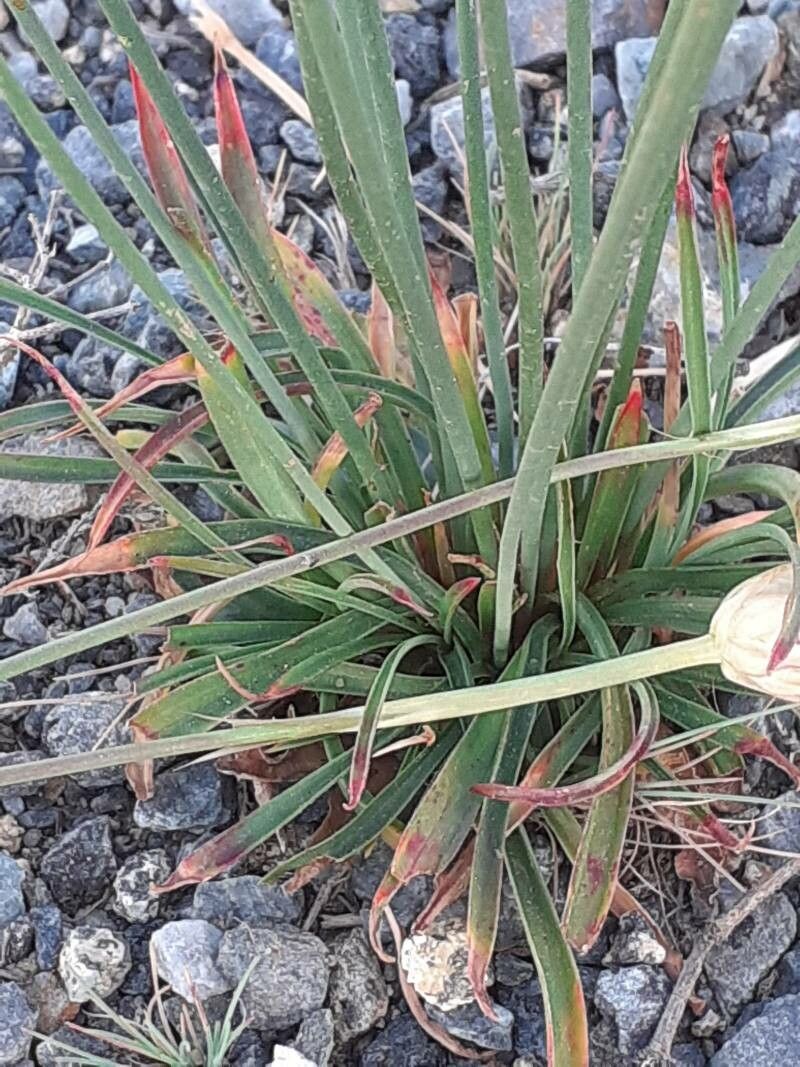
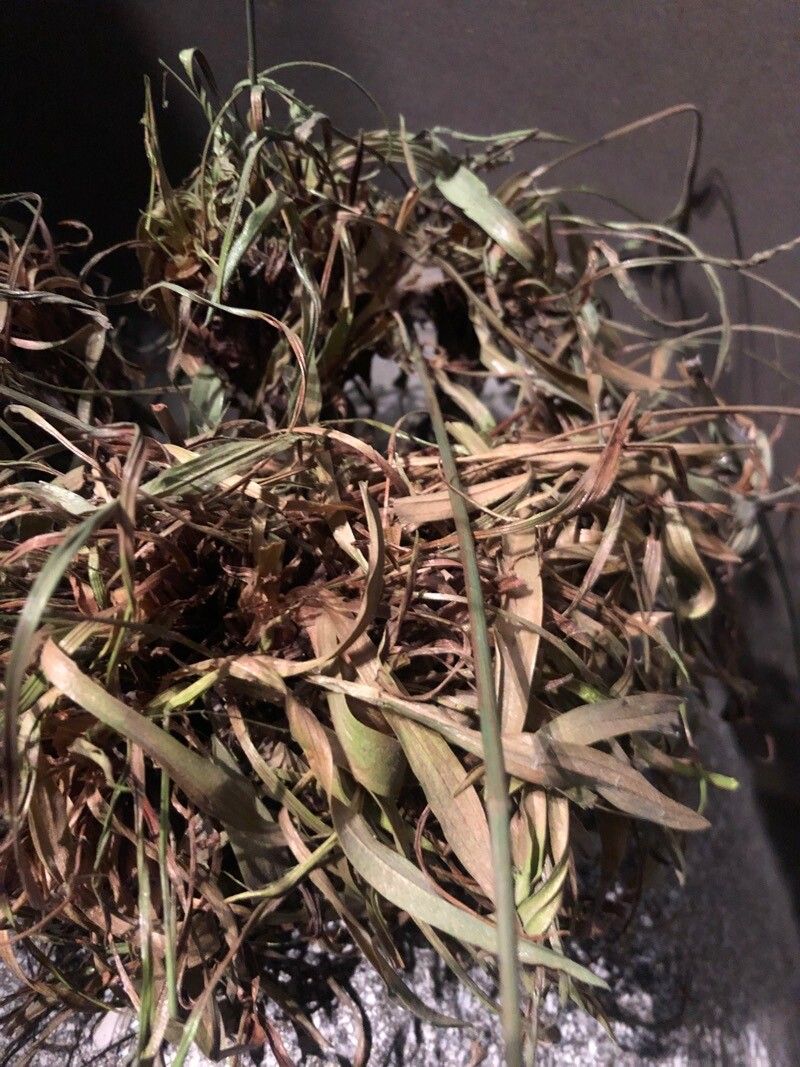
Armeria pseudarmeria, commonly known as False Sea Thrift, is a perennial plant in the Plumbaginaceae family. Native to Europe and Asia, it has become a popular garden choice because of its attractive appearance and low maintenance requirements.
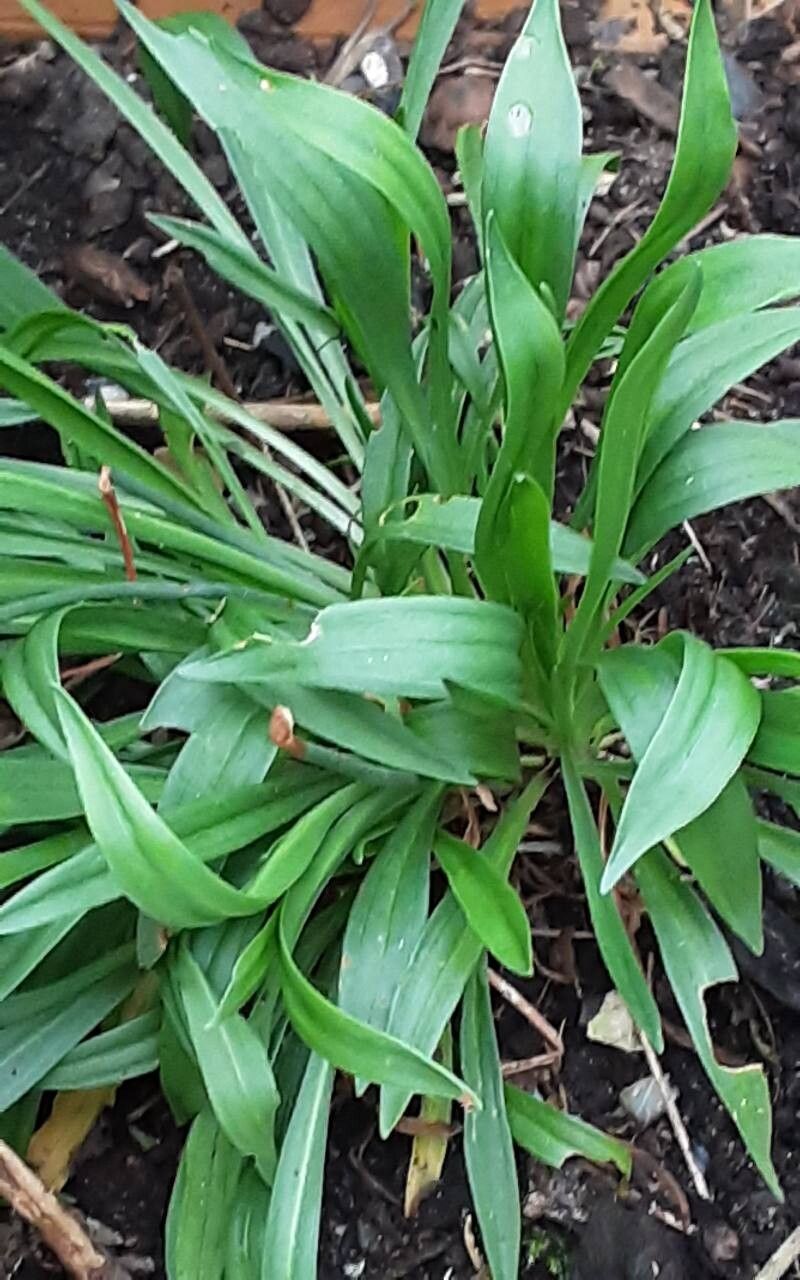
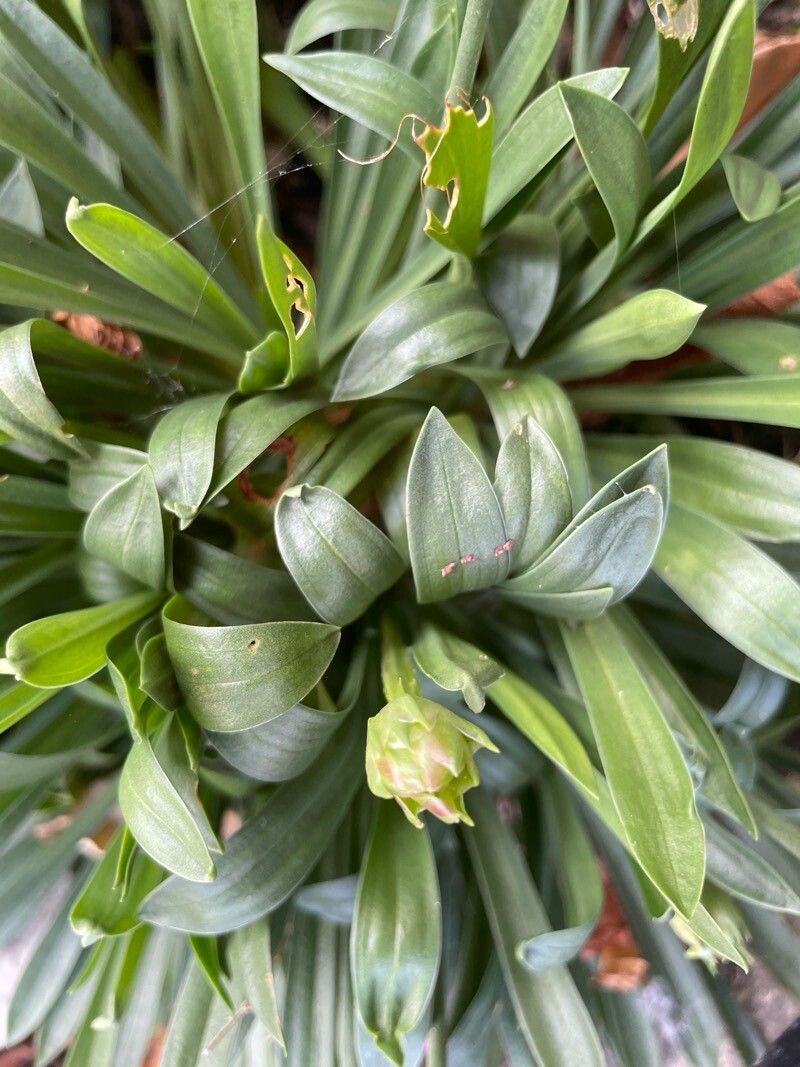
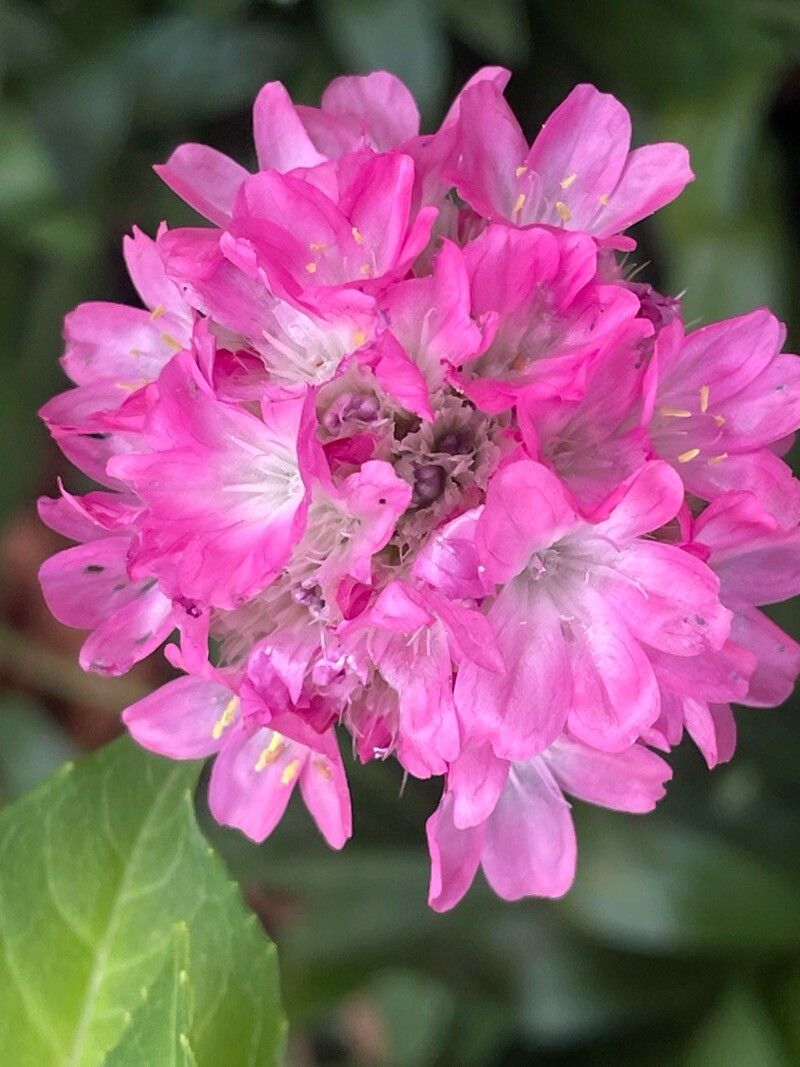
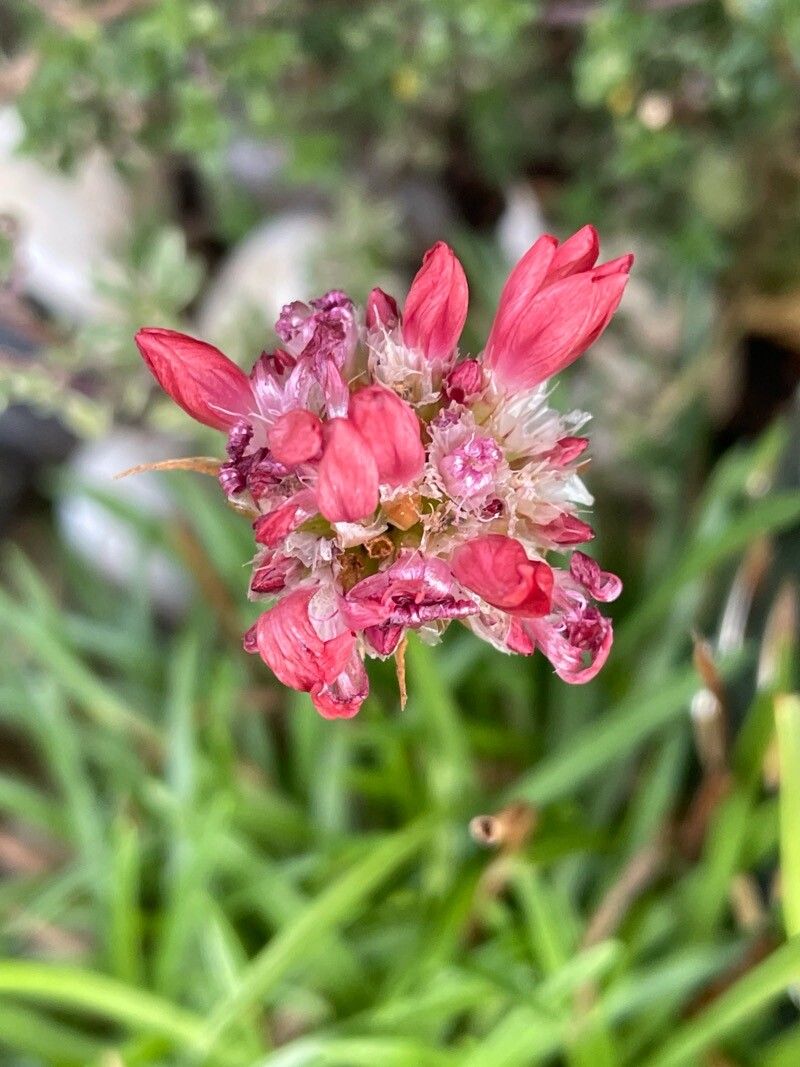
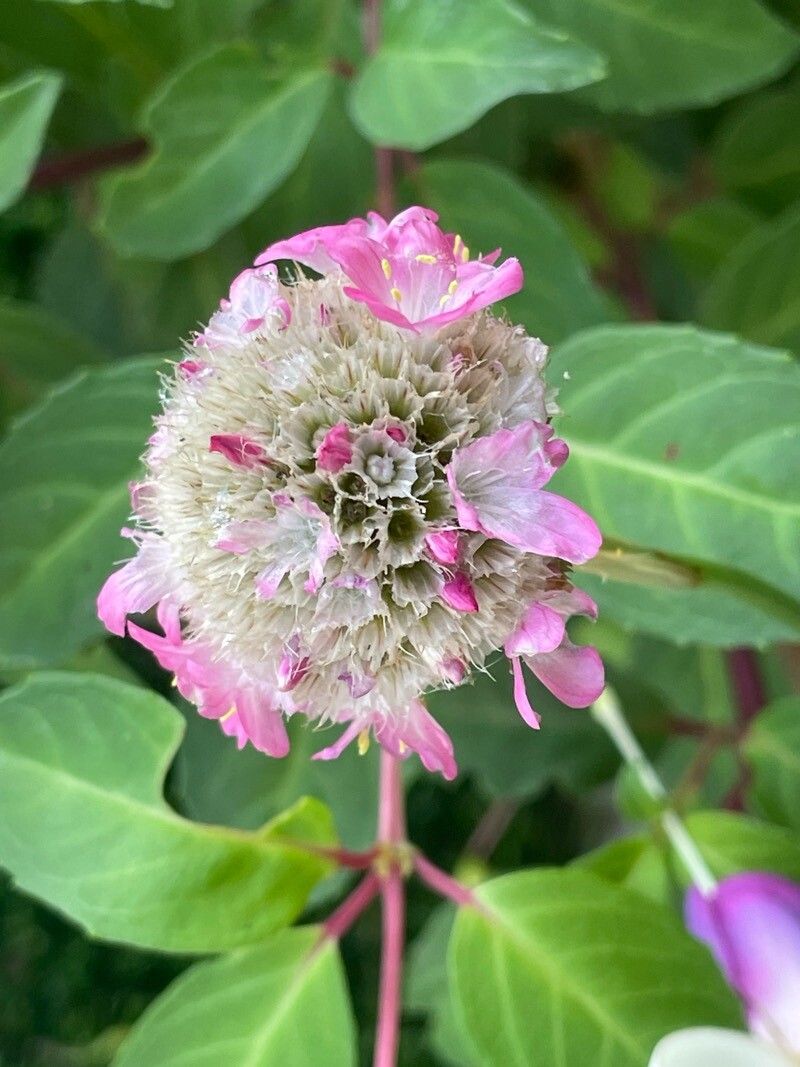
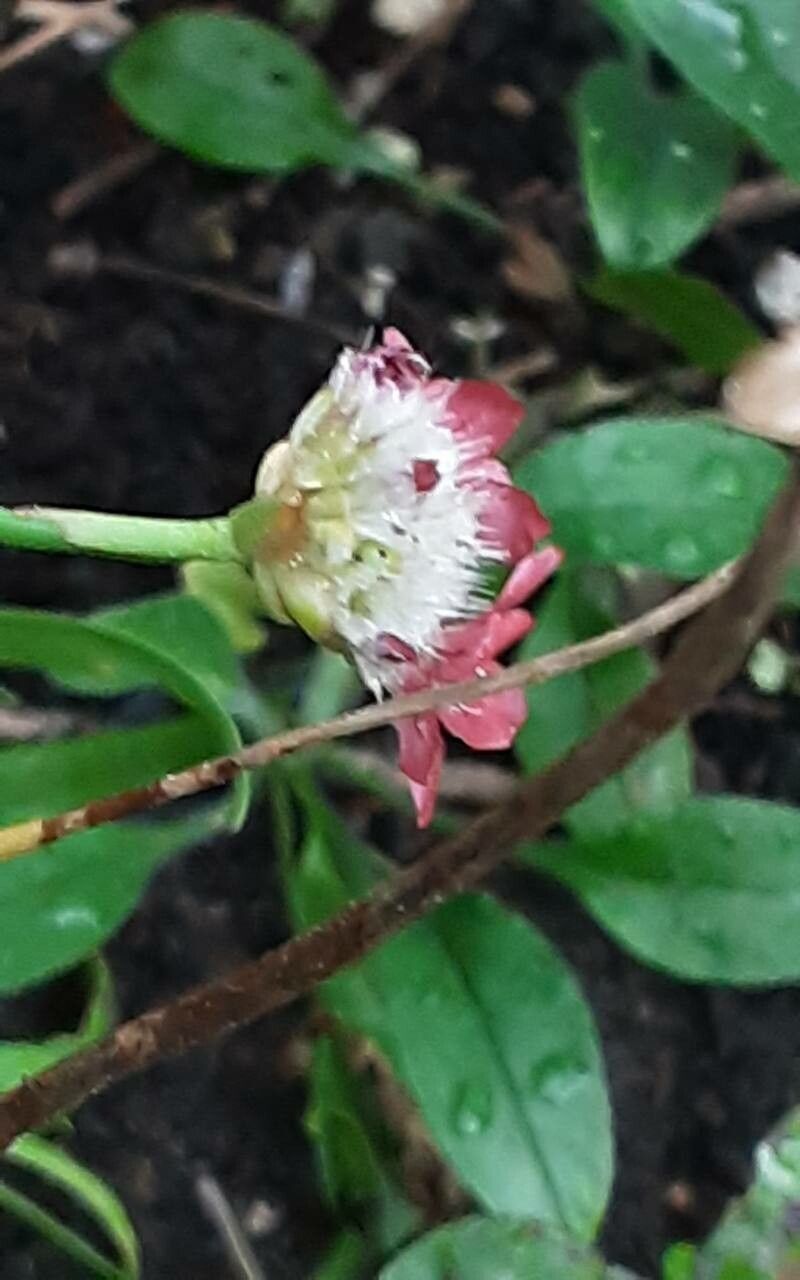
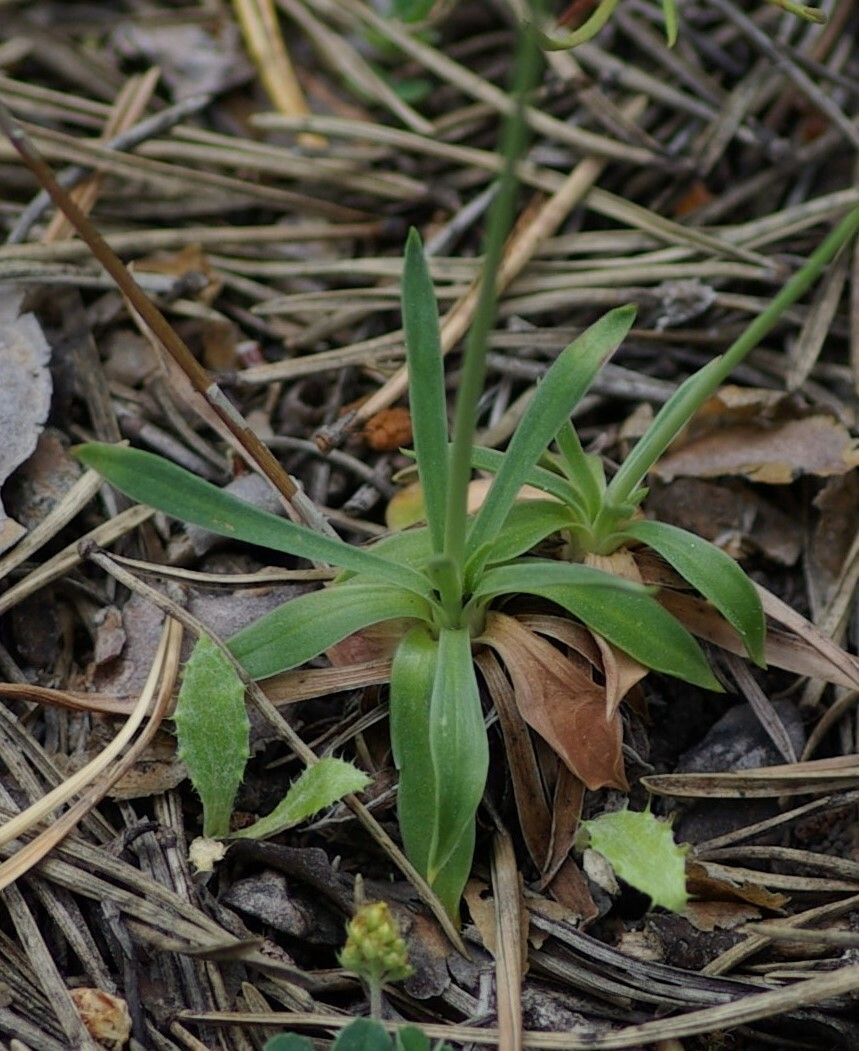
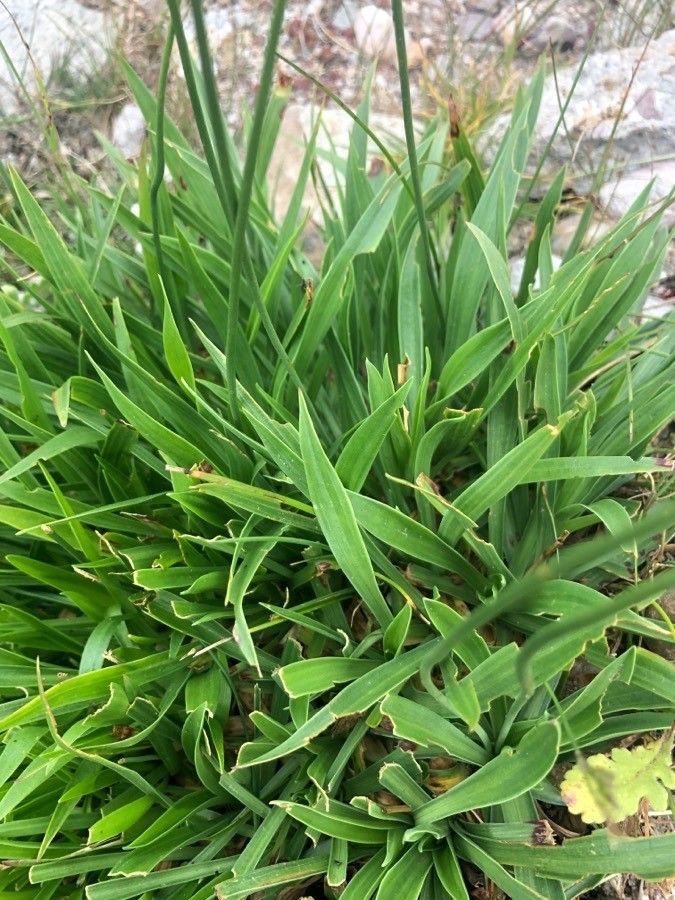
False Sea Thrift features narrow, grass-like leaves that form dense clumps. The leaves are evergreen in mild climates but may die back in colder regions. From late spring through summer, the plant produces tall stems topped with clusters of small pink or white flowers.
This plant prefers well-drained soil and full sun but can also tolerate partial shade. While drought-tolerant once established, it benefits from occasional watering during dry spells.
A hardy perennial, False Sea Thrift is versatile and can be used as ground cover, in rock gardens, borders, or containers. Its nectar-rich flowers attract bees and butterflies, adding to its appeal.
Overall, Armeria pseudarmeria is an excellent choice for gardeners seeking an attractive, low-maintenance plant that provides year-round interest.
Estoril thrift is fairly disease-resistant and usually not prone to illnesses. That said, it can be affected by pests and diseases present in the surrounding area. Such infections tend to be mild. In terms of care, the plant requires a moderate level of maintenance. Regular pruning is needed to keep a tidy appearance and encourage healthy growth. Fertilizing can also help increase flowering. Estoril thrift suits anyone with outdoor space, such as a garden or patio, and does not demand extensive gardening experience. It may need more attention if cultivated indoors.
How to keep Armeria Pseudarmeria.
Light
Estoril thrift is a perennial herbaceous plant that prefers sunny conditions and comes from open habitats, commonly found in meadows and grasslands. It favors full sun but can also tolerate partial sun.
Water
Estoril thrift thrives in arid environments due to its excellent drought tolerance. It prefers low moisture conditions but still requires weekly watering. Originating from regions with minimal rainfall, it has developed adaptations for conserving water as it grows, enabling it to succeed in challenging climates.
Temperature
Estoril thrift can tolerate a wide range of temperatures, but its distribution may still be restricted by different combinations of moisture and heat. It performs best in warm summer climates with sufficient rainfall or watering. Extended periods of cloudy, rainy weather, as well as prolonged high temperatures, can increase the chance of Estoril thrift dying. In winter, giving proper protection from cold can improve the plant's survival.
Fertilizer
The best time to fertilize an Estoril thrift is in early spring, as it comes out of dormancy and starts active growth. Fertilization supplies essential nutrients for healthy development. Although Estoril thrift has fairly low fertilizer needs, applying fertilizer once a year can improve its survival and encourage better, longer-lasting flowers.
Pruning
Estoril thrift is a hardy perennial known for its pink flowers and evergreen foliage. To encourage growth and prevent legginess, prune the spent stalks in early spring. Regularly deadheading the plant will also enhance its blooming. Careful pruning helps revitalize Estoril thrift, boosting its vigor and ornamental appeal.
Botanical profile.
- Plant Type
- Herb
- Life Cycle
- Perennial
- Genus
- Armeria
- Family
- Plumbaginaceae
- Hardiness Zone
- 4-9
- Mature Height
- 34 cm
- Mature Spread
- 40 cm
- Leaf Color
- Green
- Leaf Type
- Evergreen
- Flower Color
- Pink
- Flower Size
- 2.03 cm to 3.05 cm
- Bloom Time
- Mid spring, Late spring, Early summer, Mid summer
- Planting Time
- Spring, Autumn
- Harvest Time
- Summer
- Native Area
- Portugal
Other names.
Reader questions.
What are the sunlight requirements for Estoril thrift?
Estoril thrift is a sun-loving perennial that thrives in full sun, which means it requires more than 6 hours of sunlight daily. However, it can also tolerate partial sun conditions, where it gets about 3-6 hours of sunlight. It's important to observe how sunlight moves through your garden to choose spots that provide the right balance of light and shade, ensuring your plants' happiness.
How important is artificial lighting for indoor Estoril thrift plants?
Artificial lighting is essential for Estoril thrift plants grown indoors, especially in conditions where natural sunlight is insufficient like in winter or less sunny spaces. LED lights are recommended as they can provide specific wavelengths needed for optimal growth. For full sun plants, 30-50W/sq ft of artificial light is needed; partial sun plants require 20-30W/sq ft; and full shade plants need 10-20W/sq ft. It's crucial to place the light source 12-36 inches above the plant to mimic natural sunlight and ensure the plant receives 8-12 hours of light per day.
What are the signs of insufficient light in Estoril thrift?
When Estoril thrift is grown in rooms with inadequate lighting, it may display symptoms such as small leaves, leggy or sparse growth, faster leaf drop, slower or no new growth, and lighter-colored new leaves. Chlorosis, or the yellowing of leaves, can also occur due to a lack of chlorophyll. Other signs of light stress include sunscald, leaf curling, wilting, and leaf scorching, indicating the plant is not receiving the optimal amount of sunlight for healthy growth.
How can I manage Estoril thrift with insufficient light?
To manage Estoril thrift suffering from insufficient light, gradually move the plant to a sunnier location, aiming for at least 6 hours of direct sunlight if possible. Use south-facing windows and keep curtains open during the day. If the plant is large or hard to move, consider artificial lighting, keeping lamps on for at least 8 hours daily. If planting outdoors, adjust placement gradually to avoid sunburn. Prune any obstructing trees or branches to improve sunlight exposure. For smaller plants that can be moved, consider transplanting to a sunnier location during their dormant period, ensuring good sunlight and drainage.