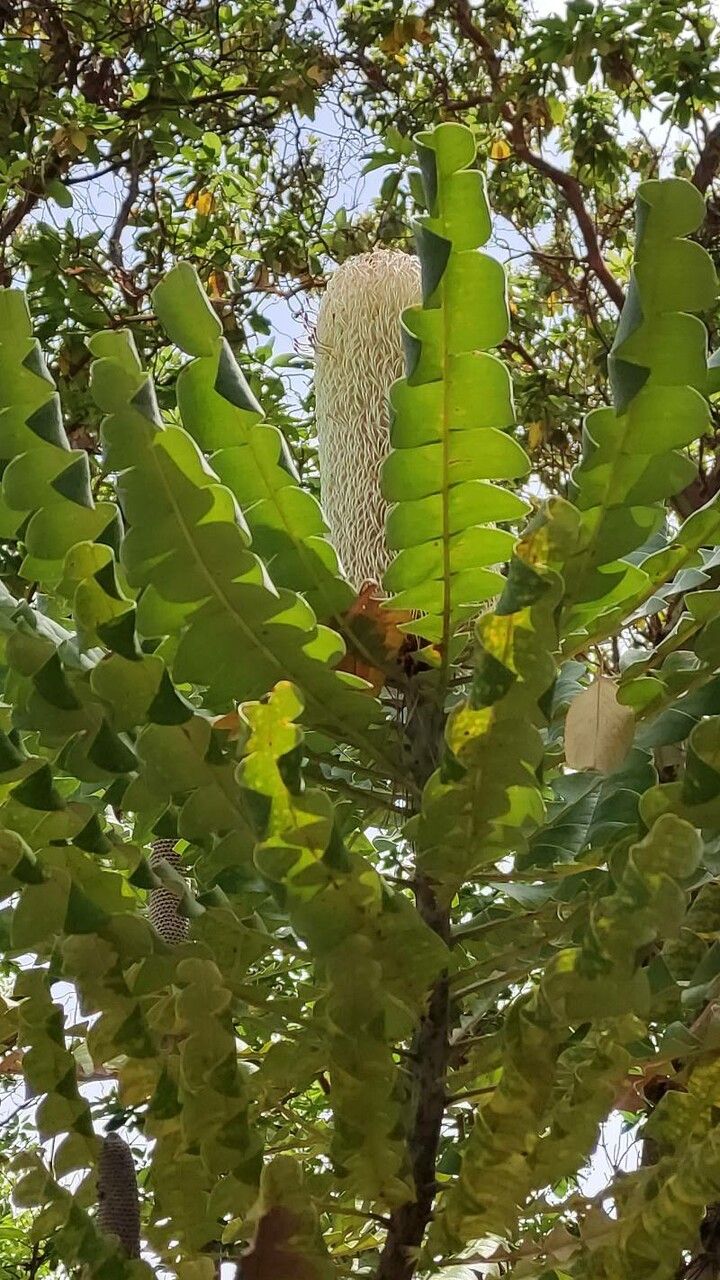
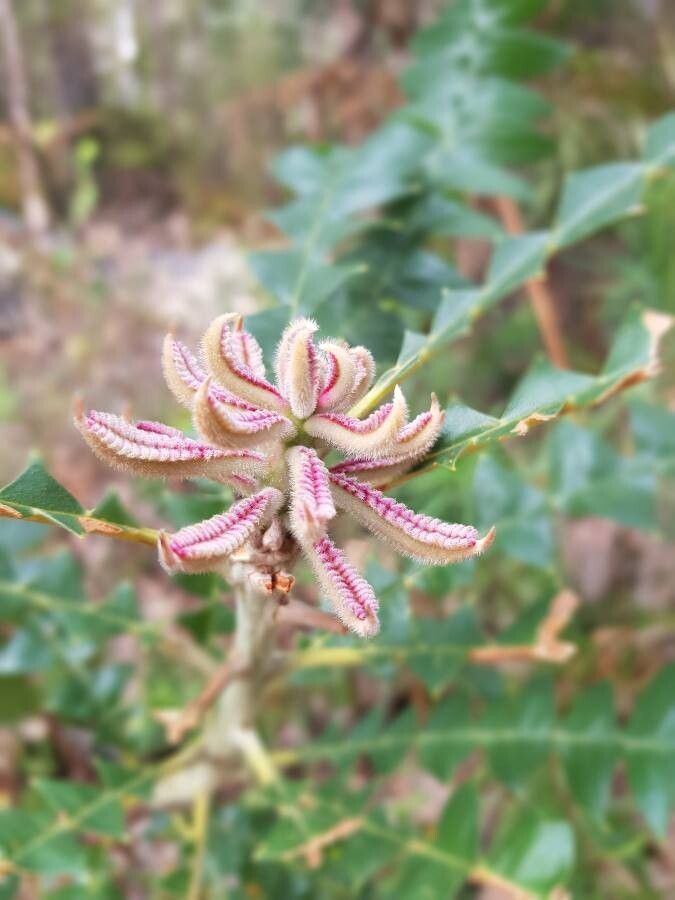
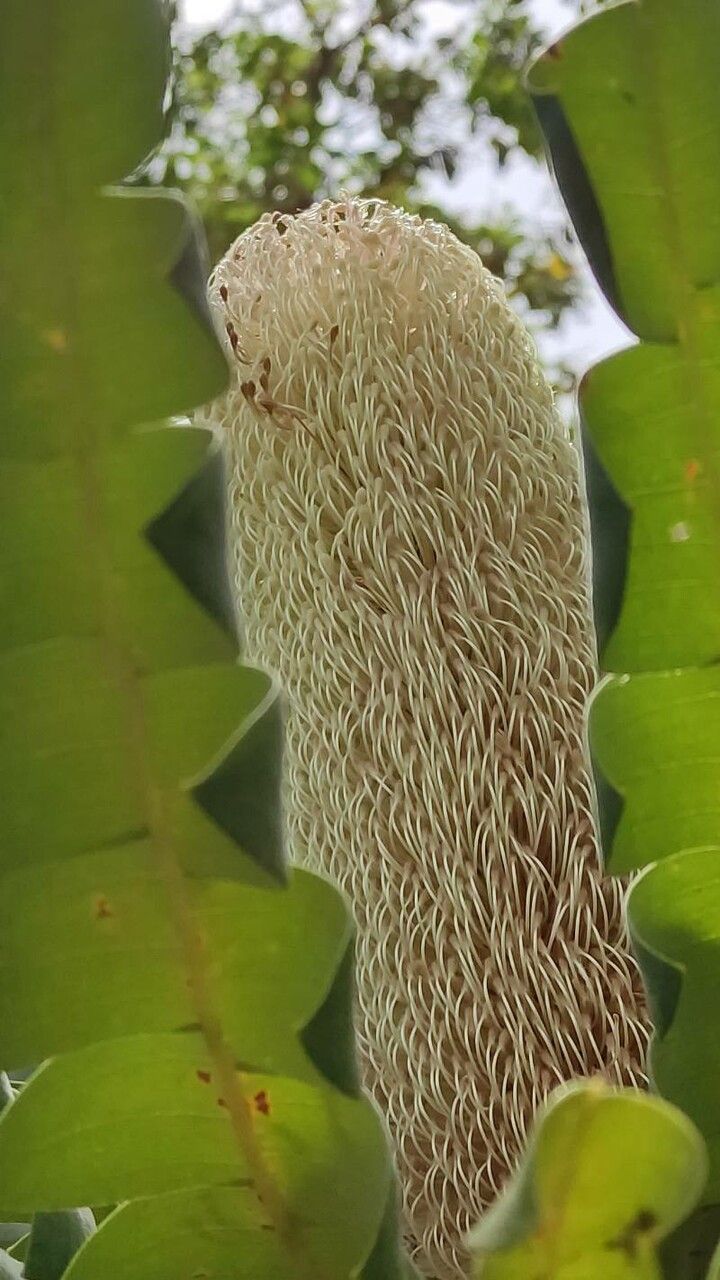
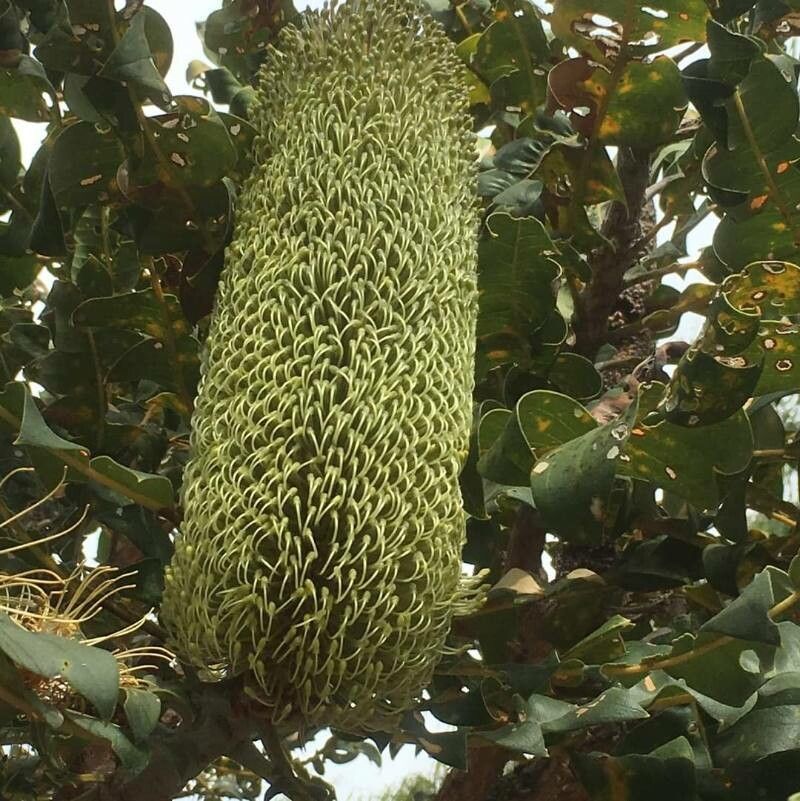
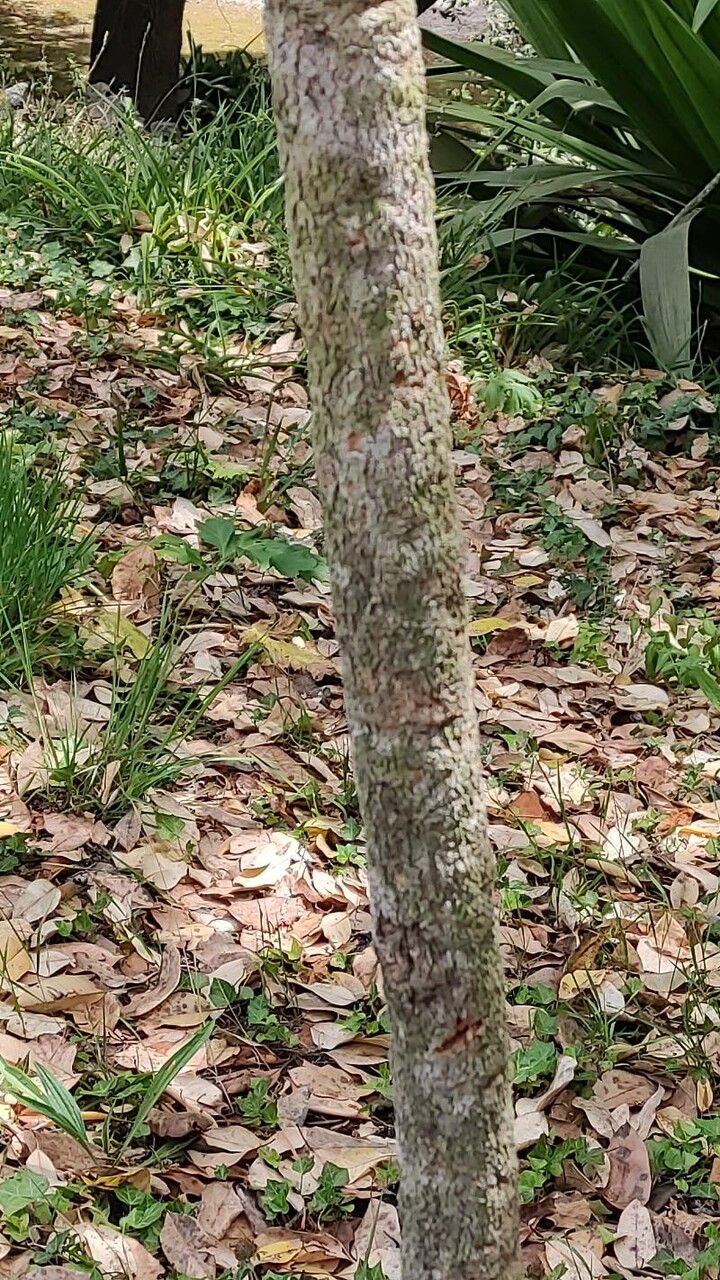
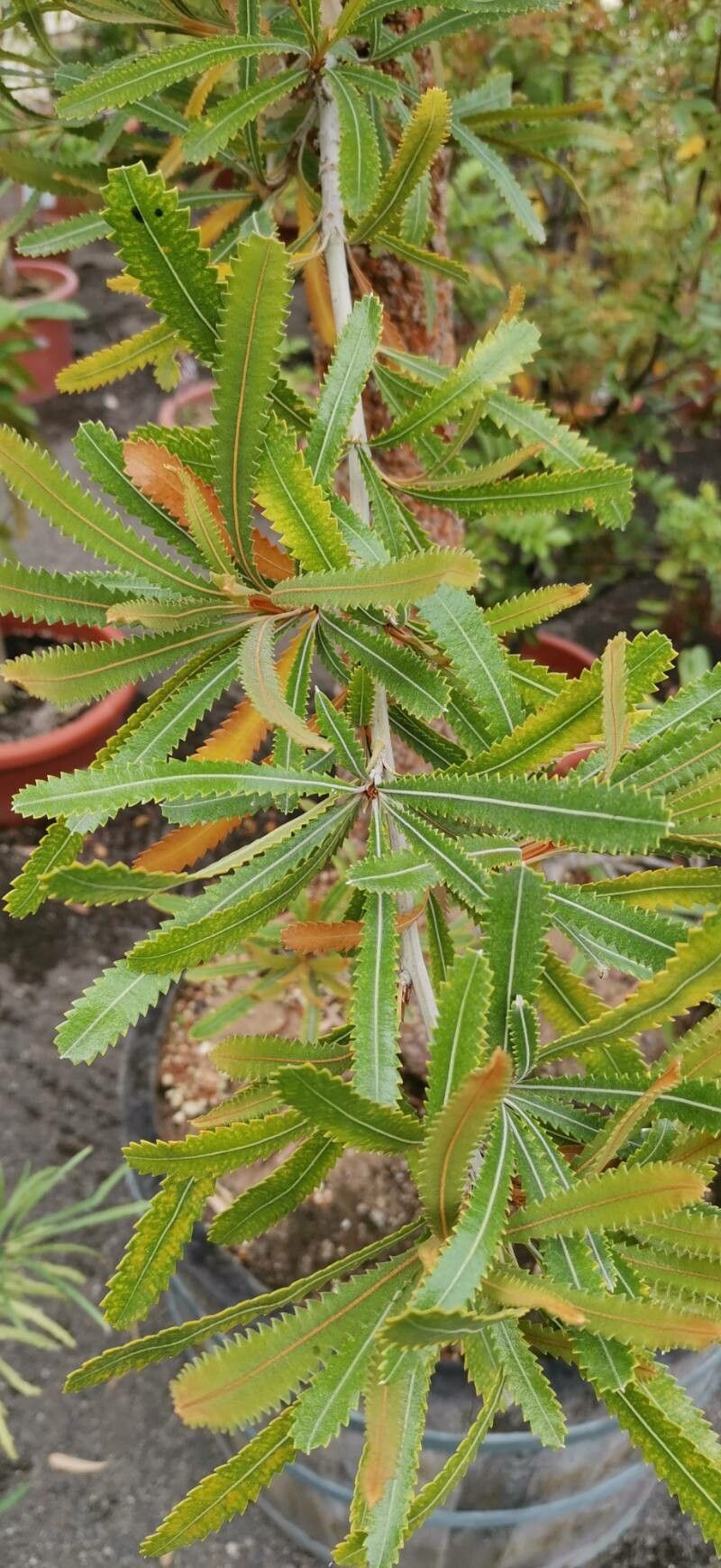
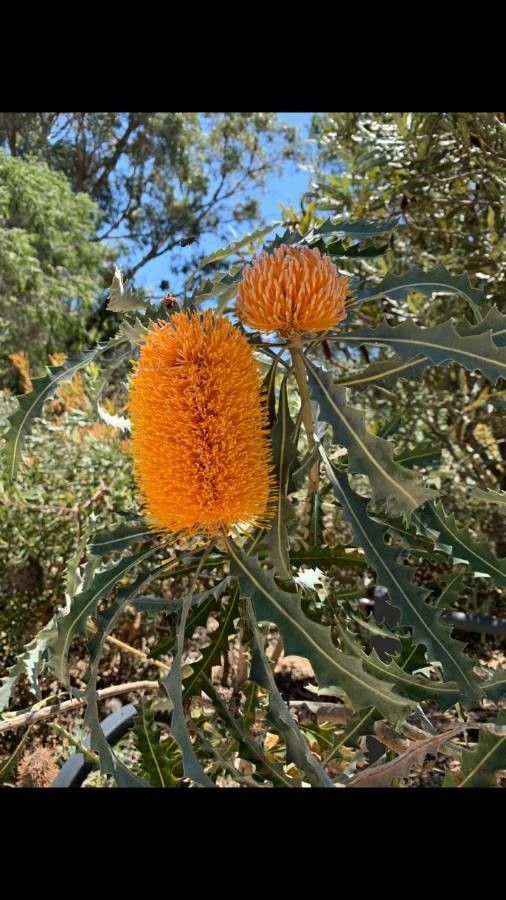
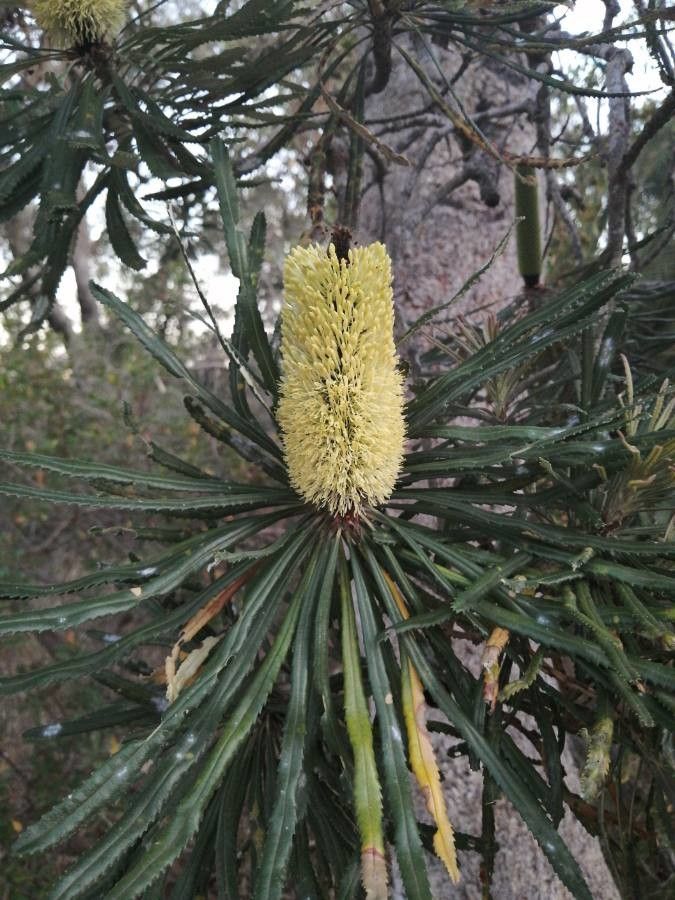
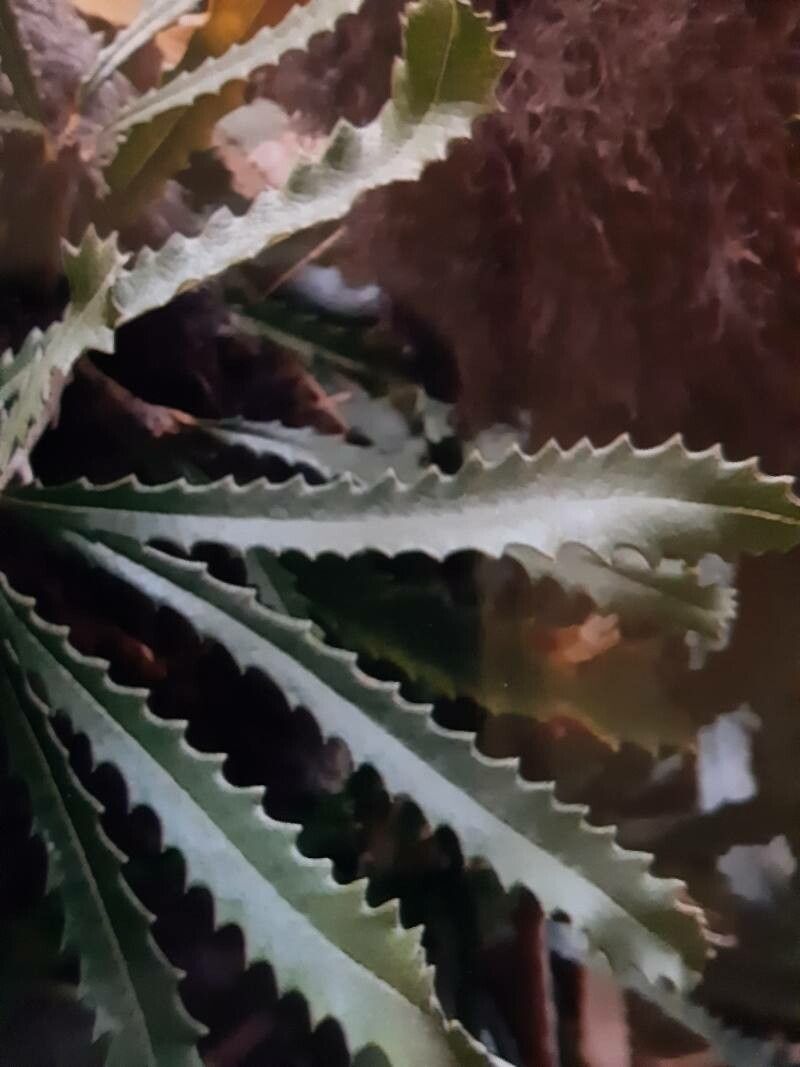
Banksia grandis, commonly known as bull banksia or giant banksia, is a species of common and distinctive tree in the south-west of Western Australia. The Noongar peoples know the tree as beera, biara, boongura, gwangia, pira or peera. It has a fire-resistant main stem with thick bark, pinnatisect leaves with triangular side-lobes, pale yellow flowers and elliptical follicles in a large cone.
Bull banksia resists disease well and is generally not susceptible to illnesses. Regarding care, this plant is fairly low-maintenance. When grown outdoors it needs only minimal watering, and larger specimens usually do not require pruning. Smaller plants, however, should be pruned after they finish flowering. Bull banksia is suitable for anyone with an outdoor area, such as a garden or deck, and does not require much prior care experience.
How to keep Banksia Grandis.
Light
Bull banksia favors ample sun exposure to grow vigorously. It can tolerate moderate light, but its best health and growth occur when it receives abundant sunshine. Because it comes from sun-rich habitats, insufficient light can result in weaker growth, whereas excessive sun seldom causes problems.
Water
Bull banksia originates from Australia's dry regions and is highly drought-tolerant. It has deep roots that allow it to extract moisture effectively. This plant thrives in well-draining soil and requires minimal watering, typically every 2-3 weeks. Its growth aligns with seasonal rainfall, making it an excellent choice for xeriscaping.
Temperature
Bull banksia is highly adaptable to a range of climate conditions, from searing summers to cold winters. It still has an optimal temperature range for growth. When temperatures get excessively high, the plant is vulnerable to heat and humidity stress, which can cause it to die. In areas where temperatures approach the lower limit of its cold tolerance, it is important to provide insulation to protect the plant.
Fertilizer
Timing is essential when fertilizing Bull banksia. Begin fertilizing in early spring and continue once a month until early summer. Fertilizer promotes attractive blooms and supplies energy during both dormant and active growth periods.
Pruning
Bull banksia, known for its distinctive leaves and attractive flower spikes, flourishes when pruned correctly. To care for this plant, concentrate on removing dead branches and lightly shaping it during its dormant period, which occurs from early to late winter. Using clean, sharp tools will encourage healthy growth, enhance flowering, and improve air circulation.
Botanical profile.
- Plant Type
- Tree
- Life Cycle
- Perennial
- Genus
- Banksia
- Family
- Proteaceae
- Hardiness Zone
- 9-11
- Mature Height
- 4.88 m to 14.94 m
- Mature Spread
- 3.05 m to 4.88 m
- Leaf Color
- Dark Green
- Leaf Type
- Evergreen
- Flower Color
- Yellow
- Flower Size
- 6.35 cm to 8.89 cm
- Bloom Time
- Winter, Early spring, Mid spring
- Planting Time
- Spring, Summer, Autumn
- Harvest Time
- Spring, Early summer, Mid summer
Other names.
Reader questions.
What are the sunlight requirements for Bull banksia?
Bull banksia requires substantial exposure to sunlight for thriving growth, showing optimal health and growth when basking in abundant solar radiation. It is tolerant to moderate sunlit conditions, but its native habitat is characterized by plentiful sunlight. Hence, underexposure may lead to less vigorous growth, though overexposure is generally not problematic. For growth, Full sun indicates the need for above 6 hours of sunlight, while Partial sun requires about 3-6 hours of sunlight.
What should be done if natural sunlight is insufficient for Bull banksia?
If natural sunlight is insufficient, especially during winter or in less sunny spaces, artificial lighting can be a vital solution for Bull banksia. It's recommended to use LED lights, which can be customized to meet the specific light wavelengths your plants need. For full sun plants, 30-50W/sq ft of artificial light is needed, partial sun plants require 20-30W/sq ft, and full shade plants need 10-20W/sq ft. The light source should be placed 12-36 inches above the plant, and mimicking natural daylight hours, most plants need 8-12 hours of light per day.
What are the symptoms of light deficiency in Bull banksia?
In conditions of suboptimal lighting, Bull banksia may exhibit symptoms of light deficiency including small new leaves, leggy or sparse growth, faster leaf drop, slowed or halted growth, lighter-colored new leaves, chlorosis, sunscald, leaf curling, wilting, and leaf scorching. These symptoms indicate a struggle with the available light, affecting the plant's health and growth.
How can you counteract the symptoms of light deficiency in Bull banksia?
To counteract light deficiency in Bull banksia, gradually move plants to sunnier locations to ensure at least 6 hours of direct sunlight daily. Use south-facing windows and keep curtains open during the day for maximum sunlight. If the plant is large or not easily movable, consider using artificial light. Keep a desk or ceiling lamp on for at least 8 hours daily, or invest in professional plant grow lights. Reducing obstructions and transplanting to locations with better sunlight and drainage can also help. Note that while parts of the plant that suffered may not recover, new growth will be healthy after adjusting the light exposure.