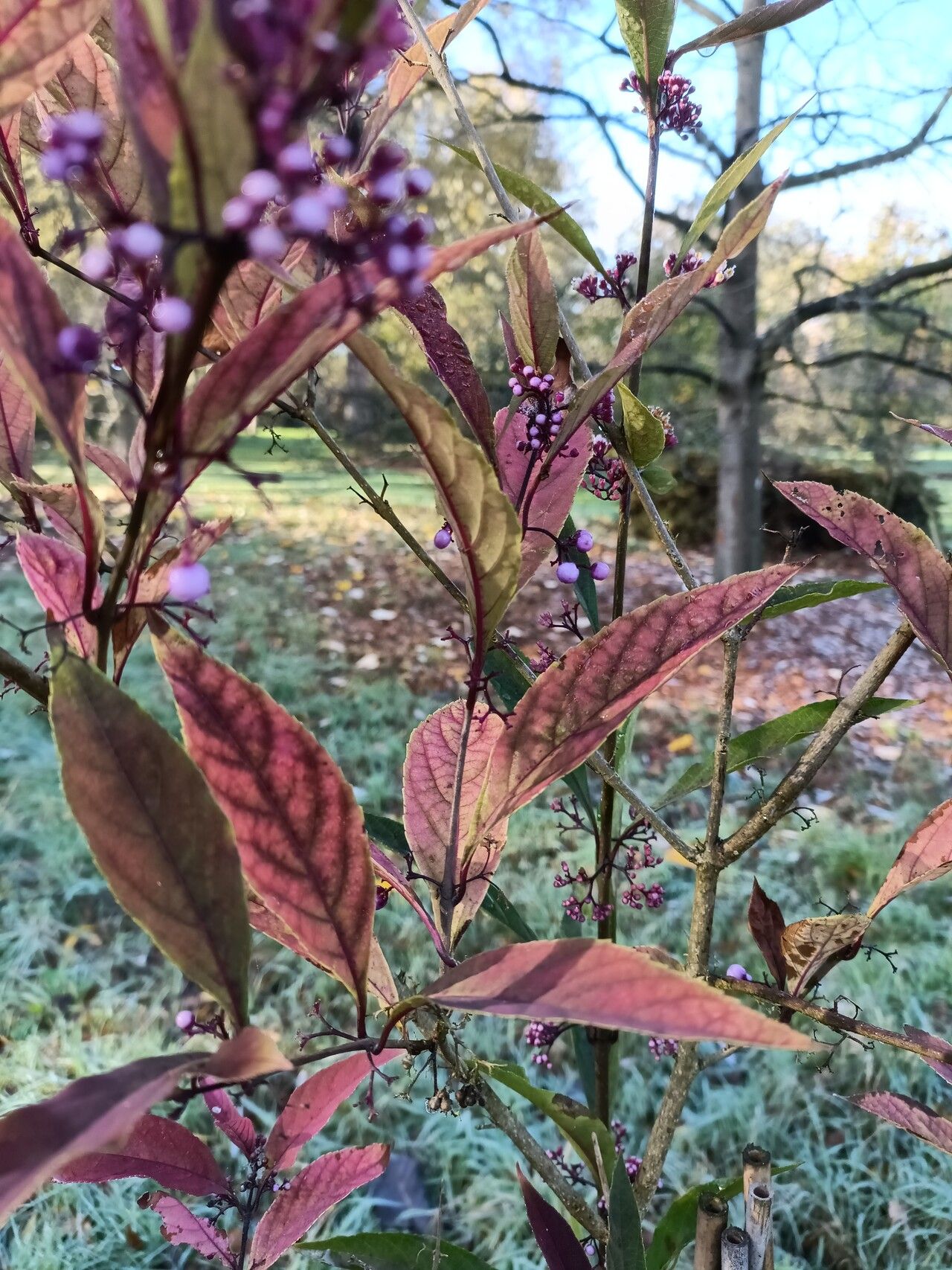
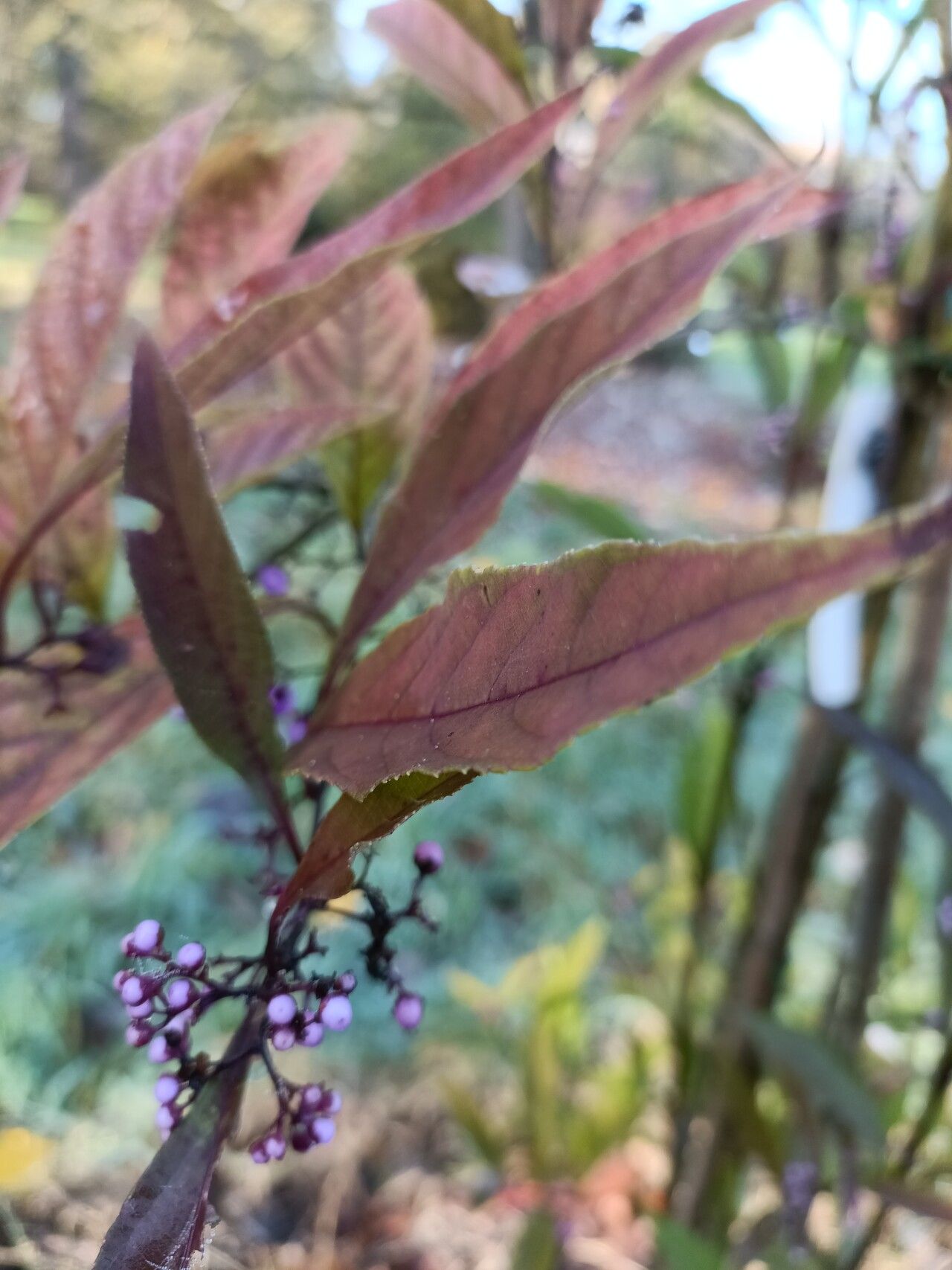
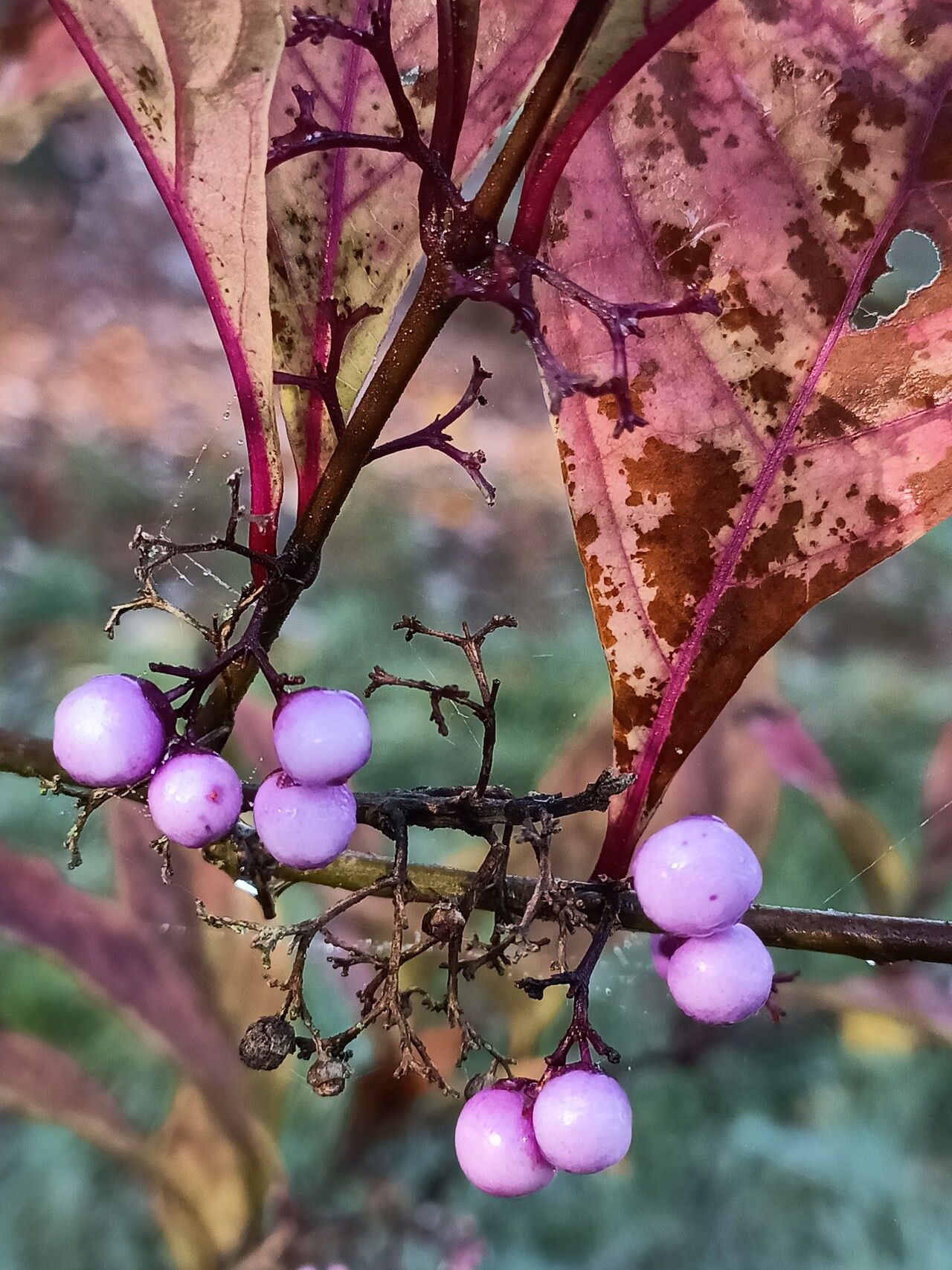
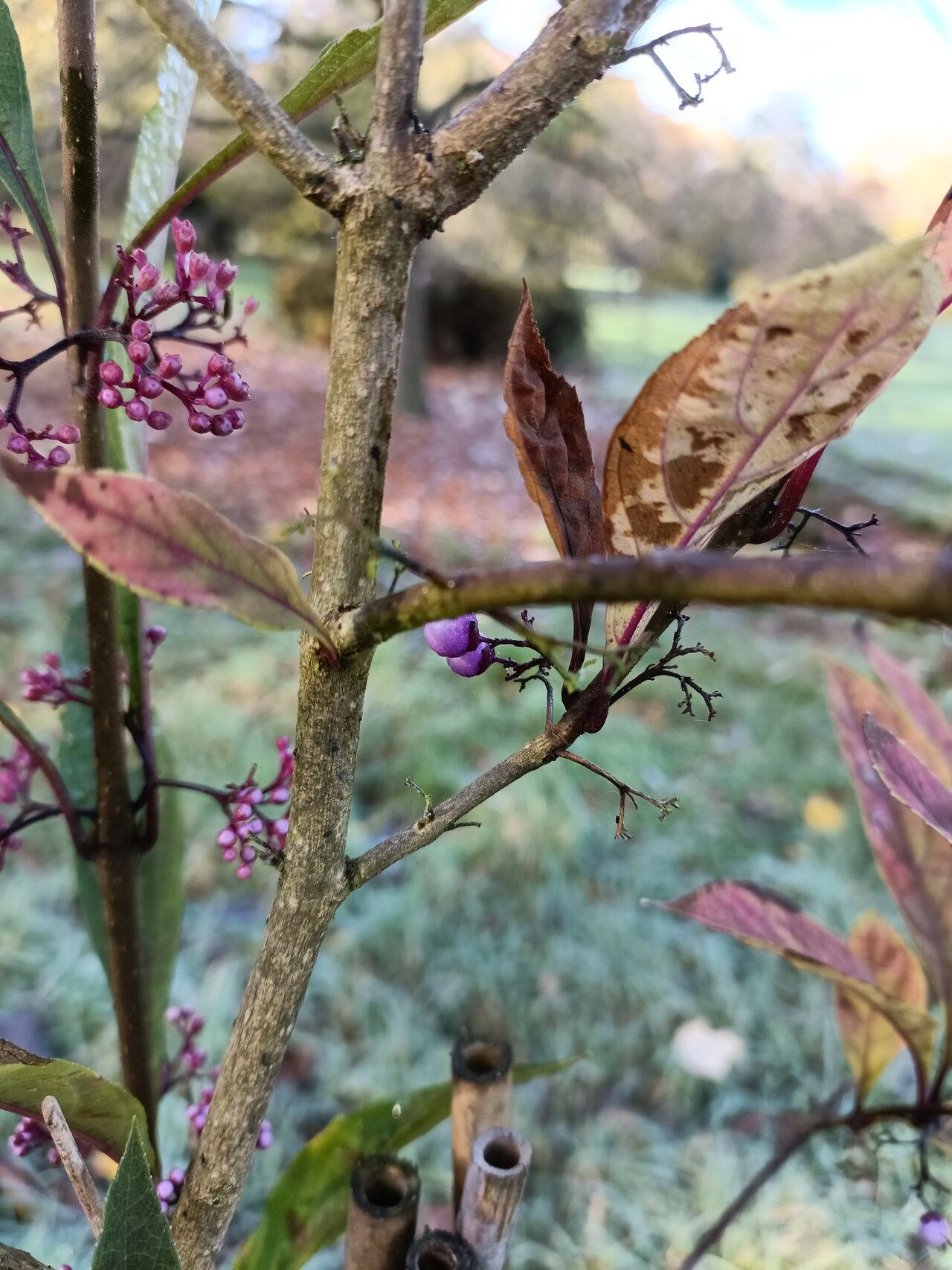
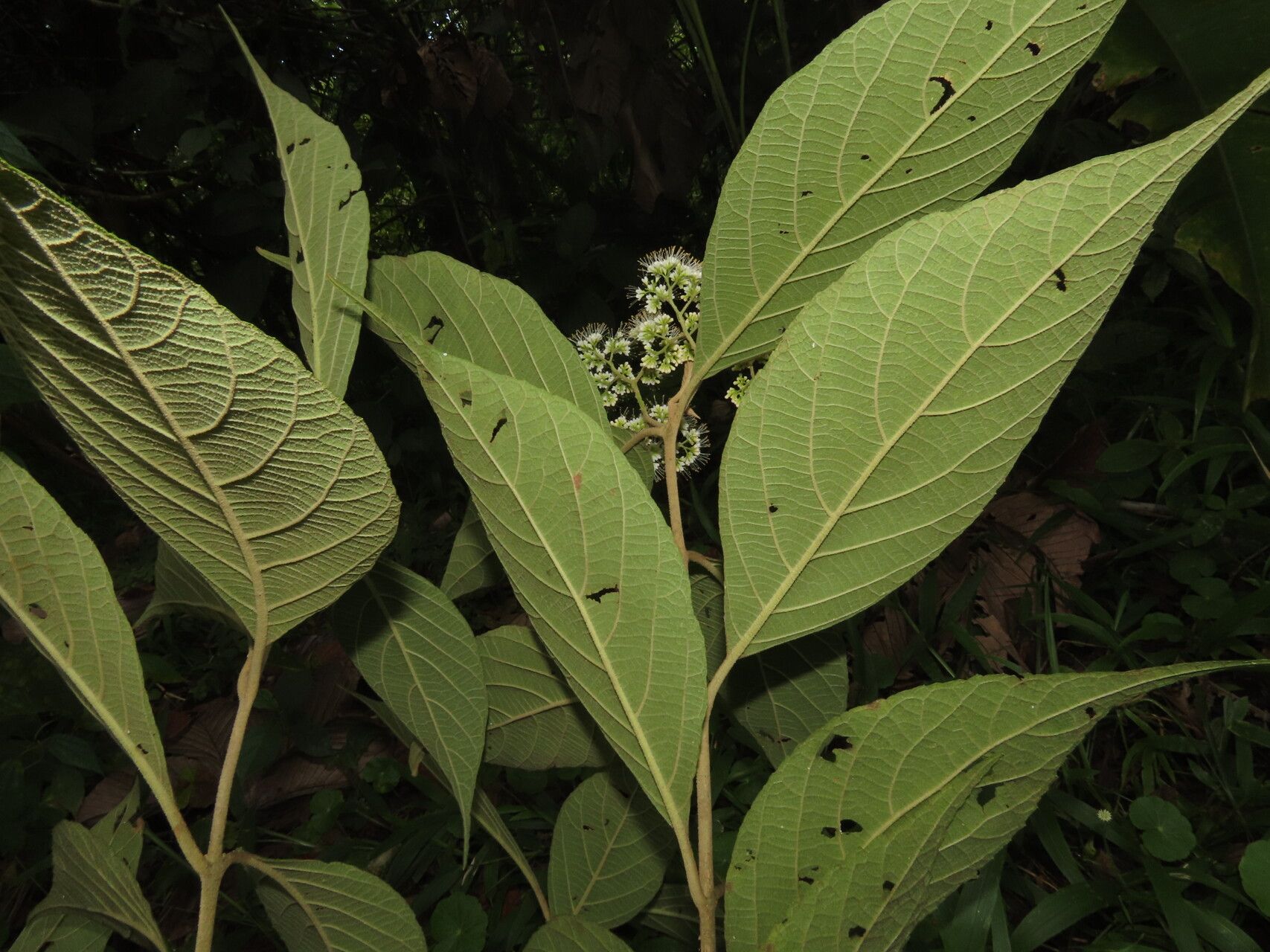
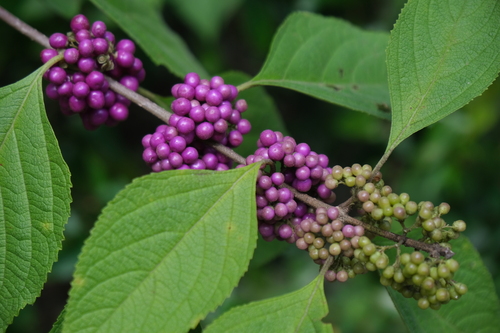
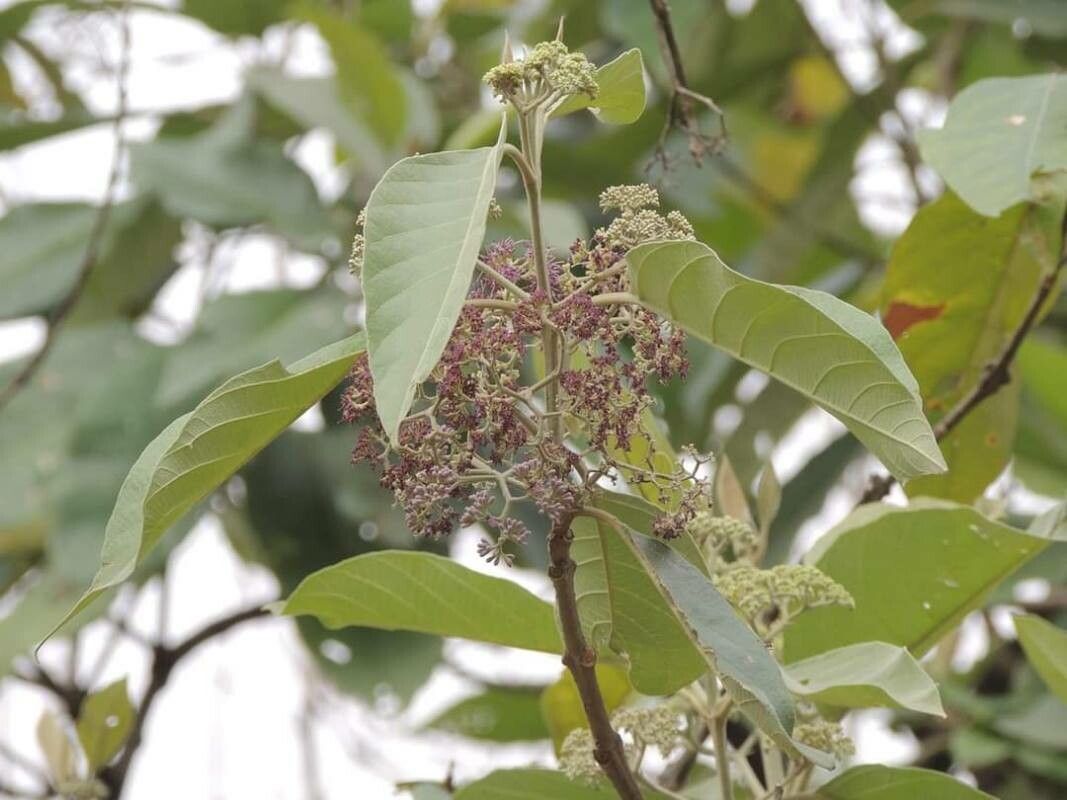
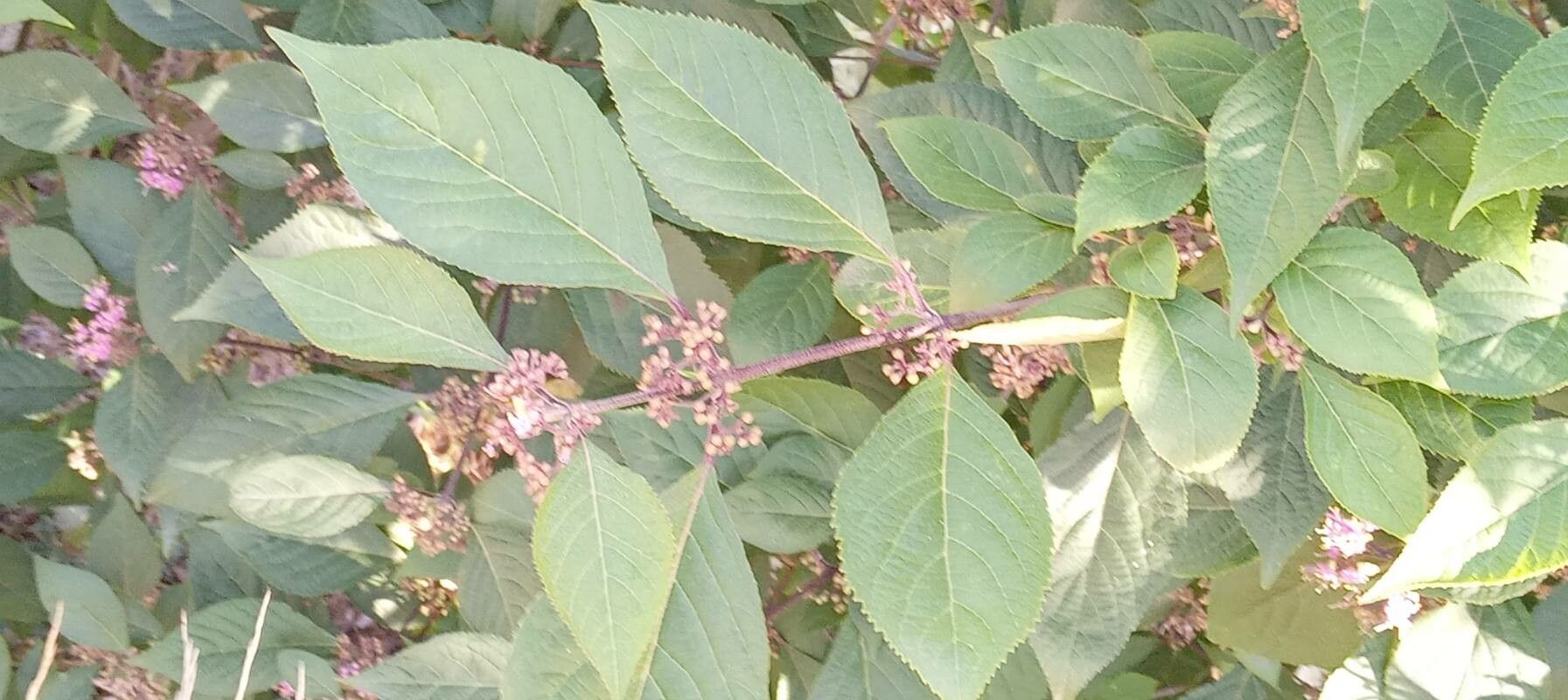
Callicarpa kwangtungensis is a species of beautyberry. The tree is introduced in Europe as an ornamental plant. The fruit is light-pink and grows in small clusters. The flowers can range from pink to white. It is endemic to China. The berries are very bitter and inedible for human use. Birds and other wild life won't eat them unless all their food sources are depleted.
Callicarpa kwangtungensis is resistant to disease and is generally not prone to illnesses. In terms of care, this plant is fairly low-maintenance. Planted outdoors it needs only minimal watering, and larger specimens typically do not require pruning. Smaller plants, however, should be pruned after they finish blooming. Callicarpa kwangtungensis is appropriate for anyone with an outdoor area, such as a garden or deck, and does not require extensive care experience.
How to keep Callicarpa Kwangtungensis.
Light
Callicarpa kwangtungensis occurs naturally in habitats such as forest understories or rocky sites, where it grows under natural shade. It prefers partial sun but can tolerate full sun or deep shade, showing its adaptable and hardy character.
Water
Callicarpa kwangtungensis flourishes in moist environments, provided there is no waterlogging. During dry seasons, increase watering and humidity to support the plant's needs. In contrast, during rainy seasons, ensure proper drainage to prevent root damage and leaf yellowing from excess water. In winter, reduce watering since Callicarpa kwangtungensis grows more slowly in the colder months.
Temperature
Callicarpa kwangtungensis demonstrates good temperature adaptability, tolerating high heat and large temperature fluctuations. In hot conditions, attention should be paid to watering and providing suitable shade to avoid sunscald. Conversely, Callicarpa kwangtungensis is less tolerant of low temperatures. While it endures some cold, overly frigid conditions can result in frost damage.
Fertilizer
Fertilize your Callicarpa kwangtungensis in early spring to encourage healthy growth. Regular feeding improves overall vigor, producing vigorous development, greater toughness in challenging conditions, and enhanced resistance to pests and diseases. Keep a consistent fertilization routine for your Callicarpa kwangtungensis to maintain foliage that is vivid in color and lush in appearance.
Pruning
Callicarpa kwangtungensis is known for its beautiful purple berries. To keep the plant healthy and vibrant, prune it in early spring. Focus on removing any dead branches to improve air circulation and increase sunlight exposure. Regular pruning helps maintain the plant's shape and enhances its flowering. Be sure to use clean, sharp tools to reduce the risk of disease, ensuring that your Callicarpa kwangtungensis thrives throughout the year.
Botanical profile.
- Plant Type
- Shrub
- Life Cycle
- Perennial
- Genus
- Callicarpa
- Family
- Lamiaceae
- Hardiness Zone
- 7-10
- Mature Height
- 1.52 m
- Mature Spread
- 1.52 m
- Leaf Color
- Green, Dark Green
- Leaf Type
- Deciduous
- Flower Color
- Pink, Lavender
- Flower Size
- 0.25 cm to 0.51 cm
- Bloom Time
- Early summer, Mid summer
- Planting Time
- Autumn, Winter
- Harvest Time
- Fall
- Native Area
- China