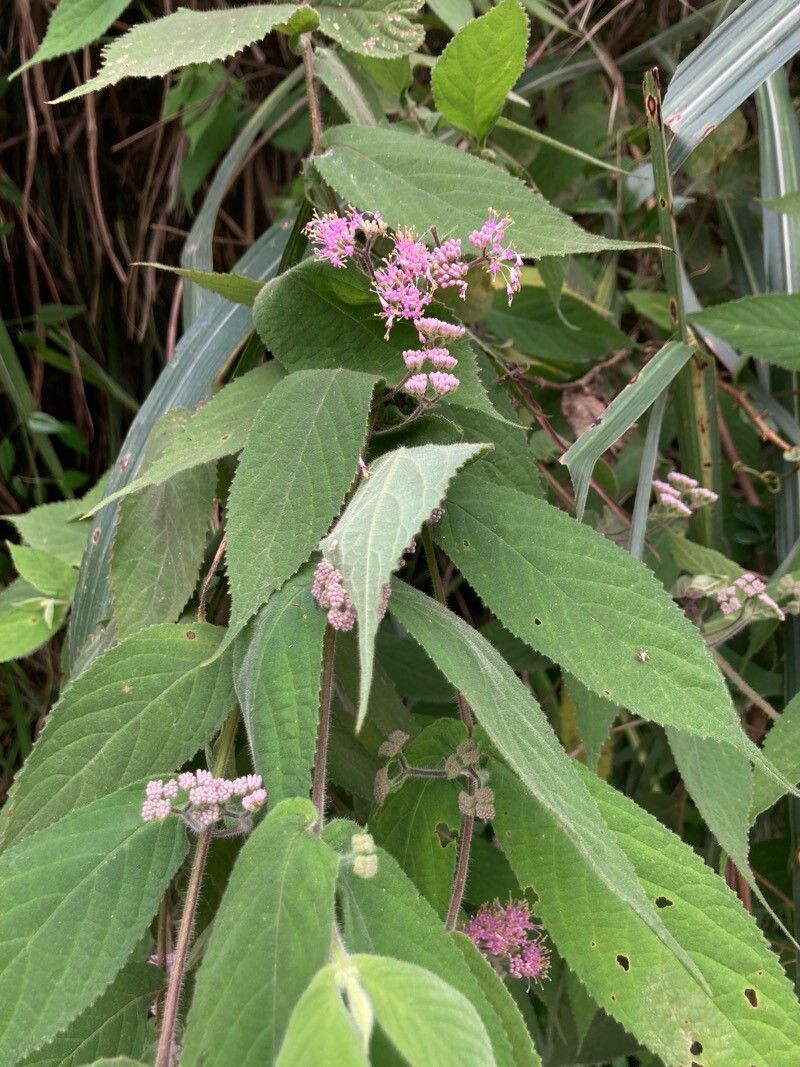
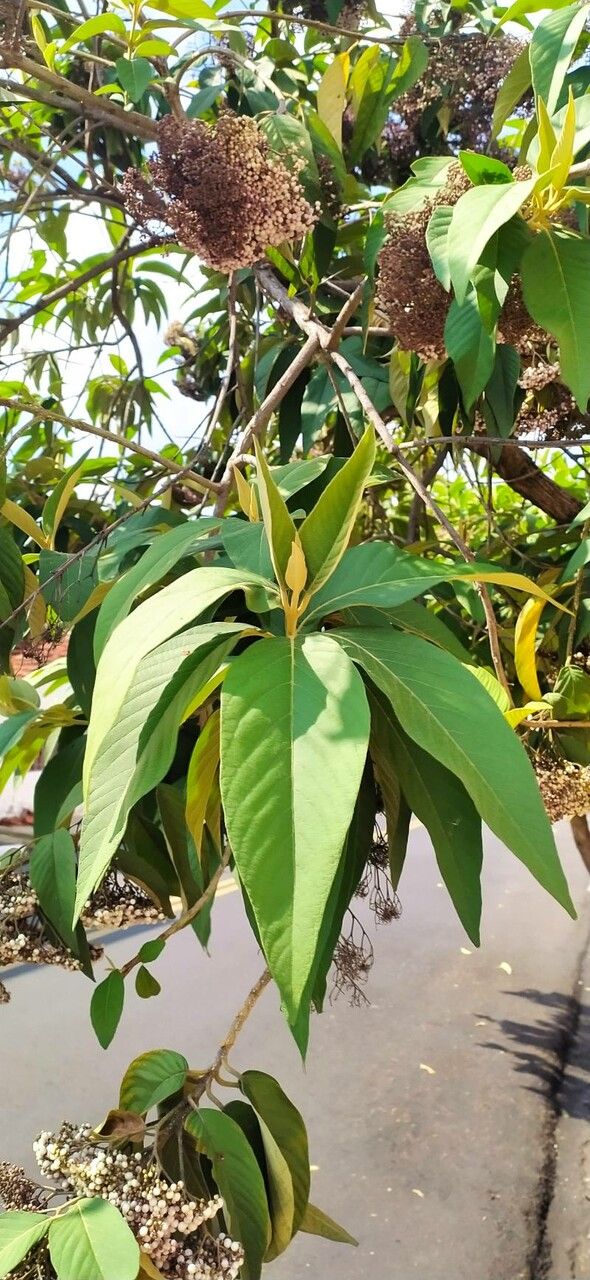
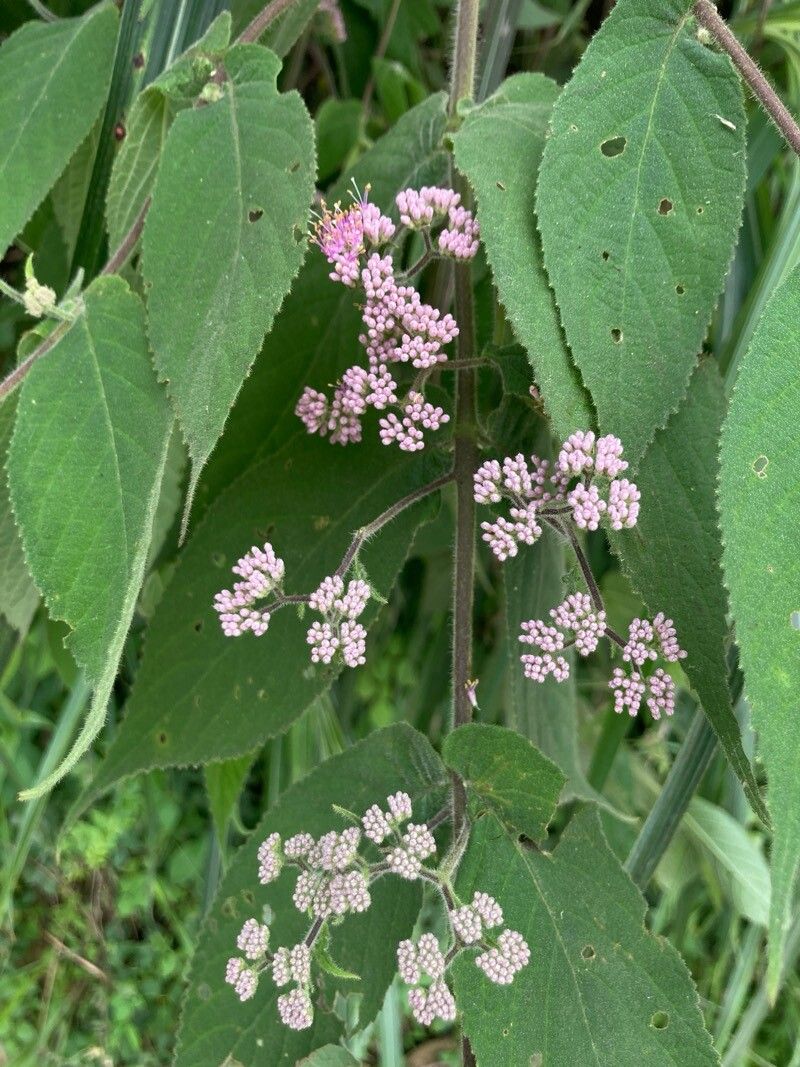
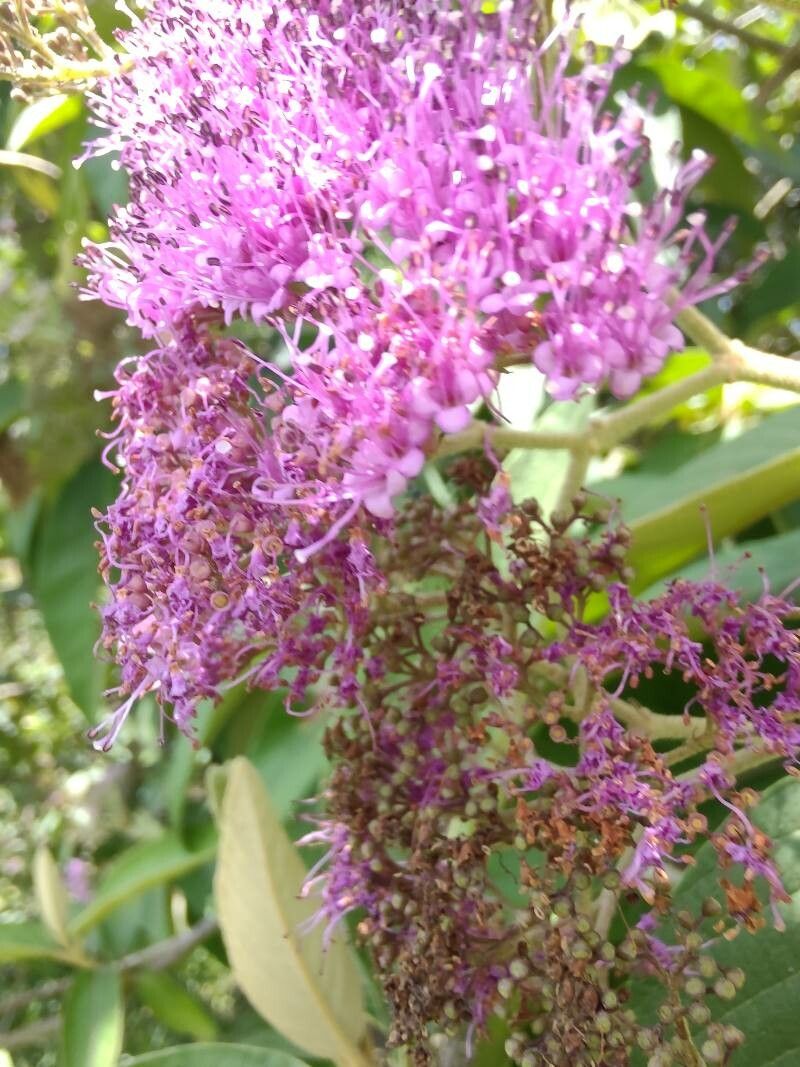
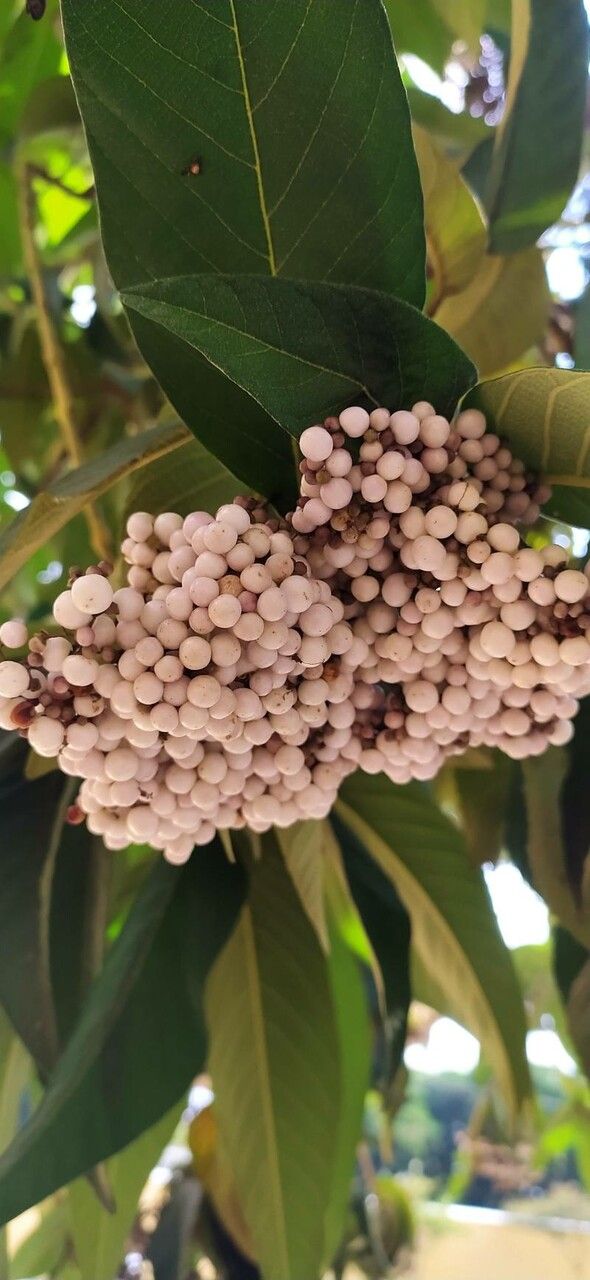
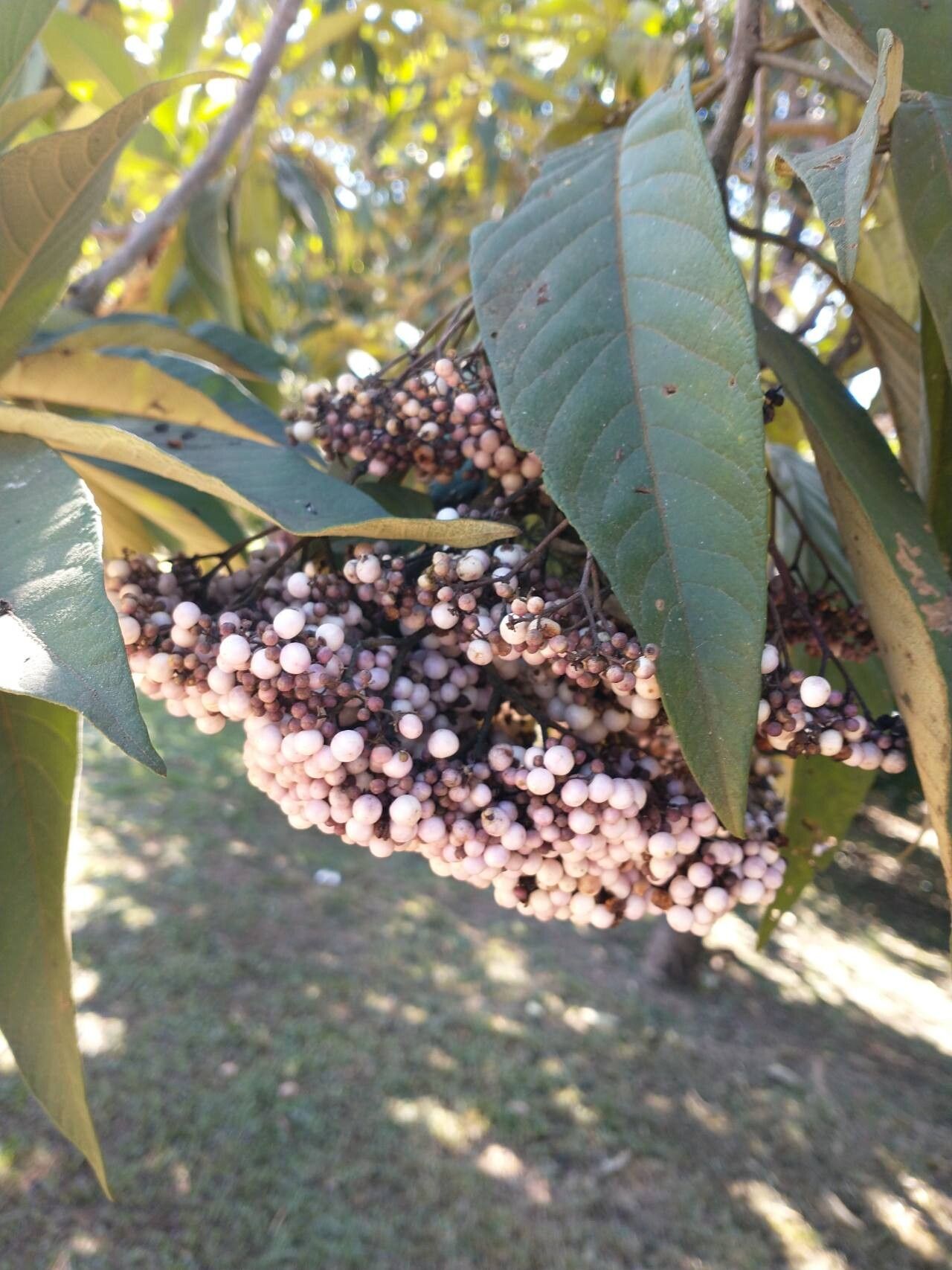
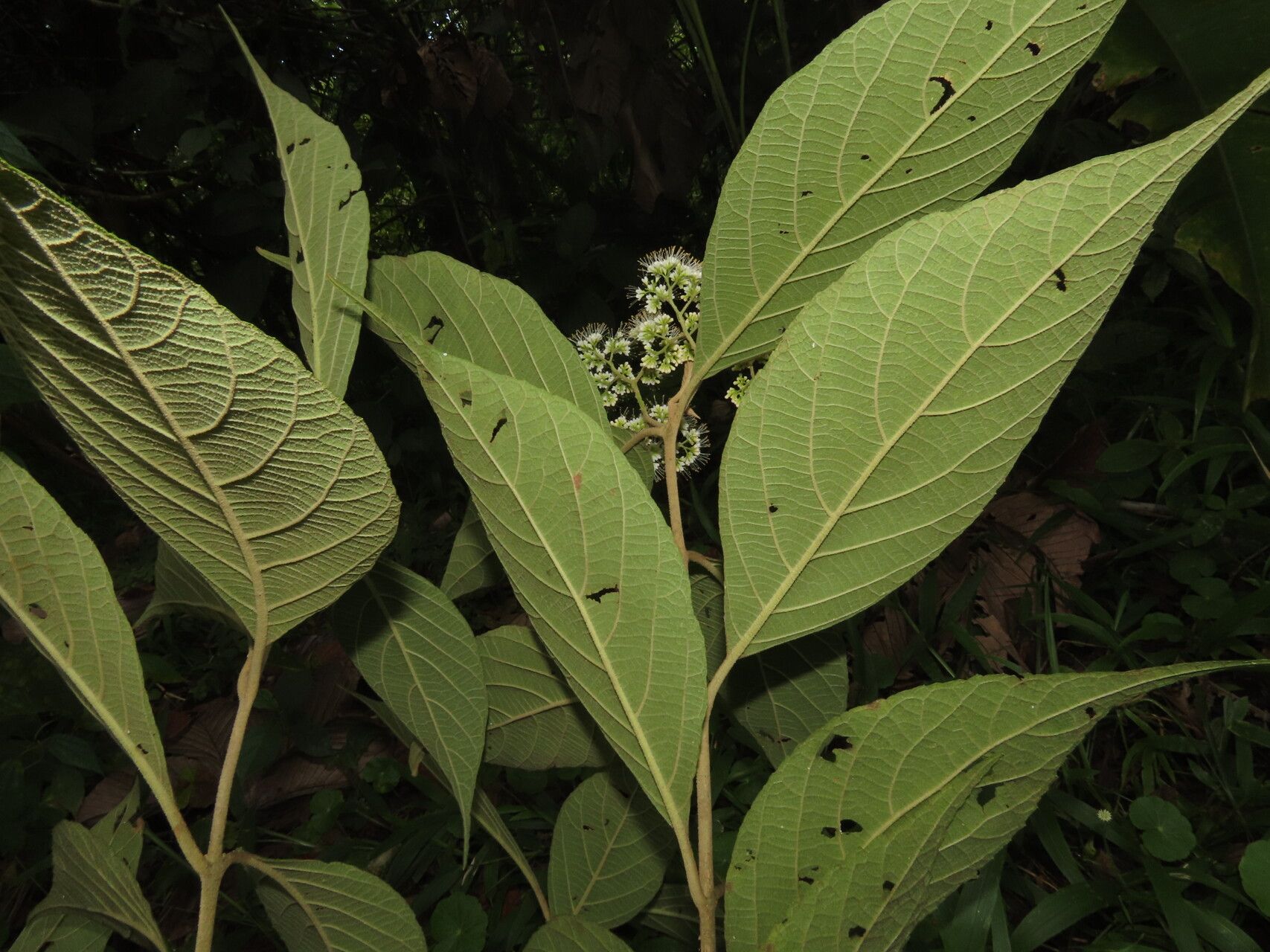
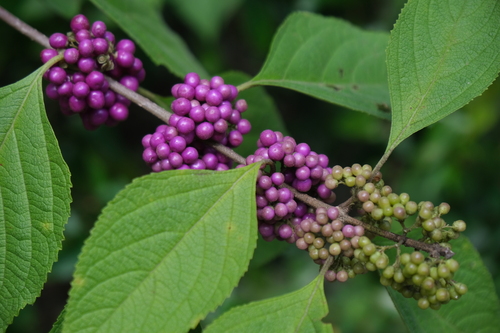
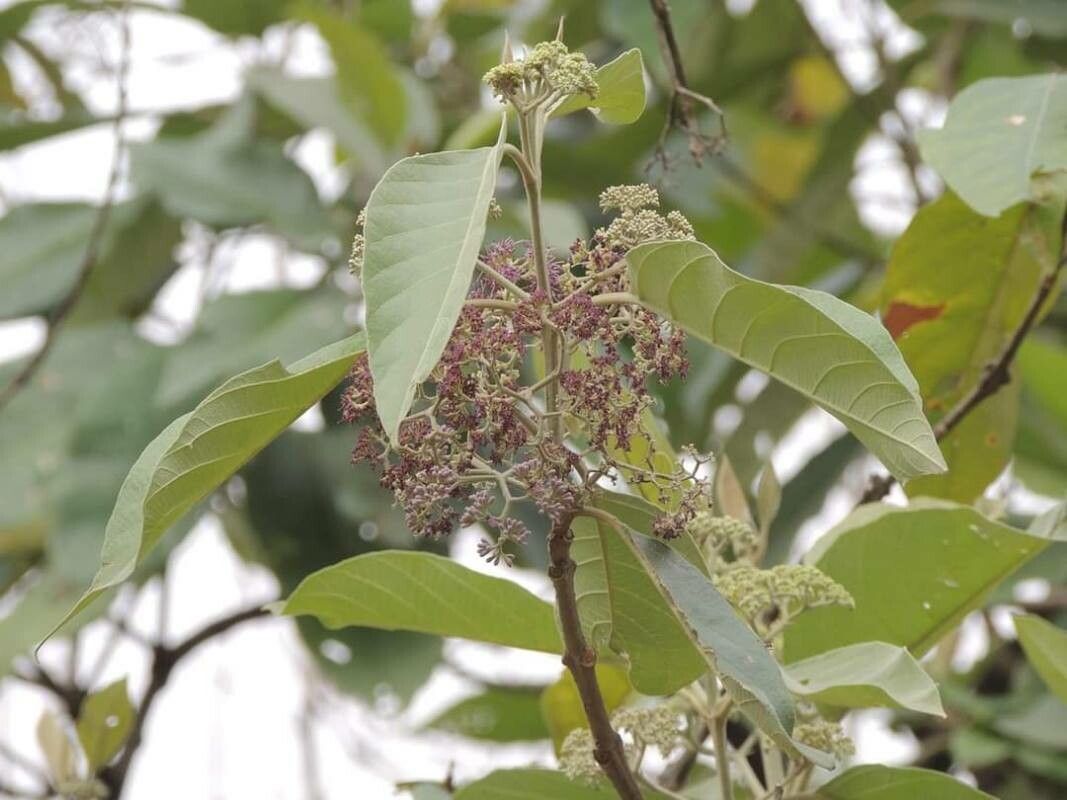
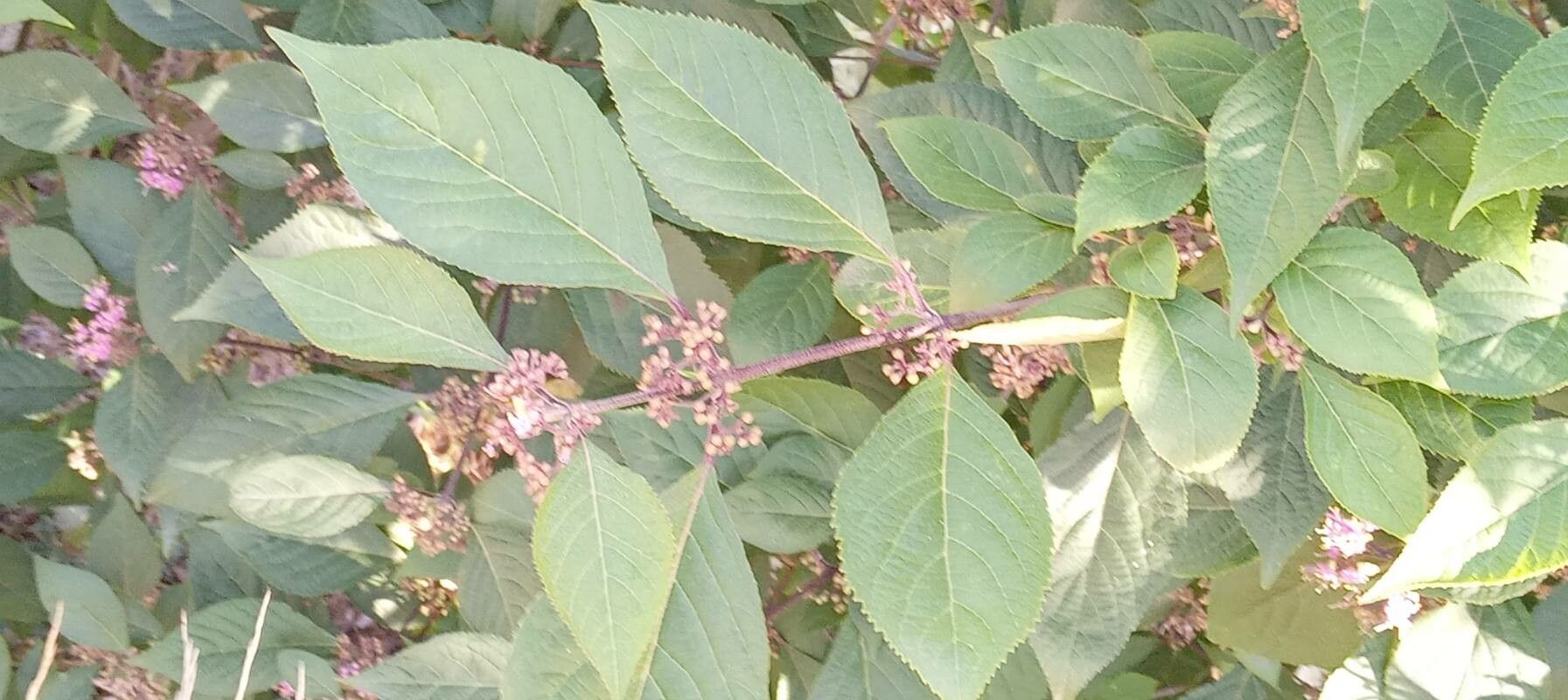
Callicarpa pedunculata, commonly known as beautyberry or velvet-leaf, is a species of plant in the mint and sage family Lamiaceae. It is native to tropical areas from northeast India and southeast China, through the Philippines and New Guinea to eastern Australia. It was first described by Scottish botanist Robert Brown in 1810.
Formosan beauty-berry is disease-resistant and is generally not susceptible to illnesses. Regarding care, this plant is fairly low-maintenance. When grown outdoors it needs only minimal watering, and larger specimens typically do not require pruning. Smaller plants, however, should be pruned after they finish blooming. Formosan beauty-berry is appropriate for anyone with outdoor space, such as a garden or deck, and does not demand extensive care experience.
How to keep Callicarpa Pedunculata.
Light
Formosan beauty-berry naturally occurs in habitats like forest understories or rocky sites, where it grows in natural shade. It favors partial sun but can tolerate full sun or deep shade, illustrating its adaptable and hardy character.
Water
Formosan beautyberry thrives in environments with moderate moisture levels, needing a balanced water supply and consistent humidity without becoming waterlogged. Water it once a week, preferably outdoors, where natural rainfall can support its lush, deciduous foliage.
Temperature
Formosan beauty-berry shows good temperature adaptability, tolerating high heat and considerable temperature fluctuations. During hot periods, care should be taken with watering and providing suitable shade to avoid sunburn. On the other hand, Formosan beauty-berry has relatively low cold tolerance. While it can endure some chill, very low temperatures can cause frost damage.
Fertilizer
The timing of fertilization is important for Formosan beauty-berry. Apply fertilizer in early spring and repeat monthly through early summer. Fertilizer encourages attractive blooms and supplies energy both during dormancy and active growth.
Pruning
To ensure a healthy and abundant berry yield, it's best to prune your Formosan beautyberry in early spring. Start by removing any dead wood and thinning out congested branches to improve airflow. Regular pruning not only enhances the plant's appearance but also maintains mature wood, which is essential for producing a bountiful harvest.
Botanical profile.
- Plant Type
- Tree, Shrub
- Life Cycle
- Perennial
- Genus
- Callicarpa
- Family
- Lamiaceae
- Hardiness Zone
- 9-11
- Mature Height
- 3.05 m to 3.96 m
- Mature Spread
- 0.49 m to 2.13 m
- Leaf Color
- Green, Dark Green
- Leaf Type
- Semi-evergreen
- Flower Color
- Lavender
- Flower Size
- 2.03 cm to 3.05 cm
- Bloom Time
- Early summer, Mid summer
- Planting Time
- Spring, Summer, Autumn
- Harvest Time
- Late summer, Early fall, Mid fall
- Native Area
- India, Vietnam, Myanmar, Japan, Philippines, New Zealand, Laos, Thailand, China
Other names.