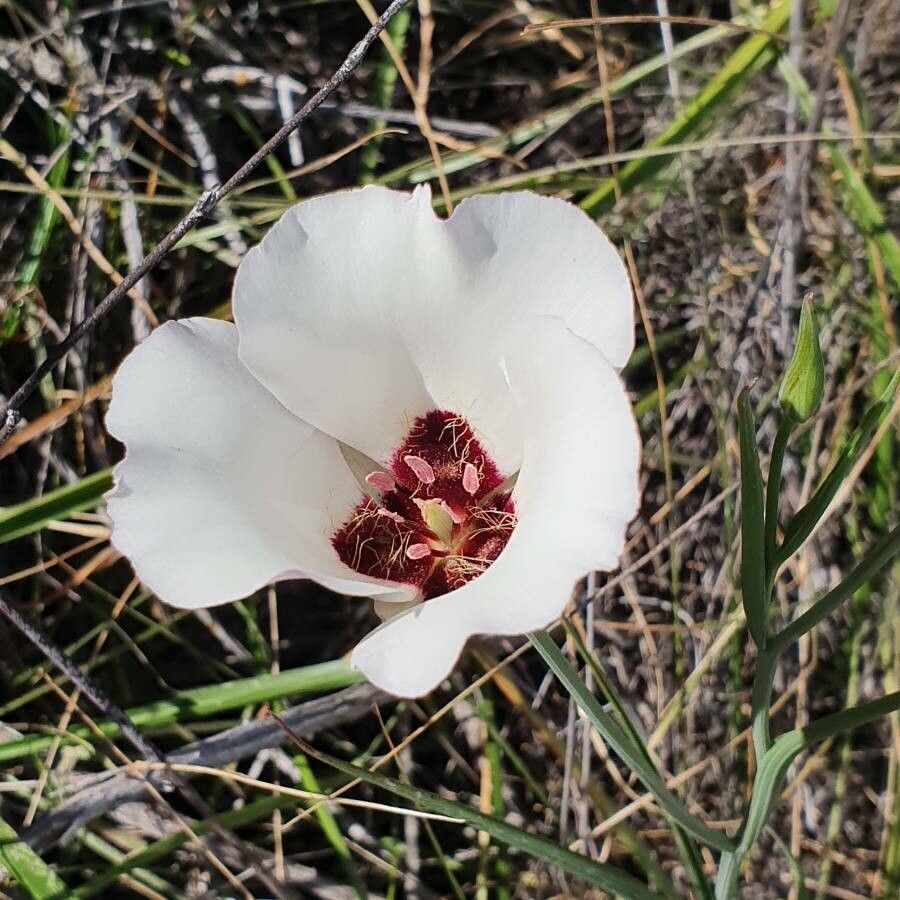
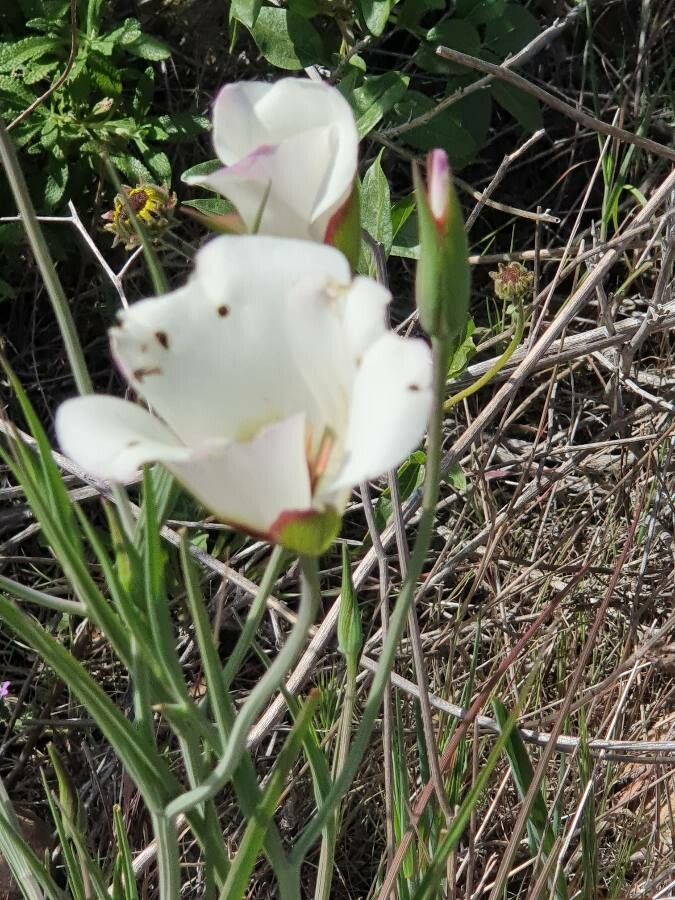
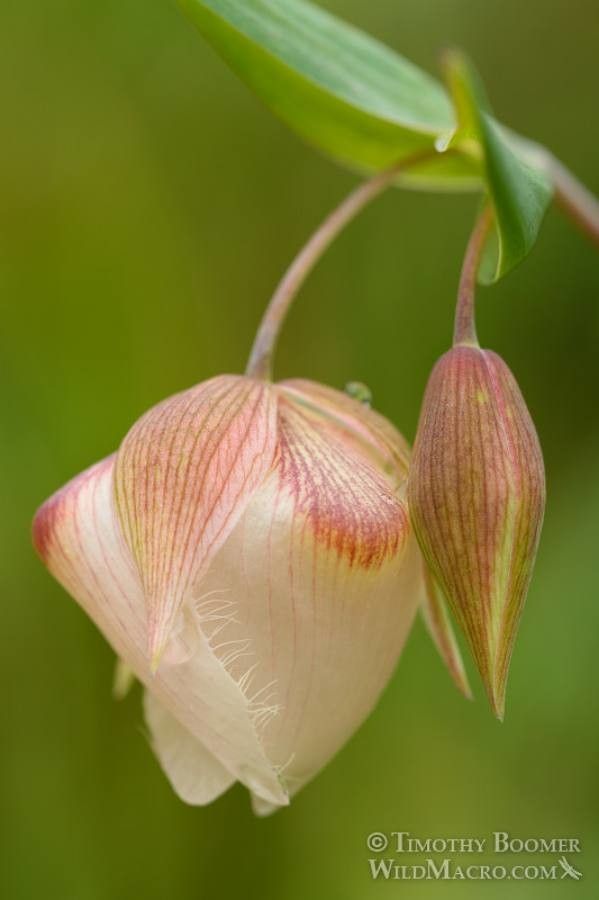
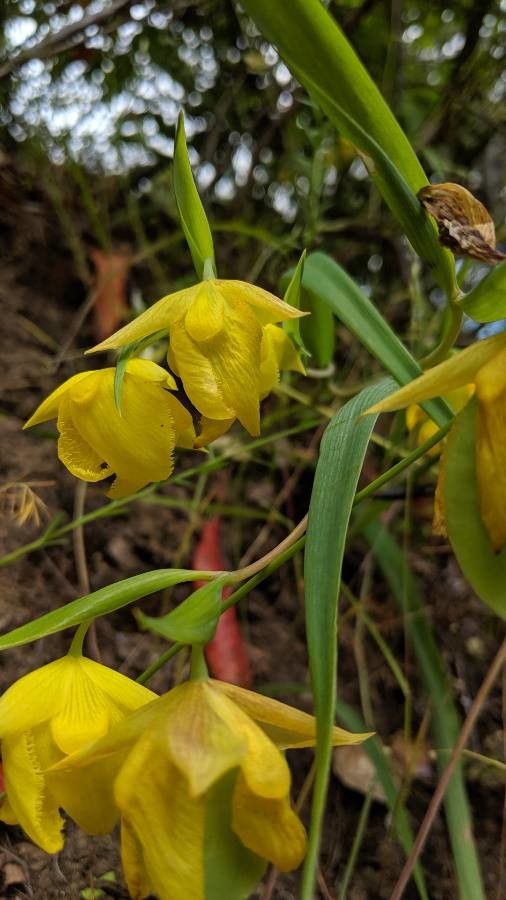
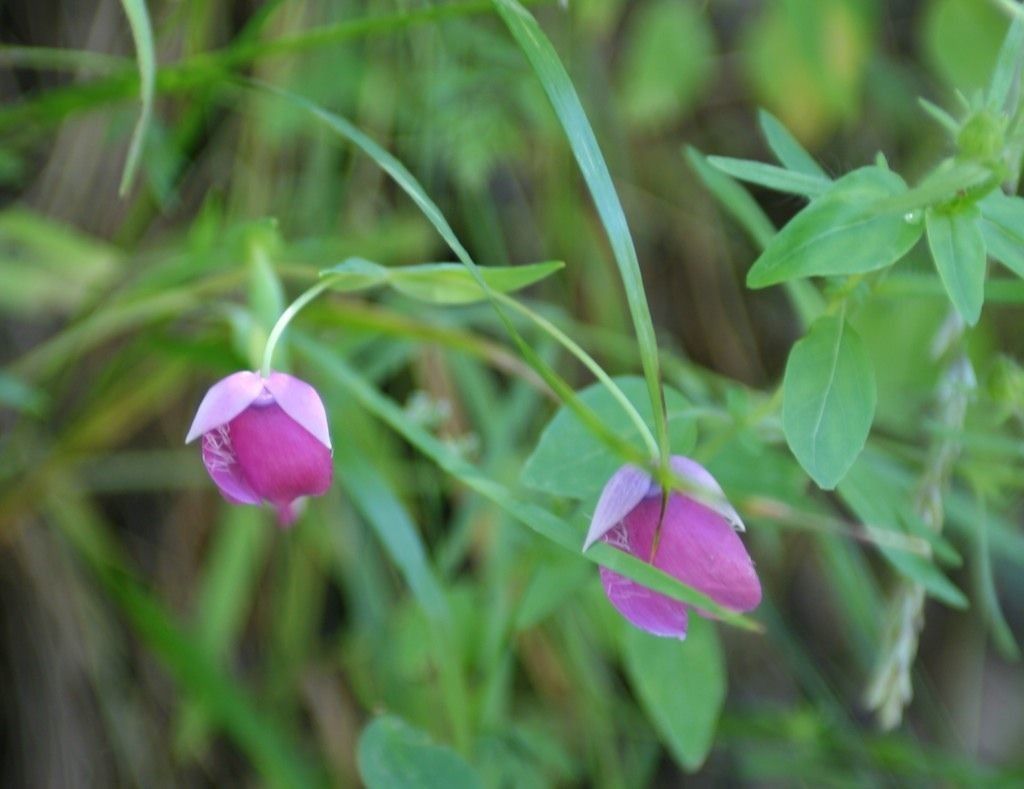
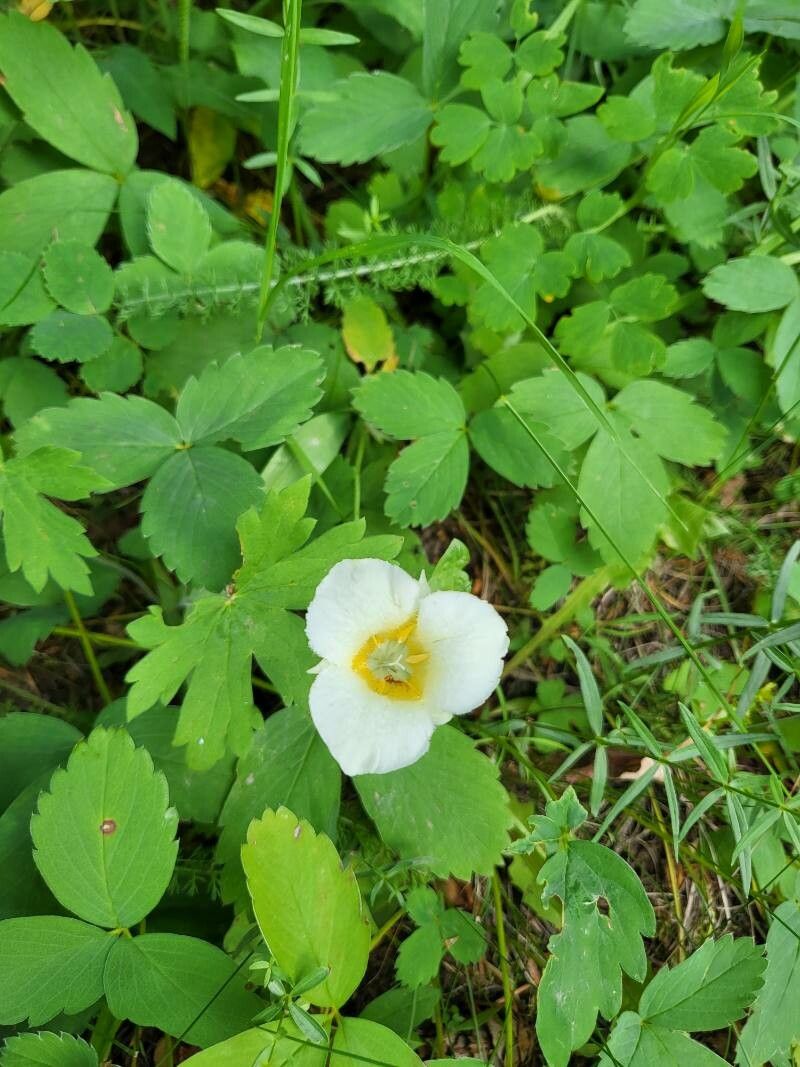
Calochortus catalinae is a species of mariposa lily known by the common name Santa Catalina mariposa lily.
The Santa catalina mariposa lily has strong disease resistance and is generally not prone to illness. Still, it can be affected by pests and diseases present in its environment. These problems are typically mild. For care, the plant needs moderate maintenance. It should be pruned regularly to keep a pleasing appearance and support healthy growth. Fertilizing can also encourage flowering. The Santa catalina mariposa lily suits anyone with outdoor space, such as a garden or patio, and does not demand extensive gardening experience. It may need more attention when grown indoors.
How to keep Calochortus Catalinae.
Light
The Santa Catalina mariposa lily is a sun-loving perennial herbaceous plant that originates from open habitats and commonly grows in meadows and grasslands. It prefers full sun but can also tolerate partial sun.
Water
The Santa Catalina Mariposa Lily is well-suited to dry environments, needing moderate watering, usually once a week. It flourishes outdoors in arid regions, with its growth cycle aligned with local rainfall patterns, which allows it to endure drought conditions.
Temperature
Santa catalina mariposa lily can tolerate a wide range of temperature conditions, but its distribution may still be restricted by various combinations of water and heat. It performs best in warm summer climates with sufficient rainfall or watering. Extended periods of cloudy, rainy weather, as well as prolonged high temperatures, can increase the chance of Santa catalina mariposa lily dying. In winter, appropriate protection from cold can improve the plant's survival rate.
Fertilizer
For Santa catalina mariposa lily, the main time to fertilize is in early spring as flowers are forming. The right fertilizer promotes better blooms and helps Santa catalina mariposa lily produce lovely flowers. Fertilizing in early spring ensures excellent flowering during the season and provides energy for dormant growth phases.
Pruning
The Santa Catalina mariposa lily displays delicate, cup-shaped flowers and should be pruned primarily from early to late spring. Remove any dead foliage to encourage growth, and trim the spent flowers after they bloom to strengthen the bulb. Avoid heavy pruning to prevent stress, which helps maintain vigorous growth and healthy blooming cycles.
Pot & Repot
To ensure your Santa Catalina mariposa lily thrives, it's important to repot it every 2-3 years during its dormant period to prevent overcrowding. Use a medium-sized pot with excellent drainage and soil that drains well. Water sparingly, and place the plant in a location with bright, indirect light to encourage healthy regrowth and beautiful blooms.
Botanical profile.
- Plant Type
- Herb
- Life Cycle
- Perennial
- Genus
- Calochortus
- Family
- Liliaceae
- Hardiness Zone
- 7-10
- Mature Height
- 30 cm to 61 cm
- Mature Spread
- 15 cm to 30 cm
- Leaf Color
- Green
- Leaf Type
- Deciduous
- Flower Color
- White, Lavender
- Flower Size
- 3.05 cm to 5.08 cm
- Bloom Time
- Early spring, Mid spring
- Planting Time
- Spring, Autumn
- Harvest Time
- Late spring, Early summer
- Native Area
- Mexico
Other names.
Reader questions.
How should I water my Santa catalina mariposa lily?
To ensure the health of your Santa Catalina Mariposa Lily, follow these watering guidelines: 1. Use filtered water at room temperature: Tap water may have harmful particles, so filtered water is preferable. 2. Avoid cold water: Since the lily is accustomed to a warm environment, cold water can be disruptive. Use room temperature or slightly warm water instead. 3. Skip overhead watering: This can lead to problems with the foliage. Instead, directly apply the filtered room temperature water to the soil. 4. Soak the soil thoroughly: This benefits the plant by moisturizing the roots and aiding their spread through the soil, while also providing necessary nutrients.
What are the sun requirements for Santa Catalina Mariposa Lily?
The Santa Catalina Mariposa Lily thrives in full sun, requiring above 6 hours of sunlight, but it can also tolerate partial sun conditions, which means about 3-6 hours of sunlight. It's crucial to observe the movement of sunlight through your garden to find the optimal balance of light and shade that ensures the plants' well-being. This sun-loving perennial herbaceous plant commonly flourishes in open habitats, such as meadows and grasslands, benefitting from direct exposure to sunlight.
What should I do if I give too much or too little water to my Santa Catalina mariposa lily?
Overwatering is a common issue for Santa catalina mariposa lilies, while underwatering is less likely. Too much water can cause wilting, yellowing, and potentially deadly diseases like root rot, mold, and mildew. On the other hand, underwatering can lead to brittle, brown leaves. It's crucial to spot signs of overwatering early and reduce watering immediately. If the soil doesn't drain well, replace it with a loose, well-draining potting mix. If you notice signs of underwatering, simply water more regularly until the signs go away.
How do artificial lights benefit indoor plants, and what practices should be followed?
When natural sunlight is insufficient, especially during winter or in less sunny spaces, artificial lighting becomes essential for indoor plants, promoting faster and healthier growth. LED lights are recommended due to their ability to provide specific wavelengths needed by plants. For full sun plants, 30-50W/sq ft of artificial light is necessary; partial sun plants need 20-30W/sq ft, and full shade plants require 10-20W/sq ft. The artificial light source should be placed 12-36 inches above the plant to mimic natural sunlight. Additionally, the lighting duration should simulate natural daylight hours, typically 8-12 hours per day, depending on the plant species.
How many times should I water my Santa Catalina mariposa lily?
If your Santa catalina mariposa lily is in a pot, the most precise way to determine if it needs water is to check the soil by sticking your finger into it. If the top two to three inches of soil feel dry, it's time to water the plant. If you grow your Santa catalina mariposa lily outdoors in the ground, you can use a similar method to test the soil. Again, if the first few inches of soil are dry, it's time to water the plant. During the spring and early fall, you typically need to water this plant once a week using this method. However, when it gets very hot, you may have to increase watering to at least twice a week. Despite this, mature and well-established Santa catalina mariposa lilies have a strong ability to survive in drought conditions.
What are the common symptoms of light deficiency in Santa Catalina Mariposa Lily?
When Santa Catalina Mariposa Lily is grown in inadequately lit rooms, it may exhibit symptoms such as smaller new leaves, leggy or sparse growth, faster leaf drop, slower or no new growth, and lighter-colored new leaves. These signs indicate that the plant is struggling due to a lack of proper sunlight. Chlorosis, sunscald, leaf curling, wilting, and leaf scorching are additional adverse effects that may occur from improper sunlight exposure, indicating the plant's inability to photosynthesize effectively or manage water loss.
How much water does my Santa catalina mariposa lily require?
To properly water your Santa catalina mariposa lily, make sure the top two to three inches of soil are dry. Give it a generous and thorough watering, enough to fully saturate the soil. The water should drain out of the holes at the bottom of the pot. If you don't see any excess water draining, you might not have given enough water. However, be cautious not to let water accumulate in the soil, as this can harm the plant. On the other hand, if water doesn't drain out, it could be a sign of poorly draining soil, which is not good for the plant's health. If the plant is outside, it's generally enough to rely on 1 inch of rain per week.
How can you address sunlight deficiencies for Santa Catalina Mariposa Lily?
To mitigate sunlight deficiencies for Santa Catalina Mariposa Lily, consider gradually moving the plant to a location with at least 6 hours of direct sunlight daily if indoors. Utilize a south-facing window and keep curtains open during the day for maximum sunlight exposure. If the plant is large or not easily movable, supplement with artificial light for at least 8 hours daily. For outdoor plants, transition them to sunnier spots gradually to prevent sunburn. Pruning obstructive branches and relocating smaller plants to sunnier areas can also help in maximizing sun exposure. Although parts of the plant that have suffered from insufficient light might not recover, new growth should be healthy with improved light conditions.
How do I water my Santa Catalina mariposa lily as it grows?
The water needs of the Santa Catalina Mariposa Lily can vary depending on growth stages. In the first few years of its life or after transplanting, it requires more water. During this time, the Lily focuses on developing new roots that will support future growth, and these roots perform best with slightly more moisture. However, after a few seasons, the Lily requires less water. Another growth stage that may require more water is during the bloom period, as flower development uses up a significant amount of moisture.
How do I water my Santa Catalina mariposa lily throughout the year?
The Santa Catalina Mariposa Lily has varying water needs throughout the seasons. During the hot months of the year, it requires more frequent watering, possibly even more than once a week depending on how quickly the soil dries. However, during the winter, the plant goes into a dormant phase and needs much less water. In fact, it may not need any watering at all during this time. If you do choose to water it during winter, do so sparingly, ideally no more than once a month. Over-watering during the winter can increase the risk of disease for your Santa Catalina Mariposa Lily.
How does watering my Santa catalina mariposa lily inside differ from watering it outside?
The Santa catalina mariposa lily is commonly grown indoors by gardeners who don't live in temperate or tropical regions. If you choose to grow it indoors, keep in mind that the soil in a container can dry out faster than ground soil. If you have drying elements like air conditioning units, your lily may need more frequent watering compared to if it were planted outside. In that case, you may not need to water it much if you receive regular rainfall. However, if you grow this plant inside, you'll need to water it more often since rainwater cannot soak the soil.