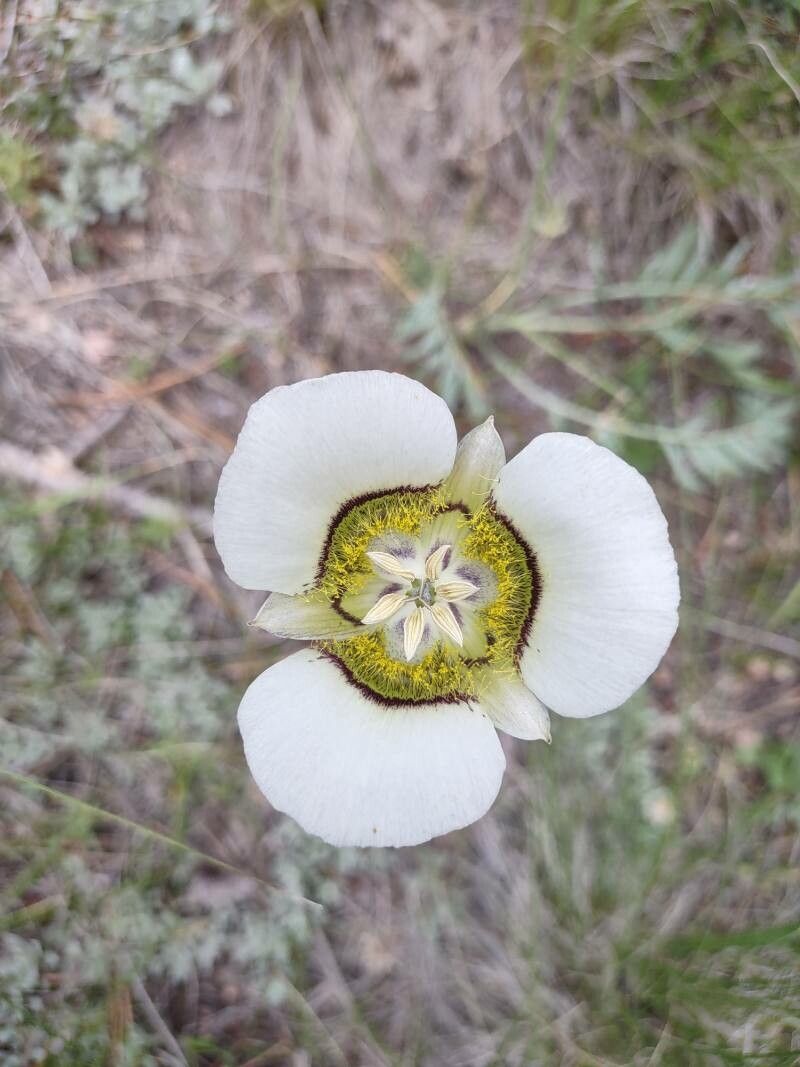
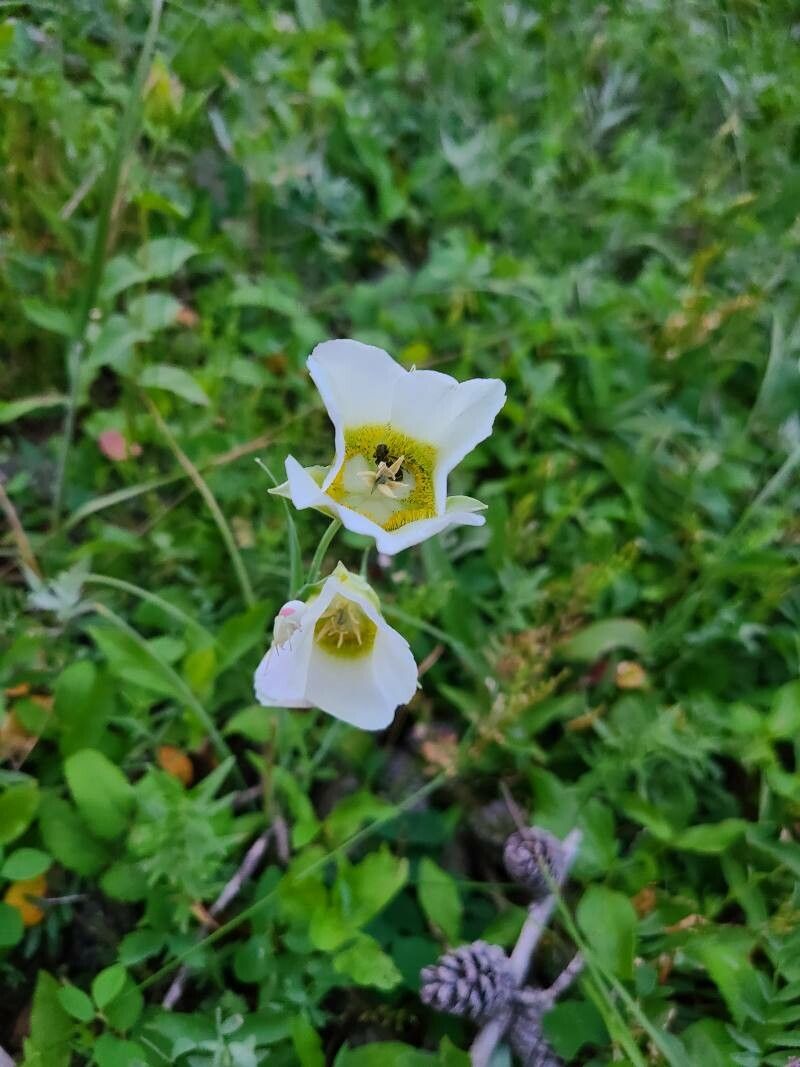
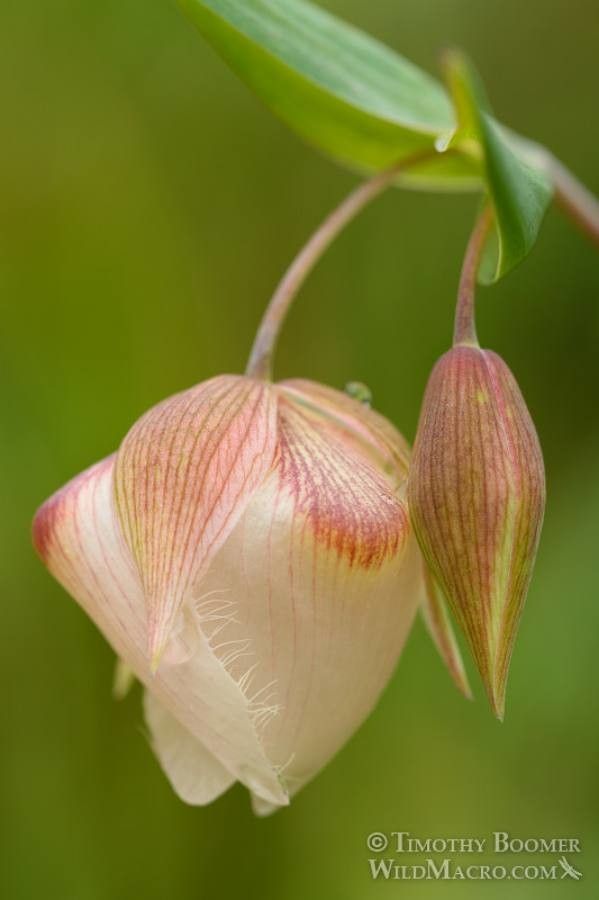
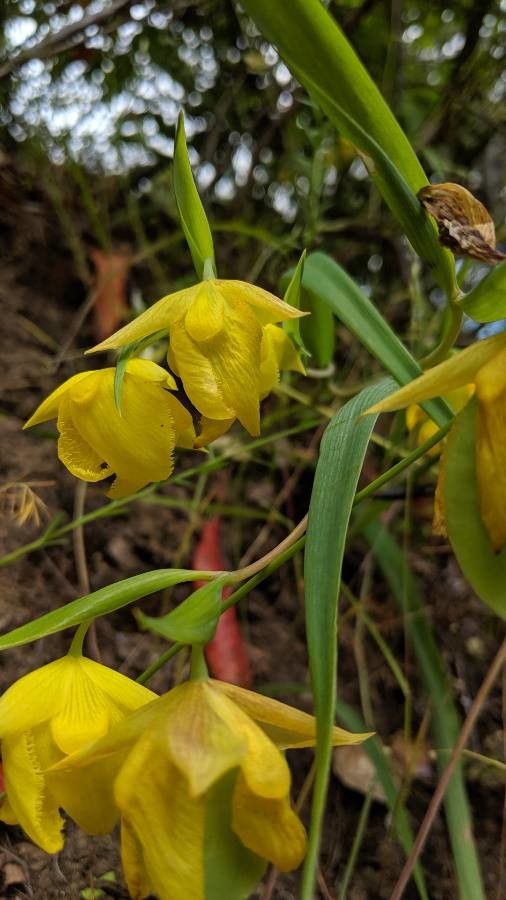
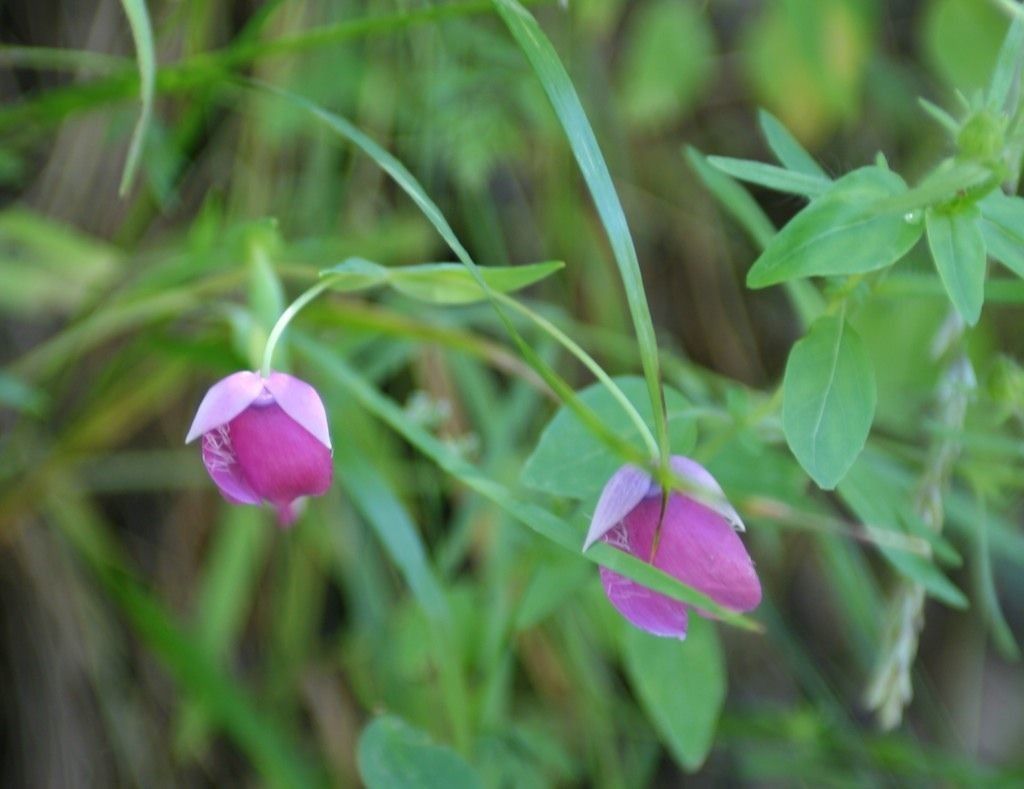
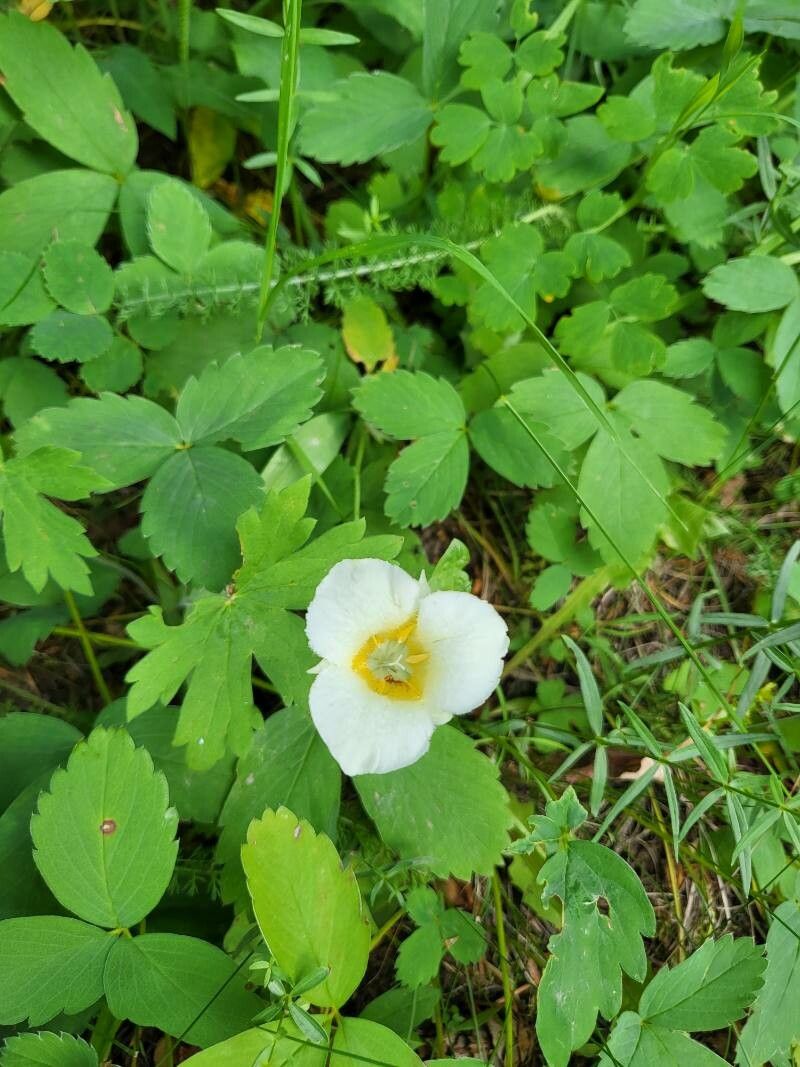
Calochortus gunnisonii (Gunnison's mariposa lily) is a North American species of flowering plant in the lily family. It is native to the western United States, primarily in the Rocky Mountains and Black Hills: Arizona, New Mexico, Utah, Colorado, Wyoming, Montana, South Dakota, Washington state (Grant County, northwestern Nebraska (Sioux County) and eastern Idaho (Fremont County).Calochortus gunnisonii is a bulb-forming perennial with straight stems up to 55 cm tall. Flowers are white to purple with darker purple markings. VarietiesCalochortus gunnisonii var. gunnisonii - most of species range Calochortus gunnisonii var. perpulcher Cockerell - New Mexico
Gunnison's mariposa lily is fairly resistant to disease and usually does not get sick. However, it can be vulnerable to pests and diseases present in its environment. Such infections tend to be mild. For care, this plant requires moderate maintenance. It should be pruned regularly to keep a neat appearance and encourage healthy growth. Fertilizing can also aid in promoting blooms. Gunnison's mariposa lily is suitable for anyone with an outdoor area, like a garden or patio, and does not demand extensive gardening experience. It may need more attention when grown indoors.
How to keep Calochortus Gunnisonii.
Light
Gunnison's mariposa lily is a sun-loving, perennial herbaceous plant native to open habitats, commonly occurring in meadows and grasslands. It prefers full sun but can also endure partial sun.
Water
Gunnison's mariposa lily flourishes in montane meadows, where it prefers well-drained soils and moderate humidity. While it can withstand short dry spells, it requires weekly watering. This lily is usually grown outdoors, where it benefits from natural light. After blooming in the summer, the plant enters a dormant period during which its water needs decrease significantly.
Temperature
Gunnison's mariposa lily can tolerate a wide range of temperatures, though its distribution may still be restricted by particular combinations of moisture and heat. It performs best in warm summer conditions with adequate rainfall or watering. Extended periods of cloudy, rainy weather or prolonged high temperatures can raise the likelihood of the lily dying. In winter, protecting it from cold can increase its chances of survival.
Fertilizer
The primary time to fertilize Gunnison's mariposa lily is in early spring, when the flowers are developing. The proper fertilizer promotes better blooms and helps Gunnison's mariposa lily produce attractive flowers. Fertilizing in early spring ensures strong flowers during the season and supplies energy for its dormant growth phases.
Pruning
Gunnison's mariposa lily is a bulb-forming perennial that features cup-shaped flowers and requires minimal pruning. To maintain its health and improve future blooms, prune the plant in the early to late spring after it has flowered. During this time, remove any spent blooms and yellowing foliage. This light pruning enhances the vigor of the bulb and improves flower displays in subsequent years, while avoiding the stress that heavy pruning can cause.
Botanical profile.
- Plant Type
- Herb
- Life Cycle
- Perennial
- Genus
- Calochortus
- Family
- Liliaceae
- Hardiness Zone
- 3-7
- Mature Height
- 20 cm to 61 cm
- Mature Spread
- 10 cm to 20 cm
- Leaf Color
- Green
- Leaf Type
- Deciduous
- Flower Color
- White, Lavender
- Flower Size
- 2.54 cm to 7.62 cm
- Bloom Time
- Early summer, Mid summer
- Planting Time
- Spring, Summer
- Harvest Time
- Late summer, Early fall
Other names.