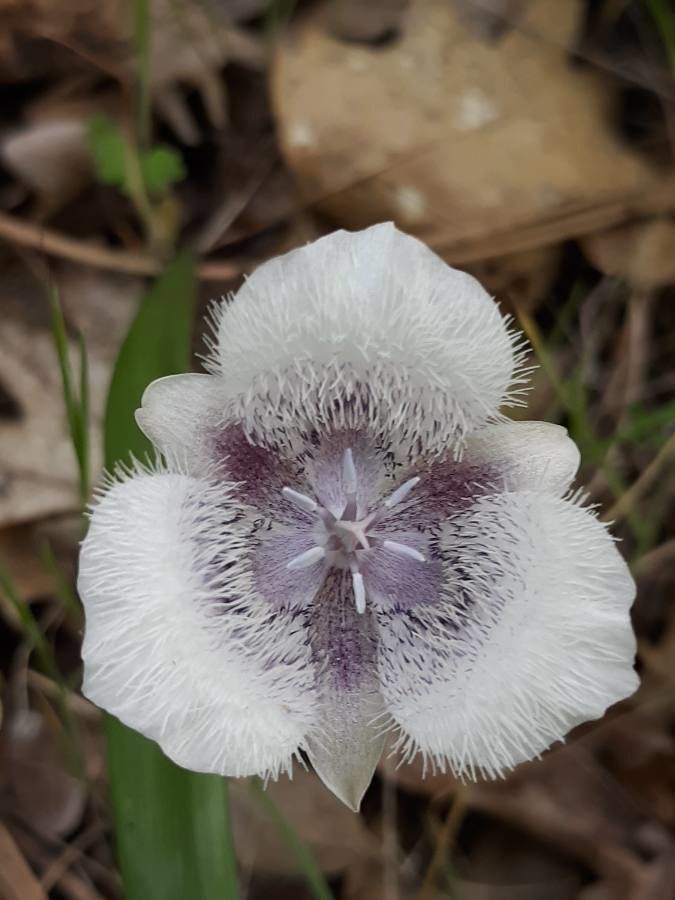
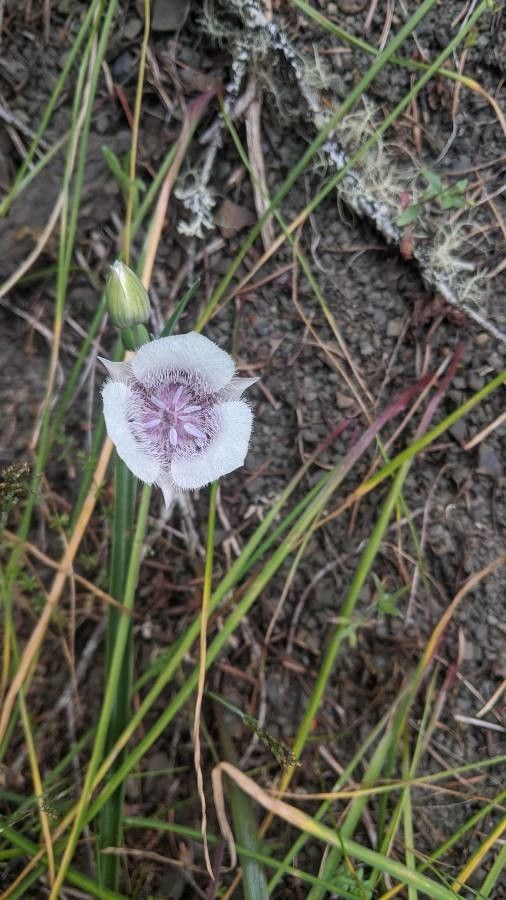
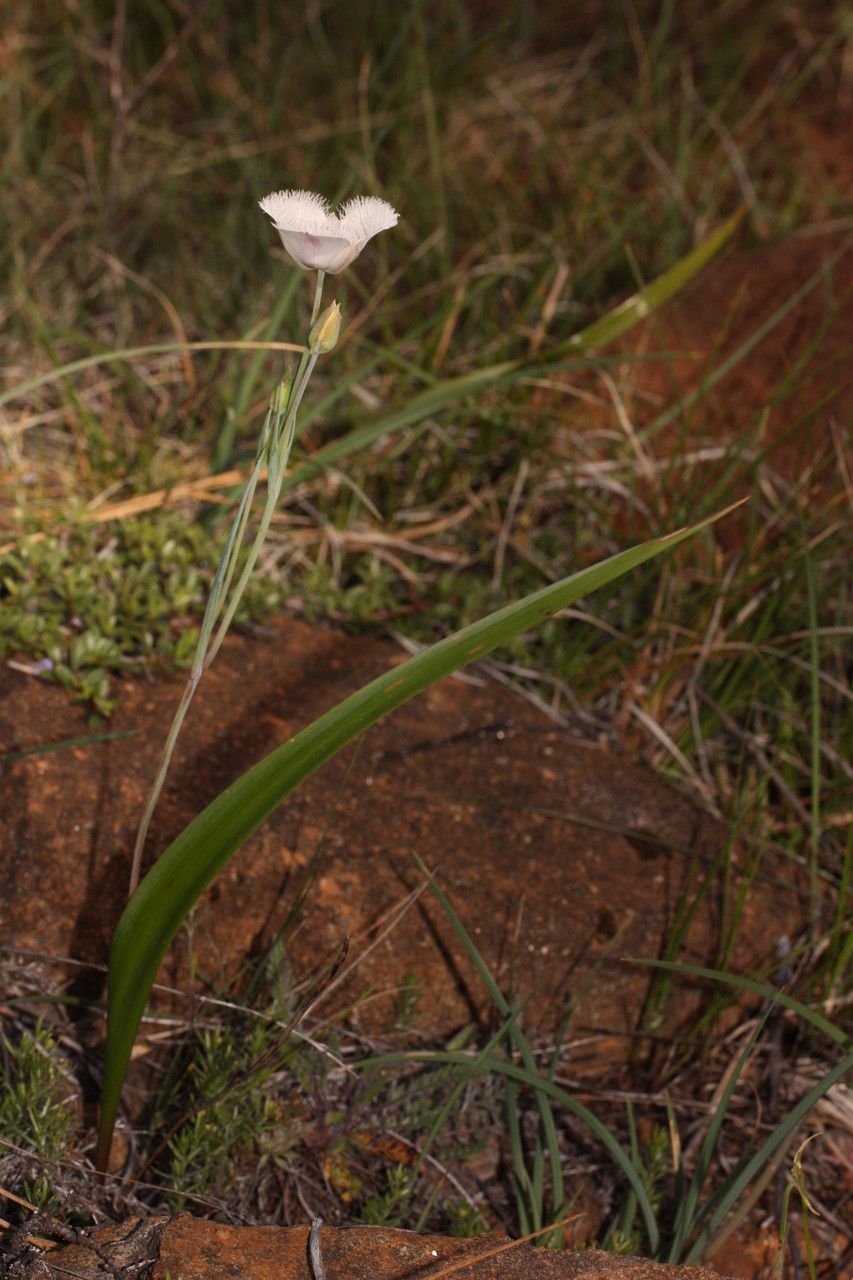
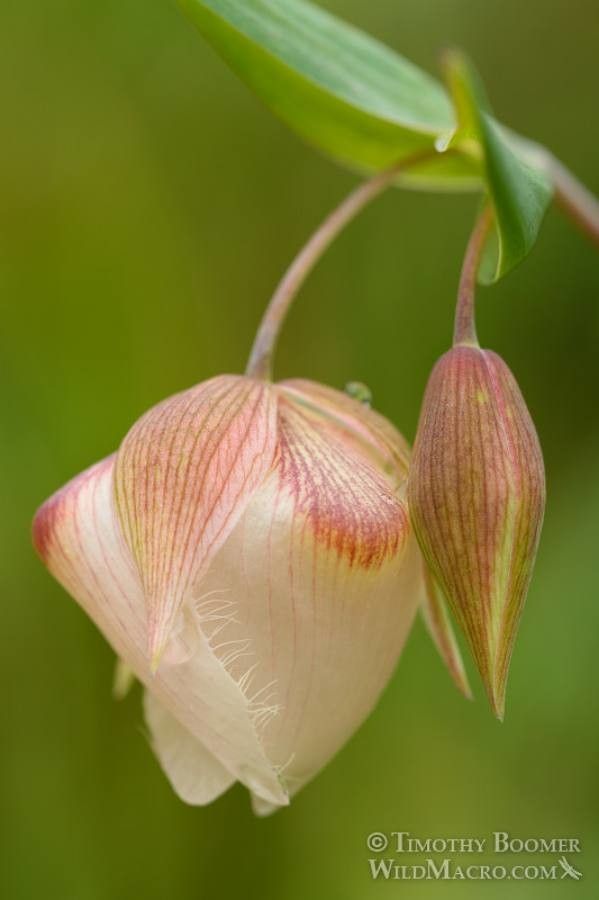
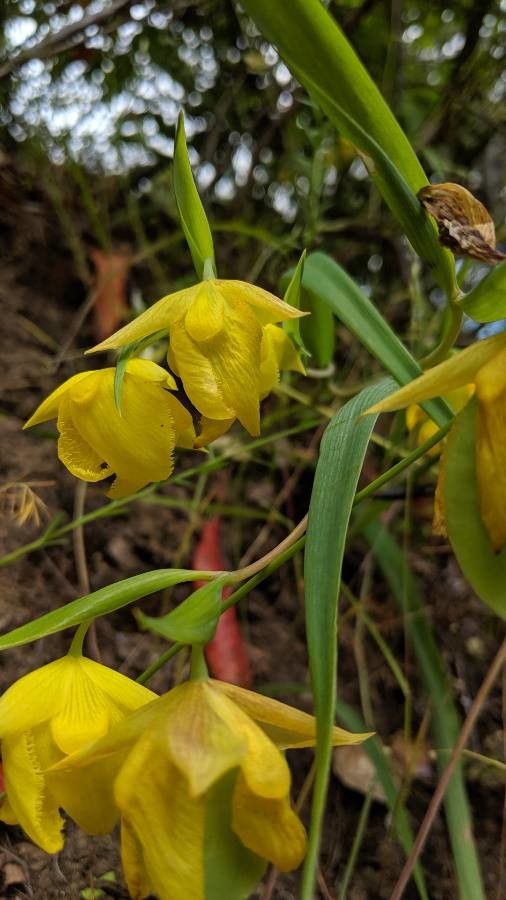
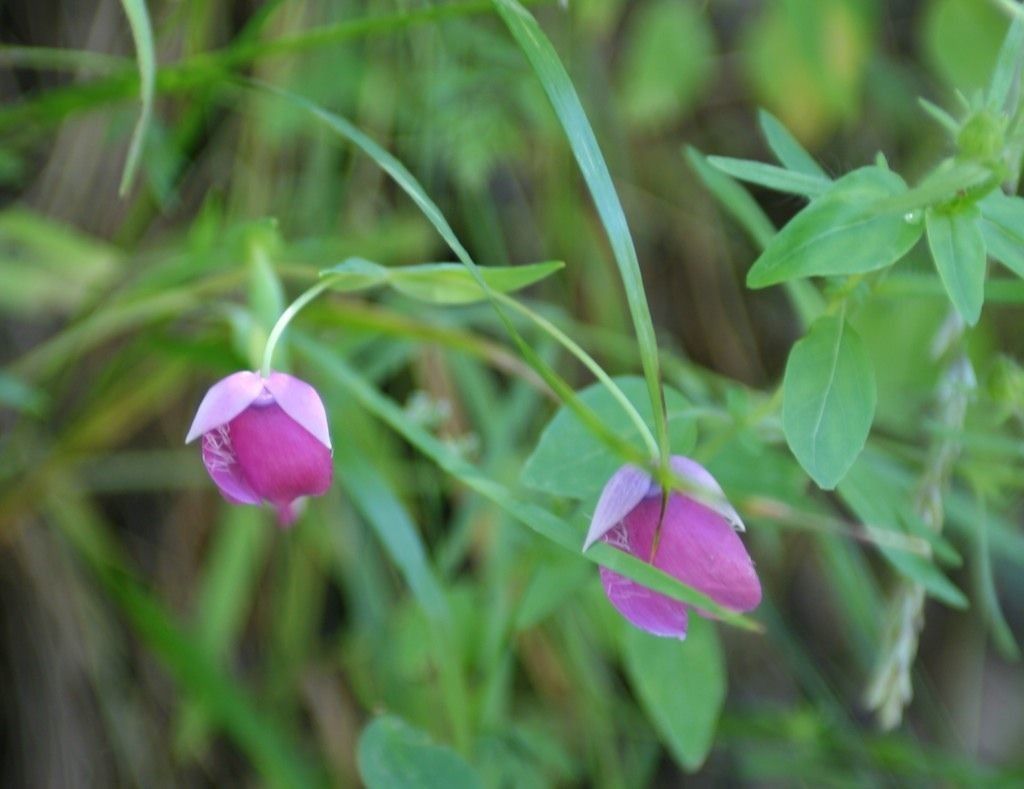
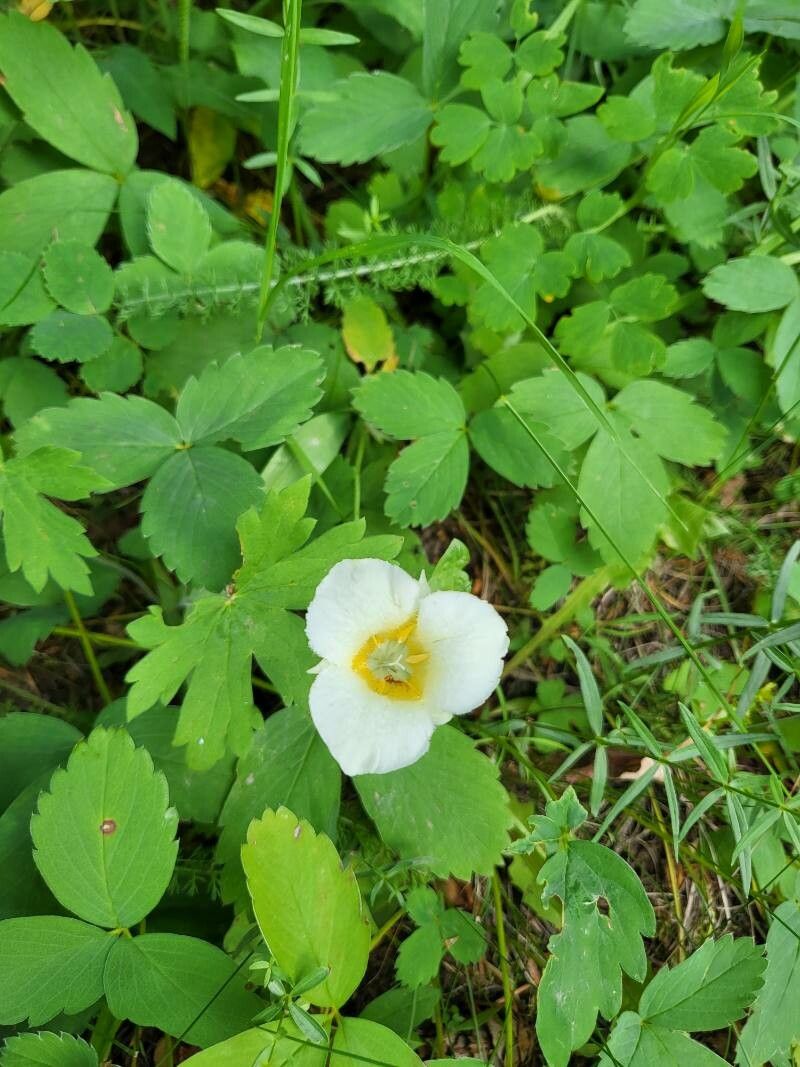
Calochortus tolmiei is a North American species of flowering plant in the lily family known by the common names Tolmie's star-tulip and pussy ears. It was discovered by and named for Dr. William Fraser Tolmie. It is native to the west coast of the United States: Washington, Oregon, and northern California as far south as Santa Cruz County, though it is now apparently extinct in Washington. It is a common member of the flora in several types of habitat.
Tolmie star-tulip generally resists diseases well and is not typically vulnerable to them. That said, it can be affected by pests and illnesses present in its environment. Such outbreaks are typically mild. Regarding upkeep, this plant is moderately demanding. It should be pruned on a regular basis to preserve a neat appearance and support healthy growth. Applying fertilizer can also encourage blooming. Tolmie star-tulip is appropriate for anyone who has an outdoor area, like a garden or patio, and does not need extensive gardening experience. If kept indoors, it may need greater attention.
How to keep Calochortus Tolmiei.
Light
Tolmie star-tulip thrives in places with abundant sunlight but can also adapt to areas with reduced sun. The sun affects its healthy growth and development. In its native habitats it prospers beneath an open sky. Too little or too much light can influence its flowering.
Water
The Tolmie star-tulip thrives in balanced moisture conditions and is highly efficient at retaining water. It does best with weekly watering and is typically found outdoors, where it benefits from natural rainwater during its growth cycle. This reflects its origins in regions with moderate rainfall.
Humidity
This plant prefers dry conditions, so don't mist it. However, watering it less often can also thrive in higher humidity.
Temperature
Tolmie star-tulip is native to temperate regions and grows best at temperatures between 50 and 95 °F (10 and 35 ℃). Although it tolerates cooler climates, this tolerance requires care adjusted by season, and it favors warmer conditions during its growth periods.
Fertilizer
The primary time to fertilize Tolmie star-tulip is early spring, when the flowers are developing. Using the appropriate fertilizer promotes better blooms and helps Tolmie star-tulip produce attractive flowers. Fertilizing in early spring ensures strong flowers throughout the season and supplies energy for its dormant growth phases.
Pruning
The Tolmie star-tulip is a bulbous perennial known for its star-shaped flowers. To ensure its healthy growth, it's important to prune the plant in early spring. Start by removing any damaged foliage to promote new growth and reduce the risk of disease. Light pruning helps improve air circulation, which leads to healthier plants. Always use sterilized tools during pruning to maintain the plant's vitality and encourage more flowering.
Botanical profile.
- Plant Type
- Herb
- Life Cycle
- Perennial
- Genus
- Calochortus
- Family
- Liliaceae
- Hardiness Zone
- 6-9
- Mature Height
- 10 cm to 30 cm
- Mature Spread
- 10 cm to 15 cm
- Leaf Color
- Green
- Leaf Type
- Deciduous
- Flower Color
- White
- Flower Size
- 1.02 cm to 6.35 cm
- Bloom Time
- Mid spring, Late spring
- Planting Time
- Spring
- Harvest Time
- Early summer, Mid summer
Other names.
Reader questions.
How should I water my Tolmie star-tulip?
To properly care for the Tolmie star-tulip, it is important to use filtered water at room temperature, rather than tap water. Tap water may contain harmful particles for this plant. It is recommended to use room temperature water or slightly warmer, as the Tolmie star-tulip is accustomed to a warm environment and cold water could be a shock to its system. Instead of overhead watering, it is best to apply filtered room temperature water directly to the soil until it is completely soaked. This helps to moisten the roots and support their growth and nutrient absorption in the soil.
What are the sunlight requirements for the Tolmie star-tulip?
The Tolmie star-tulip thrives best in environments with ample sun exposure, preferably in full sun conditions, which means receiving above 6 hours of sunlight daily. It can also adapt to partial sun, receiving about 3-6 hours of sunlight. It's essential to observe the movement of sunlight in your garden to ensure that you place your Tolmie star-tulip in a spot that offers a good balance of light and shade, ensuring the plant's happiness and healthy growth.
What is the native climate for Tolmie star-tulip?
Tolmie star-tulip is native to temperate regions and thrives in temperatures ranging from 50 to 95 °F (10 to 35 °C). It has a strong resistance to cold, allowing it to adapt well to cooler climates, although it requires seasonally adjusted care. During growth periods, warmer conditions are preferred.
What should I do if I give my Tolmie star-tulip too much water or too little water?
Overwatering is a common issue for Tolmie star-tulips. It can cause wilting and yellowing of the stems and leaves, and may even lead to diseases like root rot, mold, and mildew which can be fatal. Underwatering is less common but can still happen, resulting in brittle and brown leaves. It's important to recognize the signs of overwatering early to prevent irreversible damage. Reduce your watering schedule immediately if you see these signs and consider using well-draining potting mix if the soil doesn't drain well. If your plant is not getting enough water, increase your watering until the symptoms improve.
How does sunlight affect the growth of Tolmie star-tulip?
Sunlight plays a crucial role in the healthy growth and development of the Tolmie star-tulip. In its native habitats, it flourishes under the open sky. Both a lack and an abundance of light can impact its blooming process. Optimal sun exposure is essential as it influences the plant's development directly.
How should Tolmie star-tulip be cared for during winter?
During winter, special frost protection measures for Tolmie star-tulip are usually not necessary due to its strong cold resistance. However, if temperatures are expected to fall below -25°C, it is important to protect the plant. This can be done by covering it with soil or straw. Additionally, watering the plant abundantly before the first freeze of autumn is recommended to ensure the soil remains moist and freezes, which helps prevent drought and water scarcity during the colder months.
How frequently should I give water to my Tolmie star-tulip?
If your Tolmie star-tulip is in a pot, you can determine if it needs water by checking the soil. Stick your finger into the soil and if the top two to three inches are dry, it's time to water it. If you have the plant outdoors in the ground, you can use the same method. Once the top few inches of soil have dried out, it's time to water. Usually, in spring and early fall, watering once a week is sufficient. However, during hot weather, you may need to water twice a week or more. It's worth noting that mature Tolmie star-tulips can withstand drought well.
Can artificial lighting be used for Tolmie star-tulip and how?
Yes, artificial lighting can be beneficial for Tolmie star-tulip, especially when natural sunlight is insufficient, such as in winter or less sunny spaces. LED lights are recommended as they can be customized to provide specific wavelengths needed by the plant. For full sun plants, 30-50W/sq ft of artificial light is required; partial sun plants need 20-30W/sq ft, and full shade plants need 10-20W/sq ft. The light source should be placed 12-36 inches above the plant to mimic natural sunlight, and most plants need 8-12 hours of light per day.
What are the temperature tolerance limits for Tolmie star-tulip?
Tolmie star-tulip is cold-tolerant, thriving best when temperatures stay above 10°C. During winter, it should be kept above -15°C. Although it may not show noticeable changes if temperatures fall below -25°C, this could lead to a decrease in sprouting or even a failure to sprout in the spring. In summer, it's optimal to keep the plant below 35°C, as temperatures exceeding 38°C can cause the leaves to lighten in color, curl, become prone to sunburn, and in severe cases, the plant may wilt and dry.
How often does my Tolmie star-tulip need to be watered?
To properly water your Tolmie star-tulip, it is important to be generous with the amount of water you give. Wait until the top two to three inches of soil are dry and then give the plant a thorough watering. Make sure to soak the soil completely, allowing excess water to flow out of the drainage holes in the pot. If you do not see any excess water draining, you may not have given enough water. However, be careful not to let water accumulate in the soil, as this can harm the plant. Additionally, if water is not draining properly from the pot, it may indicate that the soil is not draining well, which is not good for the plant's health. If the plant is outdoors, one inch of rain per week should be enough.
What are the common symptoms of light deficiency in Tolmie star-tulip?
Common symptoms of light deficiency in Tolmie star-tulip include smaller new leaves, leggy or sparse growth, faster leaf drop, slower or no new growth, and lighter-colored new leaves. These symptoms indicate that the plant is not receiving adequate light for its normal photosynthesis process and overall health.
How should Tolmie star-tulip be managed for temperature-related issues?
For issues related to low temperatures, such as failure to sprout in spring after cold winters, removing the parts that failed to sprout is recommended. For high temperature issues, including lighter-colored leaves, susceptibility to curling, and sunburn, it's advisable to trim away the sunburned and dried-up parts, move the plant to a shaded location away from the midday and afternoon sun, or use a shade cloth. Additionally, watering the plant in the morning and evening to keep the soil moist can help manage the stress from high temperatures.